
The Ultimate Showdown: Choosing Between Crazy Egg and Lucky Orange for Conversion Rate Optimization
In the high-stakes world of digital marketing, understanding user intent is the difference between a high-converting landing page and a silent, abandoned funnel. As businesses face increasing pressure to squeeze more value out of every visitor, the demand for sophisticated Conversion Rate Optimization (CRO) tools has never been higher. Two industry stalwarts—Crazy Egg and Lucky Orange—have long been the go-to solutions for teams looking to visualize behavior. But which one deserves a spot in your tech stack?
This comprehensive analysis breaks down the feature sets, operational philosophies, and long-term value propositions of both platforms to help you decide which tool aligns with your business goals.
Main Facts: The Core of the Comparison
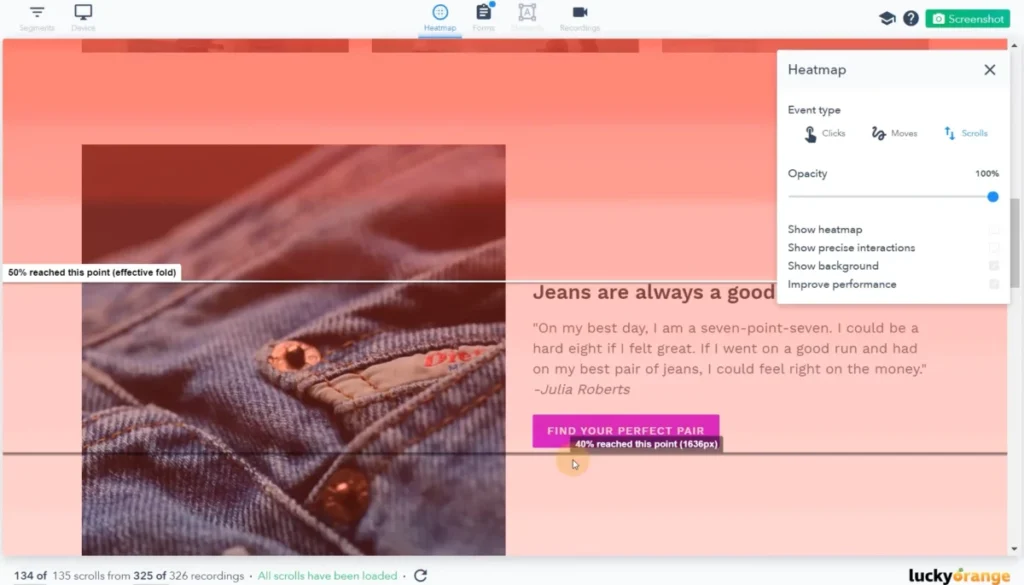
At their foundation, both Crazy Egg and Lucky Orange are designed to provide a "God’s-eye view" of how users interact with a website. They share a core DNA: heatmaps to visualize clicks and scrolling, session recordings to watch individual user journeys, and feedback mechanisms to capture the "why" behind the "what."
However, the divergence occurs in their strategic focus. Crazy Egg positions itself as a holistic optimization suite. It is designed for teams that want to consolidate their A/B testing, behavioral analytics, and feedback loops into a single platform. It is engineered to bridge the gap between simple traffic observation and proactive site experimentation.

Lucky Orange, conversely, focuses on real-time engagement and granular interaction. It excels in environments where immediate, tactical feedback—like live chat or form-field analysis—is the primary driver of conversion. It is the preferred choice for e-commerce operators who need to see where a customer is hesitating in a checkout flow right now, rather than in an aggregated report tomorrow.

Chronology and Evolution of the Tools
Both tools have evolved from simple tracking scripts into sophisticated AI-driven platforms.
- The Early Years: Both platforms emerged in the late 2000s/early 2010s during the rise of "heatmap" culture, providing a visual alternative to the often-opaque data provided by Google Analytics.
- The Mid-Life Transition: As the market matured, both companies moved beyond simple clicks. They began integrating session replays, which turned static maps into dynamic stories.
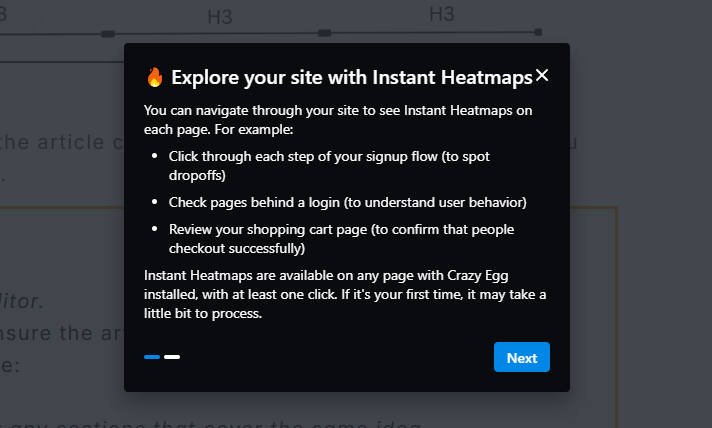
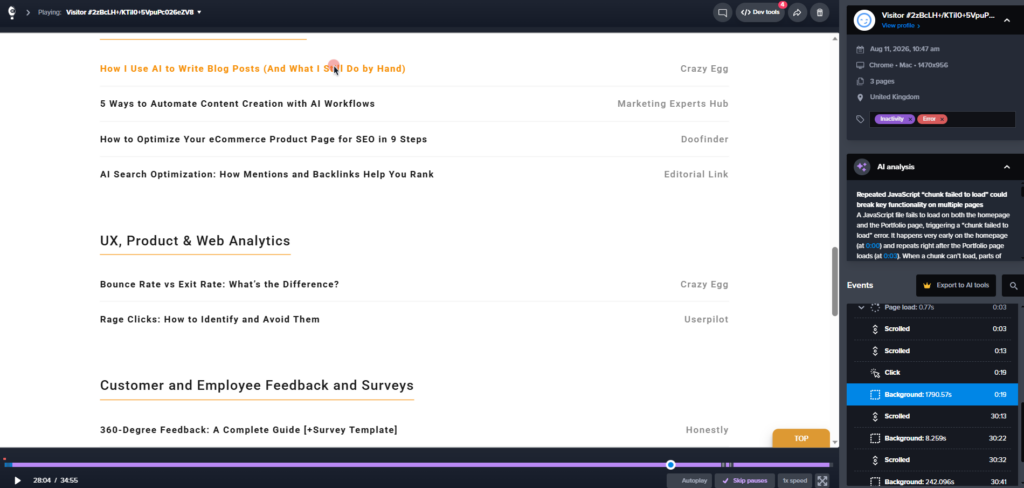
- The AI Era: Within the last 18 months, both companies have pivoted heavily toward Generative AI. Crazy Egg has focused on "automated insights" and API connectivity (such as their MCP integration), allowing teams to export data into external LLMs like ChatGPT or Claude. Lucky Orange has doubled down on "Discovery AI," a conversational interface that acts as an in-app analyst for users who prefer a chat-based query system.
Supporting Data: Feature Breakdown
To truly understand the value, one must look at the technical specifications of their primary features.
Heatmaps: Breadth vs. Depth
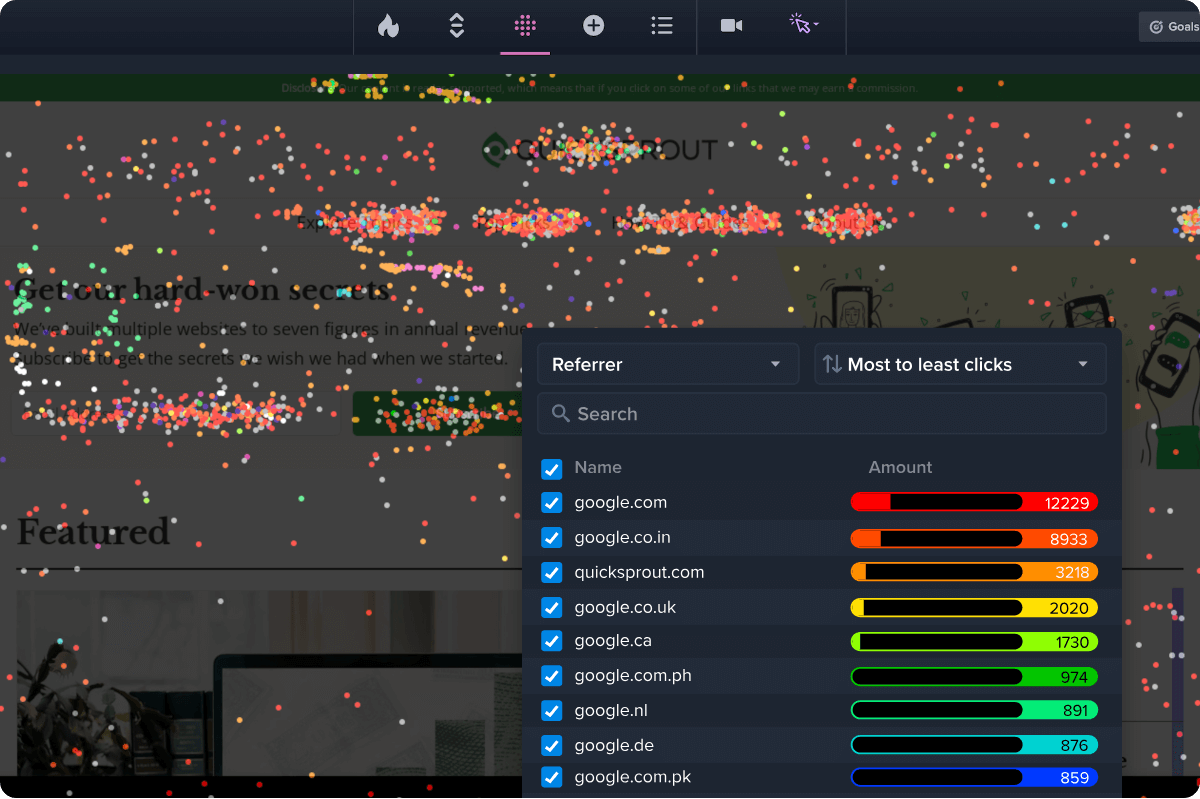
Crazy Egg offers a wider array of visualization tools. With five distinct map types—including their signature "Confetti" map, which allows for per-click segmentation—it provides a more analytical approach. The ability to place two heatmaps side-by-side for a comparative analysis is a significant advantage for testers trying to validate a new design.
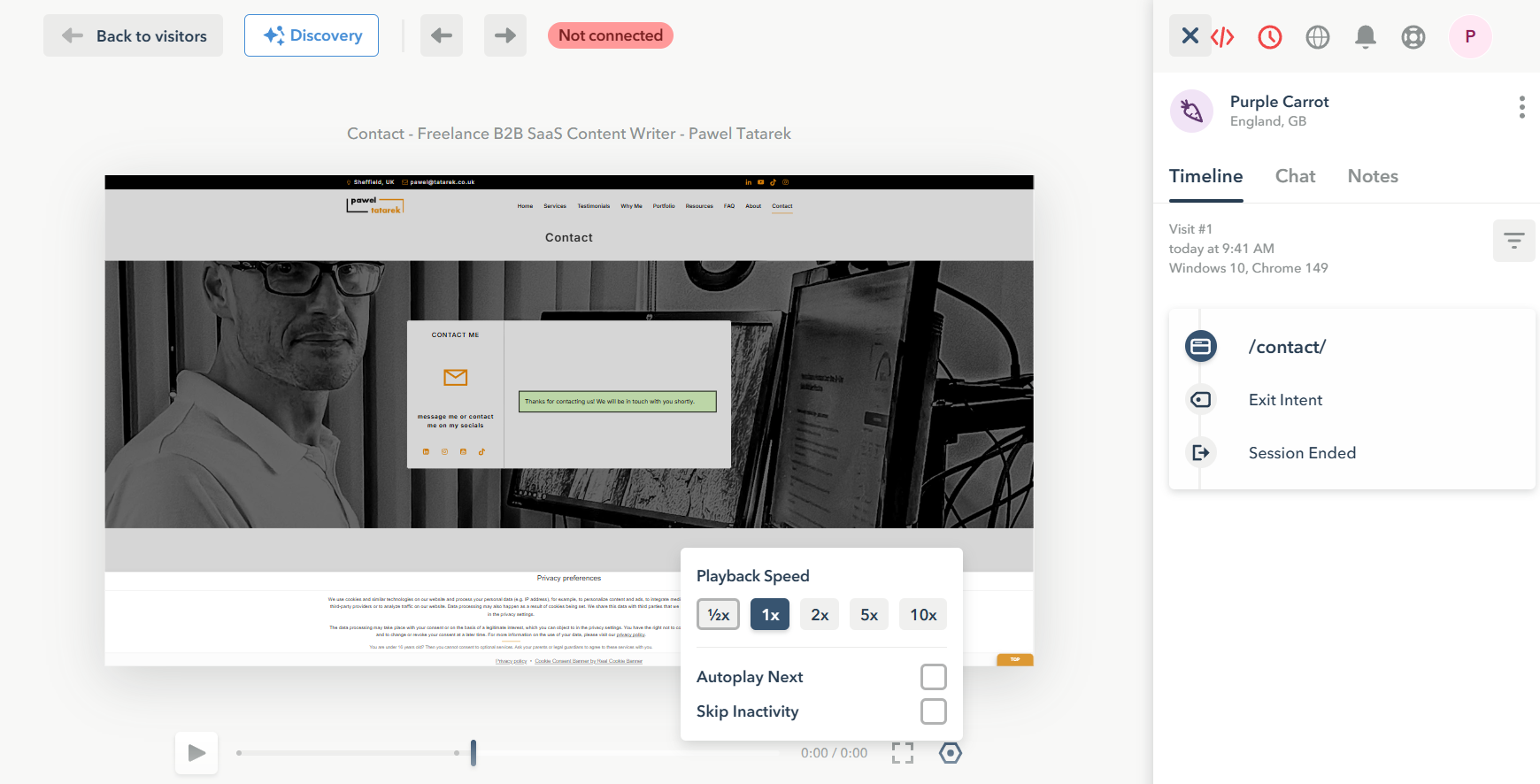
Lucky Orange, meanwhile, focuses on the "live" element. Their dynamic heatmaps are arguably superior for modern, Single-Page Applications (SPAs) built with React or Vue. While they offer fewer map types, their ability to render interactions on dynamic elements like dropdowns and modals provides a more accurate picture of how users navigate complex, modern interfaces.
Session Recordings and Data Retention
The disparity in data retention is a critical factor for enterprise-level compliance. Crazy Egg provides a robust retention window ranging from 6 to 24 months, making it suitable for long-term longitudinal studies. Lucky Orange offers a base 60-day window, which is often sufficient for rapid e-commerce iteration but may fall short for seasonal or annual trend analysis.
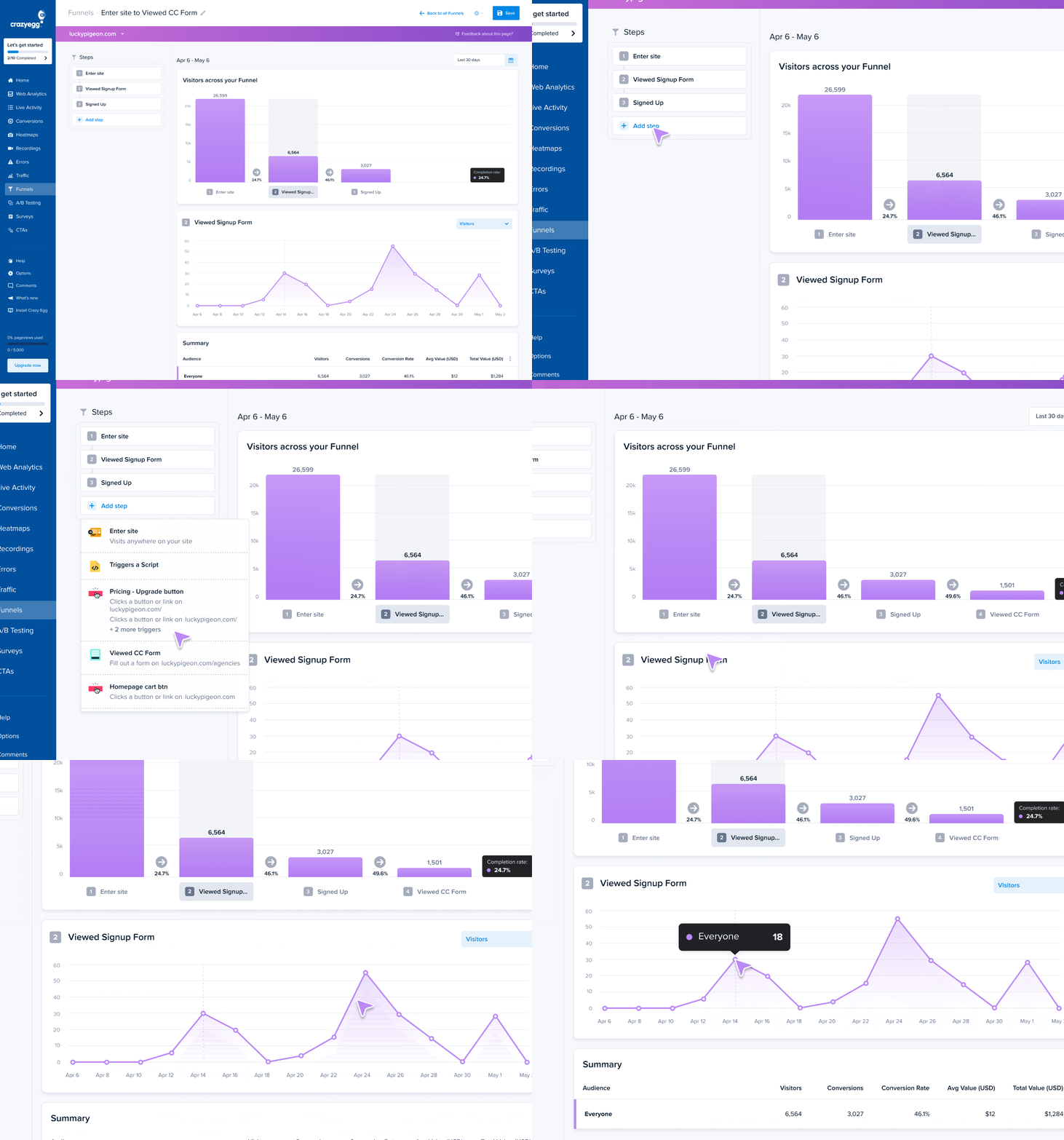
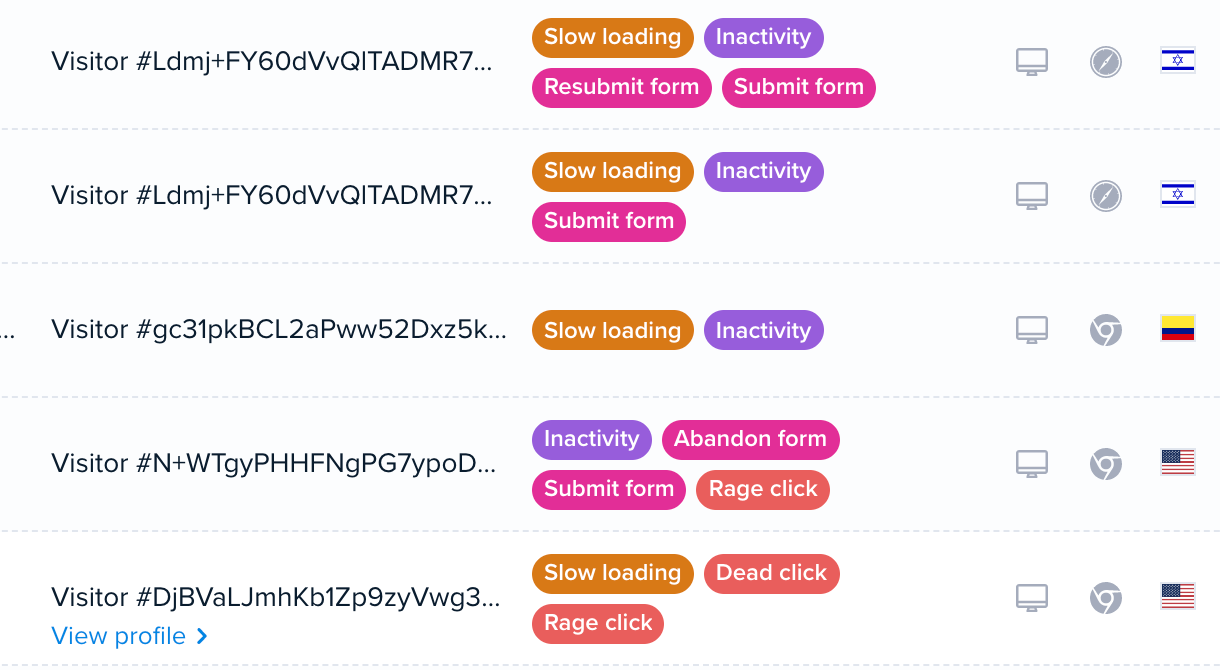
Furthermore, Crazy Egg’s auto-tagging system (identifying rage clicks, dead clicks, and u-turns) is more comprehensive out-of-the-box, reducing the setup time for busy marketing teams.
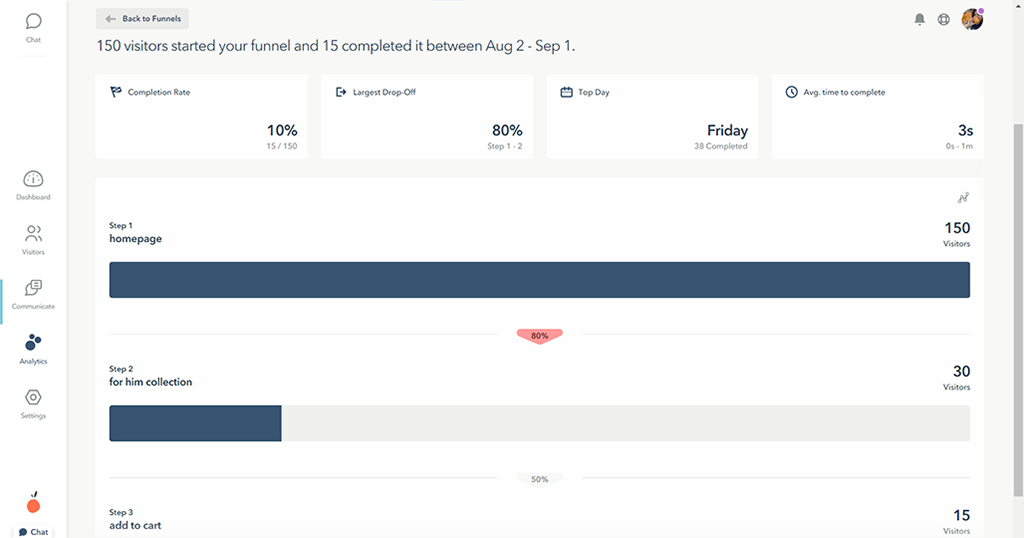
The Conversion Analytics Advantage
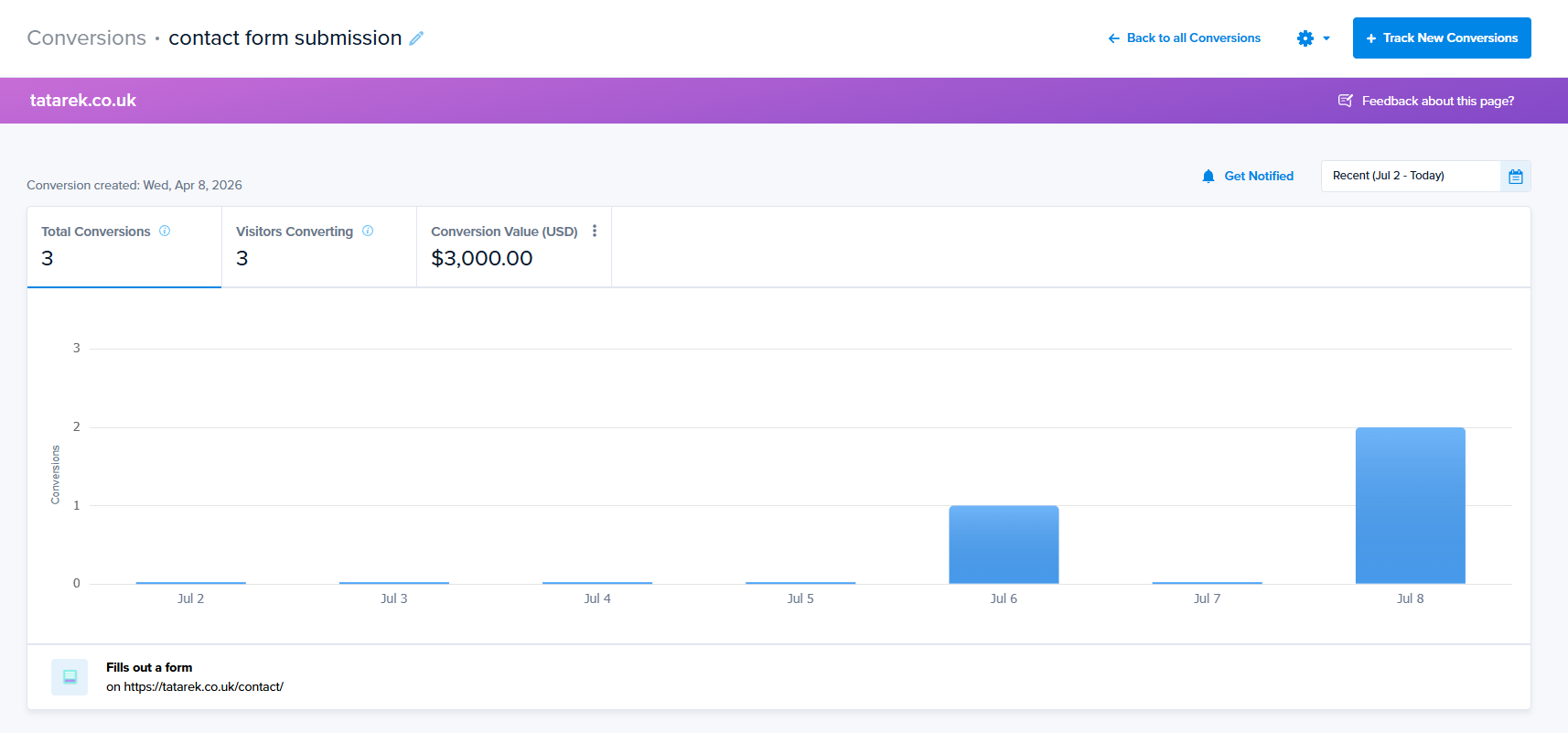
Crazy Egg offers standalone conversion analytics that are retroactive. This means if you decide to track a new conversion event today, Crazy Egg can often pull that data from your historical traffic. Lucky Orange’s funnels are also powerful, particularly for Shopify users who benefit from pre-built "View to Purchase" funnels, but they are limited by the retention window, meaning you cannot "look back" further than your data storage allows.
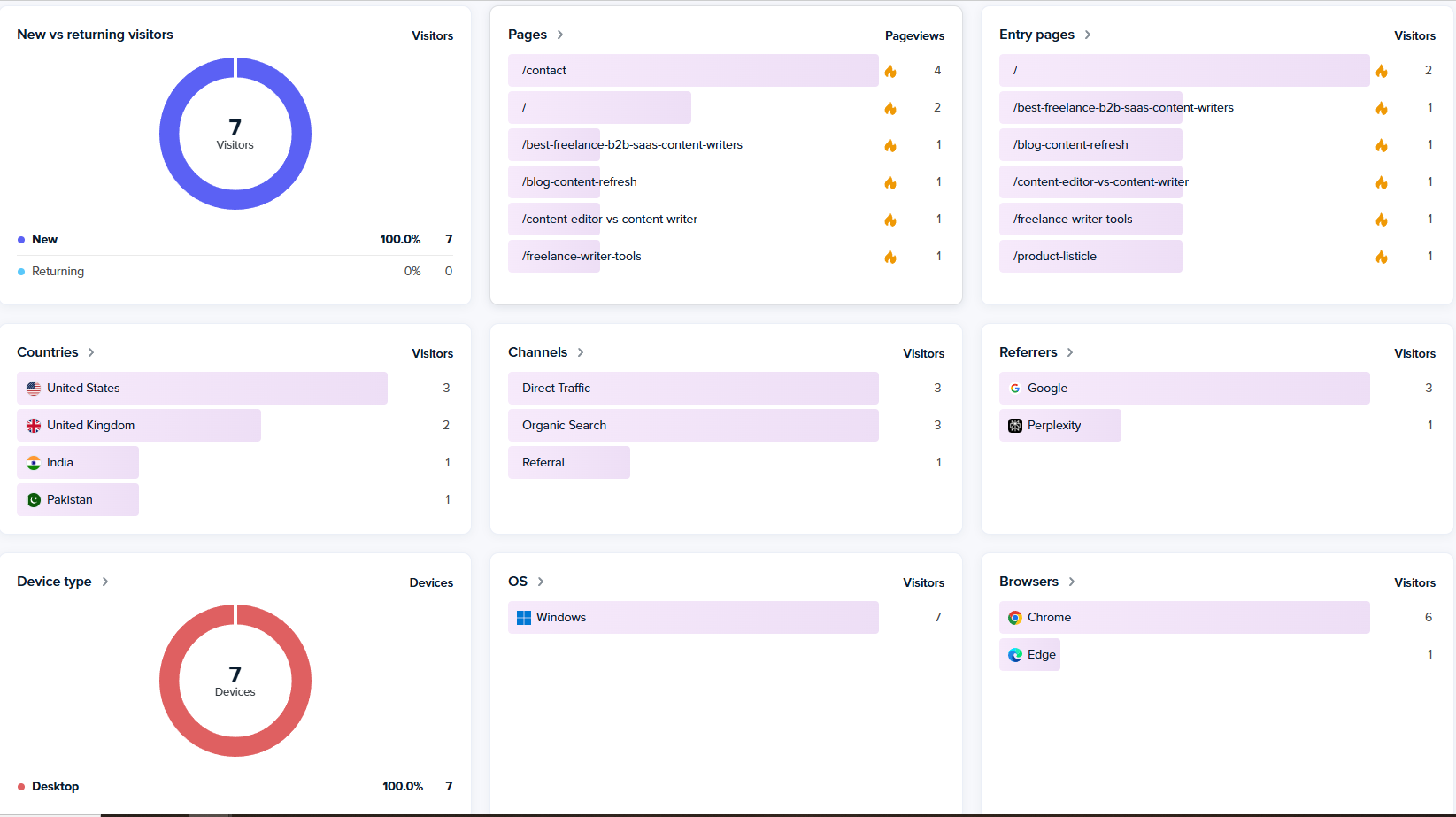
Official Stances and User Experience
Crazy Egg: The "All-in-One" Philosophy
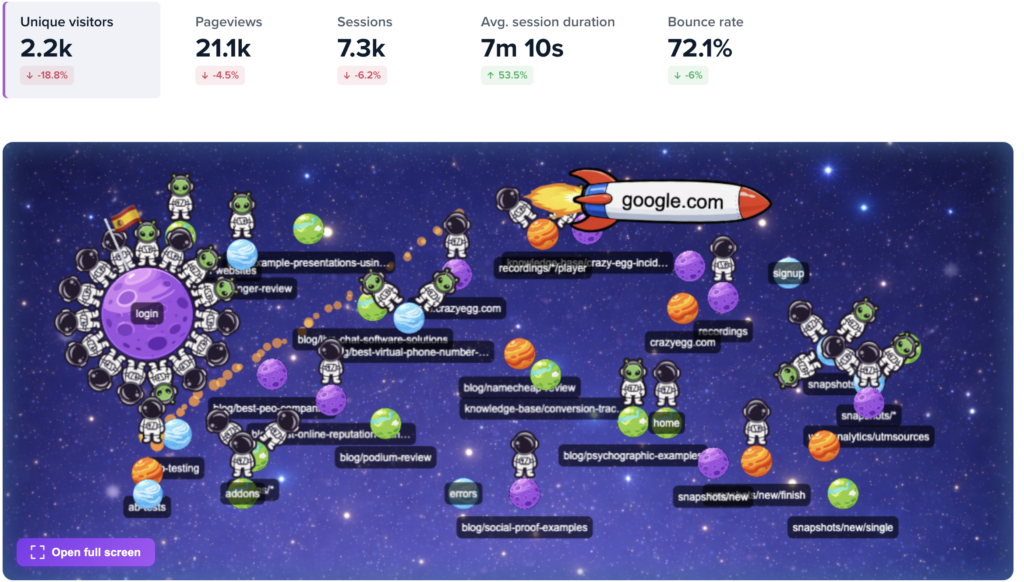
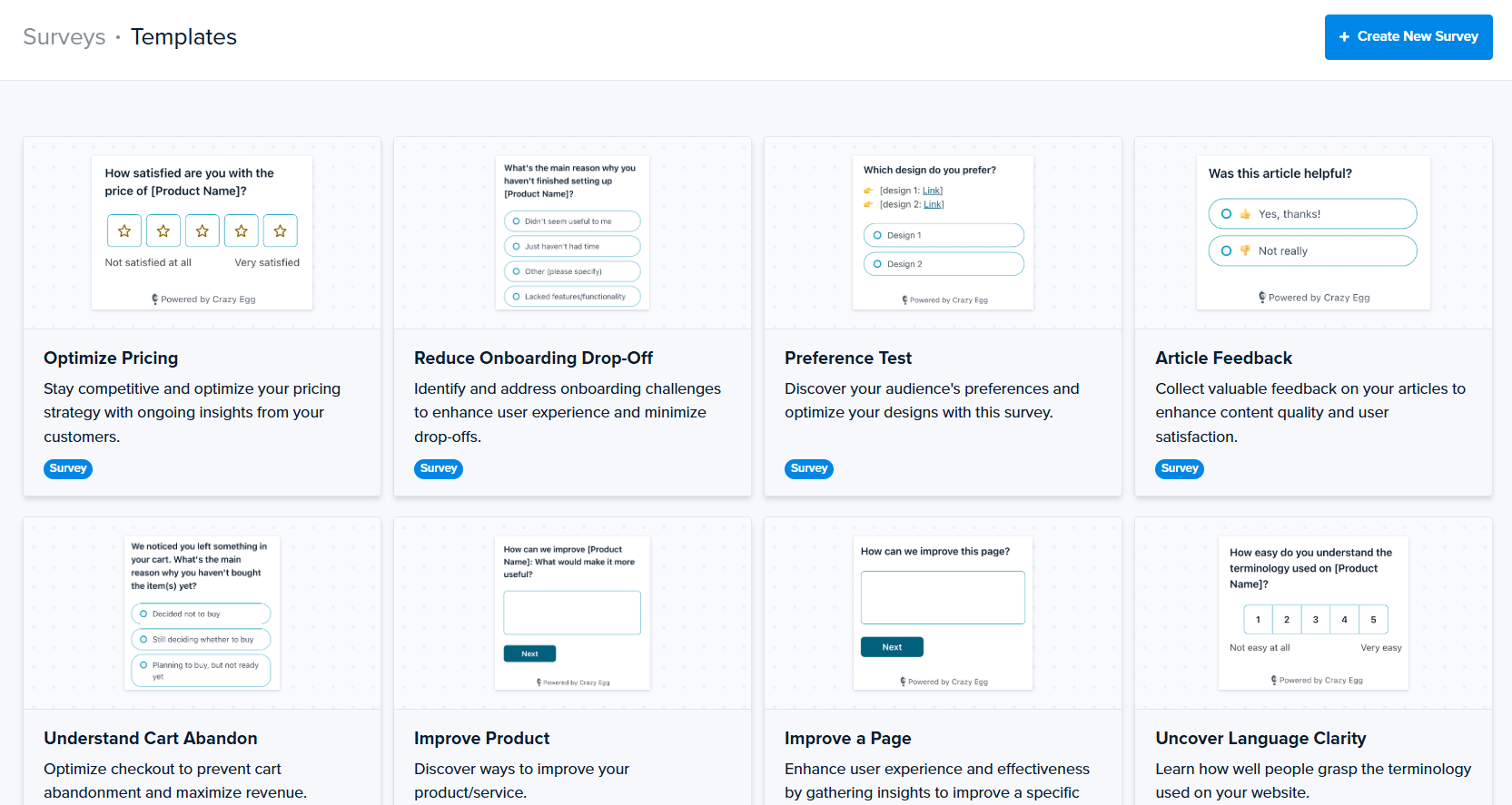
Crazy Egg’s official stance is one of centralization. By including native A/B testing, personalization, and error tracking, they argue that you shouldn’t need to pay for three different tools to run a successful experiment. Their commitment to "Astro Map" and real-time dashboarding emphasizes a data-rich environment that empowers the user to perform their own analysis.
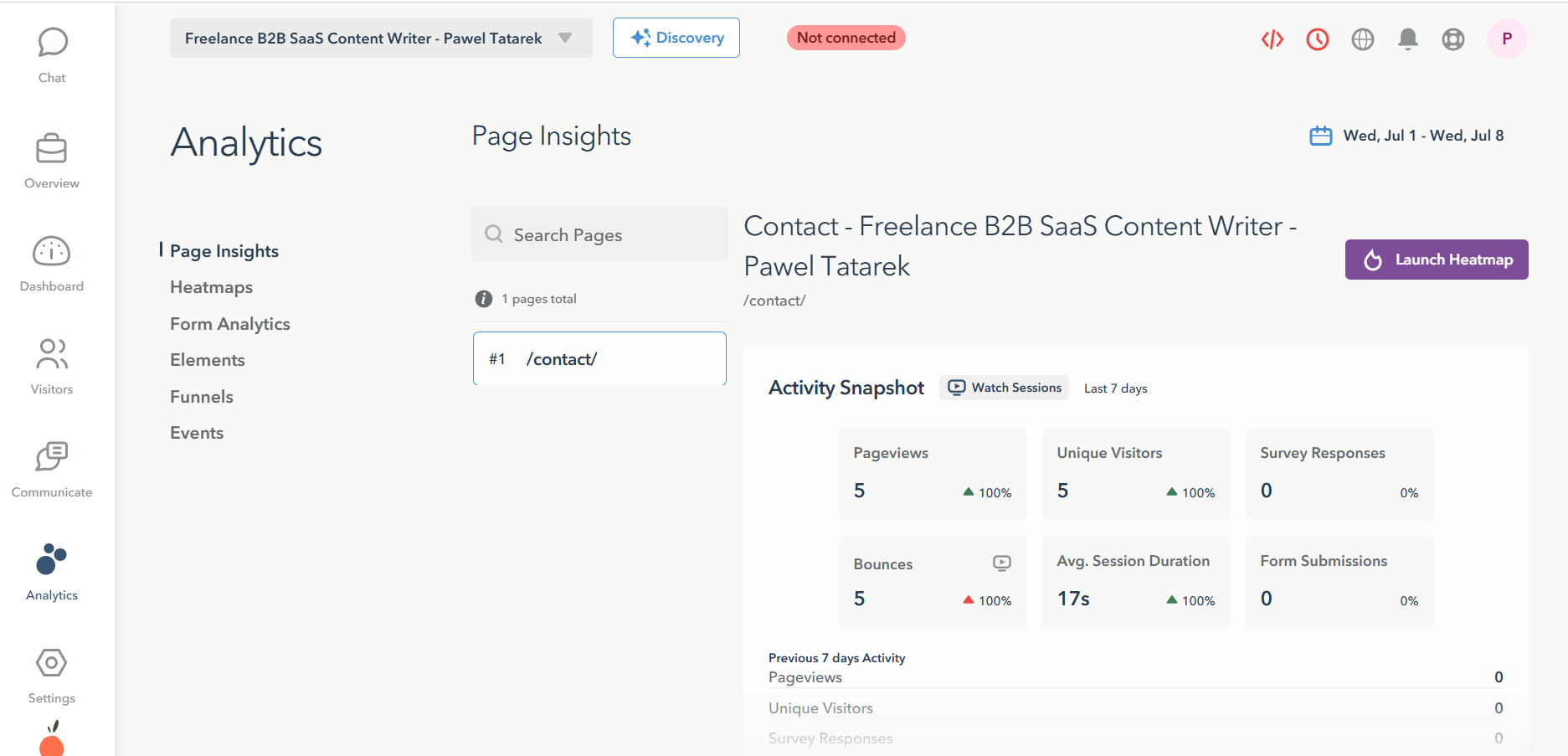
Lucky Orange: The "Engagement-First" Philosophy
Lucky Orange emphasizes the human element of conversion. Their integration of Live Chat directly into the "Live Visitor View" allows a customer support agent to engage a frustrated user in real-time. This turns the analytics tool into a sales tool, bridging the gap between passive observation and active conversion assistance.
Implications for Your Business
Why Choose Crazy Egg?
- Consolidation: If you are tired of juggling an A/B testing tool, a heatmap tool, and a separate analytics platform, Crazy Egg is the obvious choice.
- Long-term Analysis: The 6-24 month storage windows are ideal for businesses that prioritize year-over-year reporting.
- Advanced AI Integration: For teams that already use LLMs (Claude, ChatGPT), Crazy Egg’s JSON export and Model Context Protocol (MCP) support provide an unparalleled level of data interoperability.
- Security: With SAML SSO and compliance audit logs, it is built for the requirements of the enterprise sector.
Why Choose Lucky Orange?
- E-commerce Dominance: If your primary platform is Shopify and your main headache is cart abandonment, Lucky Orange’s specialized funnels and form-field analytics are industry-leading.
- Live Support Capabilities: If you have a customer support team that can act on real-time data, the live chat integration provides a direct ROI by saving "at-risk" conversions.
- Dynamic Web Apps: If your site is heavily reliant on complex JavaScript frameworks, the dynamic rendering of Lucky Orange’s heatmaps will provide more accurate data than the competition.
Final Verdict: The Bottom Line
When weighing the two, the decision often boils down to your primary business model and your internal resources.
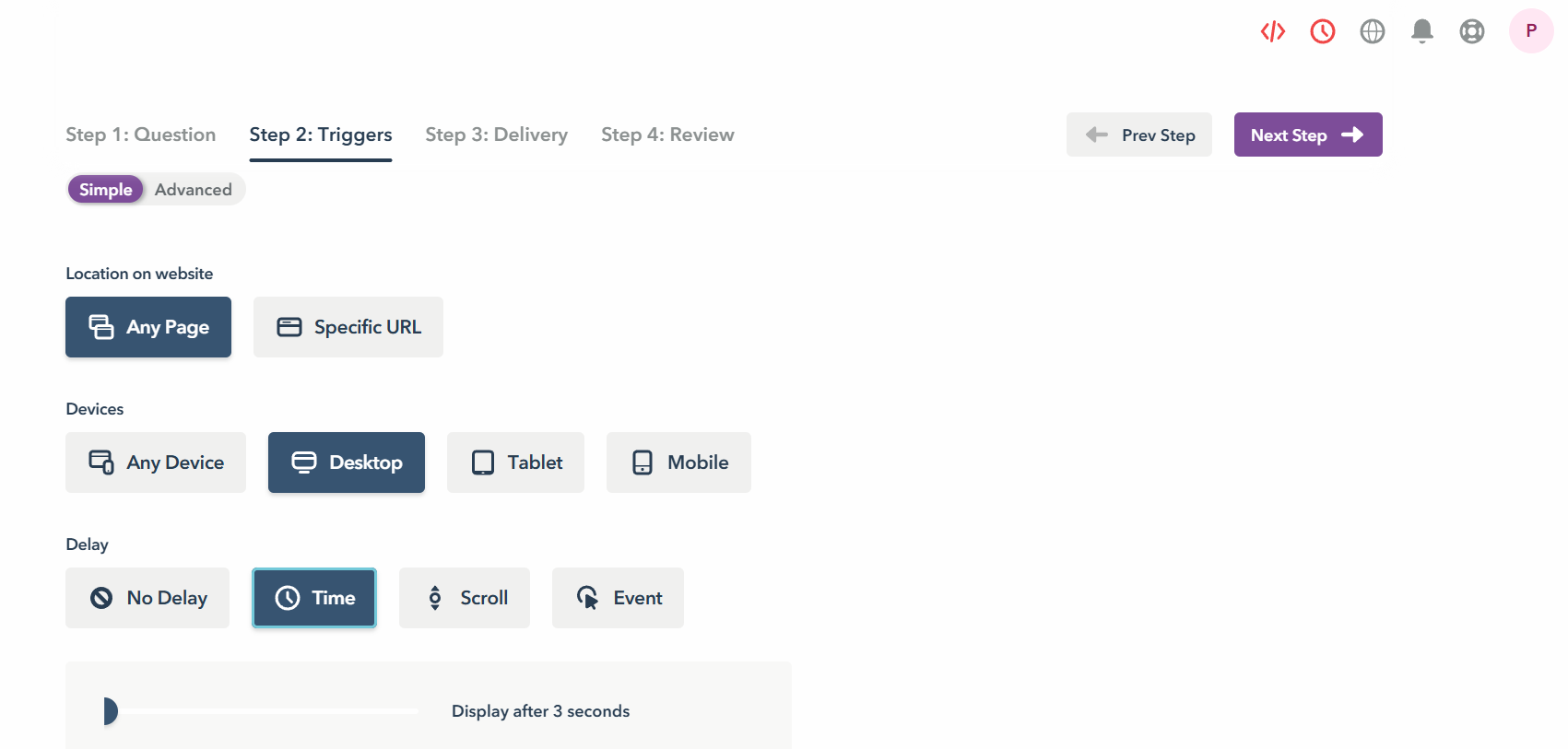
Lucky Orange is a specialized, tactical weapon. It is designed for the e-commerce manager who needs to know exactly why a user didn’t hit "Checkout" today. It provides a bridge to the customer through chat and gives you the "what’s happening now" view with surgical precision.
Crazy Egg is a strategic, analytical command center. It is designed for the marketing team that wants to build a culture of experimentation. By bundling A/B testing, robust analytics, and enterprise-grade security, it offers a lower total cost of ownership for teams that need to do more than just watch their visitors—they need to test, iterate, and optimize over the long haul.
The Recommendation: If you are a high-growth startup or enterprise looking to build a sustainable testing culture, Crazy Egg provides the best value. If you are a mid-market e-commerce brand looking to maximize immediate conversion through direct user engagement and specialized form analysis, Lucky Orange is your best bet.
Ultimately, both platforms offer free trials. The most effective way to decide is to deploy both for a week, observe the quality of the recordings and the ease of the heatmap setup, and see which interface provides the "aha!" moment your team needs to drive the next round of growth.
