
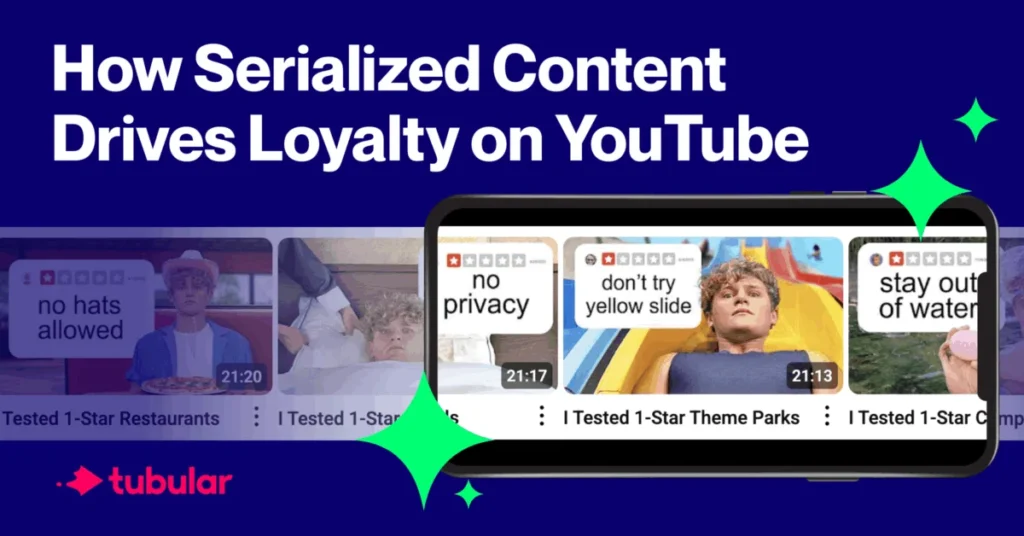
The Streaming Evolution: How YouTube’s Shift Toward Serialized TV Formats is Redefining Digital Entertainment
As internet-connected televisions eclipse traditional cable boxes in living rooms across the globe, the architecture of online video is undergoing a profound transformation. YouTube is no longer merely a repository for user-generated clips, viral music videos, and quick-hit tutorials; it has firmly established itself as a primary living room television network.
Because viewership on TV screens demands a different kind of engagement, content creators, major media publishers, and global brands are increasingly mimicking traditional television formats. At the forefront of this shift is the serialized episode—a storytelling vehicle specifically designed to drive regular, repeated tune-ins, build sustained audience loyalty, and maximize watch-time metrics in an era of fierce attention economy competition.
Main Facts: The Great Migration to the Living Room Screen
The convergence of YouTube and traditional television viewing habits has catalyzed a rush toward episodic, long-form content. Creators and brands alike are realizing that the "one-off" viral video, while effective for quick spikes in visibility, rarely builds the deep-seated, habitual loyalty that traditional television series achieved for decades.
To capitalize on the growing comfort of watching YouTube via living room hardware, content architects are leaning heavily into narratives that span multiple episodes, weeks, or even seasons. This structural evolution is reshaping digital media consumption in several distinct ways:
- The Rise of Long-Form Watch-Time: Audiences streaming via connected TVs are increasingly willing to sit through 20-, 30-, or even 60-minute videos, provided the production quality and narrative hooks justify the investment.
- Episodic Habituation: By structuring content into numbered episodes or daily chronological drops (such as multi-part travel logs or reality competition elimination rounds), creators train viewers to return day after day.
- Monetization and Ad Integration: Extended runtimes naturally accommodate mid-roll ad breaks, creating a robust, television-style monetization model that relies less on brand sponsorships and more on platform ad revenue.
Chronology: From Viral Shorts to Binge-Worthy Epics
The transition from bite-sized internet clips to sophisticated YouTube series did not happen overnight. It is the culmination of a multi-year shift in hardware adaptation, platform feature updates, and changing consumer preferences.
The Early Era of Snackable Content
For years, YouTube’s ecosystem was dictated by the attention span of desktop and mobile users. Videos ranging from 3 to 10 minutes were considered optimal. Serialized content existed, but it was frequently fragmented, hampered by the friction of mobile app interfaces and the casual, disposable nature of internet browsing.
The Hardware Revolution (2020–2023)
As smart TVs saturated the market, YouTube’s viewing habits migrated away from mobile phones and laptops. Industry data consistently showed that watch-time on TV screens was growing faster than any other device category. Viewers sitting on couches wanted a lean-back experience similar to Netflix, HBO, or cable networks.
The Brand and Creator Pivot (2022–Present)
Recognizing this behavioral shift, major brands began investing heavily in premium, episodic YouTube content. In 2022, corporate giants like State Farm launched dedicated reality competition shows on the platform. Concurrently, top-tier independent creators began conceptualizing massive, multi-episode cinematic projects that mirrored traditional network docuseries. By mid-2025, this convergence reached a tipping point, with elite digital creators outperforming legacy television networks in monthly watch-time metrics.
Supporting Data: The Numbers Behind the Serialized Boom
The commercial viability of YouTube’s serialized revolution is anchored in hard data. Across independent creators, corporate brands, and legacy media publishers, metrics indicate that long-form, episodic content yields unprecedented levels of audience engagement.
Ryan Trahan’s 50-State Marathon
Independent creator Ryan Trahan demonstrated the raw power of serialized daily content in mid-2025 with his ambitious project: 50 States in 50 Days. Rather than relying on sporadic uploads, Trahan committed to a daily release schedule that documented his journey across the United States.
The strategy yielded remarkable results:
- Explosive Watch-Time Growth: Driven by the daily episodic format, Trahan’s U.S. watch-time skyrocketed by 120% month-over-month in June, hitting an astonishing 569.8 million minutes.
- Beating Traditional Networks: This surge placed Trahan at No. 24 among all U.S. YouTube accounts, putting him ahead of numerous traditional television networks and mainstream news organizations.
- Sustained Engagement: While his kickoff video from Texas drew the highest initial viewership at 11 million views, the structured playlist functionality ensured that viewers looped through subsequent episodes, keeping retention high throughout the 50-day run.
State Farm’s Gamerhood
Corporate brands are also reaping the rewards of long-form episodic entertainment. State Farm’s gaming-themed competition show, Gamerhood, serves as a masterclass in endemic brand integration. Now in its fourth season—which premiered on August 1 and pulled in 152K immediate viewers—the show uses a familiar reality TV format to weave insurance tropes into gaming culture.
- Extended Session Times: Driving tune-in for branded content is notoriously difficult, yet Gamerhood routinely locks viewers in for sessions lasting two hours or more.
- Massive Monthly Reach: The brand frequently hits over 5 million minutes watched monthly on YouTube, heavily bolstered by the serialized release of the show’s episodes.
Vice Media’s Naked Truths Revival
Legacy media brands are likewise restructuring their archives for the YouTube-as-TV era. Vice Media recently revived Naked Truths—a former Refinery29 hit that originally featured successful women discussing self-confidence while removing their makeup.
The revamped iteration shifted from short 1-to-5-minute clips to robust, 15-minute-plus docuseries episodes exploring hidden corners of U.K. subcultures, such as financial domination (findom) streamers. The first two episodes readily secured over 65,000 views per upload, proving that legacy concepts can successfully transition into mid-form television equivalents on YouTube.
Official Perspectives and Industry Insights
Content strategists and platform analysts emphasize that treating YouTube like a traditional television network requires a fundamental shift in mindset. Creators can no longer rely purely on algorithmic luck or viral thumbnails; they must think like executive producers.
Industry research—such as Tubular Labs’ Hidden Trends, Big Moves report—highlights that watch-time for long-form videos on connected devices is fundamentally altering how digital video is consumed.
"As YouTube viewership keeps expanding on TV devices, it makes sense that the content mimics traditional TV formats—especially serialized episodes that drive regular, repeated tune-ins," industry analysts note. "There’s no one-size-fits-all approach to launching a successful serialized format, but these creators offer useful lessons for anyone trying something similar."
Experts point out that the democratization of high-end production tools allows independent creators to match the visual fidelity of cable networks while retaining the authentic, peer-to-peer connection that traditional television personalities often lack. When a creator like Ryan Trahan produces 20-to-25-minute episodes documenting a cross-country journey, viewers feel they are traveling alongside a friend rather than watching a sterile, detached television broadcast.
Implications: What Creators, Brands, and Publishers Must Learn
The ongoing evolution of YouTube into a serialized television platform carries significant implications for the future of digital media. As living room screens continue to dominate viewership statistics, the rules of engagement are being rewritten.
1. Shift from Hits to Series
Creators and publishers must move away from isolated, transactional video creation. Building long-term audience retention requires designing content ecosystems—playlists, seasons, and narrative arcs—that encourage binge-watching and habitual return visits.
2. Embrace TV-Length Runtimes
The fear that "internet audiences won’t watch long videos" has been thoroughly dismantled by connected TV data. Content creators should not hesitate to stretch runtimes to 15, 20, or 30 minutes, provided the narrative depth supports the length. Longer runtimes unlock crucial mid-roll ad monetization opportunities that make ambitious projects financially viable.
3. Blend Authenticity with High Production Value
The sweet spot for modern digital entertainment lies in the intersection of traditional television polish and native creator authenticity. Brands like State Farm succeed because they adopt familiar television structures (reality competitions) while speaking the native language of niche internet communities (gamers). Similarly, independent creators succeed by bringing high production standards to deeply personal, unscripted human experiences.
Conclusion
Ultimately, the barrier separating YouTube from the traditional television set has vanished. The creators, publishers, and brands that thrive in this new landscape will not be those chasing the single, fleeting viral hit, but those thoughtful architects who build sustainable, serialized worlds capable of holding a modern audience’s attention on the biggest screen in the house.
