

The Strategic Power of Brand Voice: Building a Consistent and Identifiable Identity
In the hyper-competitive digital marketplace, the difference between a brand that fades into the background and one that commands attention often comes down to a single, intangible asset: its voice. Far beyond a logo or a color palette, a brand’s voice is its personality—the distinct, humanizing rhythm that defines how it speaks, interacts, and builds relationships with its audience.

As consumer expectations for authenticity reach an all-time high, the strategic development of a brand voice has evolved from a “nice-to-have” marketing exercise into a business-critical requirement. Research indicates that consistent brand presentation across all platforms can increase revenue by as much as 33%, proving that when a brand sounds like a cohesive, reliable entity, the bottom line follows.

Defining the Core: What is Brand Voice?
At its simplest, brand voice is the consistent, distinct way a brand portrays itself through words. It is the verbal manifestation of your brand’s mission, values, and personality. Whether you are a disruptive tech startup or a century-old heritage firm, your voice dictates the choice of vocabulary, the cadence of your sentences, and the emotional resonance of your messaging.
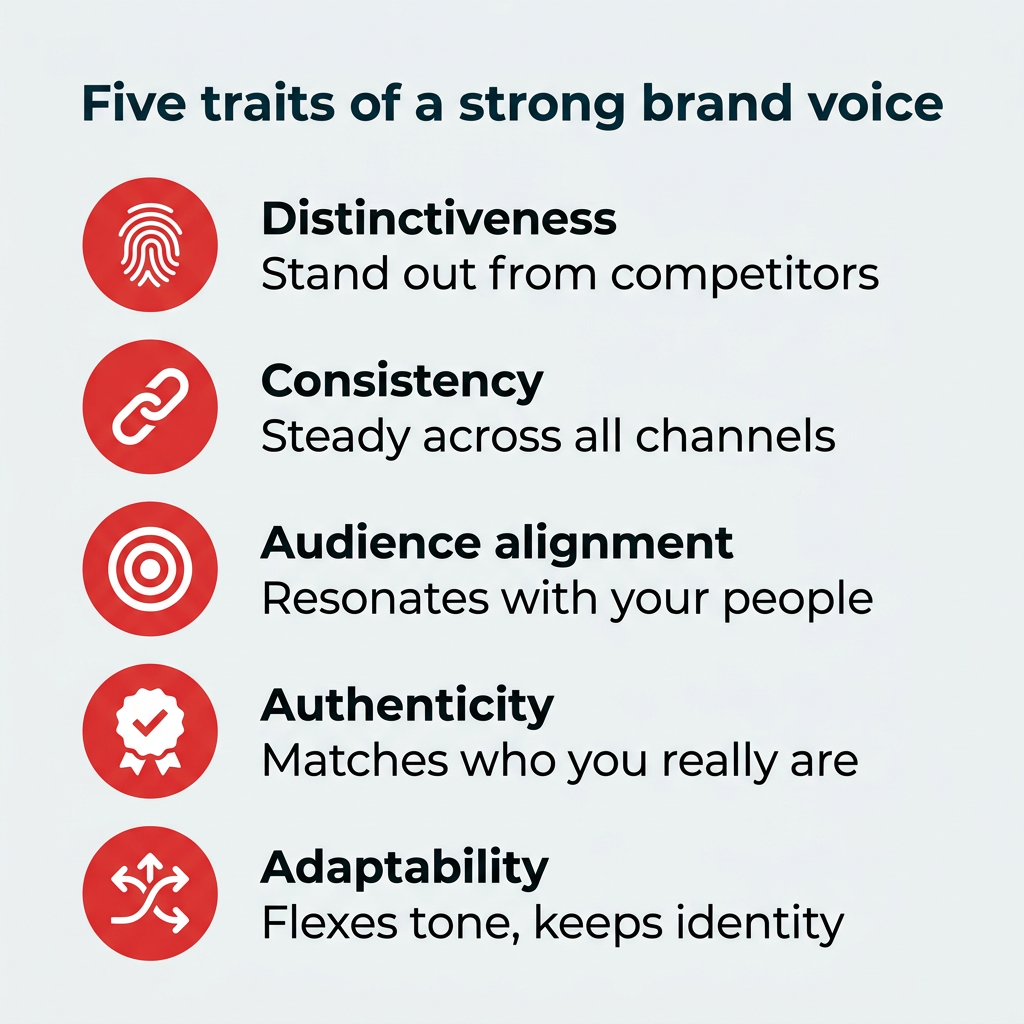
It is vital to distinguish between brand voice and brand tone. While the terms are often used interchangeably, they serve different functions:
- Brand Voice (The Personality): This is the permanent, underlying character of your brand. It does not change. Whether you are posting a celebratory product launch or addressing a PR crisis, the "person" behind the words remains the same.
- Brand Tone (The Context): This is the situational adjustment of your voice. Just as a person speaks differently at a funeral than they do at a party, your brand tone should flex based on the audience and the circumstances.
A Chronological Approach to Building Your Voice
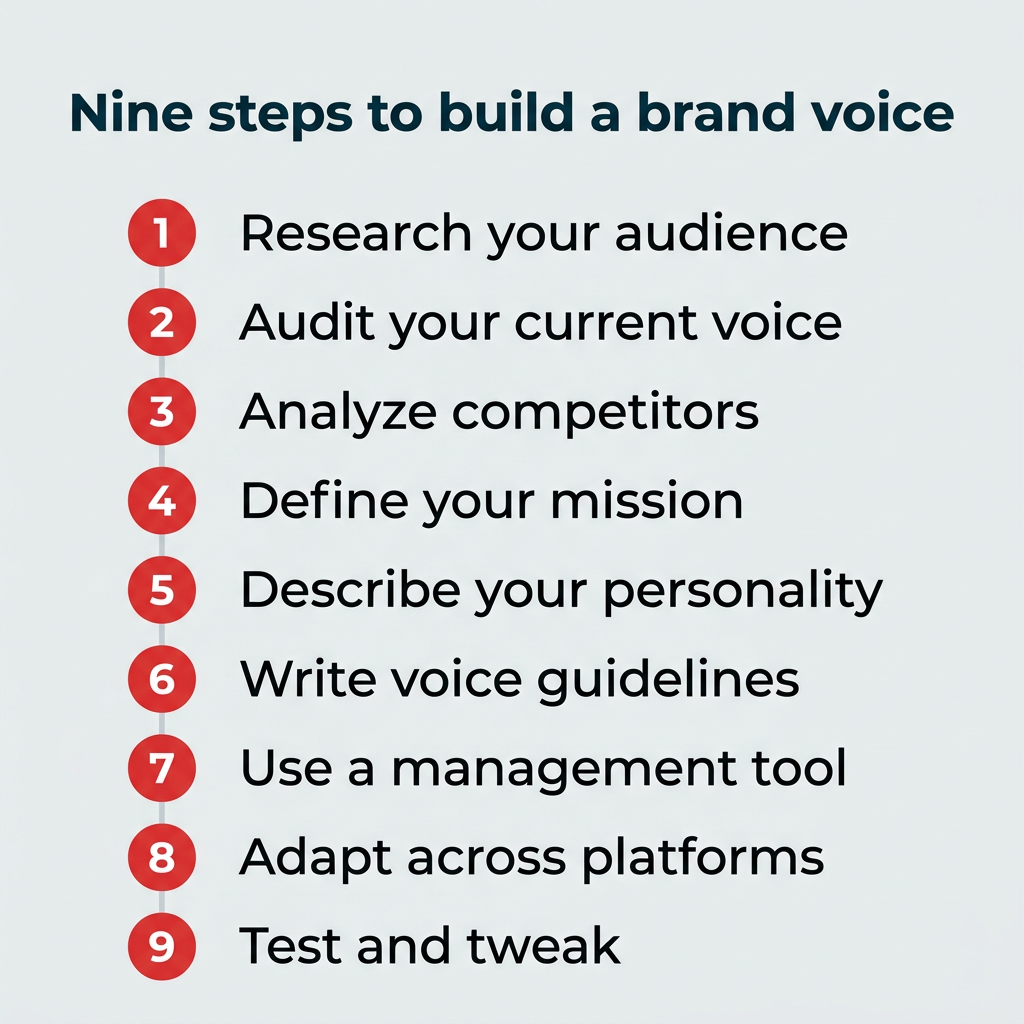
Developing an effective brand voice is not an overnight task. It requires a systematic, analytical approach that moves from research to implementation and, finally, to ongoing refinement.
1. The Research and Audit Phase
Before you can define how you speak, you must understand who you are speaking to and who you are competing against. This involves:

- Audience Profiling: Analyzing your target demographic’s preferences, communication habits, and pain points.
- The Content Audit: A deep dive into your existing communications. By reviewing top-performing posts alongside those that fell flat, you can identify patterns in language that resonate with your audience.
- Competitive Analysis: By examining the "voice" of your competitors, you can identify gaps in the market. If your entire industry sounds sterile and overly corporate, adopting a warmer, more human tone can provide a powerful competitive advantage.
2. Defining the Brand Persona
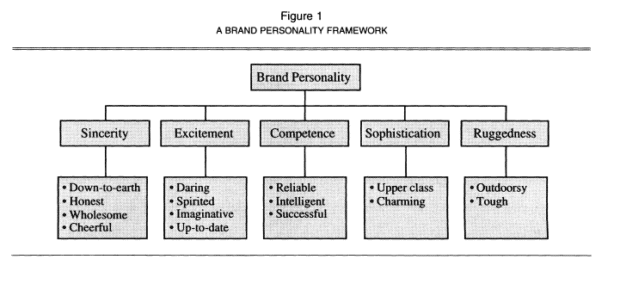
Once research is complete, you must humanize your brand. Using frameworks like Jennifer Aaker’s Dimensions of Brand Personality—which categorizes brands into traits like Sincerity, Excitement, Competence, Sophistication, and Ruggedness—you can begin to define your core attributes. Ask yourself: If our brand were at a dinner party, what would its vibe be? Would it be the life of the party, the insightful mentor, or the reliable, steady hand?
3. Documentation and Implementation
A brand voice is useless if it remains in the minds of the creative team. You must create a Brand Voice Guidelines document. This is your team’s "North Star," containing:

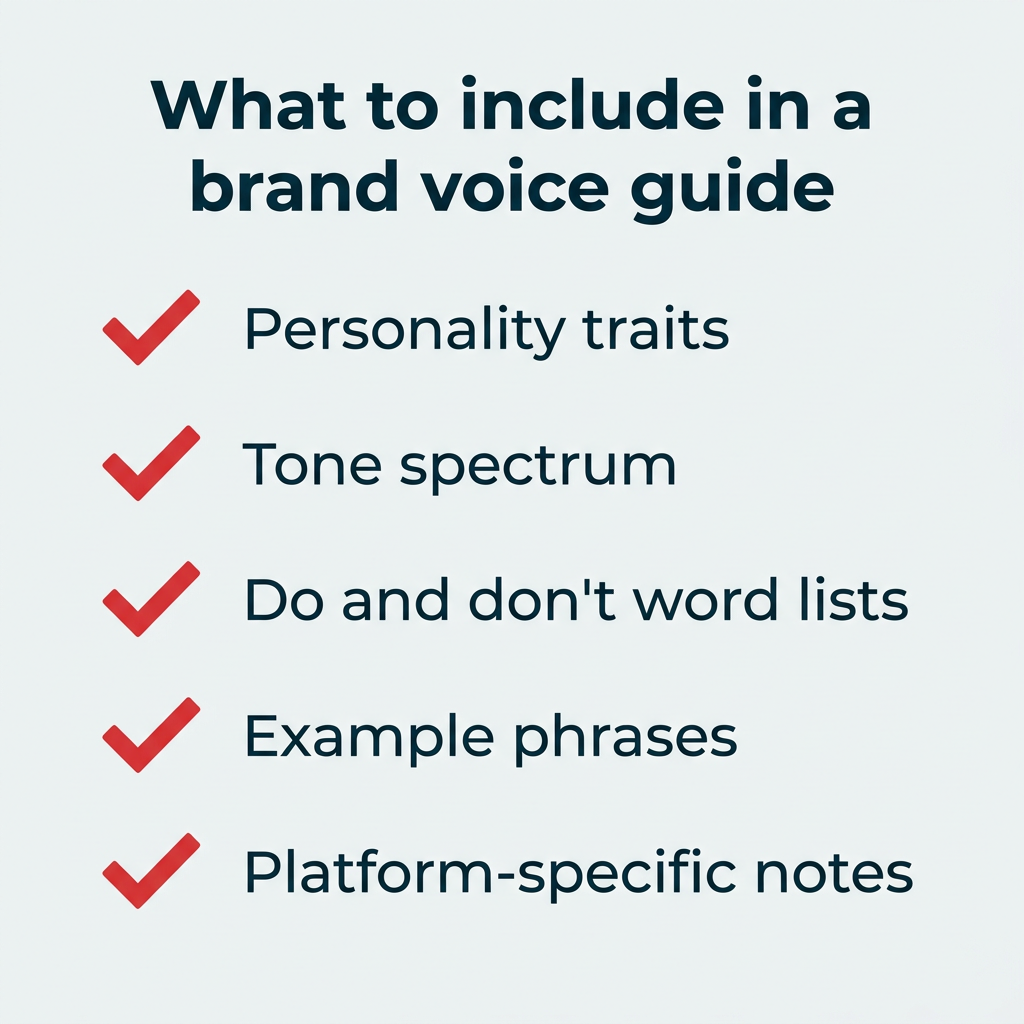
- Defined personality traits.
- A "Do and Don’t" word list.
- Sample phrases for common scenarios.
- Platform-specific guidelines (e.g., the professional brevity required for LinkedIn vs. the casual, visual-heavy nature of TikTok).
Supporting Data: Why Consistency Drives Engagement
The data supporting the necessity of a unified voice is compelling. According to the 2025 Edelman Trust Barometer, 73% of consumers report higher levels of trust in brands that authentically reflect current culture and maintain a human-like presence.

Furthermore, the rise of Artificial Intelligence (AI) in content creation has made human-centric voice more important than ever. A study by Klaviyo and Datalily found that consumers are four times less likely to trust a brand if they detect that its content is purely generated by AI. A strong, well-documented brand voice acts as a crucial benchmark, allowing teams to audit AI-drafted content to ensure it retains the "human" touch before it reaches the public eye.

The Role of Technology and Governance
In large organizations, keeping a consistent voice across marketing, sales, product, and support teams is a logistical challenge. This is where modern social media management tools become indispensable.
Platforms like Hootsuite provide the governance necessary to maintain brand integrity. By utilizing centralized approval workflows, organizations can ensure that every post, comment, and reply undergoes a quality check against the brand’s established voice guidelines. Features like AI-powered writing assistants—such as OwlyWriter AI—allow for rapid content generation that can be constrained within the guardrails of the brand’s defined tone and vocabulary, effectively bridging the gap between efficiency and authenticity.

Implications for Brand Longevity
A well-defined brand voice acts as a defensive moat for your company. When your voice is distinct, it becomes a beacon that helps customers identify your content instantly, even in the cluttered scroll of a social feed. This not only builds brand equity but also makes your brand harder to impersonate by bad actors.
Moreover, a consistent voice facilitates easier onboarding for new staff, freelancers, and agency partners. When a clear, documented voice exists, the "creative friction" of the revision process is significantly reduced. Creative teams don’t have to guess what "sounds right"; they have a tangible reference point.

Real-World Examples: Mastering the Voice
To understand the practical application of these strategies, one need only look at industry leaders:

- Liquid Death: By adopting a "heavy-metal, irreverent" character, the company transformed a commodity product (canned water) into a lifestyle brand. They treat the brand as a fictional character, making it easy to create content that feels consistent and bold.
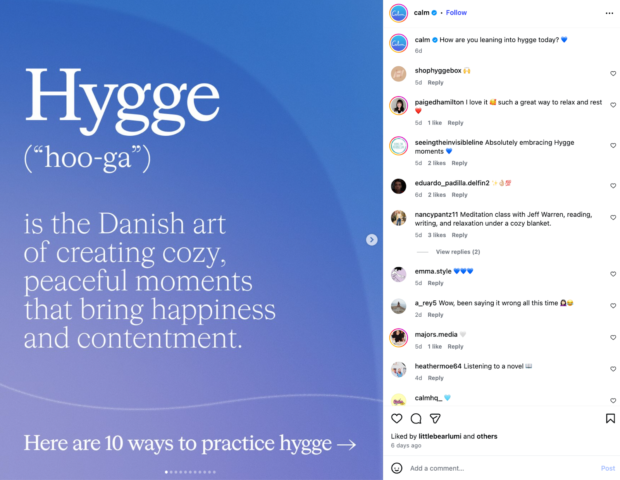
- Calm: In direct contrast, Calm utilizes a grounded, supportive, and gentle voice. Their visual and verbal identity work in lockstep to lower the heart rate of their audience, proving that voice can be a tool for user experience.
- Trader Joe’s vs. Whole Foods: Both operate in the grocery space, yet their voices are distinct. Trader Joe’s uses long-form, conversational captions that mimic a friendly neighbor sharing a secret, while Whole Foods utilizes short, punchy, visually driven messaging. Both are successful because they know exactly who they are and how they want to be perceived.
Conclusion: A Living Strategy
A brand voice is never a "finished" project. As your audience evolves, as social platforms change, and as your company grows, your voice must be tested, measured, and tweaked.

By conducting annual audits, analyzing social media analytics, and staying attuned to cultural shifts, you ensure your voice remains relevant. The goal is not perfection, but intentionality. When you take the time to define, document, and defend your brand’s voice, you aren’t just writing better social media posts; you are building a more recognizable, trustworthy, and profitable business. In an era of digital noise, a clear, authentic voice is the most effective way to be heard.
