

The Strategic Calculus of Constraints: Why Modern Enterprise Budgeting Precedes Procurement
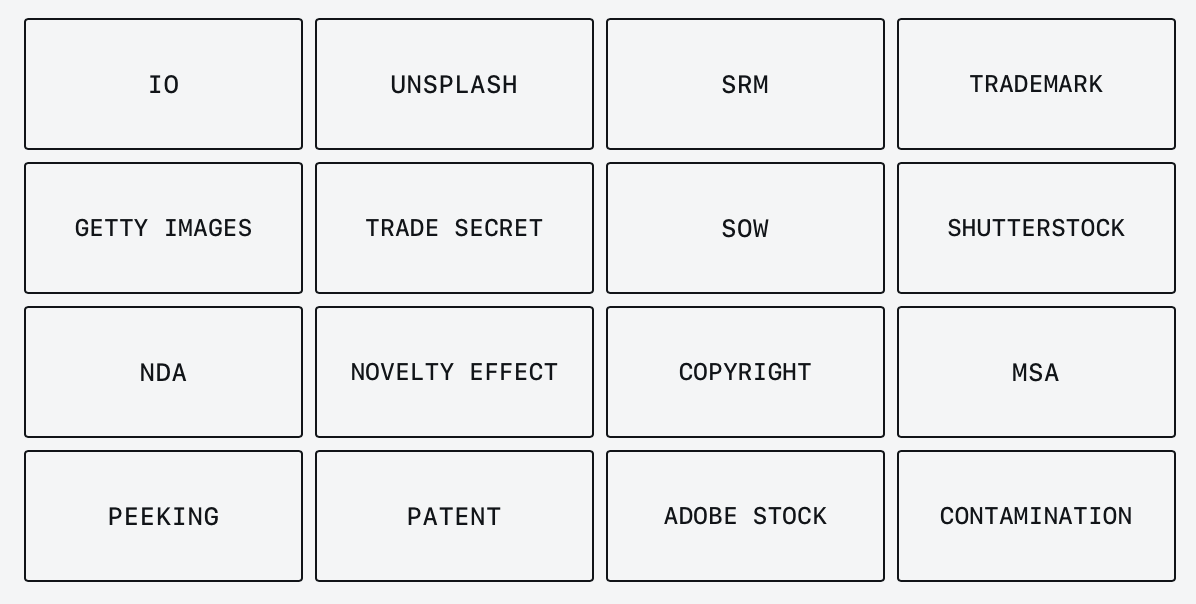
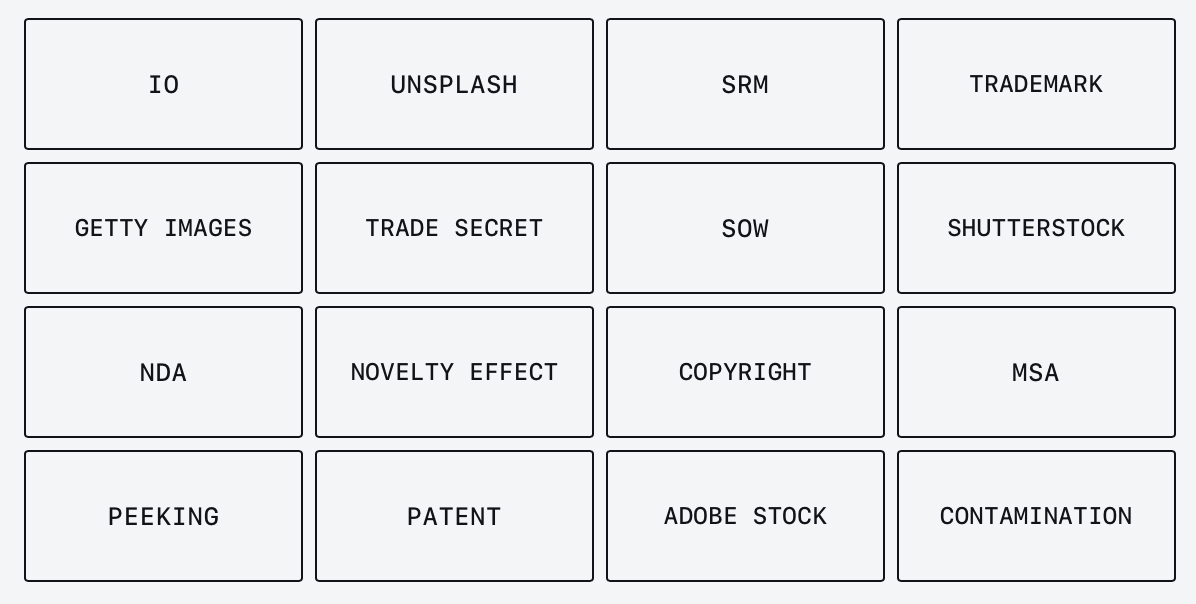
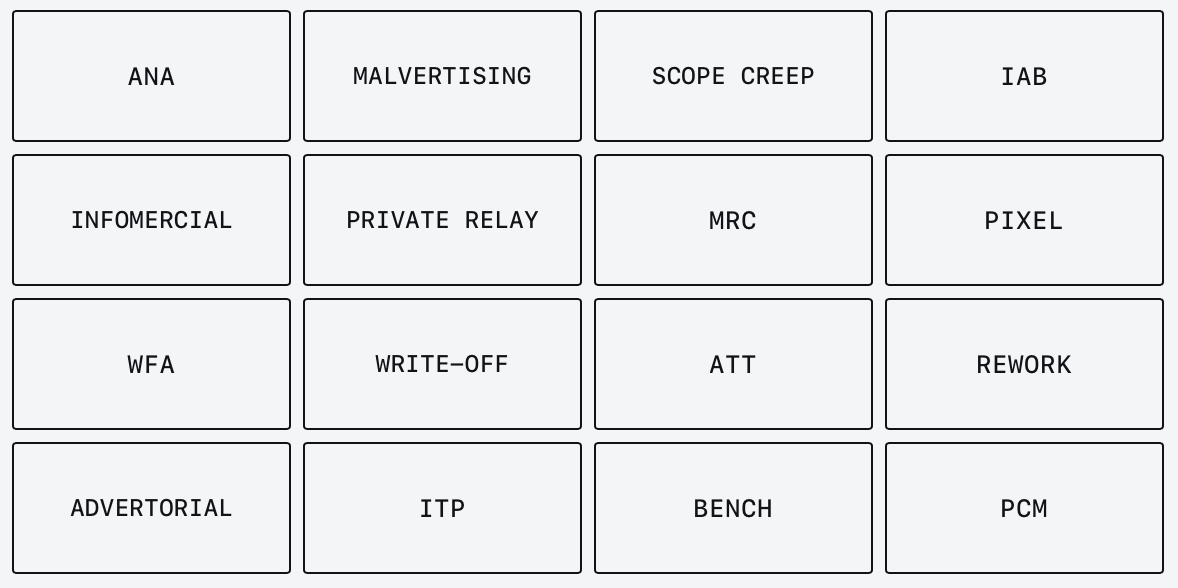
In the high-stakes environment of modern corporate operations, the traditional workflow—where procurement needs drive budget allocation—is undergoing a fundamental shift. Today’s business landscape, defined by volatile market conditions and the rapid integration of AI-driven efficiencies, has forced a transition toward a "budget-first" philosophy. As observed in Saturday’s latest industry data analysis, the organizational grid of sixteen distinct operational categories—split into four clusters—reveals that the most successful firms are now finalizing their financial boundaries well before a single purchase order is drafted.
This shift is not merely administrative; it is a tactical response to the increasing complexity of supply chains, legal liabilities, and the "commercial edges" of modern job functions. To understand why this approach has become the industry standard, one must examine the intersection of fiscal discipline and operational agility.
The New Hierarchy: Why Budgeting Comes First
Historically, corporate departments operated with a degree of fluid spending, where the necessity of a tool or service justified its cost. However, the current economic climate has tightened the "commercial and legal edges" of professional life. When organizations attempt to reverse this—buying before budgeting—they encounter friction in compliance, vendor management, and internal resource allocation.
By deciding the budget before the purchase, companies achieve three critical objectives:
- Risk Mitigation: Legal and compliance teams can vet vendors against a pre-approved financial ceiling, ensuring that no contract inadvertently exceeds organizational risk tolerance.
- Resource Optimization: When departments are forced to allocate a fixed sum before selecting vendors, they are naturally incentivized to prioritize high-impact ROI tools over "nice-to-have" subscriptions.
- Strategic Alignment: It ensures that every expenditure is directly tied to the fiscal quarter’s broader objectives, rather than being an impulsive reaction to market trends.
Chronology of the Shift
The transition toward pre-emptive budgeting has been accelerated by several key events over the past 24 months.
- Late 2025 – The Audit Wave: Following a series of high-profile budget overruns in the tech sector, firms began implementing stricter "procurement gating" protocols.
- Q1 2026 – AI Tool Proliferation: The explosion of AI-integrated enterprise software led to "subscription sprawl." Organizations realized that without a pre-set budget for AI, costs were spiraling beyond manageable levels.
- Q3 2026 – Legal Standardization: Increased scrutiny regarding data privacy and "pen-register" style tracking (as seen in recent California legislative shifts) forced firms to align their procurement budgets with legal compliance costs from the outset.
- October 2026 – The Current Standard: The industry has now reached a point where the "Saturday Grid"—a common framework for analyzing weekly operational performance—consistently identifies the budget-first model as the primary driver of corporate stability.
Supporting Data: The Cost of Unregulated Procurement
Data from the last three quarters suggests that organizations utilizing a "decide-first" approach outperform those that do not by a significant margin.

In a recent study of 500 mid-to-large cap companies, those that finalized budget caps prior to vendor selection saw:
- 22% reduction in "shadow IT" spending: By limiting the budget, teams were less likely to procure unauthorized, unvetted software.
- 14% increase in vendor negotiation leverage: When a team knows their exact limit, they are better equipped to negotiate for the maximum service value within that specific window.
- 30% faster onboarding times: Pre-approved budgets streamline the approval process, as the financial hurdle has already been cleared by the finance department.
The most challenging of the four categories identified in our recent analysis remains the "Legal/Commercial" cluster. This group is notably "tighter than it looks." Because legal costs are inherently unpredictable, attempting to budget for them requires a sophisticated understanding of historical data, yet failing to do so creates a significant vulnerability in the quarterly report.

Official Responses and Industry Sentiment
Industry leaders are largely in favor of this rigid structural approach, though the transition has not been without its critics.
"The autonomy of the individual department head is somewhat constrained by this model," noted Sarah Jenkins, a senior financial consultant. "However, the trade-off is a level of predictability that shareholders now demand. In an era where a single privacy lawsuit or a failed software integration can wipe out a quarter’s profits, the ‘budget-first’ approach is the only responsible way to operate."

Conversely, some creative leads argue that strict budgeting stifles innovation. "If you know exactly what you’re going to buy before you’ve had the chance to experiment with new technologies, you’re not innovating—you’re just maintaining," said one Chief Innovation Officer, speaking on the condition of anonymity.
Despite these concerns, the trend toward strict, pre-allocated financial boundaries continues to dominate the discourse, as CFOs move toward more conservative fiscal stances.

Broader Implications for the Marketplace
The implications of this shift are profound for both vendors and the enterprise.
For Vendors
Vendors are finding that the "sales cycle" has fundamentally changed. Pitching a product is no longer enough; providers must now pitch their compliance and cost-efficiency to ensure they fit into the already-decided budget. If a vendor cannot demonstrate how they fit within the pre-defined constraints, they are effectively disqualified before the procurement process even begins.

For Enterprise Governance
This shift represents a move toward the "technocratic enterprise." Governance is no longer about managing people; it is about managing the financial architecture of the business. Every department is now, in essence, a mini-firm with a fixed P&L statement, leading to higher levels of internal accountability.
For the Future of AI Integration
As companies continue to integrate AI, the "budget-first" model will become even more critical. With the costs of API calls, model training, and data storage being inherently variable, firms that do not set hard budgets will find themselves at the mercy of unpredictable usage-based billing.
Conclusion: A New Era of Discipline
The evolution of procurement is a reflection of the maturation of the digital economy. We have moved past the "gold rush" phase of the early 2020s, where growth was pursued at all costs, into an era of sustainable, disciplined operations.
The "sixteen terms, four groups" framework—while perhaps abstract—highlights a fundamental truth: modern business is a game of categorization and constraints. By deciding the budget before the purchase, companies are not just managing their money; they are managing their strategic destiny. As we look toward the remainder of 2026, those organizations that master the art of the pre-emptive budget will be the ones that survive the inevitable market fluctuations of the next decade.

For the average professional, this means that the "legal and commercial edges" of your role are now as important as your core competency. Understanding the financial boundaries of your project is no longer a task for the finance department—it is a core responsibility for everyone involved in the enterprise.
To access the full breakdown of the "Sixteen Terms" methodology and our exclusive report on the "Saturday Grid" analysis, please consider becoming a member. Subscribers enjoy full access to our deep-dive archives, including our recent series on the impact of Google’s traffic capping and the latest developments in private web tracking litigation.
