
The Social Media Tech Stack: Navigating the Essential Toolkit for 2026
As we navigate the second half of 2026, the digital marketing landscape has reached a point of unprecedented complexity. For modern brands, social media is no longer a peripheral channel—it is a critical business engine. However, managing this engine manually has become impossible. The sheer volume of content, the demand for instant engagement, and the need for data-backed strategy have forced marketing teams to adopt sophisticated, integrated "Social Operating Systems."

This guide explores the essential social media tools for 2026, categorized by their primary function, and analyzes how these technologies are reshaping the way organizations connect with their audiences.

The Evolution of the Social Media Ecosystem
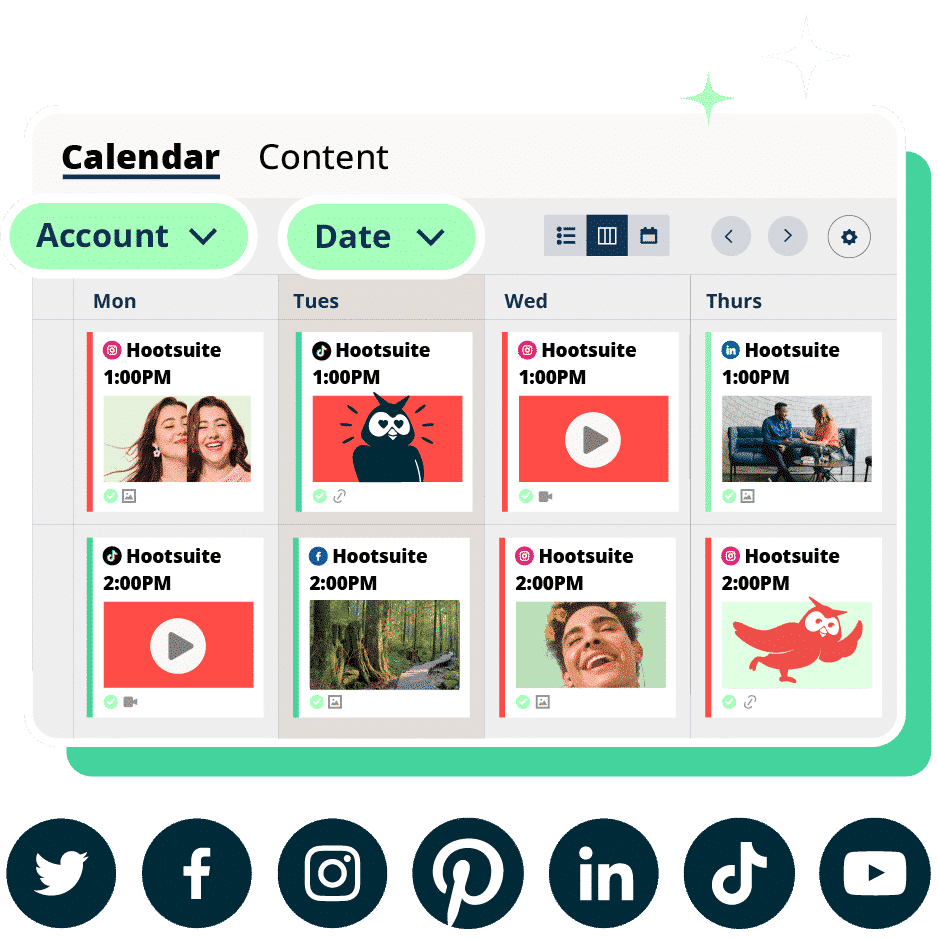
Social media tools have transcended their origins as simple scheduling calendars. In 2026, they are defined by their ability to consolidate fragmented workflows. Whether it is an all-in-one platform like Hootsuite Social OS or specialized AI assistants, the common goal is clear: efficiency through integration.
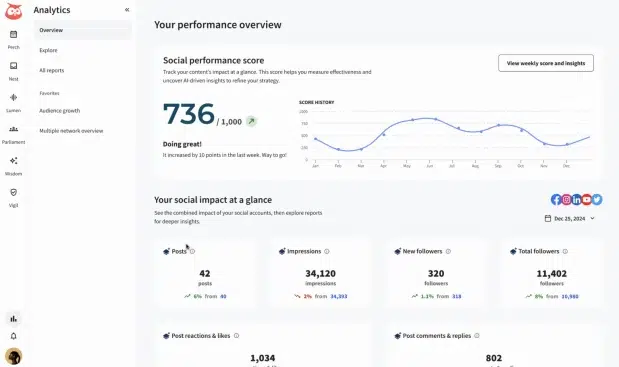
By automating repetitive tasks—such as bulk scheduling, cross-channel monitoring, and sentiment analysis—these tools allow marketers to pivot from "doing" to "thinking." The industry is moving toward a model where AI-driven insights are no longer a separate, bolted-on feature but are woven into the very fabric of the dashboard, providing real-time guidance grounded in proprietary data.
Chronology: How Tools Have Changed the Marketing Landscape
To understand why our current toolkit looks the way it does, one must look at the progression of the last decade:
- 2015–2018 (The Scheduling Era): Tools were primarily designed to ensure content went live at the right time. The focus was purely on frequency and reach.
- 2019–2022 (The Analytics & Engagement Era): As competition stiffened, teams demanded data. Tools began offering deeper insights into audience demographics, click-through rates, and, crucially, social listening to track brand health.
- 2023–2025 (The Integration Era): The "Silo Problem" emerged. Marketers were juggling disparate apps for design, scheduling, and CRM. The industry responded by building API-first platforms that synced social data with customer records.
- 2026 and Beyond (The AI-Agentic Era): We are currently in the age of AI agents. Tools like Wisdom (within Hootsuite) don’t just store data; they proactively suggest strategies, flag crises, and generate content based on the brand’s unique history and voice.
Supporting Data: Why Tool Consolidation Matters
The shift toward consolidated platforms is backed by rigorous market data. According to recent Gartner findings, marketing leaders expect AI-driven automation of marketing tasks to double from 16% in 2026 to 36% by 2028. This move is driven by the necessity of ROI measurement.
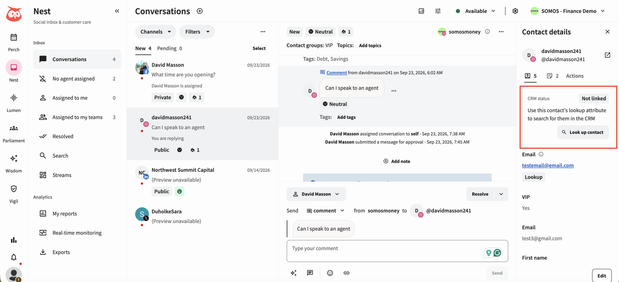
When a brand uses a tool that connects social interactions to CRM data—like HubSpot’s integration or Hootsuite’s CRM syncing—the conversion from "social fan" to "qualified lead" becomes transparent. For enterprise teams, this level of granularity is no longer a luxury; it is a requirement for budget approval.
Categorizing the 2026 Toolkit
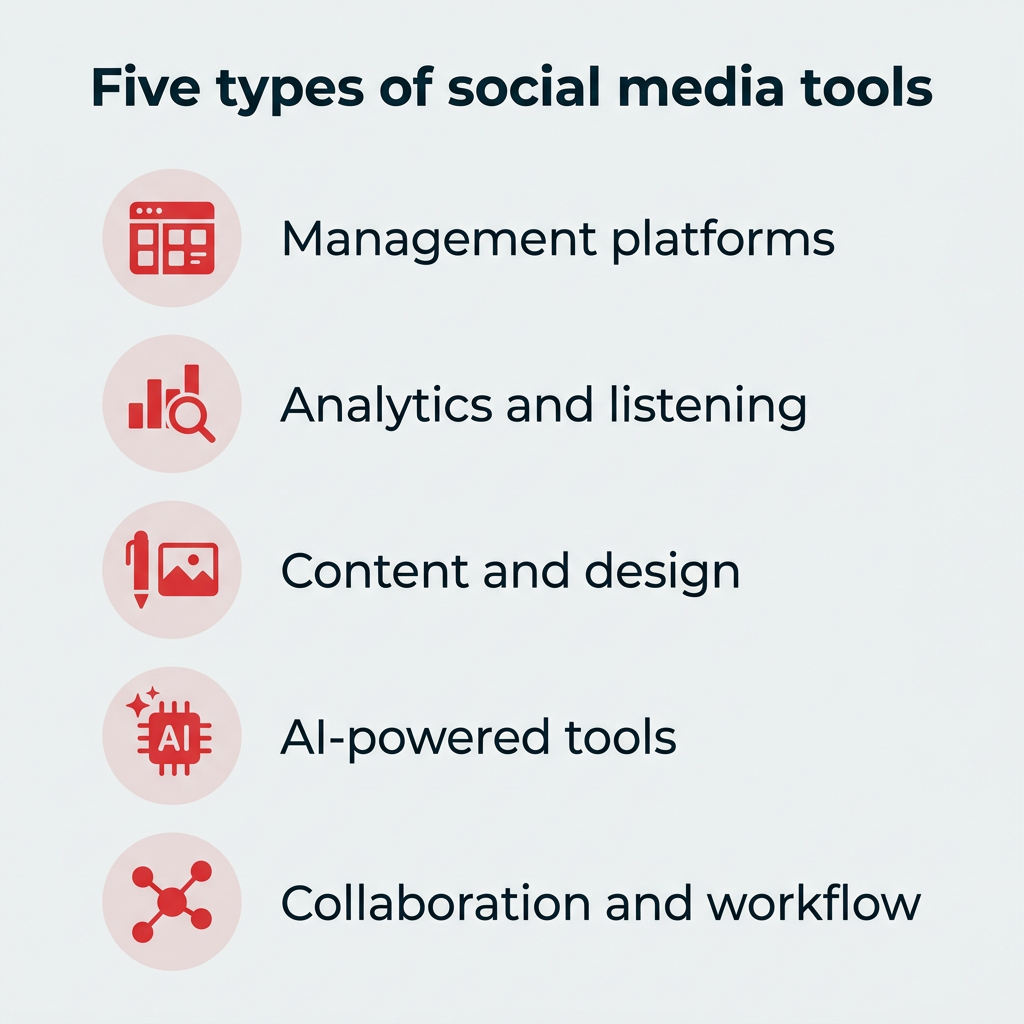
1. All-in-One Management Platforms
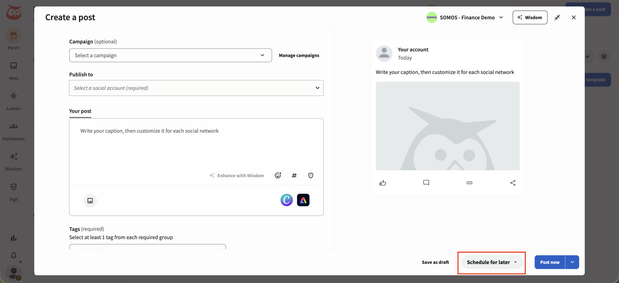
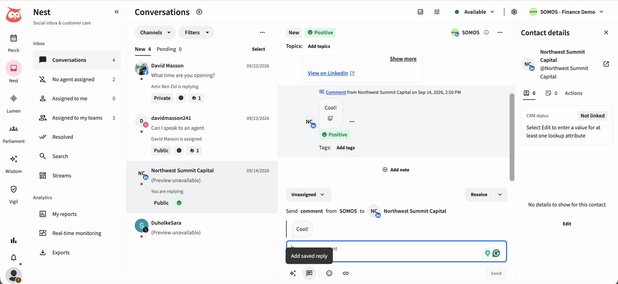
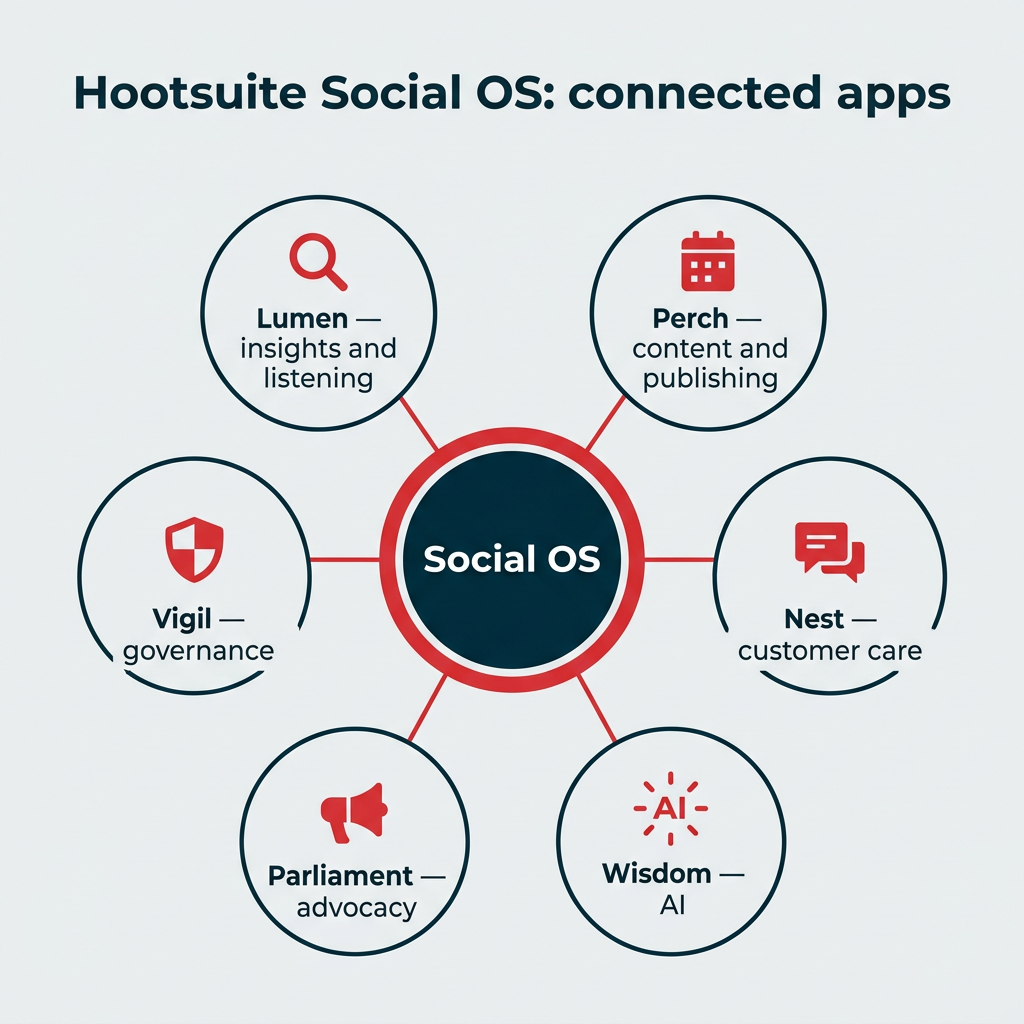
These are the cornerstones of any mature marketing stack. Hootsuite Social OS remains the industry benchmark, providing a centralized hub where publishing, listening, and customer care exist on a shared data layer. By using "connected apps," teams avoid the inefficiency of switching between a separate listening tool, a design app, and a scheduling calendar.
2. Analytics and Listening
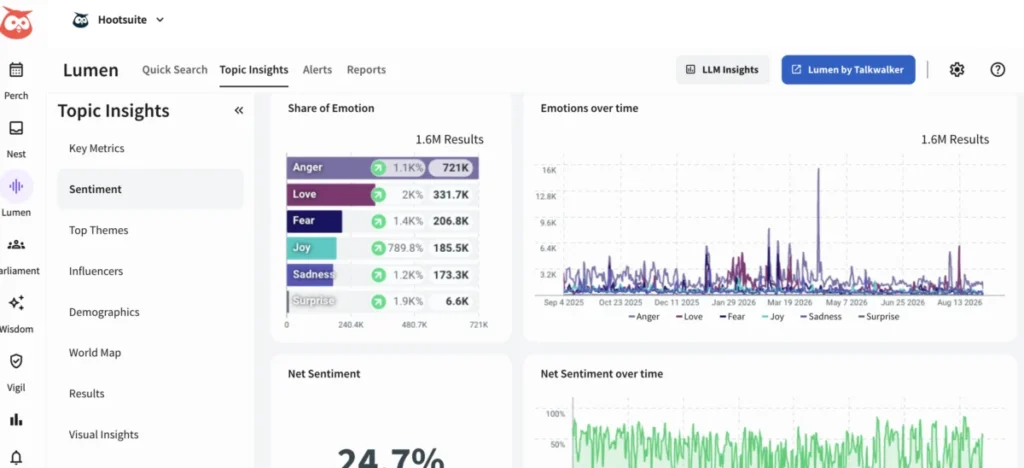
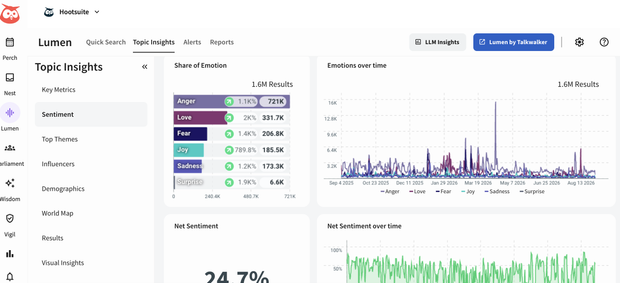
For brands, knowing what people are saying about them is as important as what they are saying about themselves. NetBase Quid represents the high end of this category, utilizing massive data sets—including news, forums, and patents—to offer market intelligence. For local businesses, the Google Business Profile remains an underrated but essential tool for reputation management and local SEO.
3. Design and Visual Content
In the "Creator Economy," the barrier to high-quality design has vanished. Canva has solidified its position by integrating AI-powered design assistants that allow non-designers to produce professional-grade visuals. For those in the Adobe ecosystem, Adobe Stock provides a high-fidelity alternative for brands that prioritize professional, licensed assets.
4. AI-Powered Assistants
AI is no longer a novelty; it is infrastructure. Wisdom (by Hootsuite) is leading the charge by providing "grounded" AI—meaning it answers questions based on your actual social performance, not just general internet knowledge. Meanwhile, tools like Lately AI continue to serve as the ultimate "force multipliers," turning a single podcast or blog post into weeks’ worth of social content.
5. Workflow and Collaboration
Large-scale campaigns require project management rigor. Tools like Monday.com, Airtable, and Notion have become the "back-office" for social media teams. They allow for the tracking of content calendars, approval hierarchies, and campaign briefs, ensuring that global teams remain synchronized.

Official Perspectives: The Value of Governance
Industry experts and analysts emphasize that as teams scale, "governance" becomes the primary concern. In regulated industries—such as healthcare or finance—the risk of a rogue post or a non-compliant reply can have significant legal consequences.

Modern platforms have addressed this by implementing robust "Vigil" and "Audit Trail" features. By utilizing role-based permissions and centralized content libraries, enterprises can ensure that every post, comment, or message aligns with brand guidelines. As one lead strategist noted, "In 2026, the best social tool isn’t the one with the most bells and whistles; it’s the one that prevents your team from making a brand-damaging mistake while they move fast."

Strategic Implications: Choosing Your Tech Stack
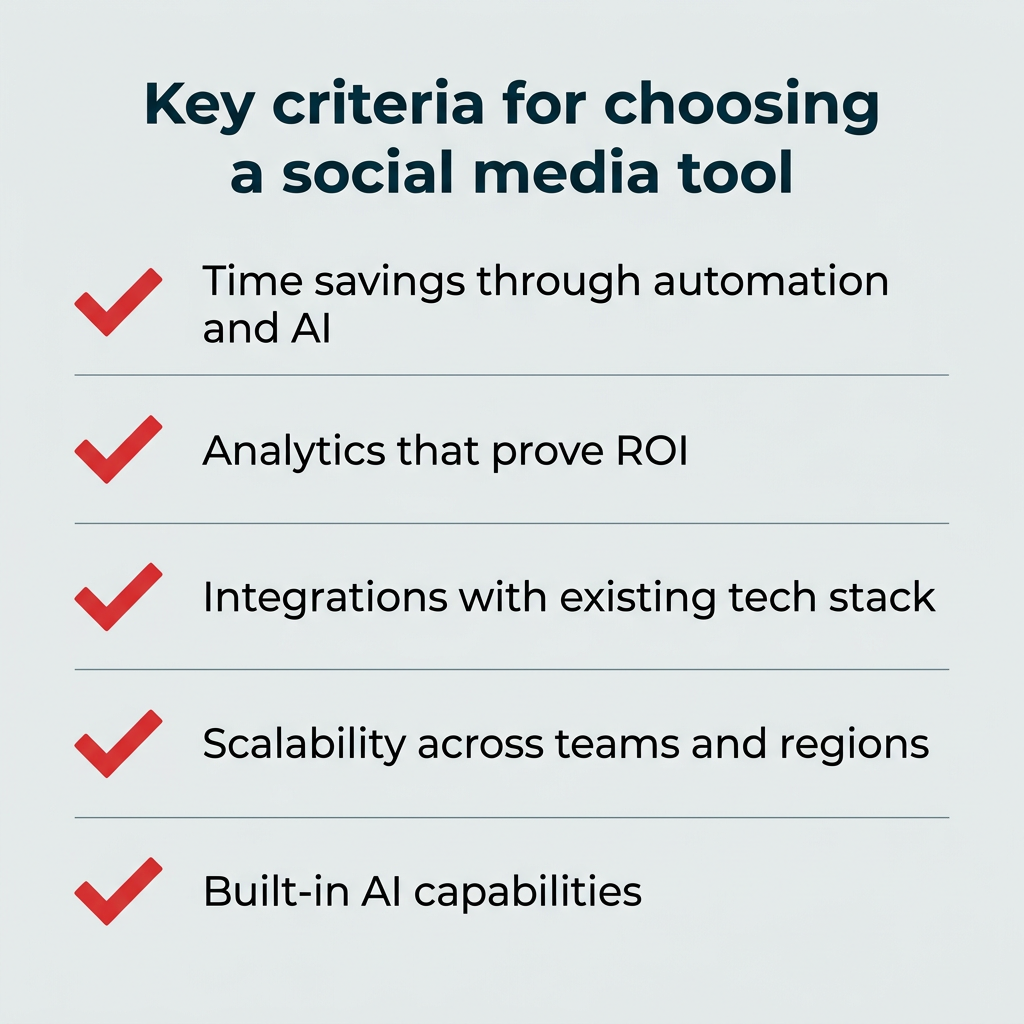
Before purchasing a suite of tools, marketing leaders should evaluate their stack against six critical criteria:

- Time Efficiency: Does the tool automate the manual "busy work"?
- ROI Attribution: Can it prove that social activity contributed to revenue?
- Tech Stack Integration: Does it talk to your CRM, Slack, and BI platforms?
- Scalability: Can it handle multiple brands, regions, and team tiers?
- AI Utility: Is the AI built-in and grounded in your own data?
- Reputation Protection: Does it provide early warnings for potential PR crises?
Conclusion: The Path Forward
The "Big 4" of social management (Hootsuite, Sprout Social, Buffer, and HubSpot) continue to dominate the conversation, but the true differentiator for 2026 is the ability to integrate. We are moving away from the "best-of-breed" fragmentation where teams used 15 different apps to do 15 different jobs.
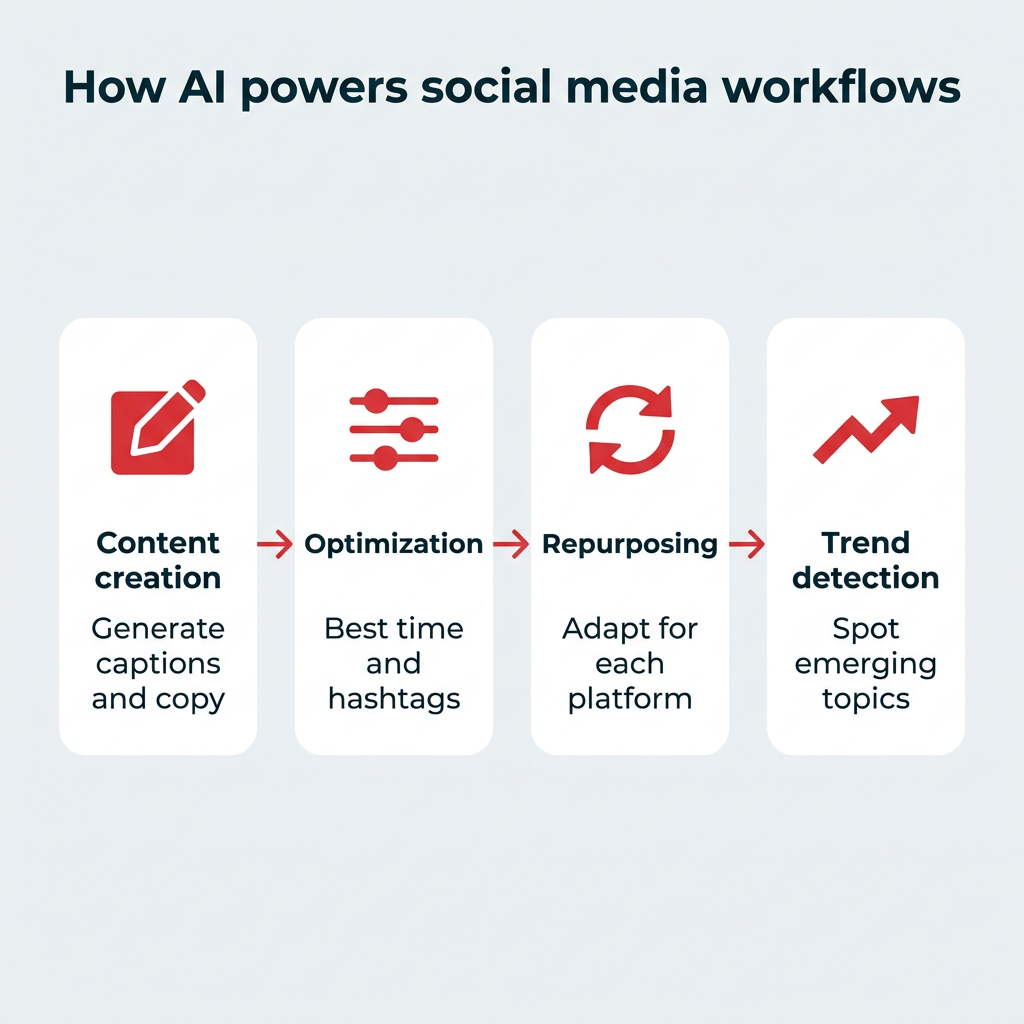
The future belongs to the "operating system" model—a unified, AI-powered command center that allows marketers to focus on the creative strategy that drives growth. Whether you are a solo freelancer managing two accounts or a global enterprise managing hundreds, the lesson of 2026 is clear: the right tool doesn’t just manage your social media; it manages your business intelligence, your customer relationships, and your brand’s future.

By carefully selecting a stack that prioritizes automation, integration, and security, marketing teams can effectively navigate the noise of the digital landscape and turn social media into a reliable, measurable, and highly profitable engine for their organizations.
