
The Scalability Paradox: How Agencies Can Reclaim Strategy from Administrative Overload
In the modern digital landscape, email marketing remains one of the most effective tools for customer retention and brand storytelling. However, for marketing agencies managing a diverse portfolio of clients, the operational reality of executing these campaigns is often fraught with friction. As agencies scale, the very systems designed to facilitate growth frequently become bottlenecks, trapping high-value creative teams in the drudgery of administrative maintenance.
When data is siloed across disparate client accounts, the simple act of reporting becomes a logistical marathon. Account managers find themselves manually exporting CSVs, cross-referencing spreadsheets, and stitching together performance metrics just to answer fundamental questions about campaign health. This “manual tax” does more than just consume time—it actively erodes the strategic value agencies provide to their clients.
The Core Challenge: Managing Complexity at Scale
At its inception, an agency can manage a handful of clients with informal check-ins and manual oversight. Yet, as the client roster expands, the “small tasks” accumulate into a systemic burden. The industry has long suffered from a design oversight: many popular email platforms were built for the individual marketer managing a single brand. These tools lack the "command center" architecture required to oversee multiple audiences, varying send schedules, and distinct brand identities simultaneously.
The result is a fragmented workflow. When an agency’s day begins with logging into five different platforms to check performance, the focus shifts from strategy to administration. This shift is not merely an internal nuisance; it directly impacts client retention. If a strategist spends 80% of their time pulling reports and 20% interpreting data, the client receives a status update rather than a roadmap for growth.
Transforming the Agency Dashboard: A New Paradigm
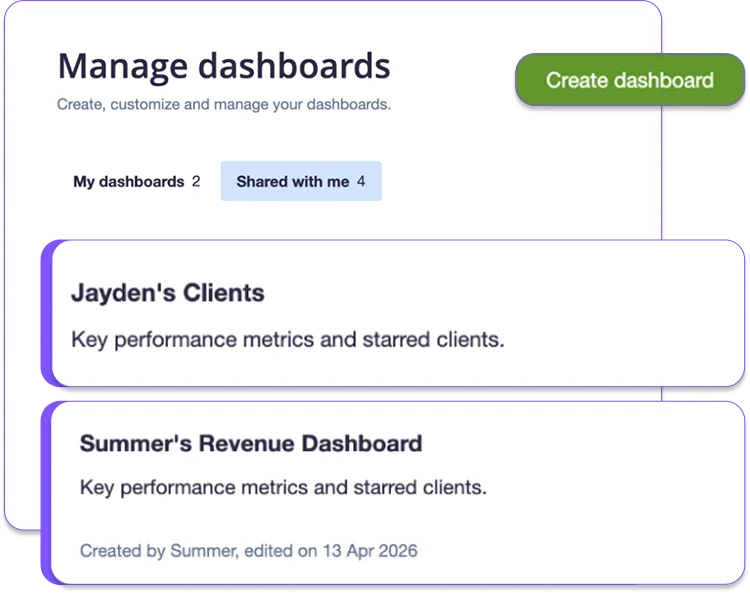
To survive and thrive in a competitive market, agencies must pivot toward centralized management software that treats “multi-account oversight” as a core feature rather than an afterthought. Leading platforms, such as Campaign Monitor, are increasingly addressing this with specialized agency-grade features.
1. The Single-Pane-of-Glass Approach
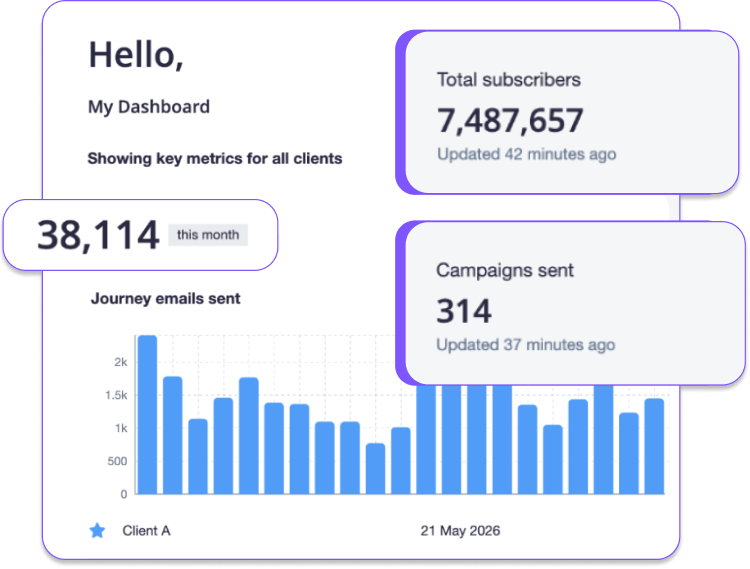
The primary solution to fragmented management is a unified dashboard. A high-performing agency tool must offer a shared, customizable view that allows team members to log in and immediately discern the health of the entire portfolio.
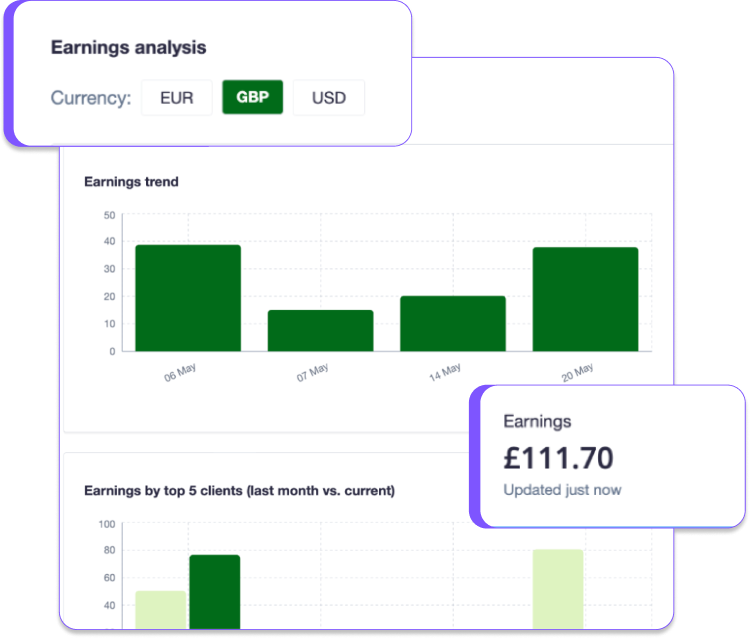
By utilizing configurable widgets—such as aggregated performance data, earnings snapshots, and subscriber growth trends—agencies can eliminate the need for manual reporting. This enables a “management by exception” workflow, where team members are alerted to accounts that require immediate attention, while healthy accounts remain visible but don’t monopolize bandwidth.
2. Prioritization through Strategic Pinning
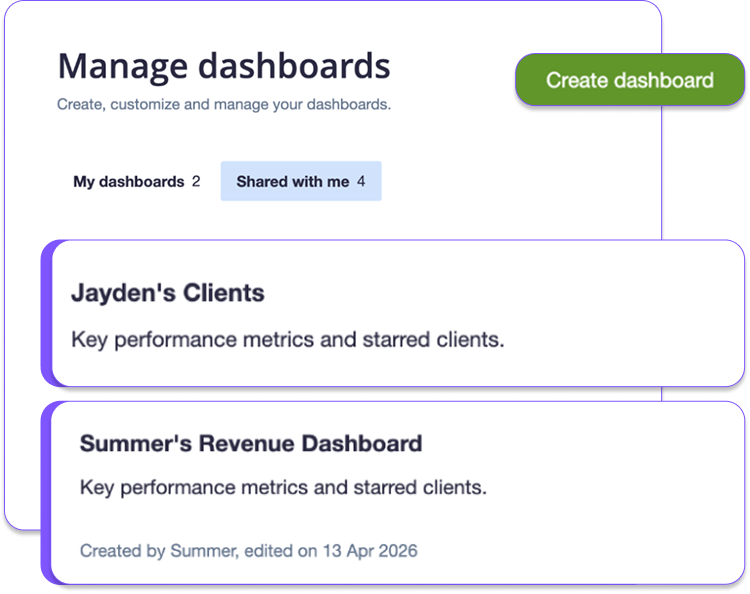
Not all client accounts demand the same level of daily scrutiny. An agency managing thirty clients might have five currently undergoing a major product launch or a crisis management situation. Effective software allows for the "starring" or "pinning" of priority accounts, ensuring that urgent data is always at the forefront.
This hierarchy of information is critical. By keeping high-priority accounts within a single click of the dashboard, agencies can provide proactive service rather than reactive responses. When an account manager can see the date of the last send and current engagement metrics at a glance, they are empowered to pick up the phone and offer insights before the client even asks for an update.
The Evolution of Client Reporting: From Metrics to Insights
The most significant implication of improved agency software is the shift in the quality of client meetings. When reporting is automated and instant, the “recap” phase of a meeting becomes a foregone conclusion.
Moving Beyond the "What"
Traditionally, client reviews are dominated by the "What":
- "What was our open rate?"
- "What was the click-through rate?"
- "What did we send last month?"
This is a commoditized service. When the software does the heavy lifting of data visualization, the conversation shifts to the "Why" and the "So What":
- "Why did this specific segment respond better to this subject line?"
- "So what does this trend mean for our Q4 revenue goals?"
- "What is our recommended pivot for the next campaign?"
By offloading the administrative burden, agencies can re-establish themselves as strategic partners. The software is no longer just a tool for sending emails; it becomes the foundation for business intelligence.
Operational Continuity: The Searchable History
A persistent pain point for agencies is the "institutional memory" gap. When a client asks about a campaign from six months ago, the inability to quickly surface that information can damage the agency’s credibility.
Modern platforms now implement comprehensive, searchable activity logs. These logs allow for granular filtering by date, campaign type, or specific client. This is not just about convenience; it is about accountability. When an agency can answer complex questions in real-time, it demonstrates a level of control and professional rigor that fosters long-term trust.
The Professional Verdict: Implications for Agency Growth
Industry analysts observe a clear correlation between operational efficiency and client satisfaction. Agencies that invest in integrated management ecosystems experience:
- Reduced Churn: Clients stay longer when they feel their agency is providing forward-looking strategy rather than just tactical execution.
- Higher Staff Retention: Creative professionals are more engaged when they are solving problems rather than clicking through account menus.
- Scalable Revenue: By reducing the time-to-report, agencies can manage larger portfolios without needing to scale their administrative headcount proportionally.
Expert Perspective: The Strategic Mandate
"The agency of the future is defined by its ability to synthesize data into wisdom," notes a lead consultant at a top-tier digital marketing firm. "If your team is buried in the metadata of three dozen accounts, they cannot see the horizon. You aren’t hired for your ability to use a dashboard; you are hired for your judgment. Your tools must facilitate that judgment, not obscure it."
Conclusion: Choosing the Right Foundation
As agencies continue to navigate a complex digital landscape, the selection of an email marketing platform is a mission-critical decision. The ideal platform acts as an invisible force multiplier—it organizes, streamlines, and clarifies, allowing the agency to shine.
The goal is simple: ensure that every minute of the workday is directed toward activities that move the needle for the client. Whether it is through the use of centralized dashboards, real-time performance tracking, or deep-archive accessibility, the objective remains the same: reclaiming the creative and strategic time that is the agency’s most valuable asset.
By offloading the administrative weight to robust, agency-centric technology, firms can stop acting like email managers and start acting like growth partners. In the final analysis, the agencies that succeed will be those that have mastered the art of letting their software handle the complexity, while their teams handle the strategy.
