
The New Frontier of Social Video: Unlocking the Hidden Trends Shaping the Creator Economy
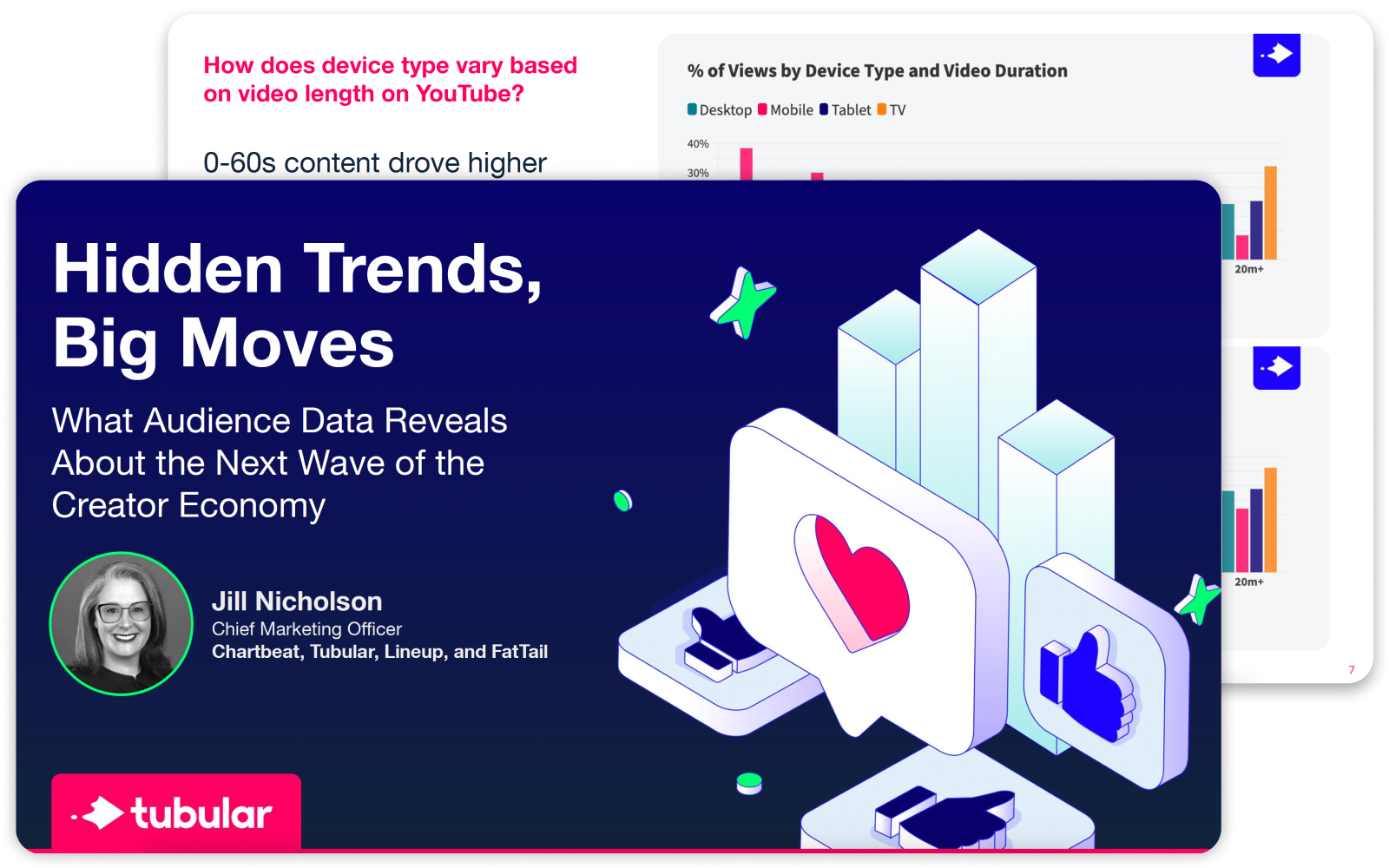
At this year’s VidCon, the industry’s premier gathering of creators, platforms, and brand marketers, the conversation shifted from "what is popular" to "why it is working." Jill Nicholson, Chief Marketing Officer at Tubular Labs, took the stage to dissect the subtle, under-the-radar shifts that are currently defining the next phase of the creator economy.
As the digital landscape becomes increasingly saturated, the "spray and pray" approach to content creation is dying. In its place, a more nuanced, data-driven strategy is emerging—one that prioritizes device-specific behavior, unconventional brand partnerships, and a strategic balancing act between human creativity and AI efficiency.
For brands and creators looking to stay ahead of the curve, these insights are no longer optional; they are the blueprint for sustainable growth.
Main Facts: A Paradigm Shift in Consumption
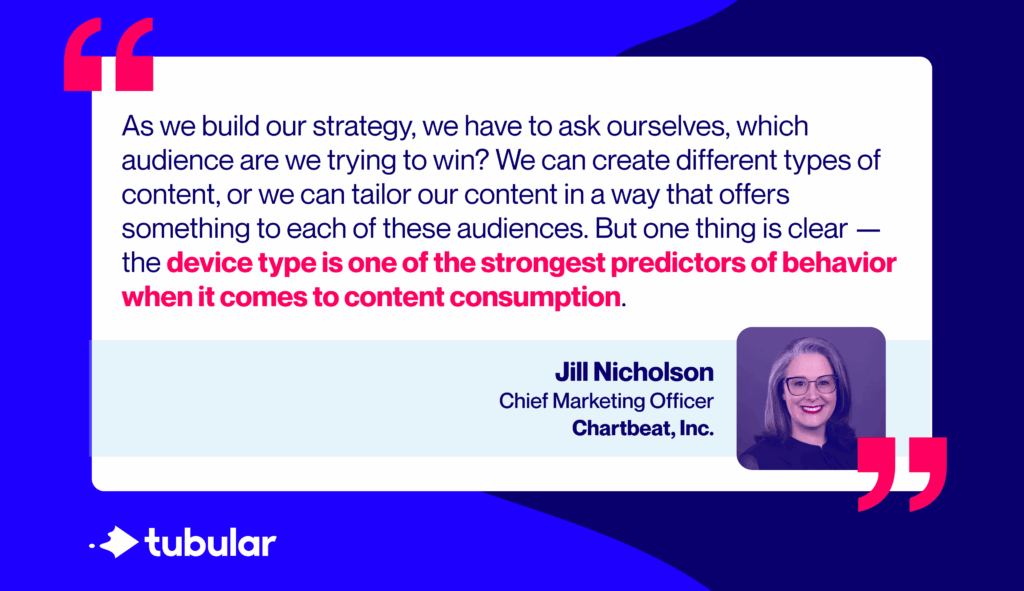
The core thesis of Nicholson’s presentation is that the "one-size-fits-all" approach to social video is fundamentally flawed. Instead, audiences have developed sophisticated habits that differ significantly based on the hardware they use.
Key takeaways from the report include:
- Device-Centric Consumption: Content duration is no longer a matter of preference but a matter of platform and hardware. Connected TVs (CTVs) are becoming the primary home for long-form, immersive storytelling.
- The Power of Unexpected Alliances: Brands are finding their highest ROI not in traditional, category-adjacent partnerships, but in "crossover" collaborations that surprise and delight audiences.
- The AI Upload Paradox: While AI-assisted content allows for high-frequency posting, it often suffers from a lower "view-per-video" ratio, forcing a strategic choice between volume and depth.
Chronology: The Evolution of the 2025 Landscape
The first half of 2025 has acted as a stress test for the creator economy. Throughout H1 2025, we witnessed a stabilization in the post-pandemic digital boom, leading to a "flight to quality."
- Q1 2025: Data began to show a divergence in engagement metrics between mobile-native short-form content and the surge in long-form consumption on living-room screens.
- April-May 2025: Major brands began experimenting with cross-industry influencers—notably in the Beauty and Food sectors—sparking a trend of "Category-Busting" marketing.
- June 2025: The "AI vs. Human" debate reached a boiling point as creators grappled with how to maintain audience retention while scaling output. The data presented at VidCon confirmed that audiences are becoming increasingly sensitive to the "uniqueness" of human-led content.
Supporting Data: The Anatomy of Success
The report provided by Tubular Labs offers a granular look at the metrics that matter. By analyzing millions of data points across platforms like YouTube, TikTok, and Instagram, the research highlights three critical pillars of modern video performance.
1. Cracking the Code to Video Duration
The days of forcing every video into a 60-second box are over. Nicholson’s research illustrates that audience patience is entirely contextual. On mobile devices, where users are often in transit or multitasking, bite-sized, high-energy content reigns supreme.

Conversely, when viewers switch to a Connected TV, they are entering a "lean-back" state of mind. Tubular’s data shows that these viewers are significantly more likely to engage with content exceeding the 20-minute mark. For brands, this means that if you are advertising on a platform where CTV viewing is high, your creative needs to respect the viewer’s time and provide a narrative arc that justifies the length.
2. The "Category-Busting" Collaboration
Perhaps the most striking finding is the efficacy of the "unexpected partnership." The study highlights how Beauty and Skincare giant Nivea saw a 3x increase in engagement within the first week of a campaign by partnering with a Food & Drink creator, @Onezwambola.
This suggests that audiences are experiencing "category fatigue." They don’t want to see a beauty brand only partnering with beauty influencers. They want to see how products fit into the real, multifaceted lives of the creators they follow. By stepping outside of their traditional "silo," brands can tap into entirely new demographics that were previously unreachable through standard media buys.
3. Gaming, AI, and the Frequency Dilemma
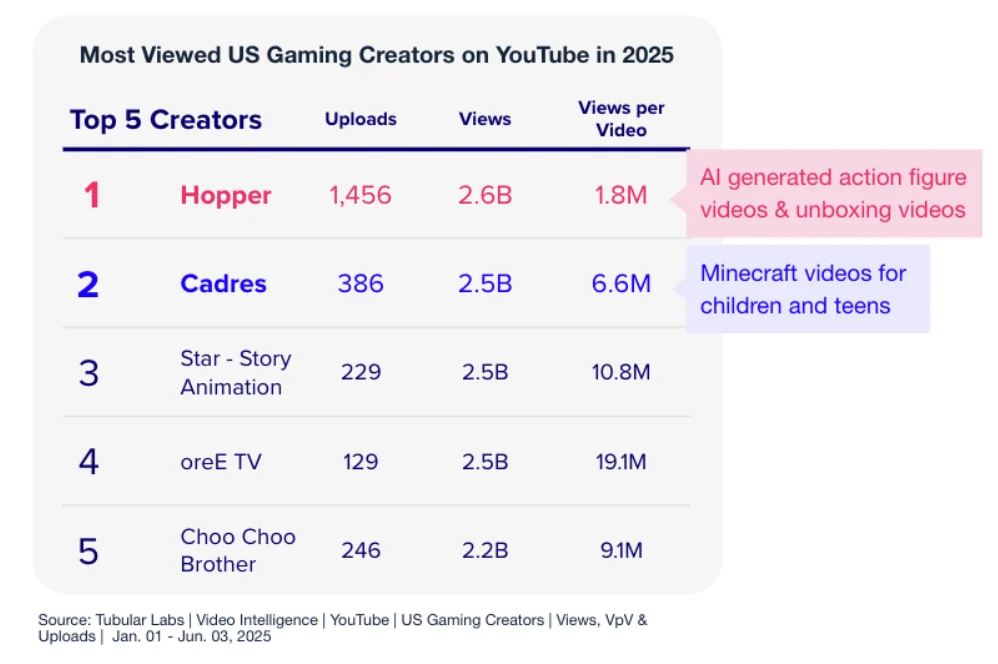
In the gaming sector, the race for total views has been transformed by AI. The analysis of top US Gaming creators revealed a stark trade-off. Creators leaning heavily on AI-assisted content can produce a massive volume of videos, which drives high total view counts. However, their "views-per-video" metric is significantly lower than their human-led counterparts.
The data suggests a critical threshold: If a creator like "Hopper"—a top-tier gaming creator—were to mirror the engagement levels of peers who prioritize human-centric, high-production-value content, their potential reach could jump from 2.6 billion to 9.6 billion views. The conclusion is clear: AI is a tool for scale, but it is not a replacement for the intimacy and resonance that only human creators can provide.
Official Responses and Strategic Perspectives
Jill Nicholson emphasized that these trends are not merely "interesting observations," but are essential to brand survival. "When you look at the disparity between total views and views-per-video, you see the difference between gaming the algorithm and building a community," Nicholson stated during her session.
She further noted that the "4-uploads-per-day" average observed among top gaming creators is a "high-water mark" that is difficult for brands to replicate without becoming repetitive. The strategy, according to her report, is not just to post more, but to understand what the audience is looking for when they hit "play" at different times of the day and on different devices.
Implications: Moving Forward
What does this mean for the future of digital strategy? It means that we must move beyond vanity metrics. Here are the actionable implications for both brands and creators:

- Contextualize Your Creative: Before you produce a piece of content, ask: Where is this being watched? If it’s for the TV, build for the long-form. If it’s for the phone, build for the immediate hook.
- Audit Your Partnerships: Stop looking for creators who simply match your brand’s category. Look for creators who match your brand’s values and lifestyle profile, regardless of their niche. The best partnerships are often the ones that seem "wrong" at first glance.
- Balance Automation with Authenticity: Use AI to handle the heavy lifting of scheduling and distribution, but keep the core creative process rooted in human experience. The data proves that audiences are smart—they can smell inauthentic, AI-generated content from a mile away, and they will reward the human touch with higher retention.
- Optimize for Retention, Not Just Frequency: As the gaming sector has shown, more is not always better. A high-quality video that resonates deeply with your core audience is worth more in the long run than ten mediocre videos that satisfy the algorithm for a few hours.
Conclusion: The Future is Data-Informed, Not Data-Driven
As we move into the second half of 2025, the creator economy is maturing. The "Wild West" era of social video is being replaced by a more strategic, intentional environment. By leveraging the hidden trends identified by Tubular Labs—understanding device behavior, embracing cross-category collaborations, and managing the AI-content balance—brands can move from merely participating in the creator economy to actively shaping it.
To gain a deeper understanding of these shifts and to view the full data sets behind these trends, industry professionals are encouraged to download the comprehensive report here. In an era where attention is the scarcest currency, those who know where the audience is hiding will be the ones who win.
