
The New Digital Frontier: Why LLM Ranking Is the Next Evolution of SEO
Large Language Models (LLMs) have transcended the "tech buzzword" phase to become the primary architects of the modern digital experience. For two decades, the internet’s gatekeeper was Google Search—a vast, index-based map where brands fought for position via blue links. Today, that map is being replaced by a tour guide. Platforms like ChatGPT, Gemini, Claude, and Perplexity are no longer just providing links; they are synthesizing answers, vetting products, and making purchasing decisions on behalf of users.
In this new ecosystem, your brand’s presence isn’t measured by a traditional SERP position, but by "LLM Rankings"—your visibility within the curated, AI-generated responses that users now trust as their first point of call. If your brand is absent from these responses, you are essentially invisible to a growing segment of high-intent consumers.
What Are LLM Rankings?
At its core, LLM ranking is "SEO for AI assistants." Unlike traditional search, which ranks web pages based on authority and keyword density, AI models function on probabilistic generation. When a user asks an LLM, "What is the best CRM for a small startup?" the model draws upon its training data, real-time web access, and internal weighting mechanisms to construct a narrative response.
If your brand is not mentioned in that narrative, you haven’t just lost a click; you have lost a qualified lead who was explicitly looking for a solution in your category. This isn’t just about traffic; it’s about being "top-of-mind" for an artificial brain that now dictates the customer journey.
The Chronology of the Shift: From Search to Synthesis
The transition from Search to AI-driven answers did not happen overnight. The timeline of this shift highlights how quickly consumer behavior has adapted:
- 2000–2015: The Google Dominance Era. The "Ten Blue Links" defined the internet. Brands focused on link building and keyword optimization.
- 2016–2022: The Semantic Search Era. Google began integrating Knowledge Panels and Featured Snippets, signaling a shift toward direct answers.
- Late 2022–2023: The Generative AI Inflection Point. The public release of ChatGPT shattered the monopoly of traditional search. Users began bypassing link-based results in favor of conversational, synthesized summaries.
- 2024–Present: The "AIO" (AI Optimization) Emergence. Brands have begun recognizing that LLMs are not just tools, but platforms. The industry is now moving toward proactive "AI Optimization," where firms treat model training data and AI citations as critical marketing assets.
The "Big Four" and the Fragmentation of Choice
While OpenAI’s ChatGPT is often synonymous with the AI revolution, the landscape is increasingly fragmented. Consumers have developed distinct preferences for different models, and each has its own "personality" and information-retrieval quirks.
- OpenAI (ChatGPT): The market leader with the highest brand recognition. It heavily influences the "default" AI behavior for millions of users.
- Google (Gemini): Holds a structural advantage through its integration into the Google Search ecosystem, effectively turning the search engine into a generative response machine.
- Anthropic (Claude): Known for nuance, large context windows, and a more "human-like" tone, often favored by power users and professionals.
- Perplexity: A hybrid search-AI tool that is increasingly acting as the go-to for research-heavy, fact-based queries, often citing sources directly—a critical area for brand visibility.
Because you cannot assume which tool your audience uses, you must monitor them all. Much like a business owner would monitor their store’s presence in multiple shopping malls, you must ensure your brand appears across the entire AI landscape.
Supporting Data: The Case for Monitoring
Ignoring LLM rankings is the modern equivalent of ignoring search engine optimization in 2005. The implications are clear:
- Intent Quality: LLM-driven traffic is frequently higher in intent than standard search traffic. A user asking an AI for a "product recommendation for X" is further down the funnel than a user performing a generic search.
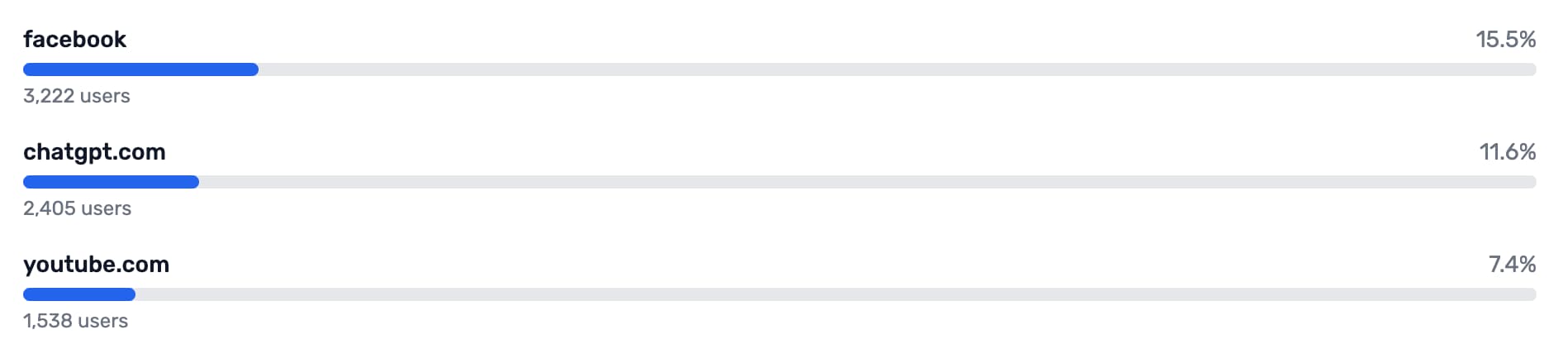
- The 10-13% Rule: Current industry data suggests that LLM-driven interactions are already accounting for 10% to 13% of total inbound traffic for tech-forward companies. This number is projected to grow as models become more integrated into browsers, mobile operating systems, and smart devices.
- The "Zero-Click" Reality: Just as "Zero-Click" searches plagued SEOs, AI answers often provide all the information a user needs, meaning the value isn’t just the referral link—it is the brand authority established by being named in the answer itself.
The Mechanics of Monitoring: A Step-by-Step Guide
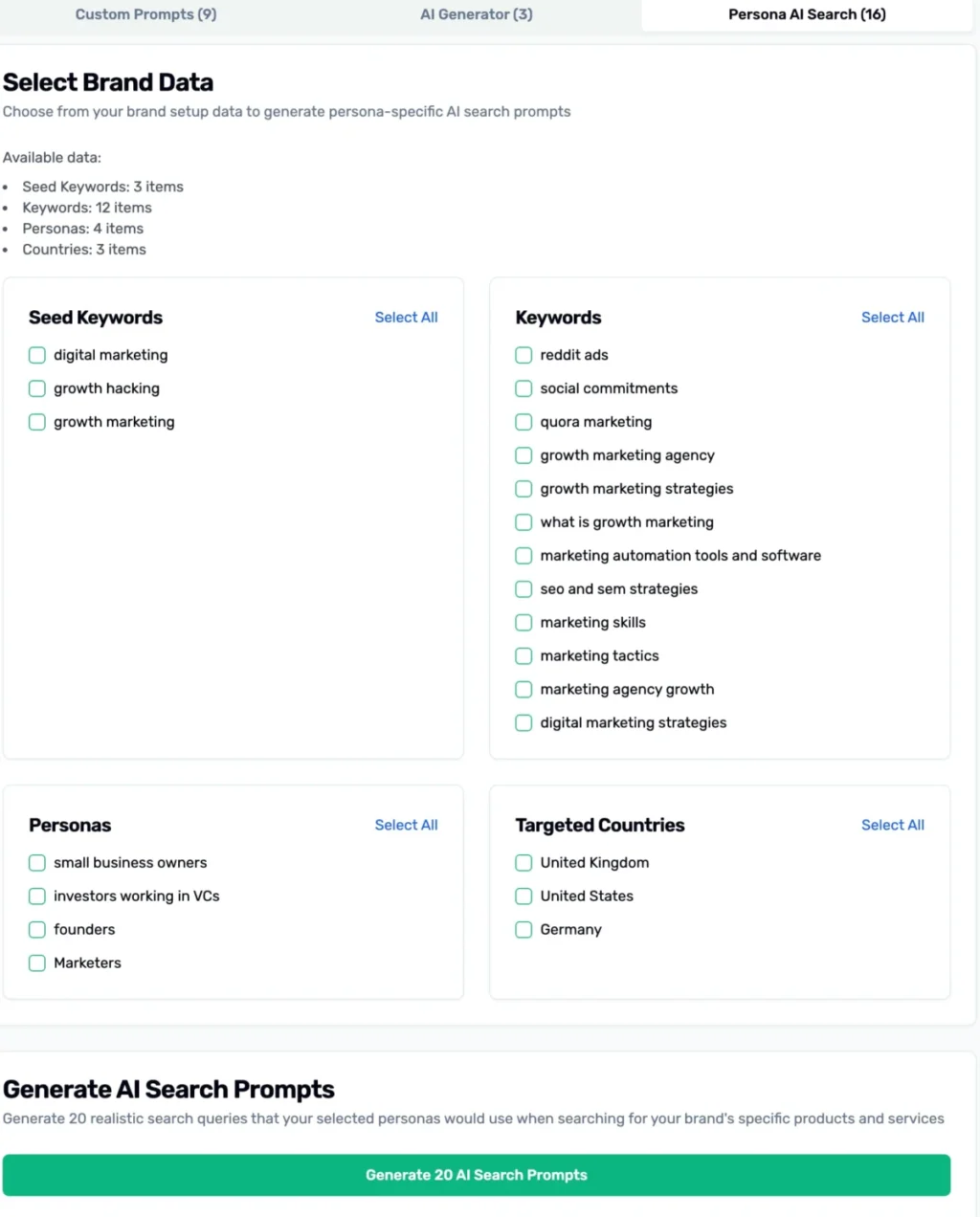
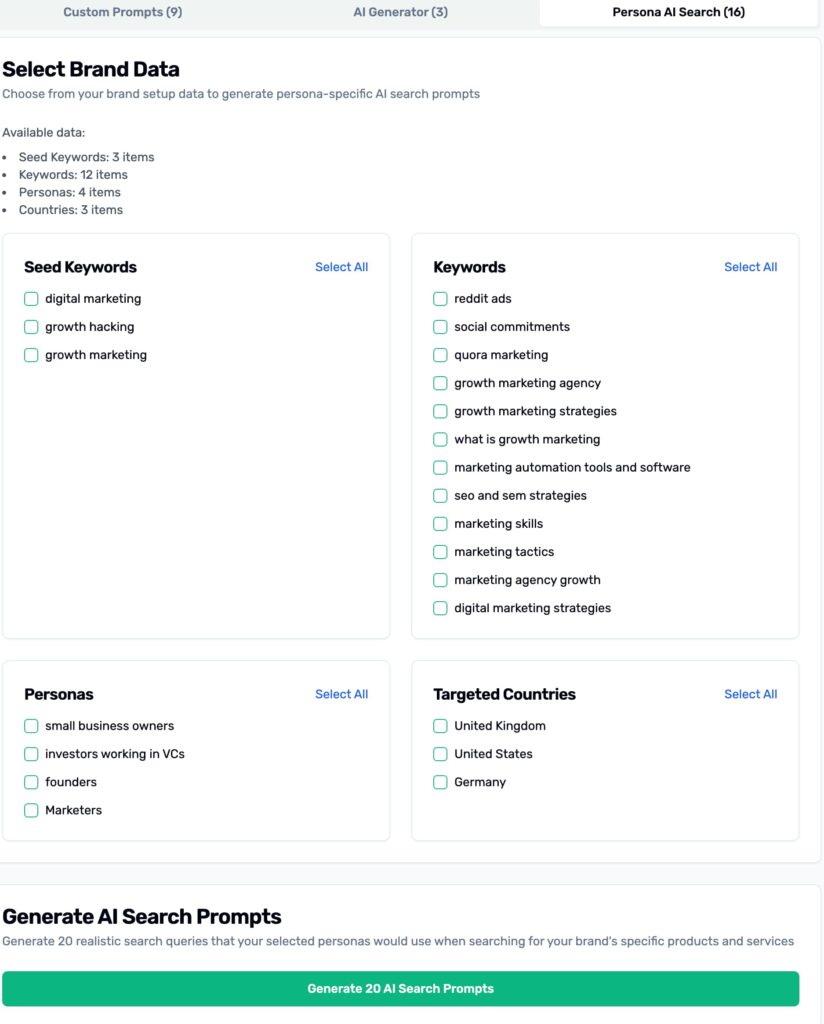
Because there is no centralized "LLM Search Console," tracking is an active, ongoing, and somewhat manual process. To gain a baseline, businesses should:
- Define the Core Query Library: Identify the high-value questions your target audience asks.
- Standardize the Test Environment: Use the most current models available via API to ensure your testing reflects what users actually see.
- Execute and Categorize: Run queries across ChatGPT, Gemini, Claude, and Perplexity.
- Sentiment and Citation Analysis: Do not just look for inclusion. Is the mention neutral? Positive? Does it accurately describe your value proposition?
The Importance of Prompt Engineering
Your visibility data is only as accurate as your prompts. If you query an AI using obscure, non-human language, your results will be skewed. You must build a prompt library that mimics human search behavior, including:
- Comparative Prompts: "What is the difference between Brand A and Brand B?"
- Problem-Based Prompts: "How do I fix [Pain Point] without using [Competitor]?"
- Contextual Prompts: "Recommend tools for a small marketing team on a budget."
Implications for Future Marketing Strategies
The rise of LLMs forces a paradigm shift in how brands approach marketing. This is no longer just about "content marketing"; it is about "AI Optimization."
1. From "Content" to "Context"
LLMs prioritize information that is clear, authoritative, and easily "digestible" by a model. Brands must ensure their web presence is structured to answer questions directly, providing high-quality data that models can scrape and trust.
2. The Cost of Inaction
The cost of tracking is not just the price of API calls; it is the cost of being absent. If you are not in the AI’s recommendation, you are not in the consideration set. For a business with 1,000 high-intent queries per month, failing to optimize for LLMs could mean losing thousands of leads to competitors who have prioritized AI visibility.
3. The Need for Specialized Tools
While early adopters are using manual API-driven scripts, the next 12 months will see the birth of a new category of "AI Ranking" software. These tools will offer automated sentiment tracking, competitor comparison, and "recommendation share" analytics—similar to how modern SEO tools provide SERP tracking.
Official Industry Perspectives: The Shift Toward AIO
Industry experts are increasingly calling this field AIO (AI Optimization). Unlike SEO, which focuses on satisfying a search engine’s algorithm, AIO focuses on satisfying the AI’s logic.
As one marketing technologist noted: "We are moving from a world where we optimize for bots to a world where we optimize for synthetic intelligence. The goal is no longer just to be indexed; it is to be cited as an authority in a conversation."
Conclusion: Securing Your Digital Legacy
The era of relying solely on Google’s organic blue links is sunsetting. We are entering an era where visibility is dictated by the models that live in our pockets and on our desktops.
Brands that start tracking and optimizing for LLMs now will own the conversation in the AI-driven future. Those who remain tethered to traditional SEO metrics will eventually find themselves wondering why their inbound leads have evaporated. The battle for the AI recommendation is not coming; it is already here. It is time for your brand to step into the conversation.
