
Optimizing Performance: Crazy Egg Unveils AI-Driven Page Speed Monitoring Enhancements
In the hyper-competitive landscape of digital commerce, page load speed is no longer just a technical metric—it is the bedrock of user experience, search engine ranking, and conversion rate optimization. As modern users and increasingly sophisticated AI crawlers demand instantaneous access to information, website owners are under more pressure than ever to maintain high-performance digital storefronts.
Addressing this critical need, Crazy Egg, a leader in website optimization and visitor behavior analysis, has announced significant enhancements to its "Page Speed Audits" suite. Following the initial launch of the tool in August 2026, the company has now introduced automated page suggestions and bulk monitoring capabilities. These updates are designed to help businesses move from reactive performance troubleshooting to proactive, data-driven optimization.
The Criticality of Web Performance in 2026
The relationship between latency and user engagement is well-documented, but the stakes have risen as AI-driven discovery tools have entered the mainstream. When a page fails to load within the critical "Goldilocks window" of under two seconds, bounce rates spike, and the likelihood of a conversion plummets.
Furthermore, search engine algorithms and AI-driven aggregators prioritize high-speed, well-structured pages, effectively burying sluggish websites in the depths of search results. Recognizing this, Crazy Egg developed its Page Speed Audits to provide more than just raw data; the tool offers actionable, automated suggestions to rectify bottlenecks, image bloat, and script-heavy architectures. With the latest update, the platform aims to reduce the administrative burden on webmasters, ensuring that critical pages are always under the microscope.
Chronology of Development: From Launch to Optimization
To understand the significance of these updates, it is necessary to examine the trajectory of Crazy Egg’s performance toolset:
- August 2026: Crazy Egg officially rolled out Page Speed Audits. The core functionality allowed users to scan specific URLs to assess load times and receive automated technical recommendations for performance improvements. The system was built to provide ongoing monitoring, notifying users if a page’s performance degraded over time.
- Late August – September 2026: As adoption grew, user feedback highlighted a common friction point: the manual selection of URLs. Larger organizations with thousands of landing pages found it difficult to prioritize which pages required immediate auditing, leading to a "monitoring gap" where high-traffic pages were occasionally overlooked.
- October 23, 2026: In direct response to these user requests, the engineering team deployed a major update. The new release introduced the "Suggest Pages" feature and bulk-add functionality, effectively automating the discovery phase of performance monitoring.
Supporting Data: Why Automated Monitoring Matters
The decision to implement these features was based on a combination of internal performance data and user behavior trends. According to internal metrics, businesses that utilize consistent performance monitoring see a 15–20% increase in average session duration compared to those that only perform intermittent audits.
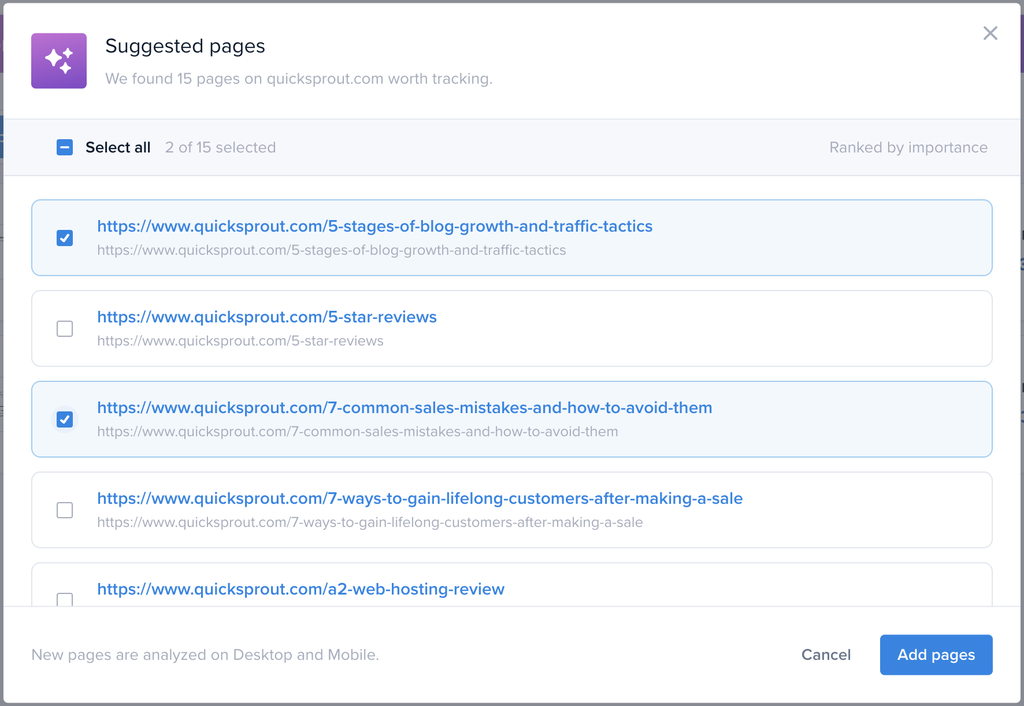
The new "Suggest Pages" algorithm works by analyzing site traffic and business importance metrics. By identifying the pages that attract the highest volume of visitors—or the ones that serve as primary conversion funnels—the system removes the guesswork for the user. Instead of manually inputting URLs, the platform now identifies these high-stakes pages automatically, ensuring that the most impactful areas of a website are never left unmonitored.
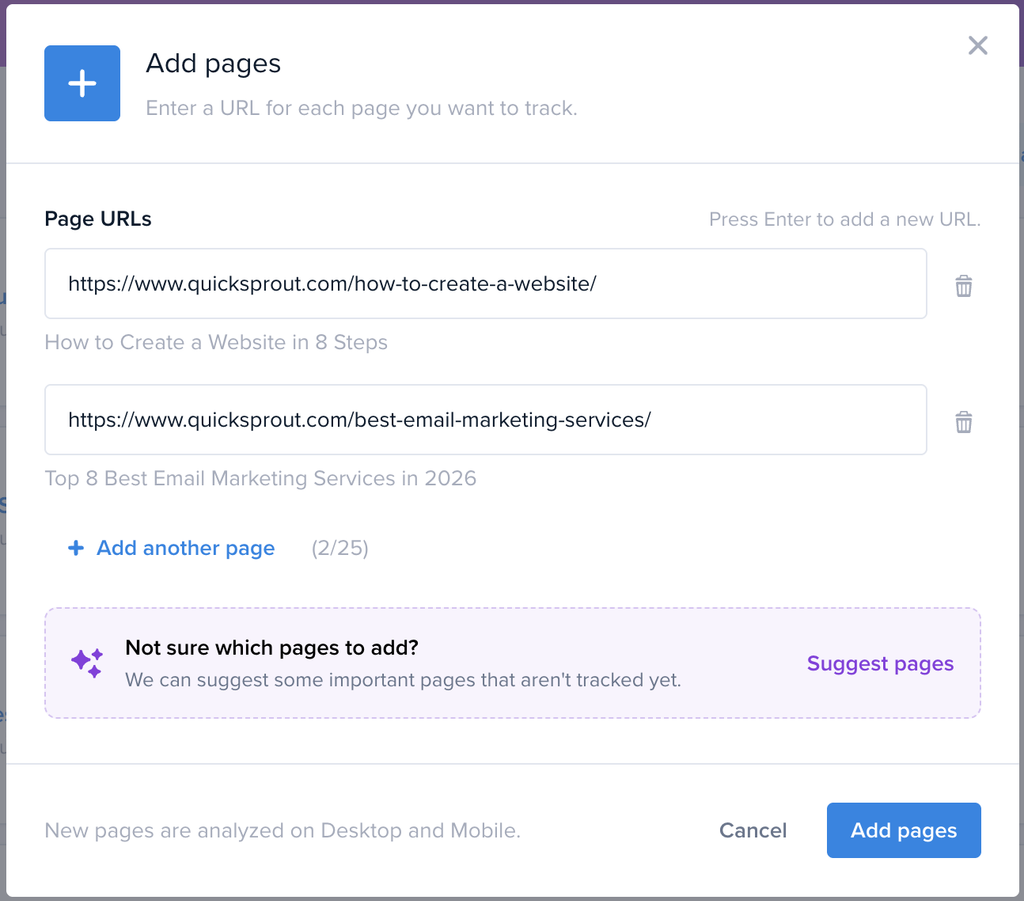
Furthermore, the addition of a bulk-import feature addresses the scalability issues faced by enterprise-level clients. By allowing teams to add multiple URLs in a single workflow, Crazy Egg has significantly reduced the time-to-value for new site audits, allowing managers to monitor entire sub-directories or campaign landing pages in seconds.

Official Perspective: Simplifying the Complexity of Speed
Stephen Ngo, Director of Growth Marketing at Crazy Egg, emphasized that these updates are part of a broader mission to demystify technical SEO for marketers and business owners.
"Fast-loading pages are critical for getting engagement from users, search engines, or AI models," Ngo stated during the product release. "By enabling the system to suggest pages based on actual traffic and importance, we are essentially acting as a digital performance partner for our users. We want our clients to focus on content and strategy, while we handle the heavy lifting of identifying which pages need speed optimization."
The philosophy behind these updates is clear: speed monitoring should be an automated, background process rather than a manual, periodic chore. By integrating these suggestions directly into the dashboard, Crazy Egg is positioning itself not just as an analytics tool, but as a proactive performance assistant.
Implications for Webmasters and SEOs
The implications of these updates are far-reaching for digital professionals:
1. Shift from Reactive to Proactive Optimization
Previously, many site managers only checked their page speed after seeing a dip in conversion rates or a warning from Google Search Console. With the "Suggest Pages" feature, the software essentially alerts the user to potential issues before they become catastrophic. If a high-traffic landing page experiences a performance dip due to a new script or an unoptimized image, the system detects it immediately, allowing for a rapid response.
2. Democratizing Technical SEO
Many business owners lack the technical expertise to perform complex speed audits. By automating the suggestion process and providing clear, actionable fixes, Crazy Egg effectively "democratizes" technical SEO. A marketing manager without a developer background can now understand exactly which pages are underperforming and what needs to be fixed to rectify the issue.
3. Scalable Performance Management
For e-commerce sites with thousands of product pages, individual monitoring is impossible. The ability to monitor pages in bulk allows these businesses to apply universal performance standards across their entire inventory. This ensures that a new promotional campaign or a seasonal sale does not accidentally introduce performance bottlenecks that could cost the business thousands in lost revenue.
Future Outlook: The Role of AI in Performance
As the digital ecosystem becomes more complex, the tools used to manage it must evolve. The integration of intelligent suggestions is a clear indicator that Crazy Egg is leaning into machine learning to solve traditional web performance challenges.
Looking ahead, users can expect more granular insights. While the current update focuses on identifying which pages to monitor, future iterations could potentially move toward "automated remediation"—where the system not only identifies a slow-loading image but compresses and replaces it automatically.
For now, the combination of automated discovery and bulk monitoring represents a significant leap forward. By lowering the barrier to entry for high-level site maintenance, Crazy Egg is ensuring that businesses of all sizes can provide the fast, responsive experiences that the modern internet demands.
Getting Started
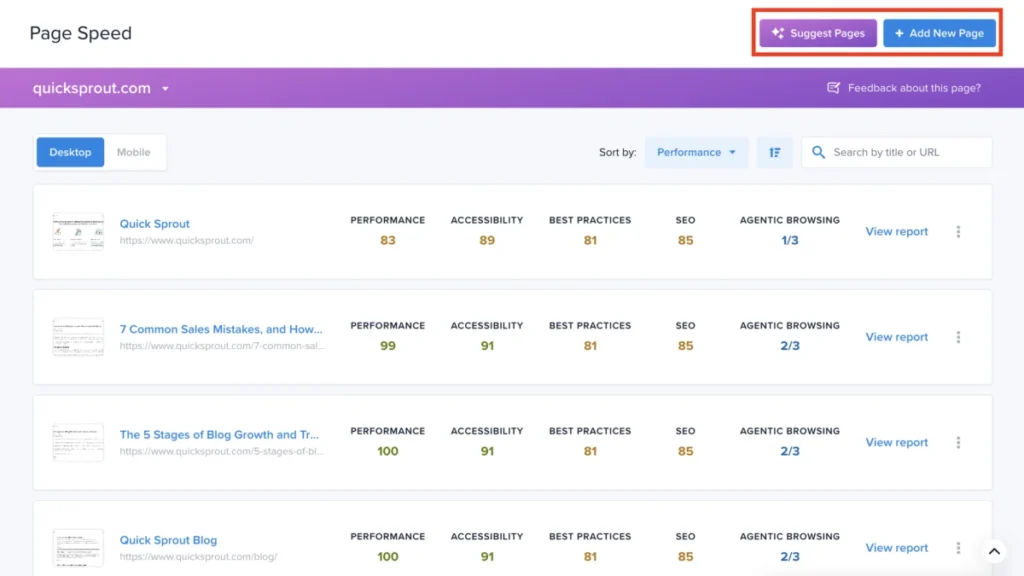
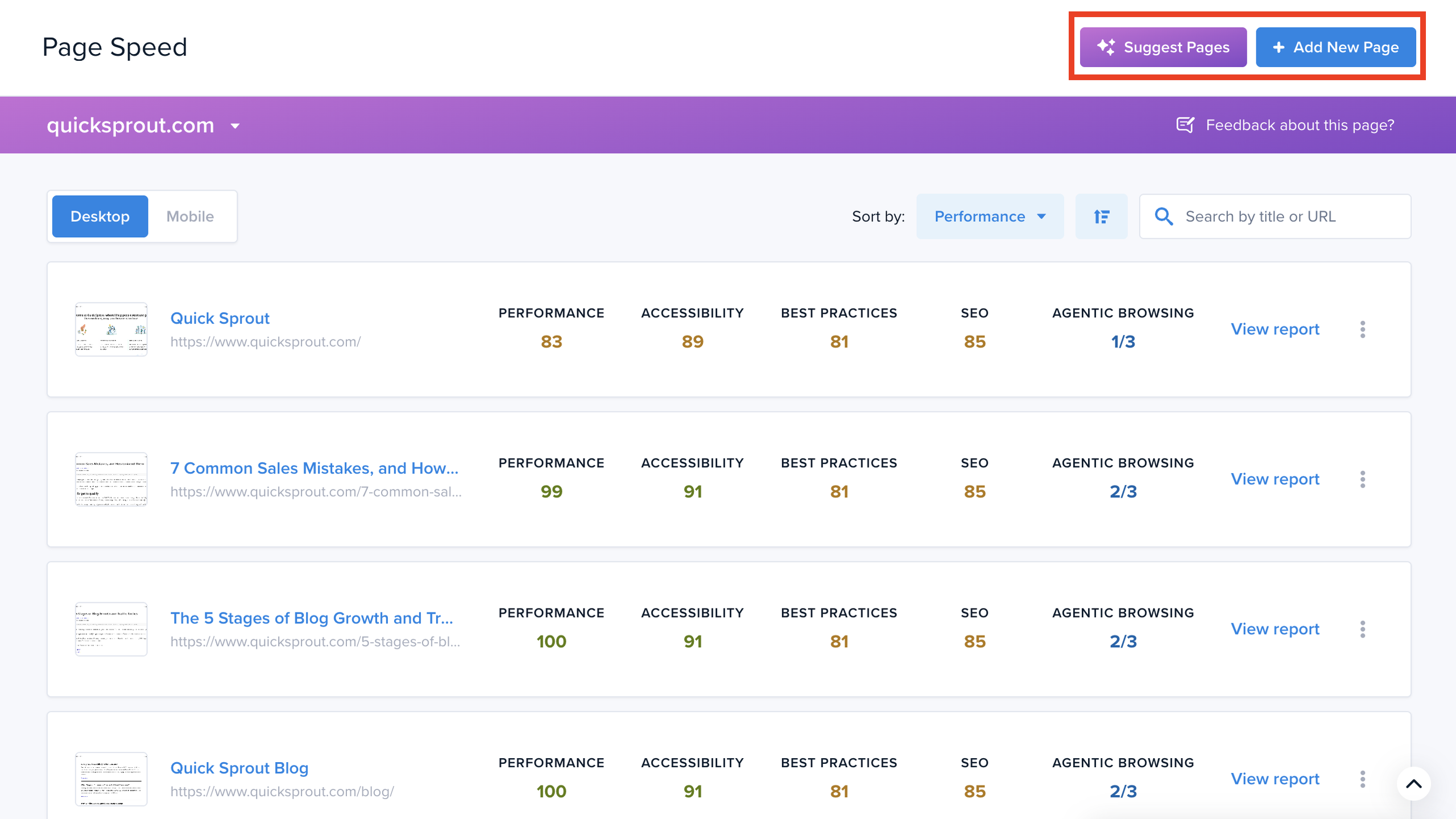
To leverage these new features, users can navigate to their Page Speed dashboard. In the top-right corner, two new buttons have been implemented: one to view the system’s suggested pages and another to facilitate the bulk addition of URLs. As the digital landscape continues to prioritize speed, these tools will undoubtedly become a staple in the toolkit of any growth-focused digital professional.
