
The Man of Steel Returns: A Definitive Review and Reflection on James Gunn’s Superman
For generations, the "S" shield has been more than a logo; it has been a global shorthand for hope, moral fortitude, and the indomitable human spirit. From the grainy, black-and-white television broadcasts of the 1950s featuring George Reeves to the modern, high-octane blockbusters of the 21st century, the character of Superman has anchored the cultural zeitgeist. Now, with the release of James Gunn’s latest vision for the DC Universe, the Man of Steel has returned to the silver screen, offering a cinematic experience that feels less like a corporate reboot and more like a heartfelt homecoming.
A Legacy of Truth and Justice: The Context
To understand the significance of this new film, one must understand the foundation upon which it is built. For many lifelong fans, the love for Superman was forged in the fires of childhood wonder. Watching reruns of The Adventures of Superman was a formative experience, teaching children that power, when tempered by compassion, is a tool for liberation.

The 2025 release arrives at a critical juncture for the DC Universe. Following years of tonal experimentation and narrative shifts, this film represents a deliberate pivot back to the core tenets of the source material. It is a work that acknowledges the mythic scale of its protagonist while remaining grounded in the quiet, rural values of the Kansas heartland.
The Performance: David Corenswet’s Balancing Act
At the center of this ambitious project is David Corenswet, who faces the unenviable task of stepping into a cape worn by many icons before him. Corenswet delivers a performance that is profoundly human. He portrays a Kal-El who is not merely an invincible god, but a man who experiences doubt, physical strain, and emotional vulnerability.

This is the key to the film’s success: Corenswet’s Superman is aspirational precisely because he struggles. He chooses to be "better" despite the weight of his responsibilities. By emphasizing the character’s internal life, the film fosters an intimacy between the audience and the screen that has often been missing from modern superhero spectacles.
Chemistry and Conflict: Supporting Cast and Antagonists
A hero is only as strong as the world built around him, and in this installment, the supporting cast is nothing short of exceptional.
- Rachel Brosnahan’s Lois Lane: Brosnahan’s portrayal of the Daily Planet’s star reporter is a triumph. She is sharp-witted, fearless, and intellectually formidable. Rather than serving as a damsel or a mere plot device, she acts as the moral and professional foil to Superman. Their relationship is depicted as a partnership of equals—a team built on mutual respect and genuine affection.
- Nicholas Hoult’s Lex Luthor: Departing from the scenery-chewing tropes of past iterations, Hoult’s Luthor is cold, cerebral, and deeply unsettling. He functions as a strategist, a man of intellect who views the world through a lens of clinical detachment.
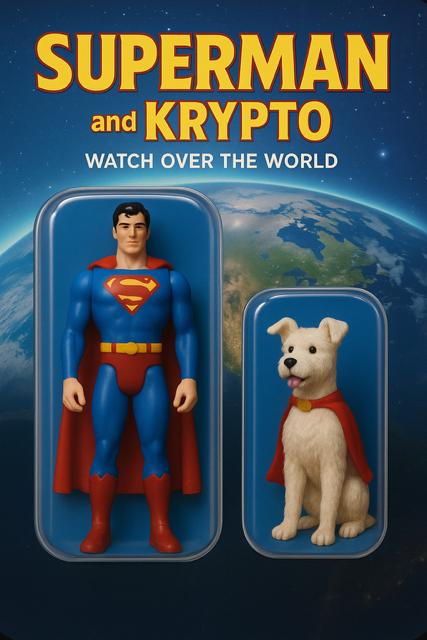
- The Power of Krypto: Perhaps the most delightful surprise is the inclusion of Krypto. Serving as both comic relief and the emotional heart of the film, the unruly, high-energy pup adds a layer of levity that prevents the narrative from becoming overly self-serious.
- Edi Gathegi’s Mr. Terrific: While his screen time is limited, Gathegi provides a quiet, commanding presence that suggests a massive expansion of the DC cinematic landscape in the coming years.
The Direction: James Gunn’s Vision
Director James Gunn has brought his trademark warmth and precision to the project. He understands that the best superhero films are not defined by the frequency of their explosions, but by the quiet moments between the action. Gunn allows the characters to breathe, providing the audience with scenes of emotional resonance—particularly regarding the Kents—that feel like a love letter to the classic Americana of the character’s origins.
A Note on Missteps: The Final Act
No cinematic endeavor is without its flaws. The film’s narrative structure is largely cohesive, save for a jarring sequence in the final act involving the introduction of a key future character. The behavior of this character feels incongruous with established lore, leaving the audience in a state of confusion rather than anticipation. While it is clear that this was intended as a "tease" for a broader narrative arc, the execution fails to land, feeling somewhat forced in an otherwise organic story. It is a minor blemish on an otherwise stellar production, but one that warrants correction in future installments to maintain narrative consistency.

Creative Integration: Beyond the Silver Screen
Part of the modern fan experience involves active engagement with the franchise beyond the theater. The surge of interest in the character has led to a renaissance of fan-generated content, including the development of custom action figures and digital collages. Using tools like ChatGPT and Copilot, fans are now able to manifest their own visions of the Man of Steel—ranging from whimsical depictions of Superman in coffee shops to reimagined scenes within the Fortress of Solitude. This digital creativity serves as a testament to the enduring impact of the character on the public imagination.
Implications for the DC Universe
The success of this film has profound implications for the future of the DC Universe. It signals a move away from the grim, desaturated aesthetic that characterized much of the previous decade of DC films. By embracing hope, emotional sincerity, and character-driven storytelling, the studio has set a new standard for the genre.

The "breathing room" provided by this film suggests that Warner Bros. is finally ready to trust its audience to invest in character arcs rather than just brand recognition. If the studio continues on this trajectory—polishing the rough edges of their connective tissue and focusing on the humanity of their heroes—the future of the franchise looks brighter than it has in years.
Chronology of Production and Reception
- Pre-Production: James Gunn and Peter Safran announced the restructuring of the DC cinematic slate, with Superman as the cornerstone.
- Casting: The announcement of David Corenswet and Rachel Brosnahan was met with critical praise, signaling a departure toward a younger, more dynamic cast.
- Principal Photography: Filming proceeded under a shroud of secrecy, with Gunn emphasizing practical effects and a "heart-first" approach to the script.
- Release: The film opened to strong box office numbers, buoyed by positive word-of-mouth regarding its tone and the performance of its lead actors.
- Post-Release: Fan engagement has reached an all-time high, with social media platforms flooded with fan art and discussions about the film’s post-credit sequences.
Official Responses and Industry Impact
Industry analysts have noted that the film’s performance is a bellwether for the "superhero fatigue" narrative currently dominating Hollywood discourse. The data suggests that audiences are not tired of superheroes; they are tired of cynical, repetitive, and uninspired storytelling. By offering a film that is fundamentally optimistic, the production has tapped into a latent demand for sincerity in blockbuster cinema.

While the studio has remained tight-lipped regarding the specifics of the criticized final-act character introduction, internal sources suggest that the creative team is monitoring audience feedback closely as they map out the next phase of the DC Universe.
Final Verdict
The latest Superman is more than a movie; it is an affirmation of the character’s place in our cultural lexicon. It reminds us that even when the world feels divided, there is value in standing for truth, justice, and compassion. For those who grew up watching the black-and-white adventures of a bygone era, this film is a beautiful, necessary bridge to the future.
As the credits roll—and yes, make sure to stay for that charming bonus scene—the feeling is one of renewed optimism. The Man of Steel has returned to his rightful place, and the DC Universe is, at long last, breathing again. Look up, indeed.
