
The Halfway Report: Auditing the "Martech 2030" Vision at the Start of 2026
As the calendar turns to 2026, the marketing technology landscape finds itself at a significant structural pivot point. Five years ago, in the shadow of the pandemic, industry analysts Jason Baldwin and Scott Brinker released Martech 2030, a seminal white paper that projected the evolution of the marketing function through "The Decade of the Augmented Marketer."
Now, at the midpoint of this ten-year trajectory, we are in a unique position to audit those early predictions. By cross-referencing these forecasts against the current reality—a market radically transformed by the explosion of generative AI—we can assess not just the accuracy of the original vision, but the velocity at which the industry has matured.
Main Facts: A Decade of Disruption
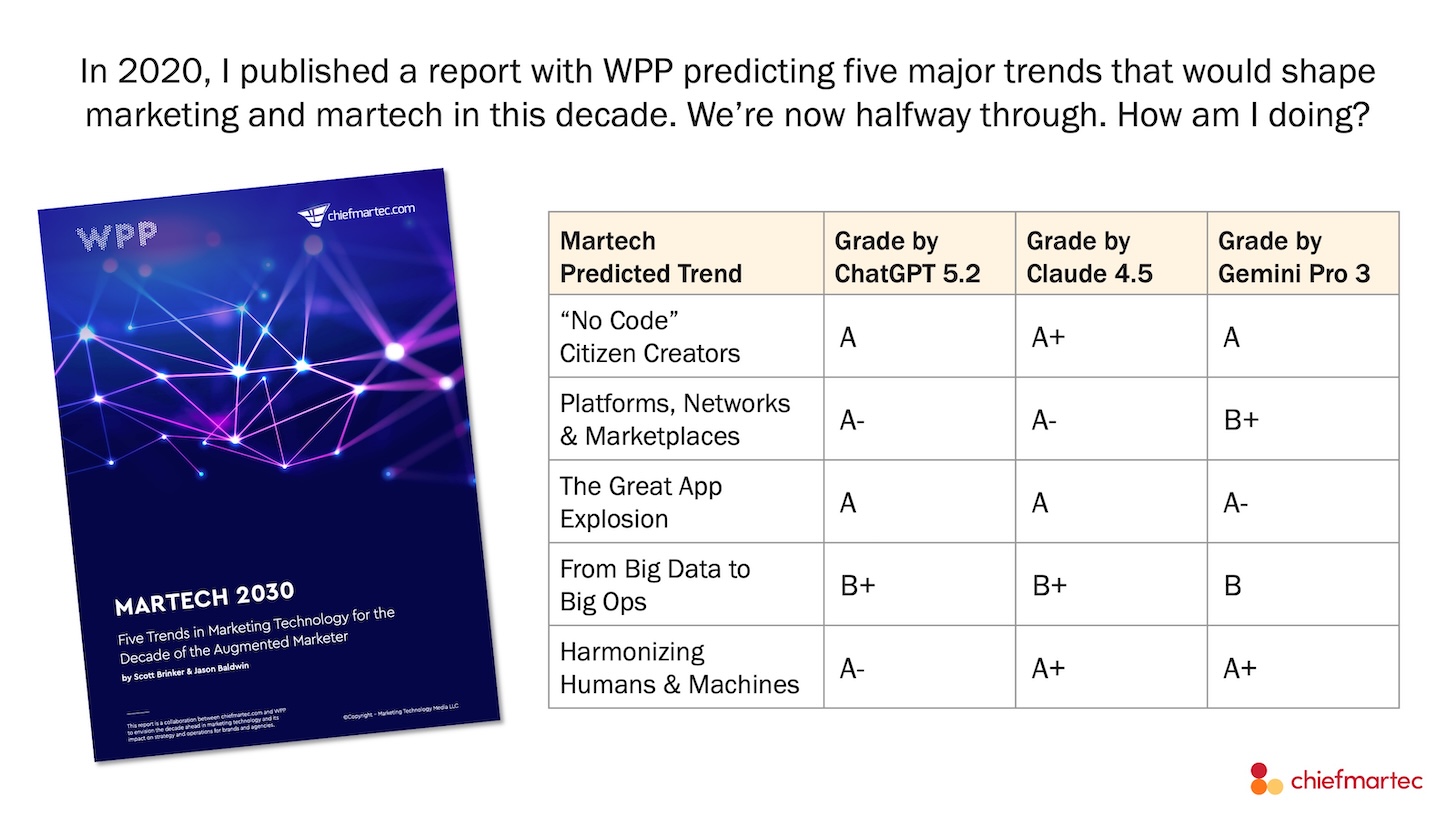
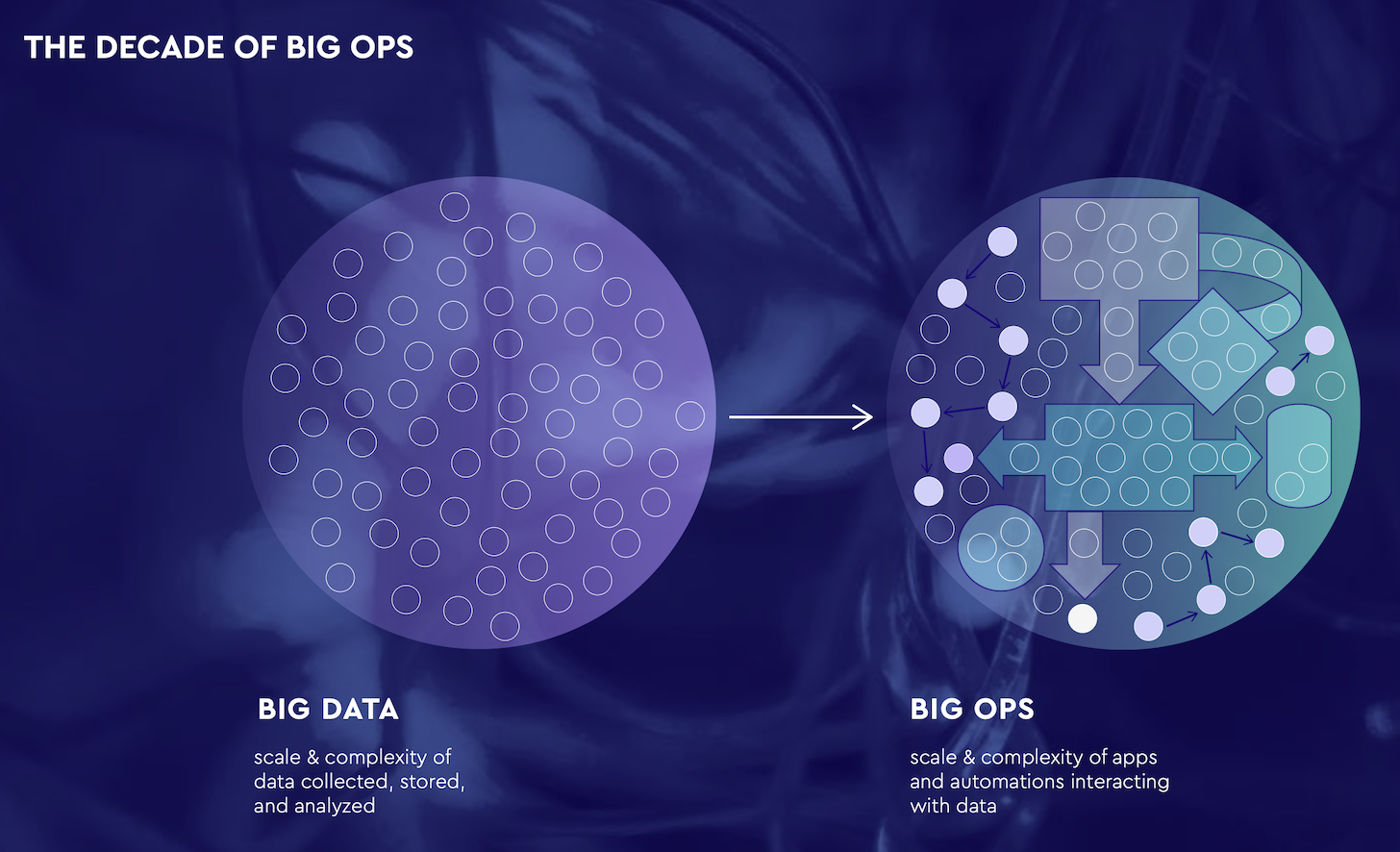
The Martech 2030 report was built on five foundational pillars: the rise of "No Code" citizen creators, the dominance of platform ecosystems, the explosion of niche applications, the transition from Big Data to Big Ops, and the harmonization of human and machine intelligence.
Today, the "Augmented Marketer" is no longer a theoretical persona; it is the industry standard. The most striking realization is that while the core predictions have proven remarkably accurate, the mechanism of change—Generative AI—arrived with such force that it accelerated timelines that were originally expected to unfold over a full decade.
A Chronological Look at the Martech Evolution
To understand the current state of the industry, we must look at the progression of the last five years:
- 2021: The release of Martech 2030. The industry was still focused on the "Suite vs. Best-of-Breed" debate. The concept of "No Code" was gaining traction, primarily through drag-and-drop tools like Airtable and Zapier.
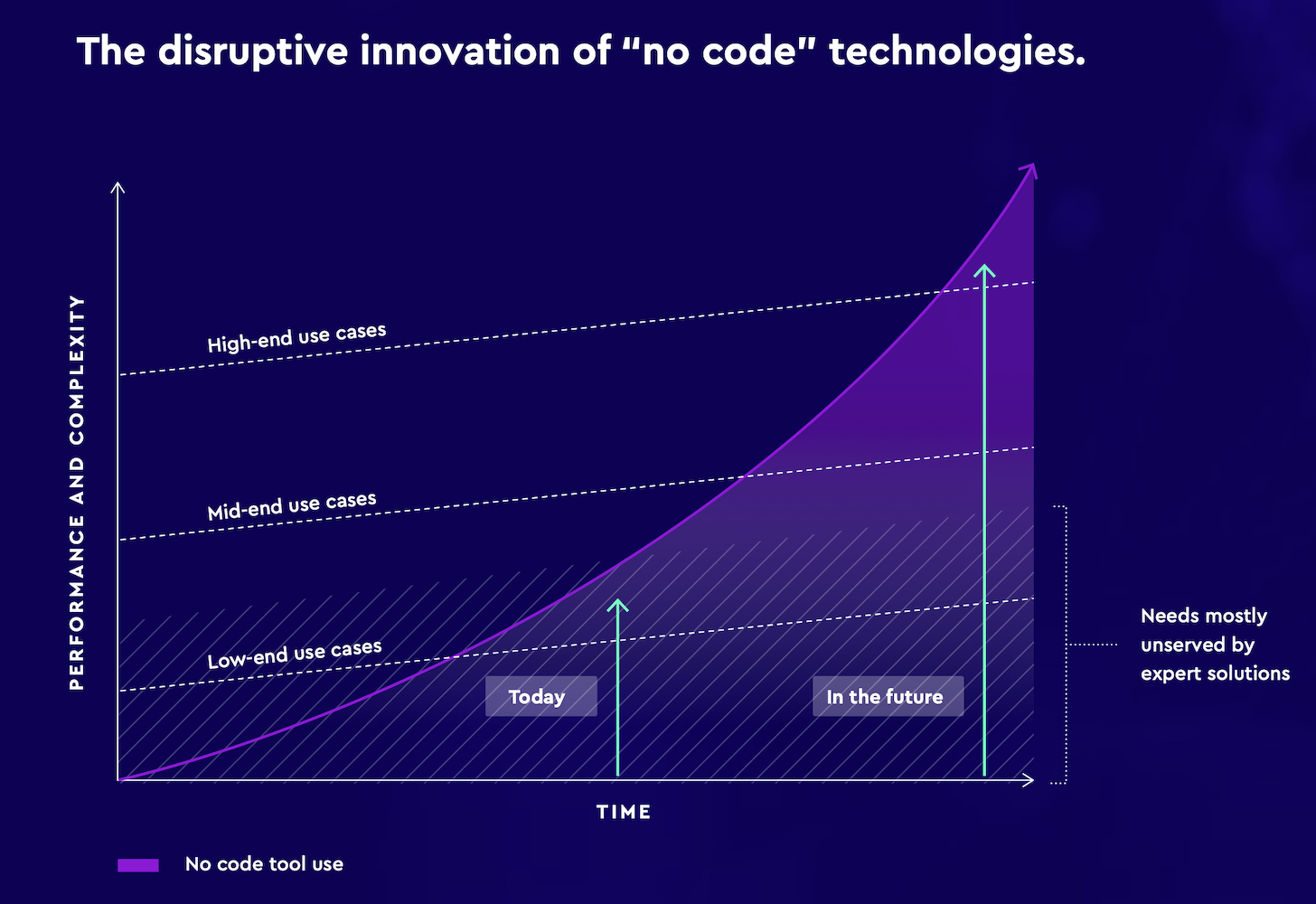
- 2022: The generative AI explosion (late year) shifts the paradigm. The ability to generate text, code, and imagery becomes accessible, turning "No Code" into "Vibe Coding."
- 2023-2024: The "Great App Explosion" continues. Despite consolidation, the barrier to entry for software creation reaches near zero. The total number of solutions on the Martech landscape surges past 15,000.
- 2025: The "Summer of Vibes." The industry witnesses the rise of buyer-side AI, shifting the focus from Search Engine Optimization (SEO) to AI Engine Optimization (AEO).
- 2026 (Present): The era of "Big Ops" begins. Companies move from collecting data to orchestrating thousands of automated agents, marking the dawn of the true "Orchestration Wars."
Supporting Data: The Scale of the Shift
The numbers tell a story of explosive growth that defies traditional economic consolidation. In 2020, the martech landscape featured approximately 8,000 solutions. As of 2025, that number has ballooned to 15,384. This growth is driven by the fact that while M&A activity remains high, the cost and technical difficulty of launching new software have plummeted.
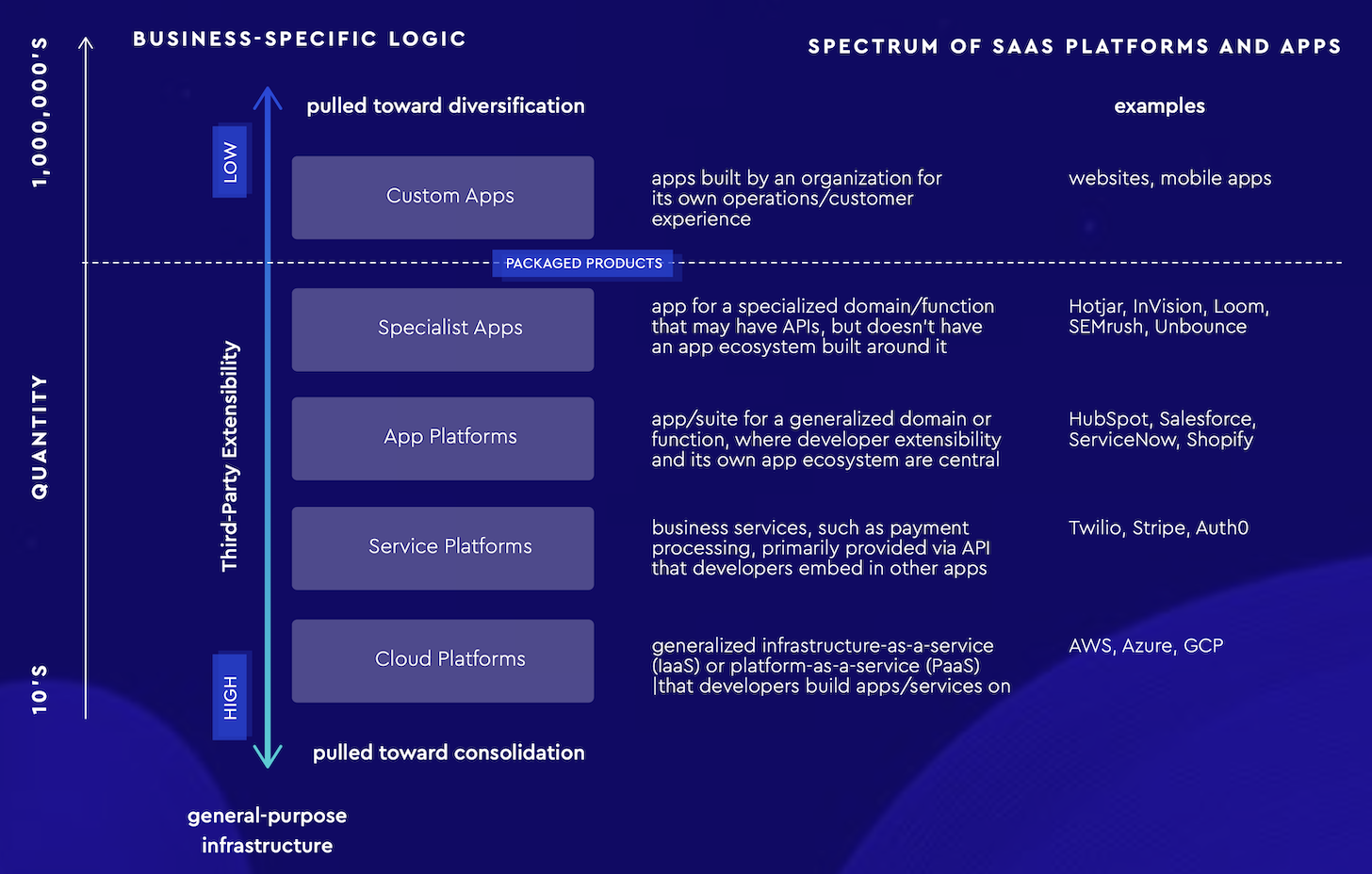
The hyperscalers—AWS, Google Cloud, and Microsoft Azure—now act as the backbone of this ecosystem, with their respective marketplaces facilitating an estimated $45 billion in annual enterprise software sales. Furthermore, the shift toward a "hypertail" of custom, organization-specific applications suggests that the future of martech is not just in commercial off-the-shelf software, but in the proprietary agents and workflows developed in-house by brands.
Official Responses: AI as the Ultimate Auditor
In an unprecedented move to grade the Martech 2030 report, a meta-analysis was conducted using the industry’s most powerful AI models: ChatGPT, Claude, and Gemini.
The consensus from these silicon judges was remarkably favorable. The "harmonizing humans and machines" pillar received near-universal A+ grades across the board. The AI models noted that the prediction was not just accurate in its outcome, but in its understanding of the synergy required between human creativity and machine-driven scale. While these models are technically products of the very technology they were analyzing, their assessment highlights the maturity of "agentic" systems that are now capable of auditing high-level strategic documents against real-world performance metrics.
The Five Pillars: Current Implications
1. The "No Code" and "Vibe Coding" Reality
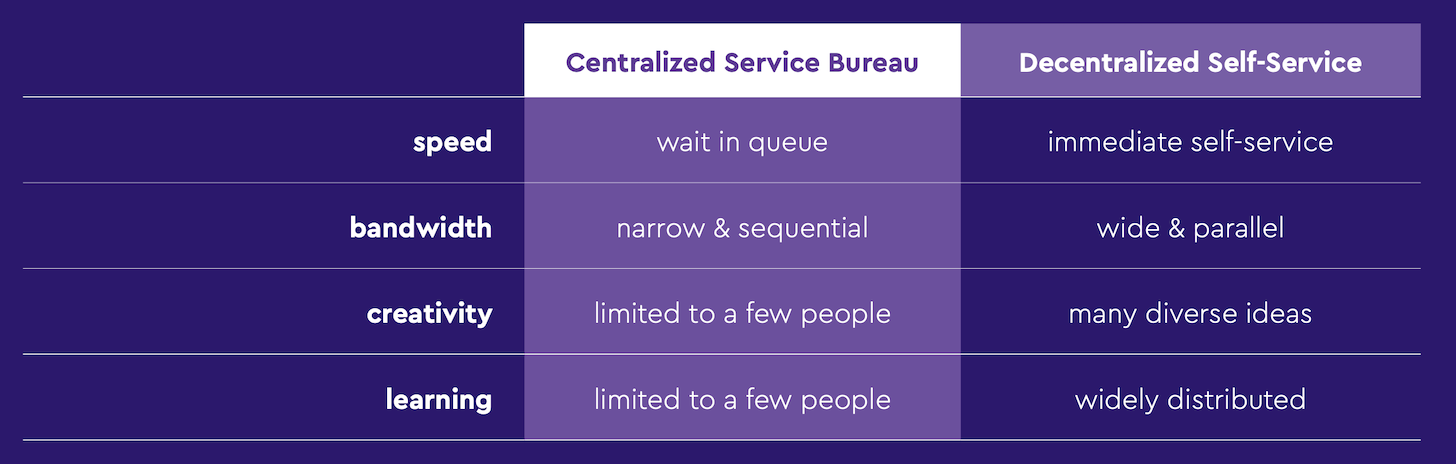
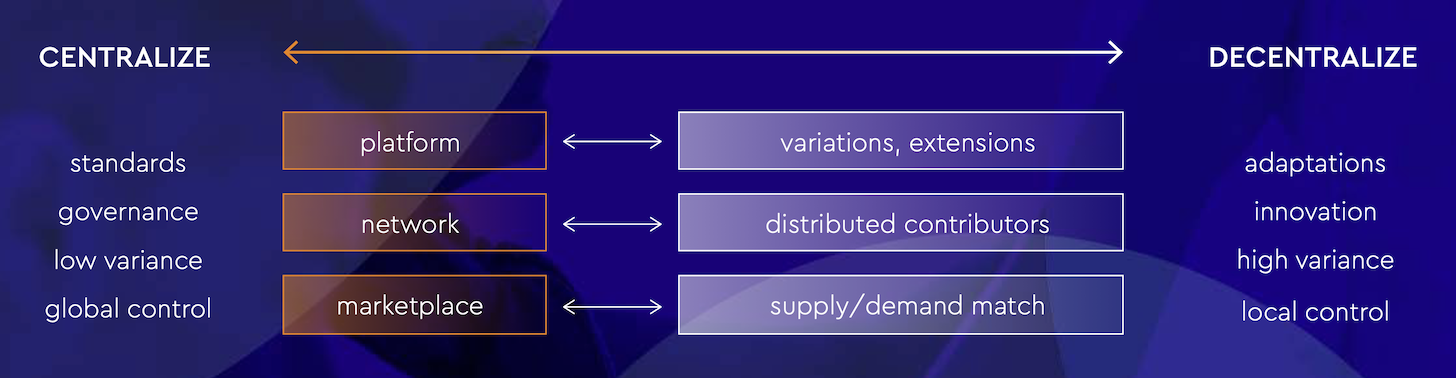
The transition from drag-and-drop interfaces to LLM-driven "vibe coding" has fundamentally changed the power dynamic of the marketing department. As Andrej Karpathy famously noted, "the hottest new programming language is English." This has empowered a new generation of marketing makers who can build apps and workflows by simple description, effectively decentralizing innovation while creating new challenges for corporate governance and brand consistency.
2. Platforms, Networks, and Marketplaces
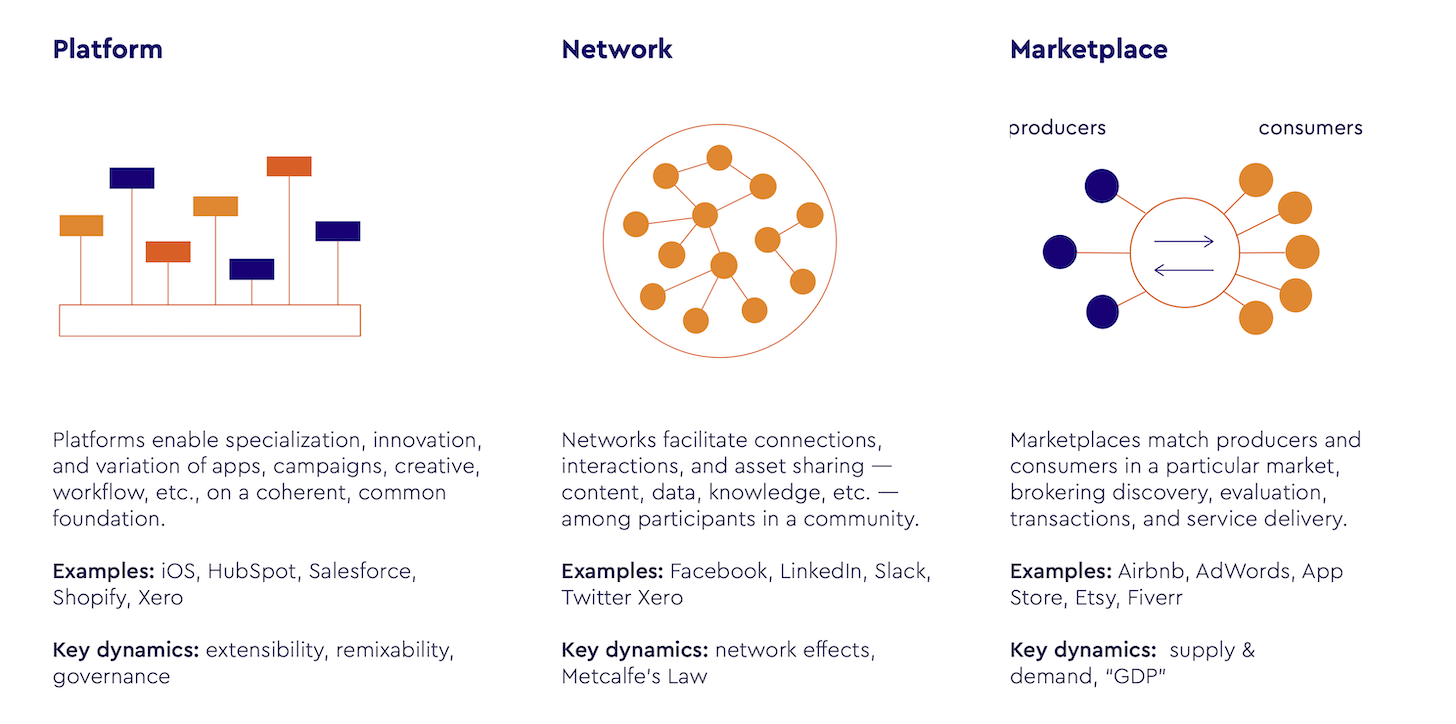
The industry has moved beyond the "suite vs. best-of-breed" binary. We are now in the age of the ecosystem. Companies like Databricks and Snowflake are serving as the universal data layers that allow disparate systems to talk to one another. The implication for firms is clear: success no longer depends on picking a single vendor, but on mastering the ability to orchestrate an ecosystem of interconnected tools.
3. The Great App Explosion (and the Hypertail)
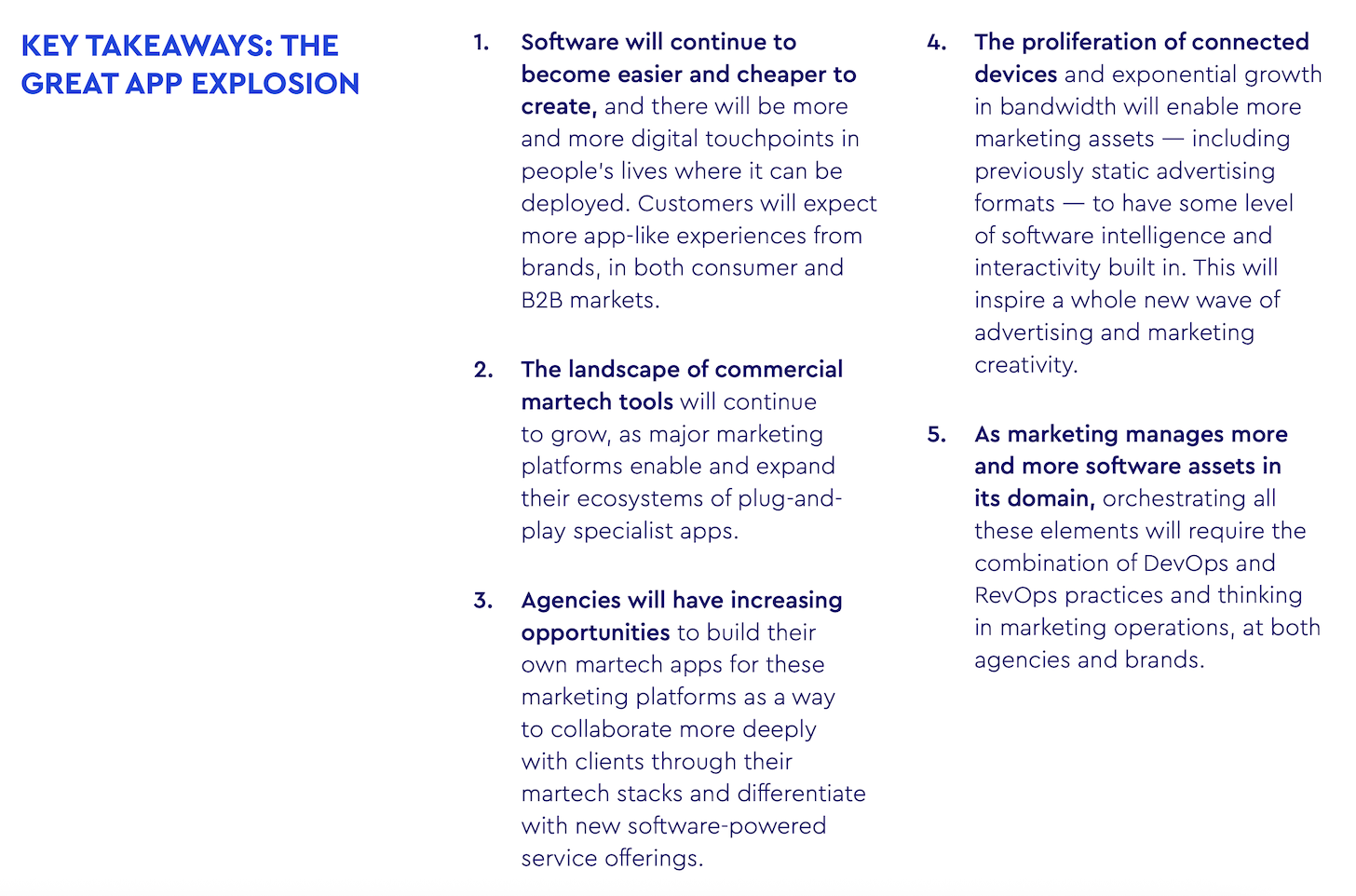
The "Great App Explosion" is not merely about more commercial software; it is about the "hypertail." Every organization is becoming a software shop. The volume of custom-built, internal-facing applications now dwarfs the commercial landscape. This shift necessitates a new breed of "Marketing Operations" (Big Ops) that can manage the lifecycle of thousands of small, specialized agents.
4. From Big Data to Big Ops
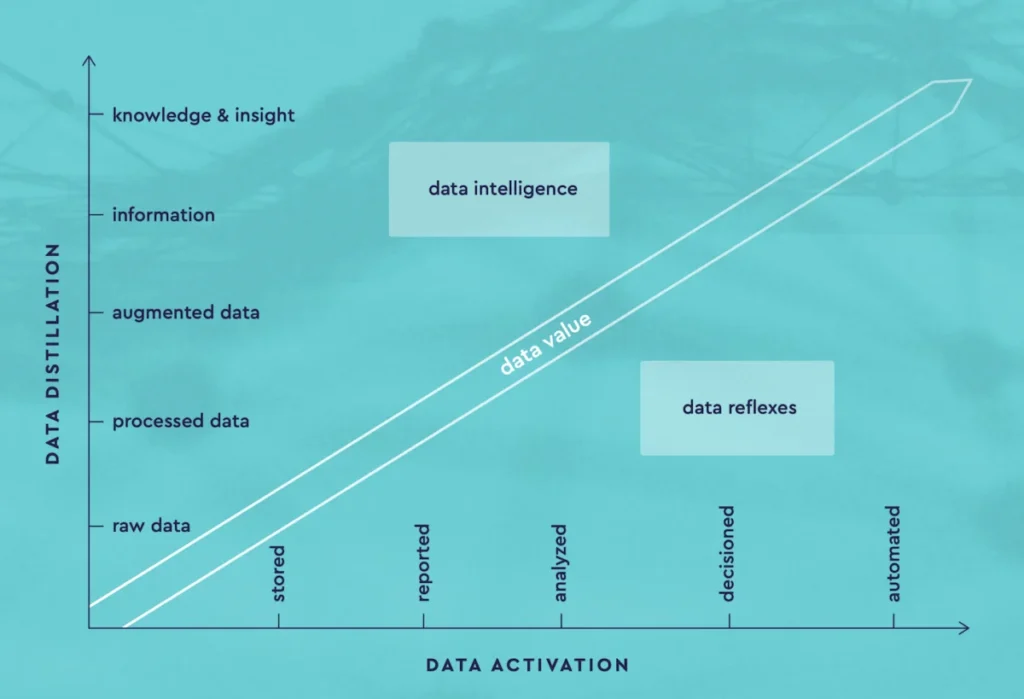
If the last decade was about accumulating "Big Data," the next five years are about "Big Ops." This is the discipline of coordinating the sea of autonomous agents and apps within an organization. Data is now viewed as "oil paint" rather than just "oil"—a medium that requires a master’s touch to transform into a masterpiece. This shift is fueling the "Orchestration Wars," where platform giants and startups alike compete to provide the control layer for these automated processes.
5. Harmonizing Humans + Machines
The final, and perhaps most important, trend is the realization that machines do not replace the marketer; they amplify the marketer’s ability to focus on high-value tasks. The emergence of buyer-side agents (Buyer Bot Optimization) confirms that the future of marketing will be a conversation between machines. The role of the human marketer is to act as the architect and ethical guardian of these interactions, ensuring that automated touchpoints remain authentic and value-driven.
Conclusion: The Road to 2030
As we look toward the second half of the decade, the primary lesson of the Martech 2030 audit is that the future is not a destination, but a continuous state of adaptation. Amara’s Law—that we overestimate the short-term impact of technology and underestimate the long-term—seems particularly relevant here.
We have moved past the initial hype cycle of AI and into the "infrastructure phase." The tools are in place, the ecosystems are mature, and the agents are active. For the CMO and the marketing technologist, the challenge of 2026 is no longer about finding the right tool; it is about managing the complexity of a decentralized, AI-driven enterprise.
The final grade will be written in 2030. If the current trajectory holds, the "Augmented Marketer" will be the only kind of marketer that remains. The pace is quickening, and for those who have mastered the art of orchestrating human-machine harmony, the next five years promise to be the most innovative in the history of the profession.
