
The Half-Time Report: Evaluating the "Martech 2030" Vision at the Start of 2026
As the calendar turns to 2026, the marketing technology industry finds itself at a significant crossroads. Five years ago, in a seminal report titled Martech 2030, industry thought leaders Scott Brinker and Jason Baldwin outlined a roadmap for the "Decade of the Augmented Marketer." Their work, which predicted five foundational shifts in how businesses leverage technology, was ambitious, forward-thinking, and, as we are now discovering, remarkably prescient.
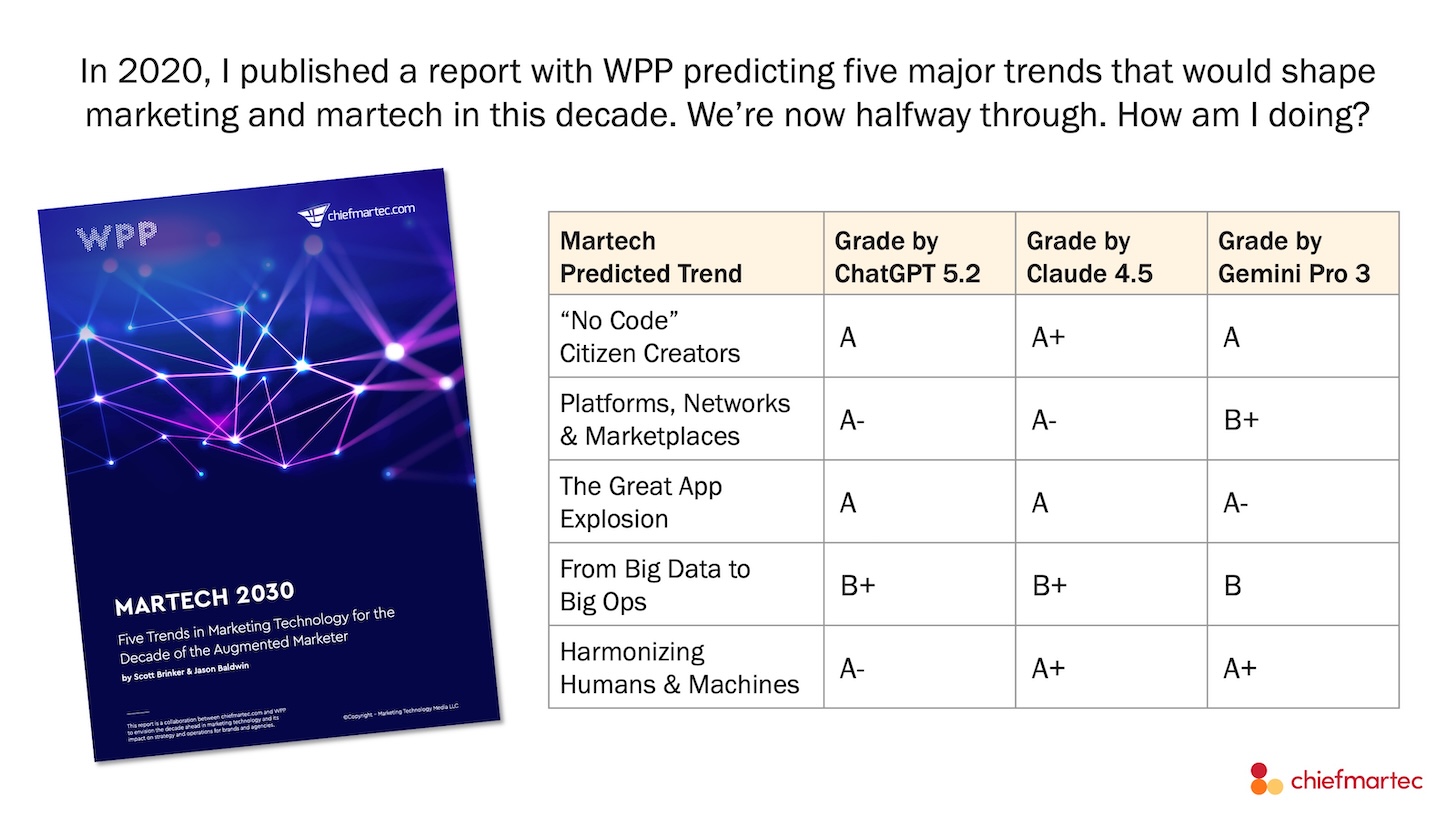
We have reached the halfway point of this decade. To gauge the accuracy of their projections, Brinker recently invited the leading AI engines of our time—ChatGPT, Claude, and Gemini—to grade the original thesis. The results were overwhelmingly positive, validating the core vision of "harmonizing humans and machines" with high marks. However, as the industry marches toward 2030, the true test remains: how do these theoretical trends translate to the lived reality of today’s marketing professionals?
Main Facts: The Five Pillars of the Decade
The Martech 2030 report was built upon five distinct, interconnected trends that promised to redefine the go-to-market landscape. These trends were not merely technical updates but fundamental shifts in strategy, operations, and organizational structure:
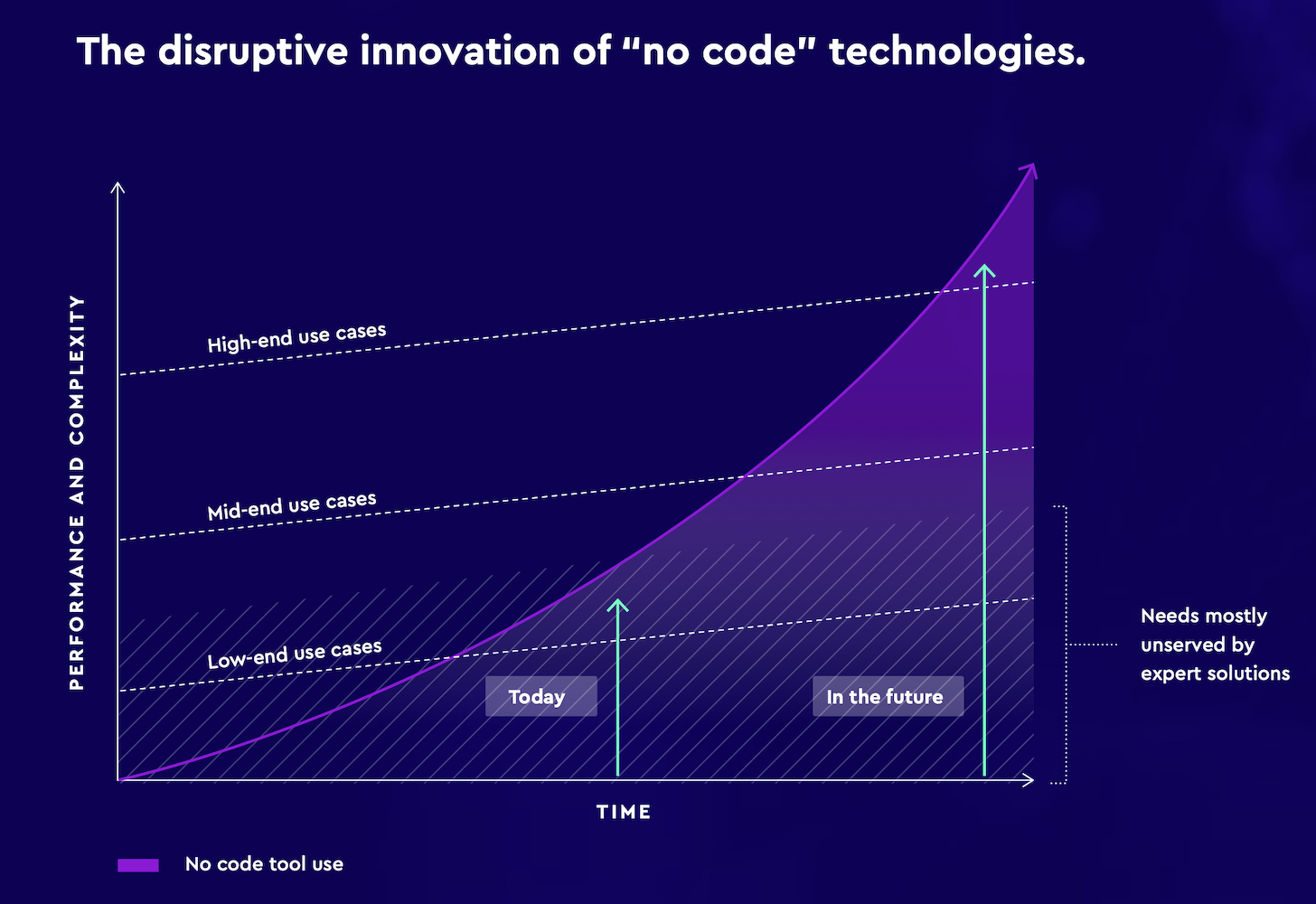
- "No Code" Citizen Creators: The democratization of software development, moving from drag-and-drop interfaces to AI-driven "vibe coding."
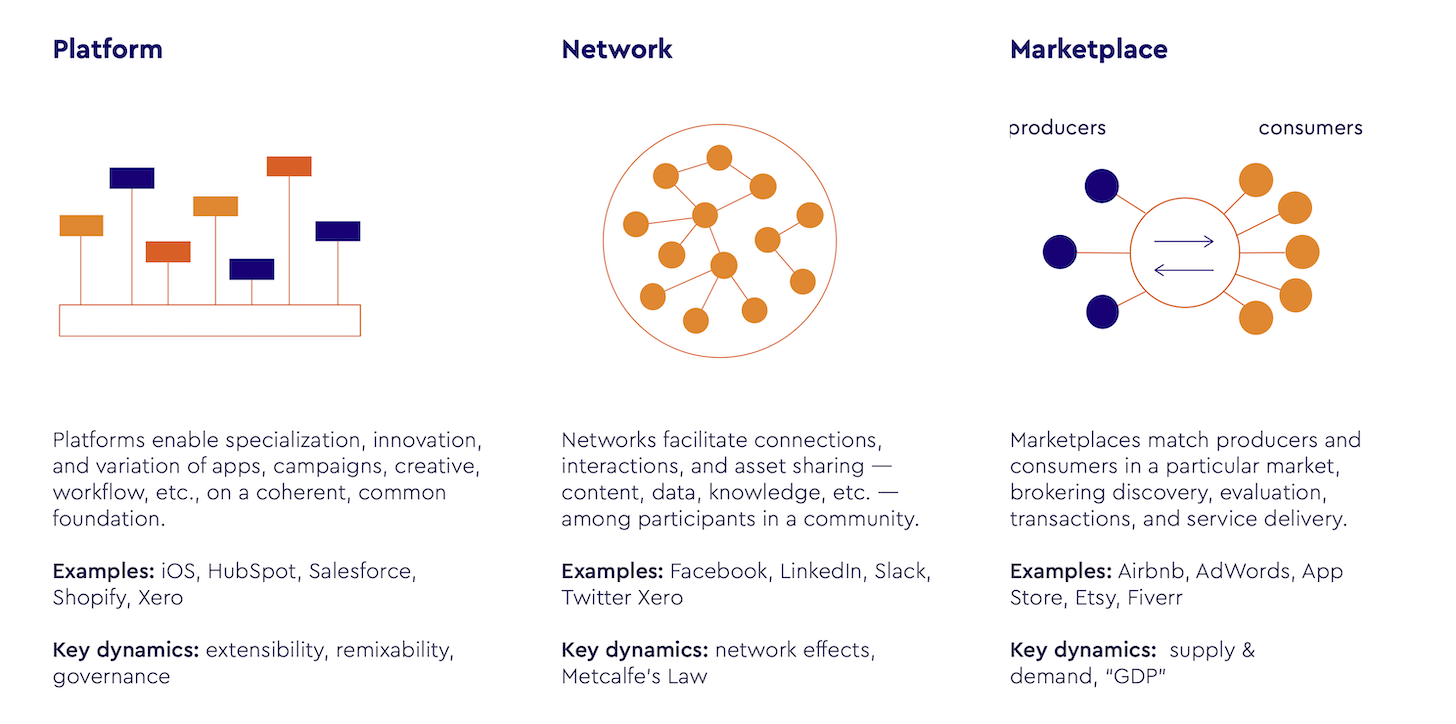
- Platforms, Networks, and Marketplaces: A shift away from linear value chains toward interconnected ecosystem models.
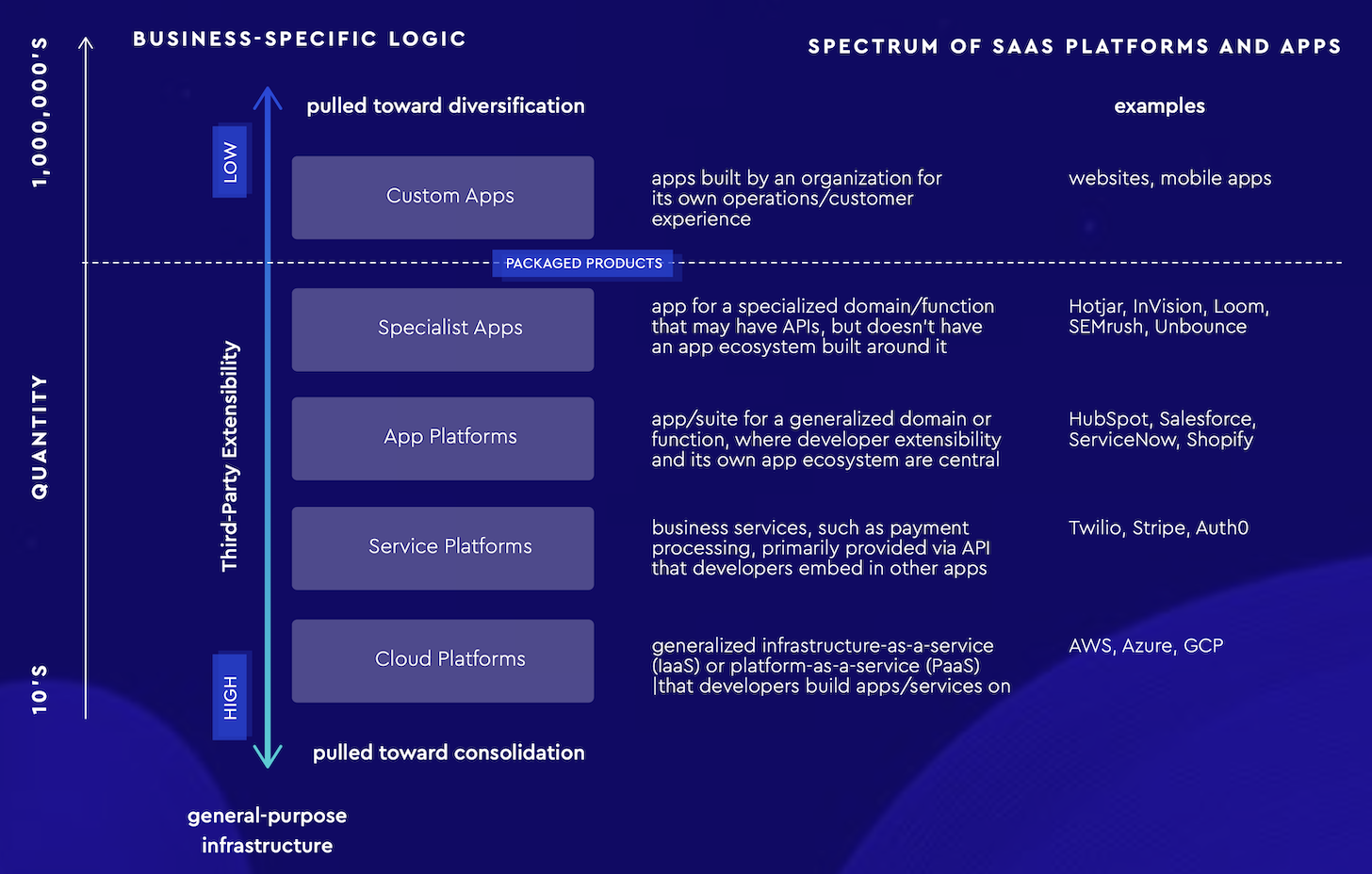
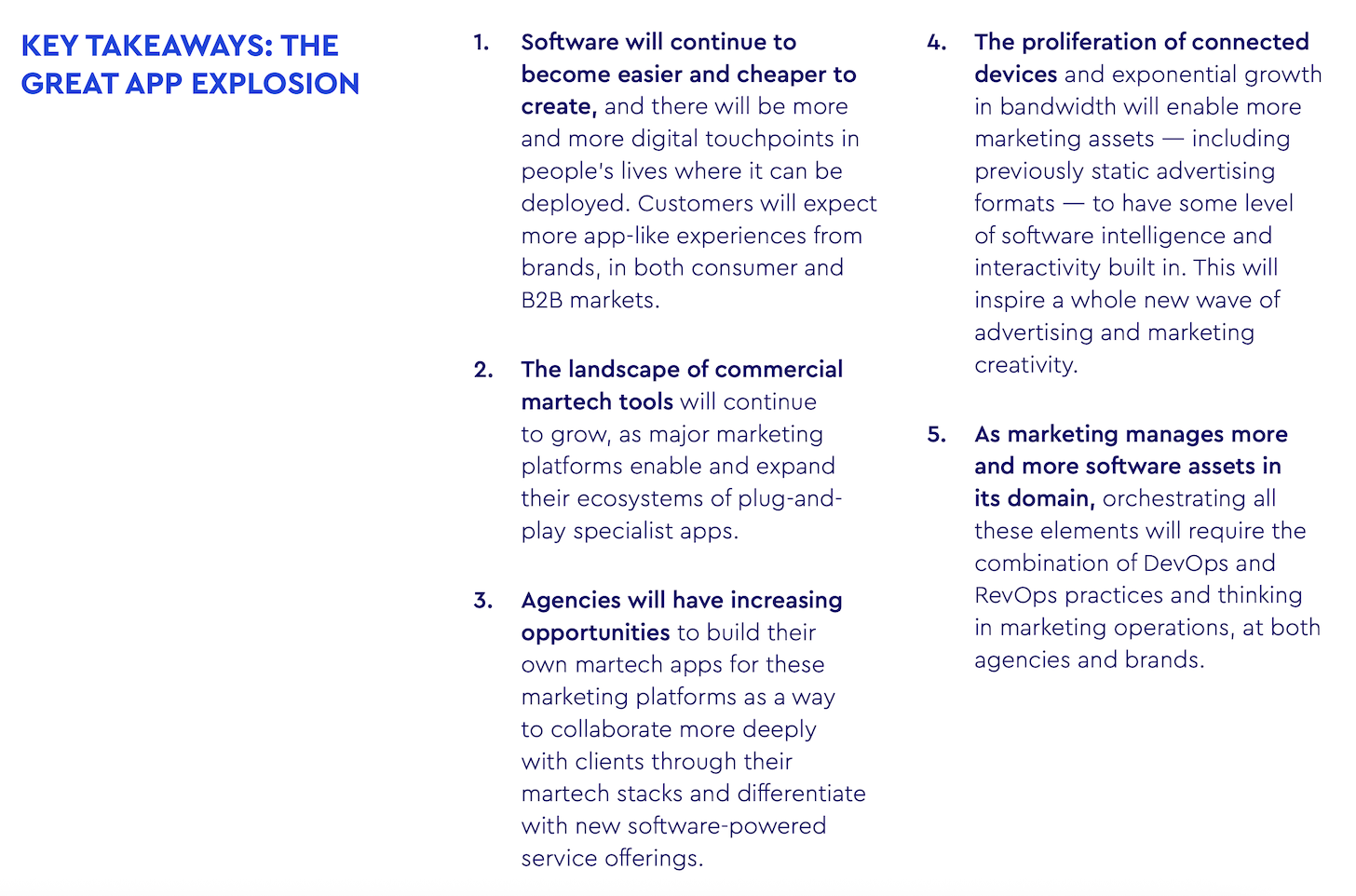
- The Great App Explosion: A move from thousands of commercial martech solutions to a "hypertail" of billions of custom, organization-specific apps.
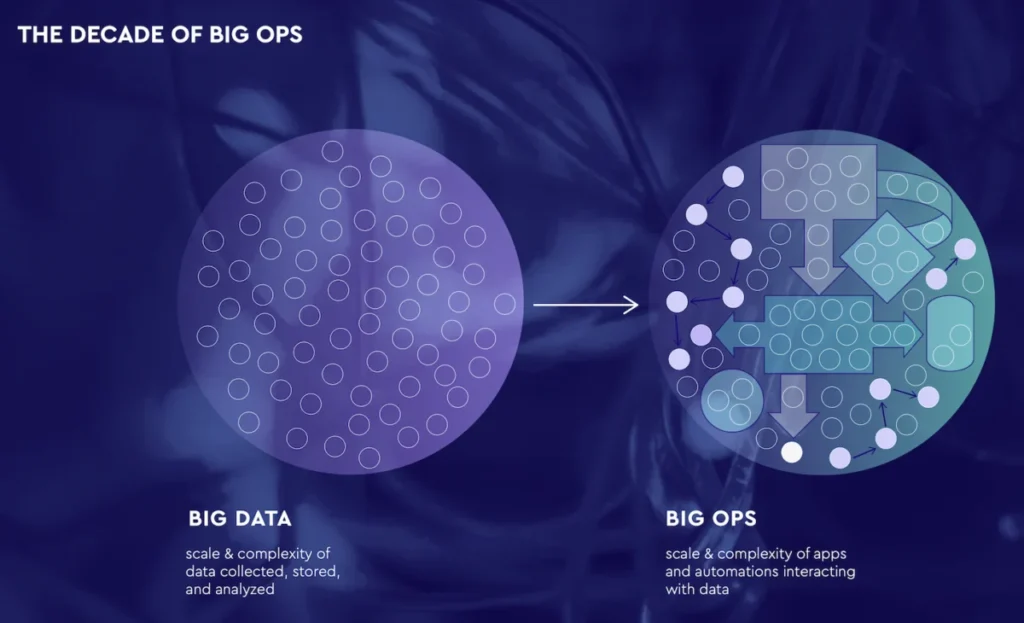
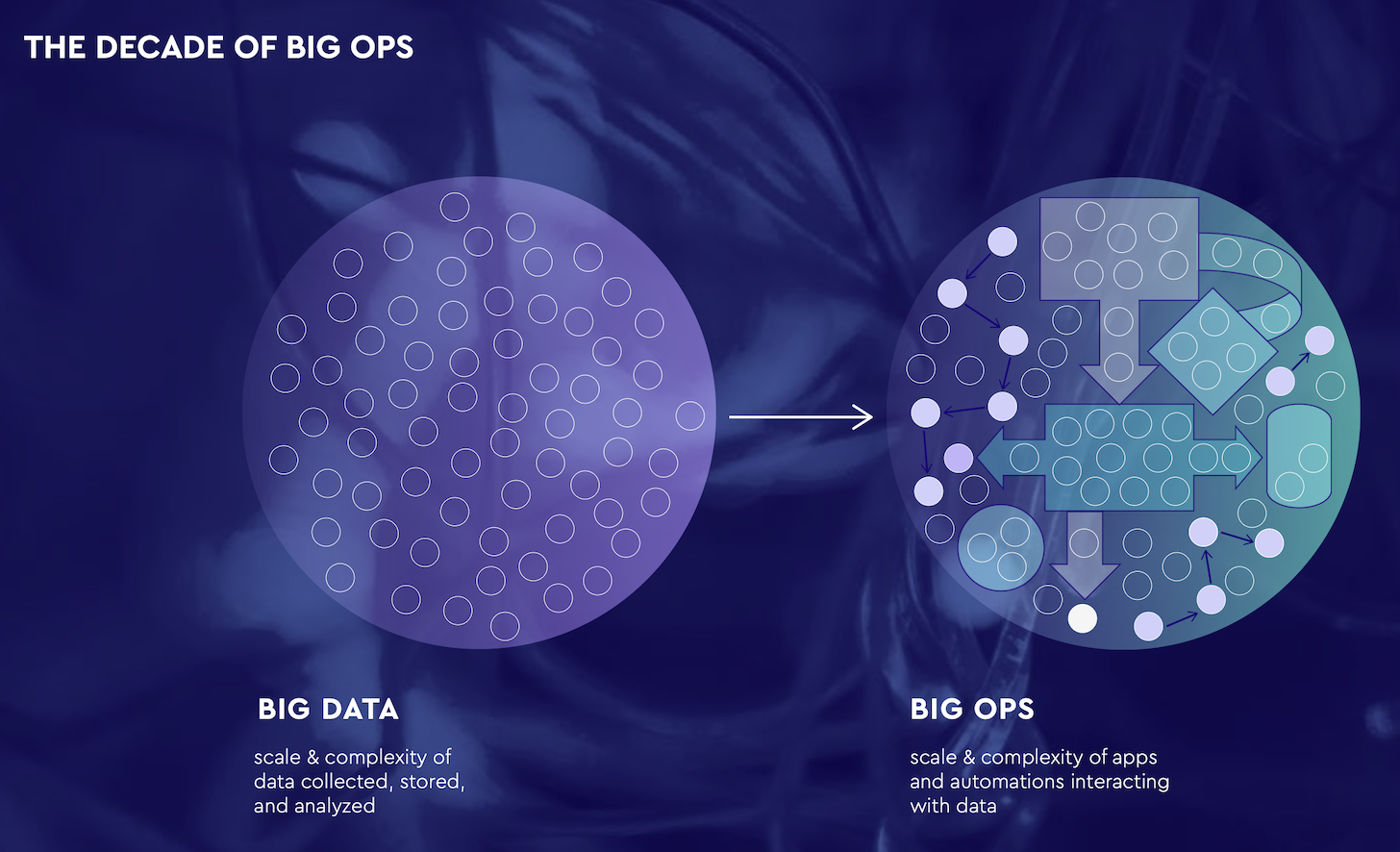
- From Big Data to Big Ops: The transition from simply accumulating data to managing the complexity of thousands of automated agents and workflows.
- Harmonizing Humans and Machines: The integration of AI not as a replacement for human creativity, but as a catalyst for deeper customer engagement.
Chronology: A Half-Decade of Radical Transformation
To understand how these predictions have materialized, one must look at the timeline of the last five years.
2021: The release of Martech 2030 occurred in a climate of high-growth SaaS, where the "suite vs. best-of-breed" debate was the dominant discourse. The industry was still largely focused on manual integration and traditional marketing automation.
2022–2023: The launch of accessible generative AI models fundamentally altered the trajectory of the report’s predictions. The "No Code" trend, which Brinker originally conceived through the lens of platforms like Zapier and Airtable, was suddenly supercharged by LLMs. As Andrej Karpathy famously remarked, "The hottest new programming language is English," turning every marketer into a potential software creator.
2024–2025: This period saw the "Summer of Vibes"—a term coined by Karpathy to describe the explosion of "vibe coding," where tools like Bolt, Lovable, and Replit allowed non-engineers to build functional agents and applications. Simultaneously, the martech landscape ballooned to over 15,000 commercial solutions, confirming that despite industry consolidation, the barrier to entry for building new software had effectively vanished.
2026 and Beyond: We are now entering the era of "Agentic Commerce." The focus has shifted from merely creating content with AI to orchestrating thousands of autonomous agents, setting the stage for the final push toward 2030.
Supporting Data: The Scale of the Martech Ecosystem
The growth of the martech landscape serves as a quantitative anchor for these trends. In 2020, the industry marveled at 8,000 solutions. By 2025, that number had surged to 15,384. This growth seems counter-intuitive to the idea of market consolidation, but it is explained by the "centralize to decentralize" phenomenon.
Major cloud hyperscalers (AWS, Google Cloud, Microsoft Azure) now act as the centralized foundation, with their marketplaces transacting approximately $45 billion in annual software sales. This centralization allows for a massive, decentralized "long tail" of specialized applications to thrive.
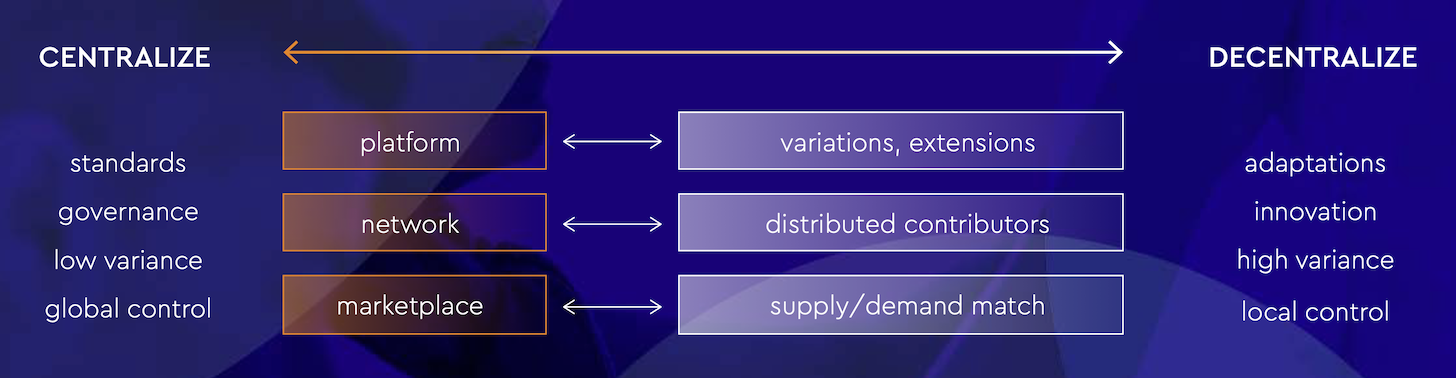
Furthermore, the "hypertail"—the billions of custom-built, internal applications designed for specific company operations—is now emerging as a bigger force than the commercial martech stack itself. As businesses pivot from "Big Data" to "Big Ops," the value is no longer in the data itself, but in the "data reflexes"—the automated, intelligent actions triggered by that data.
Official Perspectives: The "Orchestration Wars"
Industry leaders and AI models alike are now focused on the challenge of "Big Ops." The consensus is that the next four years will be defined by the "Orchestration Wars."
As Scott Brinker notes, the challenge of managing hundreds of parallel apps and agents requires a new level of governance. Companies that once sought to control their stack through rigid, monolithic suites are now finding that they must embrace the chaos of the ecosystem. The current leaders in this space—Databricks, Snowflake, and the major CRM platforms—are all positioning themselves as the "central nervous system" for this web of agents.
Claude and Gemini have both awarded top marks for the "Harmonizing Humans and Machines" trend. The transition from SEO (Search Engine Optimization) to AEO (AI Engine Optimization) and the rise of "Agentic Commerce" have proven that the early predictions regarding the buyer-side adoption of AI were not just correct—they were conservative.
Implications: Preparing for the 2030 Horizon
As we move into the second half of this decade, the implications for organizations are clear:
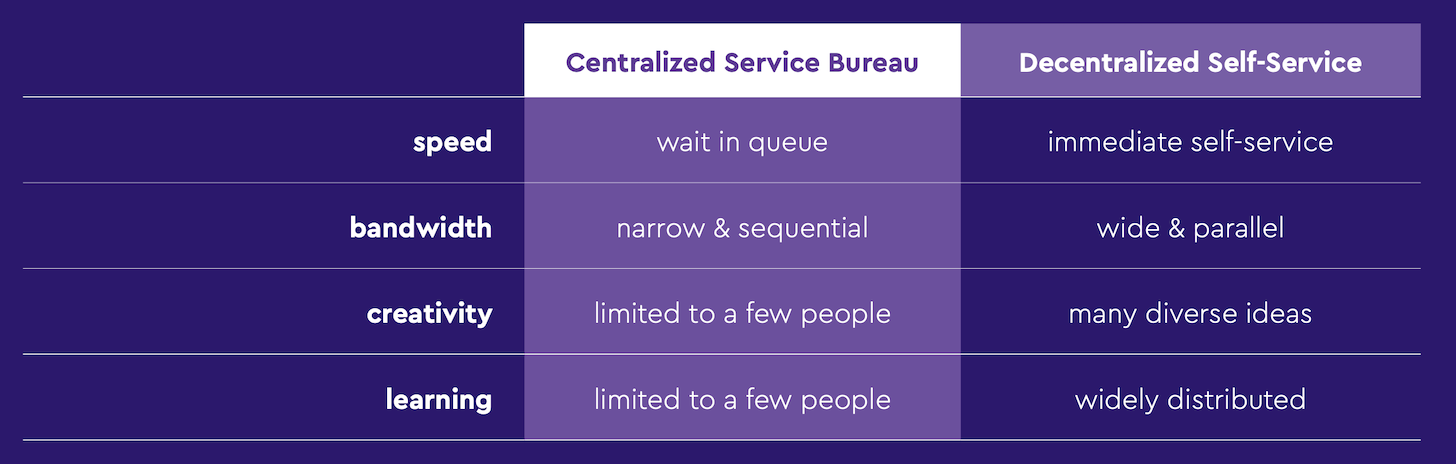
- Shift from Management to Governance: The rise of "Citizen Creators" means that the bottleneck is no longer technology, but policy. Organizations must develop guardrails that allow for creative speed while maintaining brand consistency and data security.
- Embracing "Coopetition": The lines between platform providers, cloud hyperscalers, and martech startups have blurred. Organizations must prepare for an environment where their vendors are also their competitors.
- Investing in "Data Intelligence": If data is the "oil paint," then Big Ops is the "masterpiece." Organizations must prioritize the distillation and activation of data over mere storage.
- The Human-Centric Advantage: While machines handle the "hypertail" of tasks, the strategic value of the human marketer has only increased. The ability to define the "why," manage the "who," and curate the "what" remains a uniquely human capability in an increasingly automated world.
Amara’s Law—that we tend to overestimate the short-term impact of technology while underestimating the long-term effects—serves as the perfect backdrop for this mid-decade review. The Martech 2030 report was a vision of a long-term arc. Now that the short-term disruptions of the AI explosion have been integrated into the baseline, the long-term effects are beginning to manifest in profound ways.
As Brinker suggests, the pace of change will not slow down in 2026. The industry is currently in the middle of a transition that is as much about philosophy as it is about software. We are moving away from the era of "doing marketing" to the era of "orchestrating systems."
For the professional marketer, the goal for the next five years is not to keep pace with every new tool, but to master the underlying ecosystems and the orchestration logic that will define the rest of the decade. The final grades for the Martech 2030 vision will be written in 2030. Until then, the industry remains in a state of productive, albeit chaotic, evolution. The popcorn is ready, and the next chapter of the "Augmented Marketer" is just beginning to unfold.
