
The Great Rewiring: Why AI Agents Are Reshaping the Marketing Landscape for 2026
As we approach the threshold of 2026, the marketing industry stands at a pivotal juncture. For the past decade, "digital transformation" was the rallying cry for CMOs looking to modernize their stacks. Today, the conversation has shifted from mere digitization to the rise of the autonomous agent—a technological evolution so profound it threatens to dismantle the very playbooks marketers have relied upon for twenty-five years.
On December 2, the industry will receive the comprehensive Martech for 2026 report, a deep dive into how these autonomous systems are moving from experimental curiosities to the backbone of global commerce. The findings suggest that we are not just seeing a trend; we are witnessing a fundamental "Great Rewiring" of the buyer’s journey.
Main Facts: The Rise of the Agentic Stack
The primary takeaway from the upcoming research is definitive: AI agents are no longer optional. According to the latest AI & Data in Marketing study, 90.3% of surveyed marketing professionals report that they are now integrating AI agents into their marketing technology stacks.
While it is easy to dismiss this statistic by noting that the survey cohort skews tech-savvy, the implications remain sobering. These participants manage operations for some of the world’s most prominent B2B and B2C brands. They are not chasing hype; they are building infrastructure. They are, by definition, pragmatists competing in a high-stakes environment where efficiency is the difference between market leadership and obsolescence.
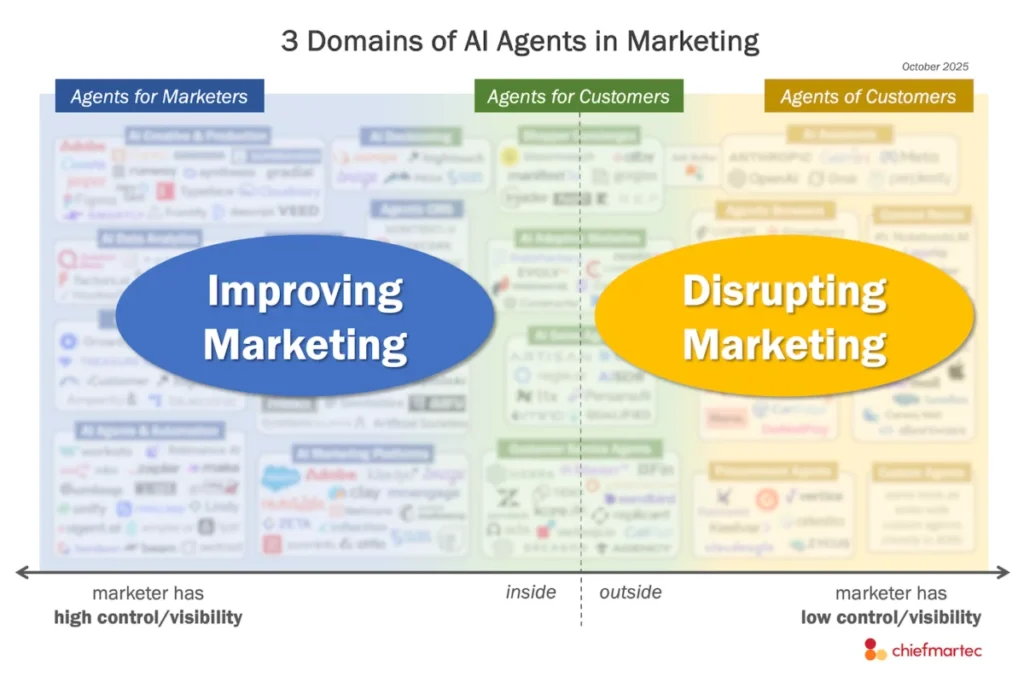
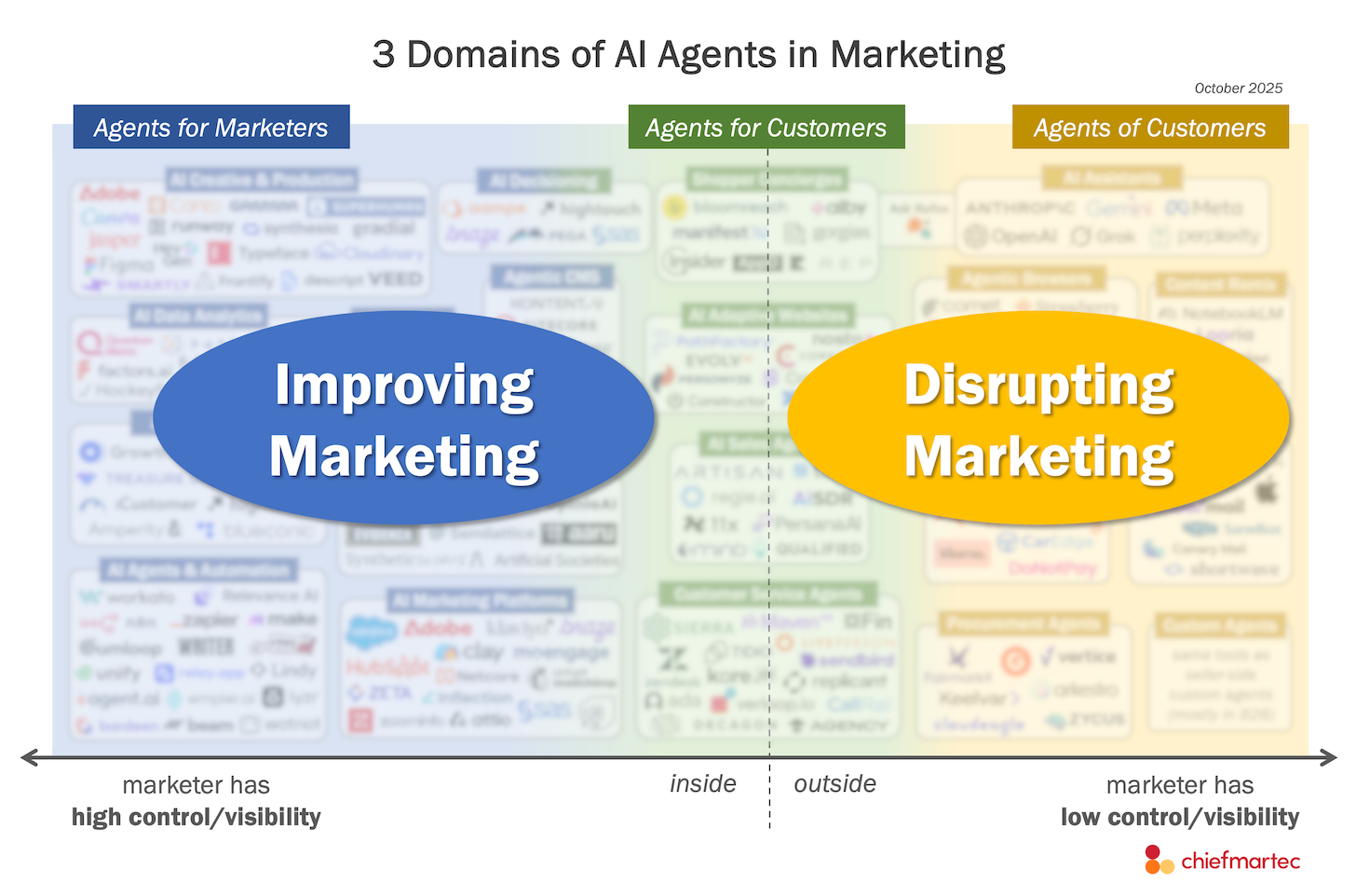
The distinction between "marketing-side" agents and "buyer-side" agents is the central tension of the current landscape. Marketing-side agents are designed to assist the internal team—brainstorming copy, optimizing ad spend, and streamlining campaign distribution. These tools offer incremental improvements, driving the "do more with less" mantra that has become a staple of executive boardroom presentations. However, while these tools are undoubtedly useful, they are not where the true disruption lies.
Chronology of the Agentic Shift
The transition toward an agent-driven ecosystem has moved with unprecedented speed, particularly over the last eighteen months.
- The Era of Generative Assistance (Early 2024): Initially, AI was treated as a creative partner. Marketers used LLMs to generate content, summarize reports, and draft emails. It was an era of "co-piloting," where the human remained firmly in the driver’s seat.
- The Rise of Specialized Agents (Late 2024 – Early 2025): Software platforms began embedding agentic capabilities directly into their core products. CRM platforms, email marketing suites, and analytics dashboards began offering "automated actions," allowing the software to perform tasks autonomously rather than just providing suggestions.
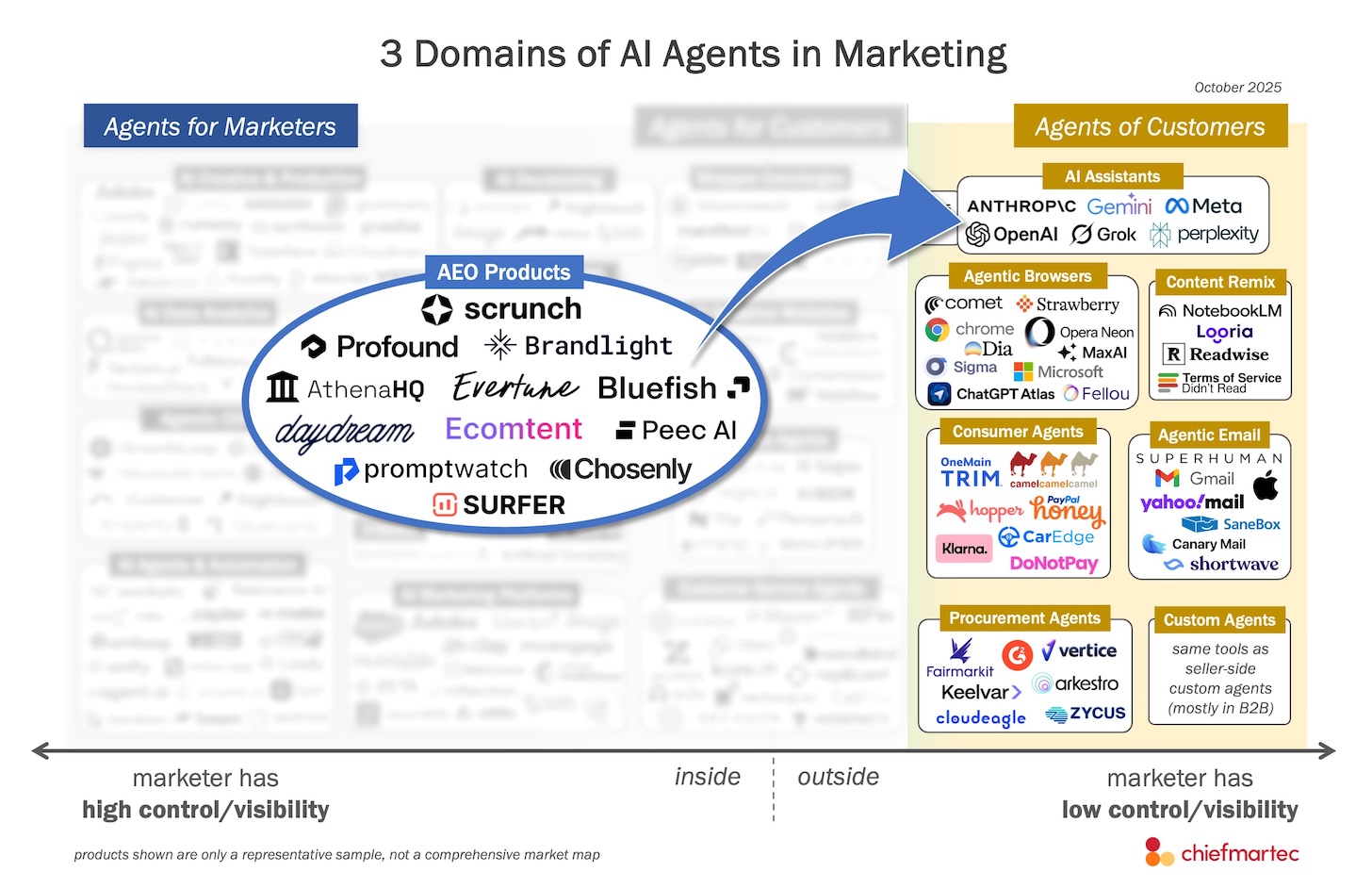
- The Buyer-Side Disruption (Mid-2025 – Present): We hit a tipping point when the power shifted to the consumer. With the advent of advanced AI assistants—ChatGPT, Claude, Perplexity, and Gemini—buyers gained their own autonomous representatives. These agents began to actively circumvent traditional marketing funnels, effectively rendering legacy SEO and search-based advertising strategies less effective.
- The Transition to Action Engines (Late 2025): Features like OpenAI’s "Instant Checkout" and Google’s "Agentic Checkout" signaled the death of the traditional e-commerce landing page. Consumers no longer need to visit a brand’s website to browse, compare, or purchase. The agent does it for them, within the conversational interface of their choice.
Supporting Data: The Disconnect in Strategy
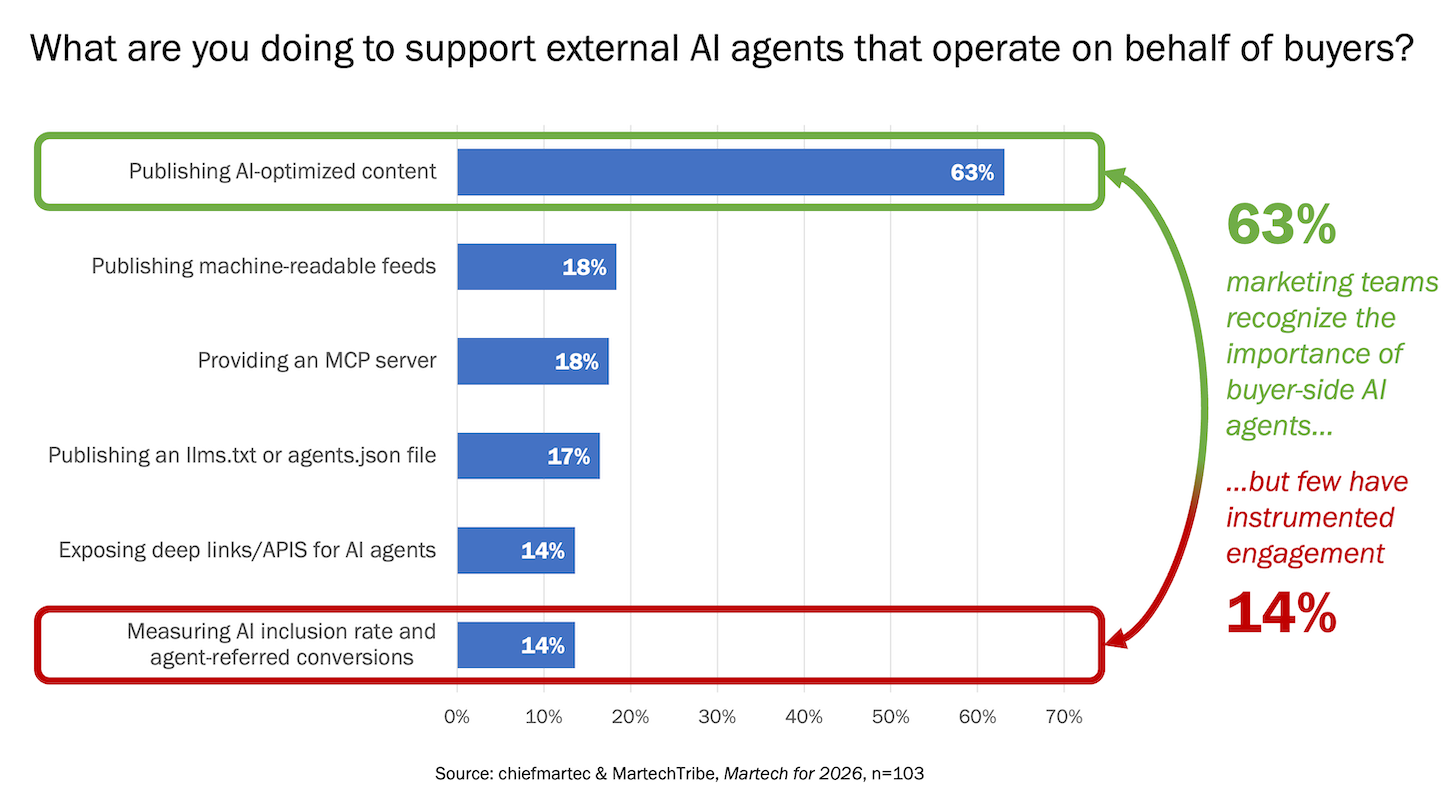
Despite widespread adoption of internal AI tools, the industry is struggling to keep pace with the power shift toward the consumer. The Martech for 2026 report highlights a significant gap between awareness and execution:
- High Awareness: 63% of marketing teams explicitly recognize that buyer behaviors are changing due to AI-driven search and assistant platforms. They know their SEO playbooks are losing their edge.
- Low Instrumentation: Despite this high level of awareness, only 14% of these teams have actually instrumented their marketing technology to adapt to this new reality.
This massive gap represents the "danger zone" for brands in 2026. Companies are aware of the threat but are currently operating like a cyclist trying to outrun a bullet train. They are still optimizing for human-controlled search engines while the actual point of purchase is moving behind a curtain of proprietary AI interfaces.
Official Perspectives and Market Implications
The industry is currently in an awkward, transitional phase. For the past year, many B2B organizations have focused their AI efforts on "outbound AI SDRs"—bots designed to spam prospects with personalized emails. This was an attempt to maximize sales efficiency for the seller.
However, the market is now experiencing a "turning of the tables." As buyers deploy their own agents, those same salespeople are now being bombarded by incoming calls and queries from AI agents acting on behalf of the consumer.
The Inefficiency of Human-to-Agent Interaction
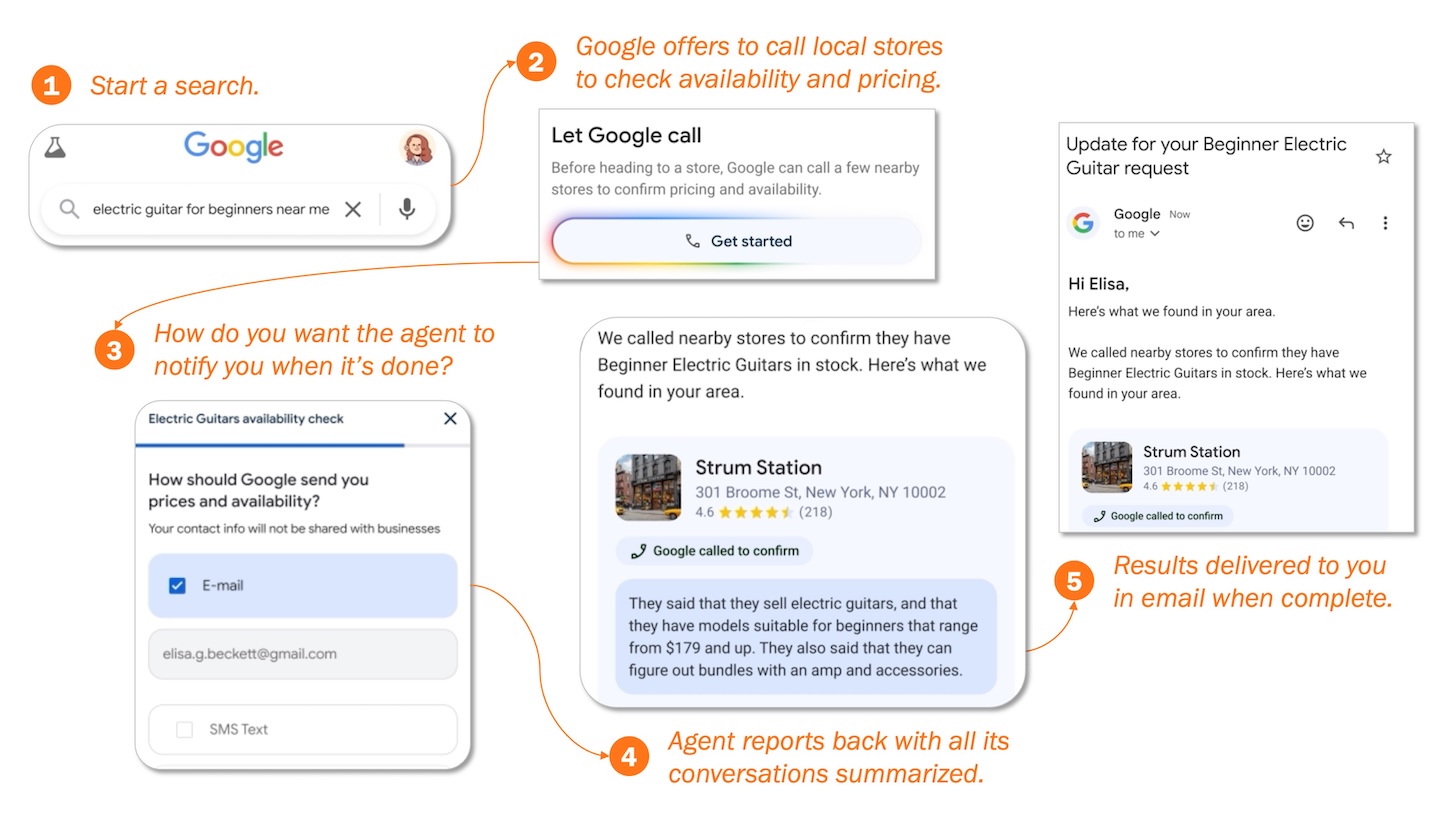
We are currently in a messy intermediate state where AI agents are tasked with "harassing" humans. A Google Gemini agent, for example, can now call a local retail store to check stock levels or pricing. While this is a massive win for the consumer’s convenience, it creates a logistical nightmare for the business that hasn’t prepared for "machine-to-human" interactions.
This current state is unsustainable. It is highly inefficient to have an AI agent on one end of a phone call waiting for a human representative on the other. This friction is destined to force a rapid evolution toward agent-to-agent interactions.
The Future of "AEO" (Agent Engine Optimization)
If the last 25 years were defined by Search Engine Optimization (SEO), the next five will be defined by Agent Engine Optimization (AEO). The challenge for marketers is no longer just "how do I rank for this keyword?" but "how do I make my brand, my pricing, and my product data accessible to a customer’s AI agent?"
Marketing teams must stop focusing solely on the "human experience" and begin architecting a "machine-readable experience." If your product information isn’t easily indexed and parsed by the agents that buyers are using to make purchasing decisions, you effectively do not exist.
The 2026 Mandate: Preparing for the Next Phase
The upcoming Martech for 2026 report serves as a call to action. It posits that the next 6 to 12 months will be critical for businesses looking to survive the transition from informational answer engines to transactional action engines.
Brands that win in 2026 will be those that:
- Prioritize API-first data accessibility: Ensuring that AI agents can verify stock, pricing, and specs in real-time without needing a human to visit a webpage.
- Invest in AEO: Shifting content strategies away from keyword-stuffed articles toward structured, verifiable data that AI models can trust and prioritize.
- Accept the Loss of Control: Acknowledging that the brand experience is no longer entirely controlled by the company’s website. The brand experience is now whatever the buyer’s AI agent says it is.
As the industry prepares for the December 2 launch of the full report, the message is clear: the era of the human-centric funnel is closing. The era of the agentic ecosystem has begun. Whether this results in a more efficient market or a chaotic, bot-dominated digital wasteland depends largely on how quickly marketers can adapt their strategies to serve the machines that are now serving the buyers.
To gain full access to the research, findings, and strategic recommendations, industry professionals are encouraged to join the upcoming webinar. It is an opportunity to look past the hype, understand the data, and prepare for the inevitable restructuring of the marketing department.
