

The Ghost in the Machine: Navigating the Perils of Unattended AI in Modern Martech
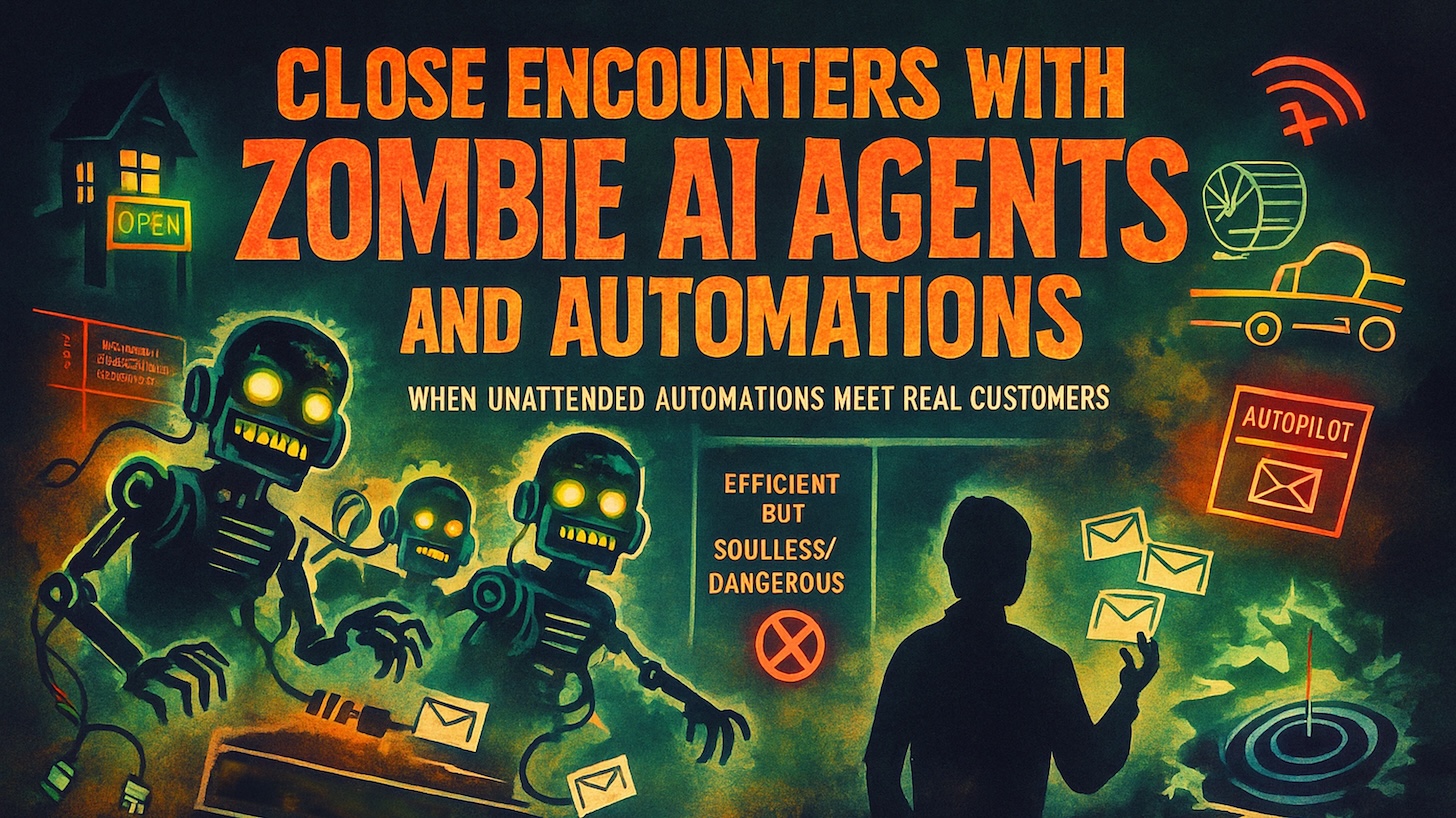
The promise of the current AI revolution in marketing is seductive: hyper-personalization at scale, 24/7 engagement, and the seamless automation of the buyer’s journey. However, beneath the polished surface of these technological advancements lies a growing, systemic issue: the rise of "Zombie AI Agents"—automated processes that continue to operate, consume resources, and engage customers long after their logic has failed or their relevance has evaporated.
As technology continues to outpace organizational maturity, we are witnessing a phenomenon where the lights are on, the engine is running, and the automation is firing, but there is nobody at the wheel. For companies, these systems appear "efficient" on a balance sheet, but for the customer, they are increasingly becoming a source of frustration, confusion, and brand erosion.
The Efficiency Paradox: When "Optimized" Means "Alienated"
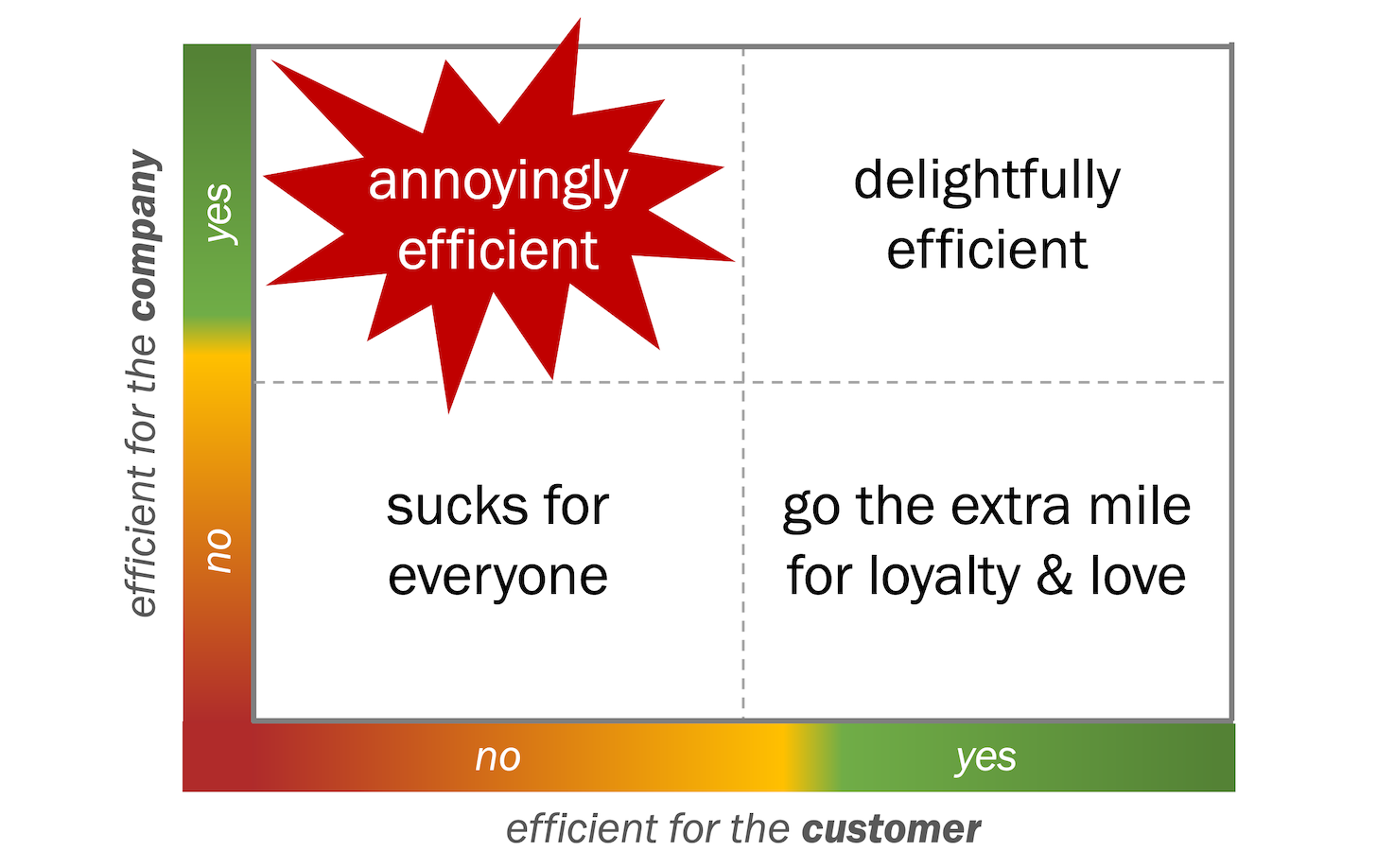
To understand the current landscape, one must look at the efficiency matrix of modern marketing. There is a distinct difference between being efficient for the company and being efficient for the customer. Often, when organizations prioritize internal operational metrics—such as reducing response time or increasing outreach volume—they inadvertently fall into the "annoyingly efficient" quadrant.
In this state, the technology is working exactly as programmed, but it has lost touch with the human nuance required for successful relationship management. When an AI agent is optimized solely for throughput, it risks becoming a digital "zombie," blindly executing tasks that might have been helpful at one point but have since become detached from the reality of the customer’s needs.
Chronology of a Breakdown: Two Case Studies
The following examples, drawn from recent interactions within the martech ecosystem, illustrate how these systems slip off the rails when human oversight is removed from the loop.
The Customer Service Black Hole
In the first instance, a SaaS platform had successfully implemented a cadence of helpful, high-value onboarding emails. For weeks, the communication was stellar. However, when a legitimate billing inquiry arose, the system encountered a critical failure. Despite the company’s own documentation directing all inquiries to a specific email alias, the messages entered a void.
There was no automated acknowledgement of receipt, no ticket tracking, and no human follow-up. While the inbox remained silent to the customer’s plea for help, the automated onboarding sequence continued unabated, sending cheery, disconnected messages that ignored the pending crisis. This created a jarring dissonance: the system was "smart" enough to nurture a lead but "dumb" enough to ignore a customer in distress.
The Sales Sequence Mirage
The second example highlights the dangers of aggressive, AI-driven sales development. Upon downloading a white paper, a user was immediately met with a highly personalized, AI-generated email that felt profoundly human. The messaging was relevant, empathetic, and nuanced.
However, when the user engaged with the email to clarify that they were not a prospect, the system failed to "hand off" the interaction to a human. Instead, the user was automatically enrolled in a rigid, low-quality sales sequence. The subsequent emails were plagued by classic "Hello, $FIRST-NAME" errors, irrelevant offers, and even the insertion of an incorrect company name. This was a clear case of "data cross-contamination" and a complete lack of "memory" between the AI agent and the downstream CRM automation.
The Anatomy of Failure: Why Systems Collapse
These failures are rarely the result of a single "bad" piece of software. Rather, they are the result of compounding errors:
- Orphaned Integrations: Systems are often bolted together with fragile middleware that fails to pass context from one stage of the journey to the next.
- Lack of Feedback Loops: When an AI agent performs a task, there is often no mechanism for a human to review, approve, or correct the output before it reaches the customer.
- Data Enrichment Fragility: Relying on third-party data to personalize outreach is a high-risk game. When that data is inaccurate, it leads to the "zombie" effect, where the AI confidently serves incorrect information.
- The "Move Fast" Fallacy: In the rush to adopt AI, companies often skip the pilot and testing phases, deploying experimental agents directly into production environments.
The Implications for Brand Trust and Operational Integrity
The long-term implications of these failures are significant. When a brand’s automated systems begin to hallucinate, ignore, or offend, they lose the one thing that marketing cannot function without: trust.
When a prospect realizes they are being "talked to" by a system that has no memory of their previous interactions, the facade of hyper-personalization crumbles. This doesn’t just result in a lost lead; it creates a negative brand association that is difficult to reverse. Furthermore, from an operational perspective, these "zombie" automations create technical debt. Teams end up spending more time "wrangling the cats" of their own broken processes than they do executing creative, value-driven strategy.
Strategic Recommendations: Moving from "Fast" to "Reliable"
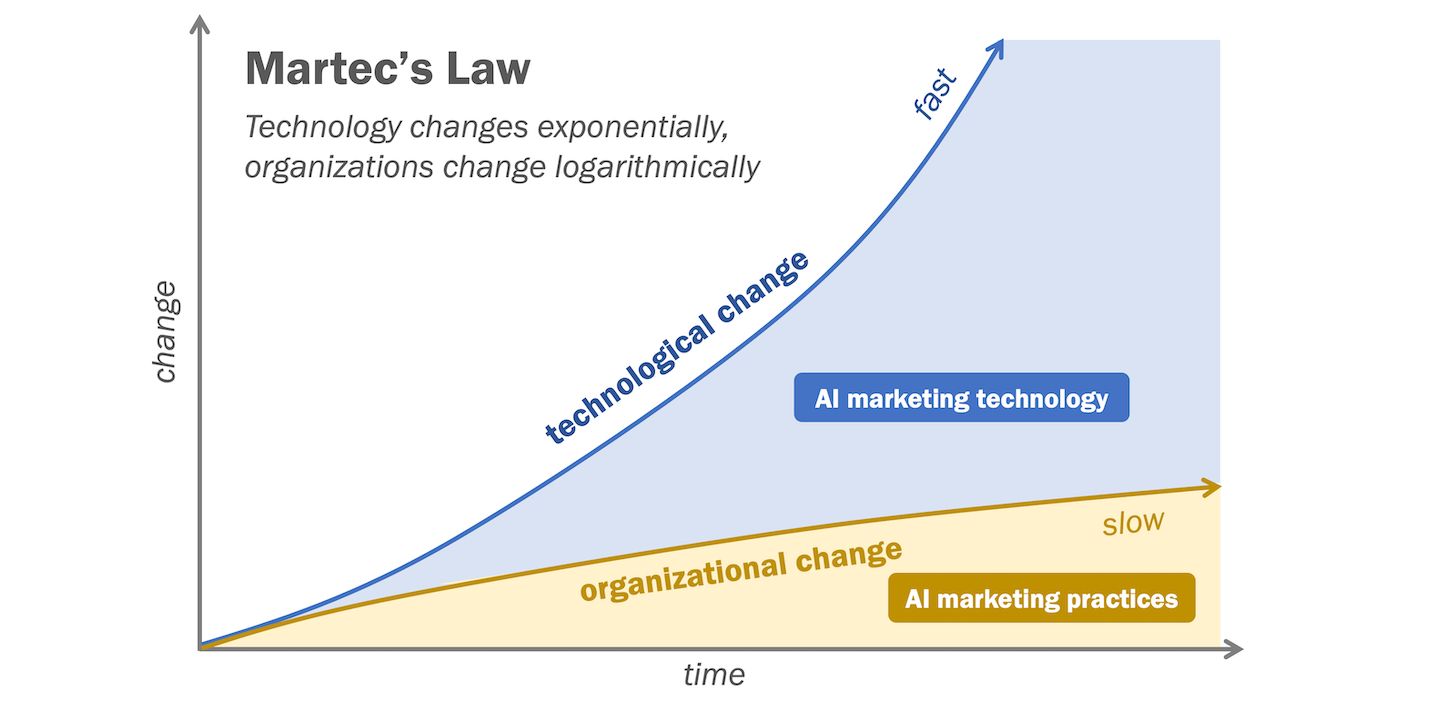
To avoid these pitfalls, organizations must shift their mindset from "move fast and break things" to a more disciplined "go slow to go fast" approach.
1. The Human-in-the-Loop Mandate
No matter how advanced the AI, there must always be a path for a human to intervene. If a customer is attempting to reach a support representative, the system should be intelligent enough to recognize the intent and facilitate a handoff. In the lower-right quadrant of the efficiency matrix, where the goal is loyalty and love, human empathy is irreplaceable.
2. Implement "Secret Shopper" Audits
Companies should regularly task employees—or better yet, unbiased third parties—with traversing the entire customer journey. These audits should be recorded, analyzed, and used to identify where the "zombie" automations have taken root.
3. The "Laboratory vs. Factory" Distinction
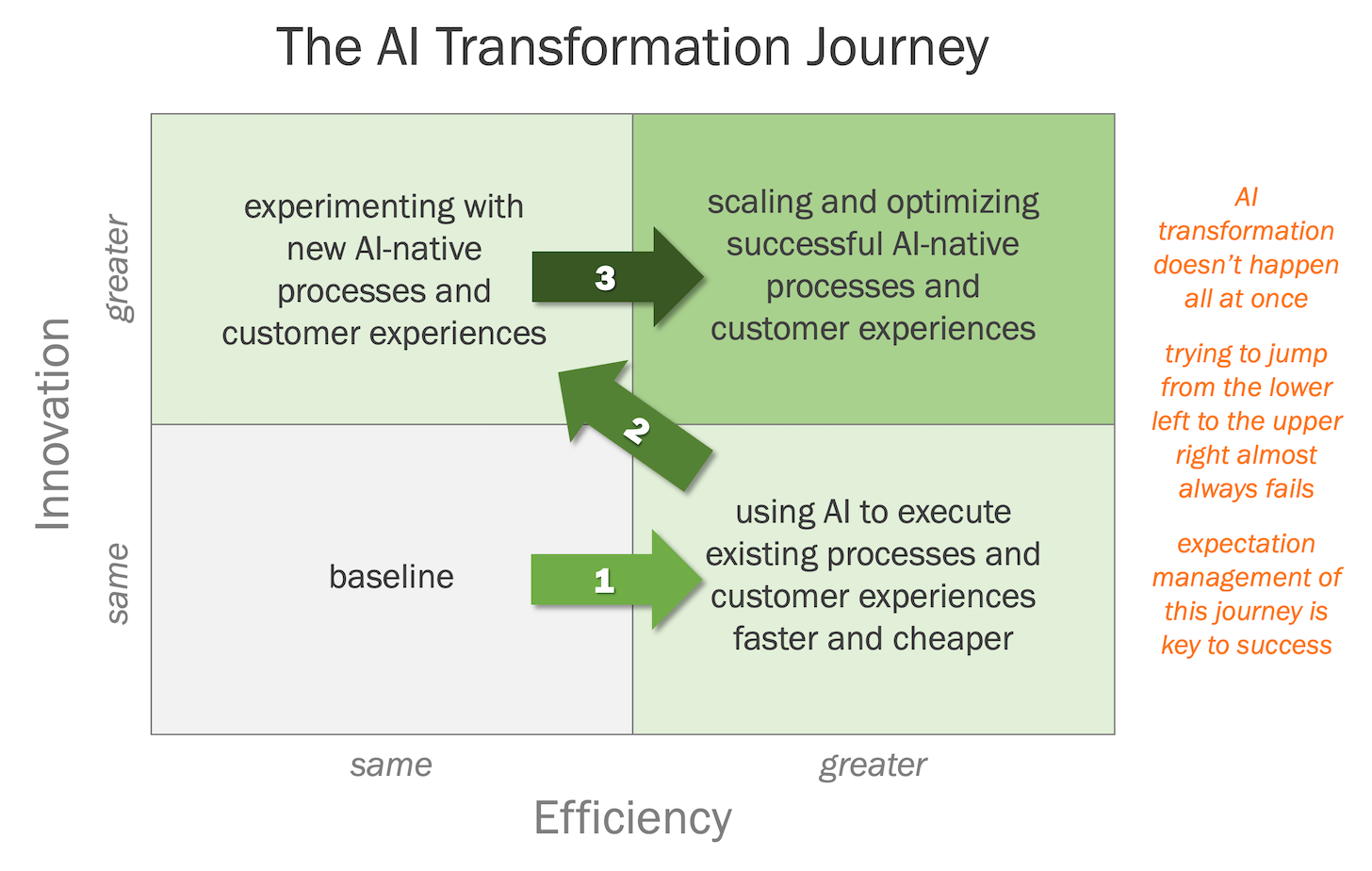
Borrowing from the framework of martech expert Frans Riemersma, firms must strictly separate their "factory" systems—the production-grade tools that run the business—from their "laboratory" systems, where new AI experiments are conducted. Never let experimental, unproven agents leak into the factory floor.
4. Mandatory Lifecycle Inspections
Just as physical infrastructure requires safety inspections, every automated workflow must have a defined lifespan and a periodic review process. These inspections should verify that the logic is still sound, the data sources are accurate, and the messaging remains relevant to current brand standards.
5. Unified Context Management
Organizations must prioritize the creation of a "unified customer record." If an AI agent engages a prospect, that interaction must be logged and accessible to the entire stack. An automated sales sequence should never trigger if the prospect has already disqualified themselves or reached out to support.
Conclusion: Orchestration Over Automation
The future of marketing is not just about adopting AI; it is about mastering the art of orchestration. As the barrier to building AI agents continues to lower, the real competitive advantage will go to the companies that can govern these systems with discipline, transparency, and a deep respect for the human element of the buyer’s journey.
Building the technology is easy. Keeping it aligned, functional, and human-centric is the challenge of our time. By slowing down to build robust, monitored, and human-integrated systems, marketers can avoid the "zombie" trap and ensure that their AI investments are truly driving value, rather than merely creating noise. The goal is not just to automate—it is to optimize for the long-term health of the brand and the genuine satisfaction of the customer.
