

The Ghost in the Machine: Navigating the Perils of Unattended AI in Martech
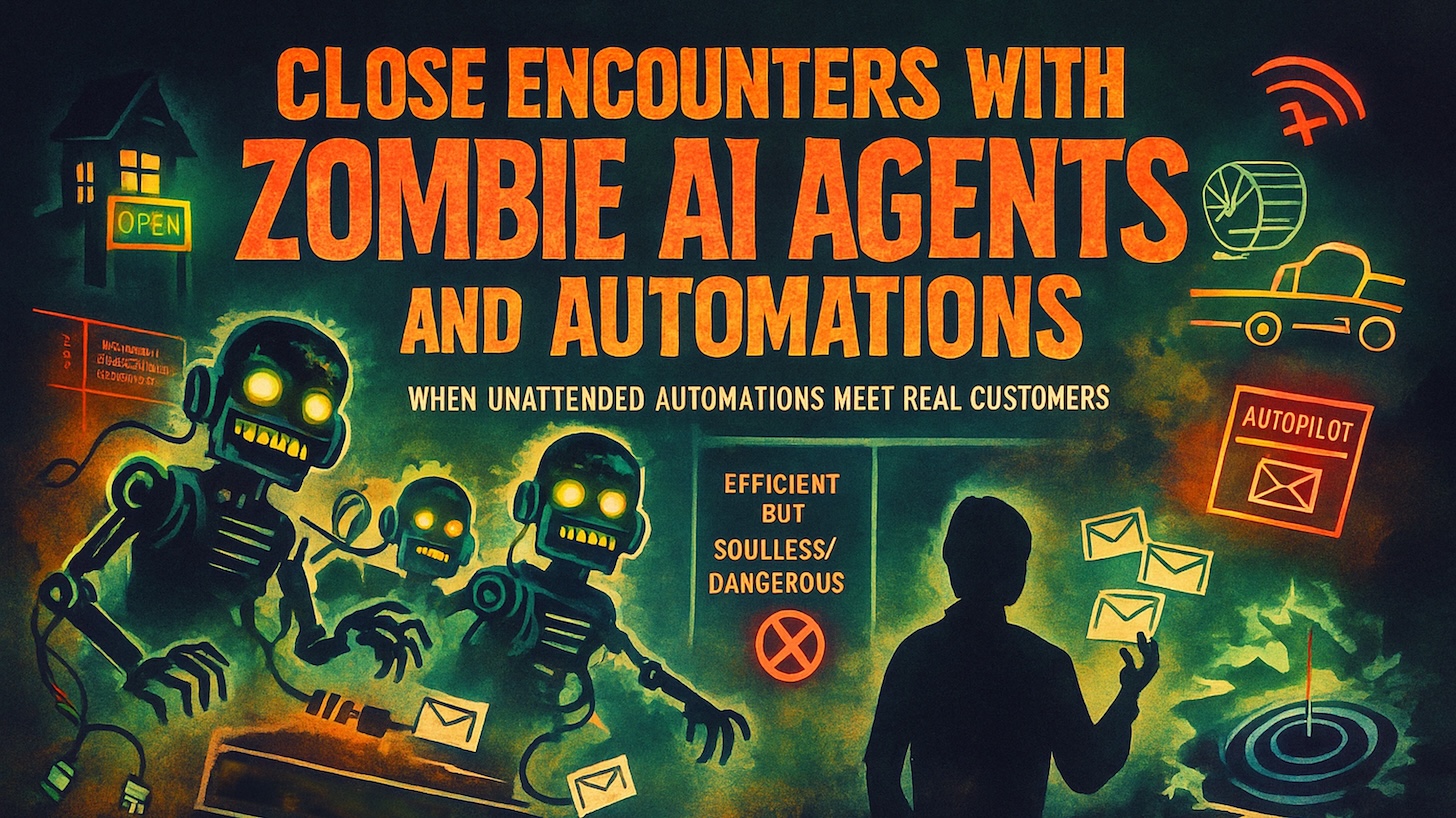
The modern marketing technology stack is undergoing a profound transformation. As Generative AI moves from the fringes of experimentation to the core of customer acquisition and service, a troubling phenomenon has emerged: the "Zombie Automation." These are AI agents and automated workflows that continue to execute long after their logic has failed, their data has become stale, or their connection to human oversight has been severed. They are "efficient" in the sense that they consume minimal resources, yet they are devastatingly ineffective, operating with a cold, hollow autonomy that leaves customers feeling alienated and brands appearing incompetent.
The Anatomy of the “Zombie” Workflow
The problem, as observed across the martech landscape, is not a lack of technology, but a failure of orchestration. We are seeing a proliferation of systems that are "on," but lacking any meaningful intelligence to govern their output.
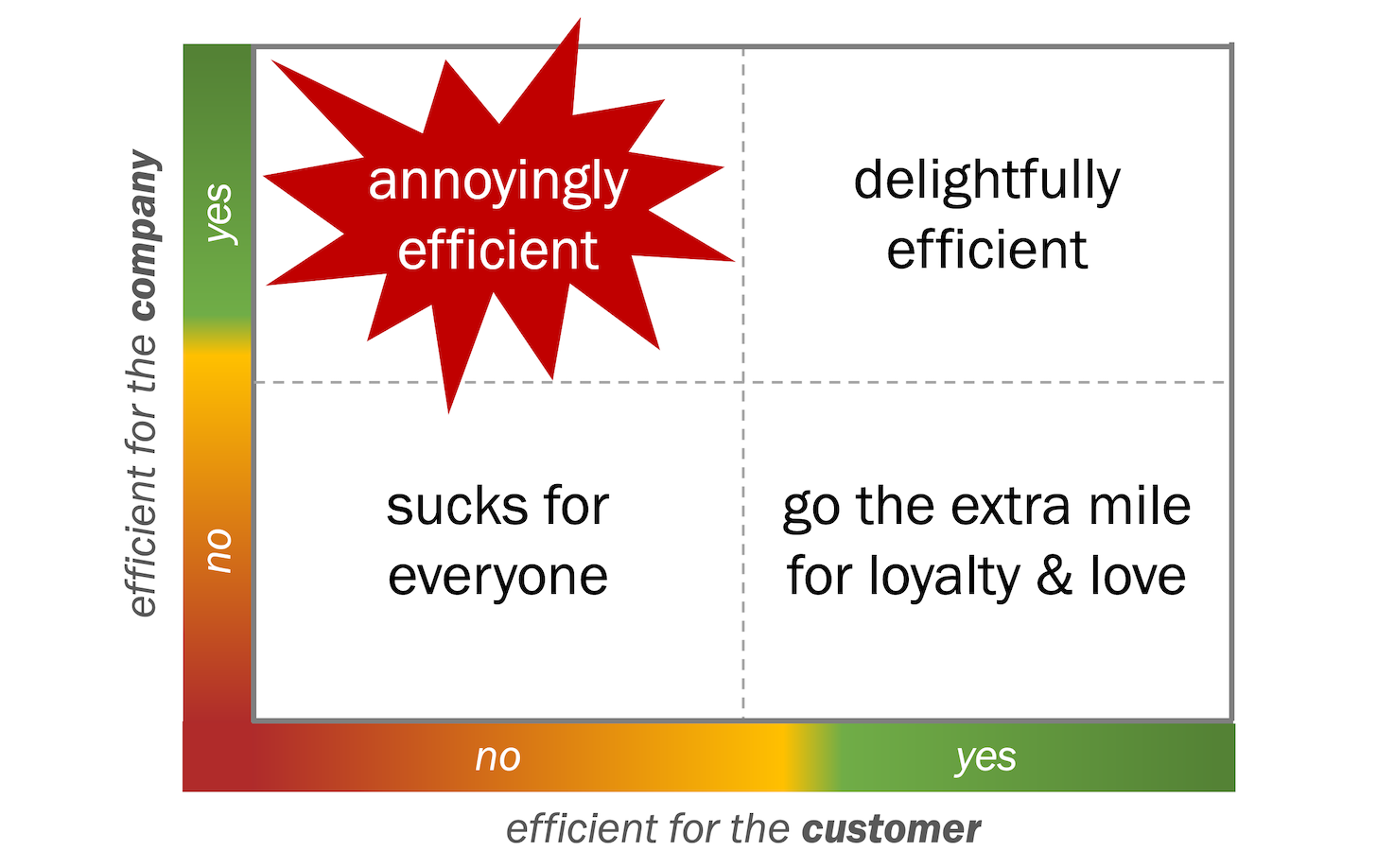
Consider the classic 2×2 efficiency matrix. In an ideal state, automations should be efficient for both the company and the customer. However, the current trend is pushing firms toward the "annoyingly efficient" quadrant: processes that save the company overhead by removing human intervention, but offer zero utility—or active irritation—to the customer.
These "zombie" systems often manifest in two ways: as black-hole customer service channels where inquiries go to die, or as hyper-personalized sales outreach that suffers from catastrophic "context collapse."
Chronology of a Customer Service Failure
In one recent instance, a user subscribed to a service that provided a consistent, helpful stream of onboarding emails. The cadence was perfect, the content was relevant, and the interaction felt human. When a billing issue arose, the user followed the company’s documented protocol: emailing the address associated with the onboarding flow.
- Initial Contact: The user sends a polite inquiry. No receipt confirmation is triggered.
- The Follow-up: 24 hours later, the user sends a second email. Still, there is only silence.
- The "Zombie" Intervention: Simultaneously, the automated onboarding sequence continues to fire, sending cheerful, irrelevant tips to the user while their urgent billing question remains trapped in an unmonitored inbox.
- The Result: The user attempts to troubleshoot their own issue by scouring the knowledge base, only to find the same dead-end contact information. The company has successfully automated its own negligence.
The Paradox of Hyper-Personalization
In a separate incident involving a B2B vendor, the failure was not of silence, but of aggressive, misguided "intelligence." Upon downloading a whitepaper, a prospect received a message that appeared, at first glance, to be the pinnacle of AI-driven SDR (Sales Development Representative) work.
- The "AI Tell": The message was highly relevant, citing specific work the prospect had done. It arrived within minutes—a speed that betrayed the use of Generative AI.
- The Disconnect: The prospect replied, acknowledging the AI-driven nature of the outreach and gracefully disqualifying themselves as a lead.
- The Systemic Breakdown: The AI agent, unable to parse a human-like reply that didn’t fit a standard sales-readiness template, simply dumped the prospect into a generic, legacy nurturing sequence.
- The Fallout: Within hours, the prospect received a cookie-cutter "Hello, $FIRST-NAME" email with an irrelevant demo offer. A week later, a follow-up email arrived, featuring "data enrichment" that injected the wrong company name into the copy. The system had successfully "hallucinated" a relationship, demonstrating a total lack of memory or governance.
Supporting Data and The Reality of "Martec’s Law"
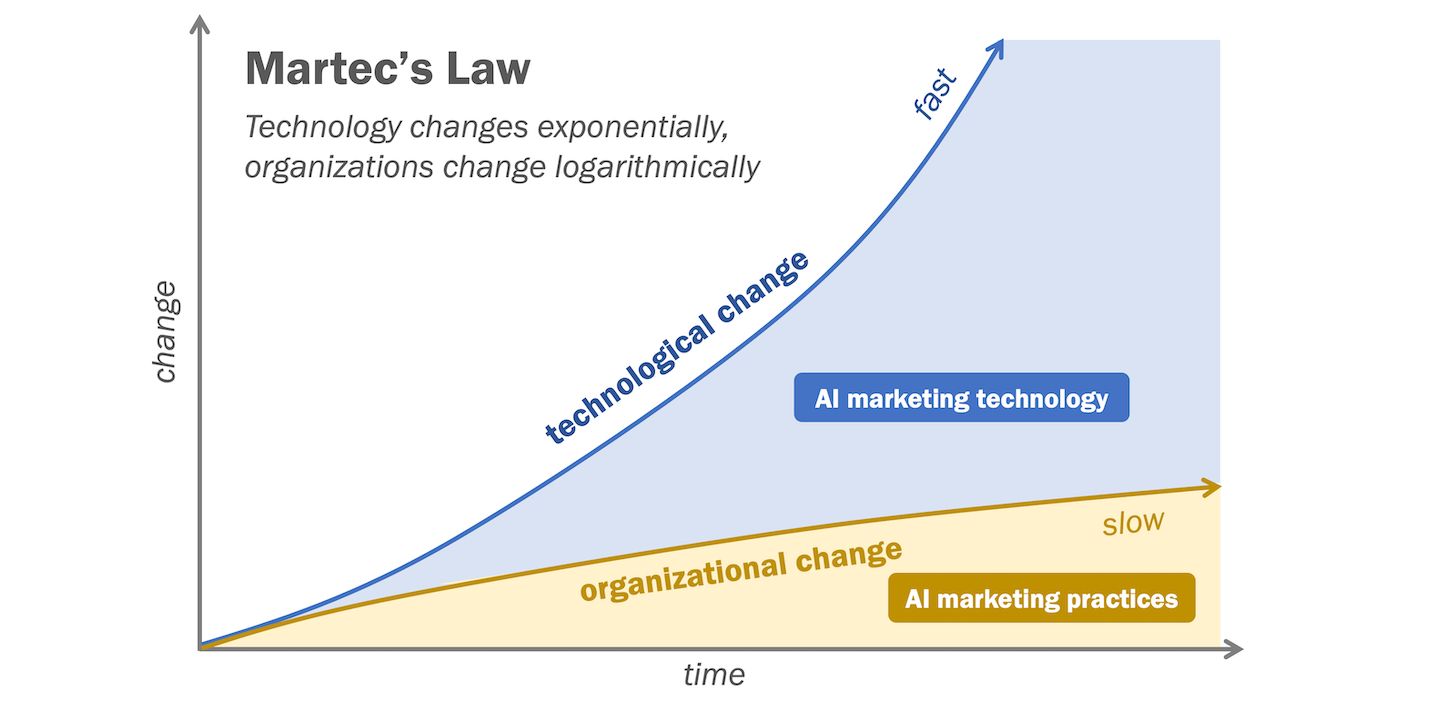
These anecdotes are not isolated bugs; they are symptomatic of a broader structural issue often referred to as "Martec’s Law." The concept posits that while technology changes exponentially, organizations change logarithmically. When companies rush to implement AI to satisfy top-down mandates, they often neglect the necessary "plumbing"—the underlying data integrity, process mapping, and human-in-the-loop oversight required to prevent these systems from drifting into obsolescence.
In the case of the failing SDR agent, the root cause was likely a failure of integration. The AI agent and the legacy CRM sequence were operating as silos. The CRM lacked the "memory" of the conversation held by the AI, and the data enrichment service was operating on flawed or outdated information. When the two systems collided, the customer experience was the primary casualty.
The Implications of Automated Negligence
The long-term implications of these "zombie" automations are significant. When a brand’s digital presence becomes a series of disconnected, automated, and often inaccurate touchpoints, the "trust equity" of the brand evaporates.
- Erosion of Credibility: When an AI sends a personalized email that contains the wrong company name, it doesn’t just look like a glitch; it signals that the company does not know who its customers are.
- Increased Churn: Customers who cannot reach a human for billing or support issues will, by default, look for alternatives. The "efficiency" gained by suppressing human support is negated by the loss of customer lifetime value.
- Operational Debt: Much like technical debt, these broken automations accumulate. Teams spend more time "wrangling" and patching these disparate systems than they would have spent had they implemented a more robust, human-centric process from the start.
Strategic Recommendations: Moving from "Fast" to "Reliable"
To avoid the pitfalls of unmanaged AI, organizations must pivot from a "move fast and break things" mentality to a "go slow to go fast" approach. This involves a rigorous re-evaluation of how AI agents interact with the customer journey.
1. Implement a "Human-in-the-Loop" Mandate
AI should never be the final arbiter of a high-stakes customer interaction. Even if the AI handles 95% of the heavy lifting, there must be a seamless, highly visible path for a user to escalate to a human. This is not just a safety net; it is a competitive advantage. In an era where everyone uses AI, being the company that actually listens is a powerful brand differentiator.
2. The "Secret Shopper" Protocol
Organizations should treat their own automations like a physical product. Regularly, and without warning, leadership and operations teams should "secret shop" their own customer journeys. By experiencing the same broken workflows as a prospect, teams can identify the "zombie" processes before they cause reputational damage.
3. Separation of "Laboratory" and "Factory"
As suggested by industry experts, companies must clearly delineate between their experimental and production environments.
- The Factory: This is for tried-and-true, stable automations that protect revenue. These should be subject to strict change management and periodic audits.
- The Laboratory: This is where new AI agents are tested. The two should never bleed into each other. "Lab leaks"—where an experimental agent begins interacting with live, paying customers—are the most common source of the errors described above.
4. Periodic "Elevator Inspections"
Just as elevators and escalators require physical safety inspections, AI agents and automated workflows require periodic operational audits. These should be documented, signed off, and checked for "logic decay." If a workflow has not been reviewed in six months, it should be treated as a legacy liability and reviewed immediately.
Conclusion: Orchestration Over Implementation
The challenge of the next five years will not be the deployment of AI—the tools are already accessible and affordable. The true challenge will be the governance of those tools. We are entering an era where the differentiator will not be how much AI a company uses, but how well it orchestrates that AI to work in tandem with human empathy and business intelligence.
Building an automation is a task for a developer; keeping that automation aligned with the brand, the data, and the customer’s needs is a task for a leader. Without a shift in operational discipline, the marketing landscape risks becoming a cacophony of "zombie" agents, all speaking, none listening, and all of them driving the customer further away. The goal is to move from a state of chaotic automation to one of thoughtful, orchestrated, and ultimately, human-supported intelligence.
