

The Future of Digital Authority: How to Craft Website Content That Converts in the Age of AI
In an era where search engines and AI assistants can synthesize answers in seconds, the role of website content has shifted from simple information delivery to a strategic imperative. When executed with precision, website content acts as the digital heartbeat of a brand: it builds visibility, establishes professional authority, articulates business value, and—most importantly—guides visitors toward conversion.
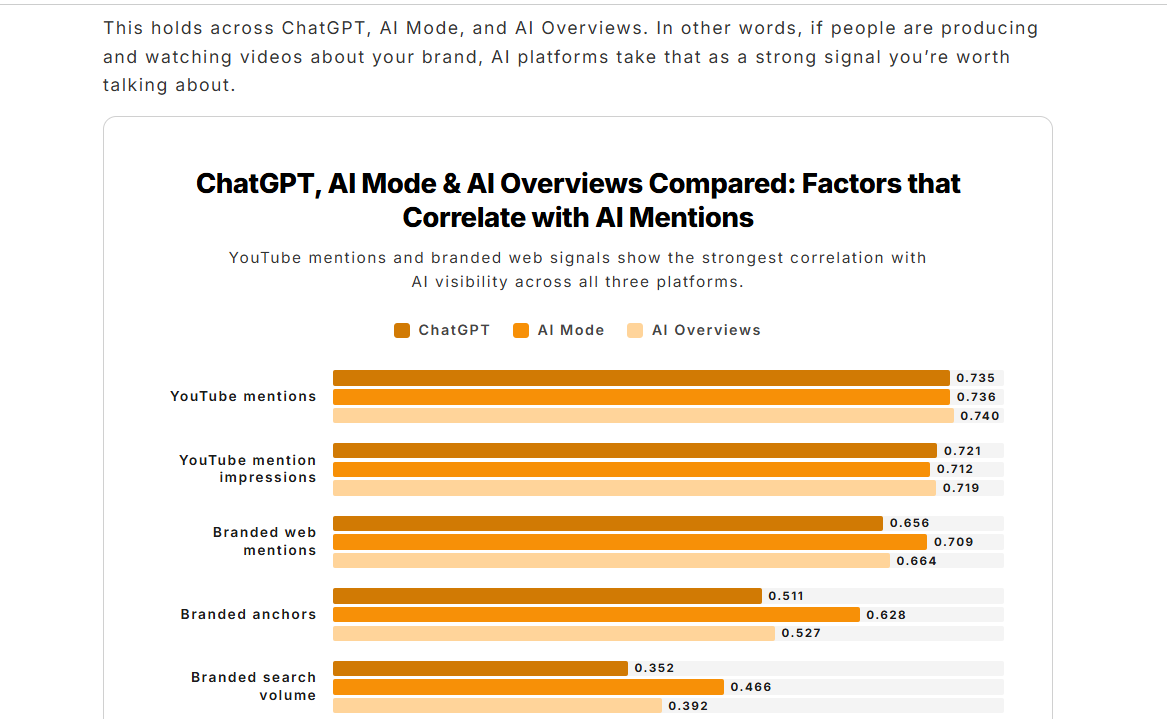
However, the bar for "effective" content has never been higher. With generative AI preempting clicks by answering queries directly within search interfaces, modern content must do more than just exist; it must earn the click and provide a level of distinct, human-centric value that AI models cannot replicate. This guide synthesizes lessons from over 700 content assets produced over the last five years, offering a roadmap for creating high-impact digital experiences.

What Is Website Content? The Foundations of Digital Presence
Website content is defined as the totality of what a visitor consumes or interacts with on a site. This encompasses far more than just text; it is the synthesis of written copy, visual assets (images, infographics), dynamic media (videos, podcasts), and interactive utilities (calculators, configuration tools, quizzes).

The importance of this content cannot be overstated. Alongside design and user experience (UX), it forms the tripod upon which a successful website stands. Without high-quality content, even the most aesthetically pleasing site remains an empty shell, failing to convert traffic into qualified leads or loyal customers.
The Four Pillars of Modern Web Content
To cater to diverse user preferences, a robust content strategy blends four distinct types of content:
1. Textual Content
Text remains the primary vehicle for information. From homepage headers to long-form whitepapers, text provides the context search engines need to index your site and the substance users need to make informed decisions.

2. Visual Content
Humans are inherently visual creatures. Photography, product imagery, and infographics serve as the "scaffolding" for textual information. Visuals break up dense paragraphs, increase time-on-page, and enhance discoverability through image search optimization.
3. Interactive Content
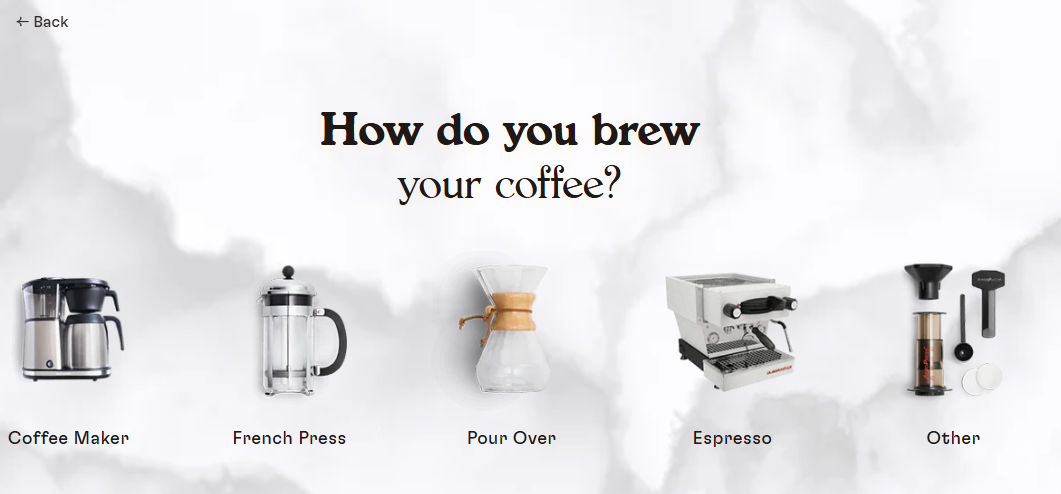
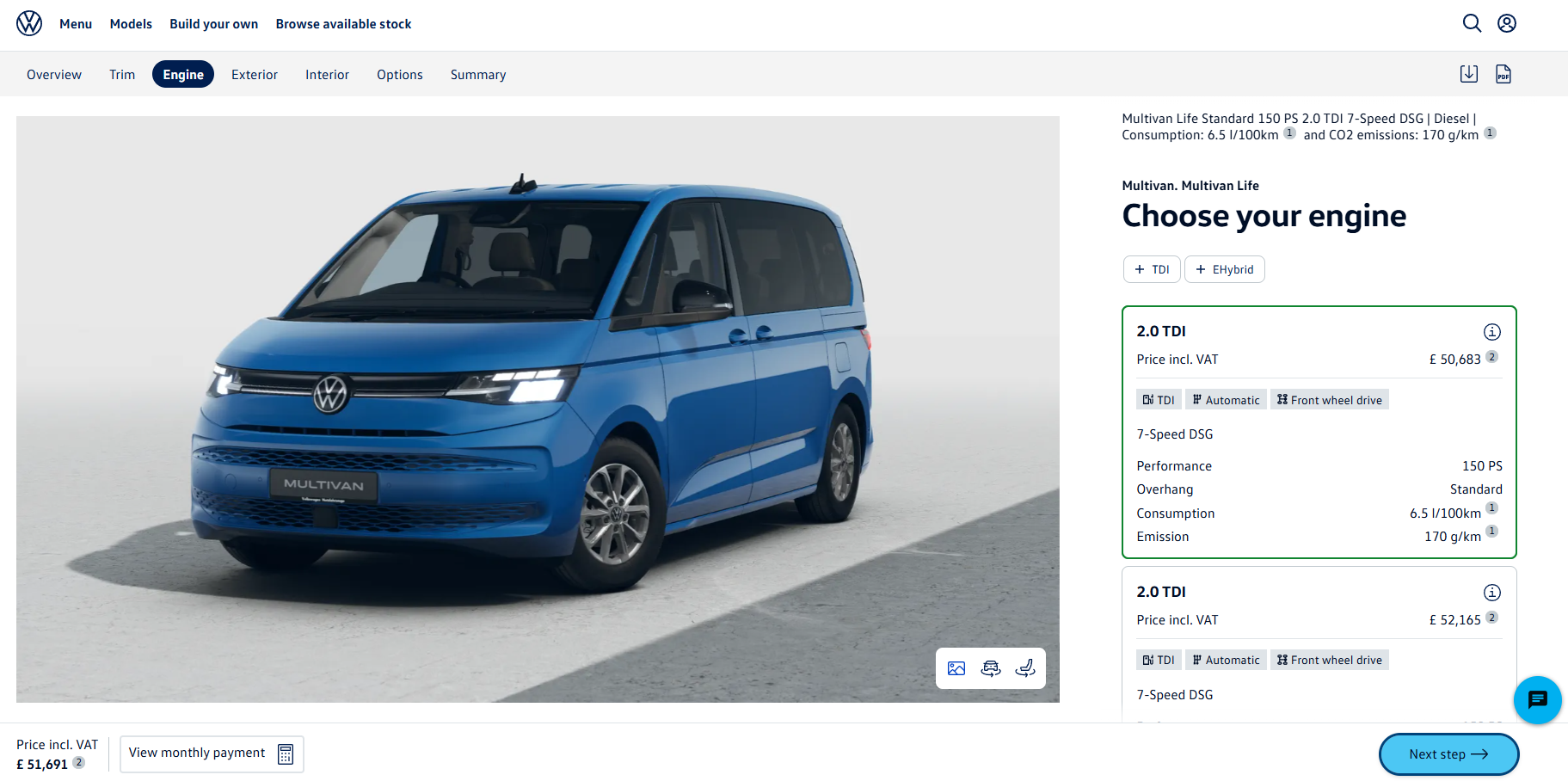
This is the most engaging form of content, requiring active participation. Examples include mortgage calculators, product recommendation quizzes, and configuration tools (e.g., building a custom vehicle or software package). When used judiciously, these tools provide immense value and differentiate your brand from static competitors.

4. Audio Content
Often the most overlooked, audio content—such as podcast episodes or embedded text-to-speech versions of articles—is crucial for accessibility and catering to users who prefer consuming information while multitasking.

10 Best Practices for High-Quality Website Content
Creating content that resonates requires a shift from "volume-based" creation to "value-based" strategy.
1. Define the "Job to Be Done"
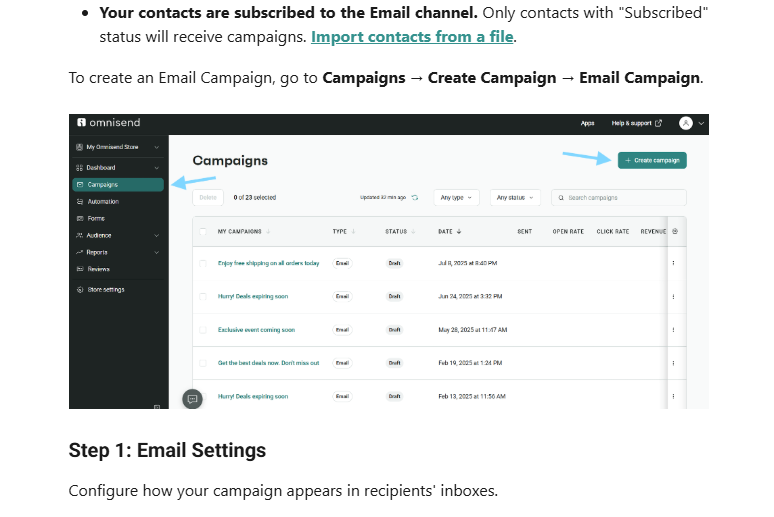
Every page must have a singular, clear purpose. Is the goal to educate, to capture a lead, or to facilitate a sale? If a page tries to do everything, it will do nothing well. Limit each page to a single Call to Action (CTA) to avoid fragmenting the visitor’s focus.

2. Prioritize the User’s Problem, Not Your Product
The "Product-First" trap is a common failure. Instead, frame your content around the customer’s pain points. When you articulate the user’s struggle better than they can themselves, the solution (your product) naturally becomes the logical next step.
3. Match the Expertise Level of Your Audience
Avoid the trap of "writing for a five-year-old" if your audience consists of B2B executives or software engineers. Use the language, terminology, and technical depth that your audience uses in their daily professional lives. This builds instant rapport and credibility.
4. Adopt the "Inverted Pyramid"
Journalists have long used the inverted pyramid—placing the most critical information at the top. This is vital for modern web performance. It ensures users get the "bottom line" immediately, and it optimizes the page for AI systems, which are statistically more likely to cite information found in the top third of a document.
5. Optimize for Scanning and Skimming
Most users do not read; they scan. Utilize headers, bullet points, and short, punchy sentences. Research from the Nielsen Norman Group confirms that skimmability is a requirement, not an option, for retaining modern digital audiences.

6. Build Trust Through E-E-A-T
Experience, Expertise, Authoritativeness, and Trustworthiness (E-E-A-T) are the gold standards for modern SEO. Cite primary sources, include author biographies, link to reputable research, and avoid speculative claims.

7. Create "Hard-to-Copy" Content
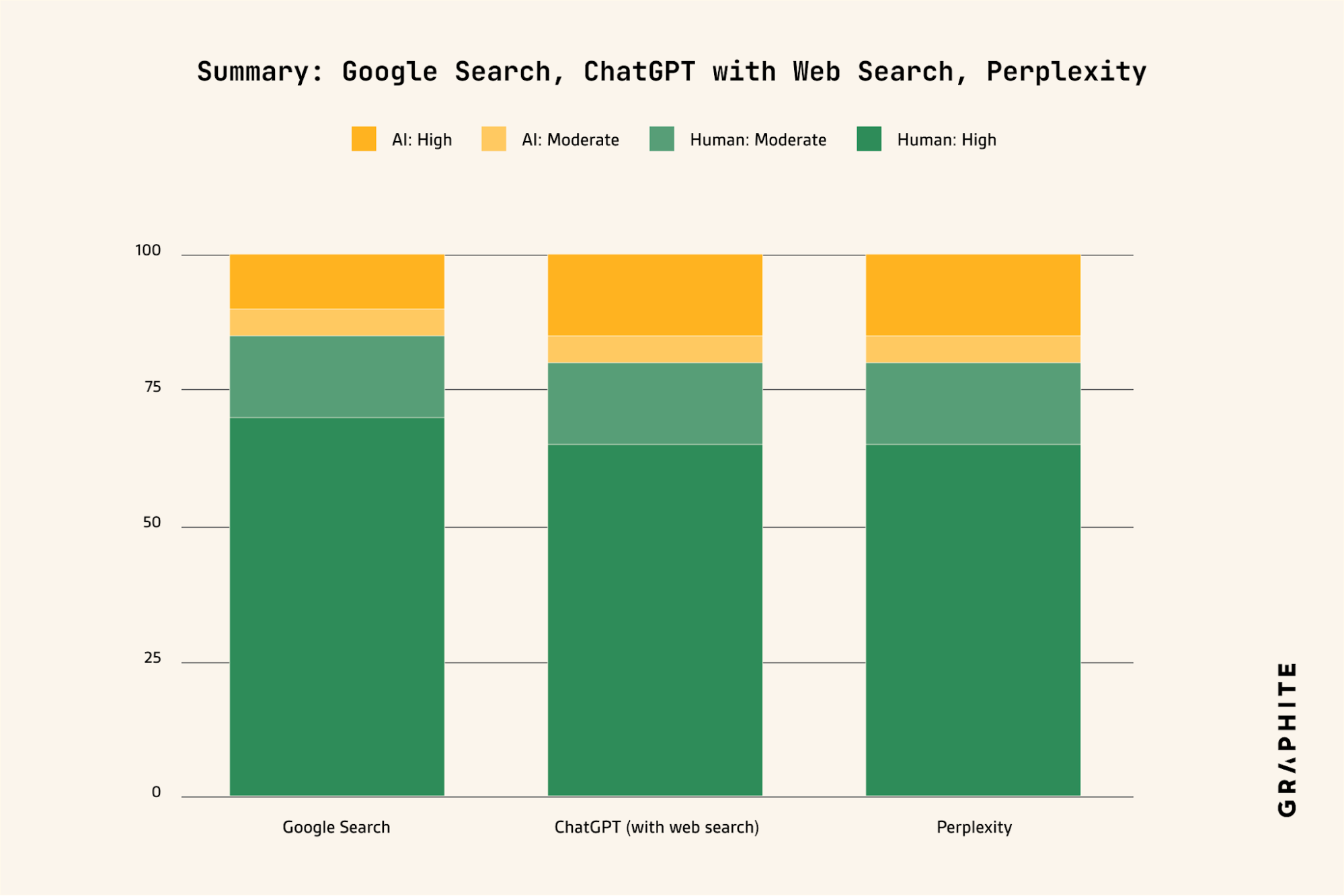
If a competitor can replicate your content by simply asking a basic AI prompt, your content lacks a moat. Infuse your work with original research, internal data, personal case studies, and unique brand perspectives. These are the elements that AI cannot hallucinate or steal.

8. Use AI as an Aid, Not a Crutch
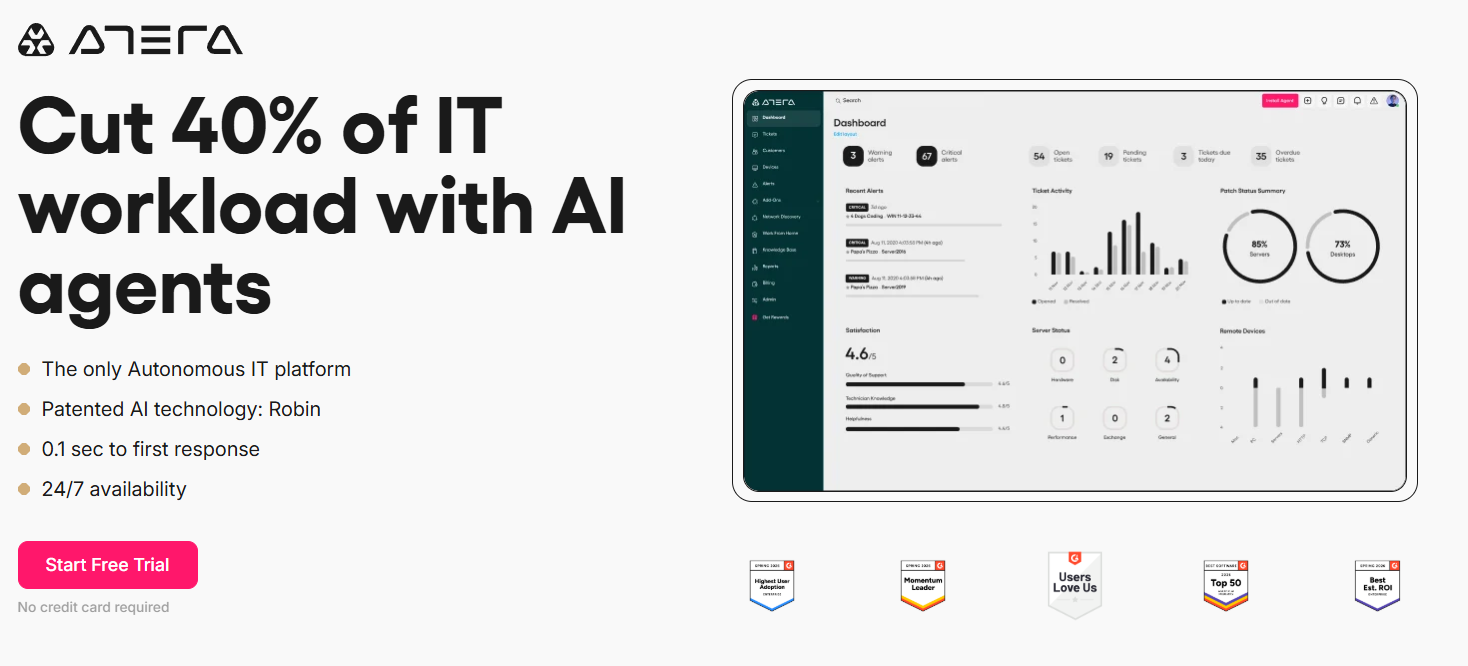
AI is an excellent research assistant and drafter, but it lacks the nuance, logical consistency, and emotional intelligence of a human expert. Use AI to speed up the process, but keep a human at the helm for the final review and strategic direction.
9. Maintain Content Currency
Stale content is a signal of brand neglect. Regularly update your pages—not just for SEO, but for accuracy. A page updated within the last three months signals to both users and AI crawlers that the information is relevant and reliable.

10. Optimize for Search (and AEO)
Answer Engine Optimization (AEO) is the next evolution of SEO. Focus on answering specific questions clearly. When you combine high-quality, authoritative content with technical SEO hygiene, you position your brand to dominate both traditional search results and AI-generated answers.
The Role of Analytics: Measuring Success
You cannot manage what you do not measure. To determine if your content is actually working, you must rely on a data-driven feedback loop.

- Traffic & Behavioral Metrics: Use standard analytics to monitor pageviews and bounce rates.
- Heatmaps: Utilize tools like Crazy Egg to visualize exactly where users are clicking and how far they are scrolling. This reveals if your CTAs are being seen or ignored.
- Conversion Funnels: Track the specific path a user takes from a blog post to a product page to a checkout page.
- Direct Feedback: Embed simple, unobtrusive surveys or star-rating widgets at the bottom of articles to gather qualitative data on whether the content actually solved the user’s problem.
Implications for the Future
The landscape of digital content is in a state of flux. As AI tools become more integrated into the browsing experience, the "middle" of the web—generic, uninspired content—is being rapidly commoditized.

Brands that survive and thrive will be those that double down on human insight and specialized knowledge. The future of content is not about producing more; it is about producing content that is so deeply rooted in your brand’s unique experience and data that it becomes the "source of truth" for your industry.
By prioritizing the user’s intent, maintaining rigorous standards for accuracy, and constantly iterating based on behavioral data, you turn your website from a passive marketing expense into a high-performing engine for growth.
