
The Evolution of the Digital Workplace: How DEXM is Redefining AI, Support, and Enterprise Strategy
Last week, the global IT community converged on London for Nexthink’s Masters of Experience event. Amidst the flurry of product announcements and networking, one sentiment resonated with unmistakable clarity: the era of "monitoring endpoints" is officially over. Digital Employee Experience Management (DEXM) has transcended its origins as a diagnostic IT tool to become the central nervous system of the modern, AI-augmented enterprise.
Whether speaking with IT practitioners, digital workplace architects, or C-suite innovators, the conversation consistently gravitated toward a singular realization—organizations are no longer just managing devices; they are managing the very nature of how work gets done.
The New Frontier: Managing the AI Experience
The discourse surrounding Artificial Intelligence has undergone a profound transformation. A year ago, the dialogue was dominated by "what can AI do?" Today, that question has been replaced by a more pragmatic, and often more difficult, inquiry: "How do we make AI work for us?"
The Operationalization Gap
As AI models reach a level of maturity, the focus for CIOs and IT leaders has shifted to the challenges of operationalization. During the event, leaders voiced common pain points:
- Driving Adoption: Moving beyond initial curiosity to sustained, high-value utilization.
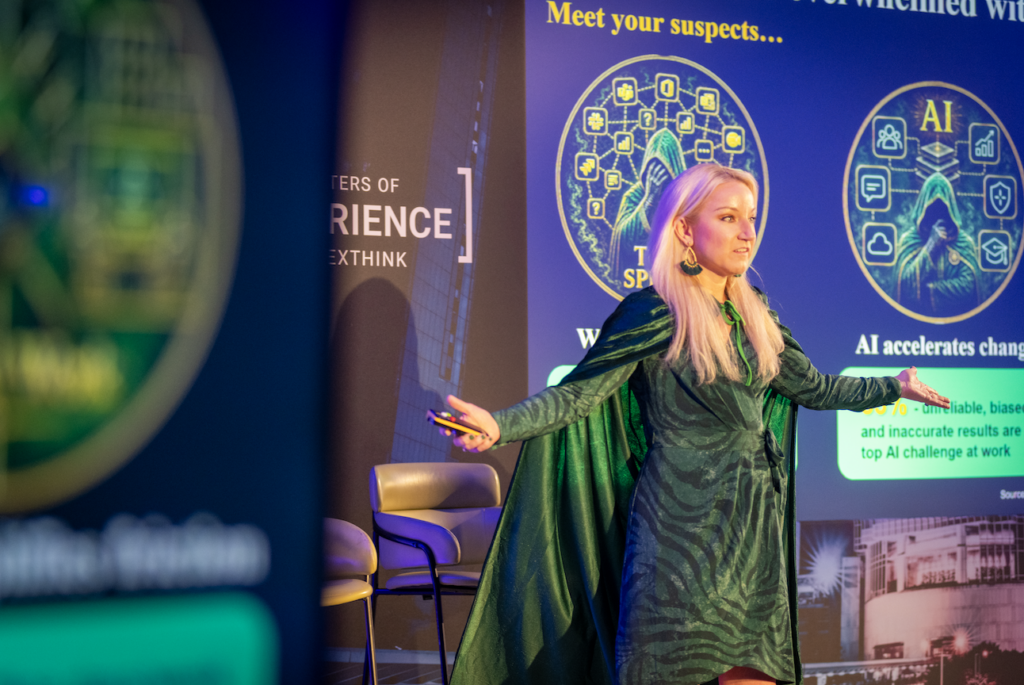
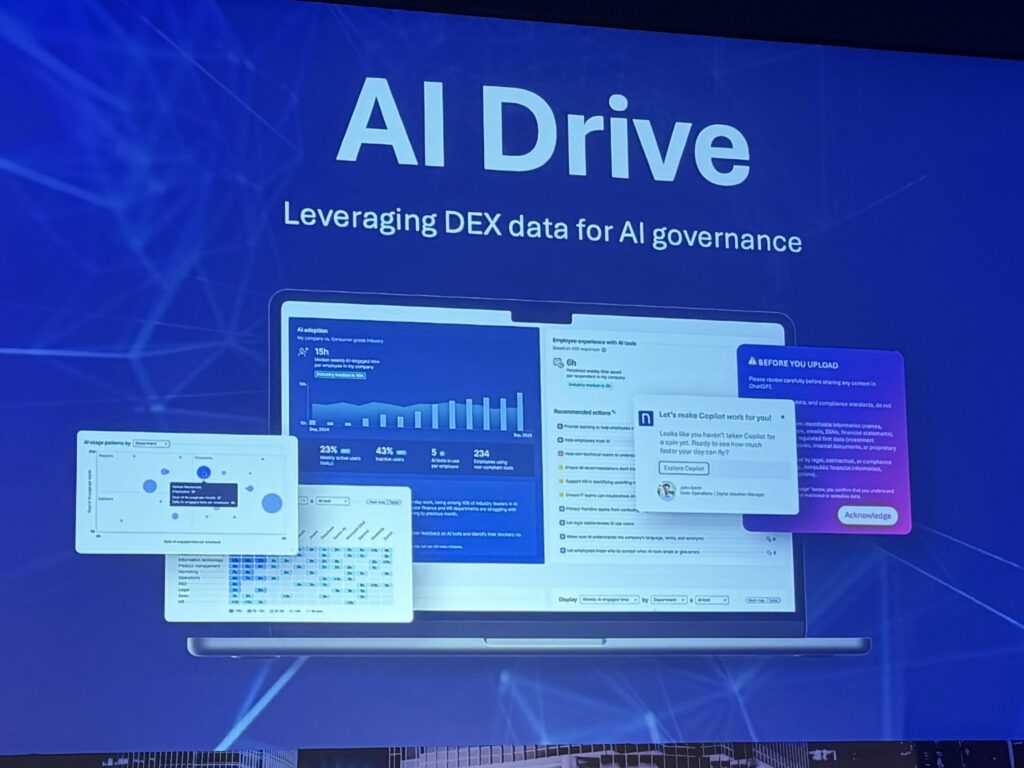
- Governance at Scale: Managing the risks of "Shadow AI" where employees experiment with unsanctioned, potentially insecure models.
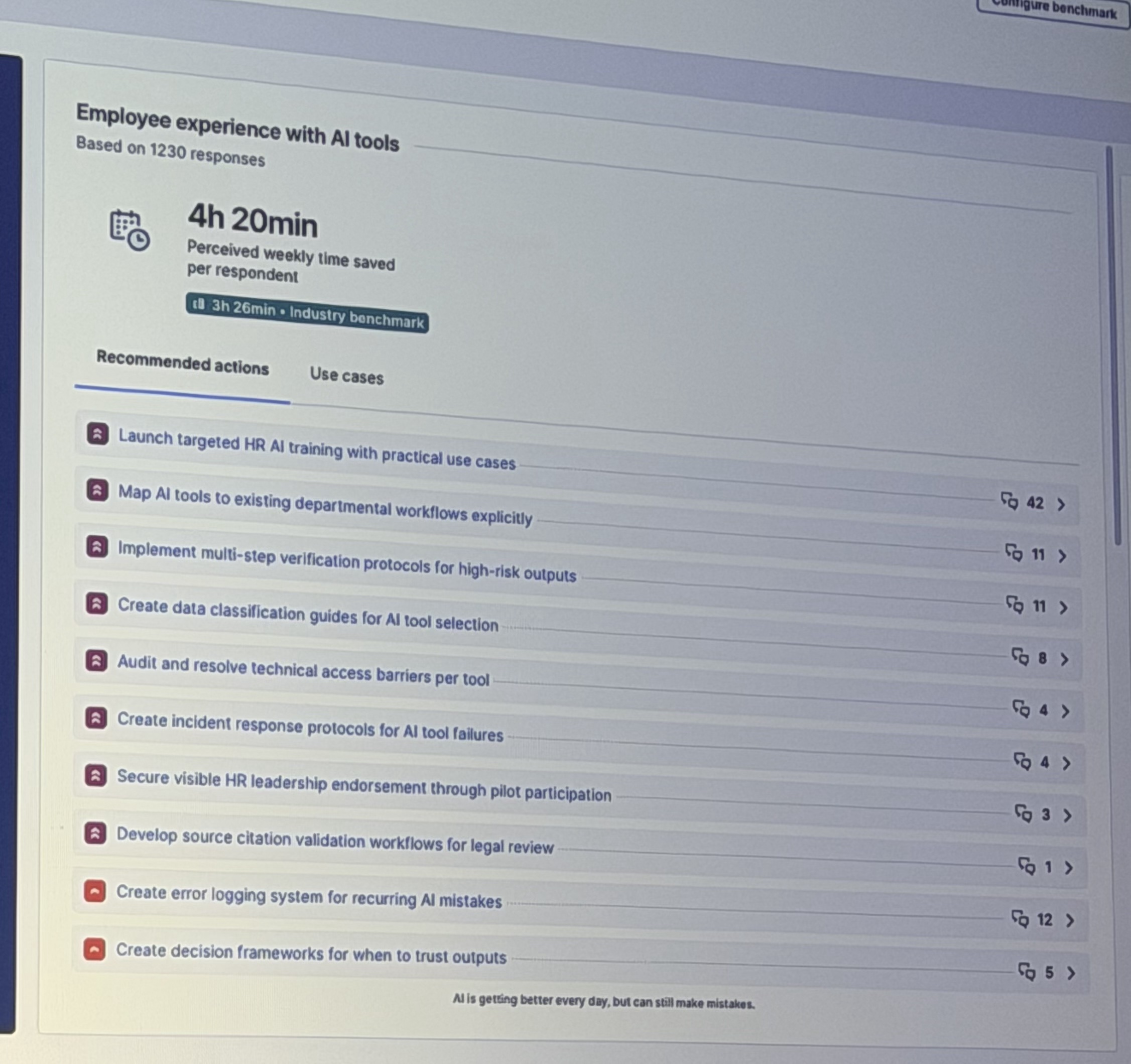
- Economic Realities: With the shift toward consumption-based AI pricing, the "buy and hope" model of software licensing is obsolete. Organizations must now prove ROI in real time.
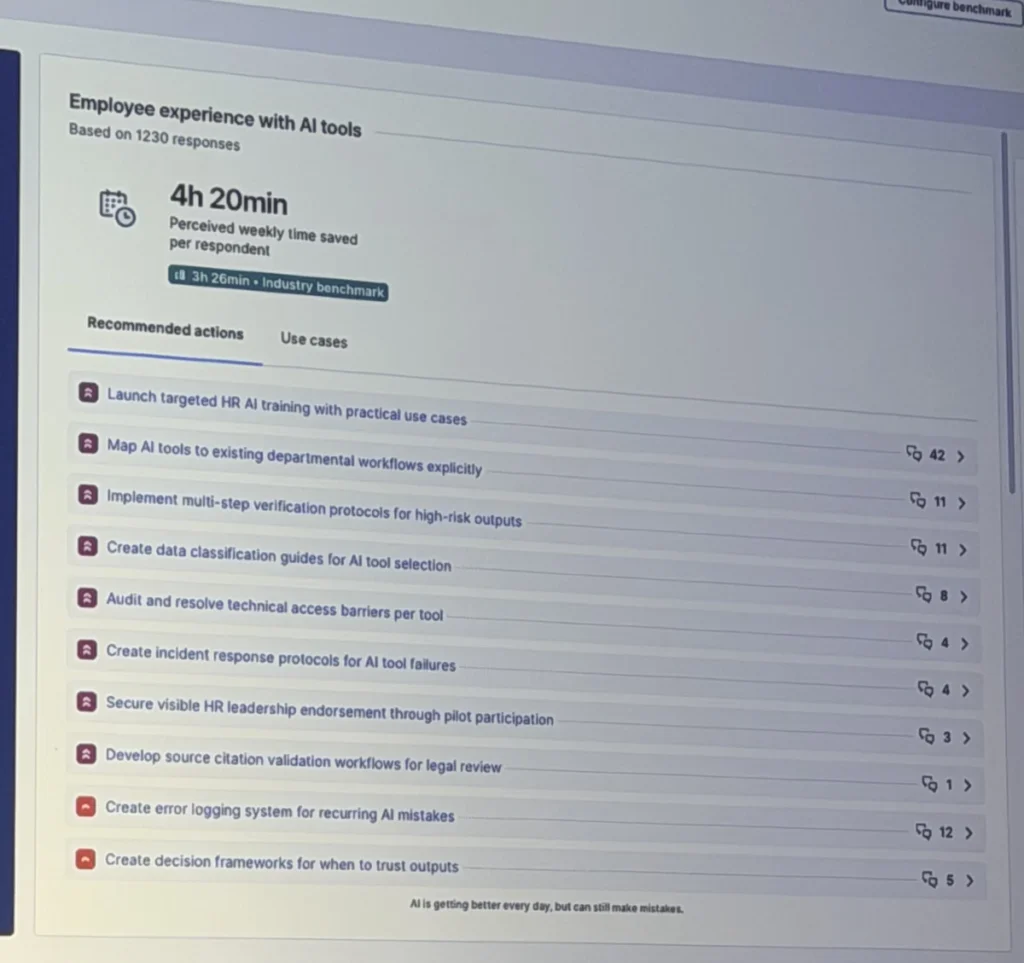
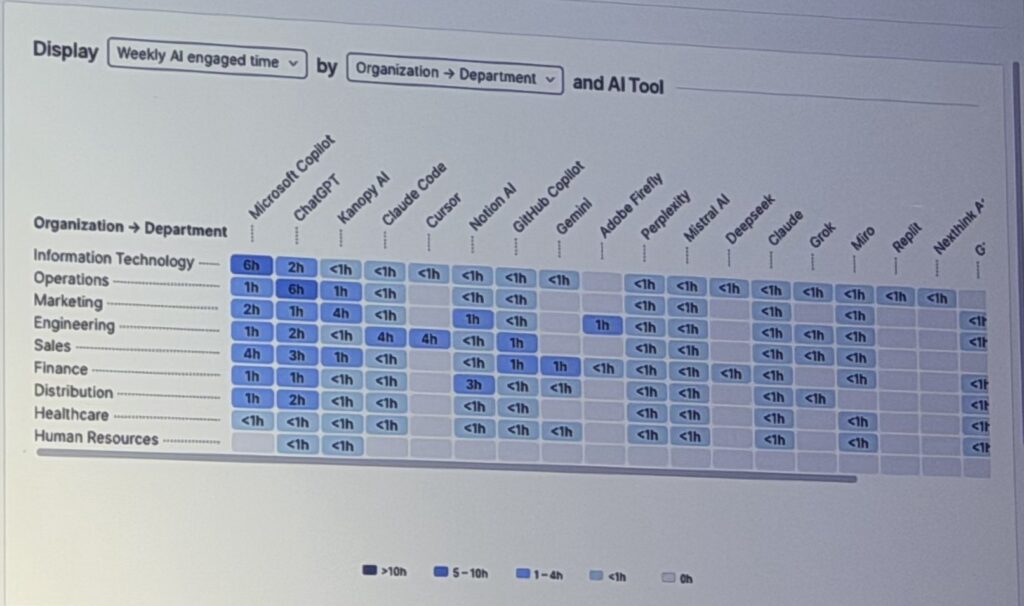
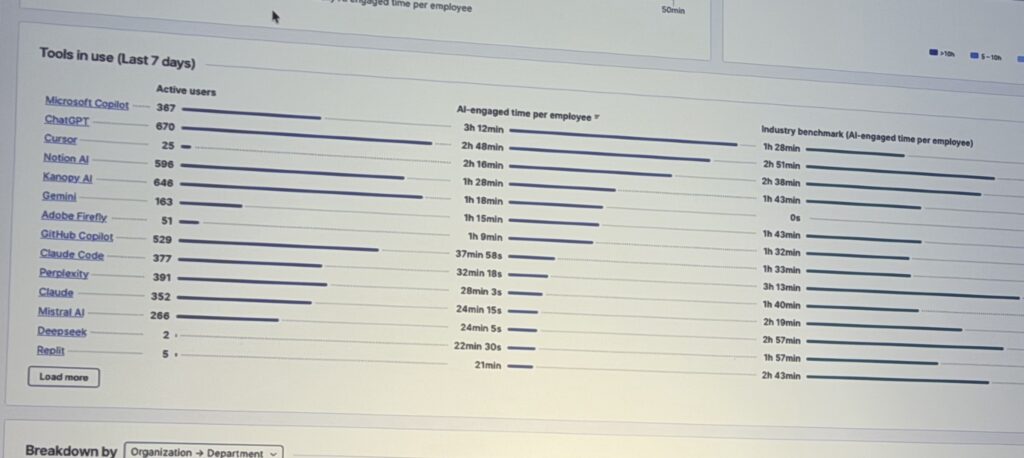
DEXM solutions, such as the newly unveiled "AI Drive" capabilities, are being retrofitted to bridge this gap. By providing granular visibility into how employees interact with AI tools, these platforms allow organizations to identify which AI use cases are delivering actual business value and which are merely adding noise to the digital environment.
Chronology of a Shift: From Troubleshooting to Strategy
To understand the current maturity of the DEX landscape, one must look at the progression of the last few years.
- Phase 1: The Reactive Era (Diagnostic). IT teams focused on identifying why a laptop was slow or why an application crashed. The primary metric was "Mean Time to Repair" (MTTR).
- Phase 2: The Proactive Era (Automation). Tools began to introduce self-healing scripts. If a service failed, the system would restart it before the user even noticed.
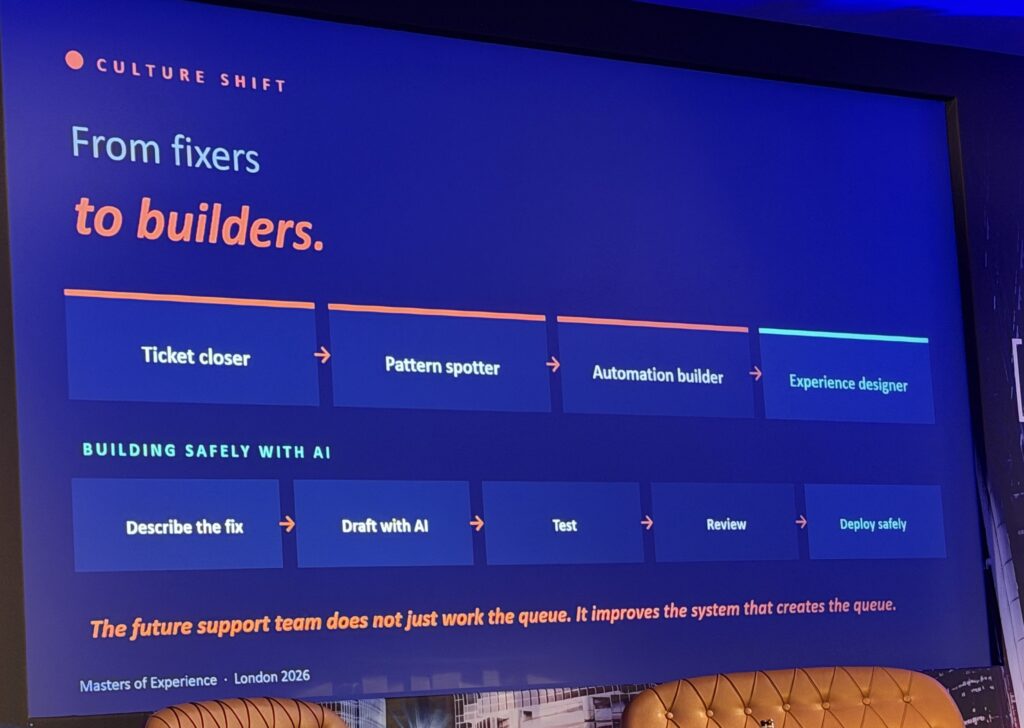
- Phase 3: The Experience-Led Era (Strategic). As seen at Masters of Experience, the current phase is characterized by "Experience Builders." IT teams are no longer just fixing tech; they are analyzing behavioral patterns to optimize the employee journey.
This evolution was highlighted by several speakers, including representatives from LexisNexis UK, who presented a roadmap for transforming the service desk. By automating routine support tasks, their IT department effectively "bought back" the capacity to focus on high-level experience design.
Supporting Data: Why "Service Desk as a Product" Matters
The data presented at the conference suggests that the most successful organizations are those that treat their service desk not as a cost center, but as a product team.
According to research from Forrester, the traditional "ticket-closing" metric is increasingly irrelevant. Instead, high-performing IT organizations are optimizing for:
- Uninterrupted Work Time: Measuring the prevention of friction rather than the speed of incident resolution.
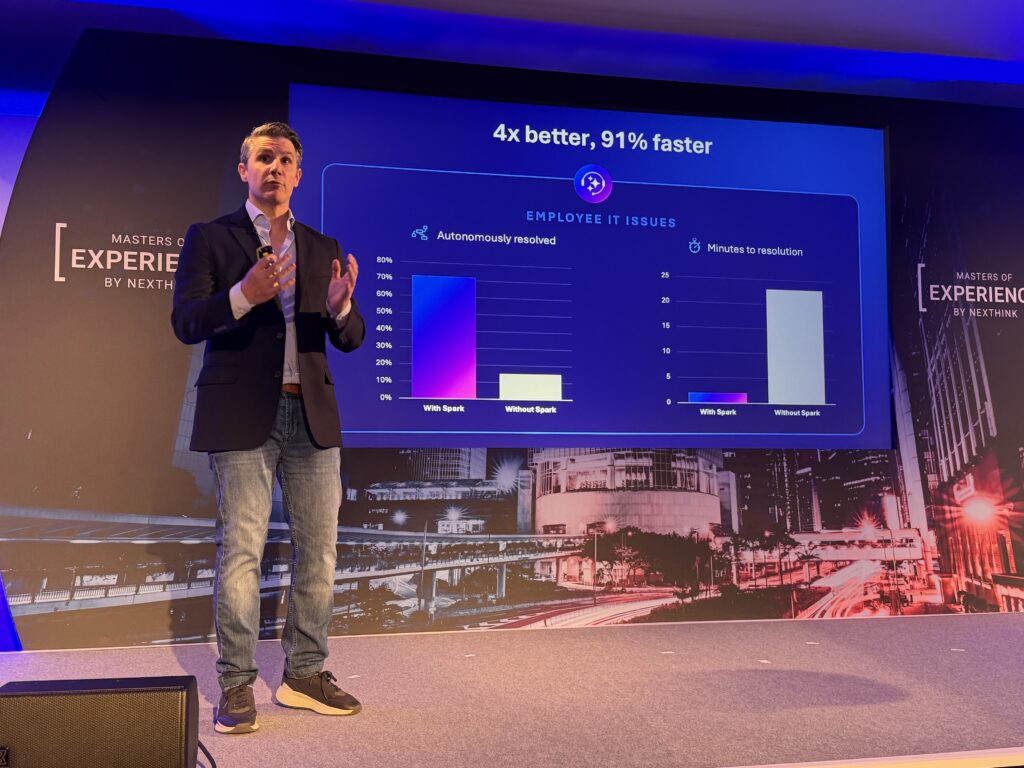
- Self-Healing Success Rates: The percentage of issues resolved without human intervention.
- AI Adoption Velocity: The speed at which employees move from onboarding to consistent, productive usage of new AI features.
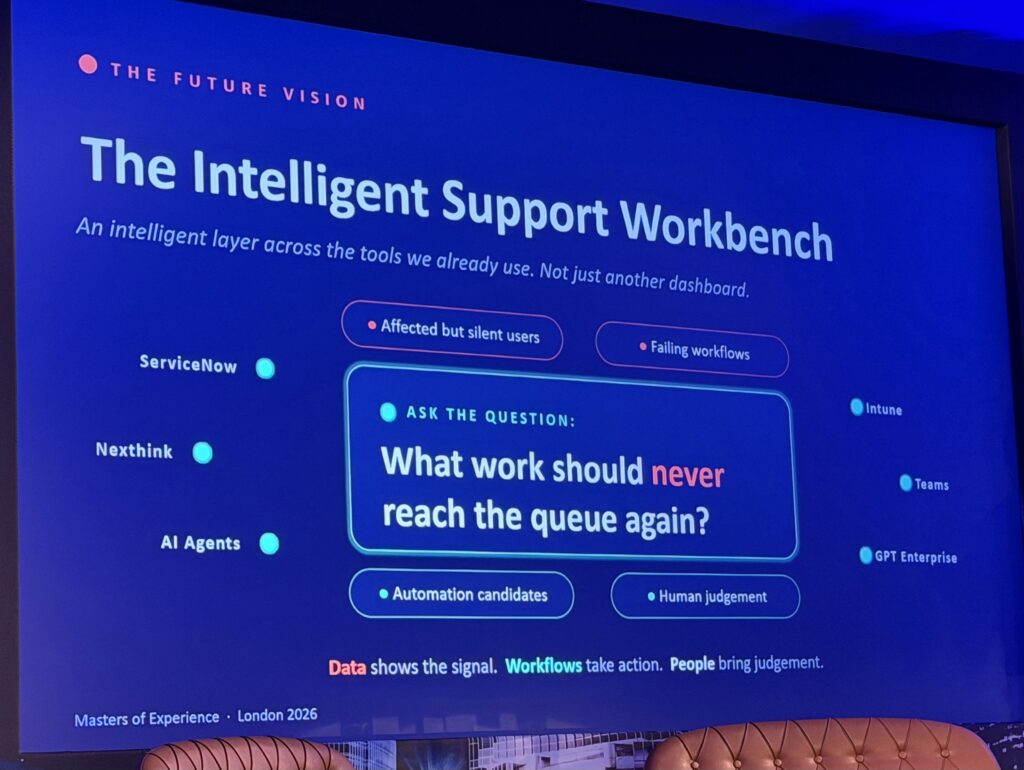
These metrics represent a fundamental shift in value proposition. When an organization moves toward a "Service Desk as a Product" model, it creates a feedback loop. Insights gathered from DEXM tools feed into a continuous improvement backlog, where IT teams address systemic issues—such as faulty software configurations or bandwidth bottlenecks—before they ever reach the end user.
Official Perspectives and Industry Insights
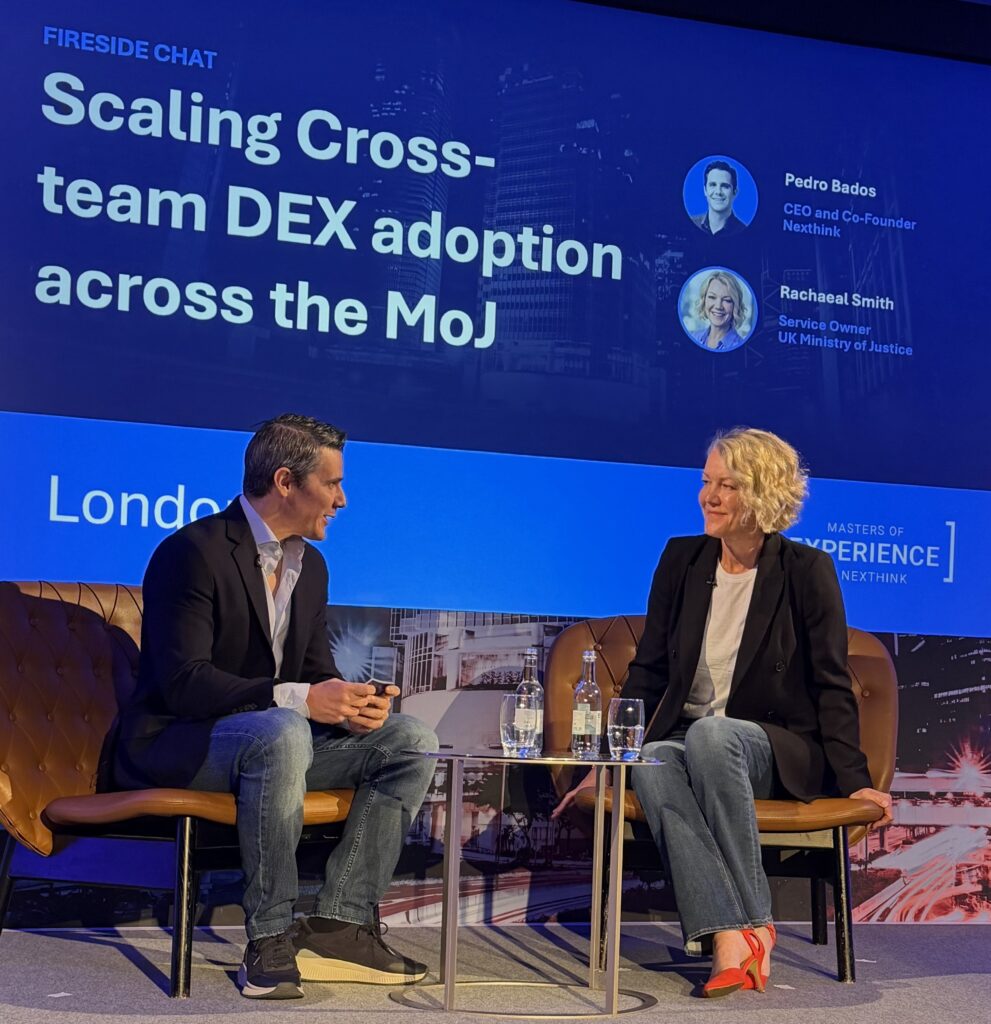
During a fireside chat, Nexthink CEO Pedro Bados and the UK Ministry of Justice’s Service Owner, Rachael Smith, discussed the necessity of breaking down organizational silos.
"DEXM is no longer an IT-only discipline," Smith noted. "It is a shared capability." When HR, IT, and Facilities management share a single, unified view of the digital employee experience, the result is a cohesive environment where technology supports the culture, rather than hindering it.
This aligns perfectly with the "DEXOps" model advocated by industry analysts. Just as DevOps revolutionized software development by aligning development and operations, DEXOps aligns IT, HR, and Business Units to ensure that every digital touchpoint is optimized for human performance.
Implications for the Future
The implications of this shift are wide-reaching. For the IT leader, the mandate is clear:
1. The Rise of Cross-Functional Accountability
The most mature organizations are opening their DEXM platforms to non-IT stakeholders. HR teams are using experience data to understand employee burnout caused by software fatigue; Business Unit leaders are using usage data to justify (or eliminate) software investments.
2. The Diversity of the Discipline
A significant highlight of the London event was the "Women in DEX" breakfast, an initiative founded by Laura Reeves. The event underscored that the field of Digital Employee Experience is not merely a technical one. Because DEX encompasses the intersection of psychology, culture, process, and engineering, the most effective teams are those with the most diverse backgrounds. As the discipline continues to professionalize, this diversity of thought will remain its most significant competitive advantage.
3. The End of "Tool-Centric" Thinking
The most vital takeaway from the Masters of Experience event is that DEXM is moving beyond its original purpose. It is no longer about the health of the hardware; it is about the health of the business.
Organizations that continue to view their DEXM solutions solely as "monitoring tools" will find themselves falling behind. Those that view them as "work optimization platforms" are already gaining a massive advantage in productivity, employee retention, and AI ROI.
Conclusion: The Path Forward
The message from London is one of urgency and opportunity. The digital workplace is becoming more complex, yet the tools to manage that complexity are becoming more intuitive and powerful.
For those looking to define the next phase of their IT strategy, the advice is consistent:
- Assess your maturity: Move beyond basic monitoring.
- Identify cross-functional use cases: Find one area where IT data can help solve a business problem (e.g., measuring the impact of a new collaboration tool on remote worker engagement).
- Build an experience-led culture: Stop measuring tickets and start measuring outcomes.
As we look toward the future of the digital enterprise, it is clear that the leaders who win will be those who stop managing technology and start enabling people. The era of the "Experience Builder" has arrived, and it is here to stay.
