
The Art of the Hook: Mastering the 11 Strategies for Irresistible Blog Openings
In the digital age, content is infinite, but attention is the rarest commodity. Every day, millions of blog posts are published, yet only a fraction capture the sustained interest of their target audience. The difference between a post that is skimmed and discarded and one that is devoured often boils down to a single, critical element: the opening line.
Much like a first impression in a personal encounter, the introduction to a blog post serves as the gatekeeper of engagement. If the title is the bait that brings the reader to your digital doorstep, the opening line is the handshake that invites them inside. Mastering the craft of the "hook" is not merely a stylistic choice; it is a fundamental pillar of successful digital communication.
The Anatomy of Engagement: Why the Opener Matters
To understand the weight of an opening line, one must look at the user journey. A reader finds your headline, clicks, and lands on your page. They have approximately three to five seconds to decide if your content warrants their time.
If your opening is generic, overly formal, or disconnected from the promise made in your title, the "bounce rate"—the percentage of visitors who leave after viewing only one page—will spike. Conversely, a well-crafted opening line acts as a bridge, pulling the reader from the passive state of "clicking" into the active state of "consuming."
11 Proven Strategies for Captivating Your Audience
Drawing from years of professional blogging experience, we have identified 11 distinct strategies that transform standard introductions into compelling narratives.
1. Identifying the Reader’s Core Need
The most effective way to guarantee engagement is to address the "pain point" immediately. By identifying a specific problem or a burning question your reader is facing, you demonstrate empathy and competence. You don’t need to solve the issue in the first sentence; you simply need to signal that you understand the reader’s struggle and that the solution is forthcoming.
2. The Power of the "Yes" Question
Copywriters have long utilized the "Yes" technique to build psychological momentum. By posing a question that is virtually impossible for your target audience to answer with anything other than a "yes," you create a subconscious agreement between writer and reader. Once a reader has mentally agreed with you, they are significantly more likely to continue reading to see how you expand on that shared reality.
3. Posing the Intriguing Inquiry
While the "Yes" question builds rapport, the "Intriguing Question" builds curiosity. This is the "gap" method—introducing a piece of information that the reader currently lacks. By framing your post around a mystery, a counter-intuitive observation, or a challenging scenario, you create a "curiosity gap" that only reading the rest of the article can fill.
4. The Art of the Surprise
Routine breeds boredom. If your readers expect a standard, dry introduction, surprise them with an anecdote or a fact that feels slightly "off-topic" at first glance. Whether it’s a humorous story about a mistaken name or an unconventional observation about your daily life, these personal touches break the pattern of the reader’s digital consumption, forcing them to re-engage with your content on a human level.
5. Storytelling and Analogies
Human beings are wired for stories. An abstract concept or a technical tutorial can feel daunting, but a brief, relatable anecdote or a well-placed analogy makes the content accessible. By switching from a formal, instructive tone to a narrative one for your opening, you disarm the reader and create a more intimate connection.
6. The Bold Claim
In a crowded marketplace, confidence is a differentiator. A bold claim—a promise of a specific result or a strong opinion—tells the reader exactly what to expect. This is a high-stakes strategy; it demands that you deliver on your promise later in the post. When executed correctly, however, it establishes your authority and provides a clear incentive for the reader to invest their time.
7. Stirring the Pot: The Role of Controversy
Controversy, when used judiciously, is a powerful tool for engagement. By challenging a common industry belief or taking a firm stance on a polarizing topic, you invite the reader to compare their own views against yours. This doesn’t just drive readership; it often drives community participation through comments and social sharing.
8. Painting a Vivid Picture
Visualization is a powerful psychological trigger. By asking your reader to imagine a specific scenario—whether it’s the joy of a goal achieved or the frustration of a common mistake—you engage their senses. This sensory immersion makes the content feel "real," moving it from a theoretical discussion to a lived experience.
9. Leveraging Startling Statistics
Data is the currency of credibility. A shocking statistic—such as "Only 1% of visitors convert on their first visit"—can immediately ground your post in reality. Statistics provide an objective reason for the reader to be concerned or interested, acting as a wake-up call that necessitates further reading.
10. The Weight of Authority: Using Quotes
Sometimes, the best way to open a post is to let an expert speak for you. A carefully selected, powerful quote from a historical figure, a thought leader, or even a relevant pop-culture source can lend instant gravitas to your writing. It provides a frame of reference that resonates with your readers before you have even introduced your own thesis.
11. The Visual Hook
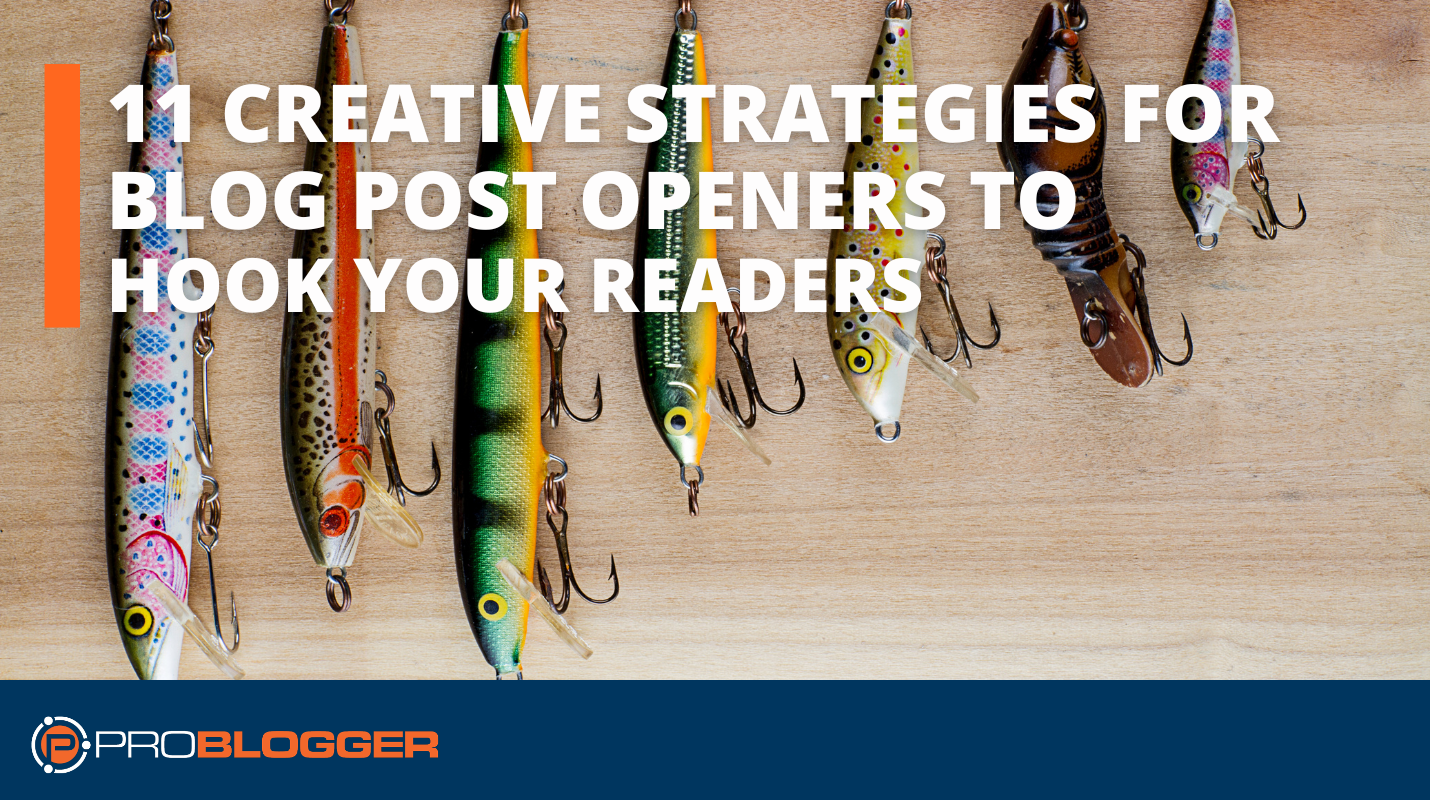
In an increasingly visual web environment, the first image a reader sees is often just as important as the first sentence. A striking, high-quality image that complements your topic can act as a visual siren, drawing the reader in before they even process the text. For many users, the image is the initial point of contact, and a strong visual can significantly increase the likelihood of the text being read.
Chronology and Evolution of the "Hook"
Historically, the importance of the lead paragraph was confined to print journalism—the "inverted pyramid" style of reporting meant that the most vital information had to be front-loaded. In the blogging era, this has evolved. It is no longer just about information; it is about engagement.
The evolution of the blog opener has shifted from the "summary" model to the "invitational" model. Today, the most successful bloggers use the first few lines to build a relationship rather than just delivering a summary of the facts.
Supporting Data: The Impact of Engagement
Research into user behavior consistently shows that the first 50 words of a blog post determine the majority of reading time. Studies suggest that posts with strong, hook-driven openings see a 30% to 40% increase in time-on-page compared to those that start with a standard "In this post, we will look at…" introduction. This data suggests that the reader’s decision to stay is almost entirely contingent on the perceived value offered in the first few seconds.
Official Perspectives: Industry Best Practices
Leading content marketing experts emphasize that the "hook" is not an afterthought. It is a strategic asset. "You are not just writing a post; you are competing with every other notification on the reader’s phone," says one industry analyst. "If you don’t earn the right to their attention in the first three lines, you have lost the war."
The consensus among successful digital publishers is clear: invest as much time in your opening lines as you do in your research and drafting.
Implications for Future Content Creation
The implications of these strategies are profound for anyone looking to build an audience. As digital noise continues to grow, the ability to craft compelling, engaging, and human-centric opening lines will become the primary competitive advantage for bloggers and content creators.
Ultimately, these 11 strategies are not rigid rules; they are tools in a creative arsenal. The most effective bloggers will mix, match, and experiment with these techniques, keeping their style fresh and their readers curious. Whether you choose to open with a startling statistic or a deeply personal story, remember the goal: to guide your reader effortlessly from the headline to the conclusion. By mastering the art of the opening, you ensure that your message is not just published, but truly heard.
