

The Digital Toybox: Exploring the Frontiers of AI-Generated Collectibles
Introduction: A New Medium for Memories
In the rapidly evolving landscape of generative artificial intelligence, users are finding novel ways to translate digital prompts into tangible-looking art. Mike, a dedicated blogger and enthusiast, has embarked on an ambitious project: transforming memories from the 2025 Flower Power Cruise into a series of bespoke "action figures." By leveraging the sophisticated image-generation capabilities of models like OpenAI’s o3 and o4-mini, he has created a digital gallery that blurs the line between reality, nostalgia, and machine-generated fantasy.
This article explores the technical challenges, the creative process, and the phenomenon of "AI hallucination" that defines this new artistic frontier. Whether it is capturing the likeness of a friend or recreating the iconic vibe of 1960s surf rock, these AI-generated collectibles offer a fascinating window into how humans and machines collaborate to preserve personal history.
The Genesis of a Digital Hobby
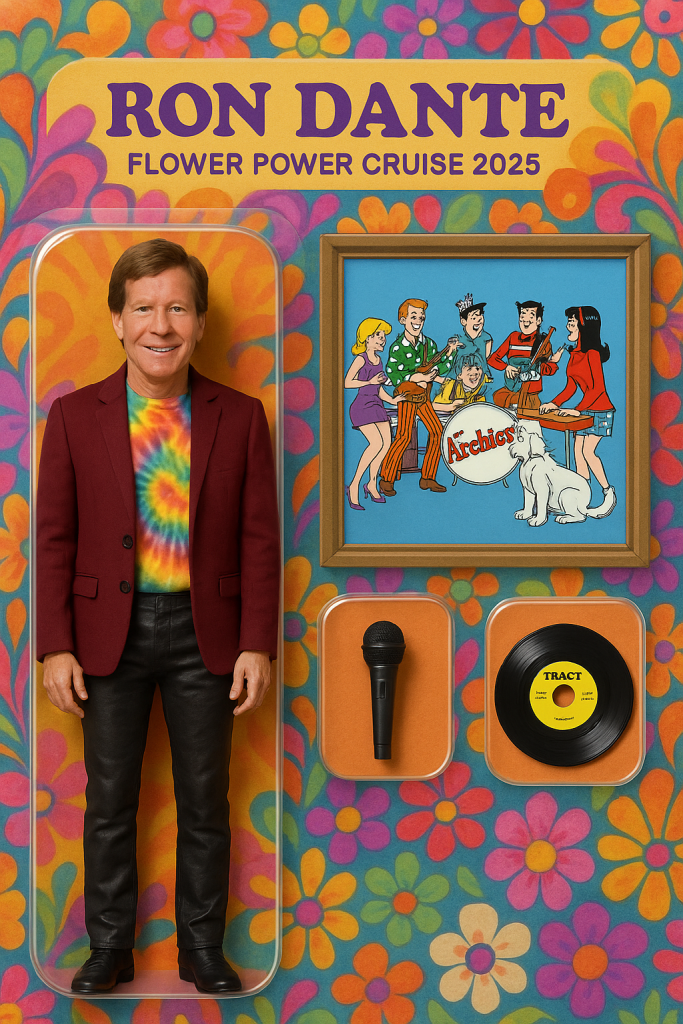
The project began as a personal memento following the 2025 Flower Power Cruise—a seven-day voyage departing from Fort Lauderdale with iconic stops in Falmouth, Jamaica, and the Cayman Islands. The cruise served as a cultural time capsule, featuring legendary performances from bands such as The Cowsills, Jay and the Americans, Ron Dante, and Jefferson Starship.
Inspired by the camaraderie of the trip, Mike began using ChatGPT to generate "action figure" mockups of his fellow cruisers and the entertainers onboard. The goal was to place these individuals within the context of a retro-style blister pack, complete with thematic accessories. However, the path to a perfect generation was rarely straightforward.
The Technical Reality: Navigating AI Hallucinations
While the results are often impressive, the process is plagued by a phenomenon known in the industry as "hallucination." In the context of AI image generation, this occurs when the model produces incorrect information or unwanted artifacts because it lacks a true understanding of the user’s intent.
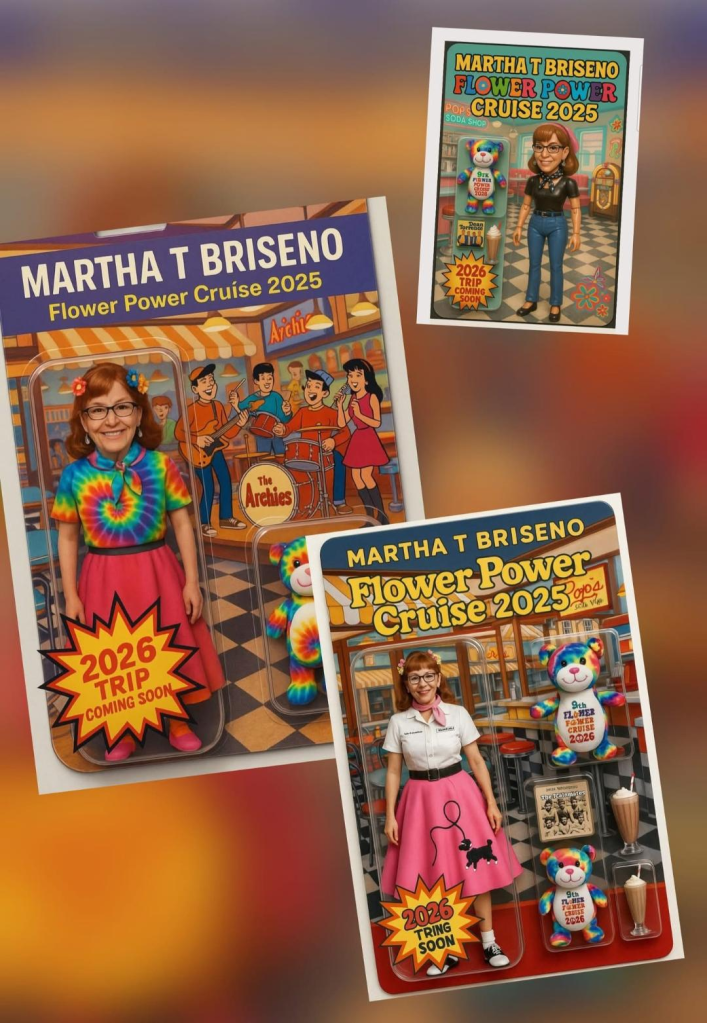
According to internal tests cited by the creator, OpenAI’s newest models—o3 and o4-mini—continue to hallucinate between 30% and 50% of the time. These errors manifest as:
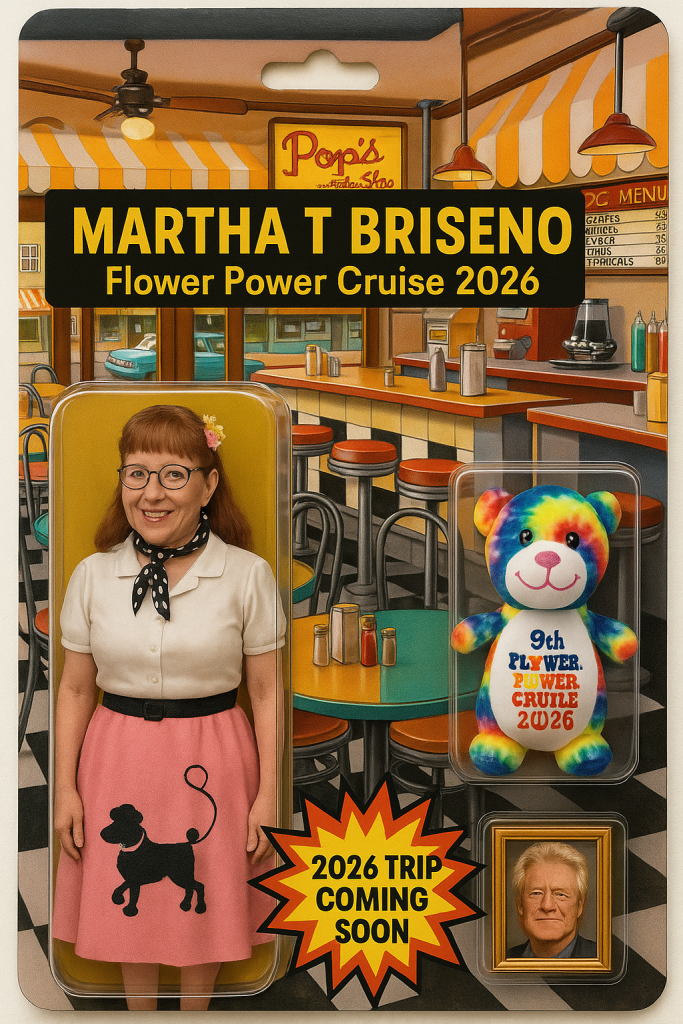
- Redundant Objects: Creating multiple instances of a single item, such as duplicate "Groovy Bears" or extra milkshakes.
- Spelling Inconsistencies: Errors in text rendering on the packaging.
- Thematic Drifts: A request for a "Soda Fountain" scene might suddenly pivot to a Grease-themed aesthetic without provocation.
"If you see a word misspelled, or multiple Groovy Bears, that is the AI hallucinating, not me," notes Mike. This admission highlights a crucial aspect of contemporary AI art: the creator acts less as a digital painter and more as a "prompt engineer" or curator, constantly filtering out the nonsensical output of the machine to reach a coherent final product.
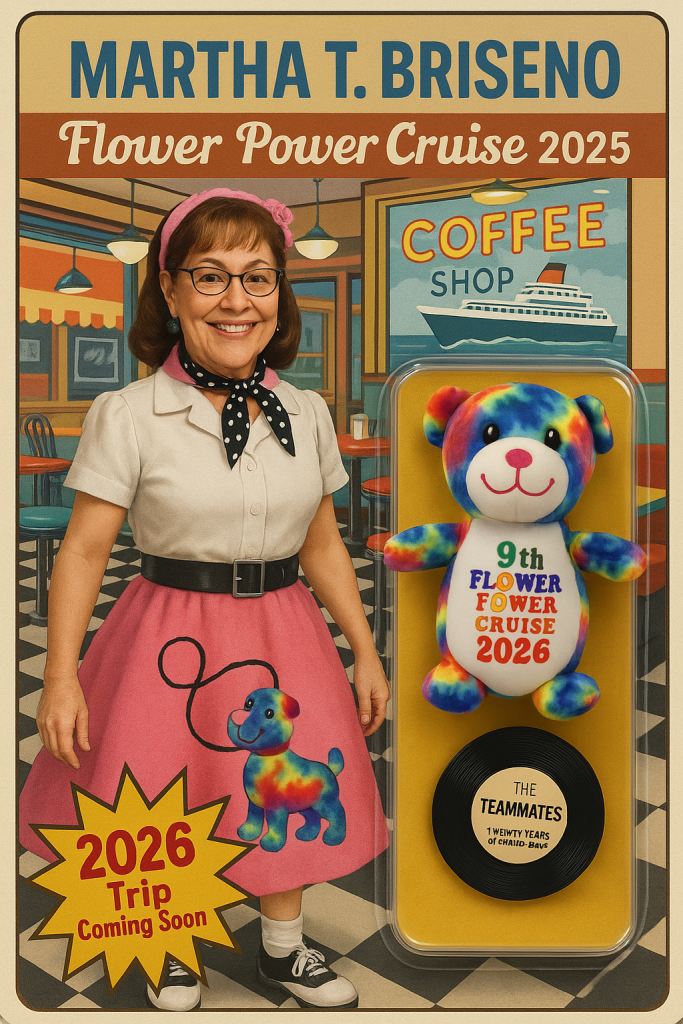
Case Study: The Evolution of "Martha"
To understand the iterative nature of this process, one must look at the creation of the "Martha T. Briseno" action figure. The initial request was simple: a figure featuring a white shirt and a pink poodle skirt.
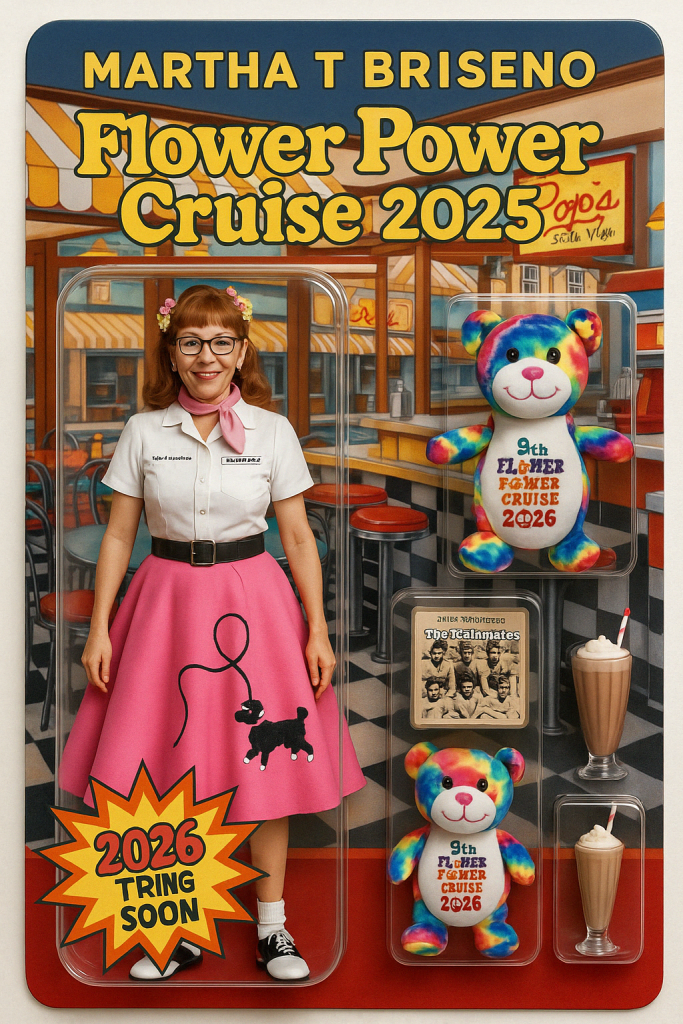
- The First Attempt: The AI struggled with proportionality and clutter, adding extraneous bears and milkshakes.
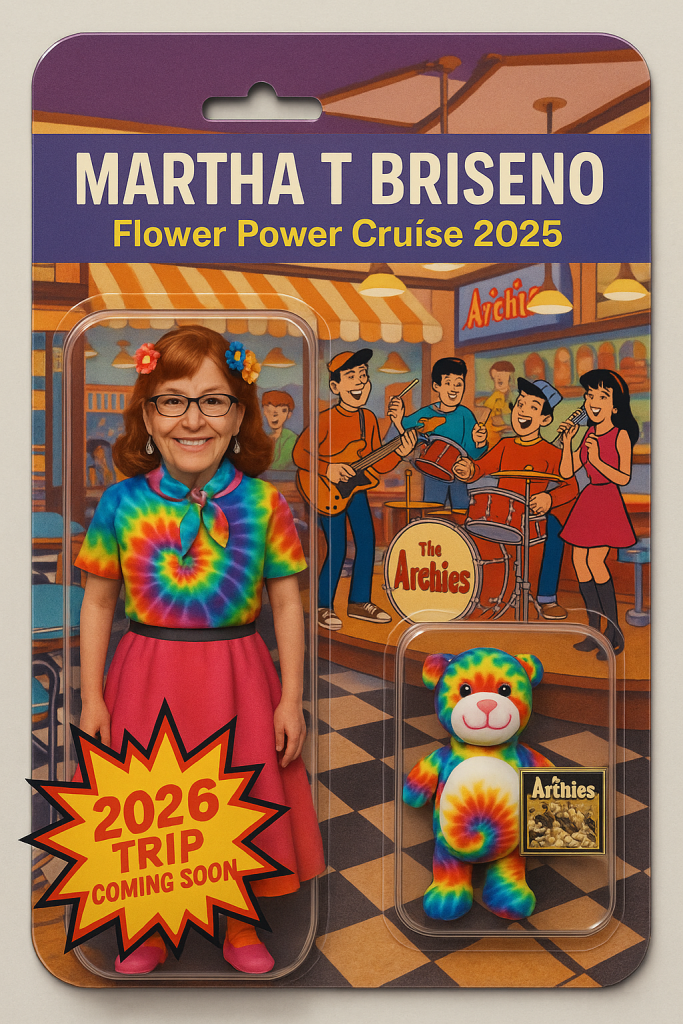
- The Second Iteration: The model attempted to incorporate background elements, accidentally pulling in "The Archies" band members—a nod to Ron Dante’s association with the group.
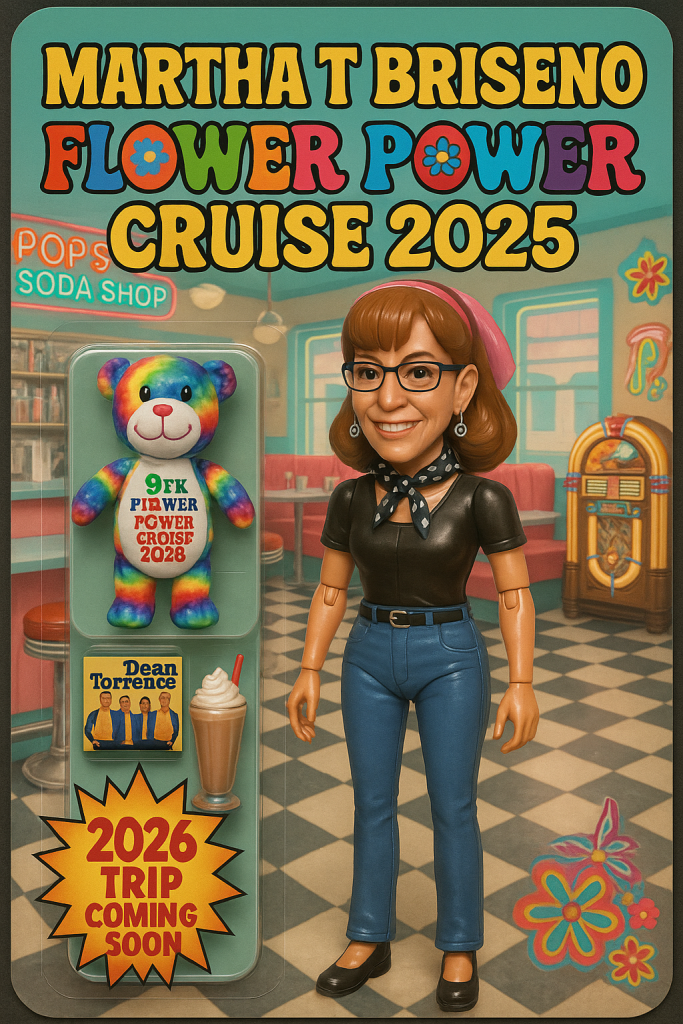
- The Third Iteration: A pivot occurred where the AI attempted to place the figure in a Grease-style setting, which the subject did not find accurate.
- The Final Version: After multiple refinements to posture, clothing, and background, the creator achieved a balance. The process underscored the necessity of being a "perfectionist" to combat the AI’s tendency to deviate from the user’s vision.
Chronology of Projects
The scope of these figures has expanded beyond cruise friends to include colleagues, family, and public figures.
Peter Noone and the "Artifact" Accessories
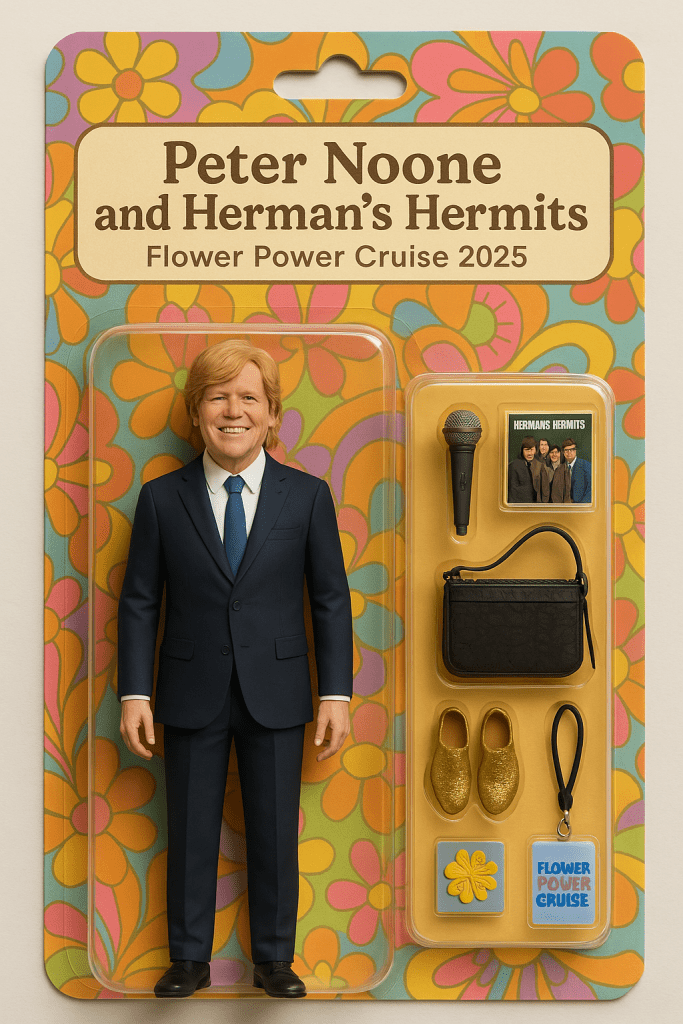
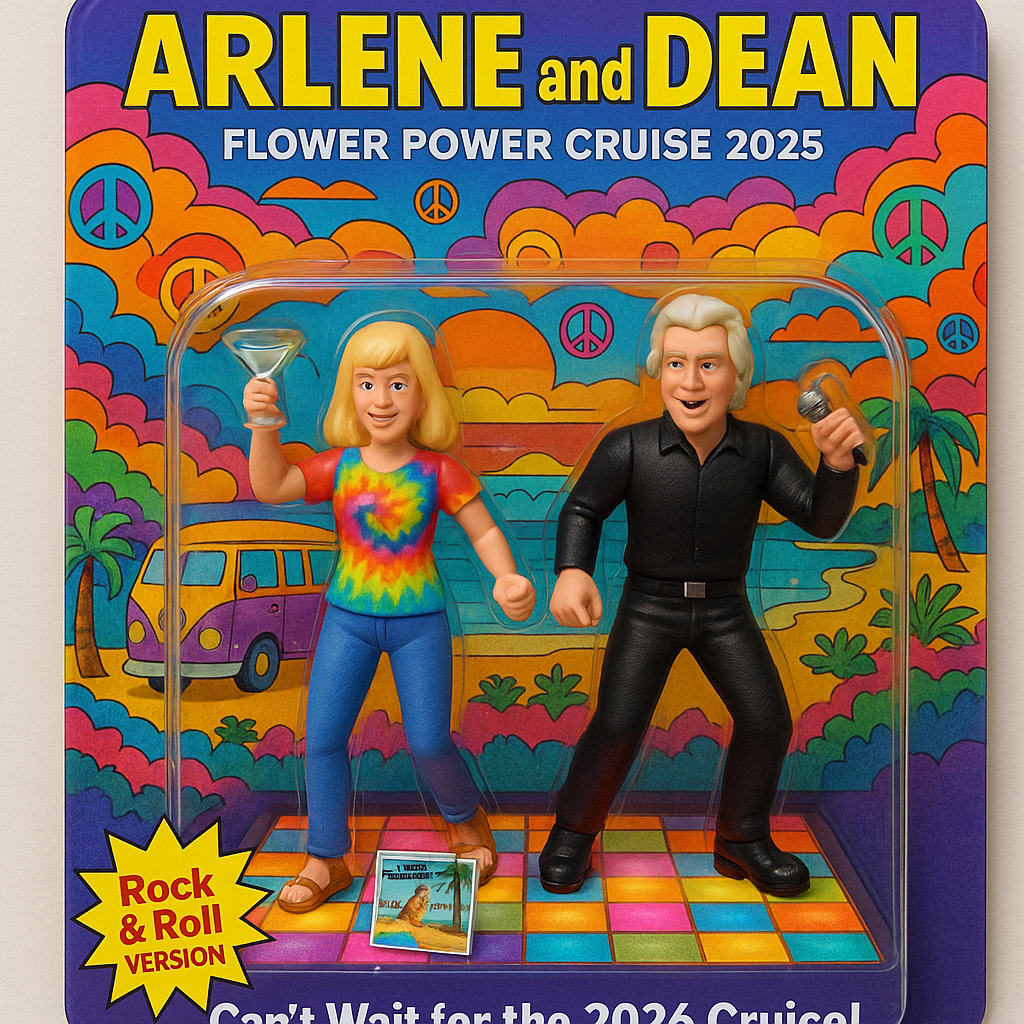
One of the most complex projects involved Peter Noone of Herman’s Hermits. During a performance, Noone famously interacted with the audience, throwing a purse and a badge onto the stage and teasing a man in gold sparkle shoes. By feeding the AI specific photos of these items alongside a headshot of Noone, the creator was able to produce a figure that included these "true-life artifacts" as accessories—a level of personalization that traditional toys could never offer.
Historical and Cultural Documentation
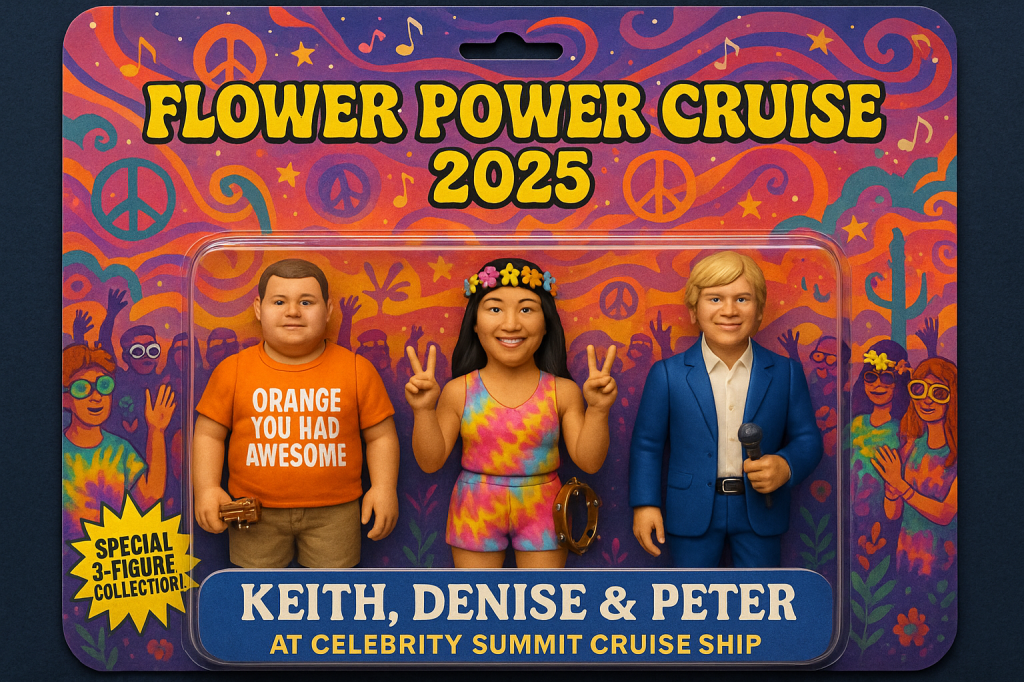
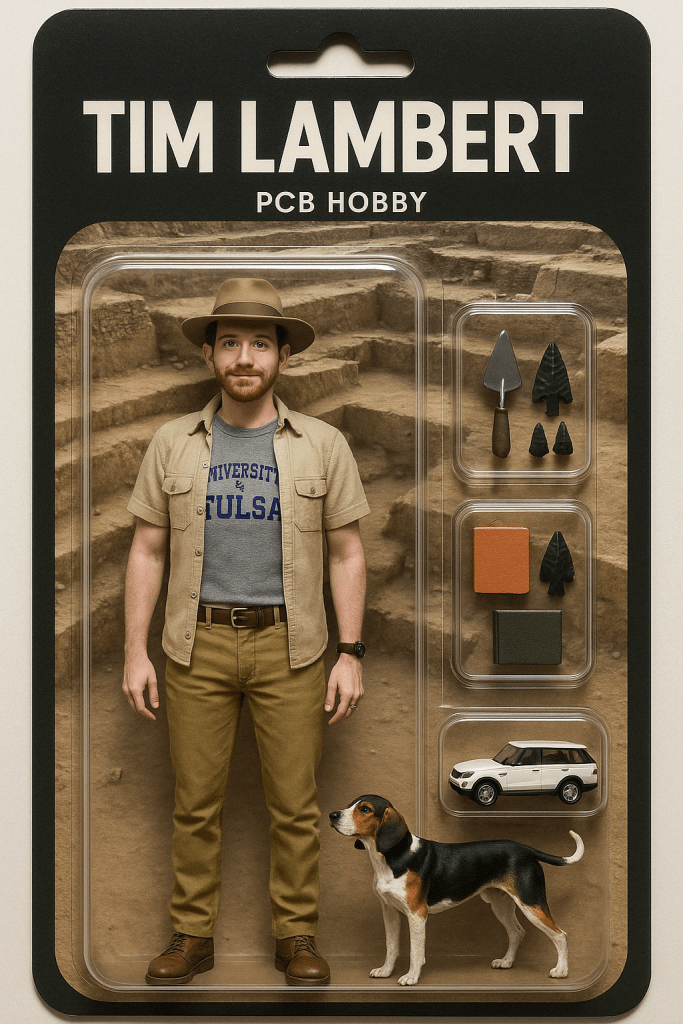
The project has even ventured into the realm of history. Dr. Neil V. Hitch, who presented an archaeological dig analysis regarding the original site of the 1969 Woodstock Festival, became the subject of an action figure. The creator combined a headshot of Dr. Hitch with photographs of the items found in the dig (such as old soda cans and sandwich wrappers) to create a set that honored the historical context of the presentation.

Supporting Data: The Impact of Repeated Generation
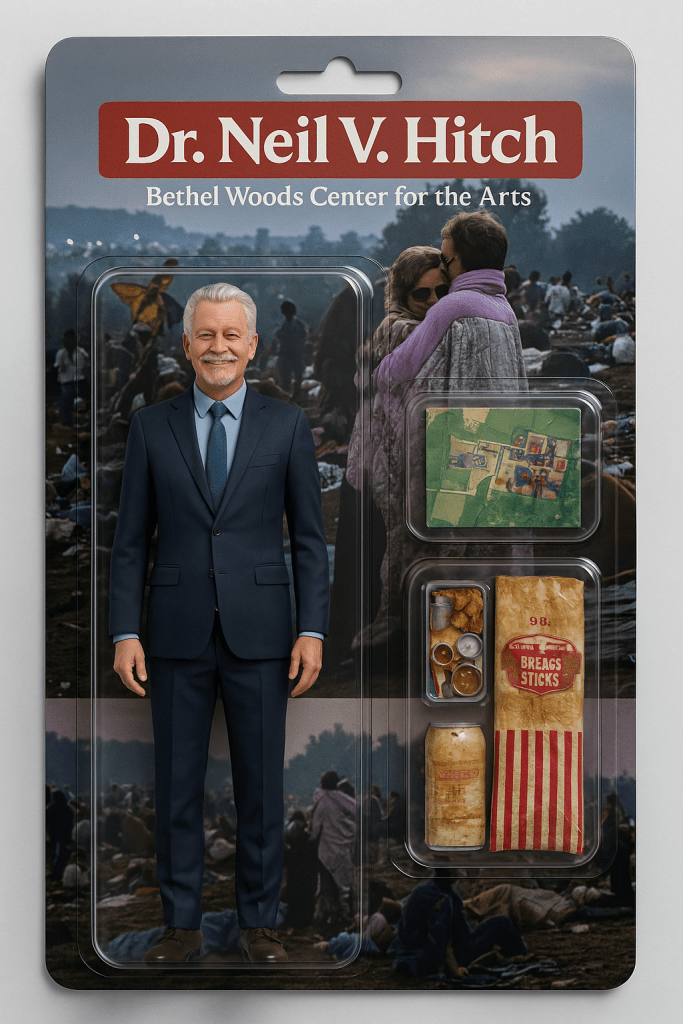
A recurring observation in the project is the "Toon Effect." When the user asks the AI to regenerate an image repeatedly, the model tends to move away from photorealism and toward a style reminiscent of the animated characters from Who Framed Roger Rabbit. This suggests that the AI, when pushed beyond its initial creative parameters, defaults to stylized, cartoonish tropes rather than maintaining the desired "action figure" aesthetic.
Furthermore, the integration of intellectual property (IP) remains a significant barrier. Attempts to generate figures of licensed characters, such as Jar Jar Binks, often result in a refusal by the system to comply with safety standards, forcing the user to settle for generic "space alien" interpretations.
Official Perspectives and Implications
The use of AI to create "personalized collectibles" raises several questions about the future of digital art and memory preservation.
The Human-in-the-Loop
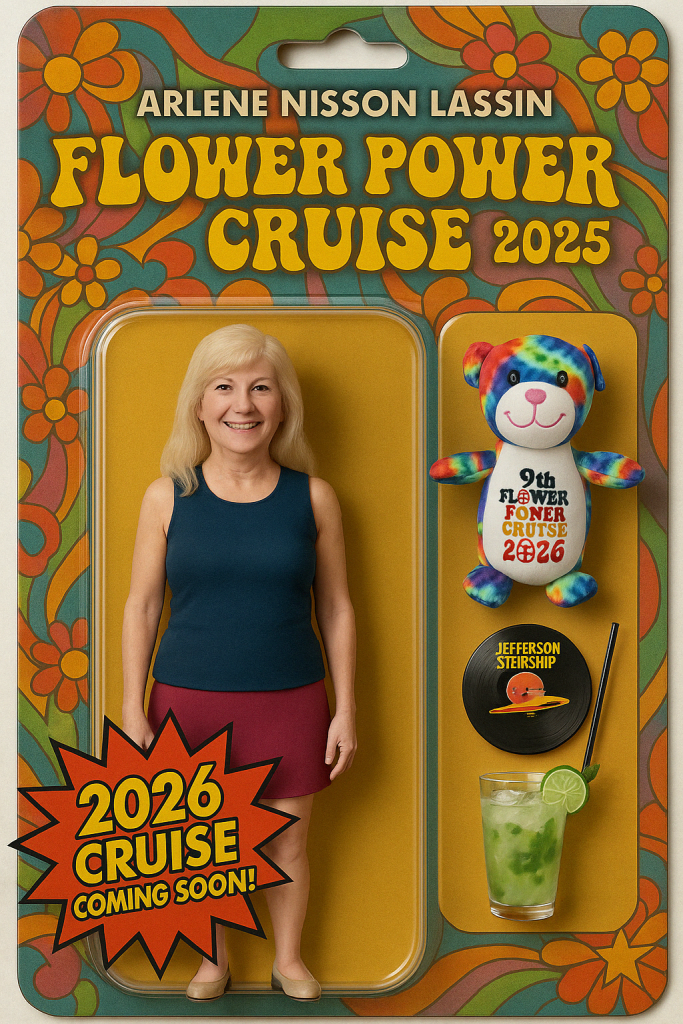
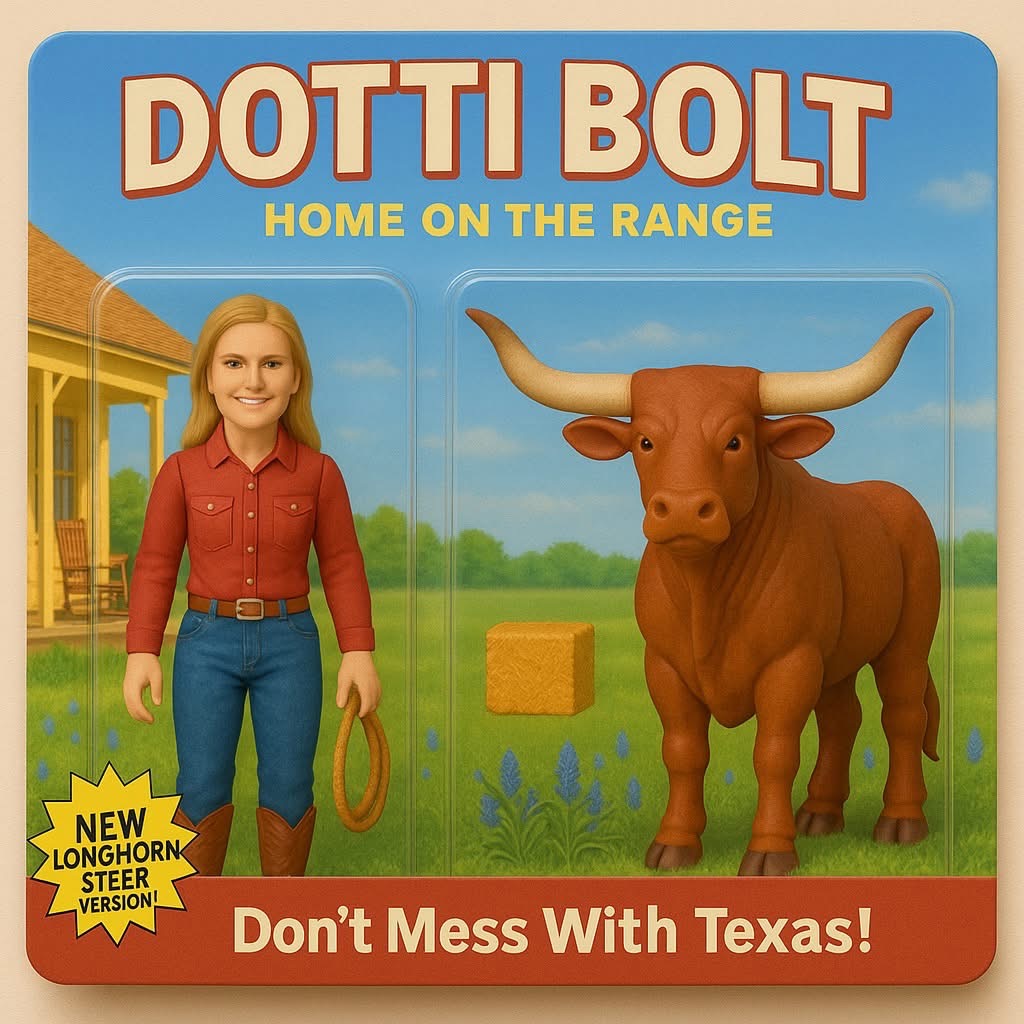
The success of these figures relies entirely on the "Human-in-the-Loop" (HITL) model. Without the user’s intervention—correcting for the missing front tooth in the grandson’s figure or adding a weathered cowboy hat to the VP’s avatar—the AI would produce generic, often inaccurate representations. This suggests that while AI lowers the barrier to entry for creative projects, it does not replace the need for human oversight, taste, and intent.
Ethical and Intellectual Property Concerns
As seen in the case of the Jar Jar Binks request, AI models are increasingly constrained by corporate IP protections. While individual users might enjoy creating personalized figures for friends, the potential for commercializing these AI-generated goods remains a legal gray area. Companies like Disney and Lucasfilm protect their assets rigorously, and as these models gain more access to training data, the boundary between "fan art" and "copyright infringement" will continue to be litigated in the court of public and legal opinion.
Looking Ahead: The Future of the Digital Collection
The creator plans to continue expanding the gallery, with upcoming projects including more complex two-pack figures and even more challenging character designs. As OpenAI continues to update its models, the hope is that the rate of hallucination will decrease, allowing for more precise control over the final output.
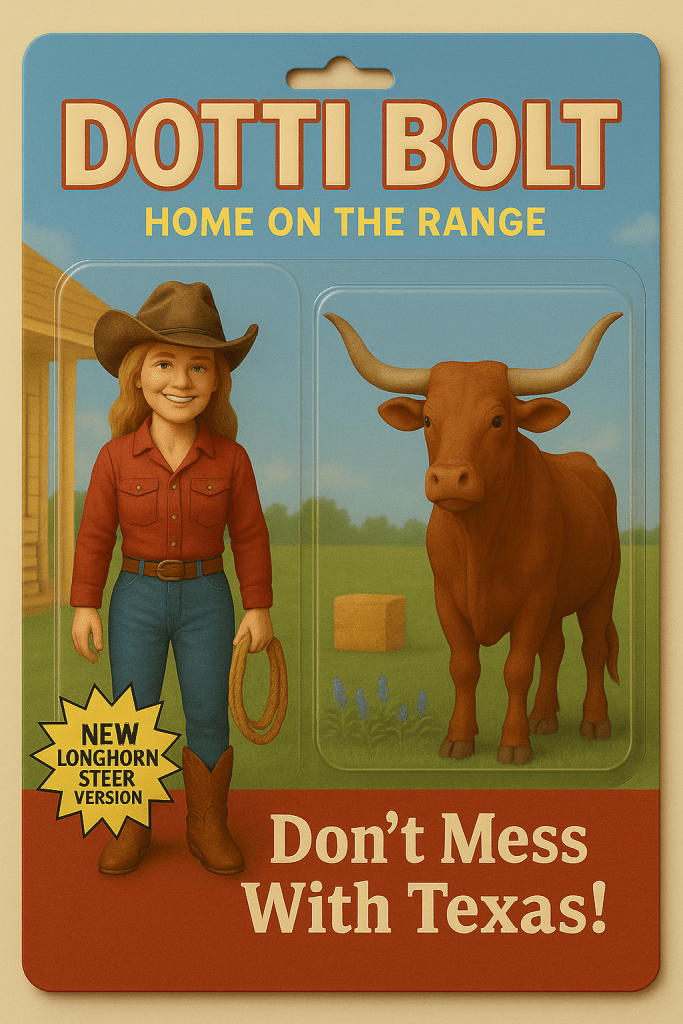
For now, these action figures serve as a bridge between the physical cruise experience and the digital future. They are not merely pictures; they are collaborative efforts that prove that even in a world of high-tech algorithms, the human desire to tell stories and preserve memories remains the primary driver of innovation.
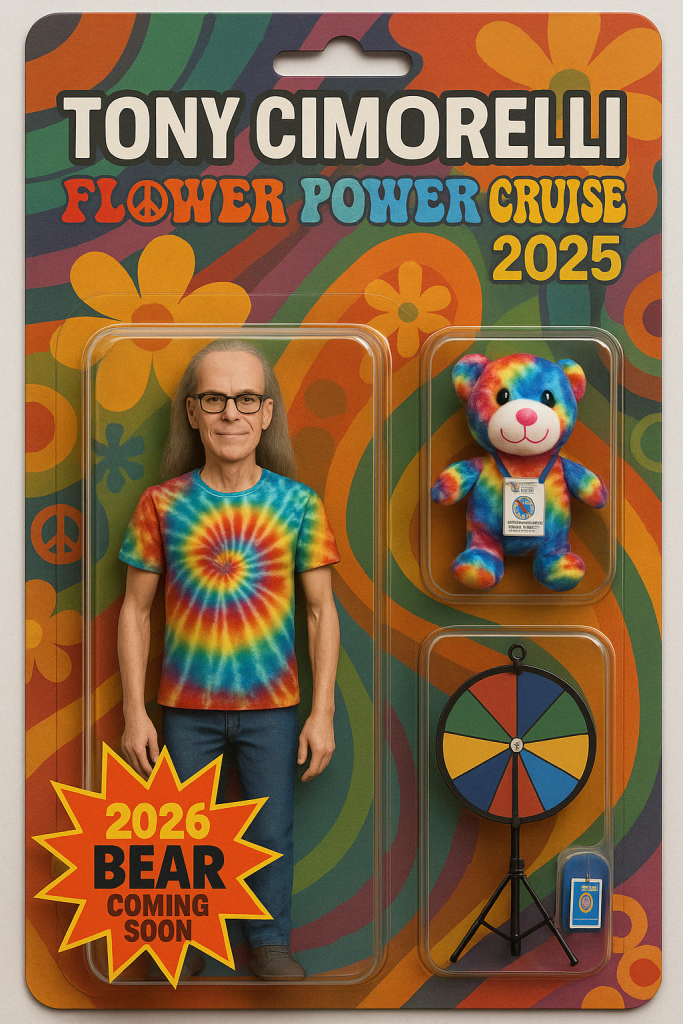
As the author noted in his latest update: "I still have more to add, I just need to find them all. Stay tuned." In the world of AI, the next masterpiece is often only one prompt away.
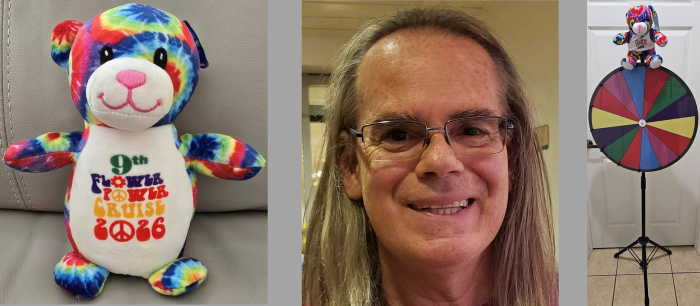
For those interested in the technical aspects of these creations, the creator maintains an active blog documenting the ongoing experiments in prompt engineering and visual design. As models evolve, so too will the depth and detail of these digital collectibles.
