
The AI Marketing Revolution: Scaling Precision and Performance in 2026
The narrative surrounding Artificial Intelligence in marketing has shifted. In the early days of generative AI, the conversation centered on "time-saving"—the ability to draft a blog post in seconds or generate a social media graphic with a prompt. Today, in 2026, the paradigm has evolved. AI is no longer just an efficiency hack; it is the engine reshaping the architecture of marketing strategy.
For modern agencies and brands, the true cost of marketing is no longer just the software subscription price; it is the opportunity cost of manual labor, generic messaging that fails to convert, and strategic decisions made in the absence of actionable data. Organizations that leverage AI-driven workflows are pulling ahead, not just by working faster, but by personalizing deeper and optimizing continuously.
The New Frontier: Why AI Marketing Tools Matter in 2026
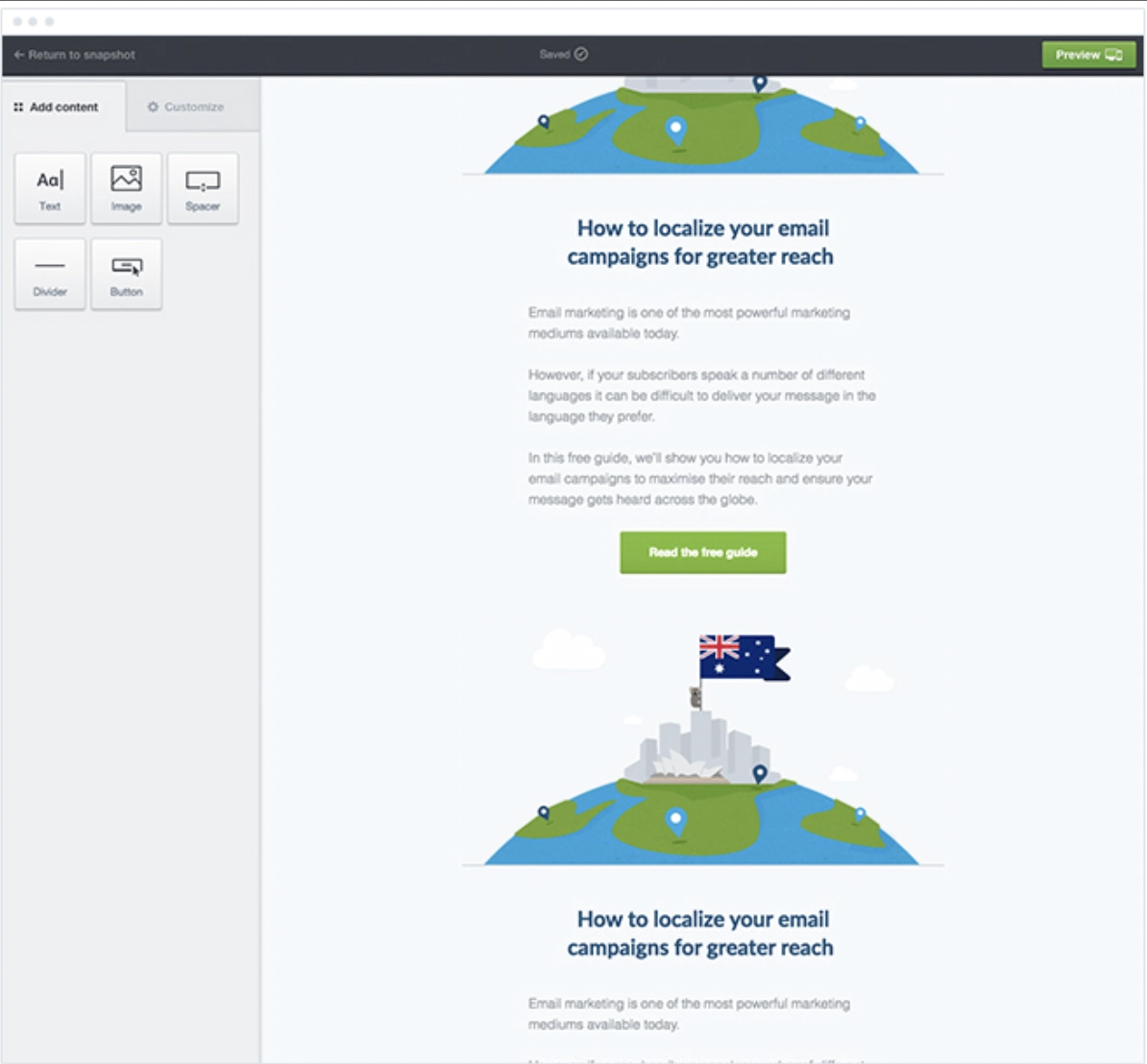
At its core, AI marketing technology is designed to eliminate the friction of repetition. By offloading tasks like data tagging, journey orchestration, and routine copywriting to machine learning models, marketing teams are reclaiming the bandwidth necessary for high-level strategy.
The transition we are witnessing is fundamental: we are moving from "batch and blast" marketing to hyper-personalized, automated, and predictive engagement. The tools of 2026 offer capabilities that were once the exclusive domain of enterprise data scientists, now accessible to small and mid-market teams.
The Shift in Marketing Fundamentals
- From Manual to Orchestrated: Automation is no longer linear; it is now responsive, with AI adjusting paths based on real-time user behavior.
- From Static to Dynamic: Content is increasingly generated or adapted at the moment of delivery, ensuring that the message reflects the user’s immediate context.
- From Guesswork to Attribution: With AI-backed modeling, marketers can finally link creative output to specific revenue outcomes with greater clarity.
Chronology of the AI Marketing Shift
The evolution of these tools has been rapid.
- 2023–2024 (The Generative Inflection): The industry was introduced to LLMs (Large Language Models), which sparked a frenzy of basic content generation—blog posts, emails, and social captions.
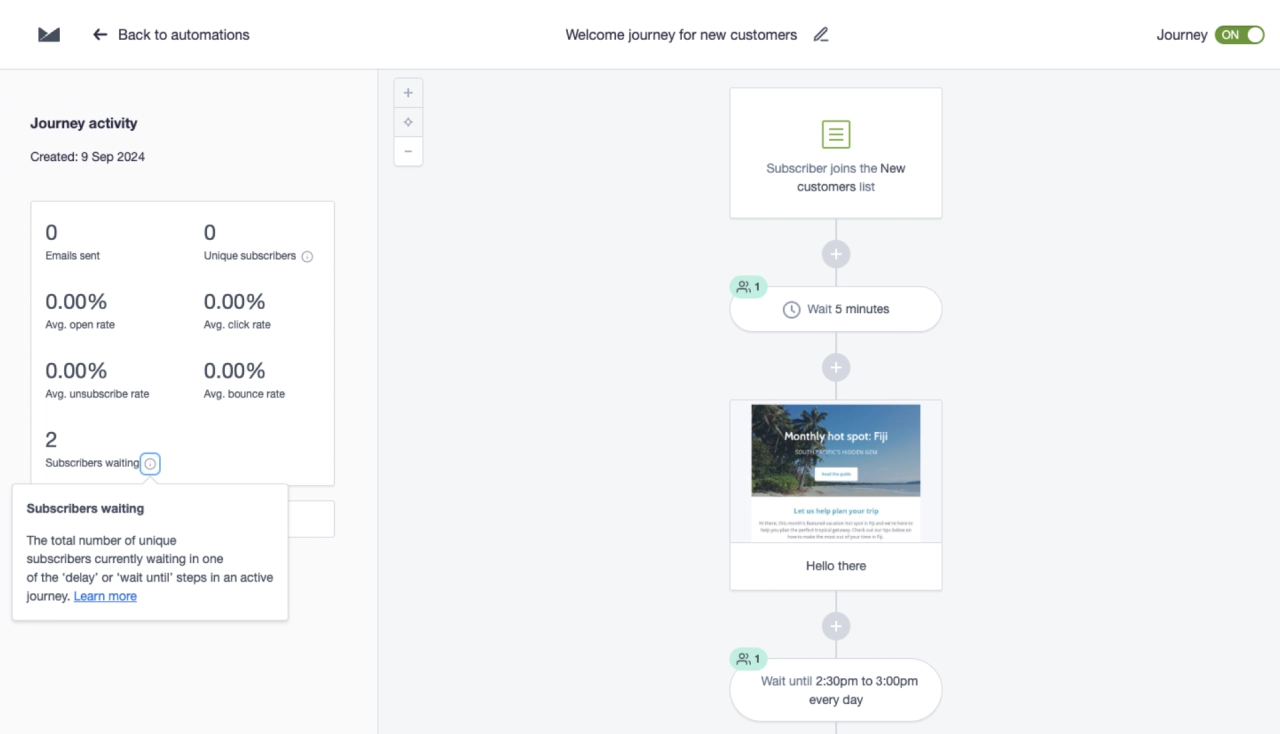
- 2025 (The Integration Phase): Companies began moving away from standalone AI tools toward "AI-first" platforms. The focus shifted from creating content to creating workflows where AI acted as an orchestration layer between CRMs, email service providers (ESPs), and ad platforms.
- 2026 (The Era of Predictive Precision): We have now entered the age of autonomous optimization. Tools are not just helping us write; they are analyzing customer sentiment, predicting churn, optimizing visual creative for specific audience segments, and managing multi-channel journeys without human intervention at every touchpoint.
Supporting Data: The ROI of Automation
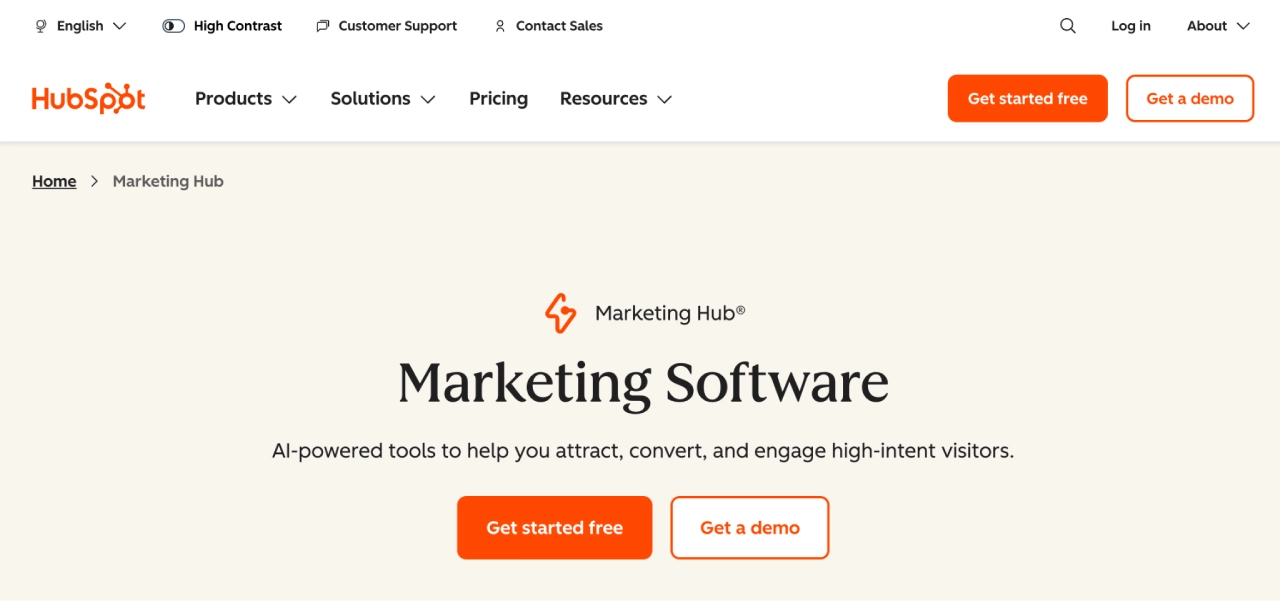
The business case for adopting these tools is substantiated by tangible performance metrics. For instance, brands utilizing platforms like Campaign Monitor have seen substantial improvements in their bottom line. A notable example involves the brand "On," which successfully drove 20% of its total e-commerce sales through email marketing, with personalized, AI-driven segments generating 10% higher engagement rates compared to static campaigns. Similarly, the Australian Red Cross saw a 75% increase in conversions following the implementation of smarter, AI-enabled segmentation.
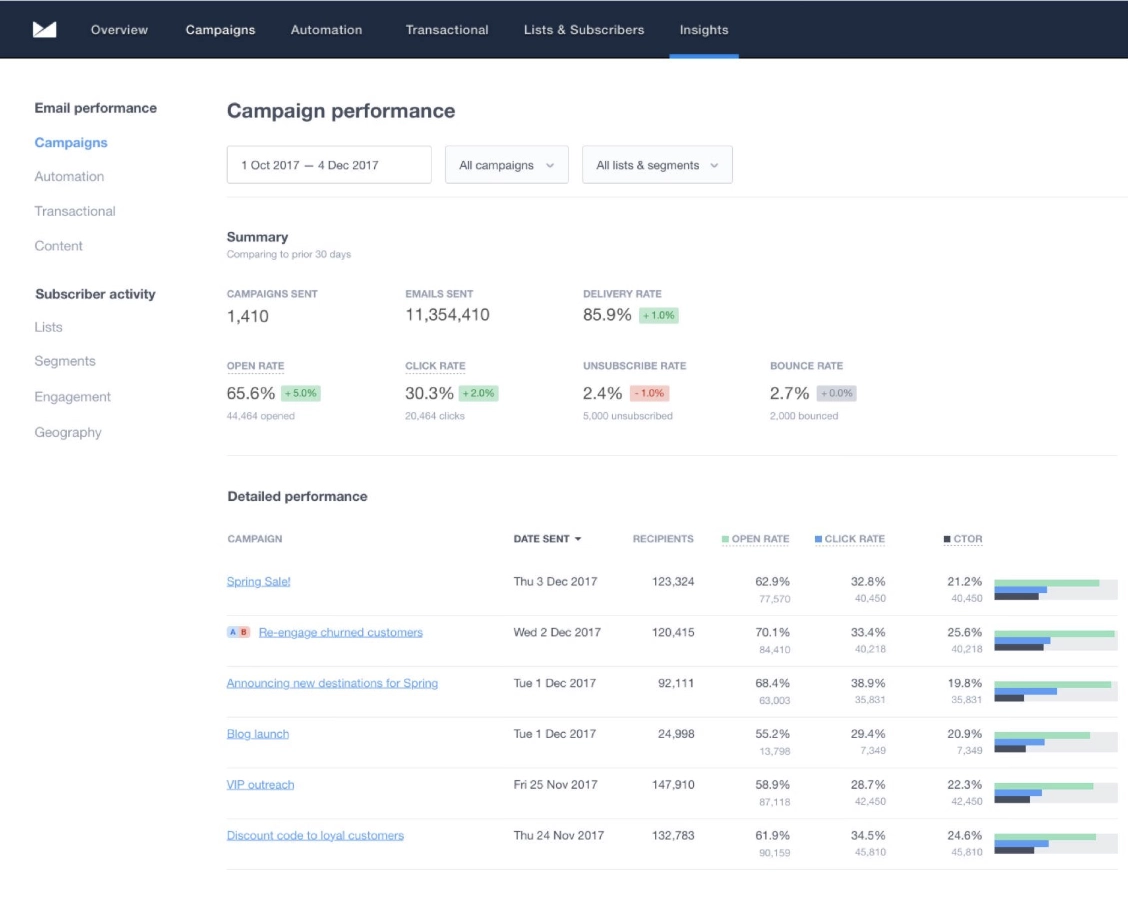
These figures illustrate a simple truth: AI isn’t replacing the marketer; it is acting as a force multiplier for their intuition.
Categorizing the AI Marketing Stack
To navigate the crowded market of 2026, it is helpful to group tools by their primary function and the specific "bottleneck" they solve.
1. Email and Customer Journey Orchestration
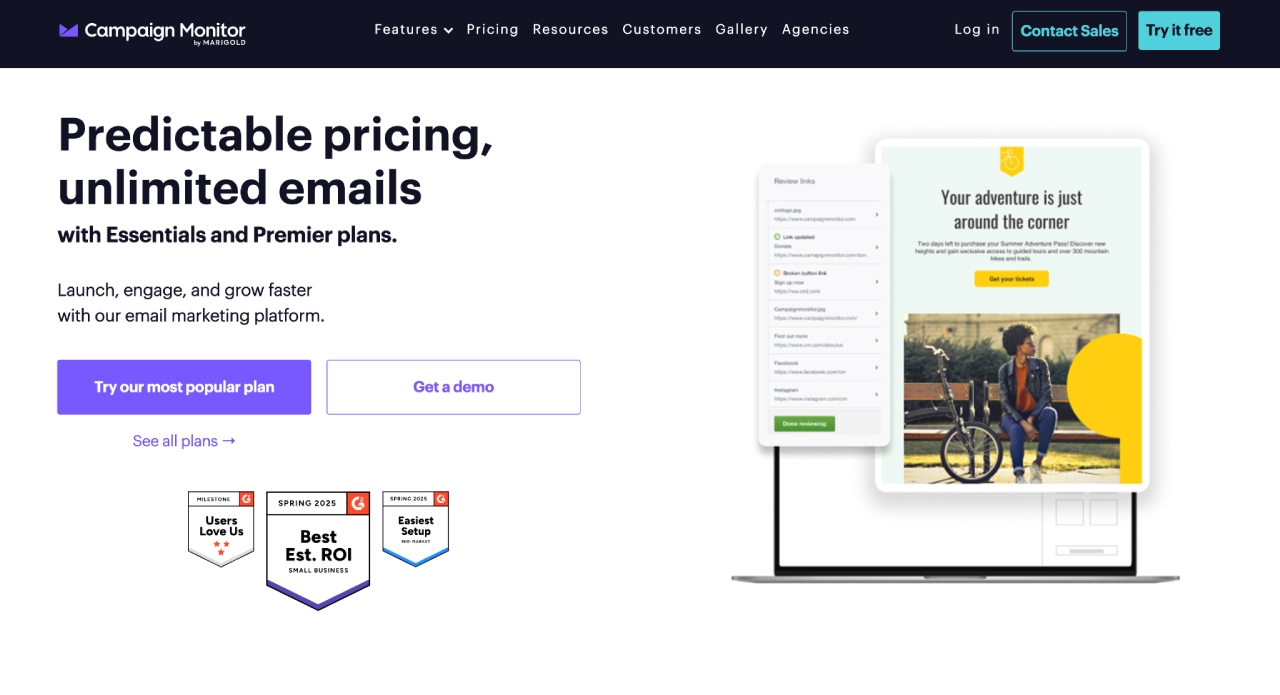
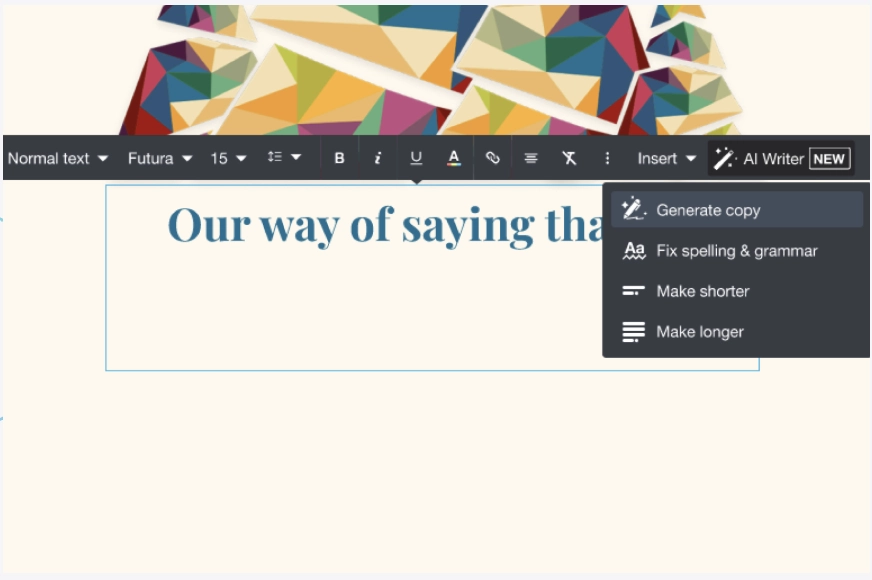
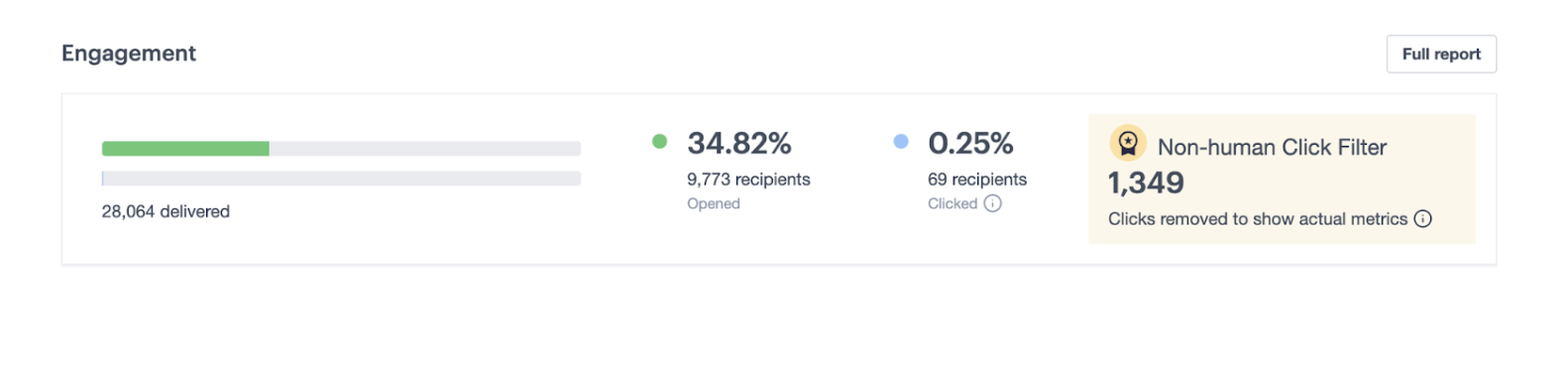
Campaign Monitor stands out as a leader for multi-location brands and retail franchises. By combining an AI Writer with dynamic content engines and bot-click filtering, it ensures that analytics remain clean and actionable.
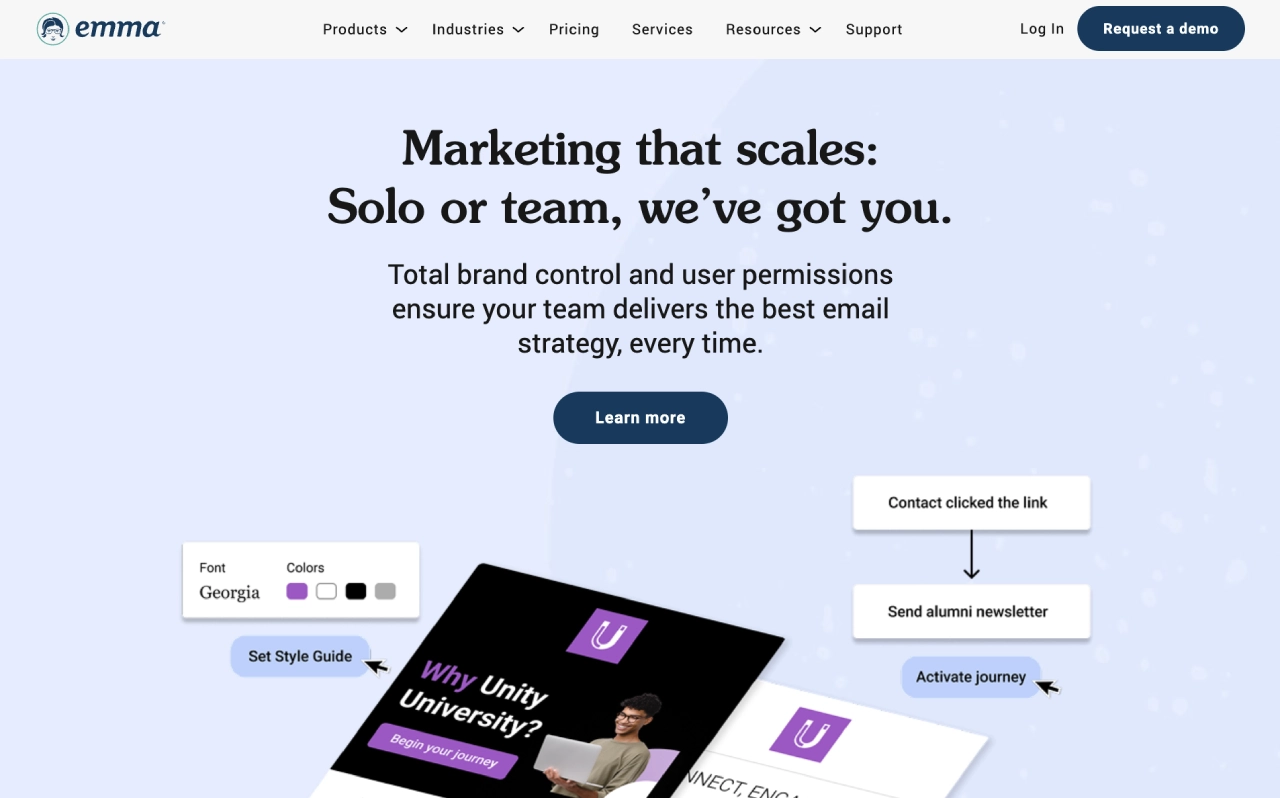
- Emma complements this space by providing rigid brand governance for distributed teams, ensuring that local franchise marketing remains "on-brand" while still being hyper-local.
2. Content Creation and SEO
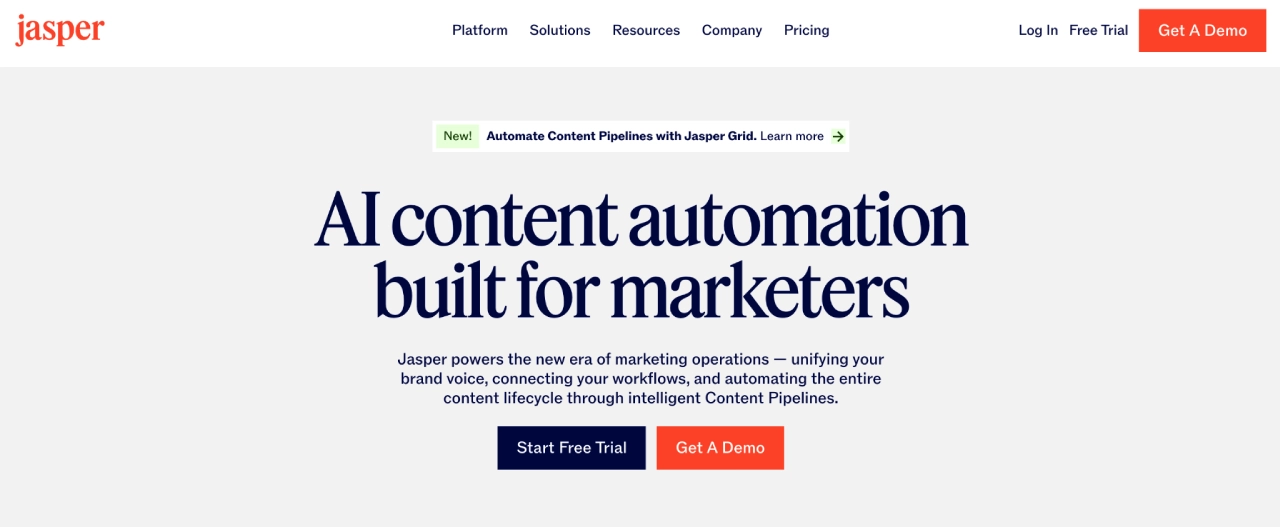
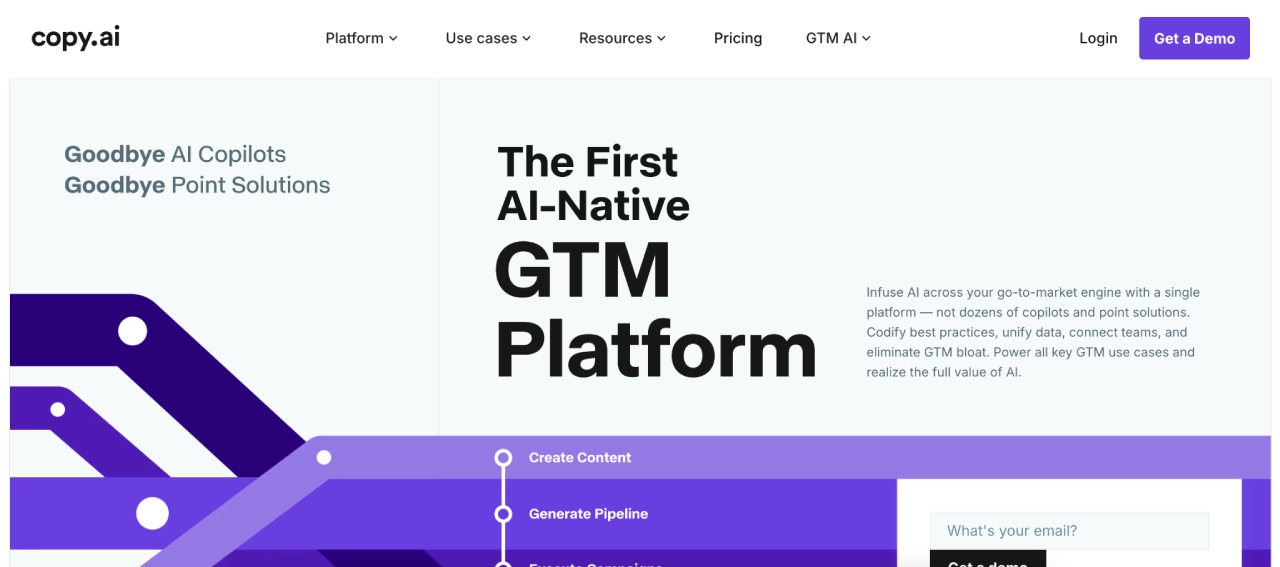
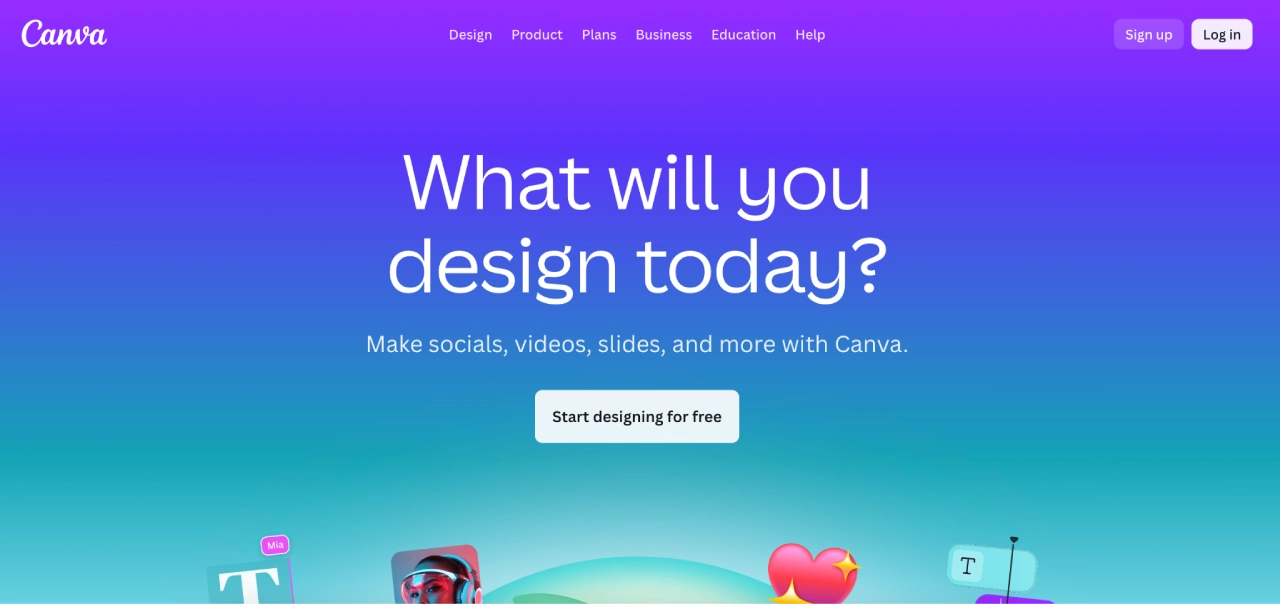
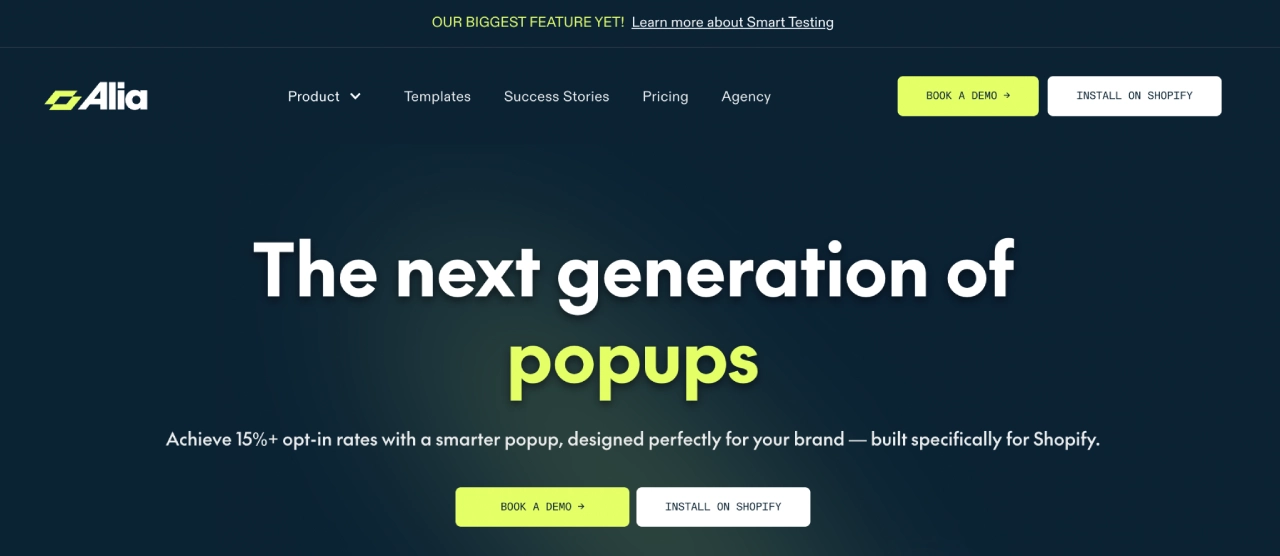
In this category, Jasper remains the gold standard for brand-aligned long-form content, while Copy.ai is the preferred choice for teams that need to turn a single brief into an entire multi-channel campaign. For visual assets, Canva AI has democratized high-quality design, allowing non-designers to produce professional-grade visuals.
3. SMS and Conversational Retention
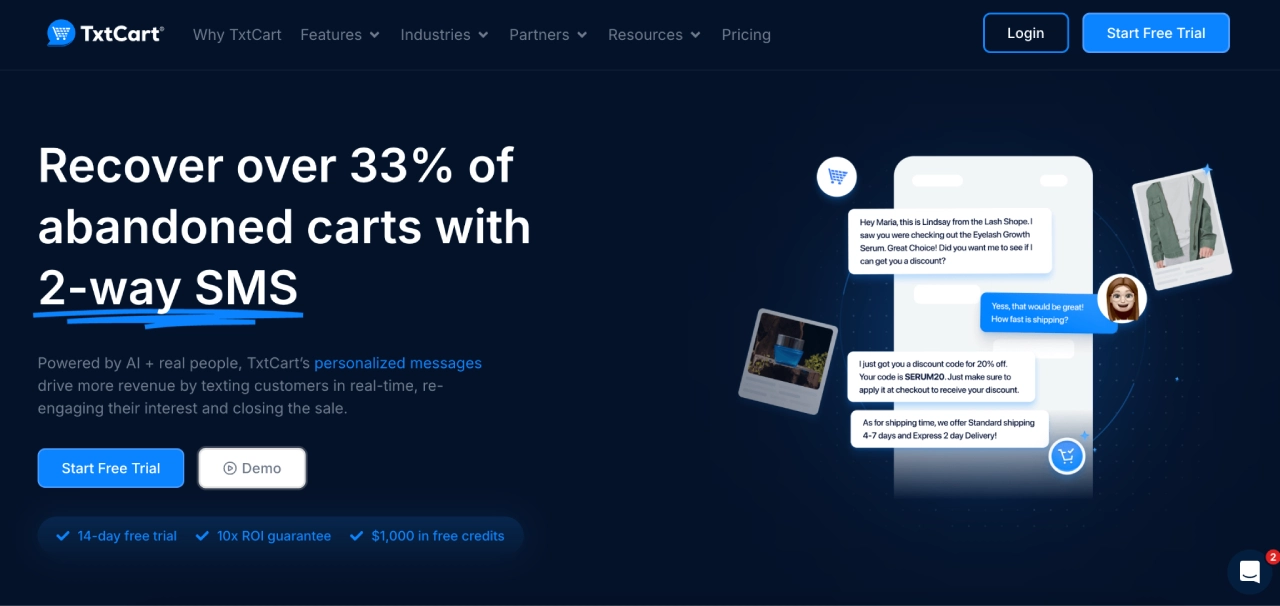
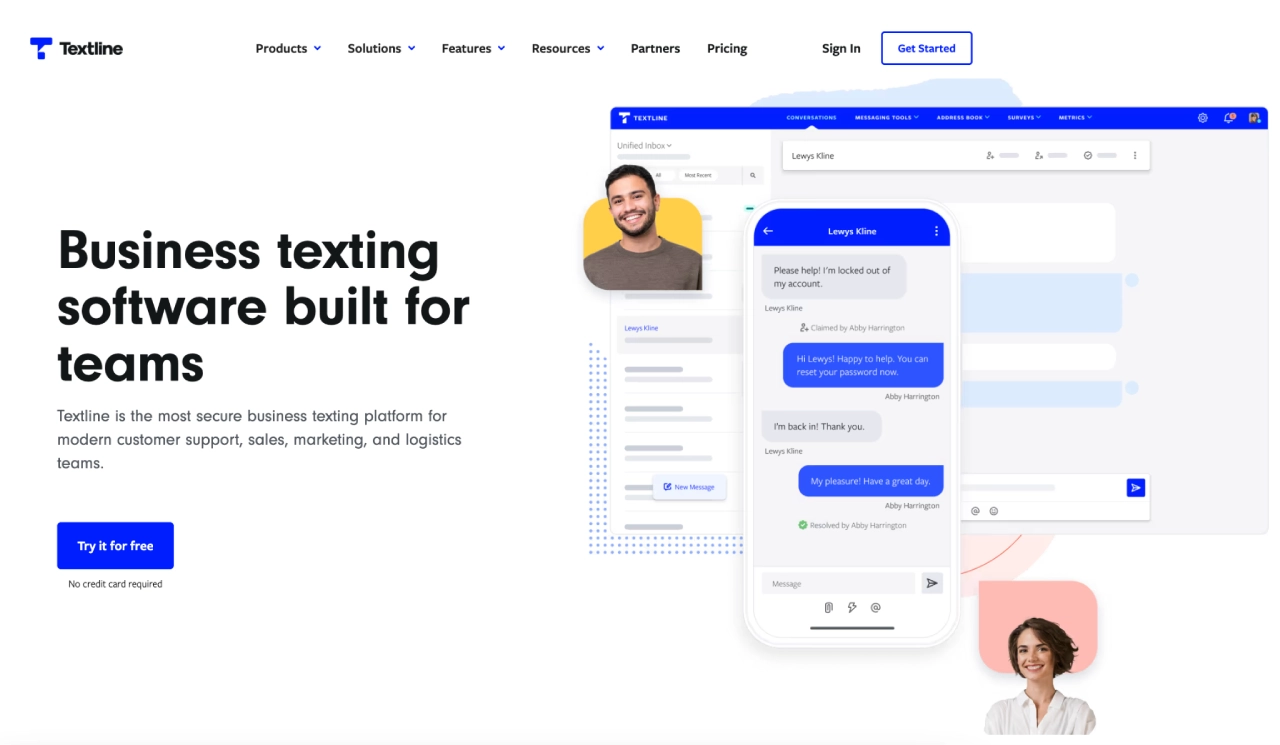
TxtCart and Textline have changed how brands handle customer support. By utilizing conversational AI agents, these tools treat SMS not as a broadcast channel, but as a two-way sales conversation—answering objections and recovering abandoned carts in real-time.
4. Growth, Analytics, and Attribution
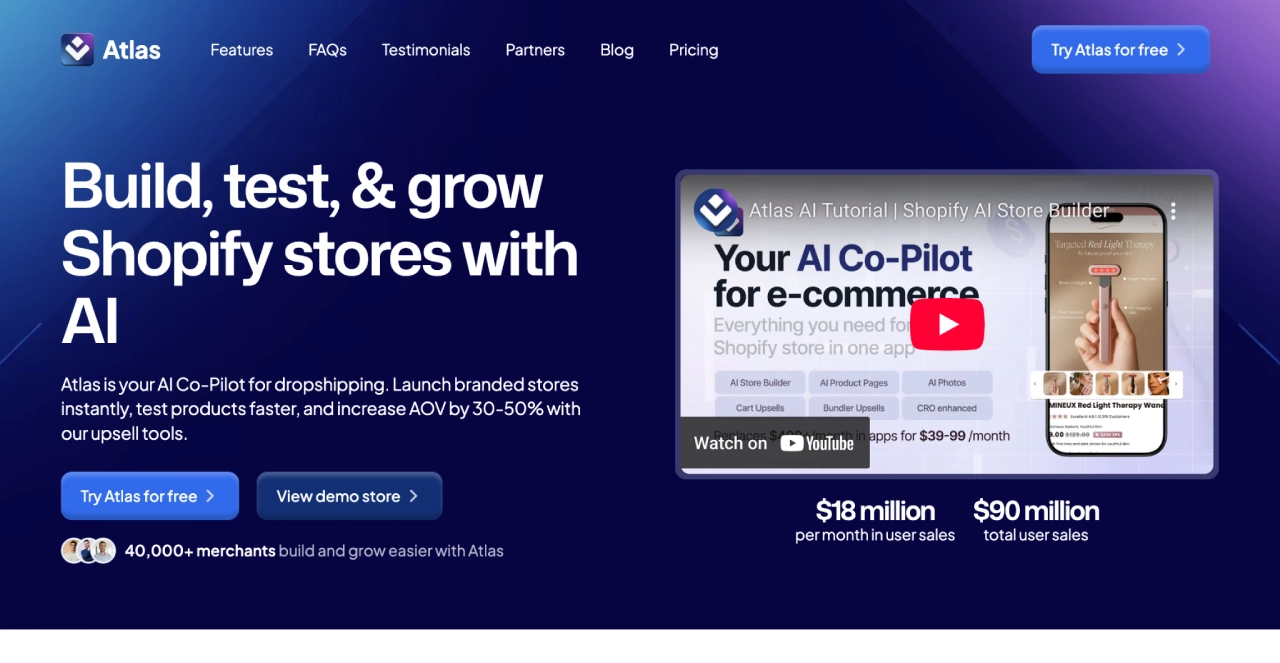
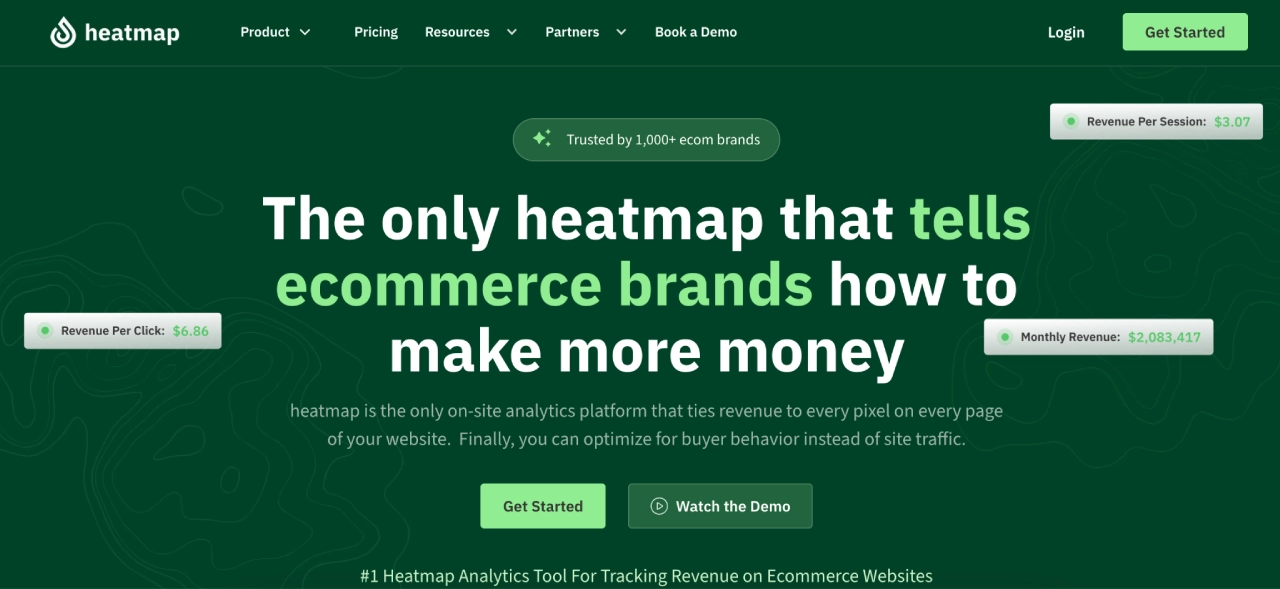
This is where the "intelligence" of the stack is most visible. Atlas AI provides predictive insights into creative performance, while Heatmap.com offers revenue-linked UX analytics, showing teams exactly which parts of a page are driving sales versus which are causing friction.
Official Industry Perspectives: The Human-AI Hybrid Model
Despite the ubiquity of AI, industry experts maintain that human oversight is the "X-factor" in successful campaigns. The consensus among top-tier marketing officers is that while AI can execute at scale, it is prone to "creative drift"—where the tone or context of a message loses its connection to the brand’s core values.
"The formula for 2026 is simple," notes one industry analyst. "Let AI handle the heavy lifting of data analysis and routine drafting, but apply human judgment to refine the message, adjust the Call-to-Action (CTA), and ensure the content feels intentional."
This hybrid approach—letting machines handle the "what" and humans handle the "why"—is the hallmark of the most successful agencies today.
Implications: Building Your 30-Day Strategy
If your team is still launching campaigns using manual, siloed processes, you are operating at a disadvantage. However, the worst approach is to attempt to overhaul your entire stack at once.
The 7-Point Selection Framework
When vetting a new tool, use this scorecard to ensure you aren’t adding "tech debt" to your organization:
- Integration: Does it plug into your current CRM/ESP/Stack without custom code?
- Brand Alignment: Can the AI learn your unique brand voice, or does it require constant rewriting?
- Use Case Fit: Does this solve a specific, painful bottleneck, or is it just "nice to have"?
- Compliance: Does the tool respect data privacy standards (GDPR/CCPA) and provide transparent analytics?
- Scalability: Does the cost structure allow for growth, or do you pay a premium for every minor success?
- Measurement: Does it provide a direct line to ROI, or are you left guessing?
- Usability: Can your junior team members use it effectively, or does it require a dedicated "power user"?
The 3P Model for Selection
- Product: Does it solve the problem?
- Process: Does it fit into how you already work?
- People: Will your team actually enjoy using it?
Conclusion: The Path Forward
The future of marketing is not about choosing between human creativity and AI efficiency; it is about the synthesis of the two. As we look at the landscape of 2026, the brands that win are those that use AI to facilitate deeper, more human-centric connections with their customers.
Whether it is through the personalized journey automation of Campaign Monitor or the data-driven insights of an AI-powered attribution platform, the goal remains the same: reducing the busywork to focus on the strategy. Start by identifying your single biggest bottleneck, implement one tool that directly addresses it, and use the saved time to reinvest in the human elements of your brand that no machine can replicate.
Disclaimer: This article provides general information regarding marketing technology and should not be construed as financial, legal, or tax advice. Always consult with professional advisors before making significant changes to your business infrastructure.
