

The Digital Ledger: How 3.7 Billion Videos Defined Our Reality in 2025
In 2025, the barrier between the physical world and the digital feed effectively dissolved. We did not merely consume content; we lived through it. From the high-stakes intrigue of a Parisian art heist to the quiet, universal language of toddler-led YouTube Shorts, the past twelve months have cemented social video as the world’s primary record-keeper.
Across the global digital landscape, 3.7 billion videos generated a staggering 172.6 trillion views. While YouTube maintained its dominance as the premier destination for long-form consumption and global reach, TikTok solidified its status as the heartbeat of engagement. As we look back on this transformative year, it is clear that video is no longer just a medium—it is how we process our collective humanity.

A Global Chronology of Hyper-Fixations
The year 2025 was marked by a series of rapid-fire cultural moments that captivated the global consciousness. These "hyper-fixations" transcended borders, proving that regardless of geography, our interests are increasingly synchronized.
The Defining Moments of 2025
- The Louvre Heist (Paris): Perhaps the year’s most gripping mystery, the incident at the Louvre triggered a wave of investigative curiosity, amassing 476 million views across 3,100 uploads on TikTok alone.
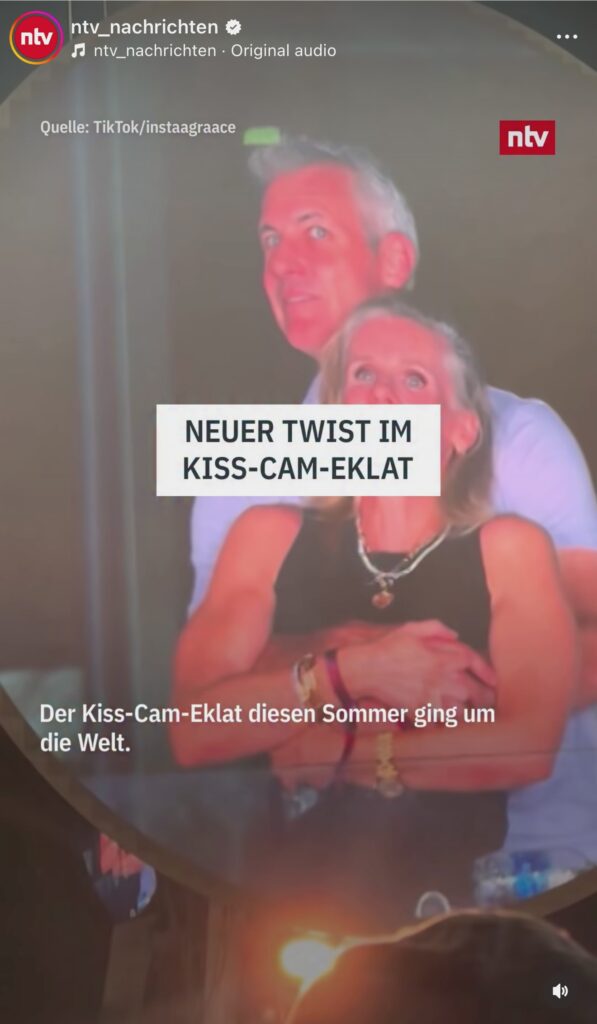
- The Coldplay Kiss Cam: A masterclass in viral warmth, this Instagram sensation garnered 1.3 billion views. It served as a reminder that audiences are perpetually hungry for "good news" amidst a backdrop of political turbulence.
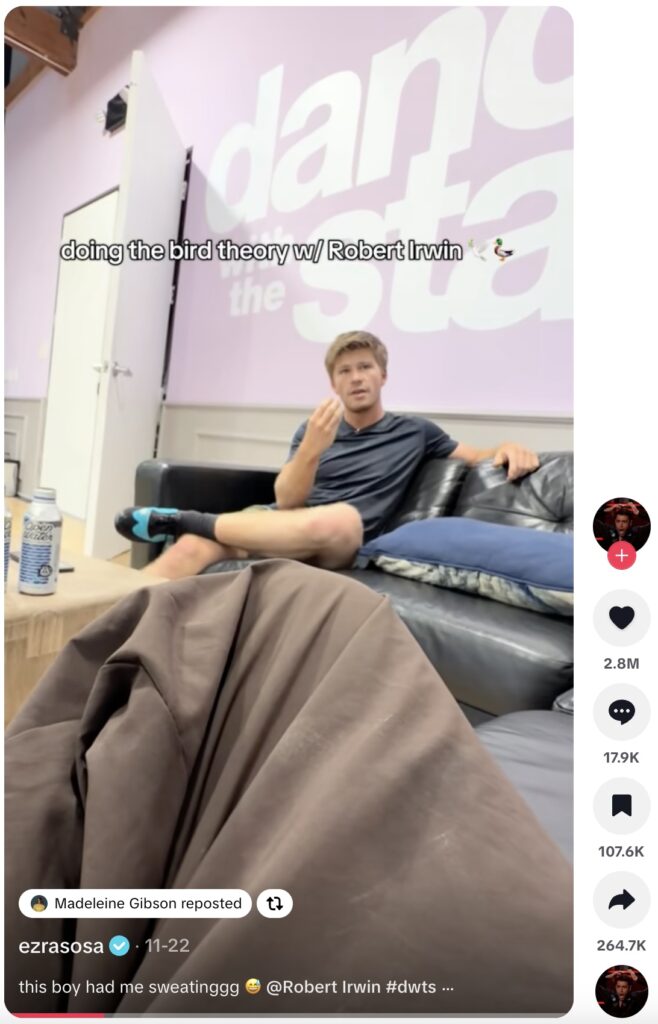
- Robert Irwin on #DWTS: Television’s transition into the social sphere was best exemplified by Robert Irwin’s run on Dancing With The Stars, which generated 819 million views on TikTok. It proved that legacy media still thrives when it leans into the charisma of digital-native stars.
- Blue Origin’s Ascent: Space travel returned to the center of the zeitgeist, with 955 million views on Instagram documenting the majesty and tension of the latest flight.
Supporting Data: The Anatomy of Consumption
The scale of this content production is difficult to quantify, but the data points toward a clear hierarchy of influence. The United States led the world in total uploads, followed by India, Brazil, Indonesia, and Mexico. This distribution underscores the democratization of creation; in 2025, the most influential voices were just as likely to emerge from a studio in São Paulo as they were from a bedroom in California.
The Rise of "Toddler Media"
Perhaps the most surprising shift of 2025 was the absolute takeover of the digital feed by kids’ content. Eight of the top 10 most-viewed videos across all major platforms were YouTube Shorts produced for children. One singular video reached 2.3 billion views, illustrating that the "toddler tablet" demographic is no longer a niche—it is the engine room of platform algorithms.

Pop Culture, Sports, and the "Main Character" Energy
The category of Pop Culture & Entertainment was the internet’s busiest thoroughfare, hosting 91.9 million uploads. Within this space, the line between entertainment and sports continued to blur.

The Sports Engagement Engine
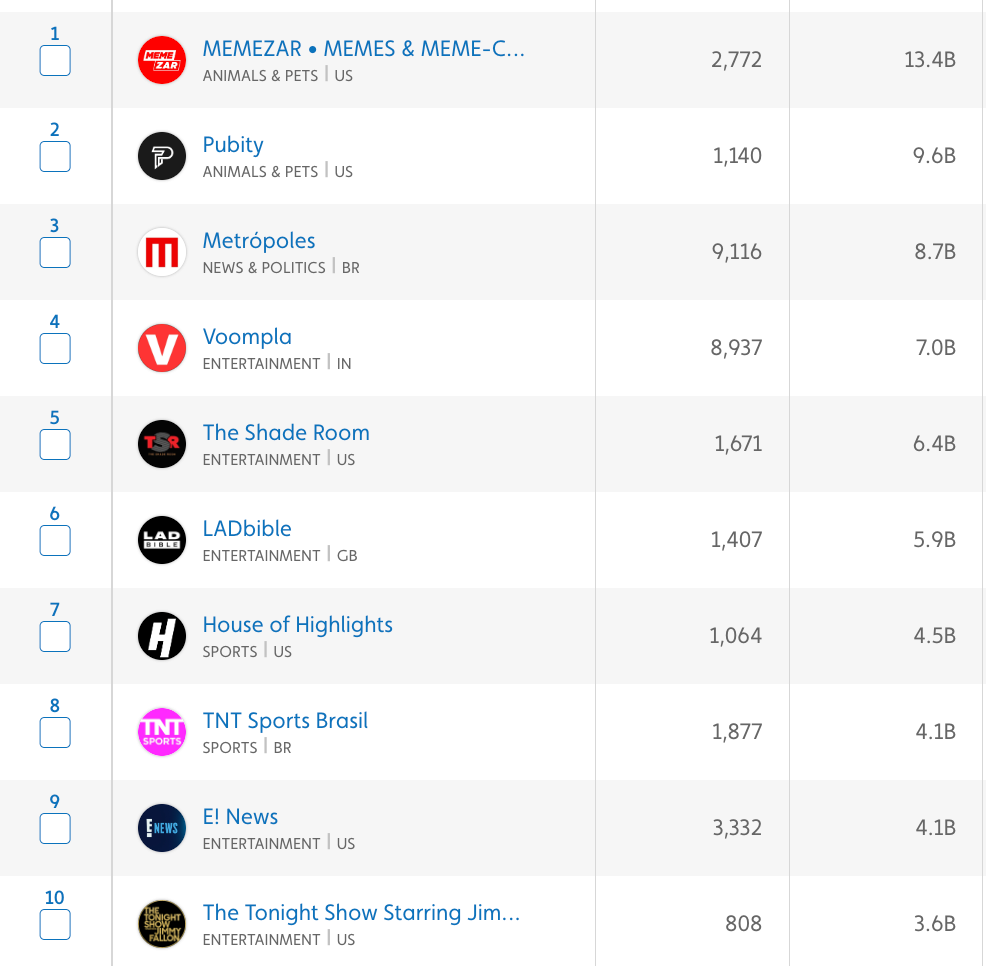
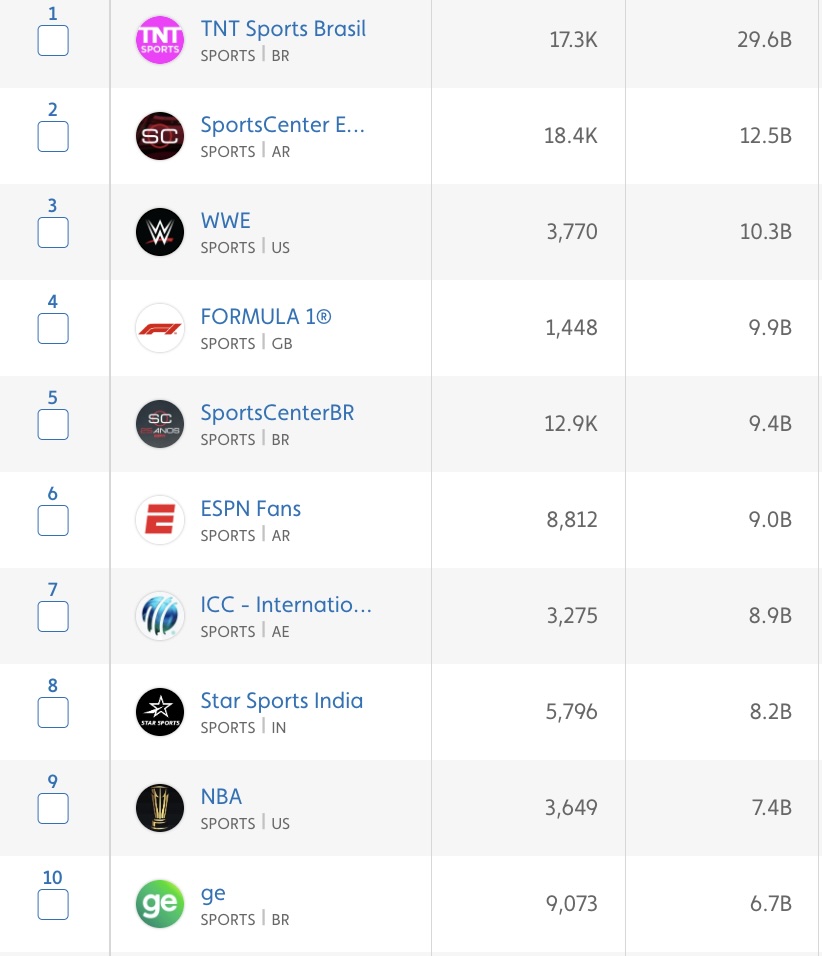
Sports content proved to be a reliable, brand-safe anchor for massive reach. Instagram became the home base for sports media outlets, with Brazil’s TNT Sports ranking in the top 10 most-viewed creators globally. This success was attributed to a strategic shift: blending traditional sports highlights with the aesthetic and pacing of pop culture content.
The most engaging sports video of the year was a charmingly simple TikTok from ESPN featuring a child biking through puddles, earning 15.2 million engagements. This highlights a crucial shift in audience psychology: viewers were less interested in the hyper-competitive highlights and more captivated by the "wholesome chaos" of human-interest stories.
The Ballroom Renaissance
Dancing With The Stars successfully navigated the digital transition in its 34th season by aggressively courting influencer talent. The result was a 29% year-over-year increase in viewership, reaching 8.3 billion views on TikTok. By moving away from a closed-door broadcast model and embracing the creator economy, the show reclaimed its status as a cultural staple.
Celebrity Memorials and the Architecture of Grief
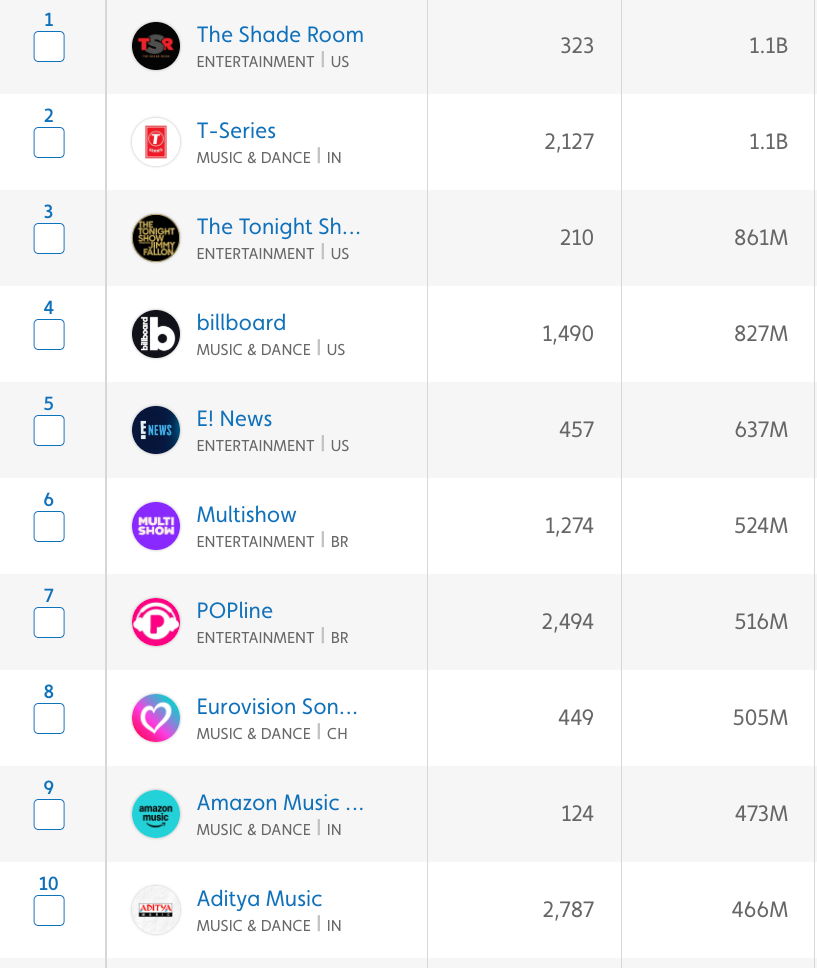
Video emerged as the primary format for collective commemoration. When prominent figures passed, social platforms became virtual town squares. Videos honoring Diane Keaton, for instance, surged to 227 million views on Instagram in their first week alone, with 73% of that content being user-generated.

This behavior indicates that audiences no longer want to be passive recipients of biographical tributes. They want to contribute, edit, and share their own interpretations of a celebrity’s legacy. For brands and media companies, the takeaway is clear: facilitating space for user-generated tribute is a powerful way to tap into deep-seated audience sentiment.

Political Turbulence and the Search for Clarity
Despite the overwhelming volume of entertainment content, 2025 remained a year defined by heavy news cycles. News, Government, and Politics was the most-uploaded category for media and entertainment creators, signaling that when the world faces uncertainty, users turn to video for context.

The Trump-Musk Dynamic
The relationship between Donald Trump and Elon Musk served as a central pillar of political discourse, driving 3.8 billion views on TikTok. The consumption pattern here was distinct: while long-form journalism (such as Fox News’ 23-minute interview with President Zelenskyy) found success on YouTube, short-form, high-impact clips dominated the narrative on TikTok and Instagram.

Climate Reporting as Normative Practice
Natural disasters and climate events were consistently met with "first-person reporting." When wildfires or weather events occurred, the most viewed content did not come from professional news desks, but from individuals on the ground. This shift has forced traditional news organizations to adapt, as the public now expects real-time, raw, and unfiltered documentation of global events.
Implications for the Future of Media
As we look toward 2026, the trends observed in 2025 offer a roadmap for the next phase of digital evolution.
- The Death of Passive Consumption: The success of DWTS and the viral power of flash mobs (led by creators like Julien Cohen) prove that audiences demand interactivity. If a video doesn’t invite the viewer to participate, it risks being ignored.
- The Sound-First Strategy: The viral dominance of sounds like "Nothing Beats a Jet2 Holiday" (30.1 billion views) confirms that audio is the new visual. Trends are now defined by soundbites, and brands that fail to master the "sonic fingerprint" of their content will struggle to gain traction.
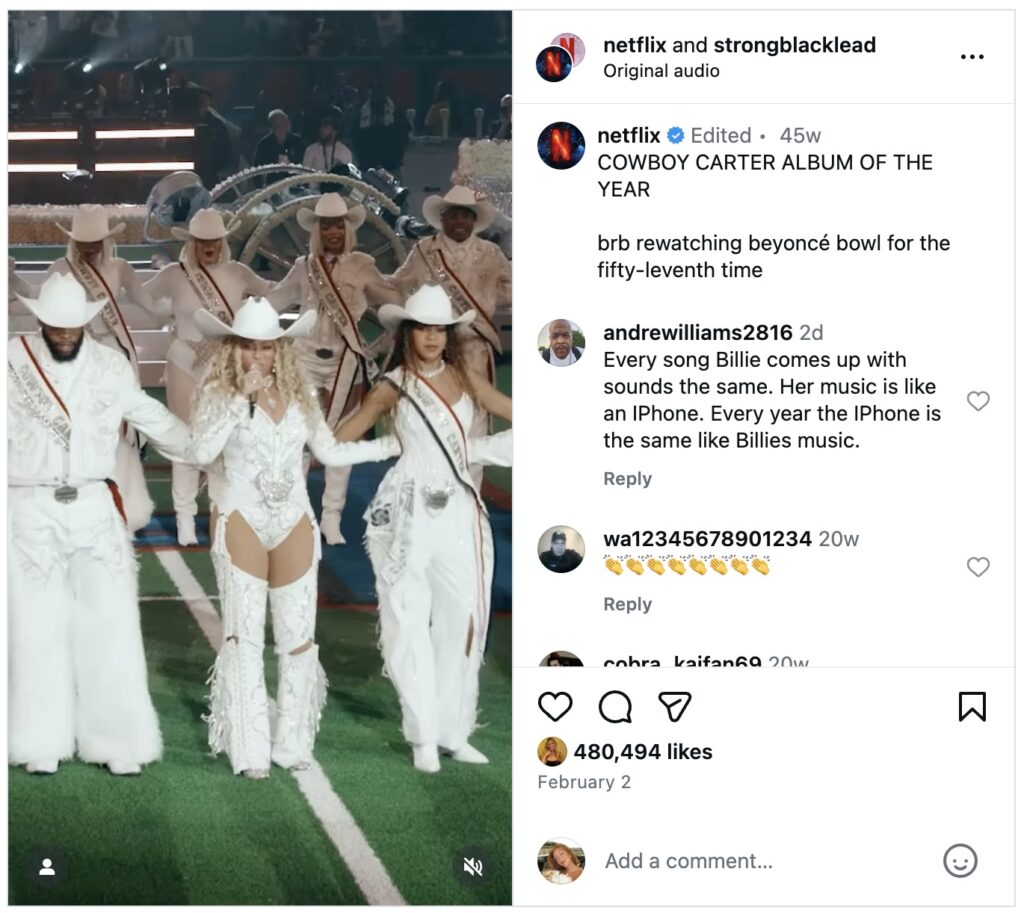
- Humanity Over Production: Whether it was Beyoncés’s daughters on the Cowboy Carter tour or the puddle-biking child on ESPN, the year’s most successful videos were those that highlighted raw, unscripted human emotion.
Conclusion
The 2025 landscape was not merely about technology; it was about the stories we chose to tell ourselves. We used video to laugh, to mourn, to understand global tariffs, and to watch toddlers dance. As we transition into 2026, the mandate for creators and publishers is clear: the story of the world is being told in video. Those who can decode these moments, respect the audience’s need for authenticity, and embrace the speed of the current cycle will be the ones to define the next decade of digital communication.

As the data from Tubular Intelligence confirms, the record of our time is being written in real-time, one scroll at a time. The only question that remains for the coming year is: what will we decide to watch next?
