In the rapidly shifting landscape of social media, Facebook remains a cornerstone for enterprise marketing. Despite the rise of newer platforms, 36% of global marketers identified Facebook as their most critical channel for 2026. However, as the platform matures, the "golden age" of organic reach has been replaced by an algorithmic environment that demands higher-quality, community-focused interactions.
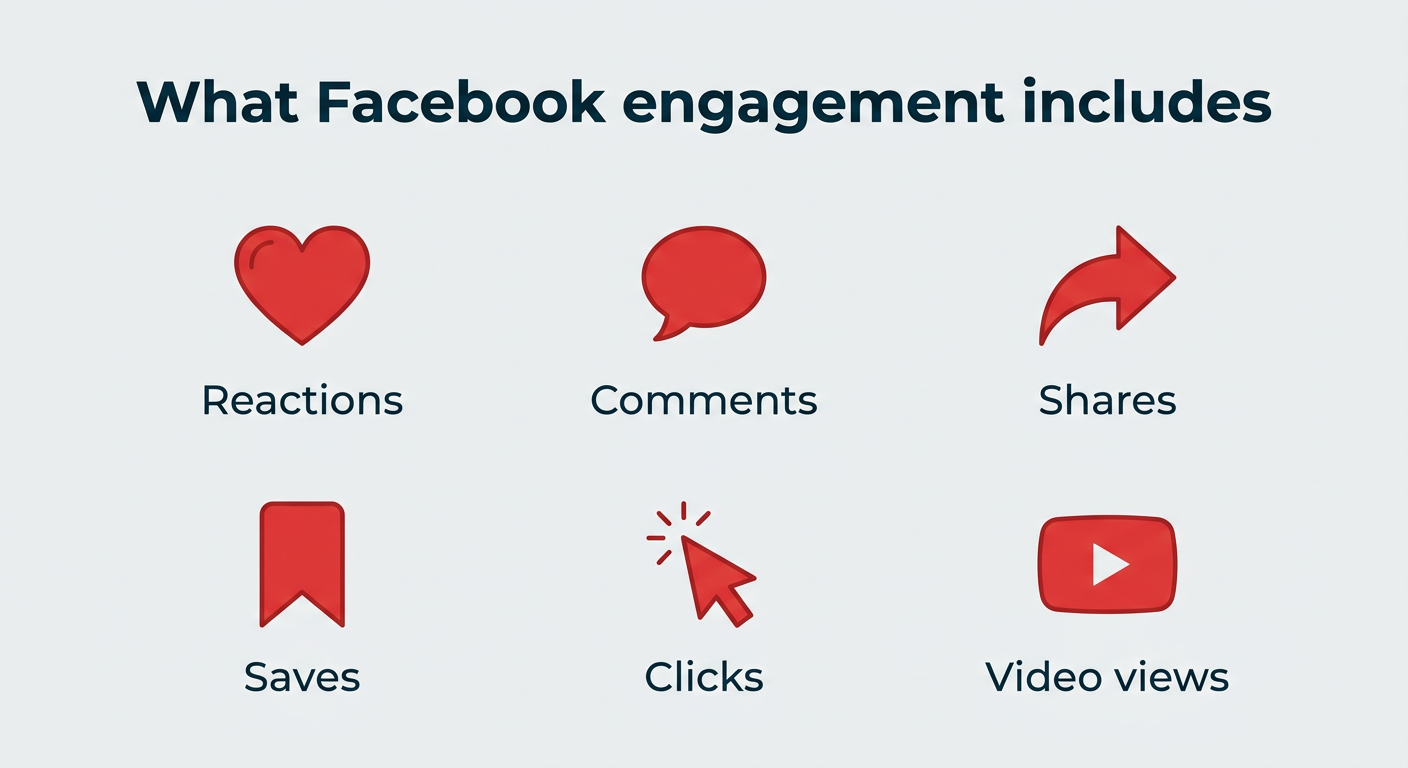
Increasing engagement—defined as any active or passive interaction including likes, shares, comments, and saves—is no longer just about vanity metrics. It is a fundamental necessity for organic visibility. When users interact with your content, the algorithm prioritizes your Page, effectively expanding your reach to audiences beyond your existing follower base.
The Mechanics of Engagement: Why It Matters in 2026
At its core, Facebook engagement serves as a pulse check for brand relevance. The platform’s algorithm is designed to curate feeds that keep users active. Every time a user reacts, comments, or shares a post, they are signaling to Meta that your content provides value. Consequently, the algorithm rewards these signals by pushing your content higher in the feed.
For enterprise teams, engagement is a reportable business metric. High engagement rates indicate that your brand is successfully fostering a community rather than merely broadcasting advertisements. When engagement drops, it serves as an early warning system, signaling that it is time to pivot your creative strategy, shift your content formats, or recalibrate your posting cadence.
Strategic Pillars for Boosting Interaction
To thrive on Facebook in 2026, brands must move away from generic sales pitches and toward content that educates, entertains, or inspires. Below are the key strategies for driving meaningful growth.
1. The Dominance of Short-Form Video
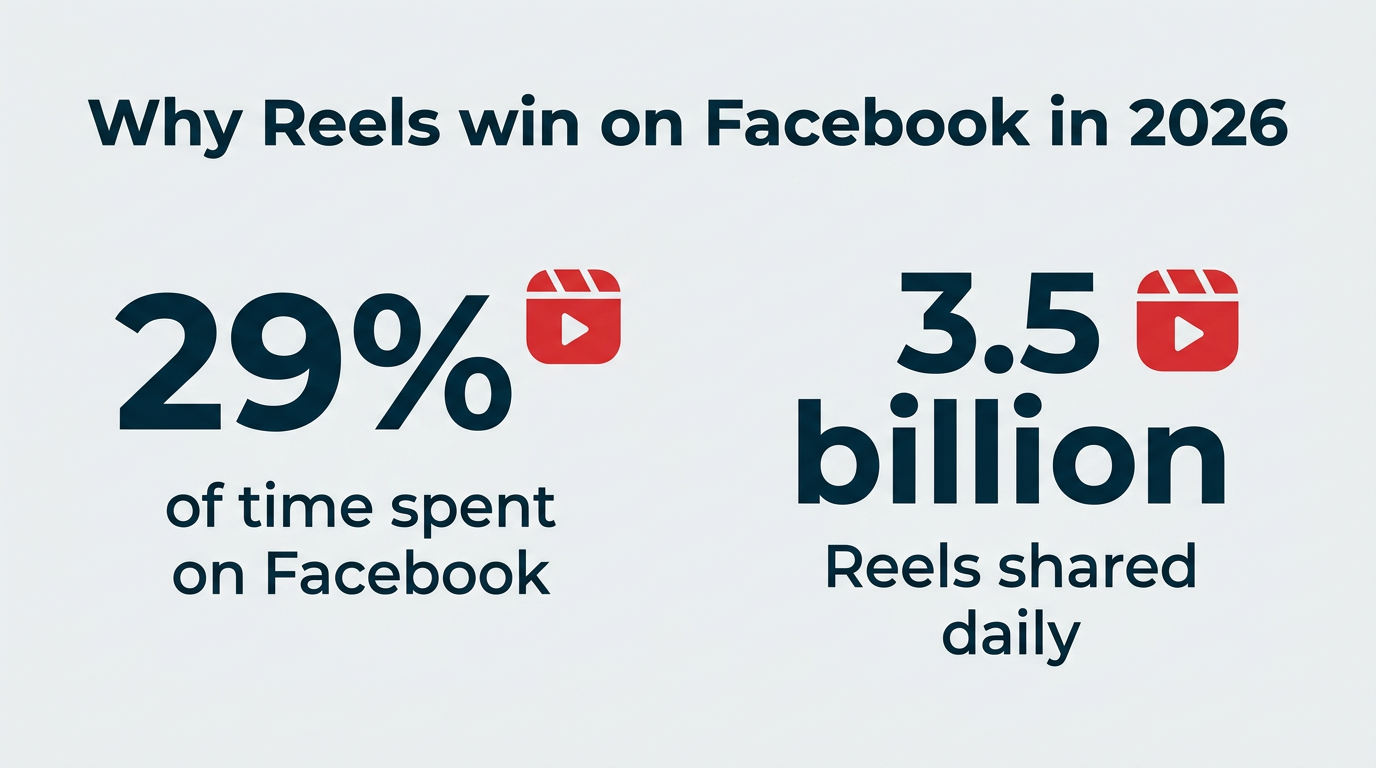
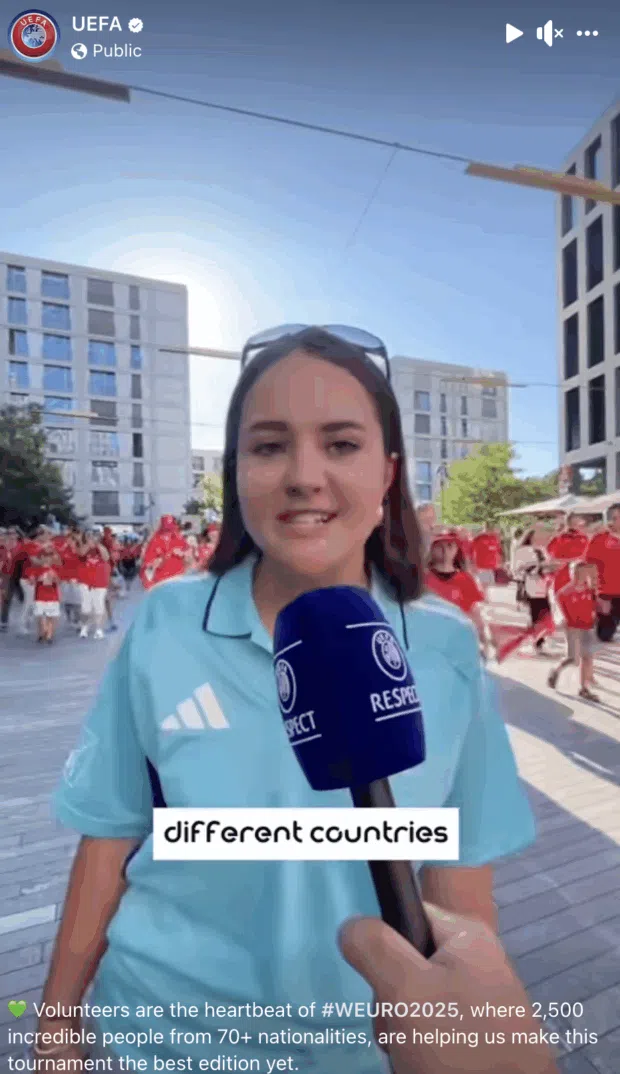
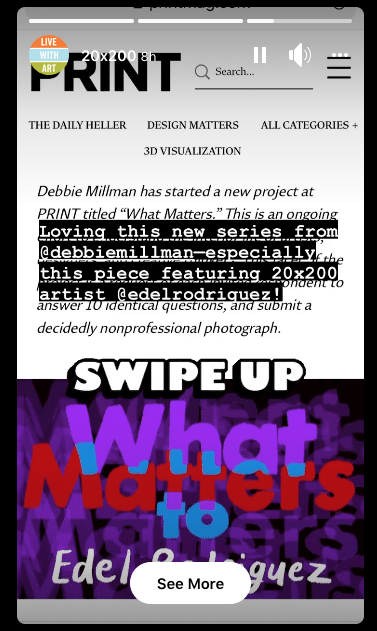
Reels have fundamentally changed the Facebook experience. They now account for 29% of the time users spend on the platform, with 3.5 billion Reels shared daily across Meta’s ecosystem. Because most short-form video content uploaded to Facebook is categorized as a Reel by default, this format offers the highest probability of discovery by non-followers.
To succeed, prioritize vertical video, which maximizes mobile screen real estate. Whether you are repurposing successful content from other channels or producing original, atmospheric clips, ensure your content is uploaded natively to benefit from the algorithm’s preference for internal video hosting.
2. Audience-Centric Content Curation
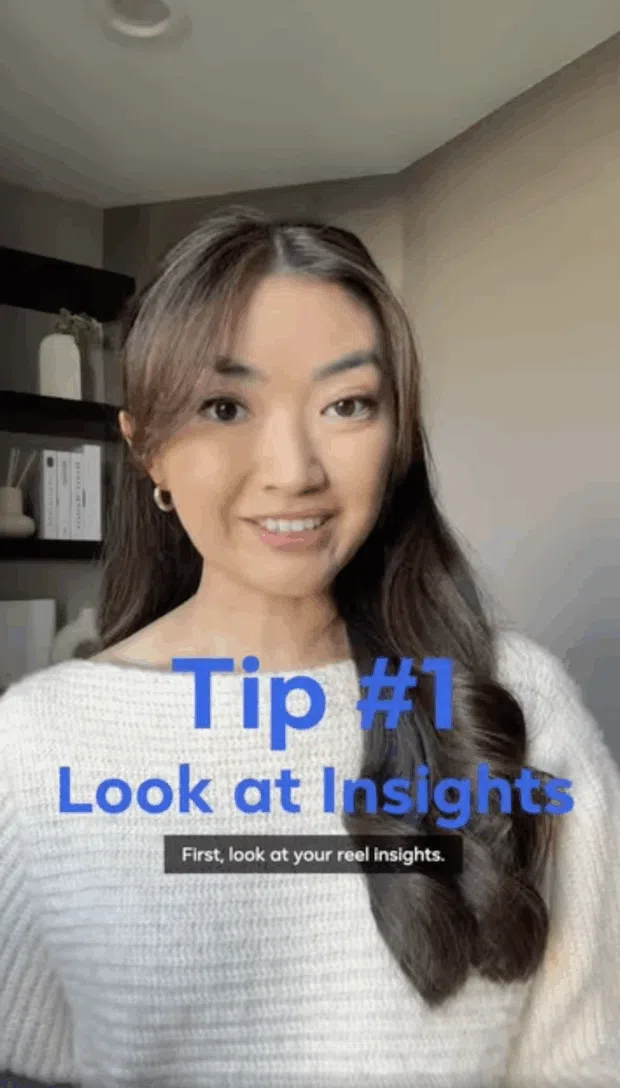
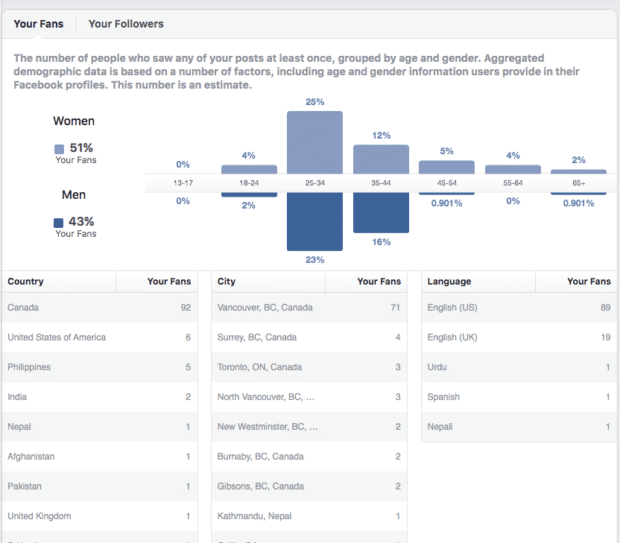
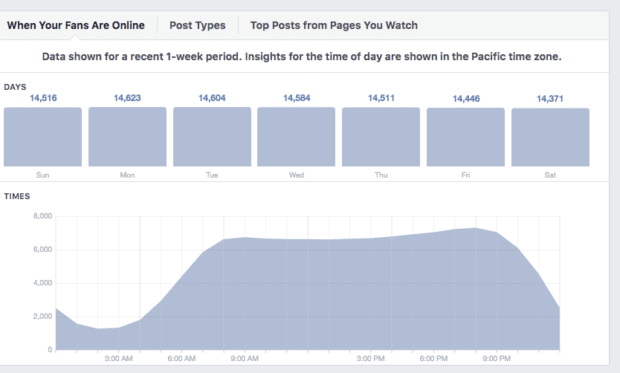
Understanding your audience is not a static task; it requires constant monitoring of Facebook Page Insights. Demographic data can reveal surprising trends that inform your content direction. Once you understand who is viewing your content, tailor your messaging to their specific needs.
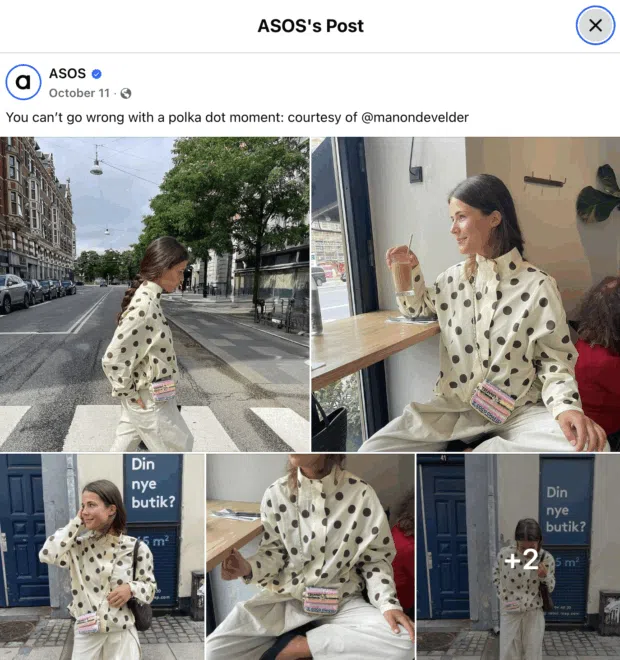
Quality remains superior to quantity. Avoid the trap of "content for content’s sake." Instead, share visuals that are high-resolution, well-lit, and relatable. As Meta often suggests, professional-grade production is not always necessary; authentic, "in-the-moment" photos taken with a smartphone can often outperform polished, expensive assets.
3. Fostering Community Through Direct Interaction
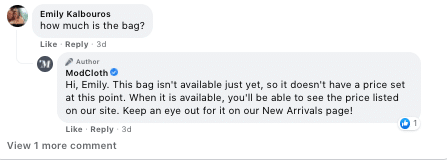
Engagement is a two-way street. When users take the time to leave a comment, they expect to be seen. A timely, human response can turn a casual observer into a brand advocate. For enterprise teams managing high volumes of interactions, implementing a unified inbox—such as Hootsuite’s social inbox—is essential to ensure that no inquiry goes unanswered.
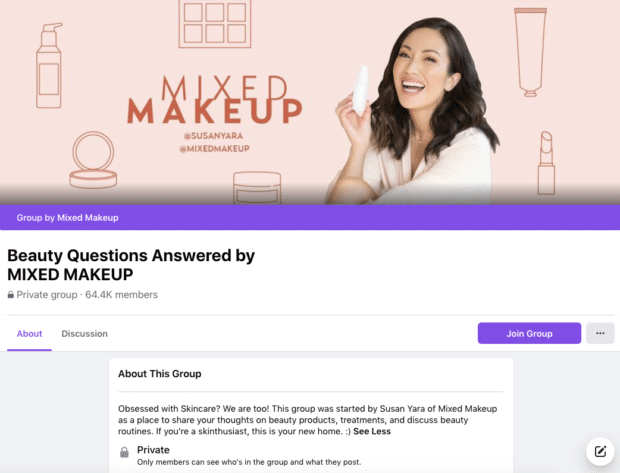
Beyond the comments section, Facebook Groups provide a powerful, gated environment to build deep brand loyalty. With nearly 1.8 billion users active in Groups, creating a space for your most dedicated fans to discuss your industry or products can lead to a sustained increase in organic engagement on your main Page.
Chronology of the Algorithm: Adapting to Change
The evolution of the Facebook algorithm has been marked by a clear trend: a move away from passive consumption toward active, community-driven interaction.
Pre-2020: The focus was largely on reach and "viral" potential, often rewarding clickbait or low-effort content.
2020–2024: The rise of video and Stories shifted the priority toward longer watch times and immersive formats.
2025–2026: The current era emphasizes "meaningful social interaction" (MSI). The algorithm now aggressively penalizes "engagement bait"—posts that explicitly ask for likes or shares without providing value.
To stay ahead, brands must align their strategy with these shifts by producing content that invites authentic conversation, rather than manufacturing artificial engagement.
Supporting Data: Benchmarking Your Success
What constitutes a "good" engagement rate? While industry standards vary, the median engagement rate per post in 2026 sits between 0.03% and 0.10%.
Engagement Rate Formula:
(Total Interactions / Total Audience) x 100 = Engagement Rate
It is critical to benchmark your performance against your specific industry rather than a universal average. For instance, sports and higher education sectors typically see higher engagement due to the emotional investment of their audiences, whereas retail and finance sectors may naturally see lower, but highly transactional, interaction rates.
Official Guidelines and Best Practices
Meta has been clear about its stance on engagement. Their documentation consistently advises against "engagement baiting." Practices such as asking users to "like if you agree" or "share to win" are increasingly flagged and downranked.
Instead, Meta recommends:
Authenticity: Posting content that highlights the human side of your business.
Value: Providing tips, tutorials, or behind-the-scenes glimpses that improve the user’s day.
Consistency: Maintaining a regular cadence of at least two to three posts per week to keep your brand top-of-mind.
Implications for Enterprise Marketing Teams
For large organizations, managing a social strategy at scale requires more than just creativity; it requires infrastructure. Enterprise-level tools allow teams to:
Centralize Publishing: Using a shared content calendar to maintain brand voice across multiple regions or product lines.
Social Listening: Monitoring brand sentiment and tracking competitor performance to identify gaps in the market.
Cross-Platform Repurposing: Systematically turning successful Facebook content into assets for LinkedIn, TikTok, or Instagram to maximize the return on creative investment.
The Role of Employee Advocacy
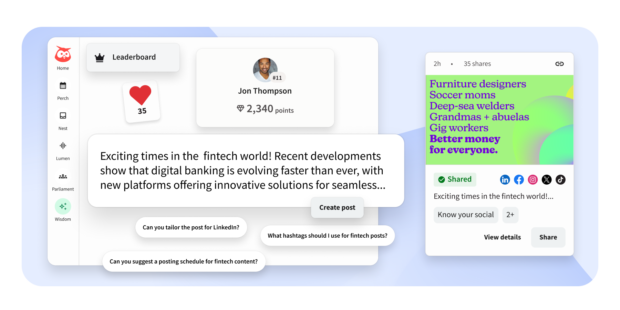
One of the most underutilized assets in the enterprise toolkit is employee advocacy. When team members share company content on their personal profiles, it provides a "trust signal" to the algorithm. Using tools like Parliament by Hootsuite, companies can provide employees with pre-approved, on-brand content that they can share with their personal networks, effectively amplifying the brand’s reach through organic, peer-to-peer influence.
Conclusion: The Path Forward
Increasing Facebook engagement in 2026 is less about "hacking" the algorithm and more about aligning with the fundamental human desire for connection. By prioritizing short-form video, fostering genuine community interaction, and leveraging data to understand audience behavior, brands can overcome the challenges of a crowded feed.
As you look to scale your strategy, remember that engagement is the currency of the social web. Whether you are using a simple smartphone camera or a sophisticated enterprise management dashboard, the goal remains the same: to create a digital space where your audience feels heard, valued, and inspired. Success on Facebook is not defined by a single viral moment, but by the consistent, deliberate effort to build a community that thrives on meaningful interaction.