
The Definitive E-Commerce CRO Blueprint: 34 Strategic Pillars for Conversion Mastery
In the high-stakes world of digital retail, traffic is merely a vanity metric; conversion is the only true currency of success. As customer acquisition costs (CAC) continue to climb across paid social and search channels, the most profitable lever for e-commerce growth is no longer just "getting more eyes on the page"—it is optimizing the experience to ensure those eyes result in a transaction.
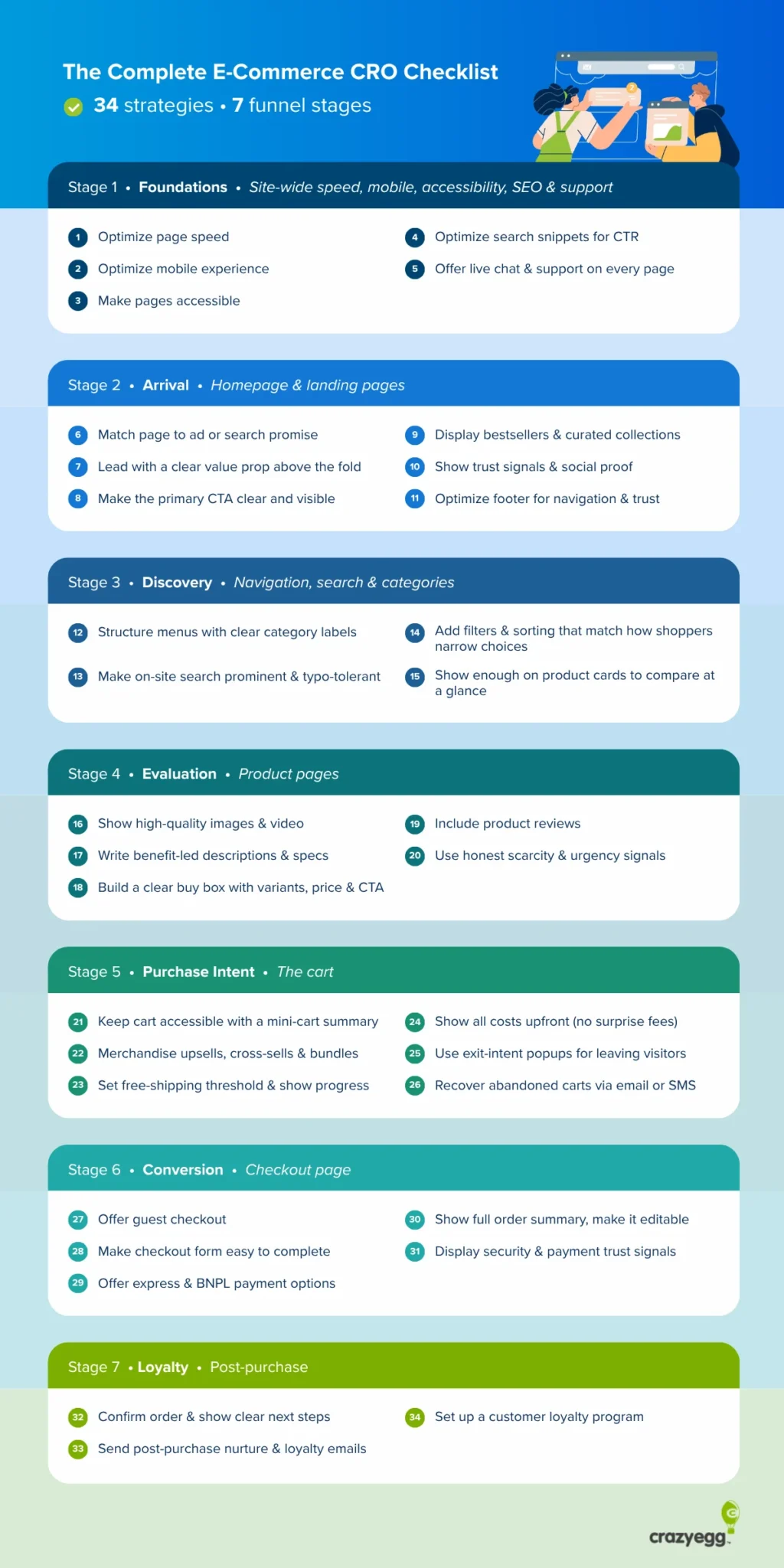
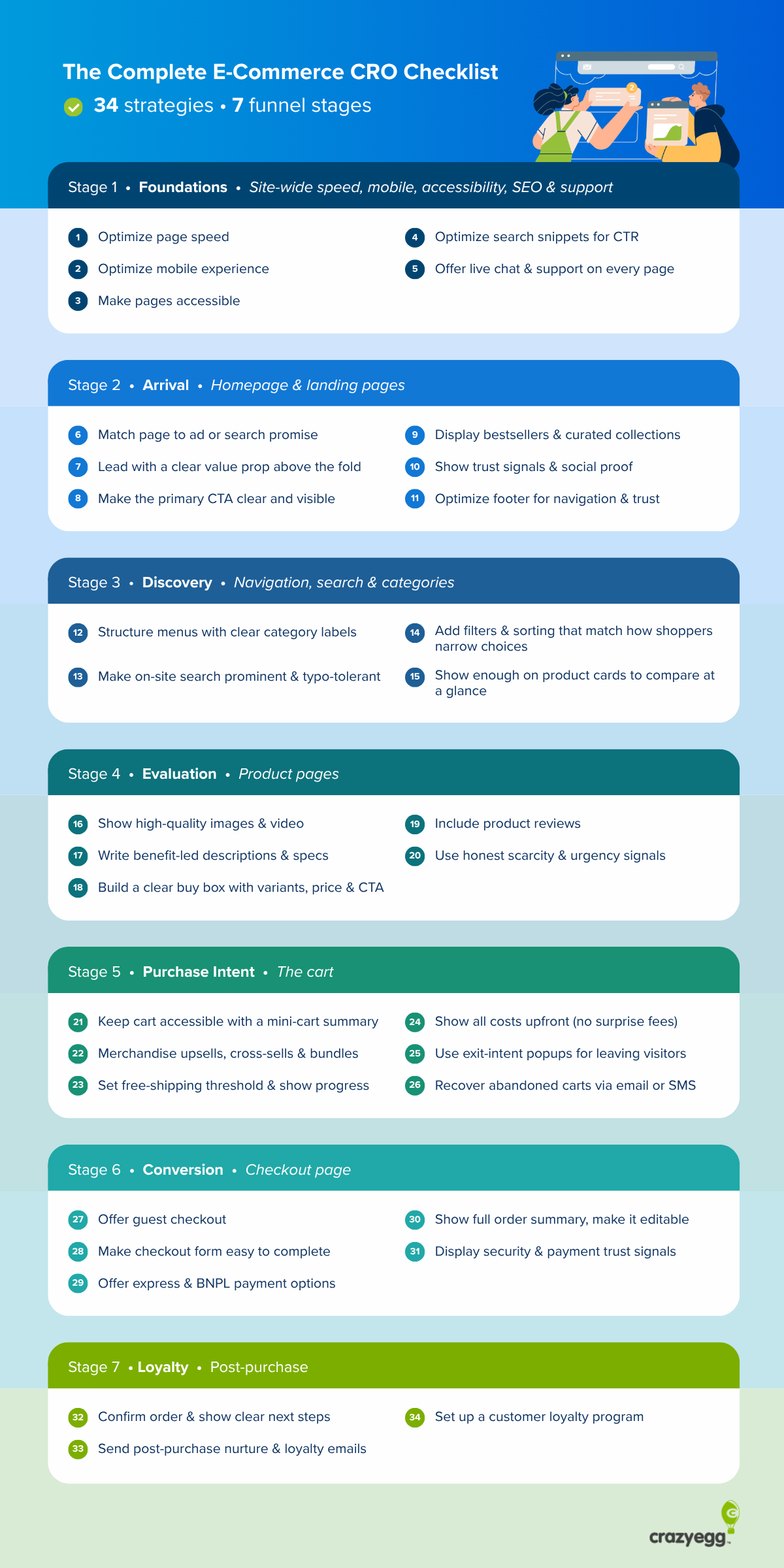
This comprehensive guide serves as an evidence-backed roadmap for Conversion Rate Optimization (CRO), breaking down the path from initial site arrival to post-purchase advocacy into 34 actionable strategies.
The Strategic Foundation: Why CRO Outperforms Increased Ad Spend
The primary objective of CRO is to eliminate friction. When a store’s conversion rate increases from 2.2% to 2.3%, the business captures a 4.3% revenue lift without spending an additional cent on advertising. By focusing on the existing funnel, retailers maximize the return on their current traffic, effectively lowering their blended CAC and increasing the lifetime value (LTV) of their customer base.
The Anatomy of the Customer Journey
To effectively optimize an e-commerce store, one must categorize improvements into seven logical stages. By addressing these systematically, retailers can systematically "plug the holes" in their revenue bucket.
Phase I: Foundations (Speed, Accessibility, and Support)
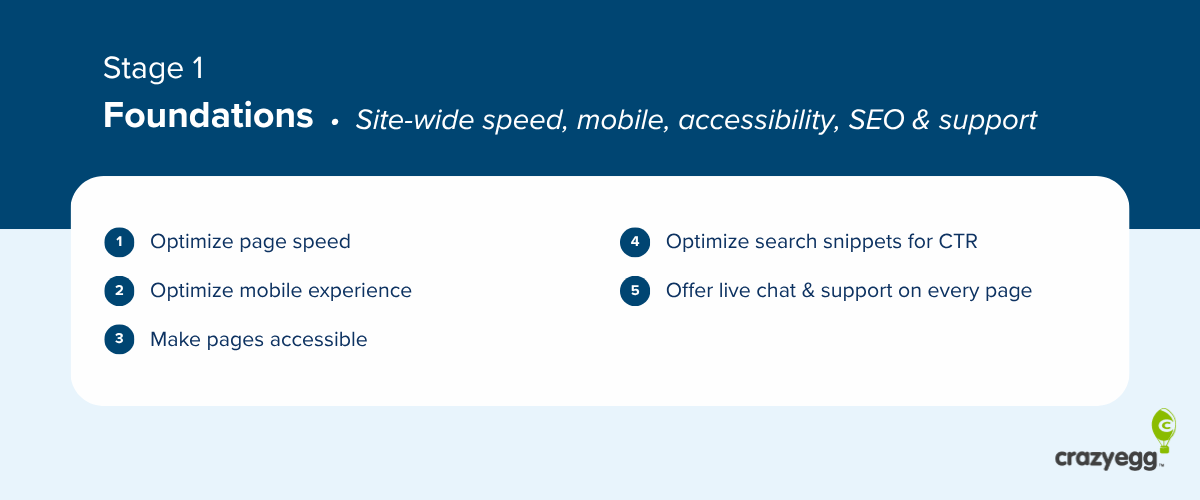
Before diving into design, you must ensure the technical infrastructure supports user intent. If your site is sluggish or inaccessible, no amount of marketing will save your conversion rate.
1. The 2.5-Second Rule
Research consistently indicates that site abandonment rates spike significantly once load times exceed 3 seconds. To optimize performance:
- Image Optimization: Implement modern formats like WebP or AVIF and use lazy loading.
- Code Minification: Strip unnecessary characters from CSS and JavaScript.
- Leverage CDN: Distribute assets across a global network to minimize latency.
2. Mobile-First Architecture
With mobile devices accounting for the vast majority of e-commerce traffic, a "desktop-first" design is a liability. Your store must feature touch-friendly buttons, simplified navigation, and seamless integration with mobile wallets like Apple Pay and Google Pay to reduce input fatigue.
3. Accessibility as a Conversion Driver
Accessibility is not just a legal requirement; it is a business imperative. By ensuring high color contrast, keyboard navigability, and descriptive alt-text for images, you accommodate a wider demographic of shoppers, effectively widening your total addressable market.
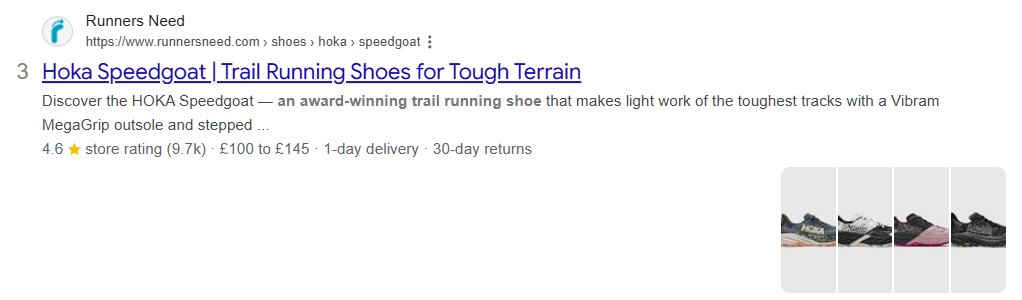
Phase II: Arrival (Homepage and Landing Page Optimization)
The first few seconds after a user clicks your link are critical. If the landing page does not immediately align with the user’s expectation, the "bounce" is inevitable.
4. The Value Proposition
Your hero section must answer three questions: What are you selling? Who is it for? And why is it superior to the competition? Avoid generic corporate speak; focus on specific, benefit-driven messaging that resonates with your target audience.
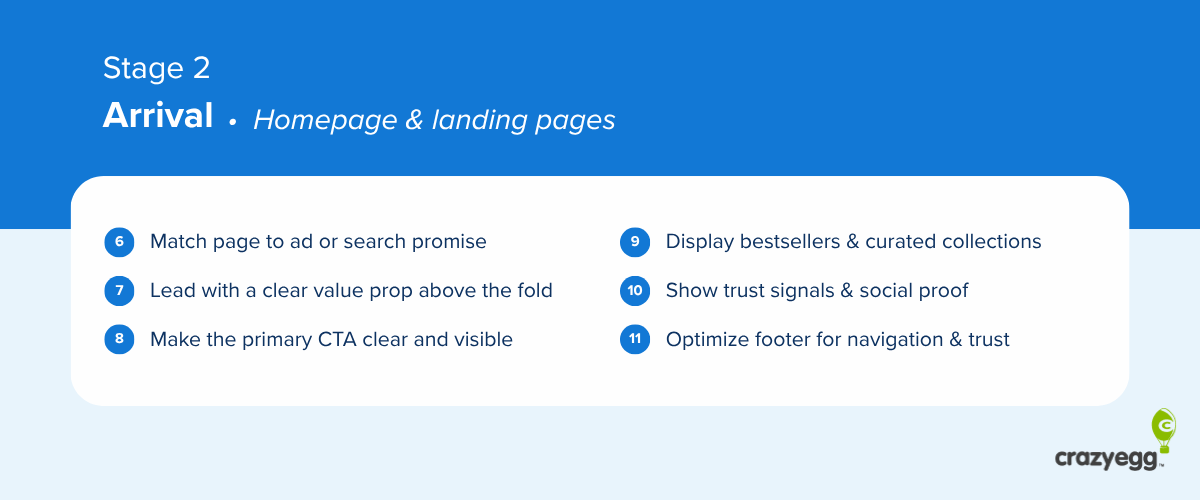
5. Intent Alignment
If a user clicks an ad for "waterproof running shoes," they must land on a page featuring waterproof running shoes—not your general homepage. Creating a direct bridge between the ad promise and the destination page is the fastest way to reduce bounce rates.
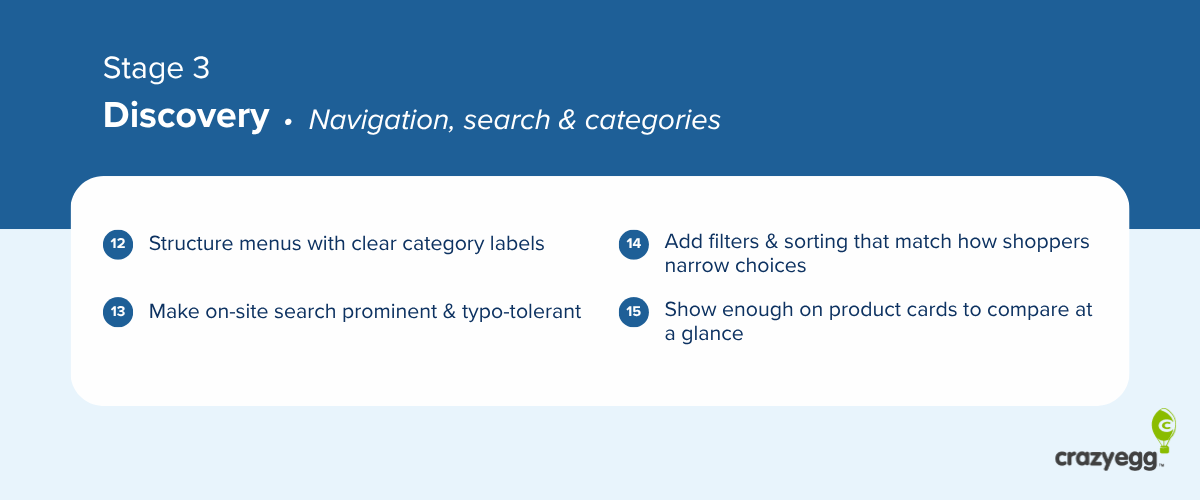
Phase III: Discovery (Navigation and Search)
Once a visitor has arrived, they must be able to find their desired product in seconds, not minutes.
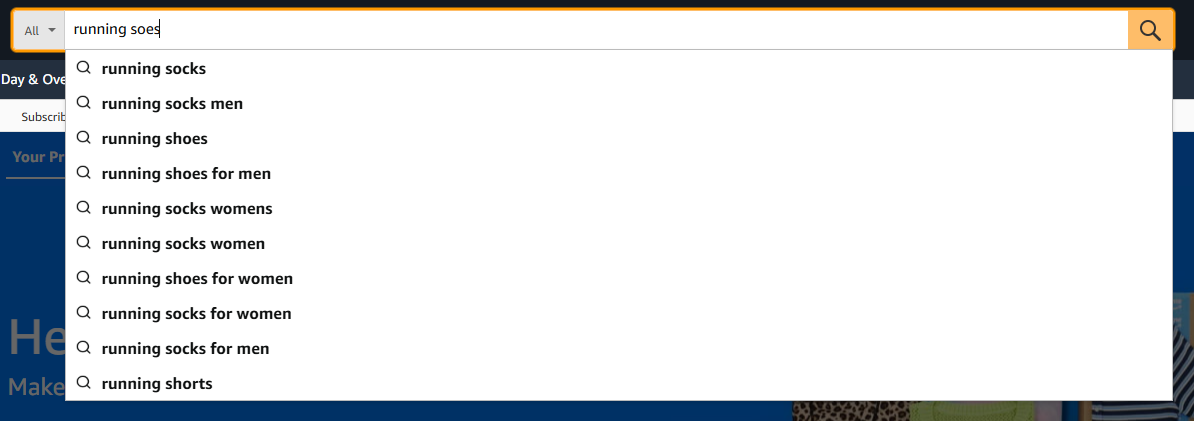
6. Search Functionality
Data from the 2024 Constructor report reveals that while searchers comprise only 24% of visitors, they drive 44% of total revenue. A "good" search bar is typo-tolerant, offers autocomplete suggestions, and provides highly relevant results.
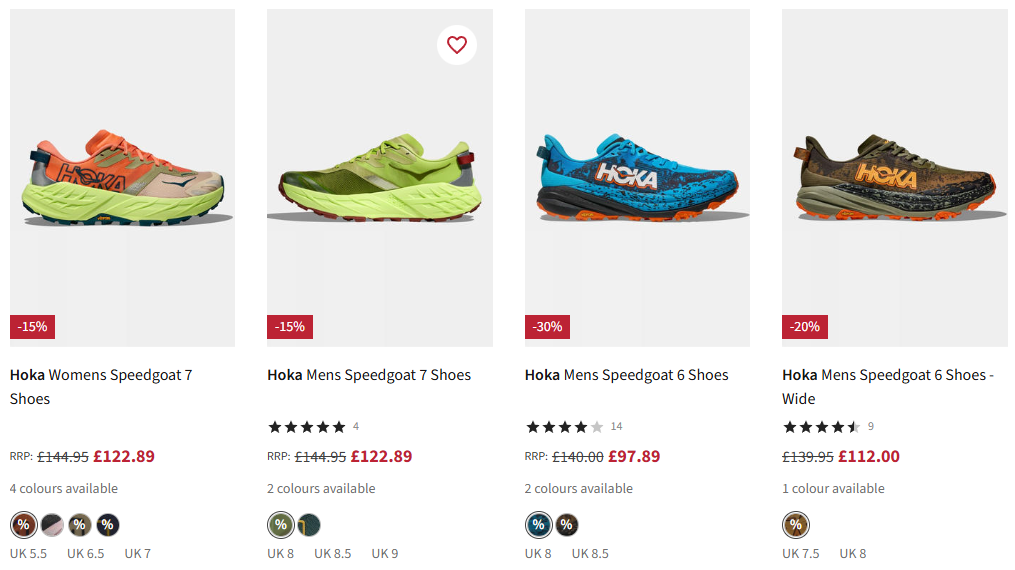
7. Intuitive Filtering
Shoppers have a mental model of how they want to browse. By providing robust filters (size, color, price, material, rating), you allow users to narrow down the catalog to exactly what meets their criteria, reducing "decision paralysis."

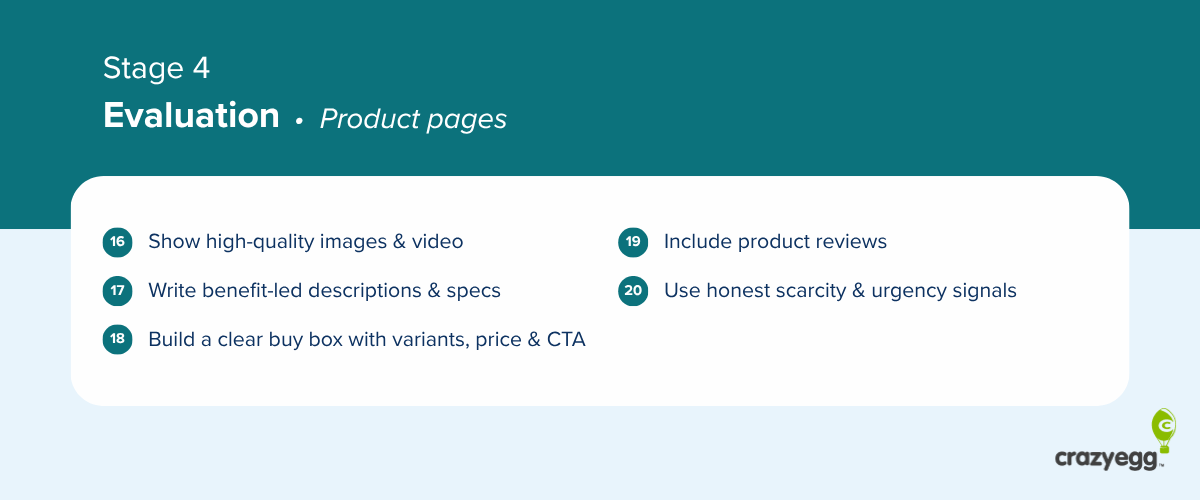
Phase IV: Evaluation (Product Detail Pages)
The Product Detail Page (PDP) is the digital equivalent of a salesperson. It must provide enough information to mimic the tactile experience of shopping in-store.
8. Visual Trust
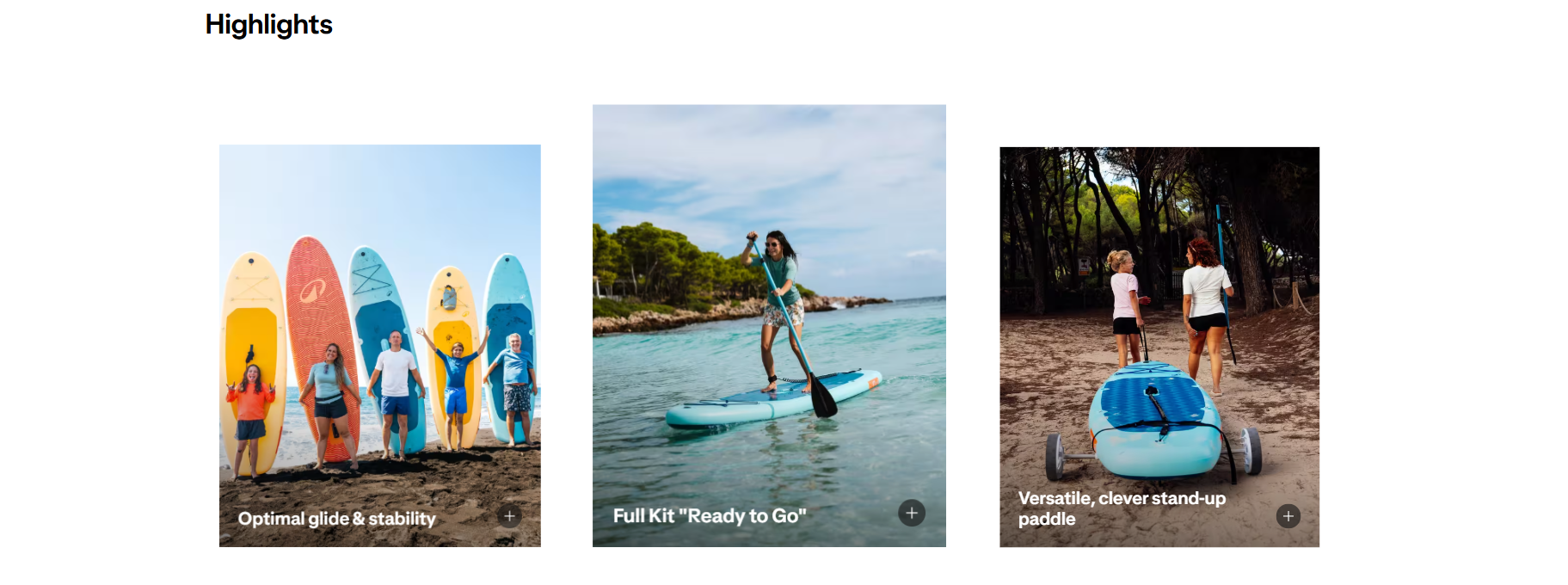
Since customers cannot touch the product, your imagery must act as a proxy. Include high-resolution photos, 360-degree views, and, crucially, lifestyle imagery that demonstrates scale and usage context.
9. Social Proof
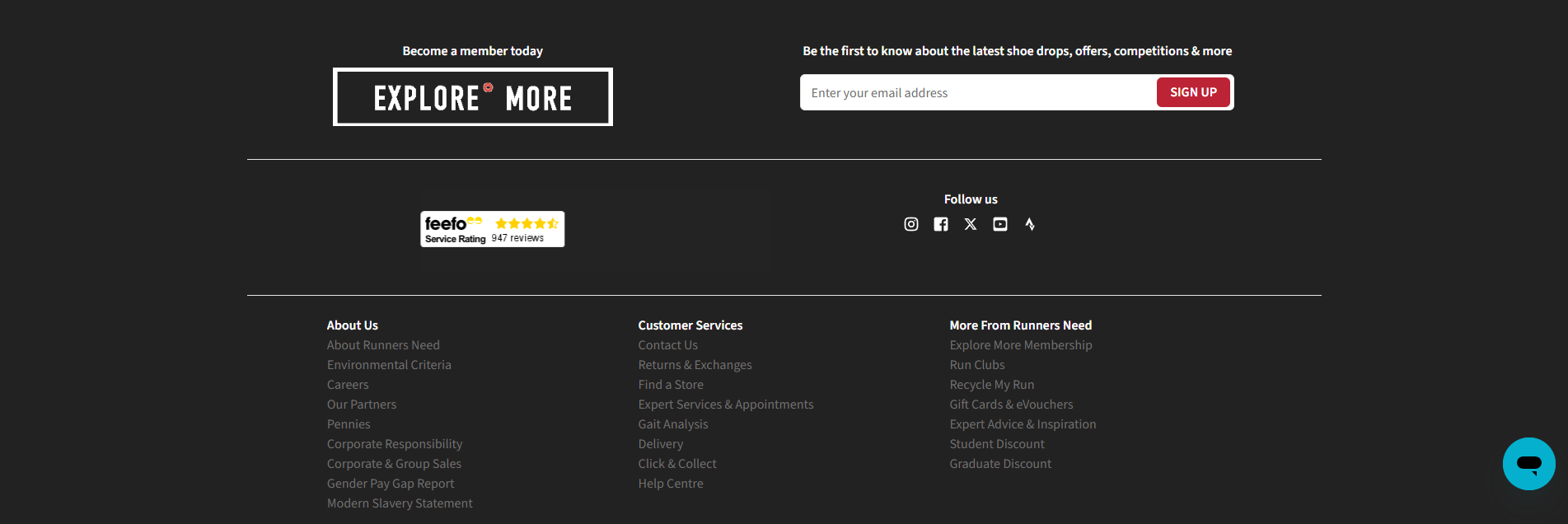
Reviews are non-negotiable. Display aggregate star ratings prominently, and allow users to filter reviews by relevant criteria (e.g., "Size: Small" or "Skin Type: Dry"). A product with 500 reviews and a 4.7-star rating is significantly more likely to convert than a new item with zero feedback.
Phase V: Purchase Intent (The Cart)
The cart is the most fragile part of the funnel. Even minor frustrations here can lead to abandonment.
10. The Free Shipping Threshold
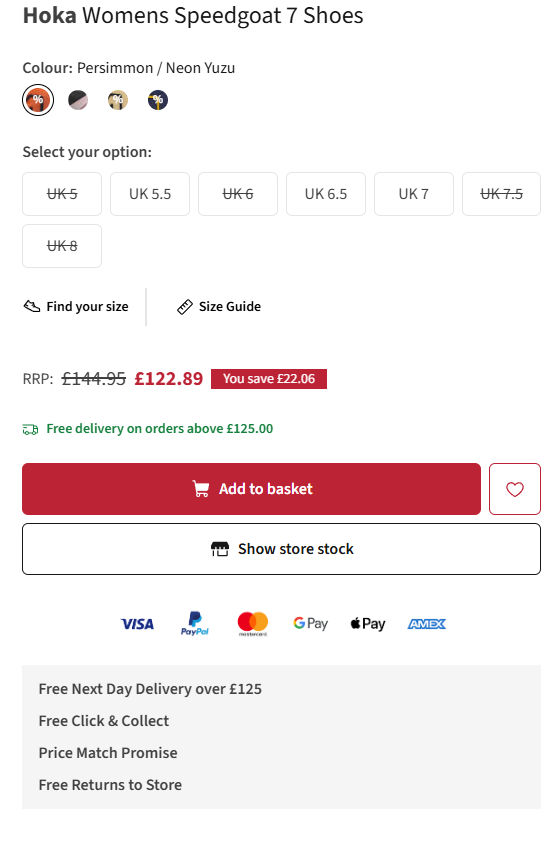
Psychology plays a major role in cart value. By offering free shipping at a threshold slightly above your average order value (AOV), you incentivize users to add one more item to their cart to "unlock" the deal. Use a visual progress bar to show them how close they are to the goal.
11. Transparent Pricing
Hidden costs are the primary driver of checkout abandonment. Display all taxes, shipping fees, and potential surcharges as early as possible. If the customer is surprised by a fee on the final screen, they will almost certainly exit the site.
Phase VI: Conversion (Checkout)
A streamlined checkout is the final hurdle. The goal is to minimize friction, not to collect marketing data—save that for the confirmation page.
12. Guest Checkout
Forcing account creation is one of the most effective ways to lose a sale. Allow customers to purchase as guests, and offer the option to "save these details for next time" on the confirmation page once the order is secure.
13. Express Payments
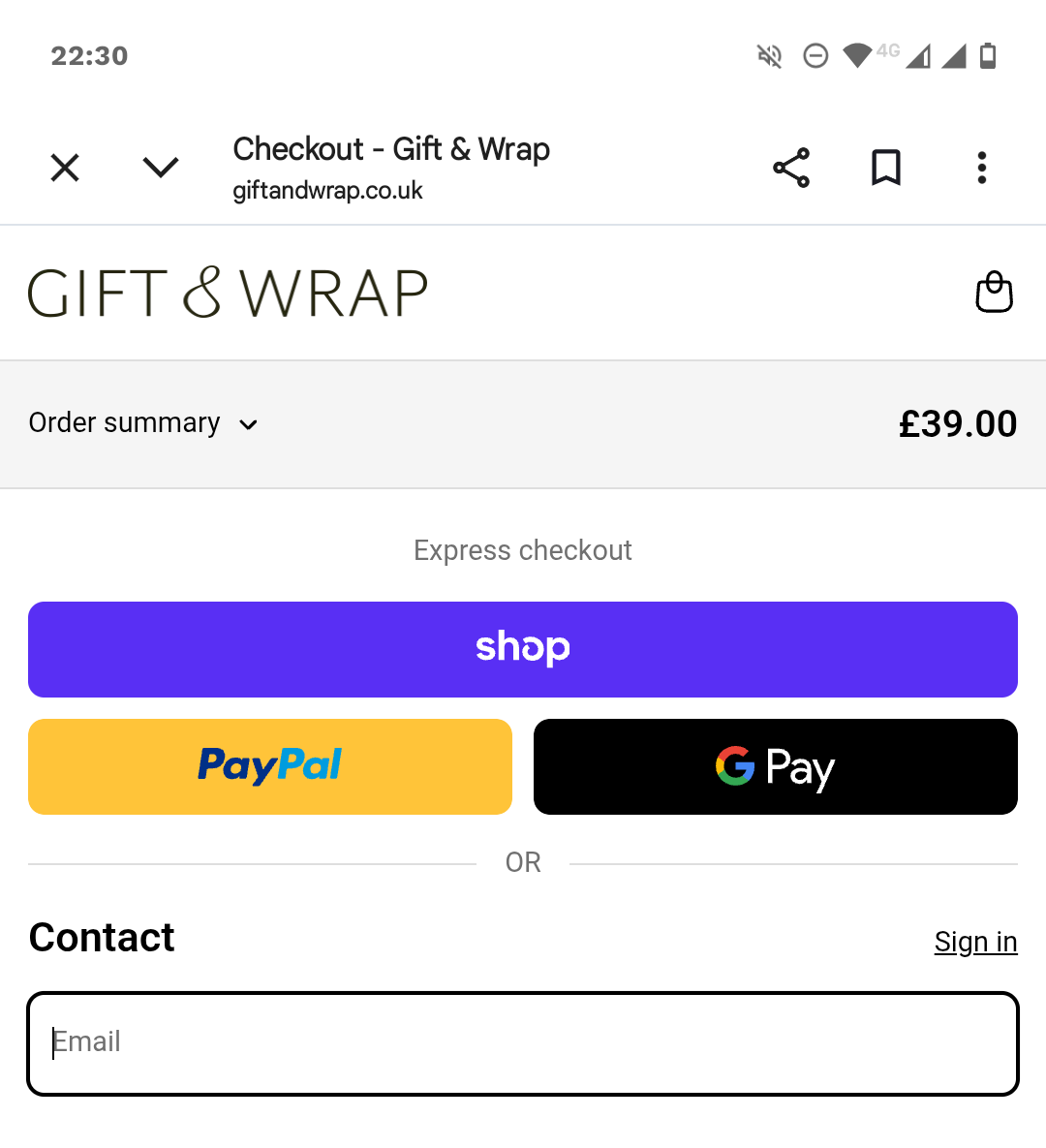
Integrated payment methods (PayPal, Apple Pay, Shop Pay) are essential. These methods allow users to bypass lengthy form-filling, which is notoriously difficult on mobile devices.
Phase VII: Loyalty (Post-Purchase)
The transaction should not be the end of the relationship.
14. Retention Loops
Post-purchase emails should provide utility first—tracking info, usage guides, and care tips. Only after the customer has received the item should you ask for a review or introduce loyalty program benefits.
15. Loyalty Programs
A well-structured loyalty program encourages repeat visits. By gamifying the experience—showing points balances and upcoming rewards in the account dashboard—you create an emotional and financial "lock-in" that keeps customers coming back to your store instead of turning to competitors.
Implications for E-Commerce Leaders
The implementation of these 34 strategies requires a shift in mindset. Rather than chasing "growth hacks," focus on the systematic removal of friction points.
The Diagnostic Process
Before making any changes, conduct an audit of your own store. Browse it as a customer, use the search, and complete a full checkout. Document every moment of confusion or annoyance. This qualitative data, paired with quantitative metrics from your analytics platform, will highlight exactly where you should begin.
From Checklist to Culture
Optimization is not a one-time project; it is a cycle. Once you have applied the items on this checklist, move into an A/B testing cadence. Use tools like Crazy Egg to observe how users behave on your site and experiment with variations to see what drives your specific audience to convert.
As the e-commerce landscape matures, the brands that win will be those that respect the customer’s time and attention. By providing a frictionless, trust-heavy, and efficient journey, you do more than just make a sale—you build a loyal customer for life.
