
The Data-Driven Advantage: 12 Essential Facebook Analytics Tools for 2026
In the modern digital ecosystem, raw data is abundant, but actionable intelligence is rare. For brands operating on Facebook, the challenge has shifted from simply collecting metrics to distilling vast streams of information into precise, strategic maneuvers. With Facebook remaining a cornerstone of social commerce and brand discovery, the ability to interpret engagement, reach, and conversion data is the primary differentiator between market leaders and those left behind.
As we move through 2026, the landscape of analytics has evolved. It is no longer enough to look at "likes" or "shares." Today’s top-tier marketers are utilizing sophisticated tools to analyze audience sentiment, benchmark against global competitors, and leverage AI to predict the optimal moments for content delivery.

The Core Challenge: Transforming Noise into Insight
The primary hurdle for social media managers is the "analysis paralysis" caused by the sheer volume of data provided by Meta’s native ecosystem. While Meta Business Suite offers a foundational starting point, the most successful brands have transitioned to specialized, third-party analytics platforms. These solutions provide the necessary depth to cross-reference organic performance with paid ad efficacy, ensuring that every dollar spent contributes to a measurable return on investment (ROI).
Chronology of the Analytics Evolution
The history of social media measurement is marked by the transition from vanity metrics to business-impact metrics.

- 2010–2015: The "Fan Count" era, where page growth was the primary KPI.
- 2016–2020: The rise of engagement rates and the birth of sophisticated ad-targeting metrics.
- 2021: The pivotal closure of the original "Facebook Analytics" tool, which signaled a shift toward centralized, platform-native management through Meta Business Suite.
- 2022–Present: The AI revolution, characterized by predictive modeling, automated sentiment analysis, and cross-channel benchmarking.
12 Leading Facebook Analytics Tools for 2026
To help you navigate the crowded market of measurement software, we have compiled a breakdown of the 12 most effective tools, ranked by their depth of insight, ease of use, and integration capabilities.
1. Perch by Hootsuite
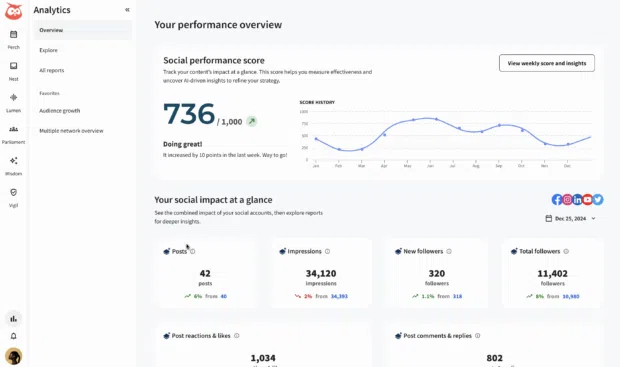
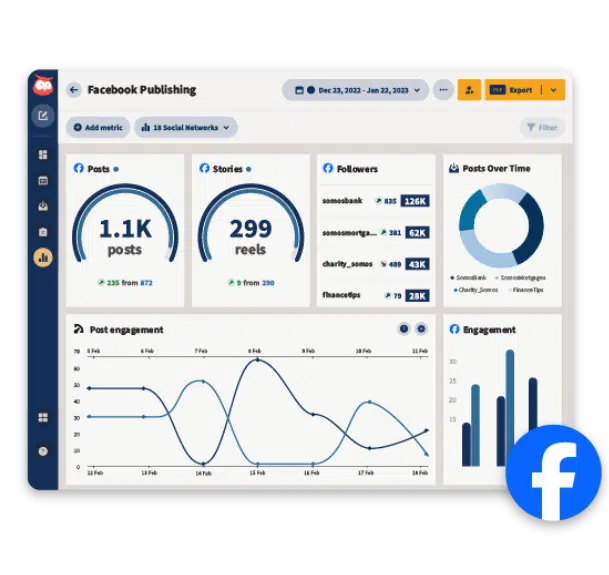
As the industry leader, Perch by Hootsuite is designed for teams that require a holistic view of their social performance. It transcends simple Facebook metrics, allowing users to aggregate data from Instagram, TikTok, LinkedIn, and more.

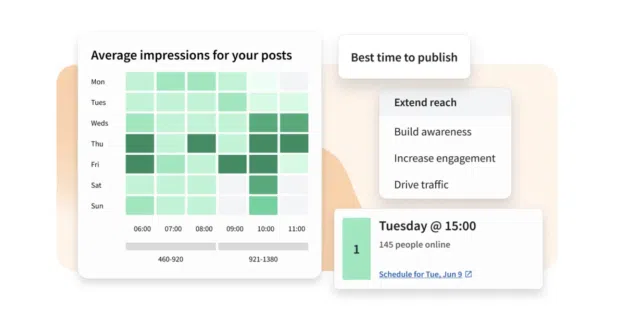
- Why it leads: It offers robust benchmarking and "best-time-to-publish" recommendations driven by historical performance data. Its strength lies in its ability to generate stakeholder-ready reports that emphasize business outcomes over abstract metrics.
2. Meta Business Suite
For small businesses or those just starting their journey, the native Meta Business Suite remains an indispensable, free tool. It provides a direct line to Ads Manager data, making it the most accurate source for real-time campaign performance. While it lacks the deep, multi-platform comparative analysis of paid tools, its integration with Facebook’s backend is unmatched.
3. Buffer
Buffer is the gold standard for simplicity. Its dashboard is uncluttered, allowing teams to track Facebook performance without the steep learning curve associated with enterprise software. It is ideal for mid-sized teams that need straightforward, consistent reporting.
4. Sprout Social
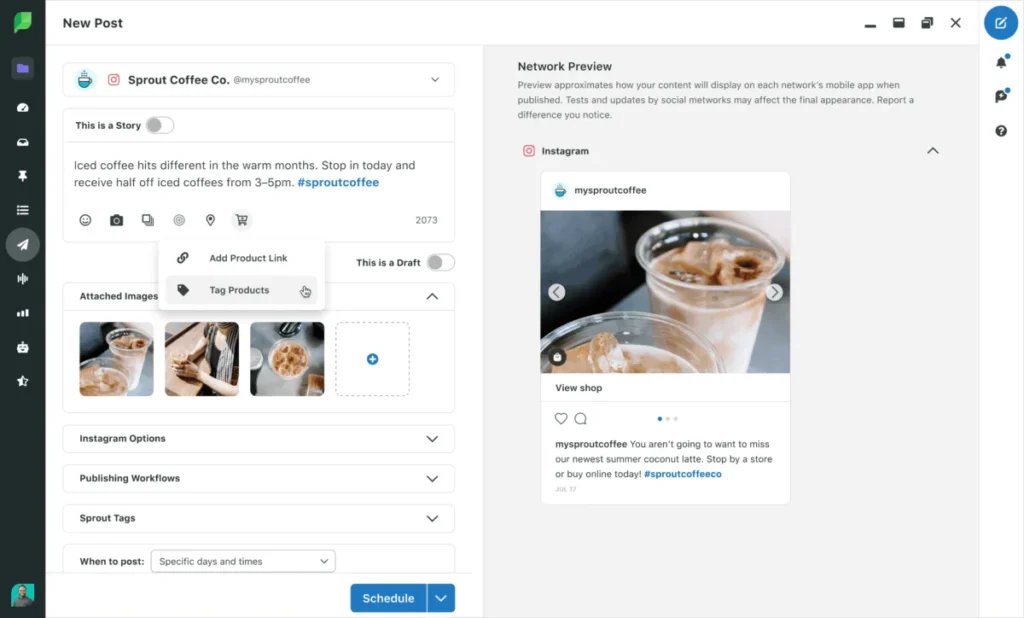
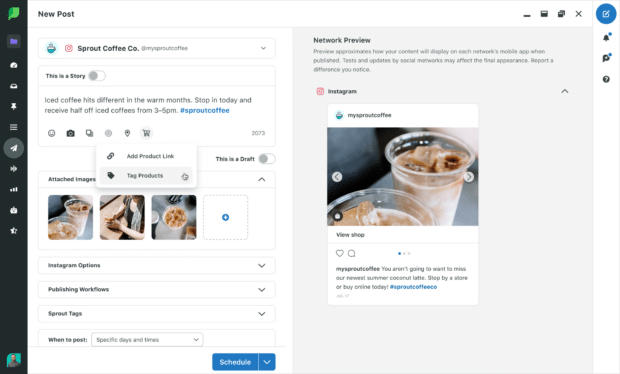
Sprout Social is a powerhouse for enterprise-level management. Its analytics dashboard is highly granular, allowing for deep dives into both organic and paid content. Its strength is in its robust reporting suite, which is highly customizable for large-scale marketing organizations.
5. Rival IQ
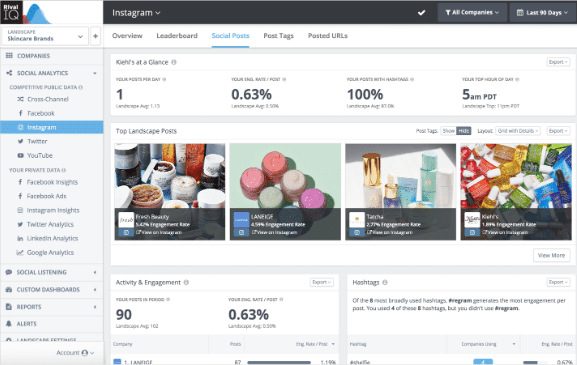
In a competitive market, Rival IQ is the premier choice for brands focused on market share. Its competitive analysis features allow you to see how your Facebook engagement stacks up against industry peers, providing a baseline for success that goes beyond your own internal goals.
6. Keyhole
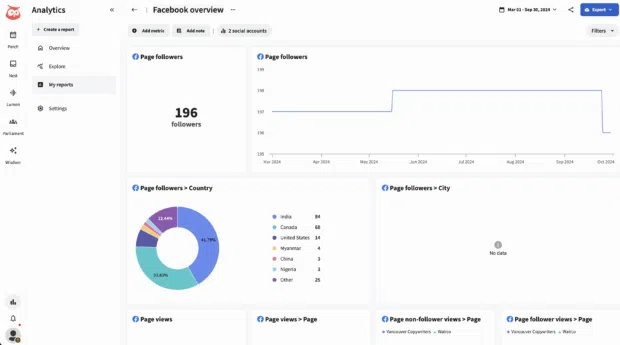
Keyhole specializes in the "why" behind the data. By utilizing sophisticated hashtag and keyword tracking, it helps brands understand the sentiment surrounding their campaigns. It is a critical tool for public relations and crisis management, as it captures real-time trends.
7. Social Status
Social Status distinguishes itself by offering comprehensive ad analytics alongside organic tracking. It is particularly adept at evaluating influencer campaigns, making it a favorite for brands heavily invested in creator marketing.
8. Facelift Data Studio (formerly Quintly)
With access to over 500 performance metrics, Facelift is for the data scientist of the marketing world. It offers unparalleled depth, allowing users to build custom, layered reports that can be tailored to any specific business objective.
9. Vaizle
Vaizle represents the future of analytics through AI integration. By acting as a conversational chatbot for your ad data, it can answer complex questions—such as why ROAS (Return on Ad Spend) has dipped—in plain English. It removes the need for manual data mining.
10. Social Insider
Social Insider is another strong contender for competitive benchmarking. Its primary advantage is its industry-specific data, which allows brands to understand their performance in the context of their specific vertical.
11. Sotrender
Sotrender is a comprehensive reporting suite that excels at tracking customer service metrics. By analyzing the sentiment and response times of your community management, it ensures that the "social" aspect of social media is as healthy as your content metrics.

12. NapoleonCat
Rounding out the list is NapoleonCat, which combines the "big three" of social management: publishing, analytics, and a unified inbox. It is an efficient all-in-one solution for teams that want to minimize the number of browser tabs they keep open.
Supporting Data: Why Tool Selection Matters
Research consistently shows that brands using advanced analytics tools increase their campaign engagement rates by an average of 22% compared to those relying solely on native insights. This is largely due to the "benchmarking gap." Native tools tell you how you are doing compared to your past performance, but third-party tools tell you how you are doing compared to the market.
For example, an engagement rate of 2% might seem low in a vacuum, but if the industry average is 1.2%, your strategy is actually outperforming. Without competitive benchmarking tools like Rival IQ or Social Insider, a brand might erroneously pivot its strategy, causing unnecessary volatility in its social presence.
Implications for Modern Marketing Strategy
The adoption of these tools signals a professionalization of social media marketing. No longer is the "social media person" simply posting photos; they are now managing a high-stakes, data-driven revenue channel.
Strategic Shifts
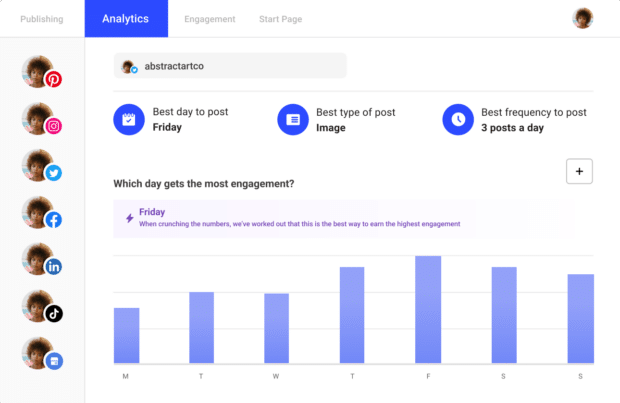
- From Reactive to Proactive: By using "best time to post" features, brands are shifting from posting content when it is convenient to posting when their audience is primed for consumption.
- Increased Accountability: With the ability to generate automated, professional reports, social media teams are finding it easier to justify their budget requests to the C-suite.
- Cross-Platform Synergy: As users hop between platforms, tools like Perch by Hootsuite ensure that a brand’s voice remains consistent, and that learnings from a successful TikTok video can be applied to a Facebook post strategy.
Official Perspectives on Data Privacy
It is important to note that all tools listed above operate within the framework of Meta’s API limitations. As privacy regulations continue to tighten, the industry has seen a move away from individual user tracking toward aggregated, anonymized insights. All professional-grade tools have pivoted to support this privacy-first model, ensuring that brands remain compliant with global regulations while still gaining the insights they need to grow.
Conclusion: Making the Right Choice
Choosing the right Facebook analytics tool is not about finding the one with the most features; it is about finding the one that aligns with your team’s specific goals.
- If you are an enterprise: Look toward Perch by Hootsuite or Sprout Social for their scalability and robust reporting.
- If you are a growth-focused brand: Rival IQ and Social Insider will give you the competitive edge you need to capture market share.
- If you are a small business: Start with Meta Business Suite, and supplement it with the simplicity of Buffer or the AI-driven ease of Vaizle.
The data is there, waiting to be interpreted. By investing in the right tools, you move beyond mere measurement and into the realm of true strategic optimization. The era of guessing is over; the era of data-backed growth has arrived.
