
The Creator Economy 2026: A Comprehensive Guide to Monetizing Instagram
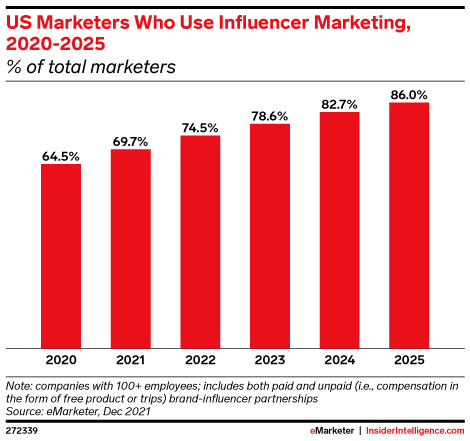
In 2026, the digital landscape has shifted from a mere social networking space into a sophisticated engine for economic opportunity. For the modern creator, Instagram is no longer just a digital scrapbook or a portfolio; it is a full-scale business infrastructure. With US influencer marketing spend projected to reach $13.7 billion by 2027, the barrier to entry has lowered, but the standard for professionalism has risen.
Whether you are a micro-influencer with a loyal following of 2,000 or a content house managing a massive community, the path to sustainable income is now paved with a diverse array of native tools and external business strategies.
The Evolution of Instagram Monetization: Main Facts
Monetization on Instagram has evolved far beyond the traditional "sponsored post." Today, it encompasses a hybrid ecosystem where content creators function as media houses, retailers, and consultants.

At its core, monetization is the process of extracting financial value from your content—be it through direct ad-revenue sharing, recurring subscription models, or social commerce. The primary distinction in 2026 is the breakdown of the barrier between "influencer" and "entrepreneur." Creators are increasingly bypassing the middleman, selling digital goods and services directly to their followers, thereby diversifying their revenue streams to protect against algorithm volatility.
A Chronological Shift: From Ads to Ecosystems
The history of Instagram monetization reflects the platform’s maturation:
- The Early Years: Monetization was exclusively the domain of high-reach celebrities engaging in manual brand deals.
- The Mid-2020s: The introduction of the Creator Marketplace and professional dashboards democratized access, allowing smaller creators to be discovered by brands.
- 2026 and Beyond: The platform has integrated "Social Commerce" as a core pillar. Features like native product tagging, subscription-gated content, and AI-driven matchmaking in the Creator Marketplace have turned the platform into a high-intent transactional environment.
Supporting Data: Why the Creator Economy is Booming
The numbers confirm that you do not need millions of followers to generate a significant income. Data from 2024 and 2025 indicates that the "middle class" of the creator economy is expanding:

- Market Reach: Over 80% of US marketers currently utilize Instagram for influencer campaigns.
- The Rise of the Nano-Influencer: Influencers with 1,000 to 10,000 followers constitute the largest segment of the global creator pool.
- Engagement Advantage: Smaller accounts frequently command engagement rates upwards of 6%, significantly outperforming macro-influencers (who often hover near 0.6%), making them highly attractive to ROI-focused brands.
Establishing Your Foundation: Setting Up for Profit
Before a single dollar can be earned, your account must be technically prepared.
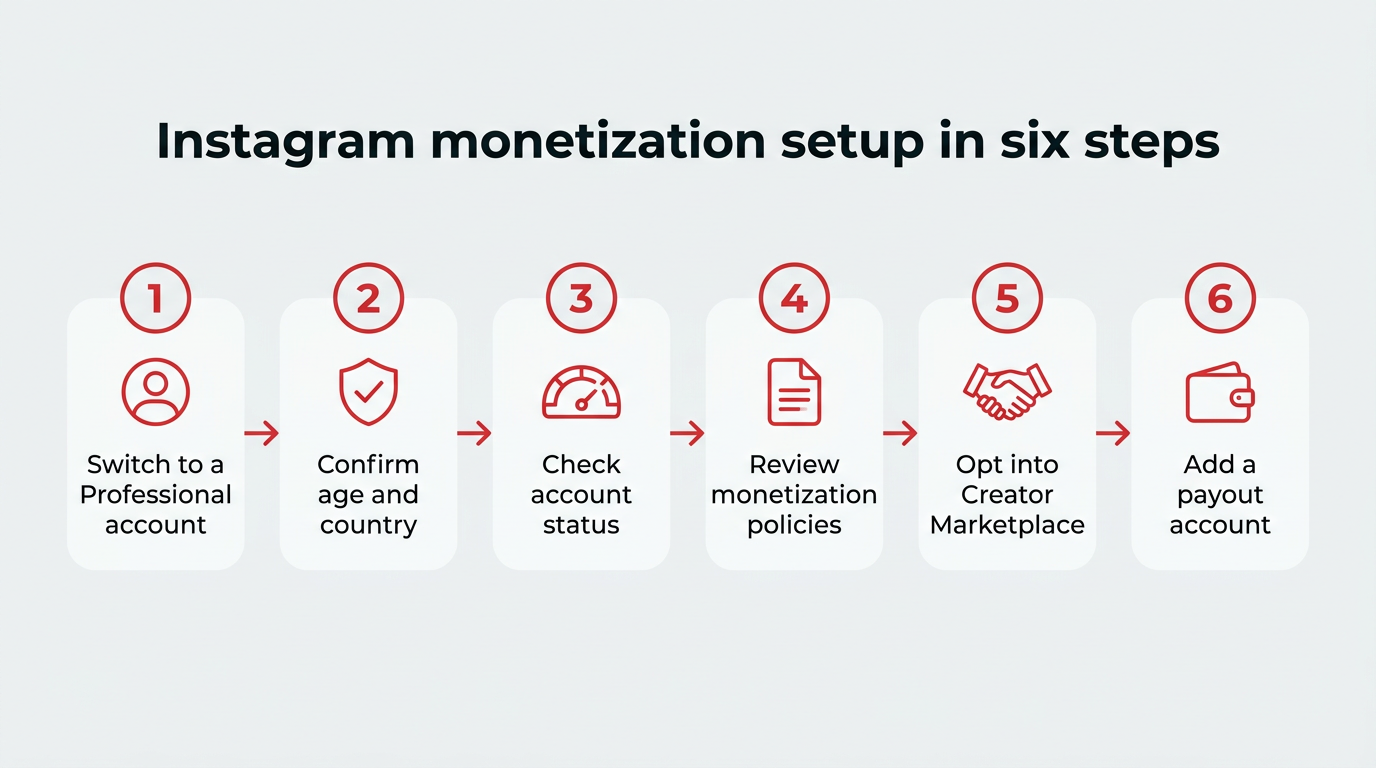
1. The Professional Transition
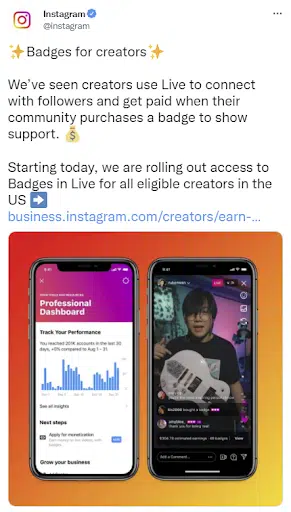
The transition to a Professional Account is non-negotiable. Whether you choose "Creator" (best for influencers and public figures) or "Business" (best for storefronts), you unlock the Professional Dashboard—the command center for your analytics and monetization eligibility.
2. The Creator Marketplace
By opting into the Creator Marketplace, you place yourself in a global directory. Brands use this to filter creators by niche, audience demographics, and engagement history. This proactive step removes the need for cold-pitching, as brands come to you based on your verified performance data.
12 Strategic Pathways to Revenue
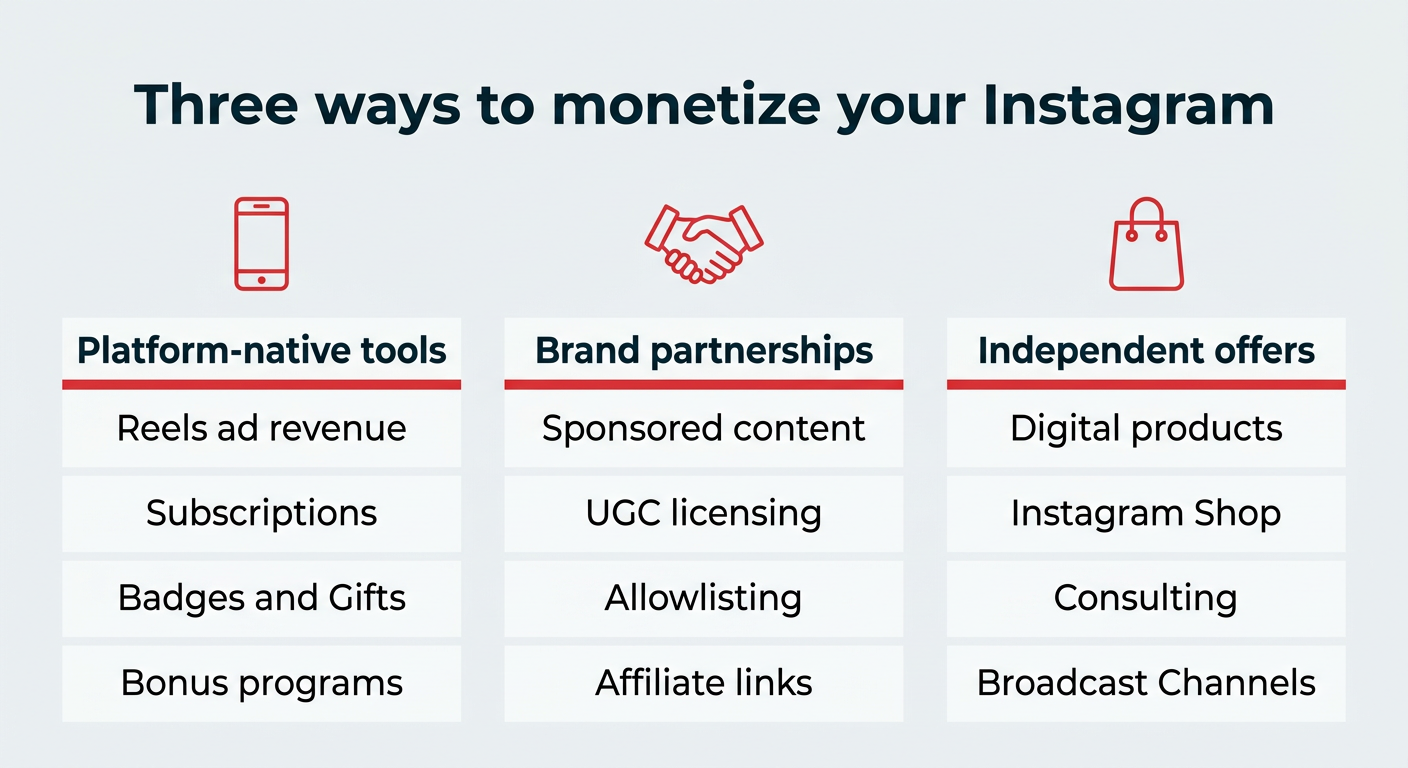
To build a resilient income, experts recommend a "stacked" approach. Relying on one source—like ad revenue—is risky; combining multiple sources is sustainable.
Brand Partnerships and Sponsored Content
This remains the bread and butter of the industry. However, the "ad" has changed. Authentic, integrated storytelling—such as a "Day in the Life" reel featuring a product—now yields higher conversion rates than static, polished product shots.
Affiliate Marketing: The Passive Engine
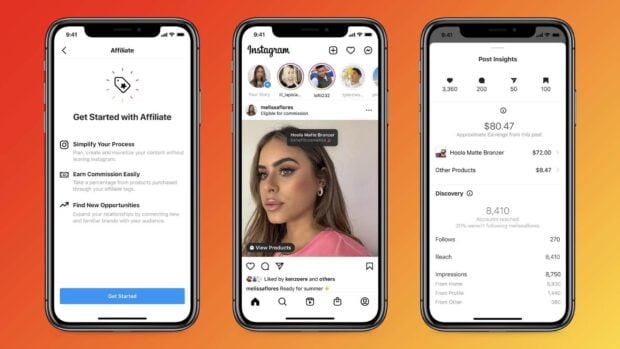
By leveraging "Link in Bio" tools and Story stickers, creators can earn commissions on referred sales. Unlike brand deals, which are one-time payments, a high-performing Reel with an affiliate link can generate residual income for months.
Reels Ad Revenue and Bonus Programs
While invitation-only, Reels monetization is a critical layer. Because Reels are prioritized for discovery (reaching people who don’t follow you), they act as the "top of funnel" for your business, while ad-sharing provides the baseline payout for your video production efforts.
Subscriptions and Exclusive Communities
Subscriptions allow you to gate content for your "super-fans." By offering behind-the-scenes access, early drops, or direct Q&As, you turn a follower into a recurring monthly customer, providing the most predictable income stream available.
Digital Products and Consulting
The highest-margin revenue stream. By selling digital assets—such as photography presets, fitness guides, or e-books—you keep nearly 100% of the profit. This is the ultimate expression of "niche authority."
Implications: The Ethics of Pay and Transparency
A critical aspect of the 2026 creator landscape is the focus on the Influencer Pay Gap. Transparency initiatives, such as the @influencerpaygap movement, have empowered creators to demand fair compensation.
The Golden Rule of Pricing:
- Base Pricing: Use the $0.16 per engagement rule (average engagements x $0.16).
- Usage Rights: Never give away content rights for free. If a brand wants to use your content as an ad (whitelisting), charge a premium (typically 20–50% of your base fee) for the privilege.
Strategic Growth for Long-Term Success
To maximize these revenue streams, growth is not just about vanity metrics; it is about community management:
- Lean into Video: Reels remain the highest-reach format.
- Broadcast Channels: Use these for direct, one-to-many communication to push your offers to a warm audience.
- Constant Optimization: Review your Professional Dashboard weekly. If a piece of content performs well, analyze why and replicate that structure in your next sponsored post.
Frequently Asked Questions (FAQ)
Does Instagram pay per 1,000 views?
No. Instagram uses a revenue-share model based on ad demand in your specific niche. There is no fixed "pay-per-view" rate.
How many followers do I need to make $1,000 a month?
There is no magic number. A creator with 5,000 highly engaged followers who sells a digital product and has a small affiliate program can easily out-earn a creator with 50,000 passive followers.
What are the FTC disclosure requirements?
In the US, you are legally required to disclose any material connection to a brand. This means using the "Paid Partnership" label or clear hashtags like #ad or #sponsored at the start of your caption.
Can I monetize without a large following?
Absolutely. UGC (User Generated Content) licensing and digital product sales are entirely dependent on the quality of your work, not the size of your audience.
Conclusion
Monetizing Instagram in 2026 is less about "getting lucky" with the algorithm and more about treating your profile as a legitimate business entity. By combining brand partnerships, affiliate links, and digital product sales, you can build a diversified revenue model that survives the shifts in platform trends. Start by auditing your current engagement, choosing two to three revenue streams to focus on, and prioritizing transparency in your brand dealings. The tools are there; the success of your creator business is now entirely in your hands.
