
The Art of the Pivot: Mastering Corporate Change Announcements to Preserve Customer Trust
In the lifecycle of any thriving business, change is not merely an eventuality; it is a necessity. Whether driven by a strategic merger, a comprehensive rebrand, a shift in corporate nomenclature, or a change in primary contact infrastructure, these transitions are critical milestones. However, they are also high-stakes maneuvers. How a company communicates these shifts to its stakeholders can be the difference between a seamless evolution and a catastrophic loss of brand equity.
A well-executed announcement does more than satisfy legal or operational requirements—it serves as a psychological anchor for the customer. It provides the reassurance that while the exterior packaging may be evolving, the core value proposition and the relationship the customer relies upon remain steadfast.
The Anatomy of a Corporate Change Announcement
At its core, a company change announcement is a formal, strategic communication designed to notify clients, partners, and the broader market of a significant organizational pivot. Such announcements typically address changes in company name, visual identity, structural mergers, or logistical shifts such as relocation.

The primary objective is twofold: to mitigate customer confusion—which often manifests as a spike in support tickets or, worse, a surge in churn—and to preserve trust. In the digital age, where email deliverability and sender reputation are paramount, the way these messages are delivered can directly impact the company’s ability to conduct business.
Why Strategic Communication Impacts the Bottom Line
The business implications of a poorly managed announcement are profound. The most immediate risk is the erosion of email deliverability. When a company changes its domain or sender name without sufficient preparation, it risks triggering spam filters. If a subscriber does not recognize the "From" address, they are likely to mark the message as spam, a signal that internet service providers (ISPs) track aggressively. This can "poison" the company’s sender reputation, hindering all future communications.
Furthermore, transparency acts as a defensive moat. Abrupt, unexplained changes breed suspicion. Customers often equate silence with instability. Conversely, businesses that provide context—explaining the "why" behind the change—see higher engagement rates. This transition period is not just a burden; it is a marketing opportunity to remind the audience of the brand’s history and its future potential.

A Chronological Guide to Executing the Transition
Effective communication requires a phased approach. The following timeline outlines the industry standard for ensuring that a transition is both clear and well-received.
1. The Pre-Transition Phase (4–6 Weeks Out)
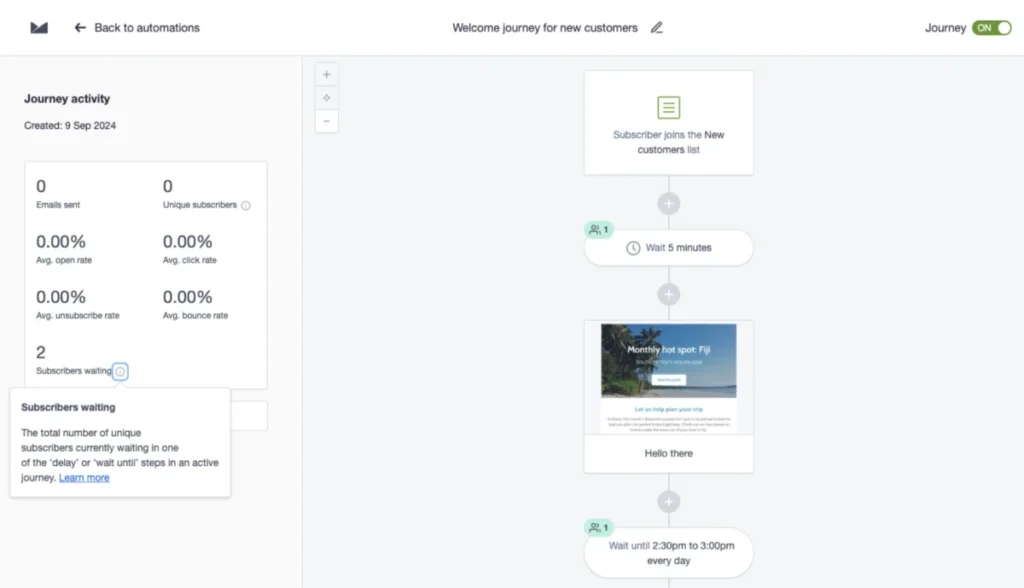
This stage is dedicated to internal alignment and asset creation. Marketing teams must develop a unified message that explains the change in a way that centers the customer’s experience. During this time, audit all automated email journeys—welcome sequences, transactional receipts, and password reset flows—to ensure all branding is updated in tandem with the primary announcement.
2. The Awareness Phase (2–4 Weeks Out)
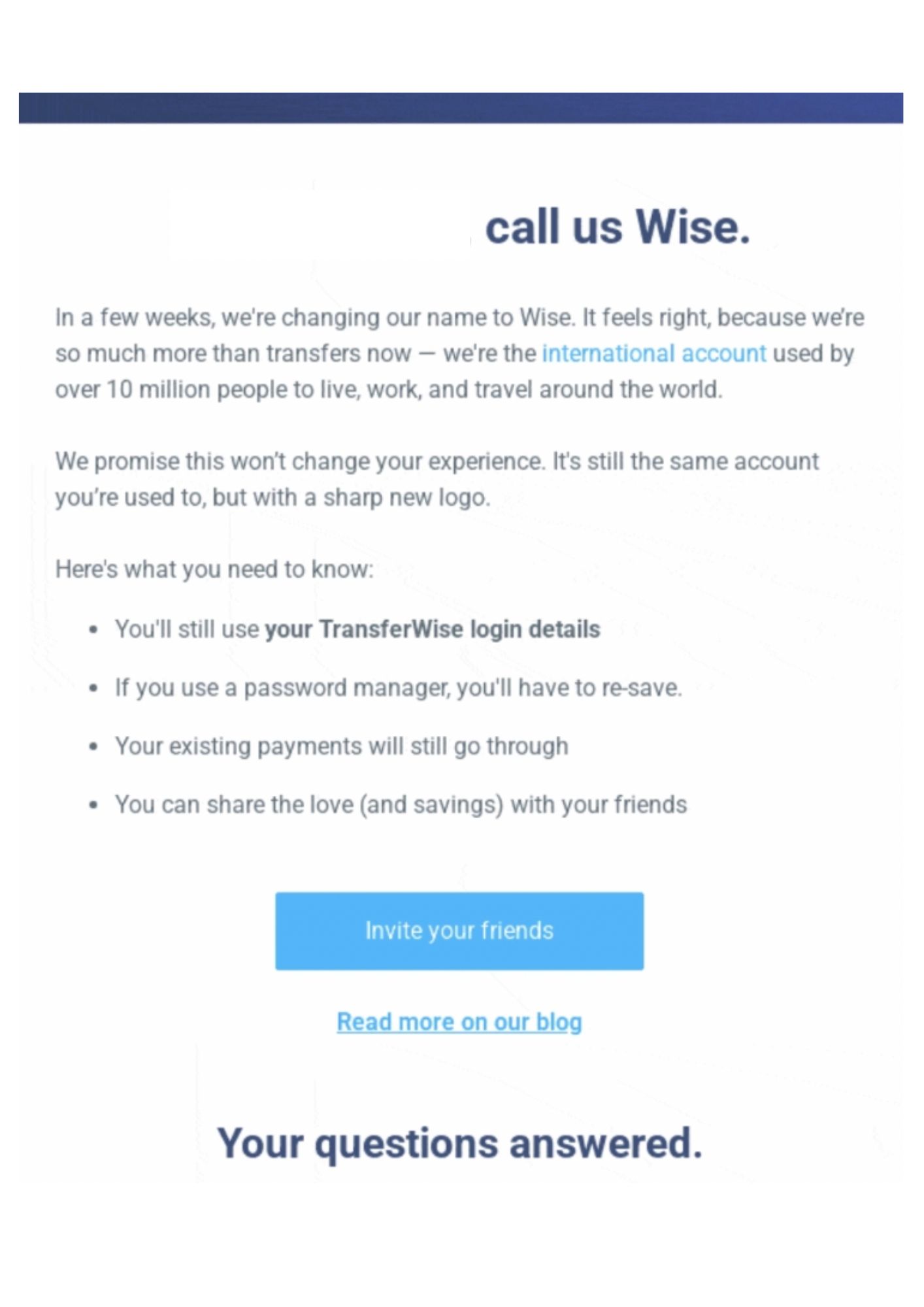
The initial announcement should be sent from your recognized, legacy email address. By leveraging the "From" name that customers already trust, you ensure the message is opened. The content should clearly define the shift, highlighting what is changing and, crucially, what is remaining the same.

3. The Reminder Phase (1 Week Out)
Inboxes are inherently cluttered. A significant portion of your audience will inevitably miss the first communication. A targeted follow-up to those who did not open the initial email is essential. This is the moment to reinforce the timeline and provide clear instructions if any action is required from the user.
4. The "Go-Live" Phase (Day Of)
On the day of the switch, send a confirmation email. This acts as a closing statement to the transition, signaling that the change is now in effect. It should be concise and serve as a final point of contact for any lingering questions.
5. The Post-Transition Phase (1–4 Weeks After)
Monitor the feedback loop. Use your analytics to track unsubscribe rates and, more importantly, the nature of the questions coming into your support team. If you notice a high volume of queries regarding a specific aspect of the change, address it with a follow-up FAQ document.
Essential Components of the Announcement
To ensure clarity, every announcement should adhere to a specific structural logic:
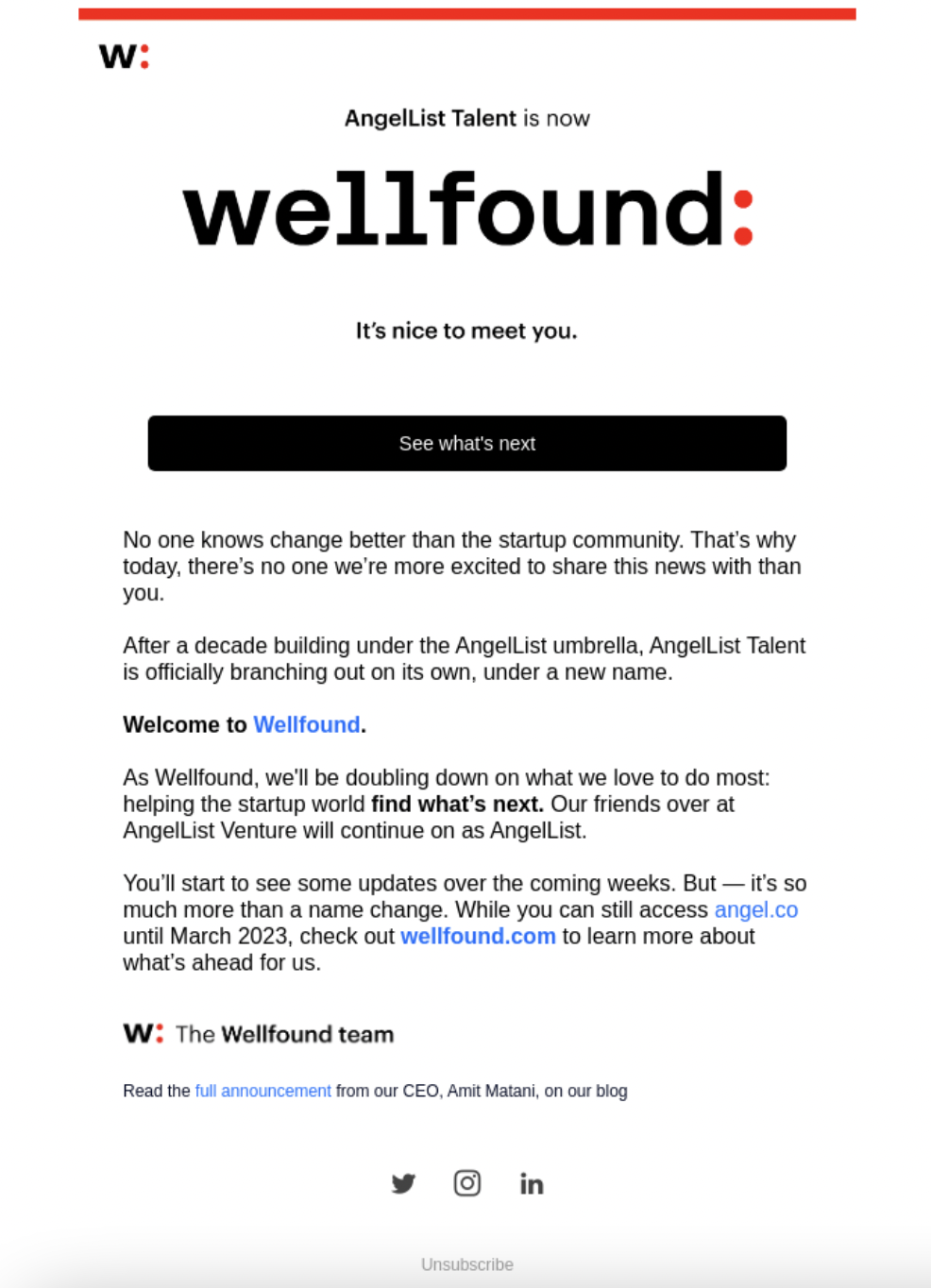
- The Subject Line: This must be unambiguous. Avoid vague headers like "Important Update." Instead, opt for directness: "[Old Name] is now [New Name]" or "We are moving: Our new office address."
- The "From" Identity: Do not abandon your old branding overnight. The initial email should arrive from the legacy address, acting as a bridge between the old and the new.
- The Value Proposition: Clearly state what is not changing. If the team, the quality of service, and the pricing remain constant, say so explicitly. Customers fear that a change in name indicates a change in service quality.
- The Call to Action (CTA): Give the customer a concrete next step. Whether it is updating a bookmark, whitelisting a new email address, or simply reading an FAQ, the CTA should provide a sense of agency.
Supporting Data: The Power of Segmentation
Not all customers engage with a brand in the same way. Advanced email platforms allow for segmentation, which is critical during a transition. For instance, you might segment your list to send a more detailed, high-level corporate announcement to long-term enterprise clients, while sending a concise, benefits-focused message to retail subscribers.
Tracking metrics such as "Open Rate" and "Click-Through Rate" on these announcements provides a clear indication of how your audience is reacting to the change. A sudden spike in unsubscribes is a clear indicator that the messaging lacks sufficient reassurance or that the transition was too abrupt.

Official Responses and Managing Customer Concerns
Inevitably, some customers will be resistant to change. Having a prepared, empathetic response protocol for your customer service team is essential.
- On Trust: If a customer asks if the company is being sold or if the business is unstable, the response should be direct: "We are evolving to better serve our growing customer base. Our mission remains the same."
- On Operational Logistics: If a customer is confused about payment or account access, clearly state that no action is required on their end.
- On Brand Sentiment: If a customer expresses nostalgia for the old logo or name, acknowledge their sentiment. Validation—"We understand that change can be an adjustment"—goes a long way toward building long-term loyalty.
The Multi-Channel Imperative
While email is the primary engine of a corporate announcement, it should not be the sole channel. A comprehensive strategy utilizes every touchpoint:
- Social Media: Use platforms like LinkedIn or Twitter to provide a "behind the scenes" look at the transition. This adds a human element to the news.
- Website: A dedicated landing page that serves as a central repository for all information regarding the change can help reduce support ticket volume.
- In-Product Messaging: If you provide a software service, use in-app notifications to guide users through the change within the actual workflow.
- SMS Marketing: For urgent or high-impact changes, a brief SMS can serve as a highly visible reminder.
Implications and The Long-Term View
The ultimate goal of a company change announcement is to turn a potential point of friction into a moment of brand consolidation. By being transparent, proactive, and patient, a business can leverage its transition to demonstrate stability and maturity.
When done correctly, these announcements cease to be a "rebranding" exercise and become a statement of intent. They signal to the market that the company is not merely reacting to circumstances but is actively shaping its future. By maintaining a clear, consistent, and respectful dialogue with customers throughout the process, companies ensure that their audience does not just accept the change, but embraces the new chapter alongside them.
The most successful transitions are those where the customer feels they were brought into the fold, rather than being left to discover the change in isolation. As the business landscape continues to shift at an accelerating pace, the ability to communicate change effectively will remain one of the most critical competencies for any modern organization.
