
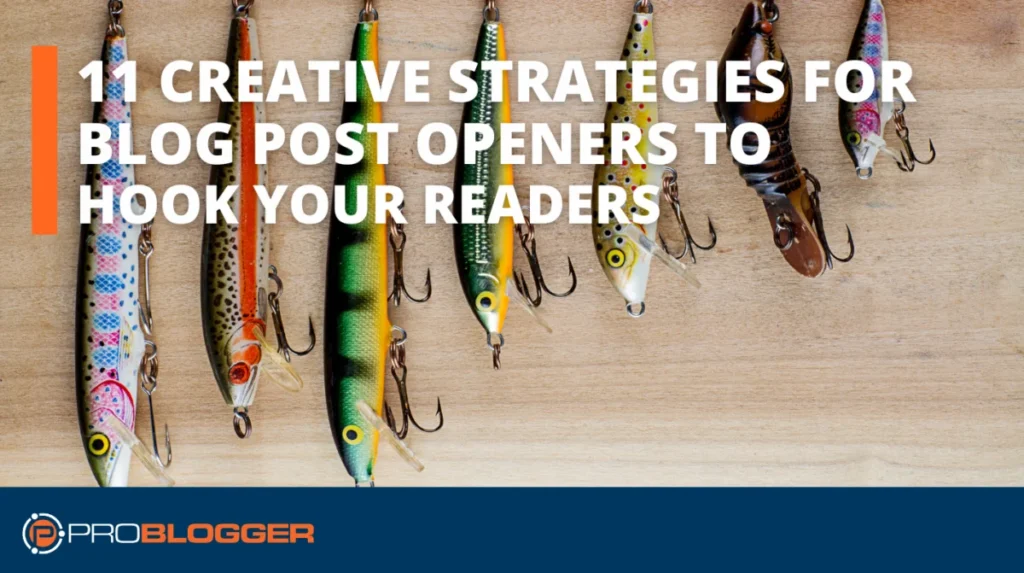
The Art of the Hook: Mastering the First Impression in Digital Content
In the hyper-competitive landscape of digital publishing, the battle for a reader’s attention is won or lost in a matter of seconds. Statistics consistently demonstrate that the majority of online users scan headlines before deciding whether to commit their time to the body of an article. While a compelling headline acts as the "doorway" to your content, the opening line—the "hook"—is the threshold that determines whether a reader steps inside or continues scrolling into the abyss of the internet.
Mastering the craft of the opening line is not merely a stylistic choice; it is a fundamental pillar of content strategy. Whether you are writing for a niche blog, a corporate newsletter, or a major news outlet, your first sentence dictates the trajectory of the reader’s engagement.
The Anatomy of an Opening: Why the First Sentence Matters
The importance of the opening line can be traced back to the psychology of "pattern interruption." As readers navigate the web, they are often in a state of passive consumption—a "ho-hum" mental state where they are skimming for value. A successful opening line acts as a jolt, breaking that pattern and demanding conscious attention.
Consider the personal anecdote often cited by veteran bloggers: A spouse’s first words were, "Hi Michael, it’s nice to meet you." The humor—and the immediate, visceral reaction—stemmed from the fact that the person being addressed was named Darren, not Michael. This brief, relatable moment of human error serves as a masterclass in engagement. It is unexpected, human, and instantly relatable. By leading with such a moment, a writer establishes a rapport that a dry, clinical introduction never could.
11 Strategic Approaches to Crafting Captivating Openers
To elevate your writing, you must move beyond the "dictionary definition" introduction. Here are 11 proven strategies to ensure your readers remain tethered to your content from the very first word.
1. Identifying the Reader’s Pain Point
The most effective way to secure a reader’s interest is to demonstrate that you understand their struggle. By articulating a specific problem or need, you position yourself as the solution. If your reader feels seen, they are significantly more likely to stay to see if you have the answers they seek.
2. The Power of the "Yes" Question
Copywriters have long utilized the "yes-set" technique. By posing a question that is almost guaranteed to elicit a "yes" response from the reader, you create an immediate psychological alignment. Once a reader has mentally agreed with you, they are psychologically predisposed to continue agreeing with your subsequent arguments.
3. The Intrigue of the Unanswered Mystery
Human curiosity is a powerful driver. By posing an open-ended, intriguing question that promises a revelation, you create an "information gap." The human brain is naturally wired to seek closure, and the reader will be compelled to finish the post simply to satisfy that curiosity.
4. Leveraging the Unexpected
Surprise is an effective antidote to content fatigue. Whether it is a startling fact, a contrarian opinion, or a personal anecdote that seems slightly "off-topic," the unexpected captures attention. It signals to the reader that this is not a standard, robotic piece of writing, but a human perspective worth engaging with.
5. Storytelling and Analogies
Stories have a unique ability to transcend the "eyes-glazed-over" state of web browsing. By starting with a narrative—even a brief, one-sentence anecdote—you shift the genre of your writing from "information delivery" to "storytelling." This creates an emotional connection that makes the subsequent technical or educational content much easier to digest.
6. The Bold Claim
If you can offer a promise that solves a significant issue, do it immediately. Bold claims set high expectations and establish authority. However, this strategy comes with a caveat: the burden of proof. You must be prepared to back up every bold statement with data, evidence, or sound reasoning; otherwise, you risk alienating the audience you sought to capture.
7. Stirring the Pot with Controversy
While not suitable for every platform, leaning into a degree of healthy controversy can be an effective way to stop a reader in their tracks. By taking a firm, perhaps unconventional stance on a popular product, company, or industry trend, you invite engagement. Readers often feel compelled to read on to evaluate your reasoning or to express their own disagreement in the comments section.
8. Painting a Vivid Picture
Abstract concepts are difficult to grasp; tangible, sensory-driven language is not. By asking your reader to visualize a specific scenario, you move the content from their screen into their imagination. This is particularly effective for persuasive writing, as it allows the reader to "feel" the consequences or benefits of your subject matter.
9. Utilizing Startling Statistics
Numbers provide an objective anchor for your argument. A well-placed statistic that highlights a massive disparity—such as "Only 1 out of every 100 readers will comment on your blog"—creates an immediate sense of urgency. It frames the problem in a way that is difficult to ignore and provides a logical foundation for the rest of your post.
10. The Authority of the Quote
Starting with a poignant, well-chosen quote from a reputable source can immediately establish a sophisticated, thoughtful tone. It lends your post instant credibility and provides a lens through which the reader can view the rest of your arguments.
11. The Impact of Visual Entry
In an increasingly visual digital environment, the text is only half the battle. Opening with a striking, relevant image can be the deciding factor in whether a reader clicks on your article in an RSS feed or on social media. A compelling image provides immediate context and can often convey the emotional core of your post faster than a paragraph of text.
Implications for Content Creators
The implications of these strategies are clear: content creation is not just about the information conveyed, but the psychology of delivery. A post that is highly informative but poorly introduced will fail to reach its intended audience. Conversely, a post that masters the "hook" creates a bridge between the creator and the consumer.
However, creators must exercise caution. Using the same hook technique in every post can lead to "audience numbness." Loyal readers will quickly recognize a pattern if every article begins with a "Yes" question or a "Startling Statistic." Variety is essential to maintaining freshness and engagement over the long term.
The Path Forward: A Call to Action
The journey of becoming a master writer is a continuous process of refinement. The 11 techniques outlined here are not rigid rules, but tools in a professional toolkit. They should be used in concert with a deep understanding of your specific audience’s needs and preferences.
Ultimately, the goal of an opening line is not just to get a "click," but to earn the right to the reader’s attention for the next five, ten, or fifteen minutes. As you continue to craft your content, remember that the "second most important words in your blog post" (the ones following your title) are the ones that hold the power to change a reader’s mind or solve a pressing problem.
The next time you sit down to write, pause before typing that first sentence. Ask yourself: Does this hook demand attention? Does it promise value? Does it resonate? If the answer is yes, you have already won half the battle. Your readers are waiting—make sure the first thing they read is worth their time.
