

The Art of the Echo: Mastering Brand Voice in a Crowded Digital Landscape
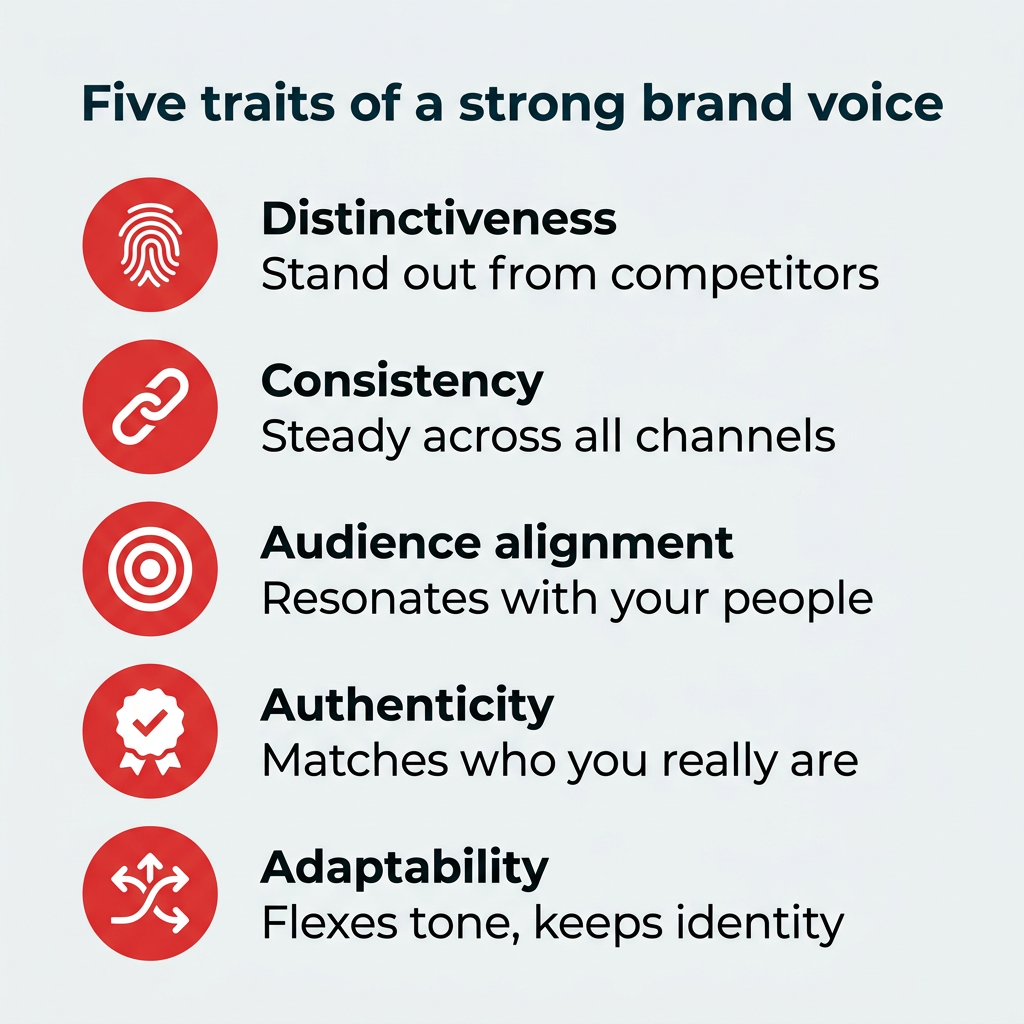
In the modern digital economy, a brand is no longer defined solely by its products or services. Instead, it is defined by the conversation it initiates and the personality it projects. As consumers become increasingly wary of sterile corporate messaging, the concept of "brand voice" has transitioned from a marketing buzzword to a critical business asset. A well-honed voice acts as a brand’s digital fingerprint—it is the consistent, distinct way a company portrays itself through words, tone, and style.
Research underscores the bottom-line impact of this intangible asset: consistent brand presentation across all platforms can increase revenue by up to 33%. When executed effectively, a brand voice does more than communicate; it builds trust, fosters community, and protects a company’s reputation in the volatile environment of social media.

Defining the Brand Voice: Personality vs. Context
At its core, brand voice is the expression of a company’s personality. It is the steady, unchanging "character" that remains constant whether the brand is tweeting a joke, writing an annual report, or responding to a product inquiry.
However, practitioners often conflate "voice" with "tone." It is essential to distinguish between the two:

- Brand Voice: Your consistent personality (e.g., witty, authoritative, or compassionate). This should remain stable across every channel, from Instagram captions to customer service emails.
- Brand Tone: The contextual adjustment of your voice. Just as an individual might be serious in a boardroom but humorous at a dinner party, a brand’s tone should shift based on the situation—being empathetic when addressing a complaint or enthusiastic when launching a new product.
A strong brand voice is not about being clever for the sake of entertainment; it is about being recognizable, dependable, and authentic.
The Strategic Imperative: Why Consistency Matters
The importance of a unified voice extends far beyond aesthetic appeal. In a landscape where AI-generated content is becoming ubiquitous, consumers are increasingly seeking human-centric interactions. According to the 2025 Edelman Trust Barometer, 73% of people trust brands more when they authentically reflect current cultural values.
1. Market Recognition and Defense
A distinctive voice serves as a branding mechanism as powerful as a visual logo. When a brand’s personality is clearly defined, users can identify the source of a post before they even see the account handle. This consistency is also a defensive measure; when a brand’s voice is well-established, "imposter" accounts and copycats become immediately apparent to the audience.
2. Operational Efficiency
For large organizations, maintaining a consistent message across multiple teams—marketing, PR, customer support, and product management—is a significant challenge. A formalized brand voice document provides a "communications blueprint," enabling freelancers and internal teams to produce content that feels "on-brand" in the first draft, drastically reducing the time spent on revisions.
3. Mitigation of Social Media Risk
In the age of viral scrutiny, one off-brand comment can trigger a PR crisis. A defined voice acts as a guardrail. By establishing clear guidelines, particularly for high-pressure scenarios like negative feedback, organizations can ensure that every response remains professional and aligned with the company’s core values.
Chronology of Development: Building Your Voice
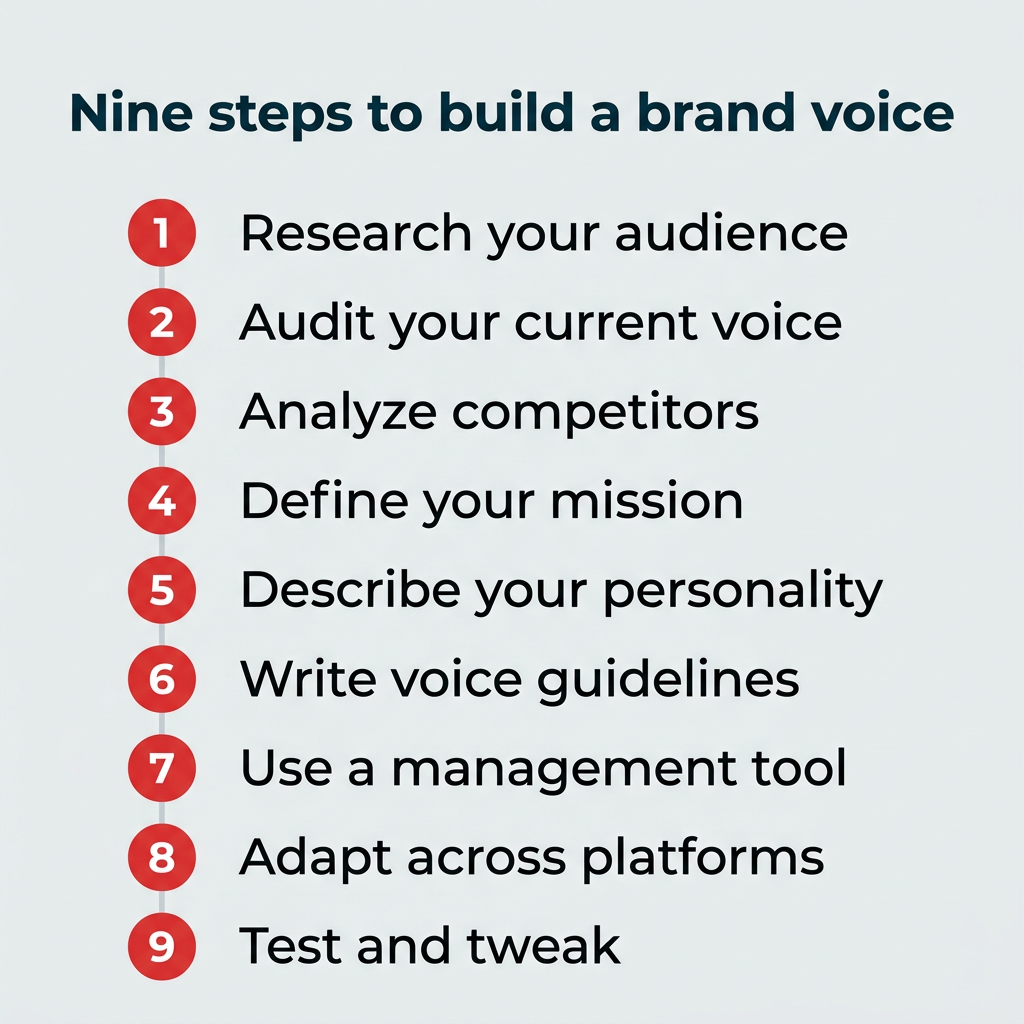
Building a brand voice is an evolutionary process that requires research, documentation, and rigorous testing.
Phase 1: Research and Audit
Before defining a voice, a brand must understand its environment. This begins with an audience audit: who is the target consumer, and where do they congregate? Following this, a brand must conduct a competitor analysis. If every player in your industry sounds "corporate and formal," there is likely a competitive advantage in adopting a warmer, more conversational tone.
Phase 2: Defining the Persona
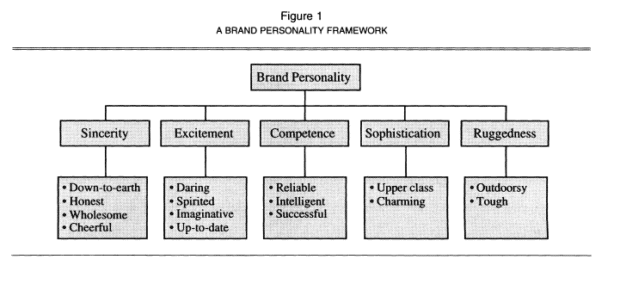
Using frameworks such as Jennifer Aaker’s Dimensions of Brand Personality (which categorizes traits into sincerity, excitement, competence, sophistication, and ruggedness), companies should identify the core adjectives that describe their "character."

Phase 3: Documentation and Implementation
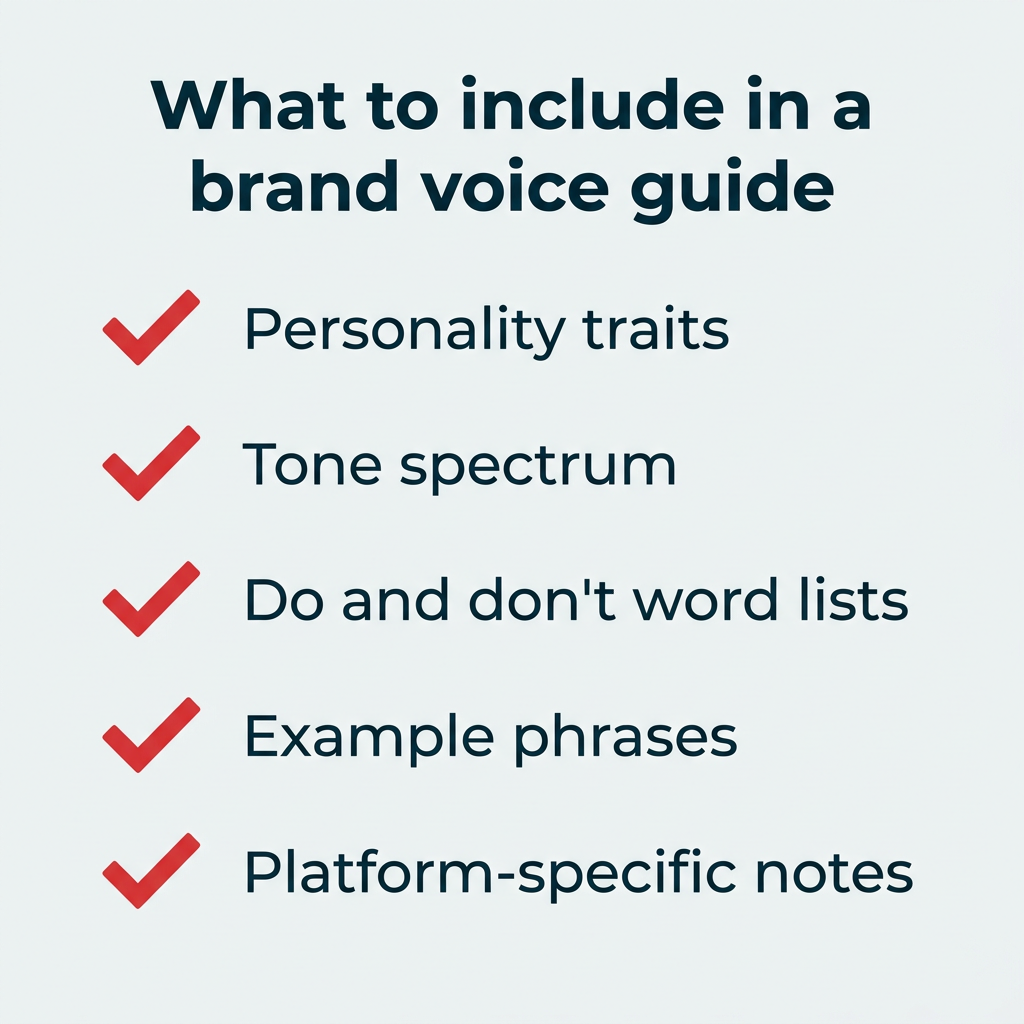
A brand voice guide should be more than a mission statement. It should be a functional document containing:
- Tone Spectrums: Visualizing how the voice adapts (e.g., from formal to casual).
- Vocabulary Lists: Explicit "Do" and "Don’t" lists regarding terminology.
- Platform-Specific Nuance: While the voice remains consistent, the delivery must adapt to the platform. A LinkedIn post, by nature, requires a different cadence than a TikTok video or a Threads reply.
Supporting Data: The Case for Authenticity
The shift toward humanized brand voices is supported by data regarding consumer trust. A survey by Klaviyo and Datalily revealed that consumers are four times more likely to distrust a brand if they identify content as purely AI-generated. This data suggests that while AI tools—such as Hootsuite’s OwlyWriter—can assist in the drafting process, they must operate within the strict boundaries of an established brand voice framework to remain effective.
When brands fail to align their voice with their audience, the impact is measurable in engagement metrics. Conversely, companies that treat their brand as a "character"—such as Liquid Death’s irreverent, heavy-metal persona—are able to command attention in saturated markets. Similarly, the contrast between Calm’s grounded, supportive tone and Headspace’s playful, colorful approach illustrates that even in identical industries, a distinct voice is a primary differentiator.
Implications: The Evolution of the Brand Persona
The development of a brand voice is never "finished." As platforms evolve, so must the brand. We have seen this with the rise of short-form video; brands that were traditionally reserved had to find ways to be present on platforms like TikTok without compromising their identity.

Testing and Tweak Cycles
The most successful brands treat their voice as a living entity. By monitoring social analytics, brands can identify which tones perform best and where they fall flat. If an audience finds a voice "too stiff," that feedback is not a failure—it is a signal to recalibrate.
Managing Multi-Channel Consistency
Using a central social media management tool is essential for organizations with multiple accounts. Such tools allow for approval workflows that ensure no content is published without first being checked against the brand voice documentation. This creates a safety net, ensuring that even in the heat of a social media trend, the brand stays true to its core identity.

Conclusion: The Future of Brand Communication
In an era of information overload, a consistent, human-centric brand voice is the most effective way to cut through the noise. It turns a business from an abstract entity into a relatable participant in the cultural conversation.
As we look toward the future, the integration of AI will necessitate even stronger, more defined voice guidelines. Organizations that invest the time to research their audience, define their personality, and rigorously document their verbal identity will find themselves at a distinct advantage. They will not only be heard, but they will also be remembered, trusted, and—most importantly—recognized in a digital world that is constantly asking, "Who is behind this screen?"
