

The Art of Future-Proofing: How to Architect Anticipation on Your Blog
In the hyper-competitive landscape of digital content, the currency of success is not merely traffic—it is the subscriber. Readers do not commit their time to a blog simply for the content of the present; they subscribe because they believe the author will enhance their lives in the future. This psychological contract, where a reader trusts a creator to deliver sustained value, is the cornerstone of building a loyal audience. But how does one convince a visitor that something yet to be created is worth the commitment of a subscription?
The answer lies in the strategic architecture of anticipation. While many bloggers stumble upon this concept instinctively, those who succeed long-term treat it as a deliberate science. By leveraging past performance to project future reliability, content creators can transform passive, one-time visitors into long-term subscribers.
The Foundation: Leveraging Past Quality to Project Future Value
The most persuasive argument for a future relationship is a proven history of excellence. When a first-time visitor arrives on your site, they are essentially performing a rapid audit of your credibility. If they encounter a piece of content that is deeply insightful, entertaining, or transformative, they subconsciously infer that your future output will meet a similar standard.
Your archive is your most effective sales funnel. It serves as a living portfolio, proving that your expertise is not a fluke but a consistent byproduct of your process. The lesson is twofold: first, maintain a relentless commitment to high-quality content; second, and more importantly, ensure that this quality is immediately visible to the people who need to see it most—the newcomers.
Chronology of Engagement: Moving the Reader from Discovery to Subscription
The user journey on a successful blog is a carefully curated path. It begins with the initial discovery, often triggered by a specific search query or a social media link. The visitor is looking for a solution, a perspective, or an escape.

- The Hook: The visitor lands on a specific page, usually a singular post. This is your "moment of truth."
- The Proof: The visitor scans the page, looking for cues of authority and depth. If they find value, they begin to look for more.
- The Journey: Through internal navigation, the reader is guided to other, related high-quality pieces.
- The Conversion: Realizing that the blog is a comprehensive resource, the reader finds the subscription link—often strategically placed within the context of the "best of" content—and converts.
The goal is to shorten the distance between the first click and the subscription sign-up. If a reader has to hunt for your best work, they will eventually leave. Therefore, the architecture of your blog must actively push the reader toward your most compelling assets.
Proven Strategies for Highlighting Your Best Content
To convert a transient visitor into a loyal reader, you must move beyond the chronological "blog roll" format. Here are the four pillars of highlighting content effectively:
1. The Power of "Sneeze Pages"
Often referred to as "hub pages" or "pillar pages," Sneeze Pages are the cornerstone of content organization. By creating a dedicated page that aggregates your best content on a specific, popular topic, you achieve three objectives simultaneously: you boost internal page views, you demonstrate the breadth of your knowledge, and you establish unshakeable authority.
For instance, if you run a blog about photography, a Sneeze Page titled "Mastering Exposure" should link to every relevant, high-quality article you have written on that subject. When a new reader lands on this page, they don’t just see one article; they see a library. This creates an immediate perception of value that makes subscribing a logical choice.
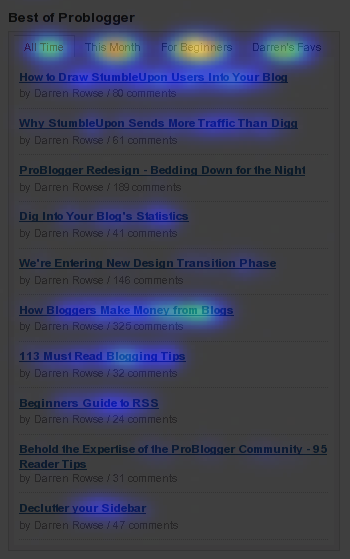
2. "Best of" Sections: The Heat-Map Advantage
The "Best of" section—whether situated in a sidebar or prominently displayed on the front page—serves as a curator’s selection of your finest work. Data from heat-mapping tools, such as CrazyEgg, consistently demonstrate that these sections receive a disproportionate amount of user attention.

By placing a "Start Here" or "Most Popular Posts" widget in a high-traffic area, you are effectively telling the reader: "If you only read three things today, read these." This removes the friction of discovery and allows the quality of your work to do the heavy lifting.
3. Smart Landing Pages and Dynamic Content
Advanced blogging requires understanding the visitor’s intent. Using plugins or site architecture that recognizes when a user is a "first-timer," you can display dynamic landing pages. If a user arrives via a search engine looking for "digital marketing tips," they should be greeted with a curated list of your most authoritative articles on that exact subject. By presenting a cluster of relevant content rather than a single post, you transform from a blogger into a resource center.
4. Intentional Interlinking
Many bloggers treat internal linking as an afterthought. It should, in fact, be a primary tactic. Every new post you write should be a gateway to your past successes. By naturally weaving links to your evergreen content into current discussions, you ensure that even your latest readers are exposed to the foundational posts that define your brand.
Supporting Data: Why Visibility Equals Growth
The correlation between content visibility and subscription rates is quantifiable. When users are funneled through high-value, curated content pages, the conversion rate for RSS and email subscriptions typically increases by a significant margin. This is due to the "Authority Heuristic"—the psychological tendency for readers to trust an author who has already demonstrated expertise across multiple pieces of content.
Furthermore, these strategies extend the "shelf-life" of your content. A blog post written three years ago is often buried in the archives, yet it may contain your most valuable insights. By surfacing this content through Sneeze Pages and "Best of" sections, you are effectively recycling your best assets to work for you indefinitely.
Implications for the Modern Blogger
The shift toward "anticipatory content" changes the fundamental role of the blogger. You are no longer just a publisher; you are an architect of experience.
- For the Solo Creator: It necessitates a move away from the "diary style" of blogging toward a "resource style." You must be willing to revisit your own archive, prune the irrelevant, and highlight the exceptional.
- For the Brand Blogger: It emphasizes the importance of design and user experience. If your site navigation prevents the reader from finding your best work, you are effectively sabotaging your own growth.
- The Long-Term View: The implication is clear: longevity in the blogging world is reserved for those who treat their past work as an asset to be managed rather than a history to be forgotten.
Conclusion: The First Step of Many
Highlighting your best work is a vital strategy, but it is not the complete picture. Creating anticipation is a multifaceted endeavor that involves psychological triggers, editorial scheduling, and community engagement. While the methods described above provide the framework for proving your value to a new visitor, the next stage of the process involves the "how-to" of consistent, curiosity-driven content delivery.
Building a blog that people feel compelled to subscribe to is not about luck. It is about understanding that a visitor’s time is precious. When you prove to them—through deliberate, visible, and high-quality organization—that you respect their time and offer deep value, the subscription is no longer a request; it becomes a natural consequence of your service.
Stay tuned, as the conversation around building anticipation continues, delving into the more subtle, psychological techniques that turn a casual reader into a lifelong advocate for your work.
