
The Architecture of Profit: Building an Agency-Ready Tech Stack for Scalable Growth
Marketing agencies rarely collapse due to a lack of talent or a shortage of vision. More often, they implode under the weight of "tool sprawl"—a state where disconnected systems slow down delivery, obscure ownership, and turn high-value strategic work into low-value, manual busywork. As agencies scale, the challenges shift from "Can we execute this?" to "Can we execute this consistently, profitably, and without errors across fifty different clients?"
Building a lean, agency-ready stack is no longer a luxury; it is a fundamental requirement for survival in a competitive digital landscape. This guide examines how to construct a resilient operational foundation that prioritizes speed, clarity, and, most importantly, margin control.
The Core Philosophy: What Defines an "Agency-Ready" Tool?
Many agencies fall into the trap of evaluating software based on a checklist of features. However, for a professional service firm, features are secondary to control. An agency-ready tool must be built for the multi-tenant nature of the business.
The primary characteristics of an agency-grade tool include:
- Multi-Client Architecture: The ability to manage distinct workspaces, branding, and billing for numerous clients under one umbrella.
- Granular Permissioning: Robust controls that allow agencies to delegate tasks to team members or provide limited access to clients without compromising security.
- Workflow Repeatability: Tools that allow for templates and standardized processes, ensuring that a campaign for Client A is as high-quality as the one for Client B.
- Automated Reporting: Data must be surfaced without the need for manual CSV cleaning or spreadsheet manipulation.
Chronology of Stack Evolution: From Startup to Enterprise
The growth of an agency’s tech stack typically follows a predictable trajectory. Understanding this lifecycle is critical to avoiding premature over-investment.
Phase 1: The "Ship Fast" Foundation (0–10 Clients)
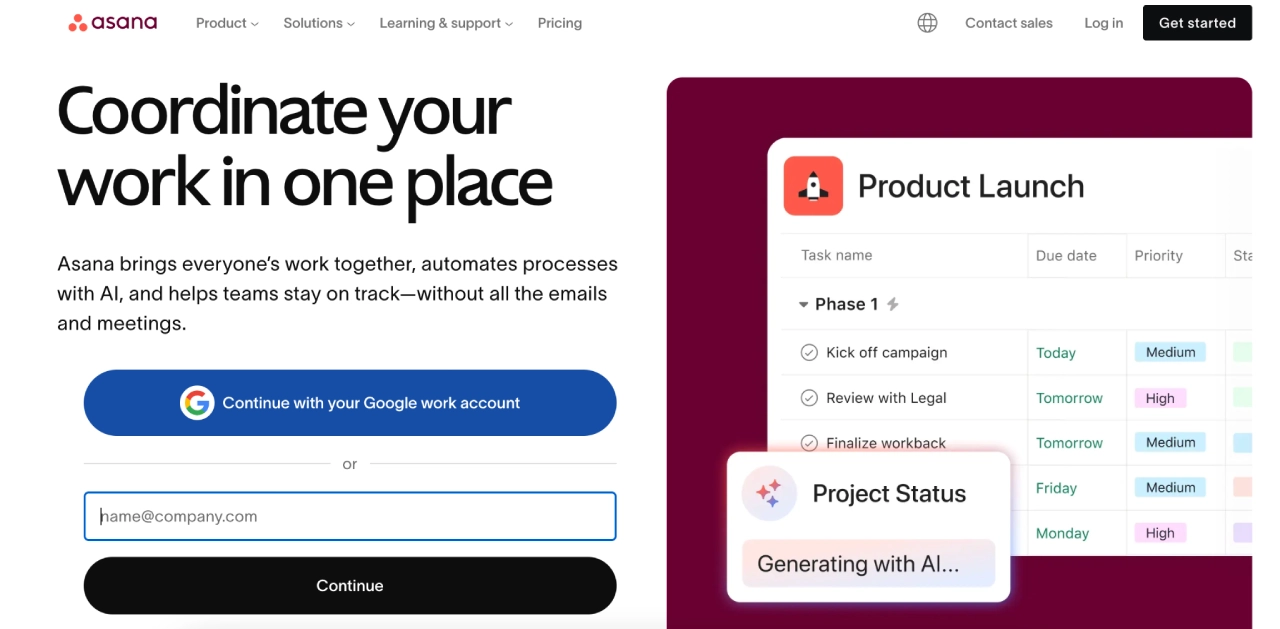
In the early days, the goal is agility. Agencies often rely on free tiers or low-cost, all-in-one solutions. At this stage, the stack is usually centered around communication (Slack) and basic project management (Asana or Trello). The focus is on reducing administrative overhead so the founders can focus on client acquisition.
Phase 2: The "Workflow Optimization" Period (10–40 Clients)
As the client list grows, the "manual" approach breaks. This is when agencies begin to integrate dedicated CRM systems (like Pipedrive or HubSpot) and specialized reporting tools (like AgencyAnalytics). The goal shifts from simply doing the work to managing the flow of work.
Phase 3: The "Governance & Scale" Era (40+ Clients)
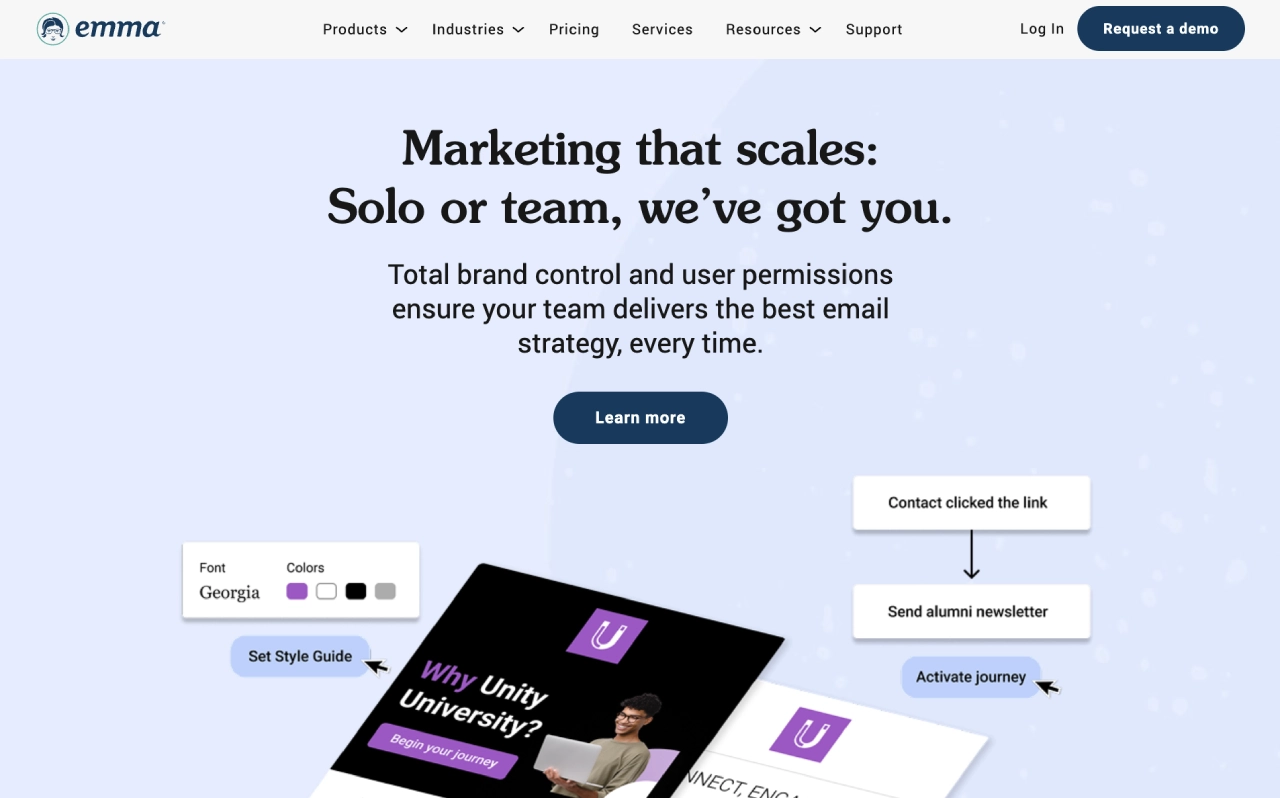
Once an agency hits critical mass, the risk of error becomes the primary threat to profitability. This is when "enterprise-lite" tools—such as Emma for multi-brand governance or advanced automation platforms like Make—become essential. These tools prevent brand dilution and ensure that as the team grows, the quality of delivery remains institutionalized rather than tribal.
The Strategic Stack: A Categorical Breakdown
To avoid the "overlap trap," agencies must map their tools to specific operational roles.
Email Marketing: The Engine of Retention
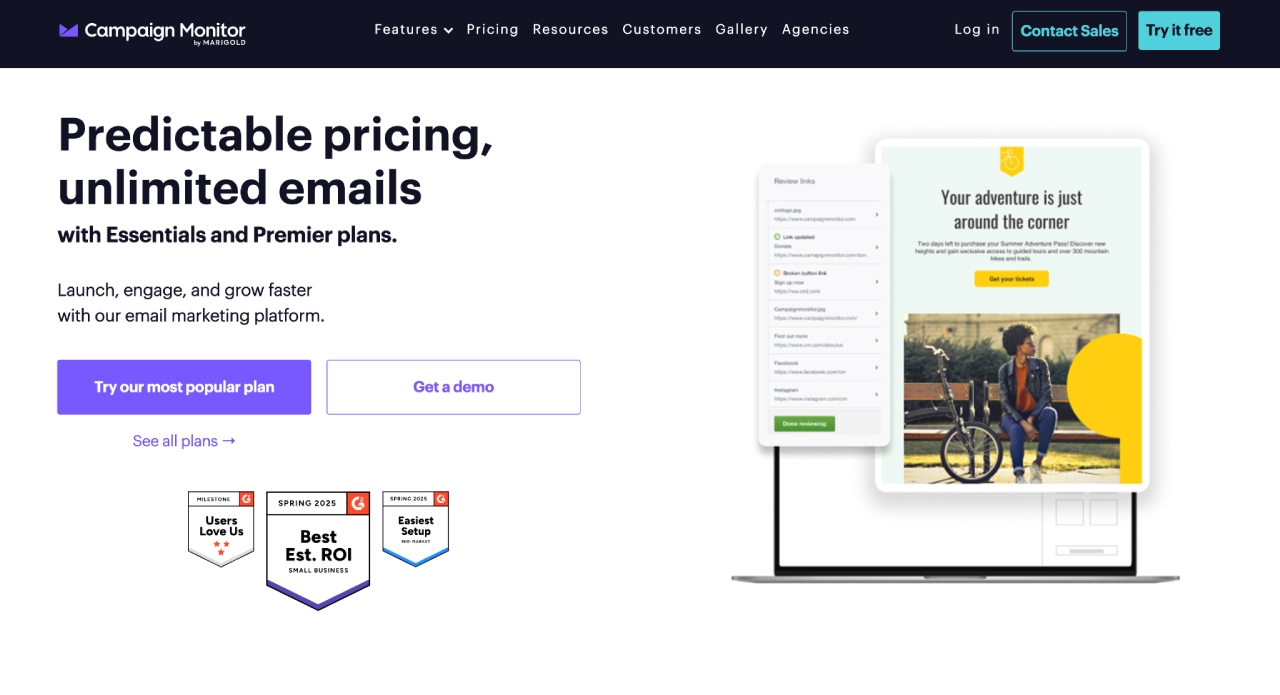
Email remains one of the most profitable channels for agencies because it is highly standardized. Campaign Monitor stands out here as an agency-native platform. Its multi-client dashboard allows agencies to rebrand the interface, manage granular user permissions, and consolidate billing, effectively turning a service into a repeatable product.
For larger organizations with complex brand requirements, Emma offers enterprise-grade governance. It is particularly effective for agencies managing multi-location franchises that need to maintain strict brand standards across decentralized teams.
Project & Workflow Management
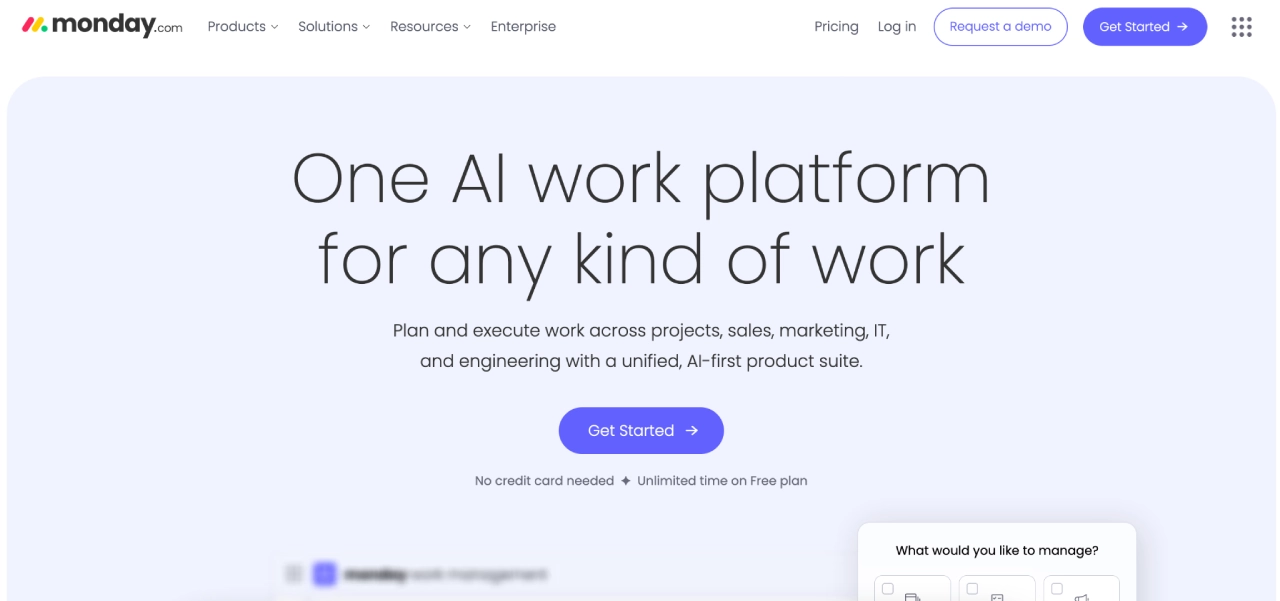
Agencies are fundamentally project management businesses. Asana remains the industry standard for those requiring structured dependencies and cross-functional collaboration. For agencies that prefer a more visual, "operating system" approach, monday.com offers highly customizable boards that can be tailored to the unique reporting needs of different clients.
Sales & CRM: Managing the Pipeline
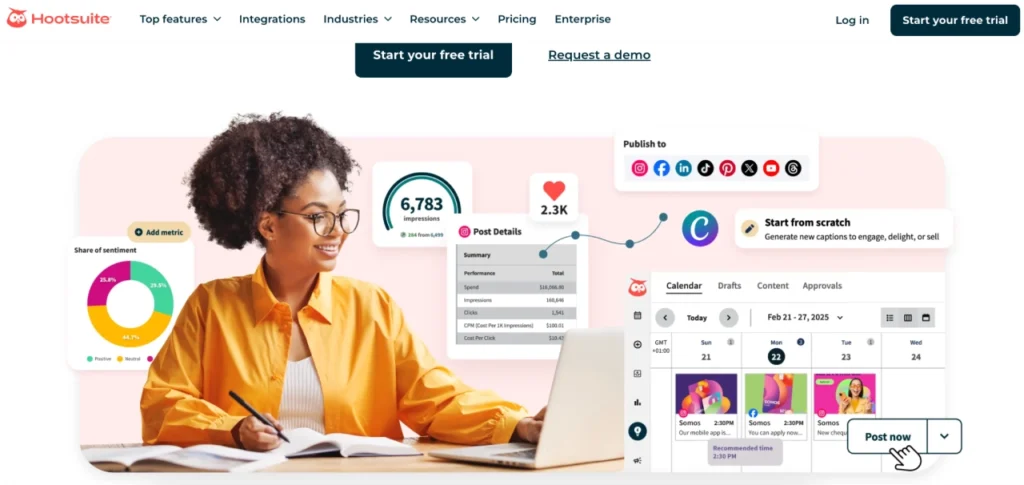
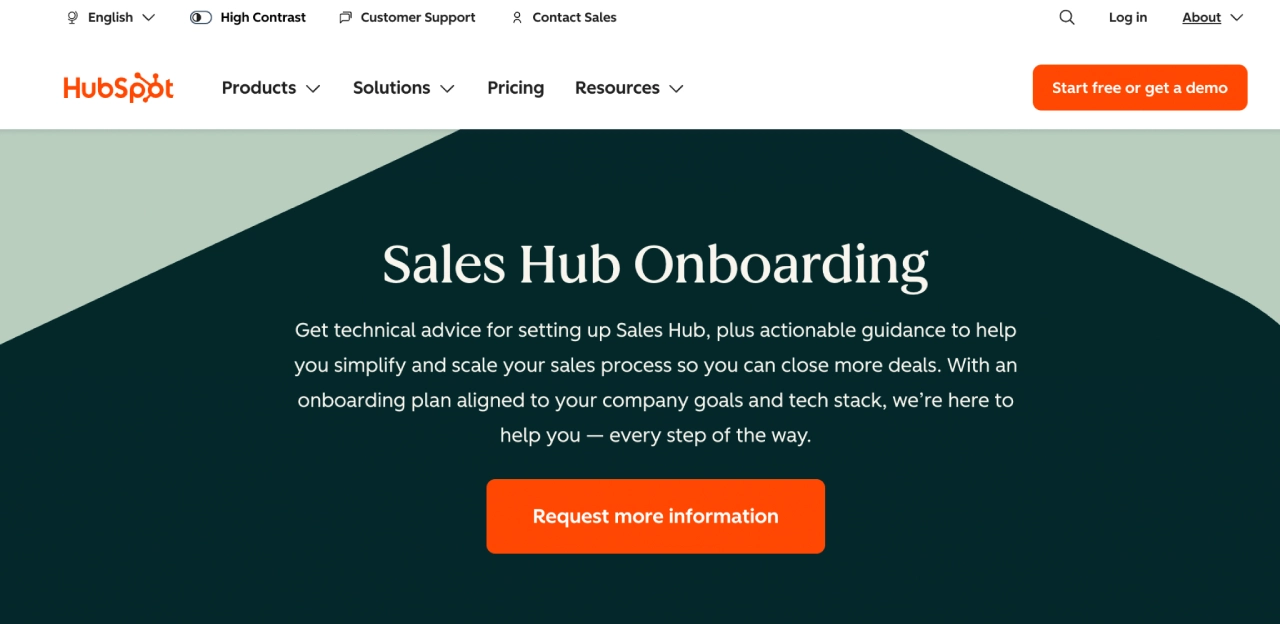
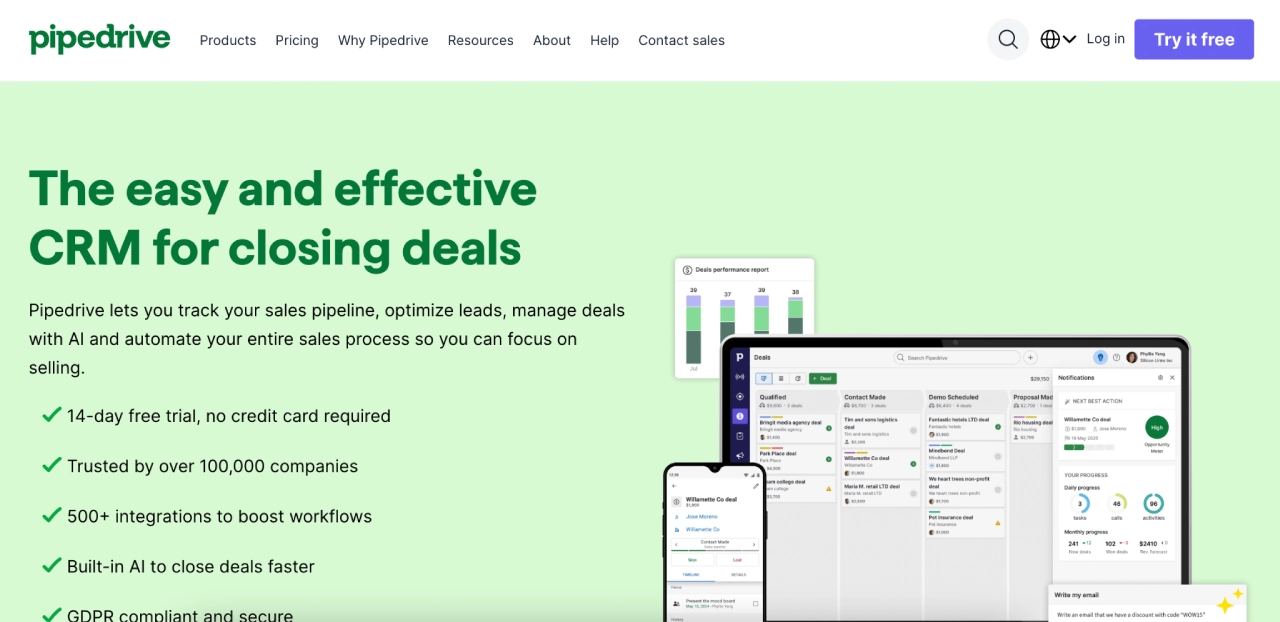
The gap between "doing the work" and "winning the work" is bridged by the CRM. HubSpot Sales Hub is the gold standard for full-funnel tracking, though it comes with a high price tag. For agencies that prefer a leaner, more lightweight approach, Pipedrive offers a focused, activity-based interface that keeps the sales team centered on the deal pipeline without the bloat of enterprise marketing automation.
Reporting & Transparency
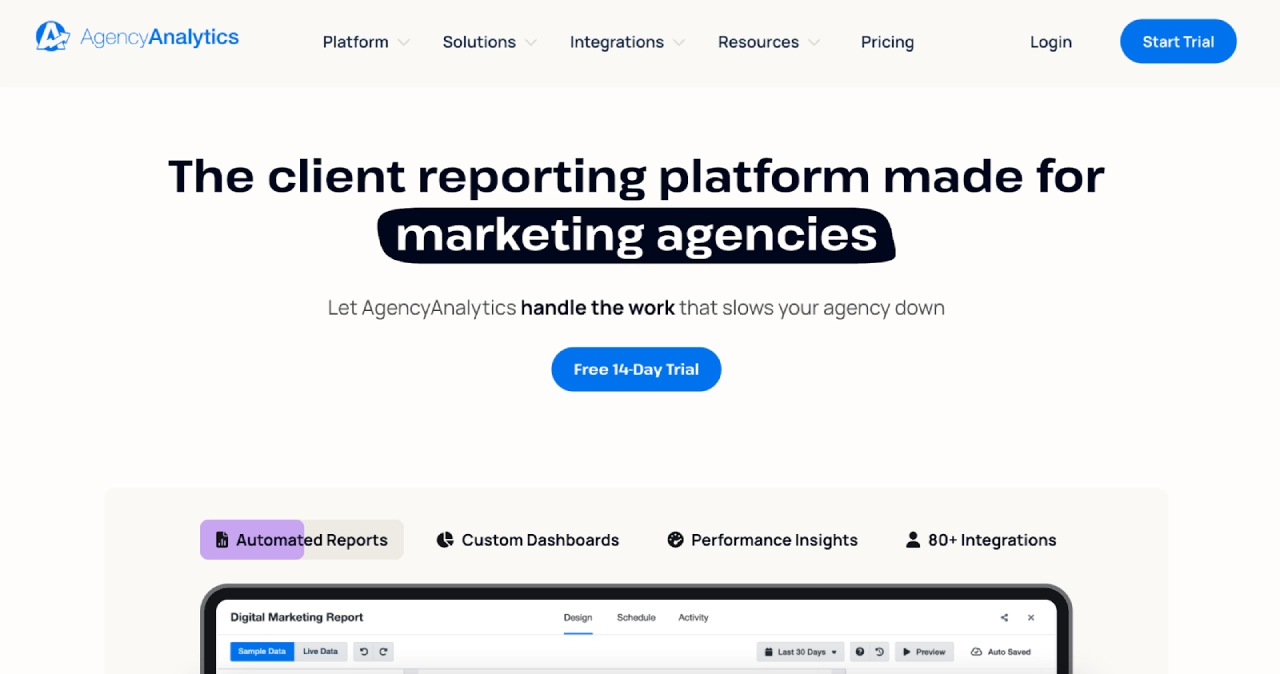
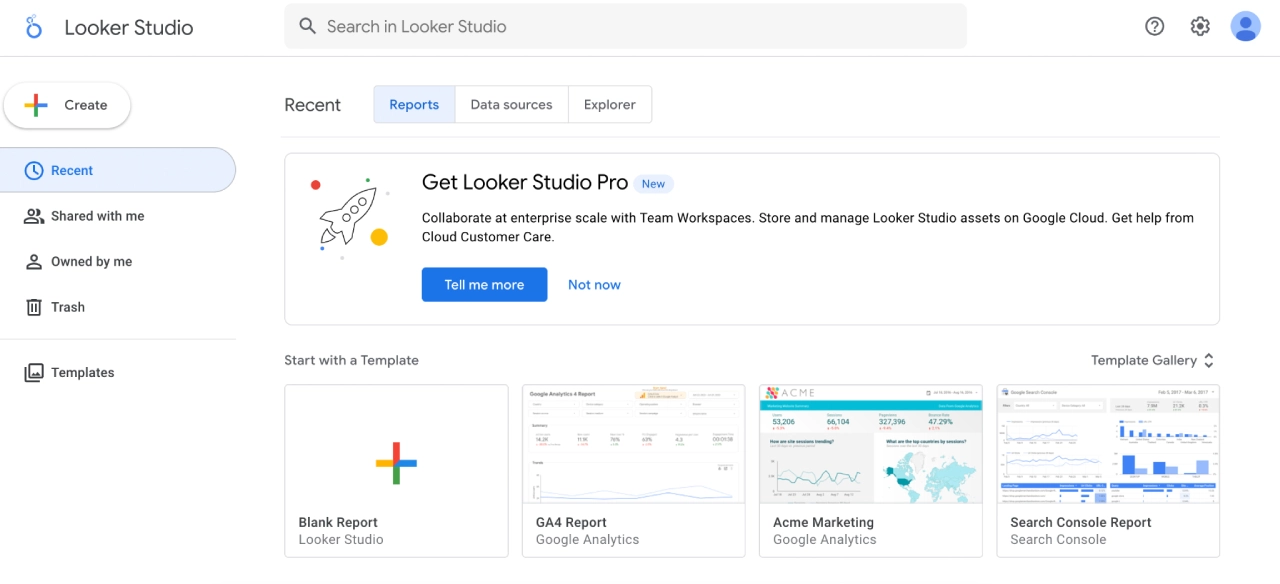
Clients pay for results, and those results must be visible. AgencyAnalytics has become the go-to for agencies needing to white-label performance data across SEO, PPC, and social. Alternatively, for those with a technical bent or a need to minimize software costs, Looker Studio provides a powerful, free, and highly flexible way to build custom data visualizations.
Supporting Data: The Impact of Tool Sprawl on Margins
The most dangerous hidden cost in an agency is not the subscription fee—it is the hidden labor cost of managing disparate tools.
According to internal industry benchmarks from late 2025:
- The "Seat Creep" Factor: Agencies that don’t audit their software seats quarterly see a 15–20% increase in overhead per client.
- Automation ROI: Implementing robust automation (via tools like Zapier or Make) to handle client onboarding or reporting handoffs can reduce administrative labor by an average of 8–12 hours per week per account manager.
- The Cost of Inconsistency: When workflows are not standardized, the time spent "fixing" client errors or re-doing work is equivalent to 1.5 full-time employees for a mid-sized agency.
Official Perspectives: The Value of Consolidation
Industry experts consistently argue that the "best" tool is the one that forces the fewest context switches. When an agency manager has to toggle between a project management tool, a separate reporting dashboard, and a third-party billing portal, they lose "cognitive load" to interface navigation.
"Agencies rarely fail because a tool is inherently ‘bad,’" notes one industry consultant. "They fail because they choose a tool that forces them to work in a way that contradicts their service delivery model. You must define your workflow, your service boundaries, and your staffing model before you open your wallet for a SaaS subscription."
Strategic Implications: Building for Margin Control
To maintain profitability, agency leaders must view their tech stack as a capital investment rather than an expense. The implications for decision-making are clear:
- Stop Evaluating on Features: Shift the evaluation criteria to "workflow integration." Does this tool automate a step that currently requires manual intervention?
- Audit for Overlap: If you are paying for both HubSpot and a separate email platform, and you aren’t using the full suite of HubSpot’s automation, you are leaking margin.
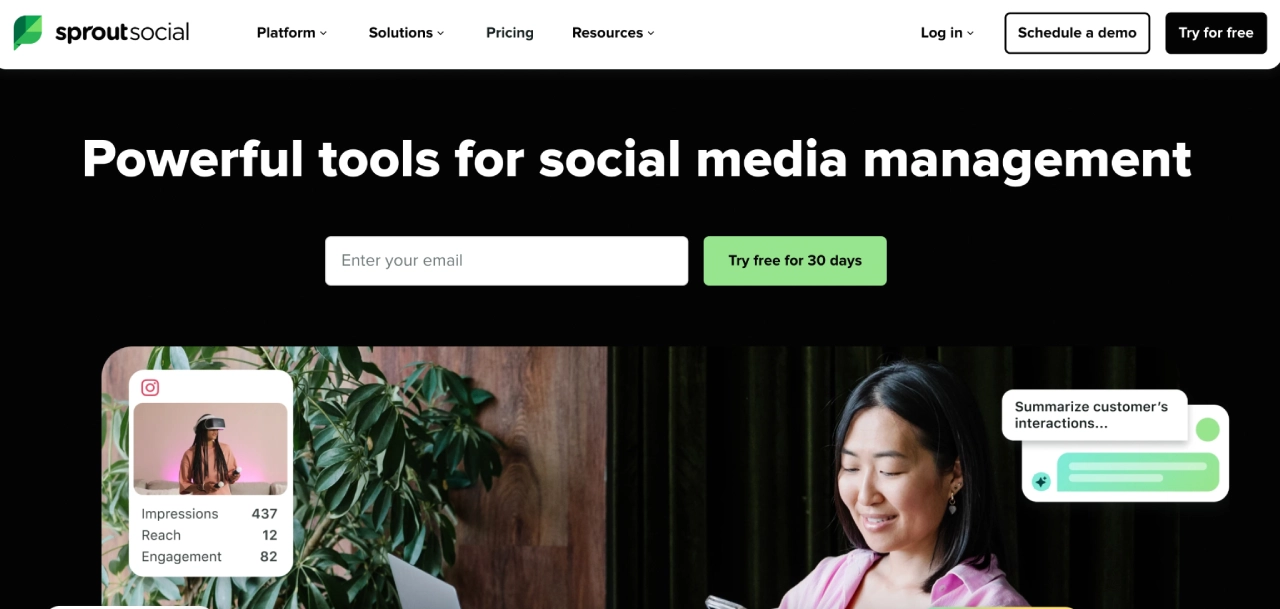
- Prioritize "Self-Service" Capabilities: The best agency tools are those that allow clients to view their own reports or approve their own assets (as seen in tools like AgencyHandy or Sprout Social), freeing your team from being the bottleneck.
Conclusion: The Path Forward
The modern agency stack is not a collection of the "most popular" tools; it is a curated ecosystem that reflects the specific expertise of the agency. Whether you are a small team looking to ship work faster or a scaling firm attempting to maintain quality across dozens of locations, the objective remains the same: minimize friction.
By focusing on tools that provide centralized control, automated reporting, and scalable permissioning, agencies can reclaim the time spent on "tool management" and reinvest it into the high-level strategy that clients actually pay for.
If email marketing is a cornerstone of your service offering, it is the ideal place to begin your consolidation. By utilizing a platform like Campaign Monitor, which was designed specifically for the agency-client relationship, you can turn a manual, high-maintenance service into a scalable, high-margin asset.
The takeaway is simple: Define your delivery, choose your tools to match that delivery, and watch your margins stabilize as your complexity decreases.
Disclaimer: This article provides general information for educational purposes and should not be construed as legal, tax, or financial advice. Always consult with professional advisors before making significant changes to your agency’s operational infrastructure.
