
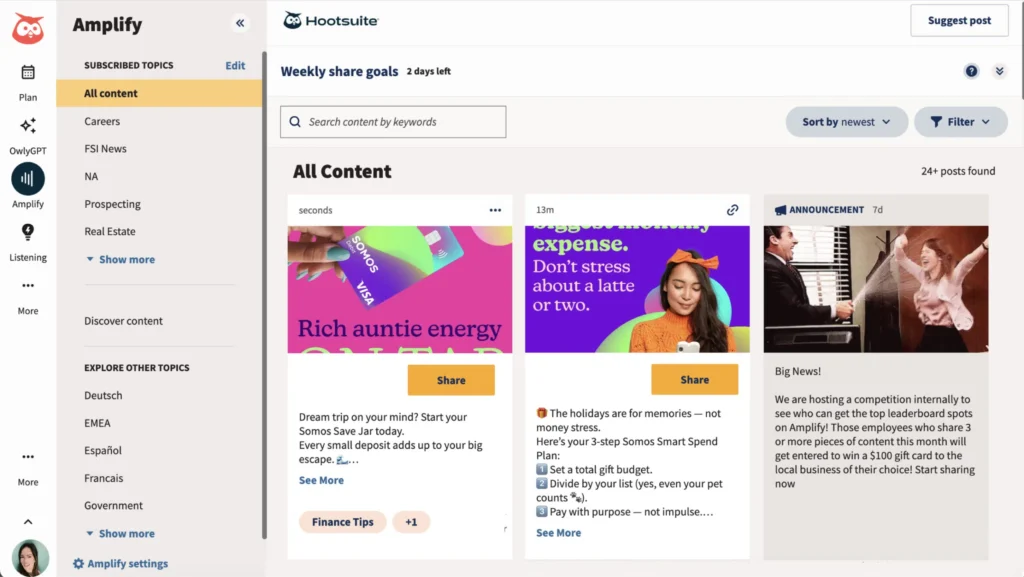
The Human Advantage: Why Employee Advocacy is the New Frontier of Brand Trust
In an era where digital fatigue is at an all-time high and consumer trust in corporate messaging is at a historic low, businesses are turning toward an unlikely but highly effective marketing engine: their own workforce. Employee advocacy—the practice of empowering team members to share company content, industry insights, and professional experiences on their personal social media channels—has emerged as a mission-critical strategy for 2025.
As audiences increasingly distance themselves from polished, logo-heavy corporate advertisements, the authenticity of an individual’s voice has become the most valuable currency in marketing. According to the 2025 Edelman Trust Barometer, consumer skepticism toward institutional brands continues to climb, yet the appetite for peer-to-peer recommendation remains insatiable. 60% of consumers report they trust the words of an individual far more than the official proclamations of a brand. This shift represents a fundamental pivot: from "we" (the corporation) to "me" (the individual).

Understanding the Mechanics of Employee Advocacy
At its core, employee advocacy is the deliberate process of turning a company’s workforce into a network of brand ambassadors. Unlike traditional marketing, which relies on paid placements or external influencers, advocacy is internal and organic.
It functions by providing employees with the tools, content, and encouragement to share company-related updates—such as product launches, thought leadership, event highlights, or culture stories—with their own professional networks. While LinkedIn remains the primary theater for these operations, the scope is rapidly expanding into X, TikTok, and even closed professional communities like Slack and Discord.

Distinguishing Advocacy from Influencer Marketing
It is common to confuse employee advocacy with influencer marketing, but the two serve distinct functions. Influencer marketing involves paying external creators to promote a brand to their specific audience. It is a transactional, external arrangement. Employee advocacy, conversely, is built on an existing, genuine connection to the company. The "influencer" here is a colleague, which lends the message an inherent layer of credibility that paid content simply cannot replicate.
Employee Advocacy vs. Brand Advocacy
While both are vital, they differ in their origin:
- Employee Advocacy: Driven by internal staff and leadership. It is consistent, controllable, and deeply tied to the company’s internal narrative.
- Brand Advocacy: Driven by customers and fans. It provides social proof and user-generated testimonials, but it is often sporadic and difficult for a company to orchestrate at scale.
The Data-Driven Case for Human-Centric Content
Hootsuite’s internal data from 2024 and 2025 provides a compelling look at the performance of a structured advocacy program. Utilizing their internal platform, Amplify, Hootsuite saw between 40% and 50% of its workforce actively engaging in advocacy on a weekly basis.
The results were statistically significant:
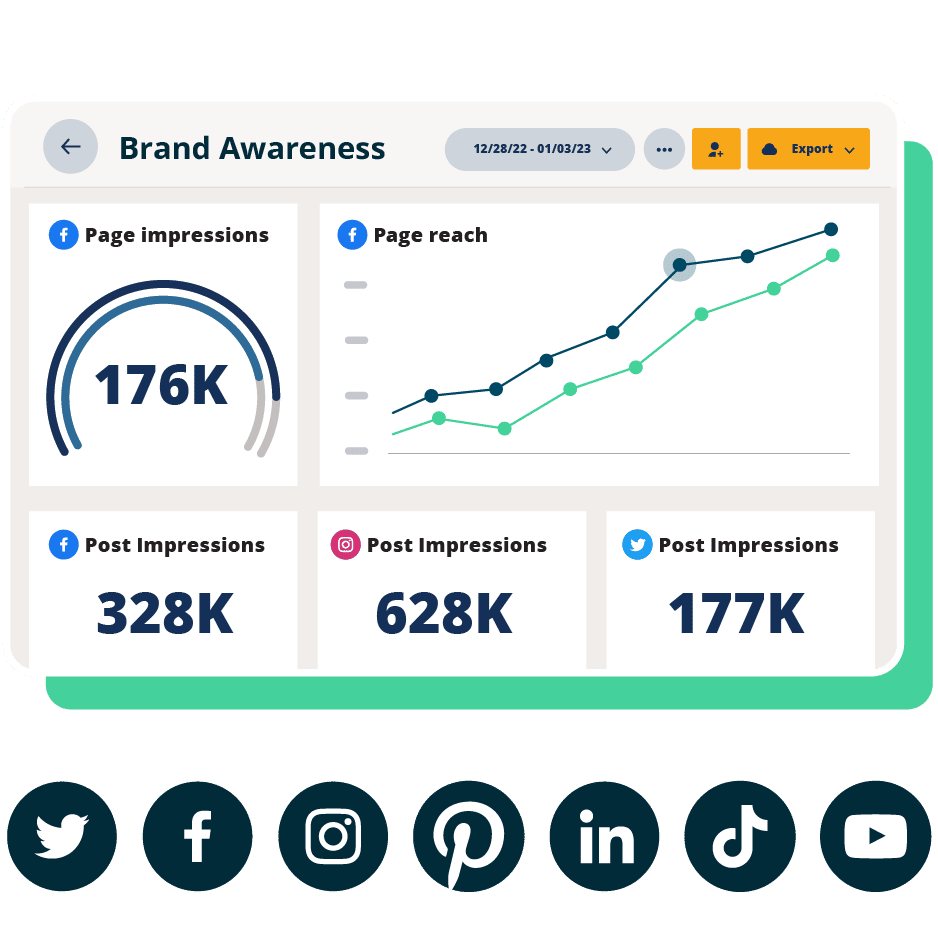
- Average reach per post: 21,920 impressions.
- Top-performing content reach: Over 207,000 impressions on a single post.
- Consistent output: An average of 1.2 shares per employee per week.
These figures underscore a critical reality of modern algorithms: social media platforms are designed to prioritize personal profiles over brand pages. When an employee shares a post, it gains more traction because it is perceived as human-to-human interaction rather than a broadcast from a faceless entity.
The Multidimensional Benefits of Advocacy
The ripple effects of a successful advocacy program touch every department, from marketing and HR to executive leadership and sales.
1. Exponential Reach
The aggregate reach of an employee’s network is, on average, 10 times larger than the official corporate follower base. By activating even a fraction of a workforce, a brand can tap into a massive, pre-existing audience that would be impossible to reach through paid advertising alone. IT solutions provider Carahsoft serves as a primary example; after launching their advocacy program, they saw 8,700 new website visits and 35% of all event registrations generated directly from employee-shared content.
2. Talent Attraction and Employer Branding
In a competitive labor market, potential hires look for social proof of a company’s culture. When employees share their personal growth stories, team wins, and daily experiences, they provide an authentic "behind-the-scenes" look. Research indicates that companies with socially engaged employees are 58% more likely to attract top-tier talent. DaVita, a global healthcare company, saw a 136% increase in traffic to their career pages and a 27% lift in job applications after empowering their staff to share their work life on LinkedIn.
3. Strengthening Organizational Culture
Advocacy acts as a feedback loop. When employees are recognized for their contributions and feel trusted to represent the brand, their sense of ownership and pride in the company increases. This fosters a more connected culture where employees feel like stakeholders rather than just workers.
Launching and Scaling: A Strategic Framework
Building a sustainable program requires more than just asking employees to "post more." It requires a structured approach that respects the employee’s autonomy while aligning with company goals.
Step 1: Secure Executive Buy-in
Advocacy must be viewed as a priority from the top down. When leadership participates, it validates the effort and sets the tone for the rest of the organization.
Step 2: Curate "Share-Worthy" Content
The greatest enemy of advocacy is the "corporate press release." Employees will not share robotic, jargon-heavy content. To succeed, content must be personal, insightful, and relevant. Eileen Kwok, a veteran social media strategist, notes that the best results come from "real experiences and expert insights."
Step 3: Lower the Barrier to Entry
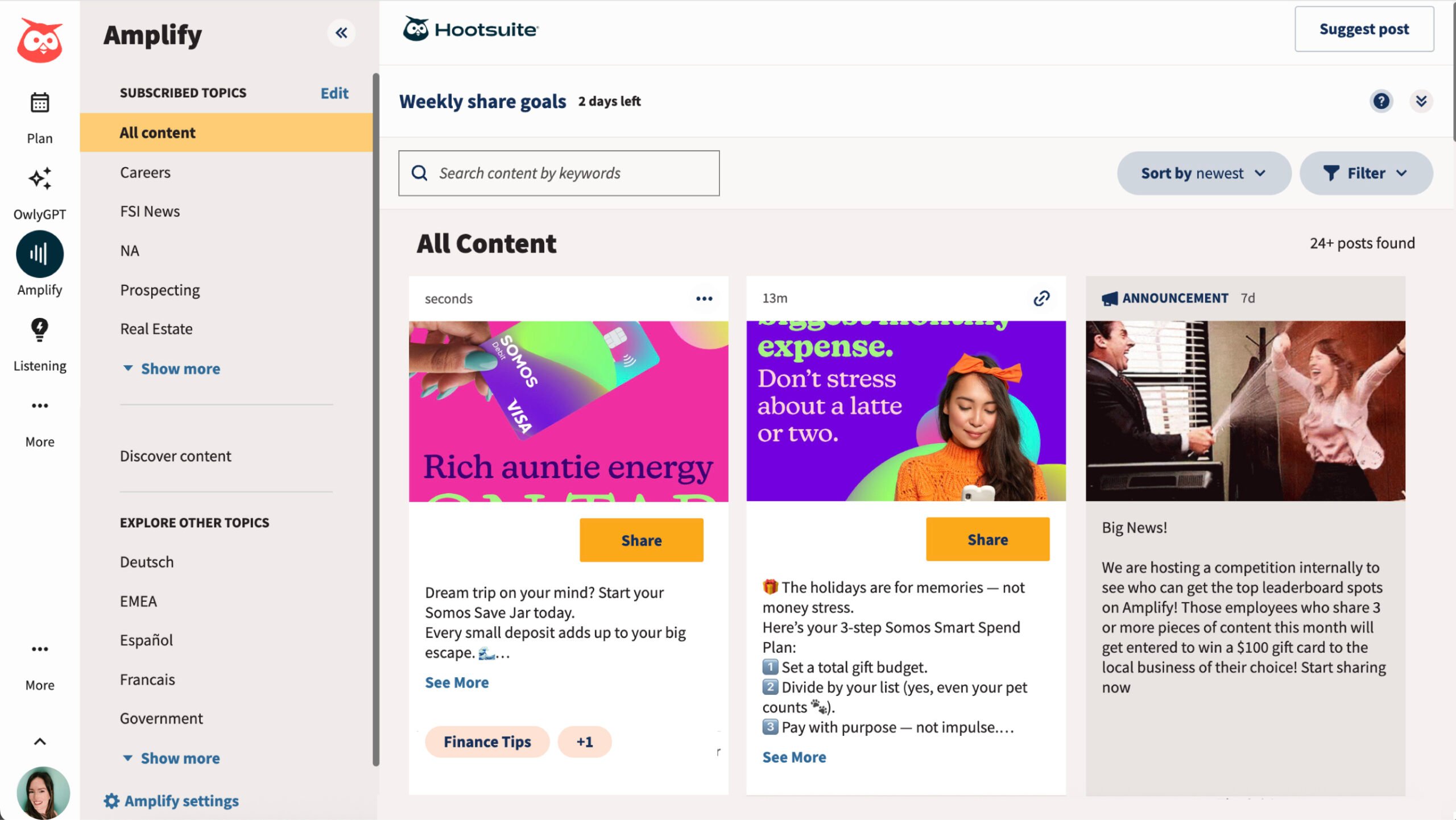
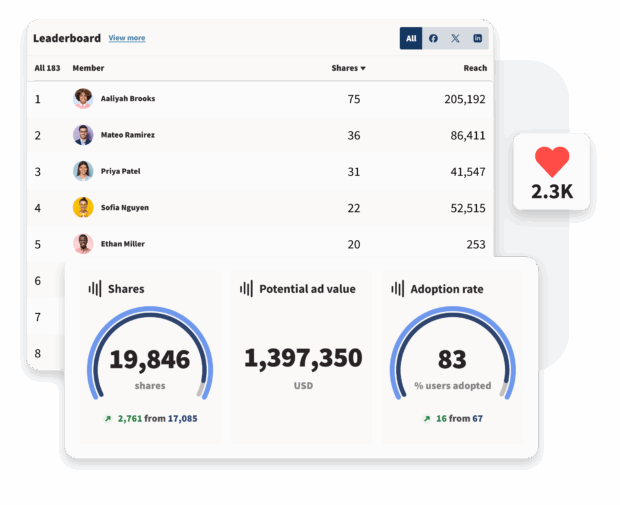
Employees are busy. If sharing requires logging into a CMS, crafting a post from scratch, and navigating compliance, they won’t do it. Tools like Hootsuite Amplify simplify this by providing a feed of pre-approved, customizable content that can be shared in seconds directly from tools like Slack or Microsoft Teams.
Step 4: Gamification and Incentives
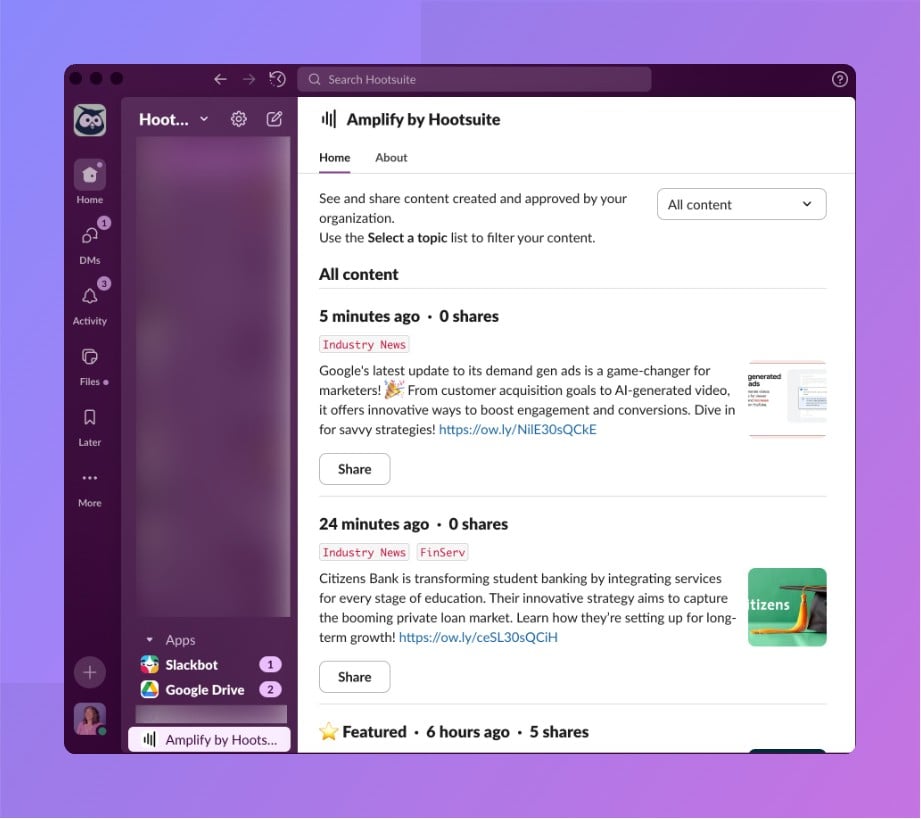
To build momentum, companies often use leaderboards to highlight the most active advocates. Friendly competition—and occasionally offering rewards for high-engagement posts—can turn a chore into an engaging habit.

The Compliance and Authenticity Balance
A common concern for legal and HR departments is how to maintain brand standards. The solution is not rigid control, but clear guidance. A "Social Media Playbook" that outlines the dos and don’ts—such as being transparent about one’s role and keeping personal opinions separate from official company policy—provides the necessary guardrails.
Crucially, the goal should be to encourage personalization. When an employee adds their own voice, a specific takeaway, or a personal anecdote to a shared post, the authenticity score rises, and the engagement follows.

Measuring Success: Moving Beyond Vanity Metrics
The ROI of employee advocacy is measured by business impact, not just "likes." Organizations should track:
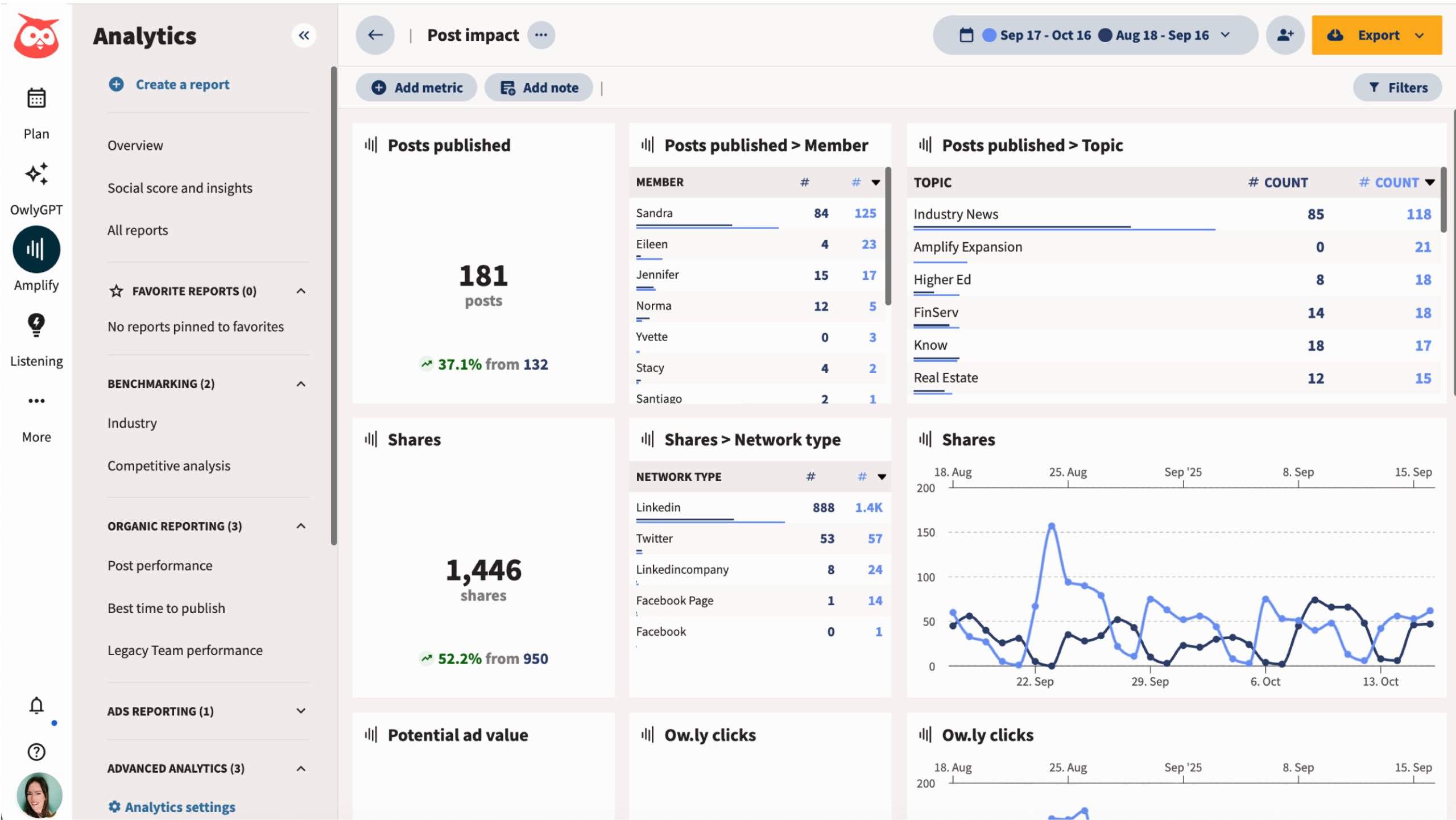
- Earned Media Value: The equivalent cost of reaching the same audience through paid advertisements.
- Conversion Metrics: Tracking website visits, event registrations, and job applications specifically originating from employee links.
- Engagement Lift: The difference in interaction rates between company-page posts and employee-shared posts.
Implications for the Future of Marketing
As AI-generated content continues to saturate the internet, the value of the "human touch" will only appreciate. Employee advocacy is not a trend; it is a necessary evolution in how brands communicate. By shifting the megaphone from the corporate brand page to the individual, companies are not just increasing their reach—they are humanizing their brand in a way that resonates deeply with modern consumers.

For enterprises, the path forward is clear: invest in your people, provide them with the tools to tell their stories, and trust them to be the voice of your mission. In the battle for attention and trust, your employees are your most powerful asset. The brands that realize this will be the ones that define the next generation of digital influence.
