
The AI Agency Mandate: Building a High-Margin Stack That Scales Without the Chaos
In the modern marketing agency landscape, the promise of Artificial Intelligence is intoxicating: infinite content at the touch of a button, real-time ad optimization, and automated customer journeys that run while you sleep. However, the reality for many firms is a disjointed "Franken-stack"—a collection of disparate AI tools that create more administrative overhead and brand inconsistency than actual profit.
The true competitive advantage today is not merely adopting AI, but architecting a tech stack that speeds up delivery, protects agency margins, and elevates the quality of the work shipped to clients. This guide explores the strategic implementation of AI in agency operations, moving beyond the hype to identify the tools and frameworks that define a modern, high-performance workflow.
The State of AI in Agency Operations: Main Facts
The primary challenge for agencies in 2025 and beyond is the "automation trap." Agencies often deploy AI to save time, only to find that the hours saved on production are quickly consumed by the management of fragmented platforms, manual data cleaning, and the constant need to police "brand drift."
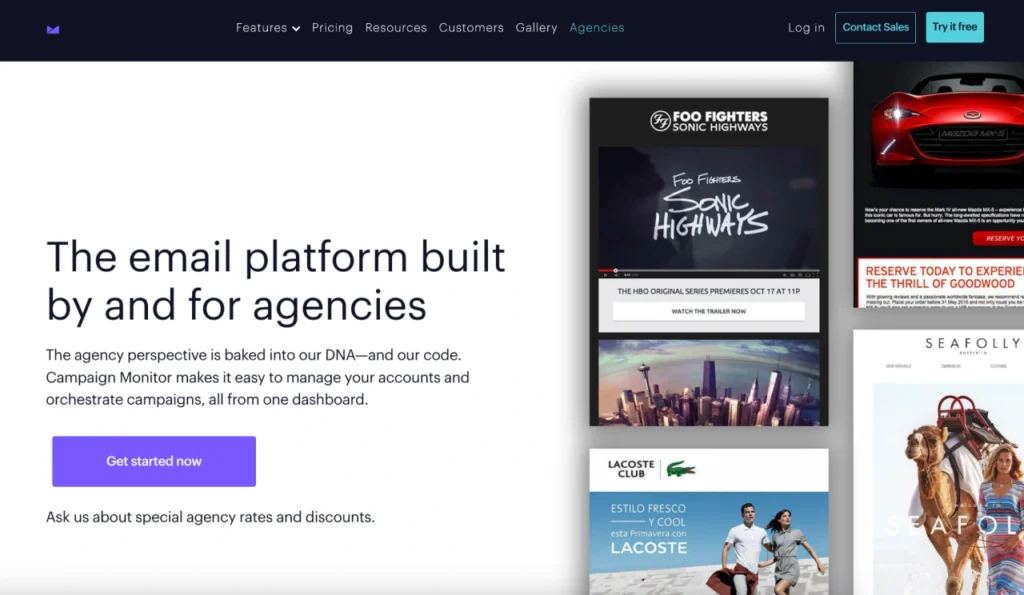
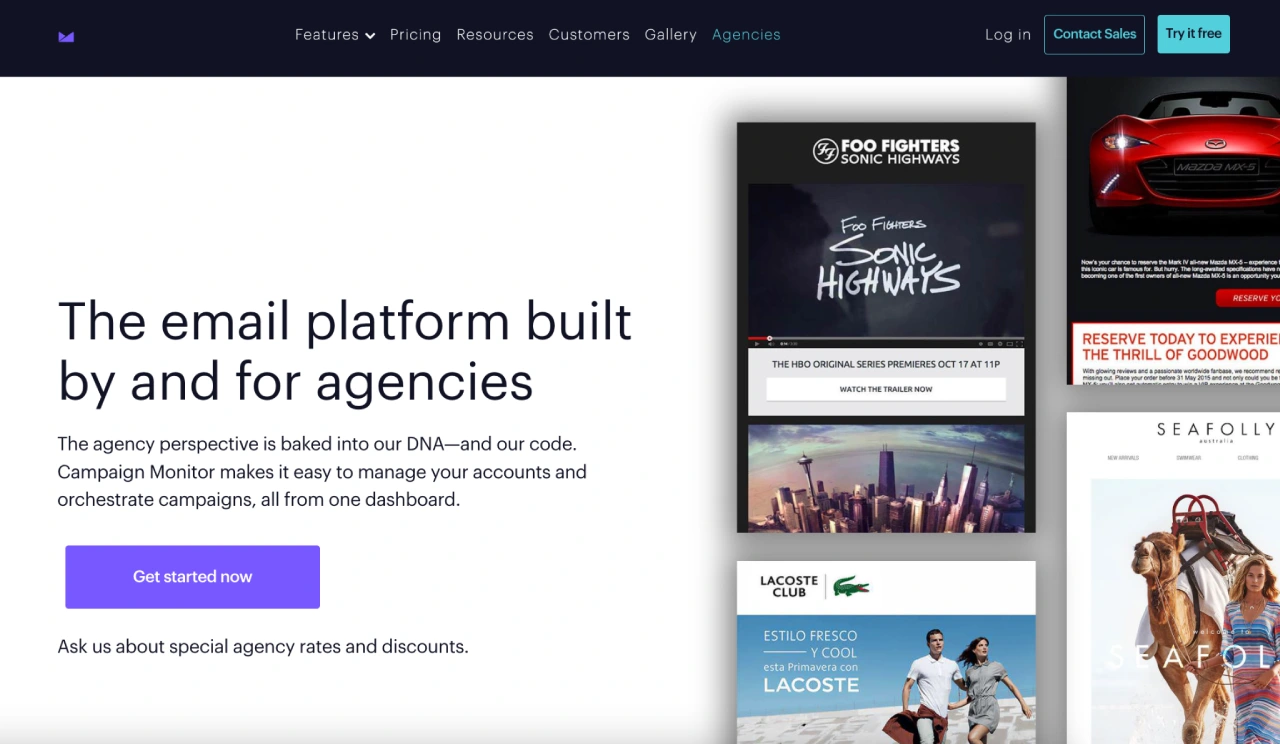
A successful AI-driven agency does not prioritize volume; it prioritizes velocity and consistency. By focusing on tools that provide clear ROI—specifically in email marketing, content operations, and data attribution—agencies can transition from labor-intensive service providers to high-margin partners. The foundation of this transition is an "anchor" platform, such as Campaign Monitor, which provides the necessary governance, multi-client management, and reliability to ensure that AI-generated assets are delivered through a professional, on-brand channel.
Chronology of Adoption: From Experimentation to Integration
The journey of integrating AI into an agency typically follows a predictable lifecycle:

- The Exploratory Phase: Agencies begin by testing individual tools—usually ChatGPT or Midjourney—to solve specific bottlenecks in writing or image creation. At this stage, the process is decentralized and often lacks security oversight.
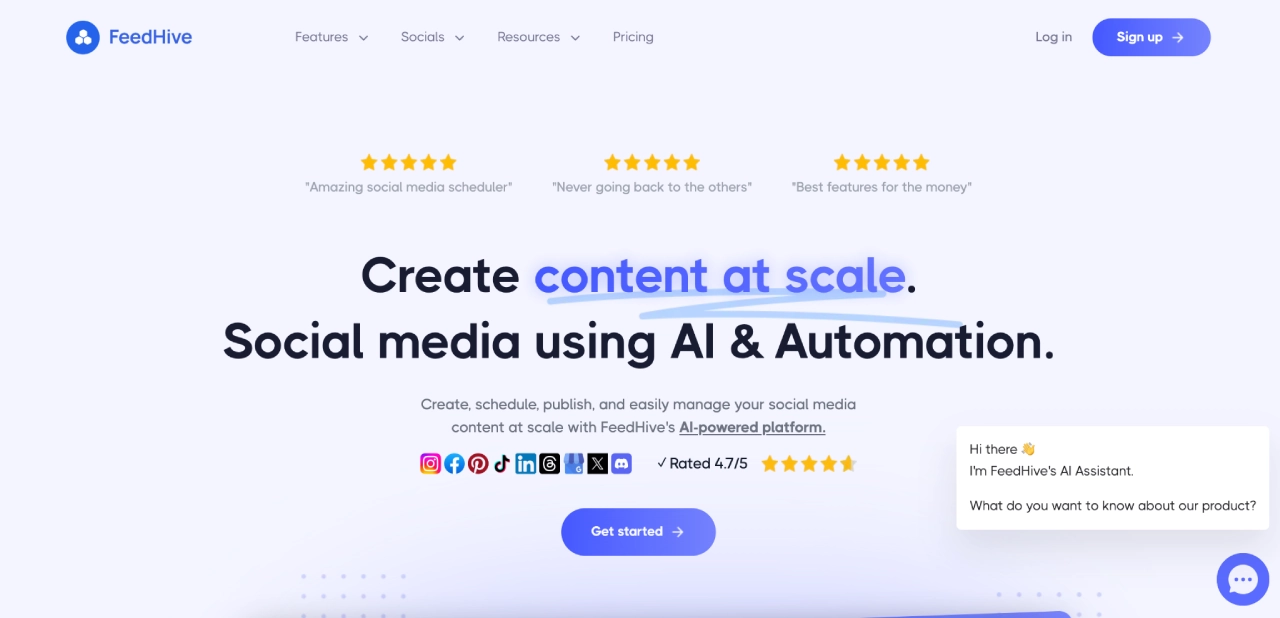
- The Proliferation Phase: As demand for AI-driven efficiency grows, teams adopt specialized tools for social media (FeedHive), ad optimization (Madgicx), and video production (Synthesia). The "stack" begins to grow, often leading to tool sprawl and budget bloat.
- The Governance Phase: This is the critical juncture. Agencies realize that without a "3C" framework—Context, Content, and Control—the risk of hallucinations, brand voice inconsistency, and data leakage becomes a liability. This is where professional agencies consolidate their tech stack around core platforms that offer enterprise-grade controls.
Supporting Data: The 17 Essential Tools for the Modern Stack
To streamline operations, agencies must categorize their stack by utility. The following table provides a breakdown of the leading tools currently shaping the agency landscape.
| Category | Top Tool | Standout Feature |
|---|---|---|
| Email & Automation | Campaign Monitor | Multi-client (parent/child) management, dynamic journeys |
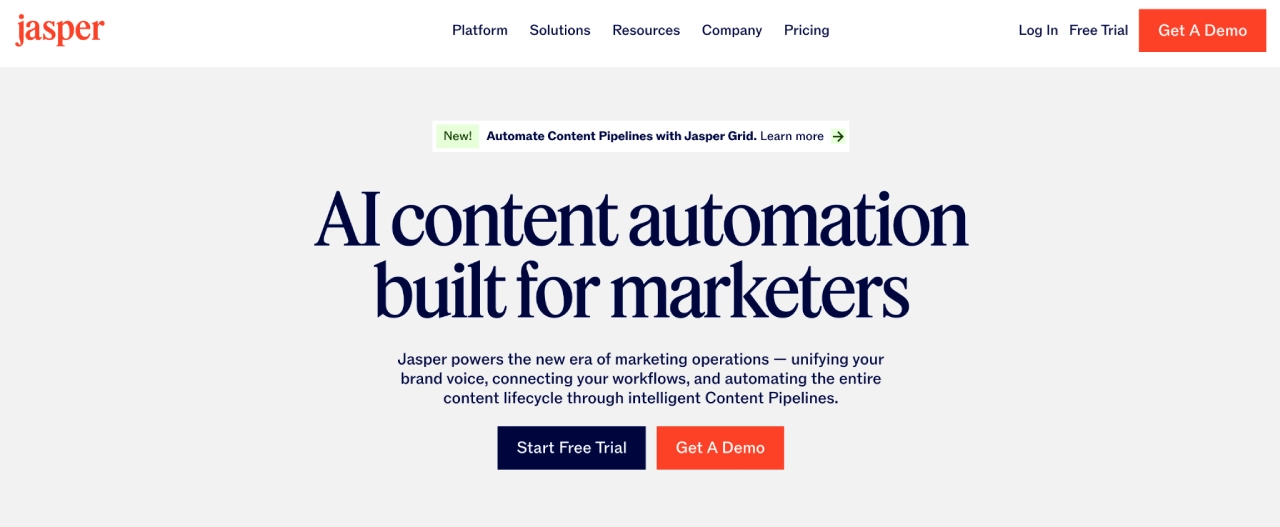
| Content Creation | Jasper | Brand Voice consistency & instant campaign generation |
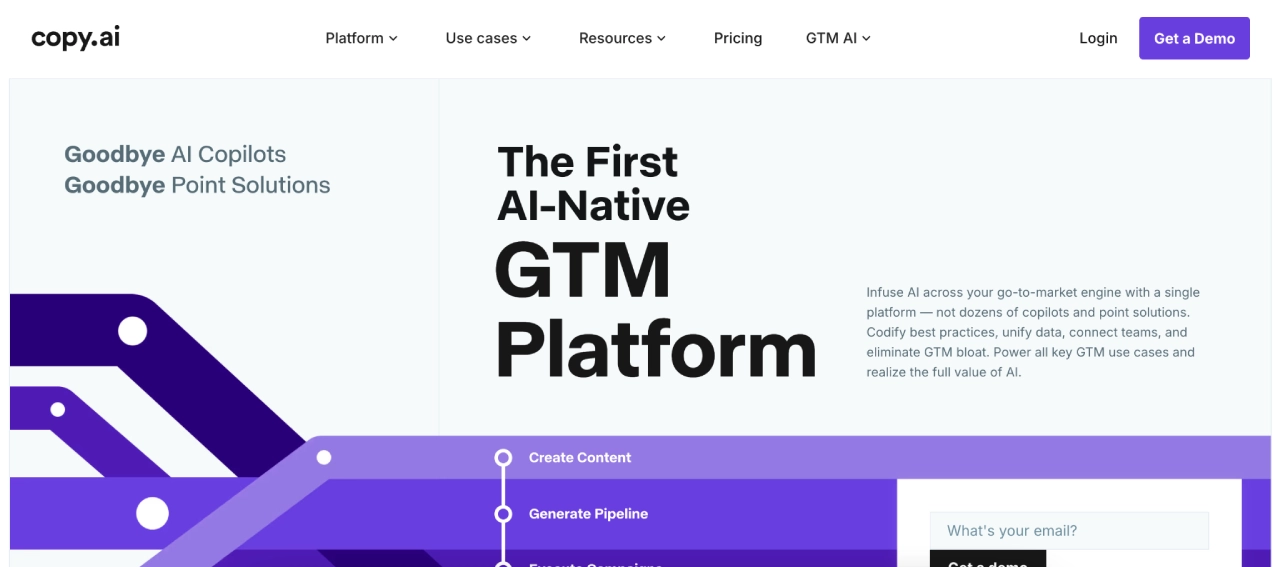
| Content Ops | Copy.ai | Trainable Content Agents & GTM workflows |
| Ads Management | Madgicx | AI-driven creative fatigue detection & performance chat |
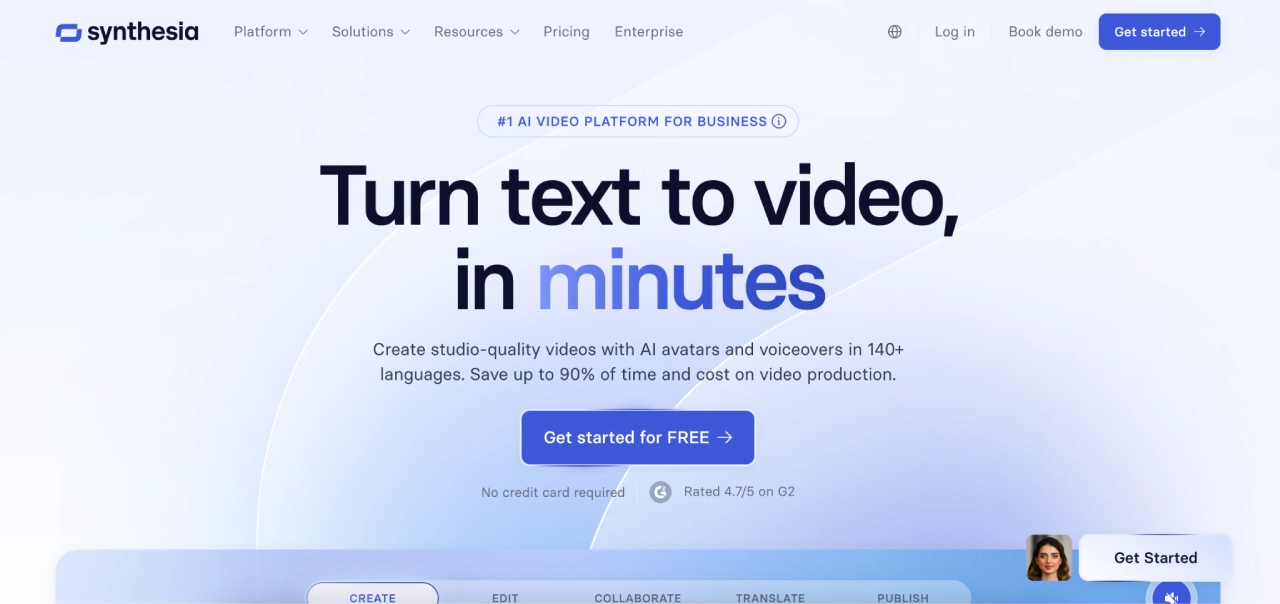
| AI Video | Synthesia | Multi-lingual avatars for global scaling |
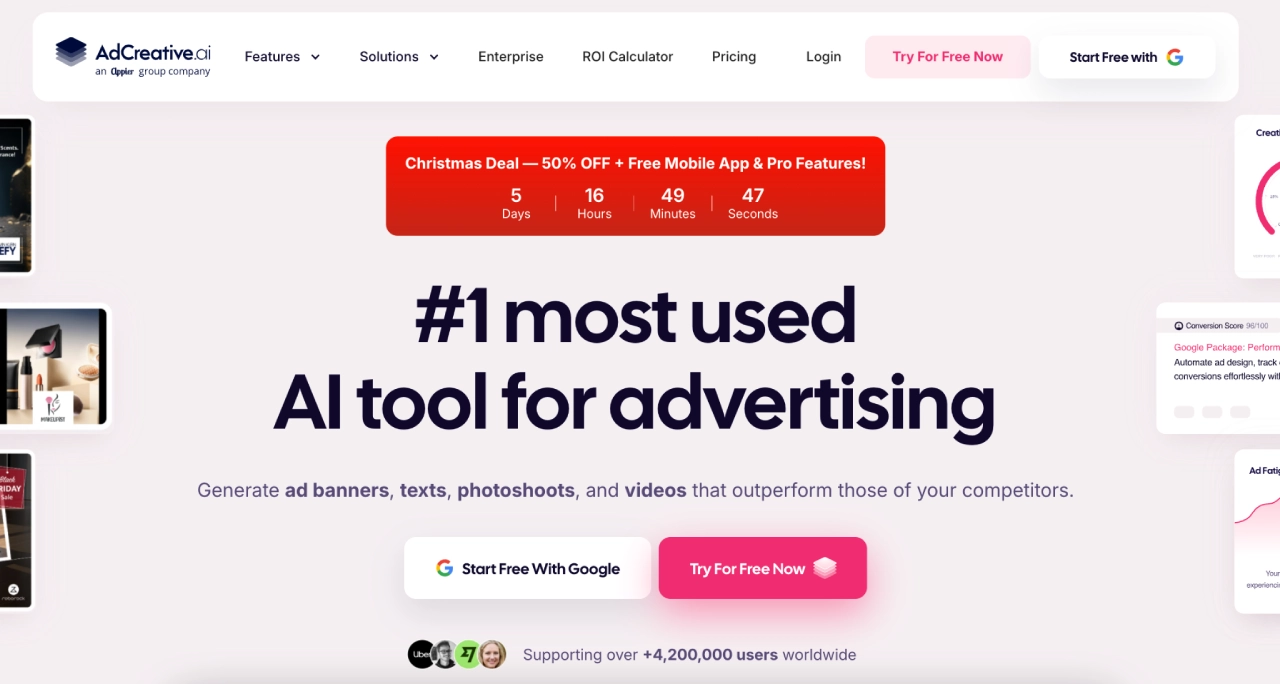
| Ad Creative | AdCreative.ai | Predictive scoring & multi-platform generation |
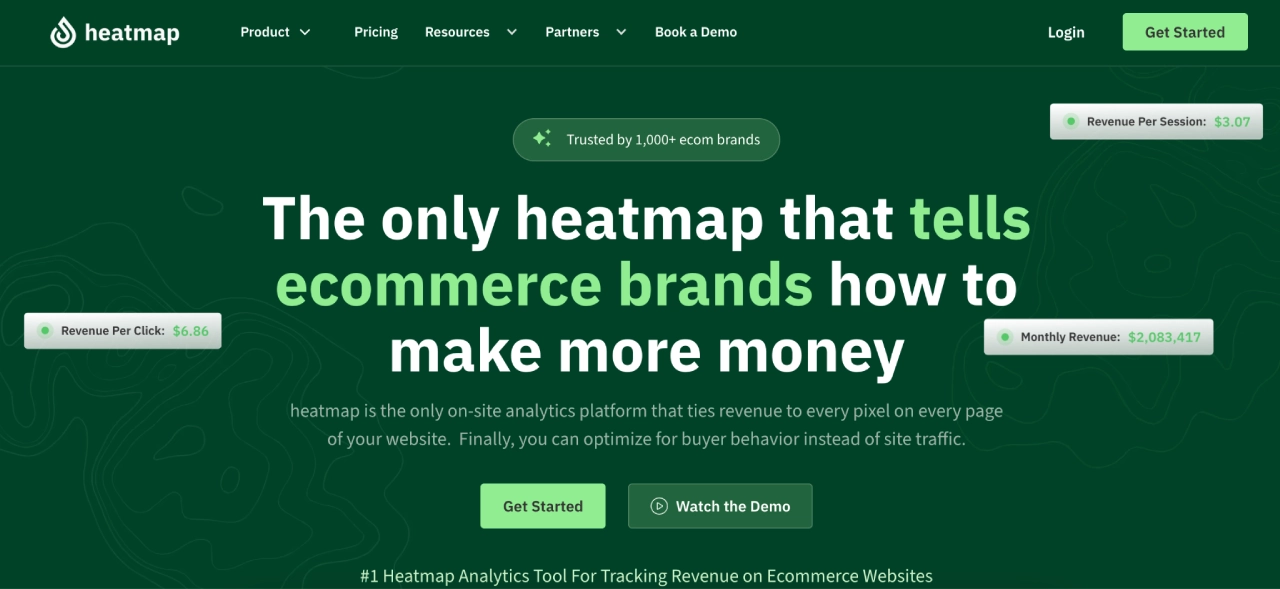
| CRO & UX | Heatmap AI | Real-time conversion behavior analysis |
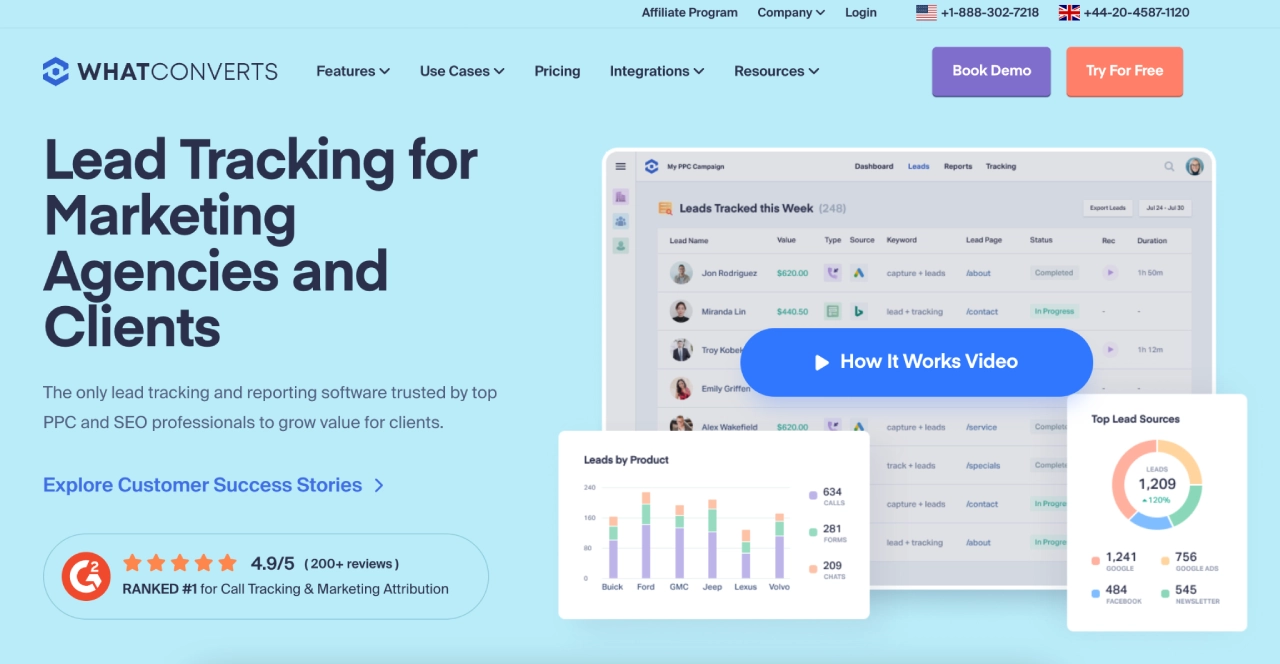
| Attribution | WhatConverts | Multi-source lead tracking (calls/forms) |
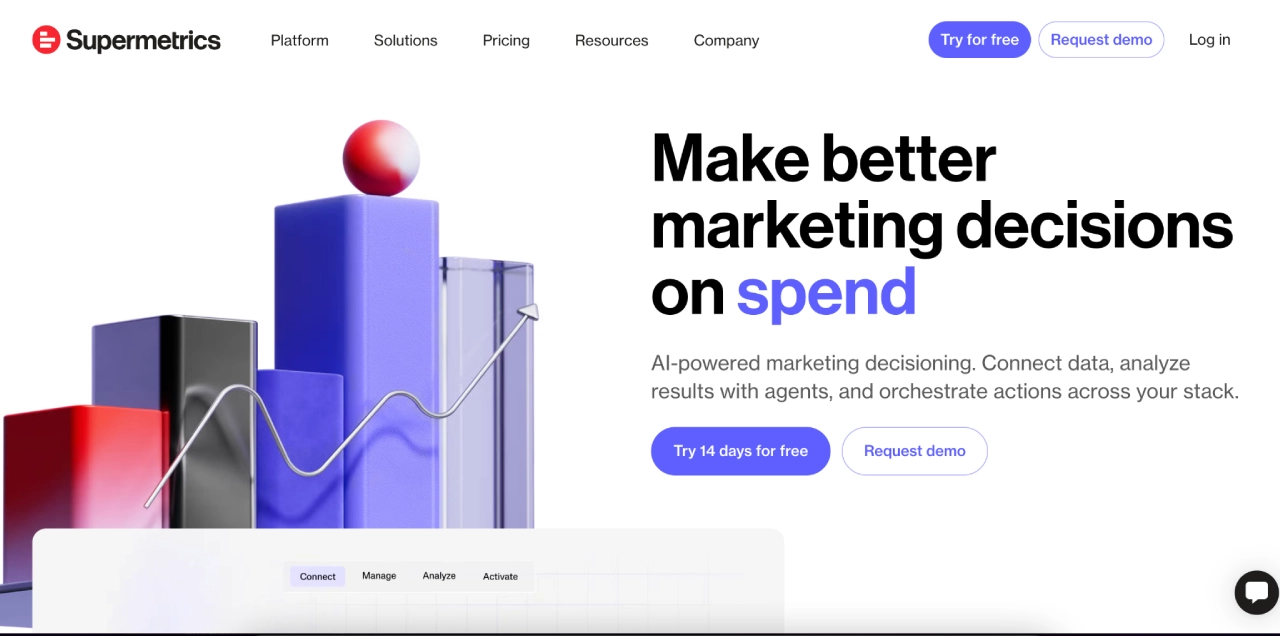
| Data Pipelines | Supermetrics | Cross-channel reporting integration |
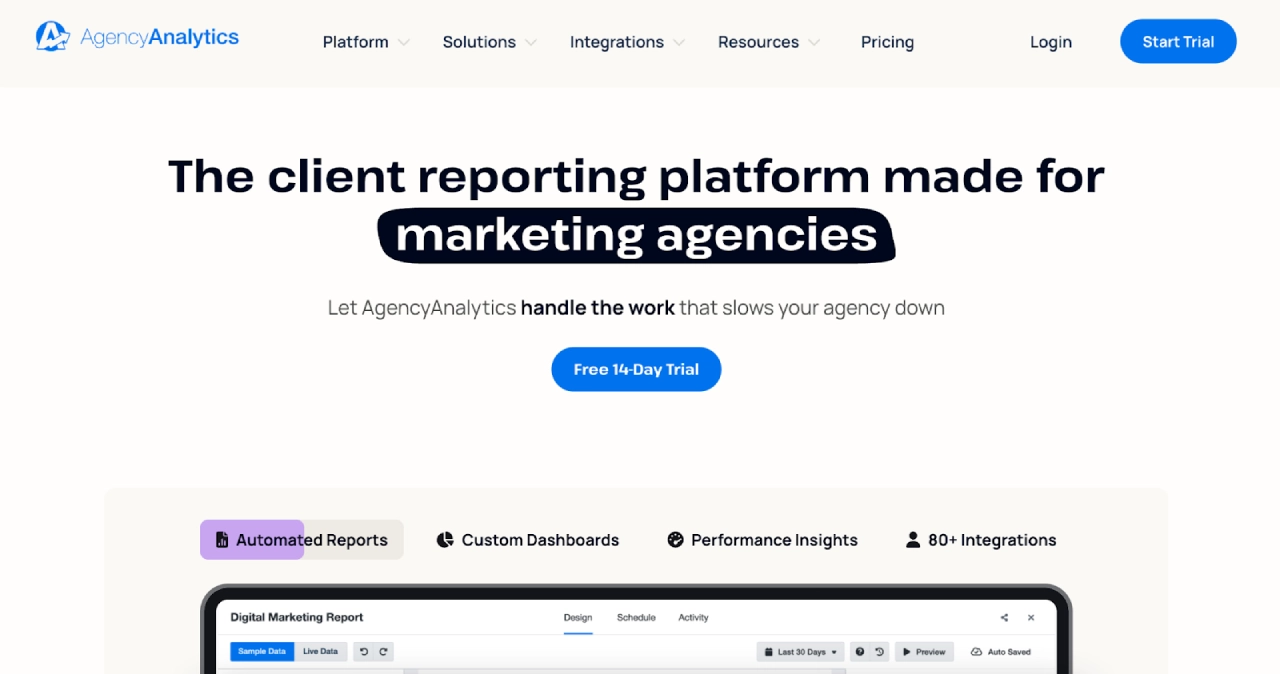
| Reporting | AgencyAnalytics | White-label client dashboards |
| Orchestration | Zapier | No-code multi-tool connectivity |
| CRM & Content | HubSpot AI | Unified CRM-integrated agentic workflows |
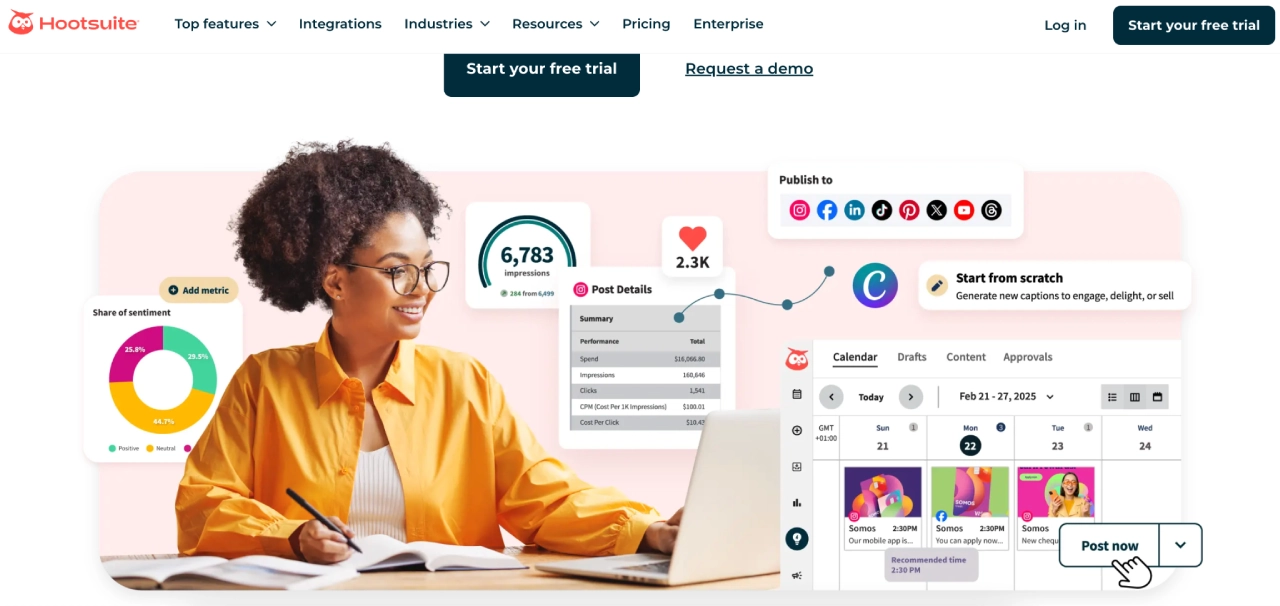
| Social Content | Hootsuite | AI-assisted captioning and hashtag generation |
| Social Scheduler | FeedHive | Smart, AI-driven posting schedules |
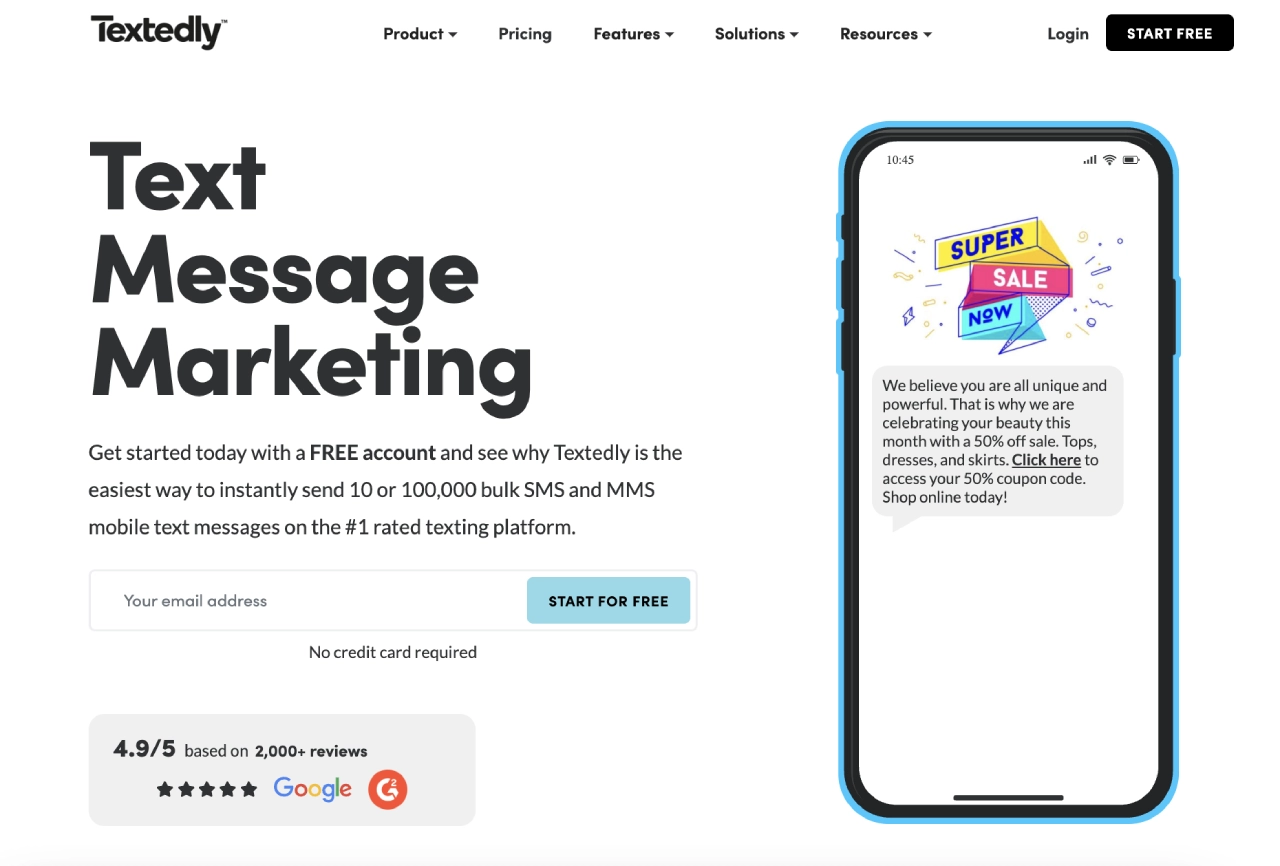
| SMS Marketing | Textedly | Automated, AI-assisted conversational flows |
| Image (API) | DALL·E 3 | Reliable text-to-image API integration |
| Creative Imagery | Midjourney | High-fidelity conceptual and stylized visuals |
The 3C Model: A Framework for Operational Integrity
For an agency to maintain high margins while using AI, it must adhere to the 3C Model. This framework acts as a safeguard against the risks of uncontrolled automation.
1. Context: Centralize Before You Generate
AI is only as good as the context it receives. Before deploying an AI agent to write emails or social posts, ensure that your audience, channel, and performance data are unified. Using a platform like Campaign Monitor allows you to store client-specific segments and brand rules, ensuring that every AI prompt is grounded in reality.
2. Content: The "Refinement" Rule
AI should handle the heavy lifting of the "first draft," not the final deliverable. By using AI to ideate and draft, your team can focus their billable hours on high-level strategy, creative polish, and rigorous fact-checking.
3. Control: The Guardrails of Automation
Never allow AI to push content live without human oversight. Implement "Human-in-the-loop" (HITL) workflows where AI drafts are automatically routed to a review queue. For email, this means using AI to personalize content while maintaining strict, pre-approved brand templates.
Implications for Agency Margins
The "All-in-One" suite temptation is high, but experience shows that these platforms often lead to overspending on unused features. A lean, "best-of-breed" stack is generally more cost-effective.
Predictable Total Cost of Ownership (TCO)
To protect margins, agencies must be hyper-aware of how costs scale. Many AI tools are usage-based, charging by seat, task, or credit.

- Cap the Variables: Monitor usage-based costs daily.
- Centralize Production: Designate "power users" for AI tools to prevent department-wide account sprawl.
- Audit Regularly: If a tool isn’t directly contributing to client outcomes or internal efficiency, prune it.
Addressing the Risks: AI Safety and Compliance
As agencies integrate more AI into their client-facing work, they must proactively manage several significant risks:
- Hallucinations: AI can confidently invent facts. All content must be verified against primary sources, especially in regulated industries like finance or healthcare.
- Brand Voice Drift: AI has a tendency to default to "bland" corporate language. To combat this, agencies should train custom models on their clients’ historical top-performing content.
- Data Compliance: Treat every AI input as a data point. Ensure your agency’s Terms of Service and data-handling policies are updated to reflect the use of AI tools, particularly when dealing with PII (Personally Identifiable Information).
- IP Rights: Not all image and video generators provide the same level of commercial usage rights. Always verify the licensing terms of the tools in your stack.
Strategic Conclusion: Choosing the Right Path
The "best" AI tool is not the one with the most bells and whistles; it is the one that aligns with your agency’s core competency.
If you are a small or starter agency, focus on lean, multi-purpose tools that allow you to ship fast without complex integrations. If you are a performance-focused agency, prioritize tools that provide granular attribution and real-time data loops. For content-heavy firms, the priority should be workflow integration that maintains a consistent brand voice across all touchpoints.
Ultimately, your tech stack should be an invisible engine—a silent, efficient partner that allows your team to focus on the human element of marketing: strategy, empathy, and creative vision. By anchoring your AI tools to a reliable, professional platform like Campaign Monitor, you can ensure that your agency remains not just faster, but fundamentally better, in a rapidly evolving digital marketplace.
Frequently Asked Questions (FAQs)
Q: Is it necessary to have both DALL·E 3 and Midjourney?
A: Not necessarily. DALL·E 3 is excellent for programmatic, API-driven image generation where speed and simplicity are paramount. Midjourney remains the industry leader for high-fidelity, creative, and conceptual imagery. Most agencies find they only need one for their daily needs, unless they are operating at a massive creative scale.

Q: How do I prevent AI costs from spiraling?
A: Cap the variables. Monitor seats and credit usage regularly. Avoid giving every team member access to every AI tool. Instead, build a "center of excellence" where a few trained power users handle the bulk of AI-assisted tasks, ensuring that usage remains optimized and purposeful.
Q: What is the most immediate "quick win" for agencies?
A: The fastest way to see ROI is to automate your evergreen email journeys. By setting up Welcome, Abandoned Cart, and Re-engagement flows with dynamic, AI-segmented content, you provide immediate value to your clients while standardizing your service offering across your entire portfolio.
