
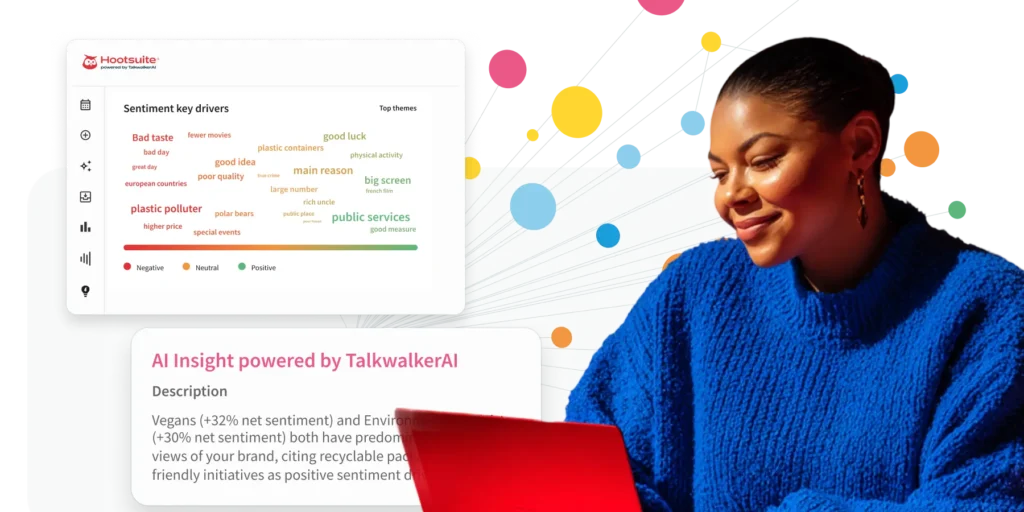
The Strategic Imperative: Mastering Social Media Analytics in 2026
In the modern digital landscape, social media has graduated from a simple engagement channel to a cornerstone of corporate revenue and brand identity. However, as marketing budgets face increasing scrutiny, the difference between "vanity metrics" and actionable intelligence has never been more pronounced. For enterprise-level teams, the ability to synthesize vast amounts of social data into a cohesive business strategy is no longer just an advantage—it is a requirement for survival.
Main Facts: Defining the Analytics Landscape
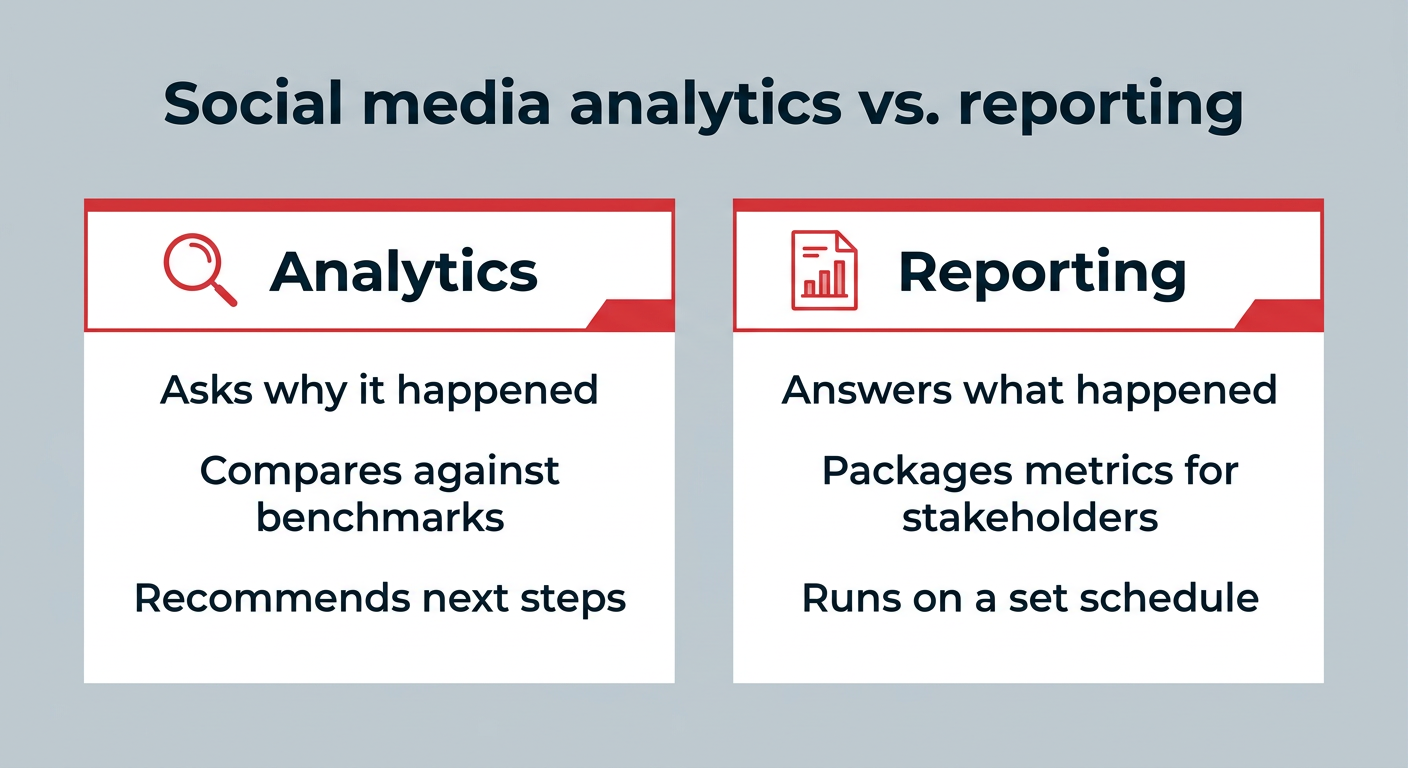
Social media analytics is far more than the simple collection of likes, shares, and comments. At its core, it is the systematic process of gathering, analyzing, and reporting on data points to measure the efficacy of social media accounts and, crucially, to guide high-level business decisions.

The field encompasses three distinct data streams:
- Owned Data: Performance metrics from your brand’s content.
- Earned Data: Conversations, mentions, and sentiment regarding your brand across the web.
- Paid Data: The ROI and conversion metrics derived from advertising campaigns.
For enterprise organizations, true analytics moves beyond native platform dashboards. It requires the integration of social data with Customer Relationship Management (CRM) systems, web analytics, and business intelligence (BI) tools. This creates a unified "single source of truth," allowing leadership to view performance across diverse brands, geographic regions, and marketing channels simultaneously.

Chronology and Evolution of Social Data
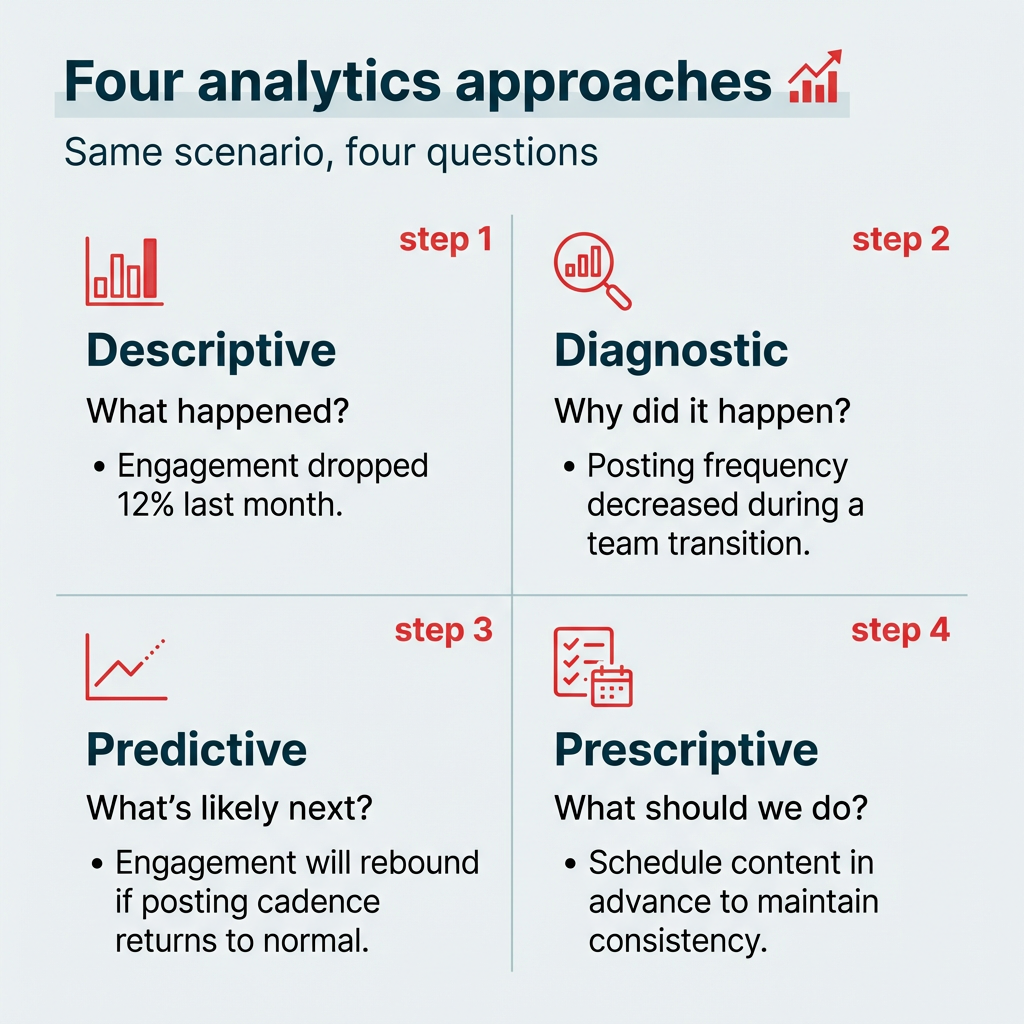
The evolution of social media measurement has occurred in distinct phases, shifting from basic counting to predictive modeling:
- The Era of Reach (2010–2015): The early focus was on sheer volume—follower counts, impressions, and basic reach. It was an era defined by vanity metrics, where "growth at all costs" was the standard.
- The Era of Engagement (2016–2020): Marketers began to realize that followers meant little without interaction. The focus shifted to engagement rates, comment quality, and community building.
- The Era of Attribution (2021–2025): With the rise of sophisticated tracking, the goal became connecting social touchpoints to specific business outcomes, such as leads, conversions, and direct revenue.
- The Era of AI-Driven Insight (2026 and beyond): Today, we are in a phase where predictive AI tools—such as Hootsuite’s Wisdom or integrated sentiment analysis—not only report on what happened but forecast what will happen, identifying PR crises before they escalate and predicting trends before they saturate the market.
Supporting Data: Why Metrics Matter
The necessity of robust analytics is underscored by current market realities. A 2026 report indicates that 63% of Chief Marketing Officers (CMOs) now cite budget and resource constraints as their primary challenge. To secure funding, social media teams must pivot from being viewed as "cost centers" to "profit centers."
- Conversion Power: Approximately 70% of social media users report an explicit intent to purchase from the brands they follow. When analytics can map a social post directly to a conversion event, the social media team’s value becomes undeniable.
- The Competitive Gap: Research from the Pew Research Center highlights a 61-point gap in platform usage between Gen Z and Baby Boomers. Without granular audience analytics, brands risk misallocating their content strategy, targeting the wrong demographics on the wrong platforms.
- Market Scale: With U.S. social ad spending exceeding $121 billion in 2026, the cost of flying blind—or relying on gut instinct—is financially catastrophic.
The Seven Pillars of Analytical Insight
To move from reporting to strategic decision-making, teams must categorize their efforts into seven distinct types of analytics:
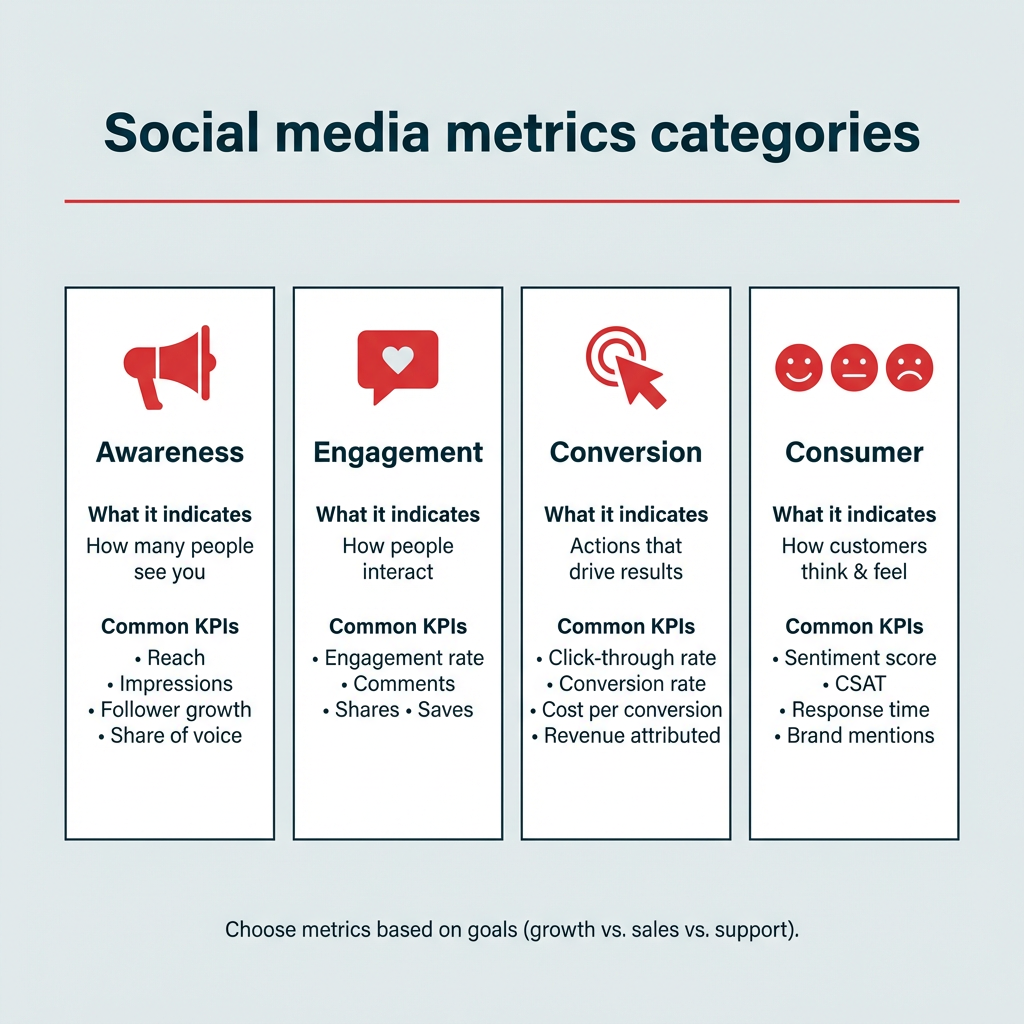
- Performance Analytics: Measuring individual post success and overall account health (Engagement, Reach, Impressions).
- Audience Analytics: Deep dives into demographics, behavioral data, and psychographic profiles to tailor messaging.
- Competitive Analysis: Benchmarking "Share of Voice" and content strategy against industry rivals.
- Social Listening & Sentiment Analysis: Using AI to gauge the intent behind the noise, identifying brand reputation shifts in real-time.
- Industry Benchmarking: Contextualizing your data against the market average to prove performance credibility to the C-suite.
- Paid Social Analytics: Tracking ROAS (Return on Ad Spend), CPC, and CPM to optimize budget reallocation.
- Influencer Analytics: Measuring the ROI of creator partnerships to ensure marketing dollars aren’t being wasted on underperforming talent.
Official Perspectives and Operational Frameworks
Leading consultants emphasize that data is useless without a rigorous process. Tom Edwards, Founder of Bit Quirky Consulting, notes that a layered approach is essential. "Daily monitoring is for spotting spikes and drops, while Mondays are for review, and Fridays are for deep-dive analysis," Edwards explains.
To build an effective analytics strategy, teams should follow this six-step framework:
- Align with Business Goals: Never track metrics for the sake of it. If the business goal is lead generation, focus on conversion-related KPIs.
- Limit Your Scope: Track 3–5 KPIs per goal. "Dashboard overload" often leads to paralysis rather than action.
- Centralize Your Data: Use unified tools like Hootsuite Social OS to normalize data across platforms. Relying on native dashboards leads to fragmented, incomplete reporting.
- Establish a Cadence: Create a consistent schedule for daily, weekly, and monthly reporting to ensure insights are acted upon while they are still relevant.
- Iterate and Test: Use data to form hypotheses, then conduct A/B testing to refine content and ad spend.
- Stakeholder Reporting: Present data in the language of the business—revenue, risk mitigation, and growth—not in the language of the platform.
Implications for Future Strategy
The implication of this shift is clear: the future of social media management belongs to the "Data-First" marketer. We are seeing a significant move toward "Social ROI," where social media is treated as a core component of the sales funnel.
For enterprise teams, the ability to integrate social data into a broader Business Intelligence (BI) infrastructure is the final frontier. Whether using Hootsuite for cross-platform management, Rival IQ for competitive benchmarking, or Google Analytics for site-side attribution, the goal remains the same: transforming the "noise" of the social feed into the "signal" of business success.
As we look toward the remainder of 2026 and beyond, the teams that thrive will be those that view analytics not as an end-of-month chore, but as a real-time compass. When you can justify every dollar spent and every piece of content published through empirical evidence, you do more than survive budget cuts—you secure the resources necessary to execute bold, transformative marketing plans.

Quick Reference: Selecting the Right Tool
- Hootsuite: Best for enterprise-level cross-platform management, AI insights, and ROI tracking.
- Google Analytics: Essential for measuring the "last mile" of the customer journey from social click to conversion.
- Rival IQ: The gold standard for competitive benchmarking and deep-dive audits.
- Sprinklr: Ideal for massive, multi-brand organizations requiring extensive CXM integration.
- DashThis: A high-utility choice for agencies focusing on client-facing reporting and visualization.
In conclusion, the professionalization of social media analytics is the defining trend of this decade. By adopting a disciplined, data-backed approach, marketing leaders can finally answer the most important question in the boardroom: "What is the true value of our social presence?" With the right framework, the answer is no longer an estimate—it is a proven, measurable reality.
