
The Death of the "NPS-Only" Strategy: Rethinking B2B Review Generation in the Age of AI
For over a decade, the standard operating procedure for B2B SaaS marketing has been remarkably consistent: run an NPS survey, isolate your "promoters," and offer them a small incentive—a gift card or a donation—to write a glowing review on platforms like G2 or Capterra. This "review generation engine" was the bedrock of social proof, intended to move prospects from consideration to conversion.
But the ground has shifted. As AI-powered search tools and Large Language Models (LLMs) fundamentally rewrite the buyer journey, this volume-based, incentivized approach is becoming not just obsolete, but potentially damaging. Today’s buyers are no longer navigating to review sites to read static lists of five-star testimonials; they are asking AI to synthesize the truth for them.
The Shift: From Review Reading to AI Triangulation
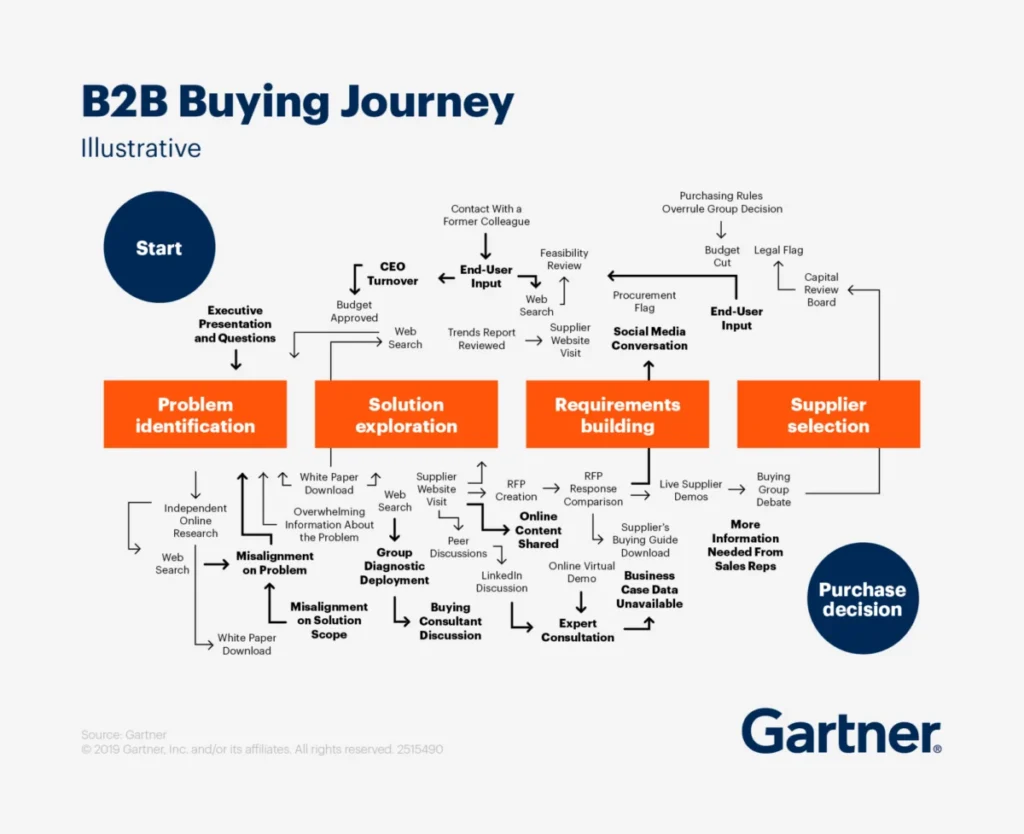
Historically, B2B review sites functioned as repositories for "late-stage validation." A prospect would reach the end of their search and check G2 to confirm that a vendor wasn’t a total failure.
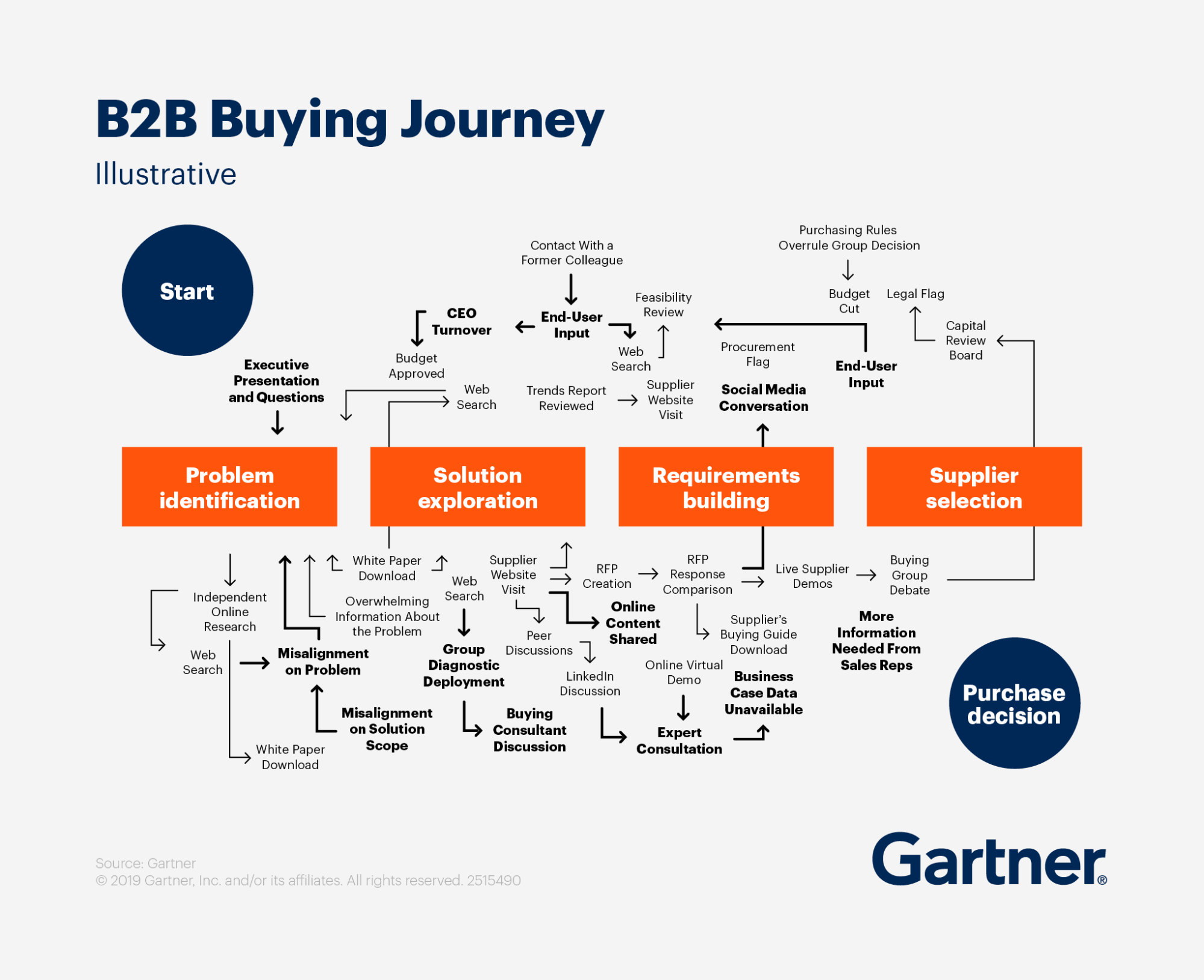
Today, that journey is non-linear and AI-mediated. According to recent data from Forrester, 94% of B2B buyers now use AI in some capacity during their purchasing process. Instead of visiting a review site directly, a buyer will prompt an LLM: "Compare the integration capabilities of Platform A versus Platform B for a mid-market manufacturing firm," or "What are the most common implementation hurdles for users of [Product Name]?"
The AI then acts as an intermediary, scraping, aggregating, and summarizing thousands of data points—including reviews—in seconds. This has rendered the old "happy-customer-only" solicitation model a liability. If your review profile consists solely of generic, five-star "promoter" feedback, you provide the AI with nothing but superficial marketing fluff. Worse, you leave the "negative" and "nuanced" segments of your product story to be filled in by competitors or disgruntled former users.
Chronology of a Paradigm Shift
The evolution of the review landscape can be mapped across three distinct eras:
- The Manual Era (Pre-2015): Reviews were sparse. Buyers relied on word-of-mouth, analyst reports (Gartner/Forrester), and direct sales demos.
- The Volume Era (2015–2023): Review sites like G2 and Capterra gained dominance. Vendors realized that "more stars and more volume" equated to higher search rankings. This gave rise to the incentivization arms race, where companies paid for feedback to climb the "leaderboard."
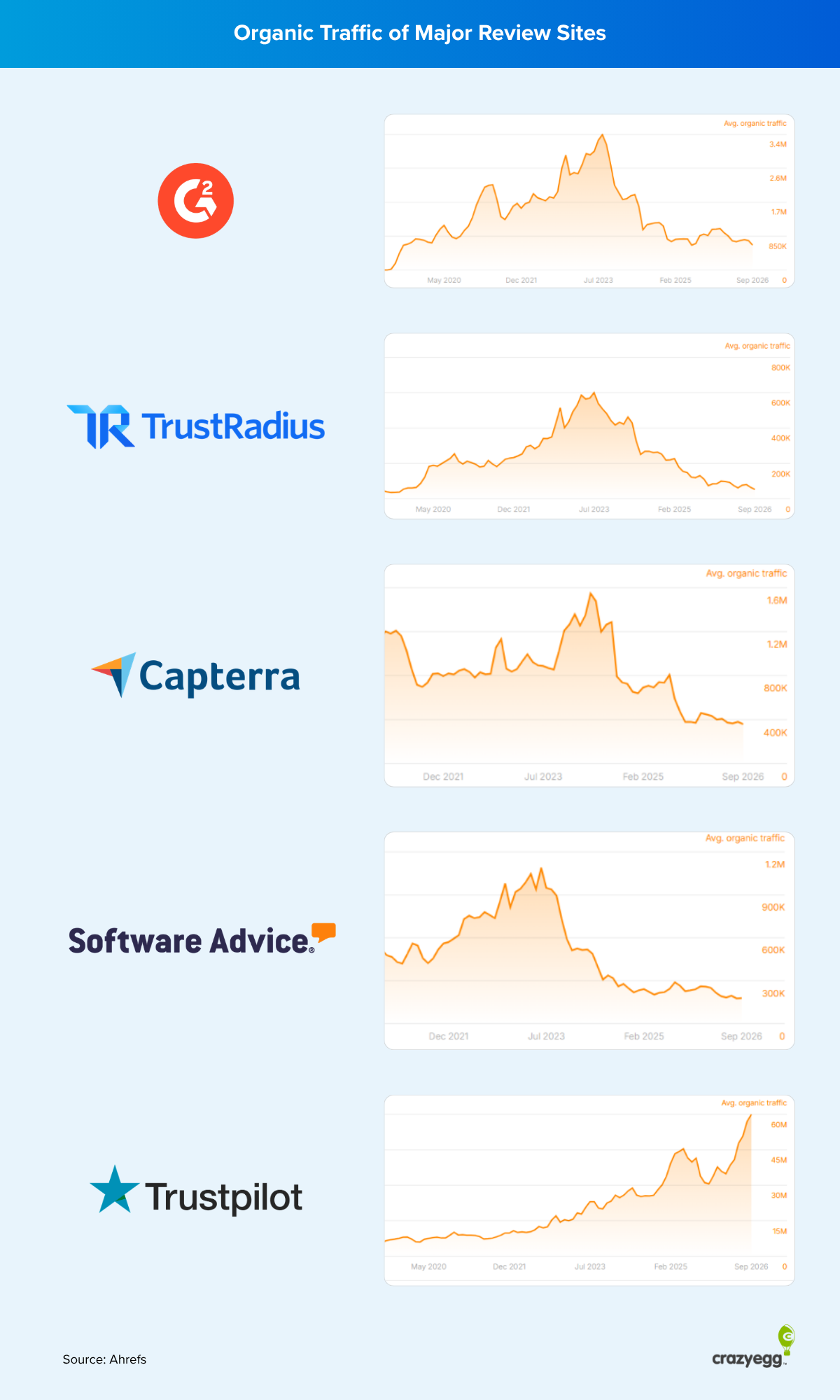
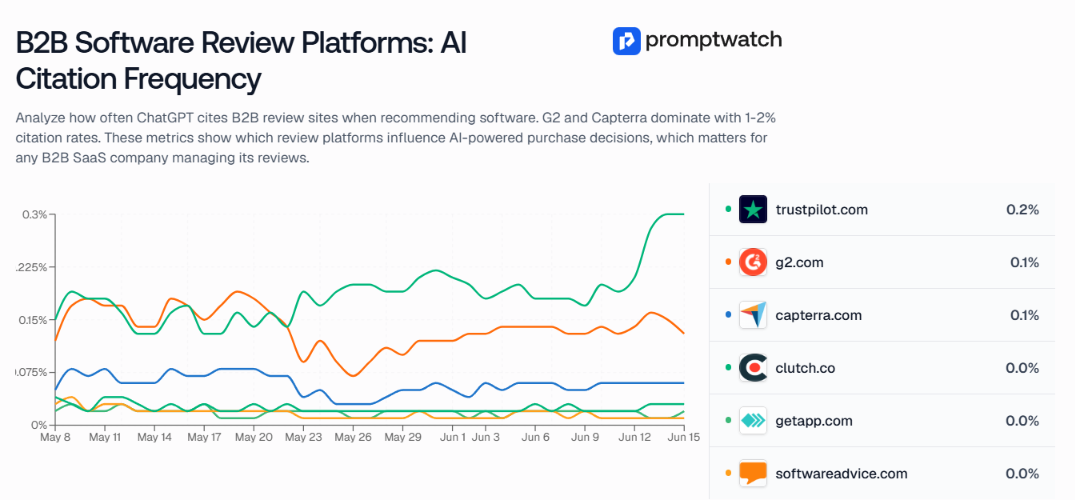
- The AI Synthesis Era (2024–Present): Traffic to traditional review hubs has declined. AI tools now prioritize "grounded" evidence. As evidenced by Ahrefs organic traffic data, sites like G2, Capterra, and Software Advice have seen a steady cooling in direct traffic, while Trustpilot and niche industry-specific review sites have seen shifts in their citation influence. The battle is no longer for "clicks" on a landing page, but for "citations" in an AI response.
Supporting Data: Why Volume Isn’t Enough
The transition to AI-based buying is backed by clear metrics. Research from Semrush indicates that 72% of buyers use AI for early research, 62% for comparison, and 48% for fine-tuning their shortlist.
Crucially, G2 itself has acknowledged this, ranking AI chatbots as the #1 source influencing B2B shortlists. This creates a paradox: while the review sites are losing direct traffic, the data they hold is more important than ever. Companies that fail to provide detailed, qualitative, and—most importantly—honest data are being "hallucinated" out of the consideration set.
According to PromptWatch, LLMs are increasingly citing third-party platforms to answer specific questions about product efficacy. If a vendor’s review profile is thin on specific use cases, the AI cannot confidently recommend that product to a specific persona, leading to the vendor being excluded from the AI-generated "shortlist."
Expert Perspectives on Modernization
To navigate this transition, we spoke with three industry veterans who are currently reshaping how SaaS companies collect customer evidence.
The Case for Radical Transparency
Russell Rothstein, CEO of PeerSpot, argues that the obsession with star ratings has blinded vendors to the needs of the enterprise buyer. "Soliciting reviews only from ‘promoters’ with high NPS scores creates a sanitized, unrealistic picture of the software," says Rothstein. "Enterprise buyers are sophisticated; they don’t trust a 5.0 rating. They want to see how the product handles complex, messy, real-world scenarios."
The "Testimonial" Misconception
Axel Lavergne, founder of Reviewflowz, suggests that many marketers misunderstand the very nature of these platforms. "They are really testimonial platforms. Always have been," he notes. "But in the age of AI, you need more than just a testimonial. You need a narrative that is congruent with actual usage. If your reviews don’t cover the negative or the difficult, the AI will find that information elsewhere—and it will likely be less favorable."
The Strategic Filter
Branca Ballot, a former VP of Marketing at GoDaddy, emphasizes the need for a sequential, disciplined strategy. "Many companies try to conquer every review site simultaneously," she warns. "That leads to a fragmented, shallow presence. You need to identify where your specific buyer is, get one channel working perfectly with deep, detailed feedback, and then expand."
Implications for Future Strategy
For SaaS leaders looking to future-proof their review generation, the playbook must change. Here are the five key implications for the new era of AI-assisted buying:
1. Broaden the Scope Beyond NPS
Stop asking only your happiest users for reviews. When you invite a cross-section of your user base, you gain the "negative" and "neutral" feedback that adds credibility. AI models prioritize balance; if an AI sees 500 perfect reviews and one thoughtful, detailed review citing a specific configuration issue, it will treat the latter as a more "trustworthy" data point.

2. Focus on "Use Case" Granularity
The most valuable reviews are those that detail the "how" and "why." Instead of a generic "Great product," prompt your users to answer: "What specific workflow did this replace?" or "What was the biggest technical challenge you overcame during implementation?" This allows LLMs to map your product to specific, long-tail search queries.
3. Align Your "Owned" Content
LLMs are consensus engines. They compare your website, your whitepapers, your press releases, and your reviews. If your website claims you are "Enterprise-ready" but your reviews only talk about small-business features, the AI will flag a discrepancy. Your owned content must be a mirror image of the feedback your customers provide.
4. Diversify, Don’t Dilute
While G2 remains a giant, the rise of cloud marketplaces (AWS, Google Cloud) as purchasing engines is changing the landscape. PeerSpot, for instance, serves as the primary review engine for these marketplaces. Ensure your review presence exists where the transaction actually happens, not just where the SEO traffic used to live.

5. Compensate for Time, Not Sentiment
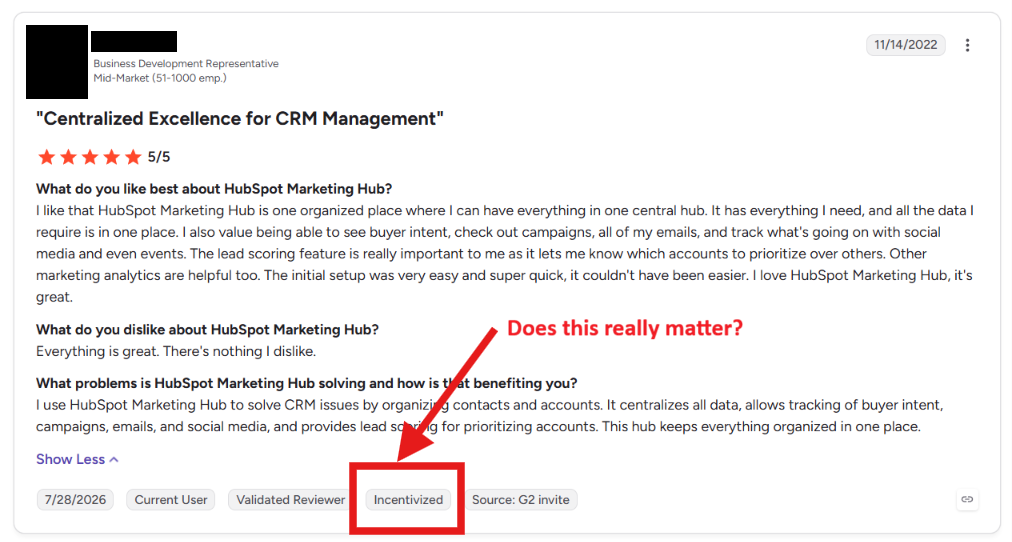
When offering incentives to boost volume, change the framing. Don’t pay for a "glowing recommendation." Pay for the time required to provide a detailed, honest account of the user experience. This keeps the data high-quality and avoids the "incentivized" label that can trigger skepticism in both human buyers and AI sentiment analysis.
Conclusion: The New "Evidence" Economy
The goal of your review strategy is no longer to secure a "Top Rated" badge to slap on your pricing page. The goal is to build a consistent, verifiable, and comprehensive narrative that can withstand the scrutiny of an LLM.
In the future, the "winners" in B2B SaaS will not be the companies with the most five-star ratings. They will be the companies with the most detailed and accurate body of customer evidence. By embracing transparency, prioritizing granular detail, and aligning your narrative across all digital touchpoints, you can ensure that when a buyer asks an AI to find the best solution for their needs, your brand is the only one that makes the list.
