
The Age of Absurdgasm: Why Brands are Embracing the Logic of the Irrational
When Naomi Osaka stepped onto the court at the 2026 Australian Open, the tennis world didn’t just witness a match; it witnessed a cultural pivot. Her attire—a sculptural, theatrical silhouette that defied the traditional sleekness of athletic apparel—was more than a fashion statement. It was a visual manifesto. It was, in a word, absurd.
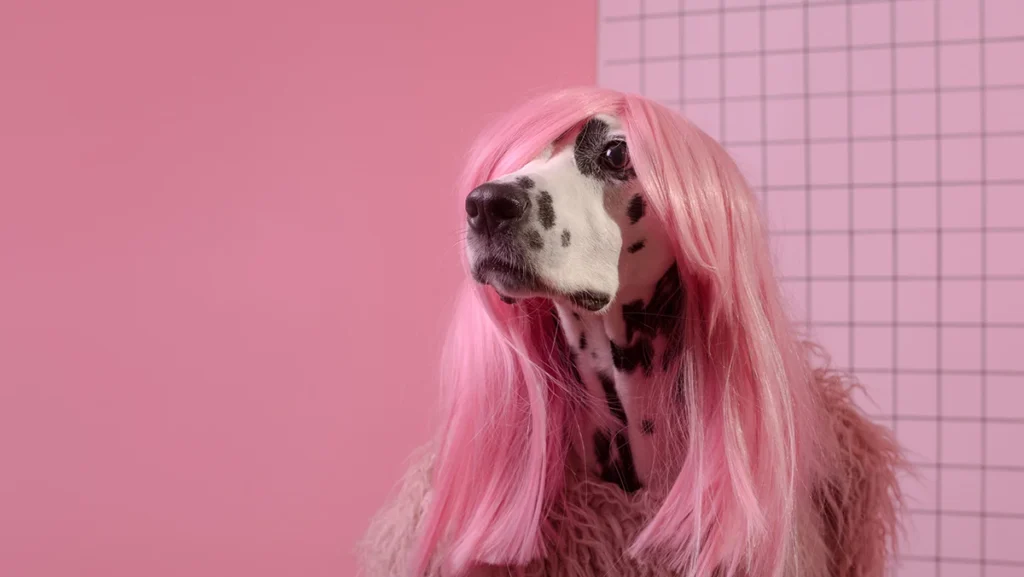
This moment served as a catalyst for a burgeoning movement in branding and design: "Absurdgasm." It is the strange, collective relief we feel when brands abandon the pretense of "normalcy" and lean into the beautiful, chaotic, and often nonsensical reality of our times. In an era where geopolitical stability feels like a relic and institutional trust is at an all-time low, consumers are no longer looking for brands that promise rational order. They are looking for brands that acknowledge the absurdity of the world we live in.
The Anatomy of the Trend: Why "Absurd" is the New "Authentic"
The "Absurdgasm" phenomenon is not merely a marketing tactic; it is an emotional synchronization between brands and their audiences. We are living through a pre-apocalyptic mental climate characterized by permanent crisis, algorithmic noise, and economic instability. In this environment, the traditional corporate pillars—rationality, long-term certainty, and hyper-efficiency—feel increasingly tone-deaf.
The Shift from Utility to Empathy
Historically, design has been tethered to the "rational roadmap." Marketing departments were tasked with solving problems, optimizing user journeys, and justifying purchases through utility. However, the current consumer mood has shifted. When a brand adopts an absurd approach, it signals a form of radical sincerity. It says: "I know the world makes no sense. I feel the same dissonance you do."
This is not "quirky for the sake of being quirky." It is emotional resonance. By embracing the ridiculous, brands move from being authoritative, distant entities to being partners in the "emotional fog."
Chronology of the Absurd: From Niche Stunt to Mainstream Strategy
While the term "Absurdgasm" is contemporary, the seeds were sown over the past few years as pop culture began to favor non-sequiturs, meme-based humor, and surrealist aesthetics.
- 2024-2025: The Rise of the "Prank" Product. Brands began testing the waters with limited-edition collaborations that defied category logic. These were not designed to be "best-sellers" in the traditional sense, but to generate massive social media engagement.
- Late 2025: The Normalization of the Bizarre. Collaborations like Krispy Kreme × Crocs proved that consumers were ready to embrace products that were functionally questionable but culturally significant. The product became a symbol of a "shared joke."
- January 2026: The Osaka Moment. Naomi Osaka’s Australian Open appearance served as the tipping point, moving absurdity from the periphery of social media feeds into the high-stakes arena of global professional sports.
- March 2026: Institutionalization. Design agencies and brand strategists have begun to formally codify "irrational design" as a legitimate creative territory, moving away from purely performance-based metrics.
Supporting Data: Why "Useless" Drives Engagement
Data from recent market experiments suggests that the "rational" approach to product development is suffering from diminishing returns. In a saturated market, consumers are suffering from "benefit fatigue"—they no longer care about the 5% marginal improvement in a detergent or a sneaker’s slightly better arch support.
The Engagement Engine
The "Picklerita Slush" (a collaboration between Sonic and Grillo’s Pickles) serves as a prime case study in the power of the absurd. The product—a chaotic blend of pickle brine and lime—was polarizing. Many customers actively disliked the taste. Yet, it became a massive success. Why?
- Pattern Interruption: It stopped the scroll.
- Social Currency: It gave people something to film, argue about, and share.
- Experiential Value: It wasn’t designed to quench thirst; it was designed to provoke a reaction.
When we examine collaborations like Taco John’s × 5-Hour Energy or the Dunkin’ × Native deodorant line, we see a recurring pattern: these products break classification. They destabilize consumer expectations, and in doing so, they demand attention. In an age of digital noise, the ability to be "weird" is the most effective way to be seen.
Official Responses and Industry Shifts
The industry is currently undergoing a "crisis of design." Creative directors and strategists are questioning the rigid frameworks that have dominated the last two decades of branding.
"We have been trained to believe that design must be utilitarian," notes one strategist at a top-tier global agency. "But the world is no longer functioning on a linear, rational path. If our branding remains stuck in 20th-century logic, we become irrelevant."
The "Anti-Workshop" Movement
Groups like MSCHF have paved the way for a new model: the "anti-workshop." By eschewing traditional brand decks and focus groups in favor of cultural instinct and high-velocity creative leaps, they have proven that emotional resonance is often the enemy of rational optimization.
Retailers are also following suit. The Korean eyewear brand Gentle Monster has famously transformed its retail spaces into immersive art installations. In their Paris flagship, products are often secondary to the environment. The "irrational" design of their stores acts as a magnet, turning shopping into a gallery-going experience where the "utility" of buying glasses is secondary to the experience of being in an absurd, beautiful space.
Implications for the Future of Brand Strategy
Is the "Absurdgasm" trend sustainable, or is it a passing phase? The answer lies in how brands integrate this logic into their long-term DNA.
The Danger of the "One-Off" Stunt
If a brand only embraces absurdity as a one-off stunt, it risks looking performative. Consumers are adept at spotting inauthenticity. The brands that will succeed are those that view "irrationality" as a legitimate design territory—a space to explore playfulness, humor, and self-derision as a core component of their identity.
The New Design Question
The future of brand innovation asks us to reconsider the purpose of design. If our goal is to serve "humans" rather than "consumers," we must acknowledge that humans are tired, overstimulated, and emotionally saturated.
The implications are clear:
- Loosen the Grip: Brands must stop trying to explain or "optimize" everything.
- Make Space for Serendipity: Innovation processes should leave room for "creative chaos" that isn’t tied to a specific ROI projection.
- Prioritize Emotional Literacy: The most powerful brands of the next decade will be those that prioritize comfort, amusement, and shared disbelief.
Conclusion: A Necessary Release
Perhaps the most important takeaway from the rise of "Absurdgasm" is that branding is no longer just about selling a product—it is about providing a form of relief. In a world that feels increasingly like a surrealist performance piece, the role of the brand is to acknowledge that we are all in this together.
By embracing the absurd, brands are offering a form of oxygen. They are creating moments of joy and absurdity that don’t require a justification. They remind us that it is okay to stop trying to make sense of the world for a moment and simply laugh at the strangeness of it all. As it turns out, the most rational thing a brand can do in 2026 is to be a little bit unreasonable.
