
The 2026 State of Email Newsletter Software: Moving Beyond Vanity Metrics to Revenue-Driven Growth
In the landscape of modern digital marketing, the "best" email newsletter software is no longer defined by who has the most features, but by who can most efficiently turn a subscriber into a long-term customer. For years, industry comparison lists have been little more than glorified feature-dumps, ignoring the technical realities of deliverability, the friction of user interfaces, and the critical path from ideation to revenue.
As we navigate the demands of 2026, the criteria for selecting an Email Service Provider (ESP) have shifted. Privacy-first regulations, the rise of AI-assisted content creation, and the decline of traditional open-rate reliability have forced marketers to look closer at their tools. Whether you are an agency managing dozens of client brands or a creator building a media empire, your choice of software is a foundational business decision.
The 4P Fit Framework: A New Standard for Selection
To cut through the marketing noise, we recommend the "4P Fit Framework." When evaluating any platform, ignore the surface-level hype and audit the following four pillars:
- Personalization: Does the platform allow for dynamic content blocks that change based on user behavior, or are you limited to simple "First Name" tags? High-relevance emails currently command up to three times the conversion rate of generic blasts.
- Performance: Can the platform filter out bot activity? With privacy-focused email clients (like Apple’s Mail Privacy Protection) becoming standard, you need robust click and conversion tracking, not just inflated open rates.
- Platform: How does the tool interact with your existing tech stack? You require a single source of truth that integrates seamlessly with your CRM (e.g., Salesforce) and your commerce platform (e.g., Shopify) to avoid the "CSV Hell" of manual data syncing.
- Partnership: When an IP address gets flagged or a complex template breaks, can you reach a human? In an era of AI-first support, the presence of dedicated migration experts and deliverability consultants is a competitive advantage.
Chronology of Evolution: From "Blast" to "Journey"
The history of email marketing has moved through three distinct eras. In the early 2010s, "batch and blast" was the gold standard. In the early 2020s, the focus shifted to basic automation, such as welcome drips. Today, in 2026, we have entered the Era of the Subscriber Journey.
Modern software now functions as an orchestrator of experiences. It is no longer about sending an email; it is about triggering a series of touchpoints—email, SMS, and web notifications—that react in real-time to how a user interacts with your brand. The tools that have survived this evolution are those that pivoted from simple list management to sophisticated behavior-based engagement engines.
Comparative Analysis: Top Market Contenders
Below is a breakdown of the leading platforms, categorized by their specific strengths in the current market.
1. Campaign Monitor: The Design-Led Powerhouse
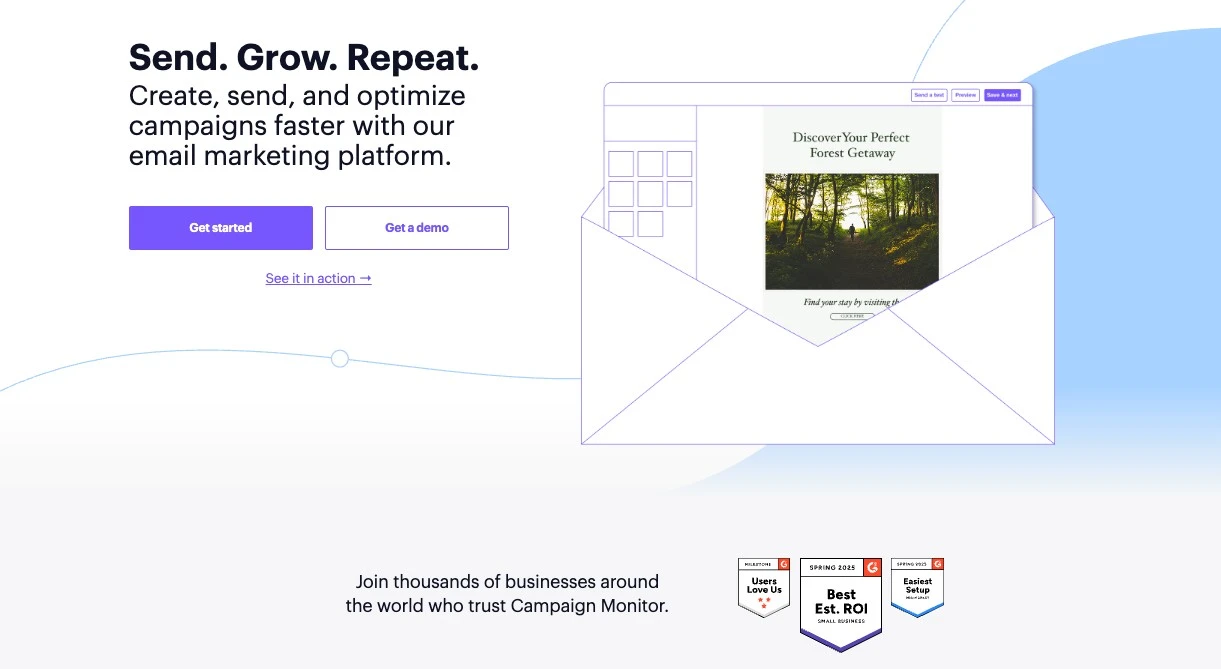
Campaign Monitor remains the preferred choice for agencies and nonprofits that refuse to sacrifice aesthetics for functionality. It excels in "pixel-precise" control, ensuring that brand identity remains consistent across all devices. Its visual journey builder is a benchmark for the industry, allowing for complex, multi-path automation that can drive massive open rates, as evidenced by the 78% open rates achieved by global organizations like parkrun.
2. Mailchimp: The "All-in-One" Ecosystem
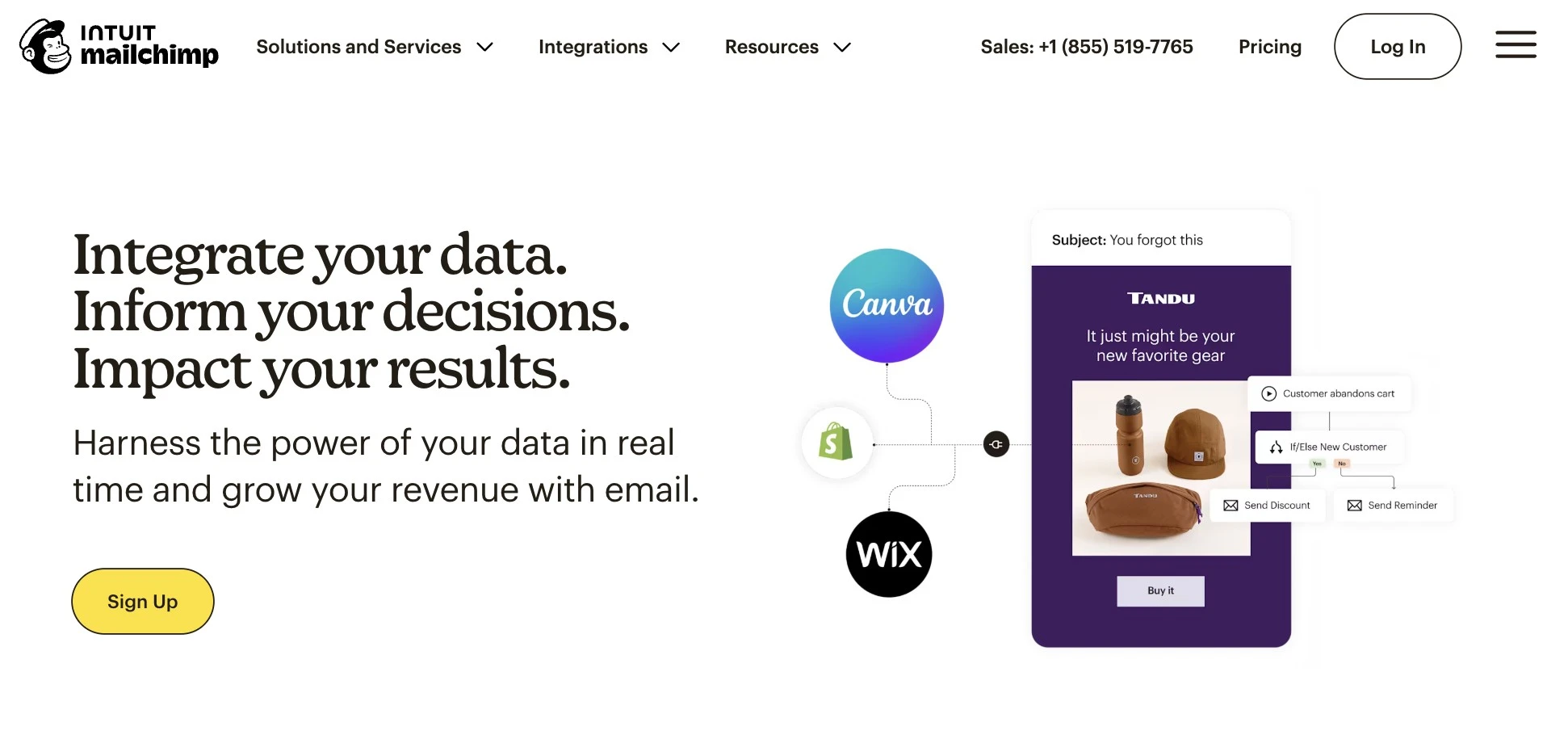
For small businesses looking for simplicity, Mailchimp remains a juggernaut. It integrates CRM, email, and basic marketing automation into one login. While power users may find its templates somewhat rigid, its ease of use for beginners remains unmatched.
3. Brevo (formerly Sendinblue): The Budget-Friendly Multichannel Tool
Brevo has disrupted the market by shifting the pricing model from "list size" to "volume." By allowing unlimited contacts on their free plan, they have become the go-to for high-volume, low-budget startups that need to handle transactional emails alongside marketing campaigns.
4. ActiveCampaign: The Automation Specialist
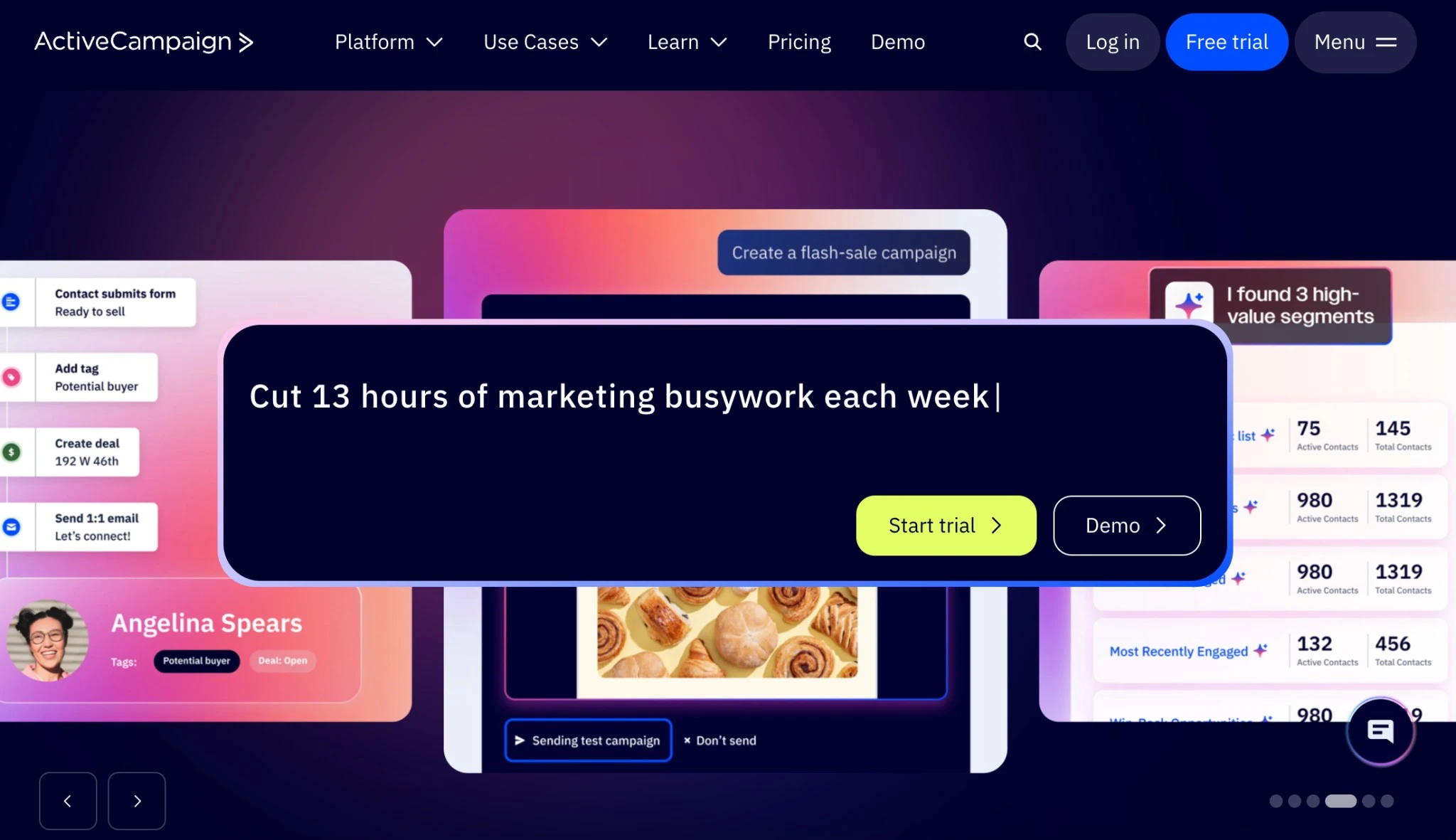
ActiveCampaign is effectively a marketing operating system. It is designed for B2B and SaaS brands that require deep, behavior-driven data. Its CRM capabilities are superior to almost any other ESP in this list, making it the ideal choice for businesses with long, high-touch sales cycles.
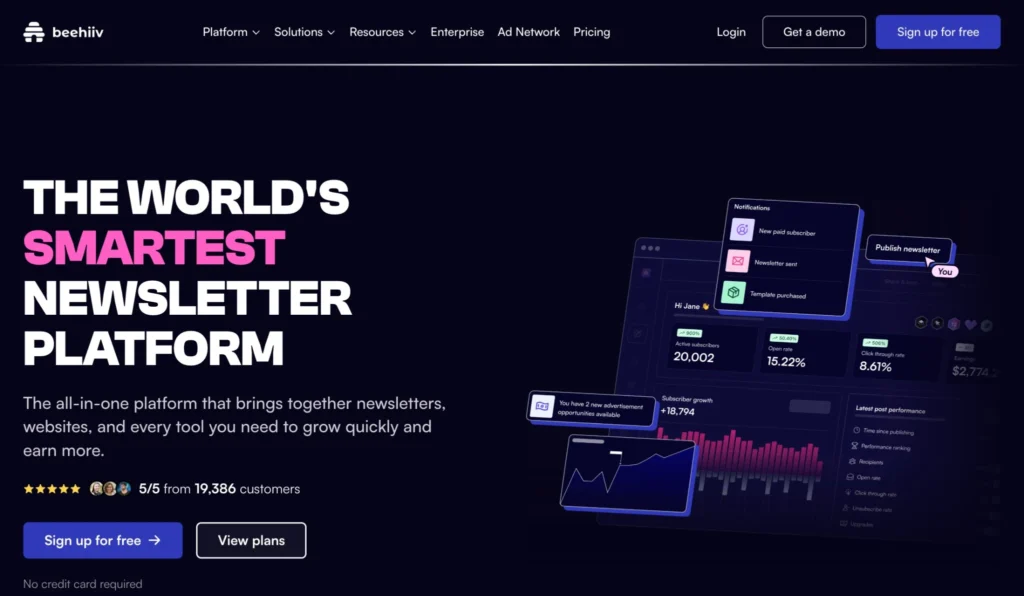
5. Beehiiv: The Creator-First Platform
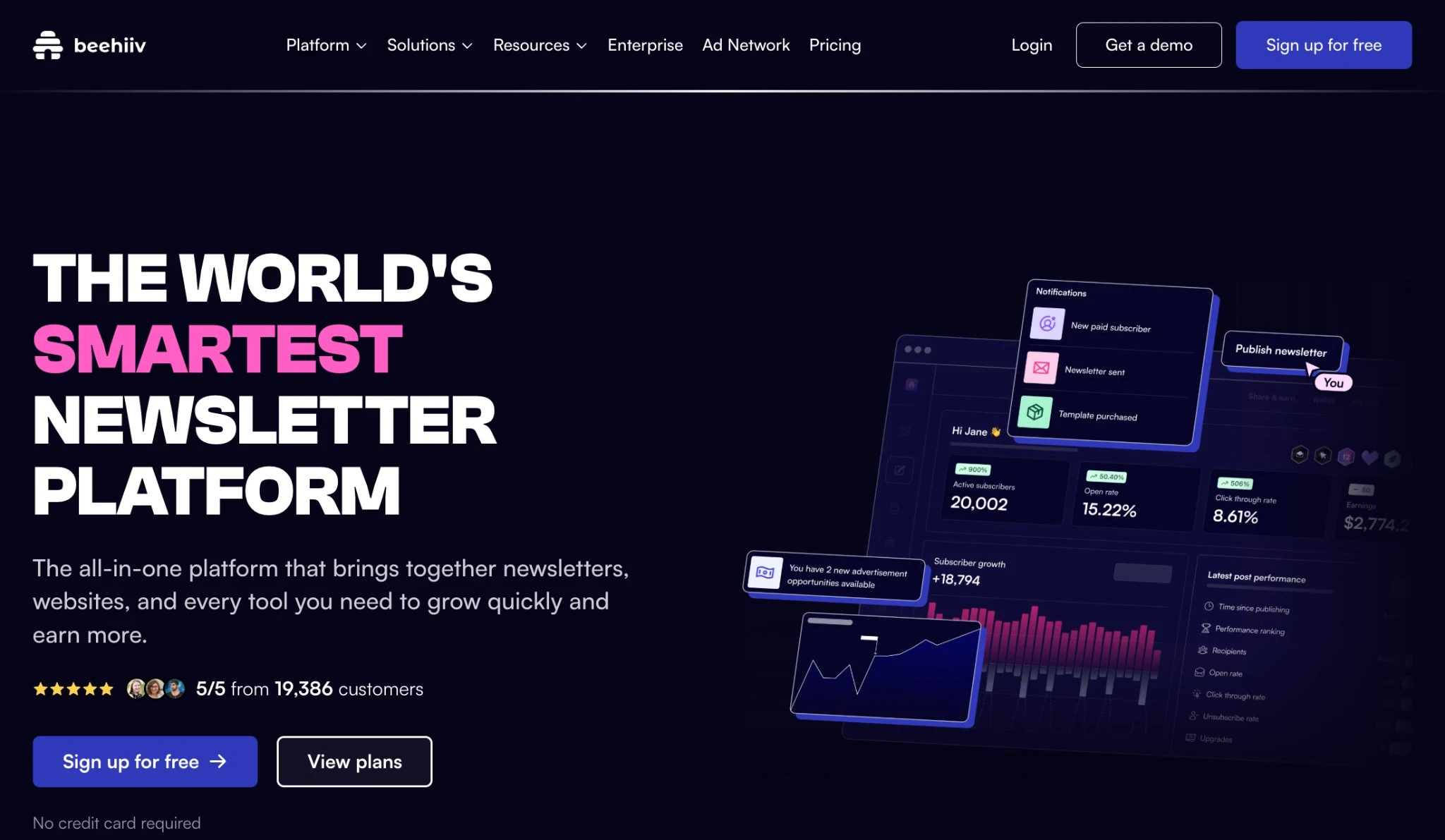
Beehiiv has redefined the newsletter-as-a-business model. Built specifically for publishers, it includes native referral tools, ad-network integrations, and paid subscription management. If your newsletter is your product, Beehiiv provides the growth levers that traditional ESPs often lack.
6. MailerLite, Constant Contact, GetResponse, and AWeber
- MailerLite: Best for those seeking a clean, modern UI without the "bloat" of legacy systems.
- Constant Contact: Remains a reliable pillar for local organizations and event-heavy businesses.
- GetResponse: A strong contender for those whose primary goal is building complex sales funnels and hosting webinars.
- AWeber: The reliable, "no-nonsense" choice for solopreneurs who prioritize personal support over complex feature sets.
Implications for 2026 and Beyond
The data is clear: the most successful newsletters are those that treat their list as a community rather than a commodity. As we look toward the remainder of the year, several trends are emerging that will impact how you choose your software:
- Data Sovereignty: With increasing privacy laws, platforms that offer clear, transparent data handling and consent management are moving from "nice-to-have" to "mandatory."
- AI-Enabled Content: The best platforms are now integrating AI to help draft content and, more importantly, to predict the best time to send an email to each individual subscriber based on their personal history.
- The Death of Vanity Metrics: Companies are moving away from open rates. The new KPIs are "Revenue per Subscriber" and "Conversion Velocity." If your tool cannot attribute a dollar amount to a specific email campaign, you are flying blind.
Official Guidance: Selecting Your Fit
When asked for a recommendation, experts often cite the "Mini-Pilot" method. Do not migrate your entire database to a new platform on a whim. Instead, run a 14-day test with 500 to 1,000 contacts. During this period, measure:
- Deliverability: Did the test emails hit the primary inbox or the spam folder?
- Onboarding Friction: How long did it take to build a template that matched your brand guidelines?
- Support Responsiveness: Submit a "fake" support ticket during your trial. The speed and quality of the response will tell you everything you need to know about what happens when a real crisis occurs.
Conclusion
The market for email newsletter software is saturated, but the winners are easily identified. The best tool for your organization is the one that minimizes the time between having an idea and generating revenue.
If you are an agency, prioritize Campaign Monitor for its balance of control and performance. If you are a high-growth creator, look to Beehiiv. If you are a complex B2B firm, ActiveCampaign offers the depth you require. Do not settle for a platform that forces you to change your workflow to fit their limitations. Instead, choose a partner that scales with your ambitions.
Disclaimer: This article provides general information regarding email marketing software. It does not constitute financial, legal, or technical advice. Always consult with your internal IT or legal teams before migrating critical business infrastructure.
