
Scaling Beyond the Tip Jar: The Definitive Guide to Ko-fi Alternatives in 2026
For many creators, the journey of monetization begins with a simple, "low-friction" entry point. Ko-fi has long served as that digital handshake, allowing artists, podcasters, and writers to collect tips, sell modest digital files, and host basic memberships without the headache of managing a full-blown ecommerce site. Its appeal is undeniable: it is friendly, straightforward, and requires zero technical expertise.
However, as your audience grows, so do the complexities of your creative business. You may find that a "tip jar" approach no longer matches the professional caliber of the products you are producing. Whether you are an artist ready to launch a high-end print store, a podcaster looking to build a gated community, or a coach wanting to manage a library of premium courses, you may hit a ceiling. When that happens, it is time to look at platforms designed for scale, customization, and long-term business growth.
This comprehensive guide examines the top-rated alternatives to Ko-fi, evaluated through the lens of creator needs in 2026.
The Landscape of Creator Monetization: Main Facts
The creator economy has matured significantly over the past five years. Where creators once relied on singular, generic platforms, they now require specialized tools that integrate into their specific workflows.
The fundamental shift in 2026 is the movement toward "creator-led infrastructure." Creators are no longer just asking for tips; they are building brands that encompass physical merchandise, intellectual property, and community-driven content. Choosing the right platform is no longer just about the transaction fee; it is about the "cost of growth"—how much the platform supports your ability to retain customers, automate deliveries, and maintain brand identity.
Chronology: From "Tip Jars" to Full-Stack Business
To understand why creators are migrating, we must look at the evolution of the market:
- 2018–2020 (The Era of the Tip): The emergence of "Coffee-based" donation models. The primary goal was removing the friction of small, one-off payments.
- 2021–2023 (The Membership Boom): Creators realized that one-off tips were not sustainable. The industry pivoted to recurring subscription models, making platforms like Patreon the industry standard.
- 2024–2026 (The Integrated Ecosystem): The current era. Creators now demand "all-in-one" solutions that combine digital storefronts, email marketing, physical merchandise fulfillment, and course management into a single, cohesive dashboard.
Comparative Analysis: Essential Data for Creators
| Platform | Best For | Starting Price | Platform Fee | Standout Feature |
|---|---|---|---|---|
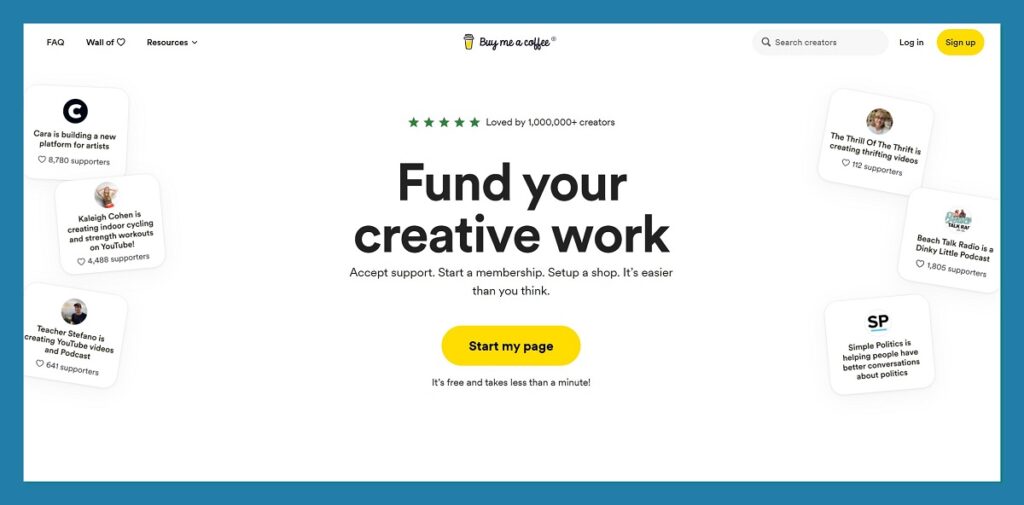
| Patreon | Membership content | Free | 10% | Built-in community tools |
| Buy Me a Coffee | Simple donations | Free | 5% | One-time tips |
| Fourthwall | Merchandise | Free | 5% (digital) | Integrated fulfillment |
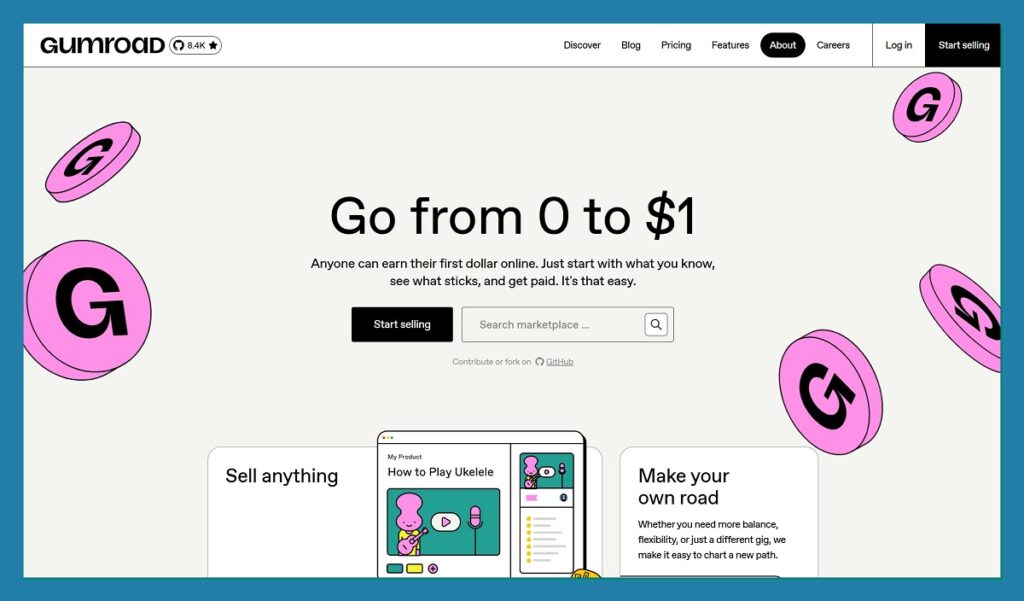
| Gumroad | Digital products | Free | 10% + $0.50 | Instant delivery |
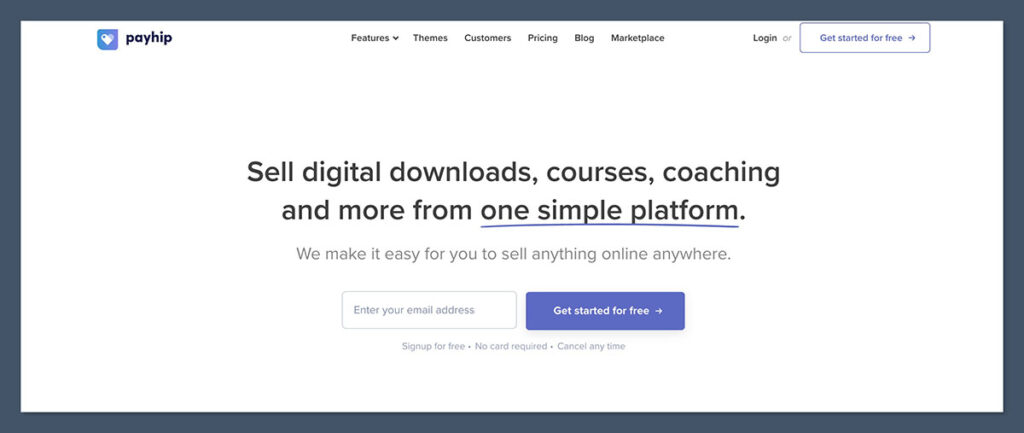
| Payhip | Scalable storefronts | Free | 5% (on Free) | Flexible pricing |
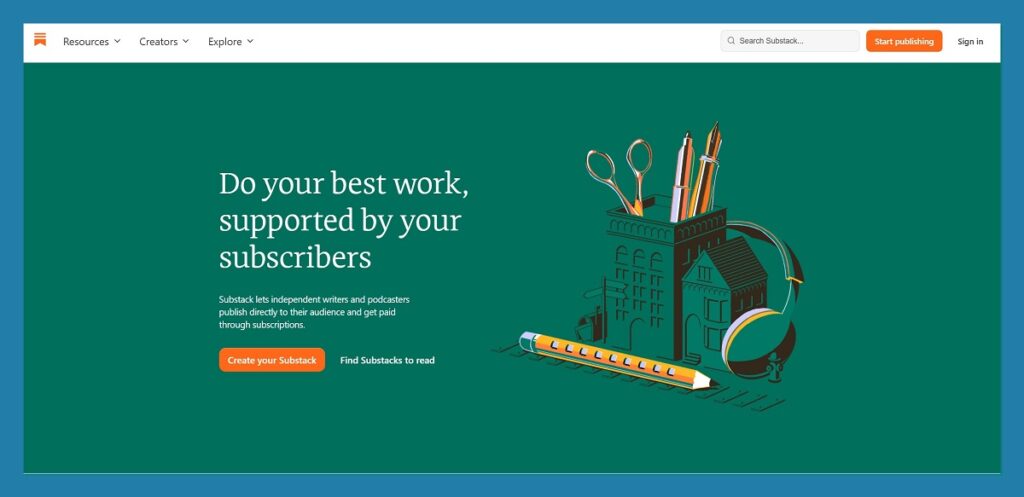
| Substack | Newsletters | Free | 10% | Built-in email delivery |
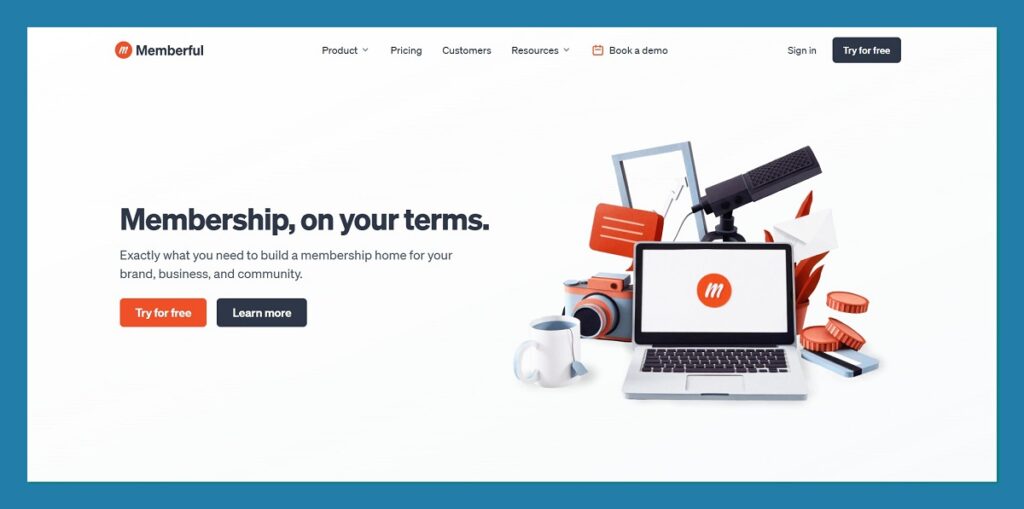
| Memberful | Owned websites | Custom | 4.9% | Deep site integration |
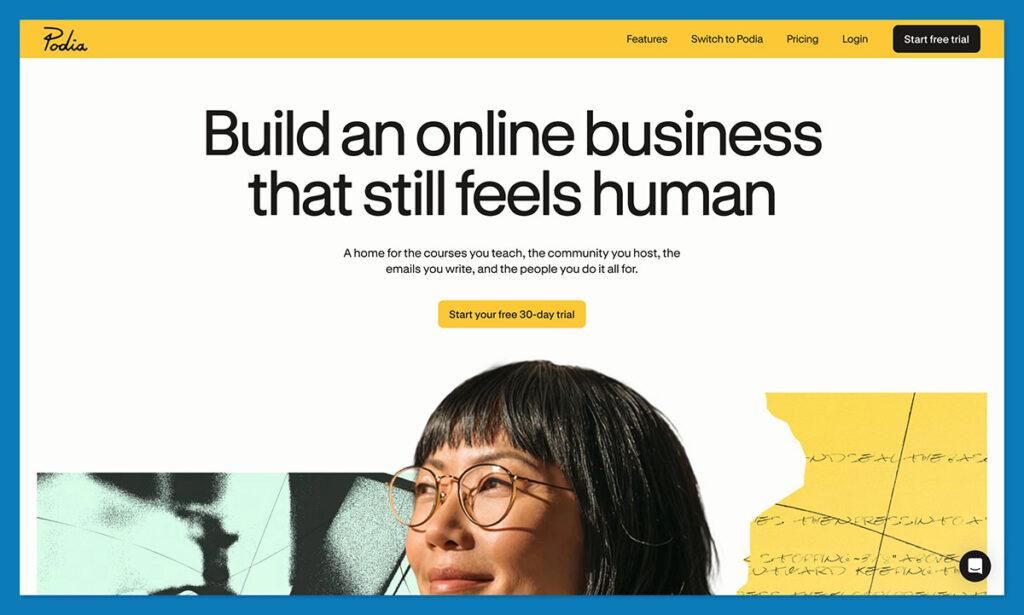
| Podia | All-in-one courses | $33/mo | 5% (low plan) | Integrated email/sales |
| Liberapay | Donations | Free | 0% | No platform fees |
Platform Deep-Dive: Analysis and Implications
1. Fourthwall: The Merchandise Powerhouse
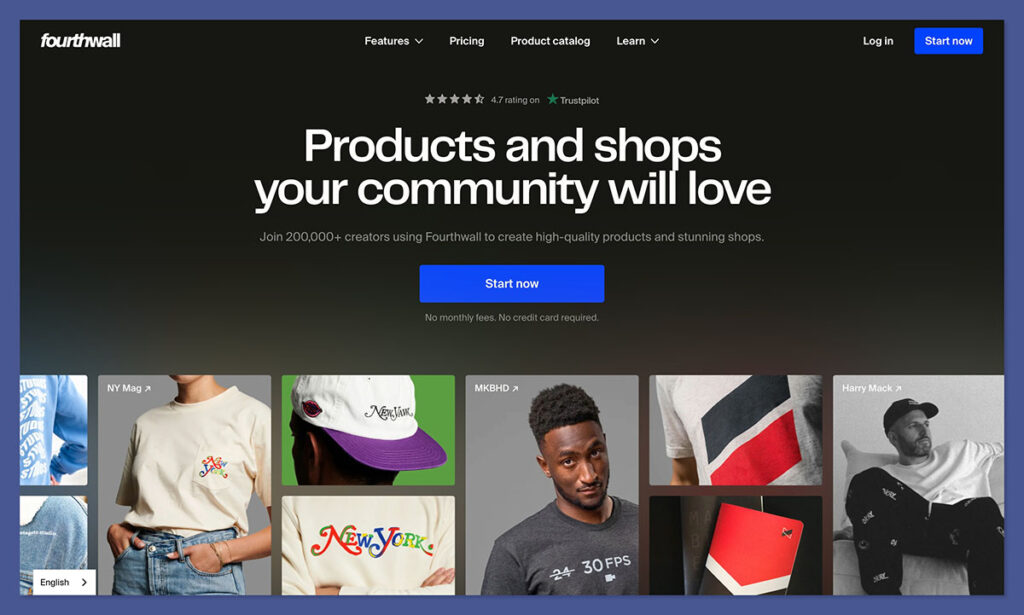
Fourthwall has emerged as the premier choice for creators who want to bridge the gap between digital content and physical goods. Unlike Ko-fi, which treats merch as an afterthought, Fourthwall is built on an enterprise-grade fulfillment engine.
- Implications: If you are a streamer or YouTuber, Fourthwall allows you to sell high-quality, on-demand apparel without ever touching a shipping label.
- Pro: Native fulfillment integration.
- Con: Higher barrier to entry for setting up product designs.
2. Patreon: The Gold Standard for Community
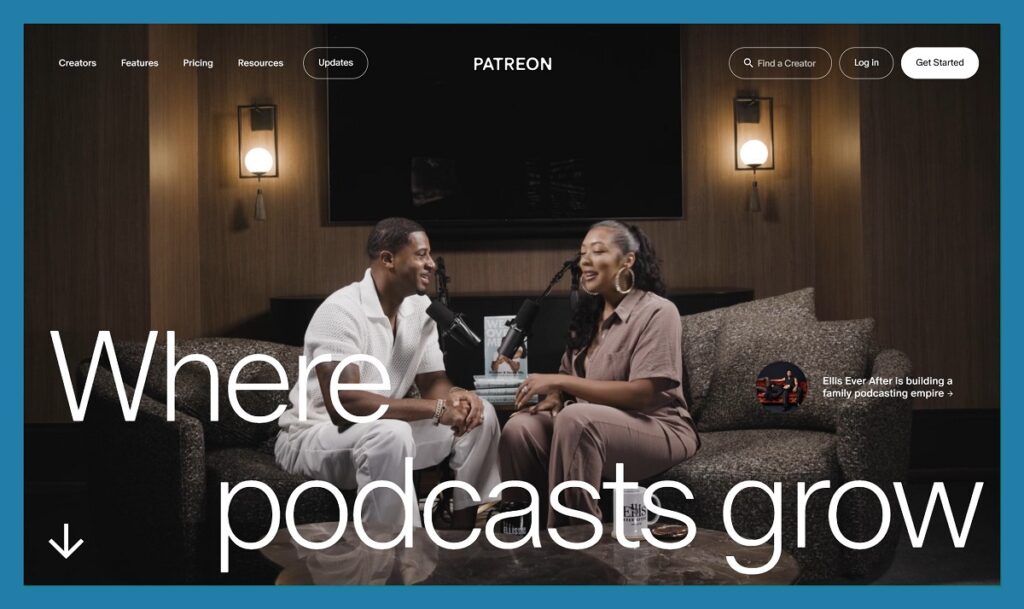
Patreon remains the undisputed king of memberships. Its strength lies in its "moat"—the fact that most users are already familiar with the interface, which lowers the barrier for your audience to subscribe.
- Implications: When you move to Patreon, you are buying into a network effect. Your fans likely already have a Patreon account, making it easier for them to support you.
- Pro: Excellent mobile app for fans.
- Con: Strict platform design constraints.
3. Gumroad: Speed and Efficiency
Gumroad is the "express lane" of digital sales. If you have an ebook, a LUT pack, or a template, you can start selling it in under five minutes.
- Implications: Gumroad is not a community builder; it is a conversion engine. It is ideal for creators who drive traffic from social media and need a landing page that converts immediately.
- Pro: Minimalist design, high conversion rates.
- Con: Limited customization of the storefront page.
4. Podia: The "All-in-One" Business Suite
For the educator or course creator, Podia is arguably the best alternative on this list. It eliminates the need for separate email marketing tools, course hosting, and storefronts.
- Implications: By consolidating your tech stack, you save money on monthly subscriptions to third-party email providers. It is a business-in-a-box.
- Pro: Combines email, courses, and digital sales seamlessly.
- Con: Monthly fee (starting at $33) may be steep for beginners.
Strategic Implications: Why "Ownership" Matters
A recurring theme in the 2026 creator landscape is the drive toward platform ownership. Platforms like Memberful are gaining traction because they allow creators to keep their audience on their own domain (e.g., yoursite.com/membership).
When you use a third-party platform, you are essentially "renting" your audience. If that platform changes its algorithm, fee structure, or interface, your business suffers. By migrating to a model that allows for more control—or by diversifying across multiple platforms—you protect your income stream from platform volatility.
Official Perspectives and Expert Consensus
Industry analysts suggest that the "creator-as-a-business" shift is permanent. According to recent surveys, creators who diversify their income streams—using one platform for community (Patreon) and another for product sales (Payhip or Gumroad)—are 40% more resilient to market downturns than those relying on a single source.
The consensus from platform developers is clear: the future is in "interoperability." The best creators are now using APIs and third-party integrations to connect their storefronts to their email lists, ensuring that they own their customer data regardless of where the transaction occurs.
Final Recommendations: How to Choose
The decision to migrate from Ko-fi should be based on your current "pain points."
- If your main issue is fulfillment: Move to Fourthwall.
- If your main issue is community engagement: Move to Patreon.
- If your main issue is course/content management: Move to Podia.
- If your main issue is high fees: Consider Liberapay (for pure donations) or Payhip (for tiered fee structures).
The "Hybrid" Approach
You do not have to pick just one. Many of the most successful creators in 2026 run a hybrid model. They use Substack to maintain a free, high-reach audience via newsletters, Patreon to offer exclusive perks to super-fans, and Payhip to sell high-value digital products to their entire list.
By diversifying your stack, you ensure that if one platform experiences technical difficulties or changes its terms of service, your entire livelihood is not at risk.
Conclusion
Ko-fi served you well at the start, providing the foundation upon which you built your initial audience. But your creative practice is a business, and businesses require infrastructure that evolves.
Whether you choose the community-centric model of Patreon, the all-in-one power of Podia, or the logistical ease of Fourthwall, the goal remains the same: to reduce the friction between your work and your audience’s ability to support you. Assess your needs, audit your current revenue streams, and do not be afraid to migrate. The tools available today are more powerful than ever; the only thing holding you back is the commitment to upgrade your digital architecture.
Take the first step today. Choose one platform, test it with a single product or tier, and begin the transition toward a more sustainable, scalable creative future.
