

Mastering TikTok Marketing in 2026: A Comprehensive Strategic Guide for Businesses
In the digital landscape of 2026, TikTok has evolved far beyond its origins as a hub for viral dance trends. With over 1.59 billion active users worldwide, the platform has matured into a sophisticated engine for product discovery and social commerce. For businesses, TikTok is no longer a "nice-to-have" experiment; it is a critical pillar of modern marketing. This guide explores the strategic nuances required to succeed on the platform, the role of influencer partnerships, and the technical mechanics of building a high-performing business presence.

The Strategic Importance of TikTok in 2026
TikTok marketing is defined as the strategic utilization of the platform to promote a brand, service, or product. The platform’s ecosystem—bolstered by features like TikTok Shop and an advanced internal search engine—has shifted the consumer journey. Users no longer just watch content; they actively search for solutions, reviews, and shopping recommendations directly within the app.

Why TikTok Matters for Your Business
The primary value of TikTok lies in its unparalleled engagement metrics. U.S. users, for instance, spend an average of 44 hours per month on the app. This high dwell time provides brands with a unique opportunity to build brand affinity. Furthermore, the platform often facilitates lower customer acquisition costs compared to traditional search or display advertising, making it a highly efficient channel for both awareness and conversion campaigns.

Chronology and Evolution of the TikTok Ecosystem
The platform’s trajectory since its inception has been one of constant adaptation.

- Early Phase (The Entertainment Era): TikTok gained global traction as a short-form video app defined by lip-syncs and viral challenges.
- Expansion Phase (The Commerce Pivot): The introduction of TikTok Shop and advanced advertising tools transformed the app into a marketplace. Brands began moving from "vanity metrics" (likes and views) to ROI-focused performance metrics.
- The 2026 Landscape: Today, TikTok functions as a hybrid social media platform and search engine. Its algorithm is highly efficient at surfacing content based on user intent rather than just social graph connections, allowing newer brands to compete with established giants by producing high-quality, relevant content.
Supporting Data: Understanding the Audience
Contrary to popular belief, TikTok is not exclusively a domain for Gen Z. While the platform maintains a strong base of younger users, the demographic sweet spot for marketers is the 25–34 age range.
Key Comparative Metrics (2026)
| Platform | Primary Audience Age | Core Ad Formats | Commerce Integration |
|---|---|---|---|
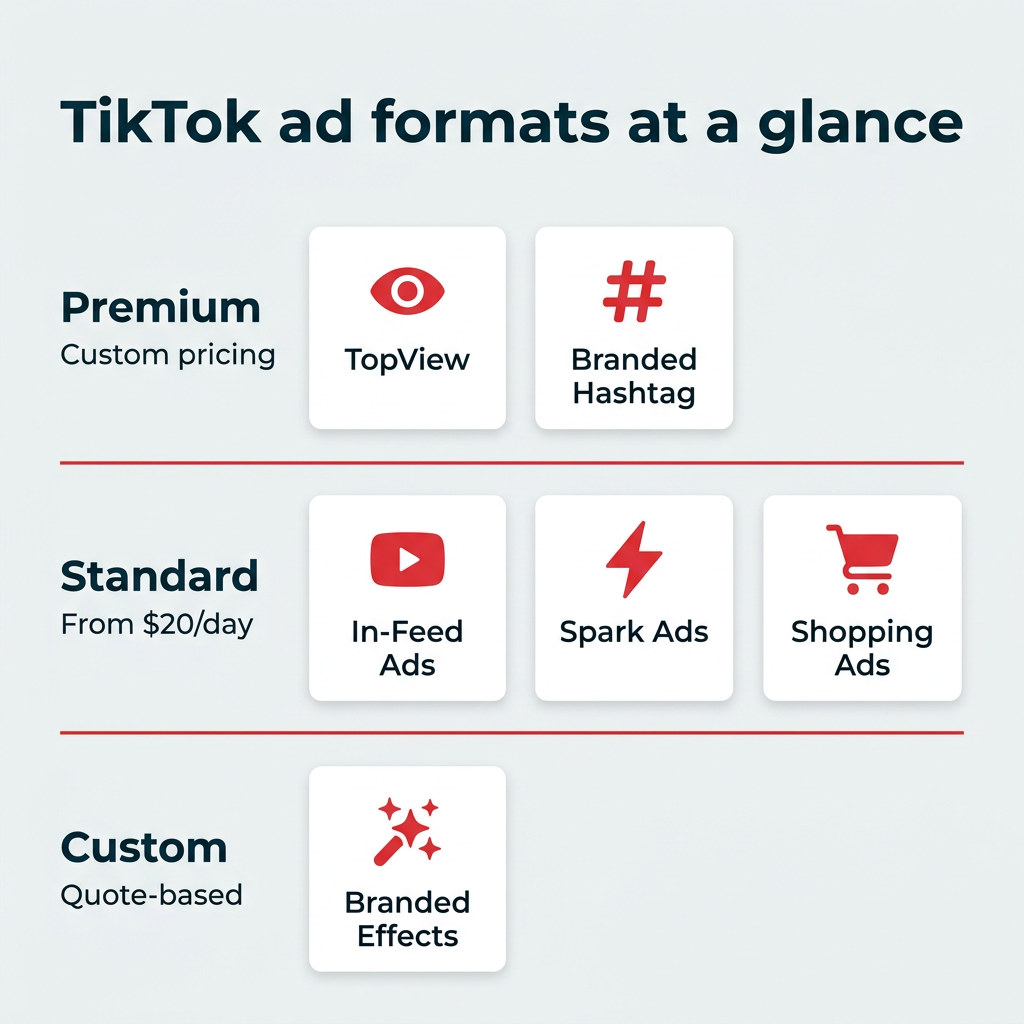
| TikTok | 25–34 | In-Feed, Spark, Shopping Ads | Full In-App Checkout |
| 25–34 | Reels, Stories, Explore | Native Shopping | |
| YouTube | 25–44 | Shorts, In-feed Video | Product Links/Shopping |
The data indicates that TikTok offers a unique intersection of high intent and high engagement, particularly for brands looking to capture the millennial and Gen Z purchasing power.
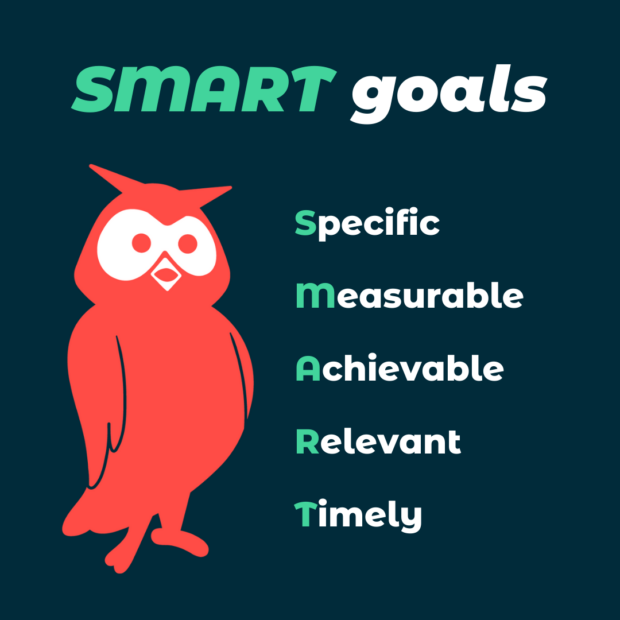
Building a Robust TikTok Marketing Strategy
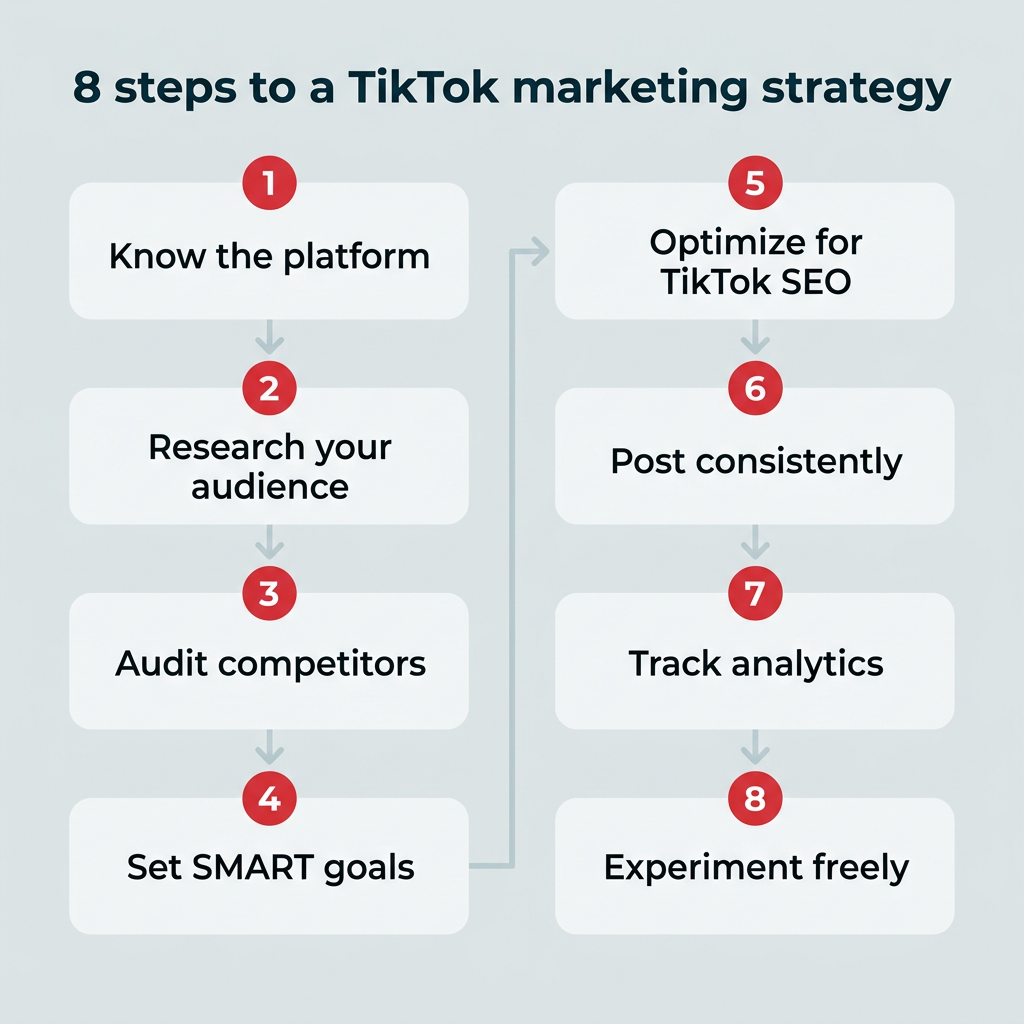
Success on TikTok is rarely accidental. It requires a systematic approach, often following these core pillars:
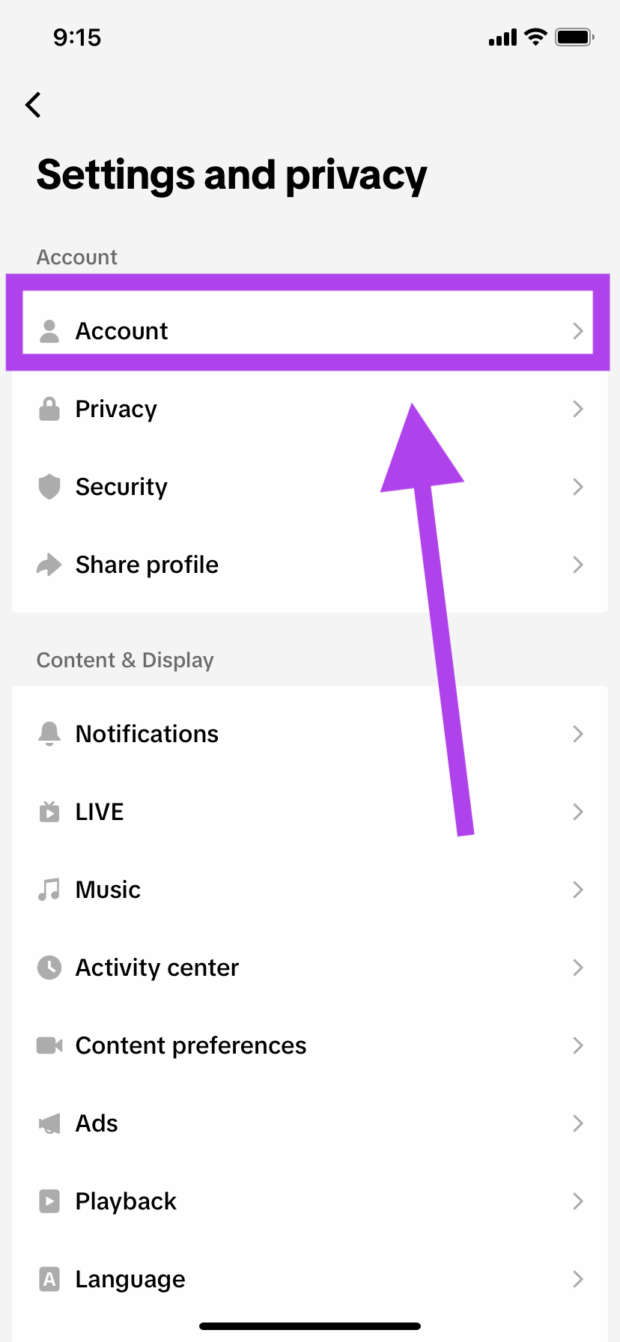
1. The Setup: Business Accounts
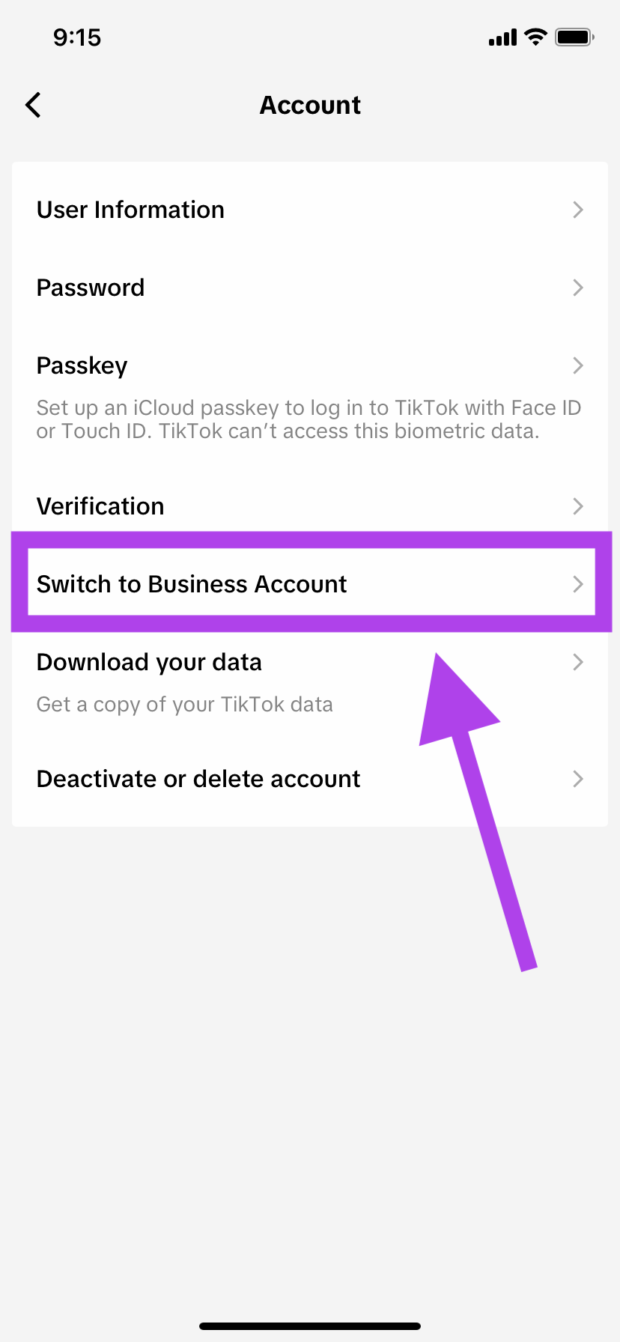
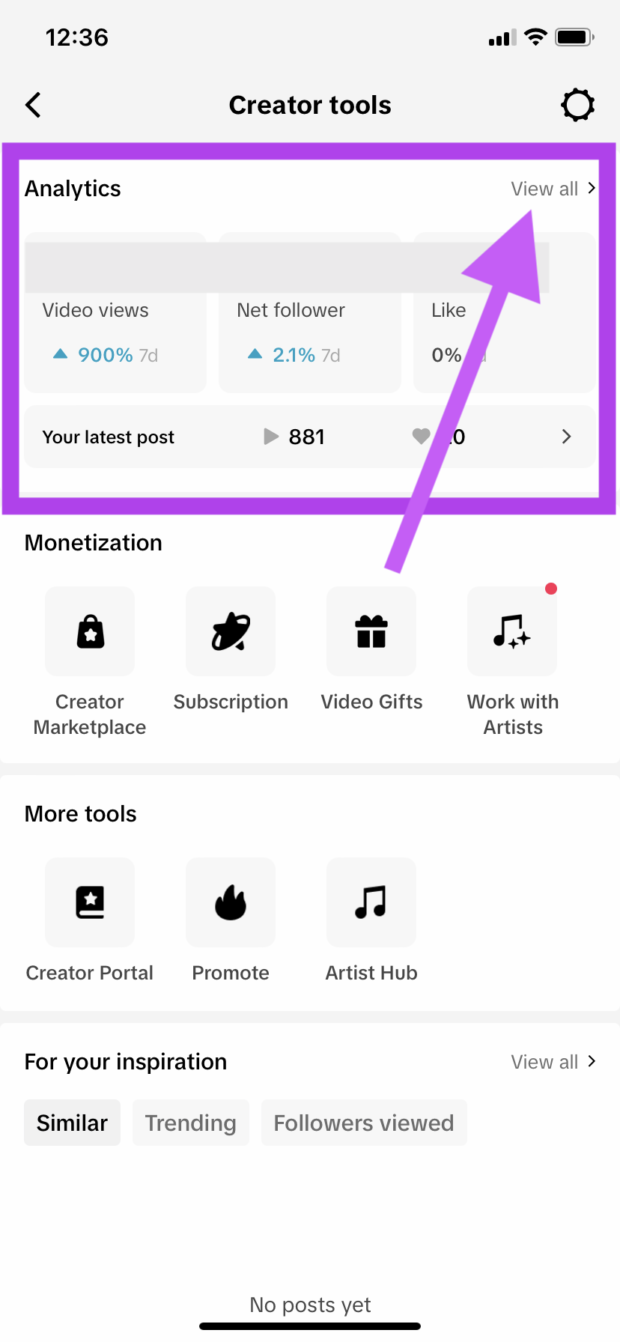
Transitioning to a TikTok Business Account is the first technical requirement. This provides access to the Business Creative Hub, commercial music libraries, and, most importantly, granular analytics. Without a business account, you are effectively flying blind, unable to track the conversion data necessary for optimizing ad spend.
2. Audience Research and Competitive Audits
Before posting, brands must perform a S.W.O.T. analysis of their competitors. If your competitors are absent, you have a first-mover advantage to claim the space. If they are present, use benchmarking tools to identify what their audience engages with—and more importantly, where they are failing.
3. Mastering TikTok SEO
TikTok is increasingly used as a primary search engine. "TikTok SEO" involves optimizing your captions, on-screen text, and even your spoken audio with relevant keywords. By embedding high-search-volume terms into your content, you increase the likelihood of your videos appearing in the search results when users look for solutions in your industry.
The Role of Influencer Marketing and Partnerships
Influencer marketing on TikTok is an exercise in trust-building. It is no longer about high-production commercials; it is about authentic integration.

Performance-Based Partnerships: Brands are moving toward affiliate marketing models where creators earn a commission for every sale driven. This makes performance fully trackable and aligns the creator’s incentives with the brand’s bottom line.
The "Subtle Sell": The most effective influencer content blends seamlessly into a creator’s feed. Rather than a hard pitch, successful collaborations involve "casual product placement"—showing how a product solves a specific problem within the creator’s daily life.
Implications of Regulatory and Platform Shifts
As of 2026, TikTok remains a staple of the marketing mix, though it continues to face regulatory scrutiny in various regions.
Implications for Marketers:

- Content Portability: Brands should ensure their video assets are "portable," meaning they can be repurposed for Instagram Reels or YouTube Shorts with minimal friction.
- Diversification: While TikTok is a powerful driver of growth, it should not be the sole channel in a marketing ecosystem. Maintain a presence on platforms where you own the audience data (such as an email list or proprietary website) to hedge against potential policy shifts.
Tactics for High-Performance Content
To create content that resonates, marketers must adhere to a few foundational principles:
The 3-Second Rule
The first three seconds of a video are the "make or break" moment. A strong hook—whether visual, auditory, or narrative—is essential to stop the scroll.

Encouraging User Engagement
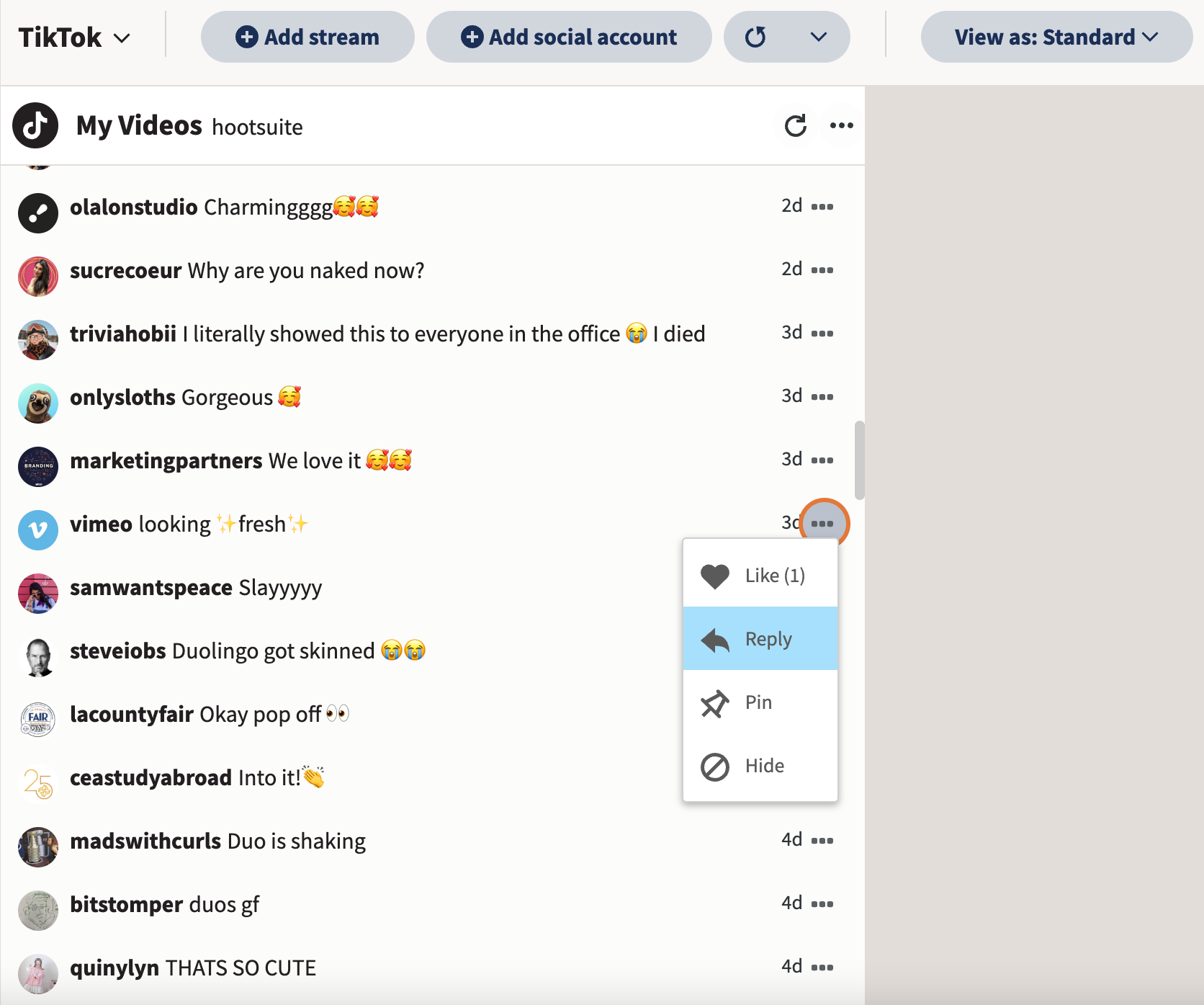
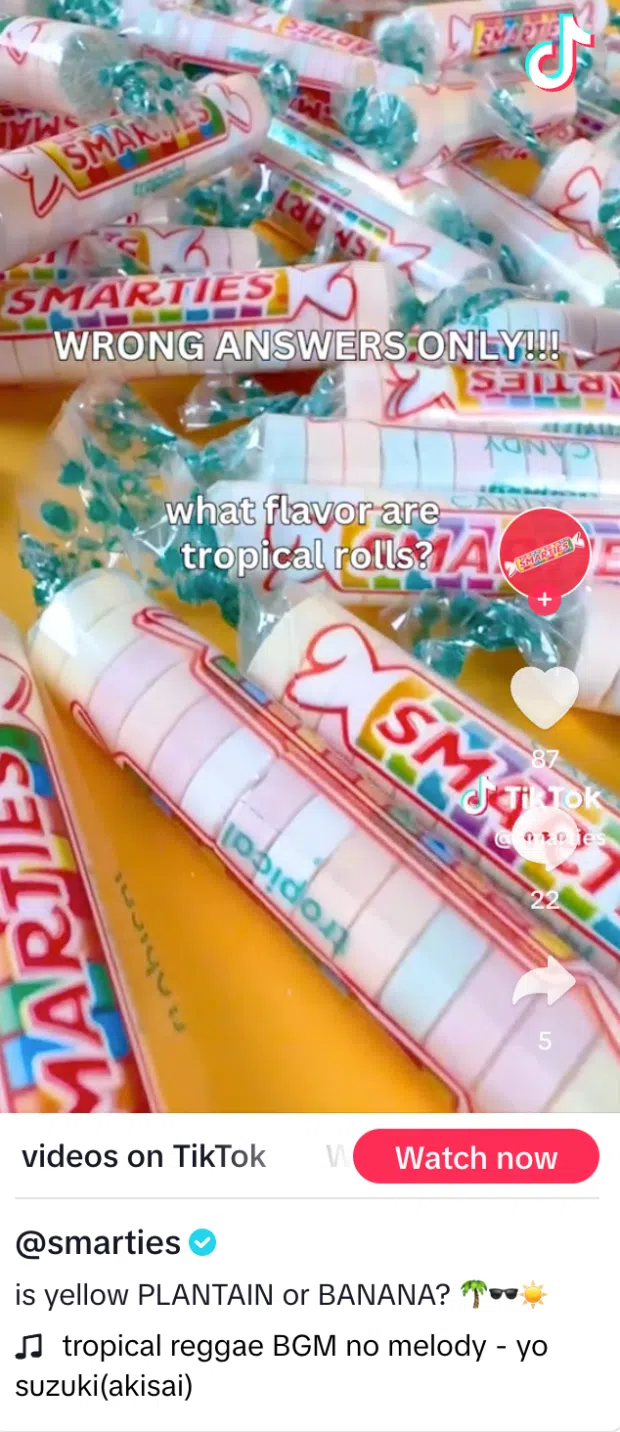
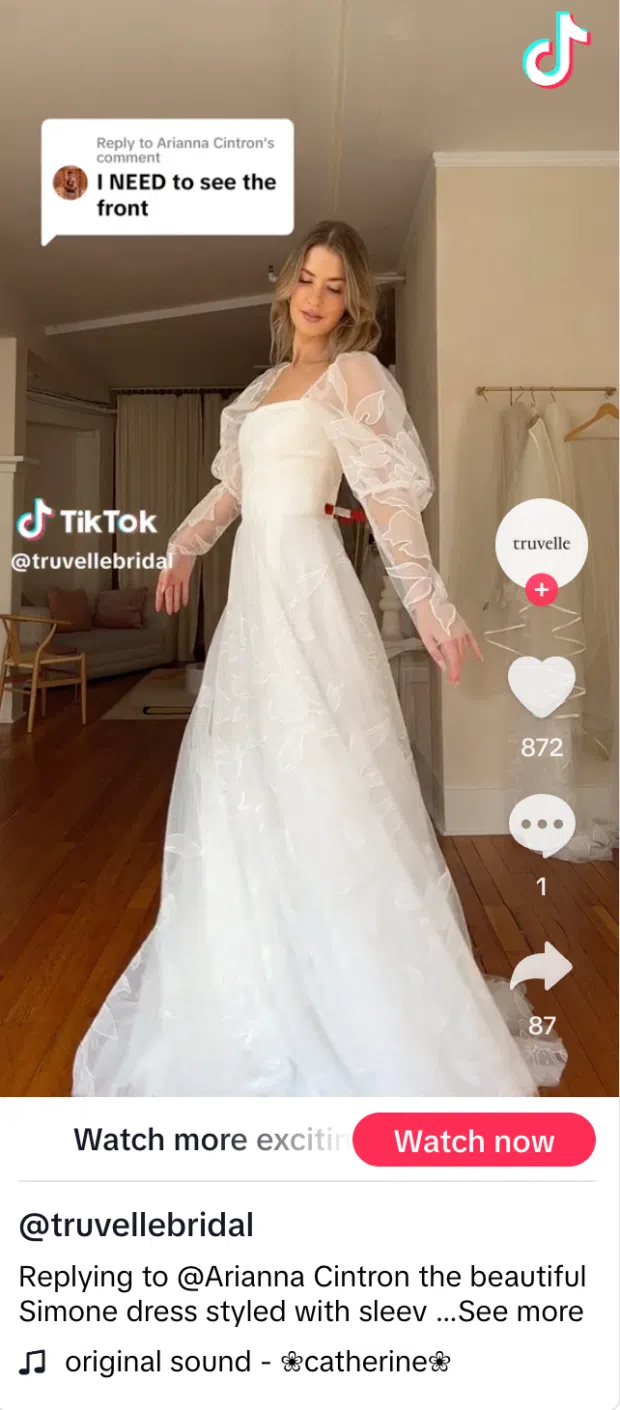
The algorithm prioritizes content that fosters community. Videos that ask questions, invite comments, or offer "wrong answers only" challenges tend to see higher engagement rates. Furthermore, replying to comments with video responses is a powerful way to humanize your brand and signal to the algorithm that your content is generating meaningful interaction.
Behind-the-Scenes Transparency
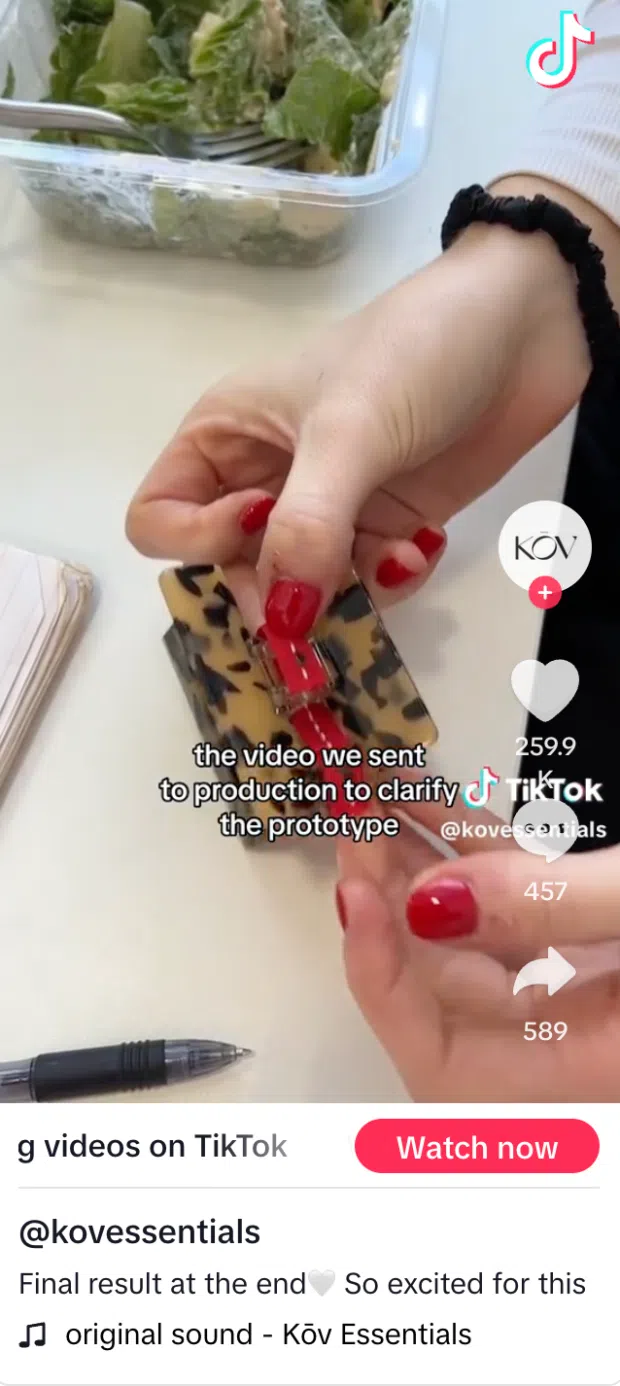
Modern consumers are wary of overly polished advertising. Showing the "raw" side of your business—manufacturing processes, team culture, or even the trial-and-error of product development—builds a layer of trust that polished advertisements cannot replicate.
The Toolkit for Success
To manage the complexities of a TikTok strategy, enterprise teams rely on a stack of professional tools:

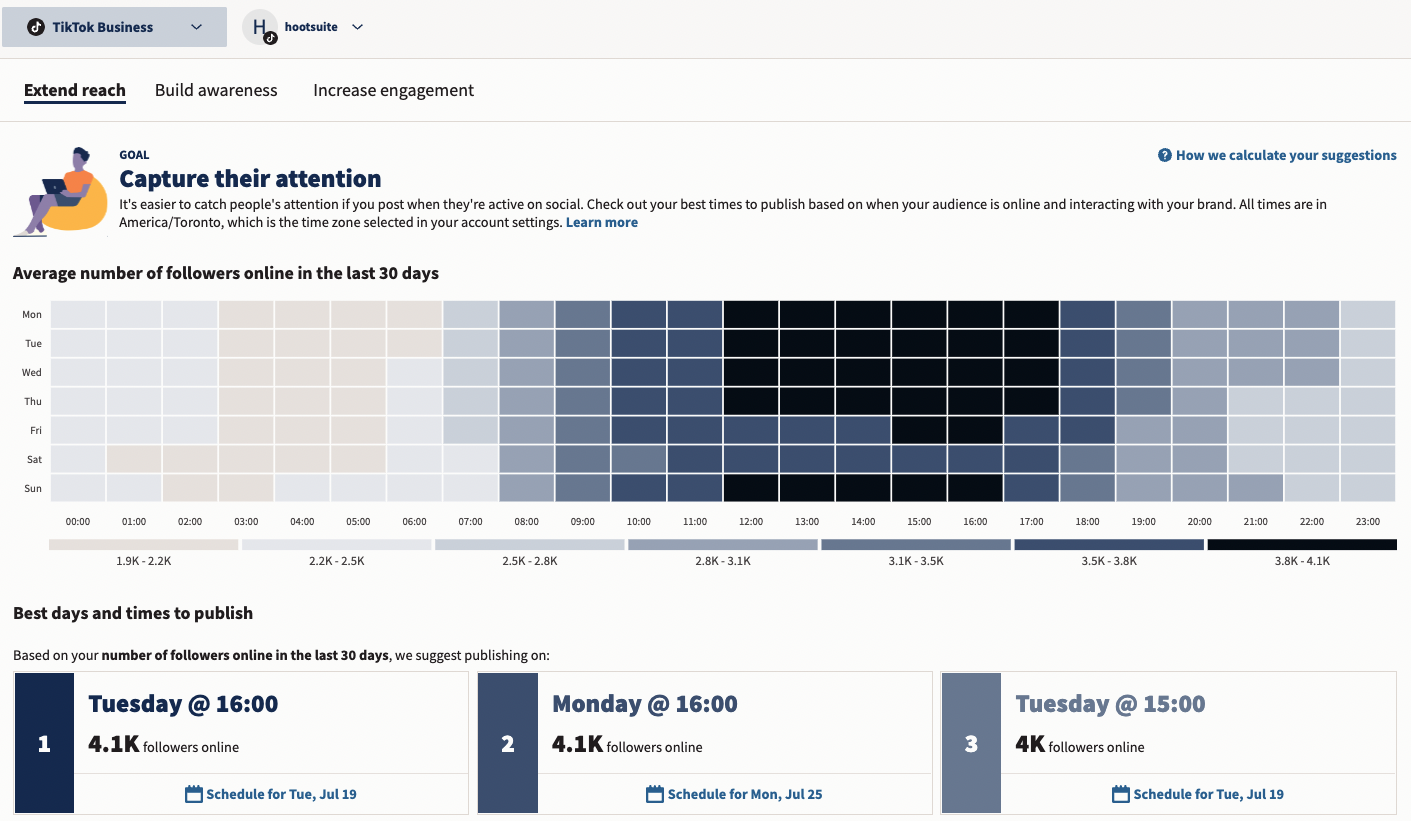
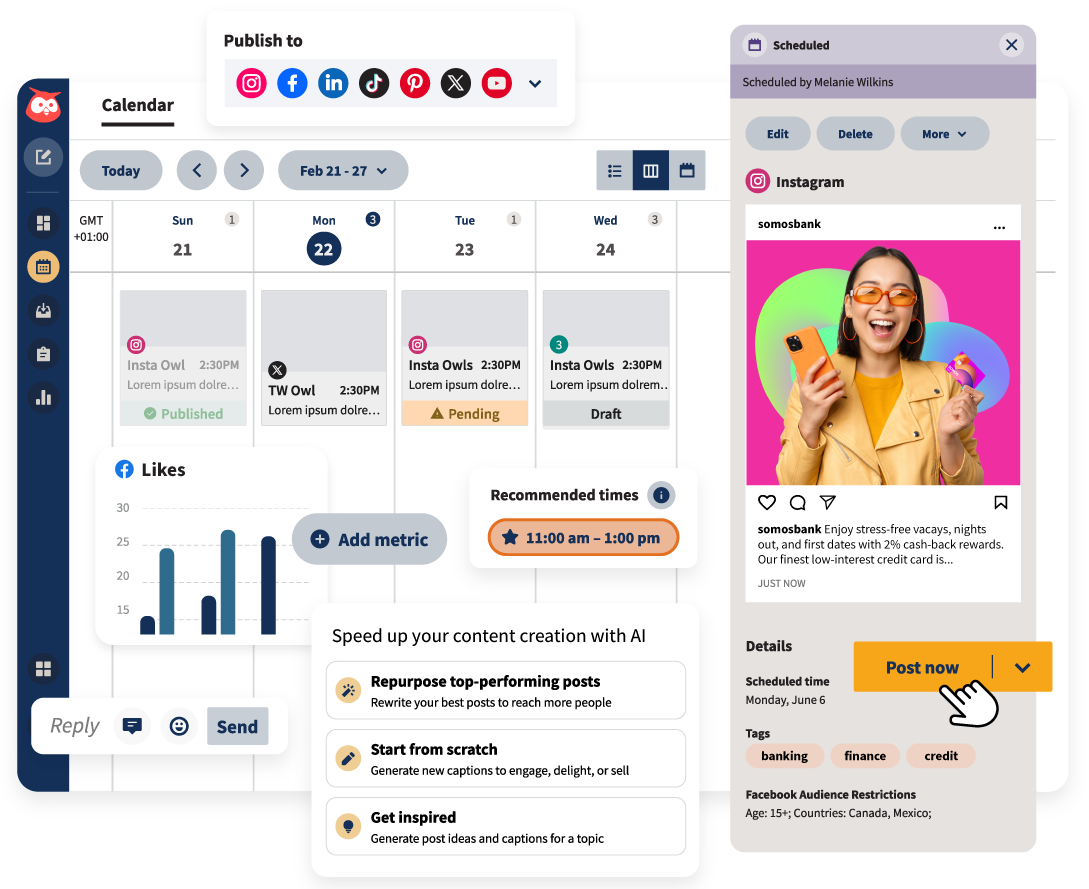
- Hootsuite: Essential for scheduling posts, managing comments across multiple accounts, and generating comprehensive reports that tie TikTok performance to broader business KPIs.
- CapCut: The gold standard for mobile-first, native-feeling video editing. Its integration with TikTok allows for rapid iteration and publishing.
- TikTok Creative Center: A free resource for monitoring trends, songs, and hashtags in real-time.
- Link-in-Bio Tools: Essential for converting TikTok traffic into off-app sales. By using tools like Hootbio, brands can create a centralized hub for their YouTube channels, e-commerce stores, and lead-generation forms.
Conclusion: The Path Forward
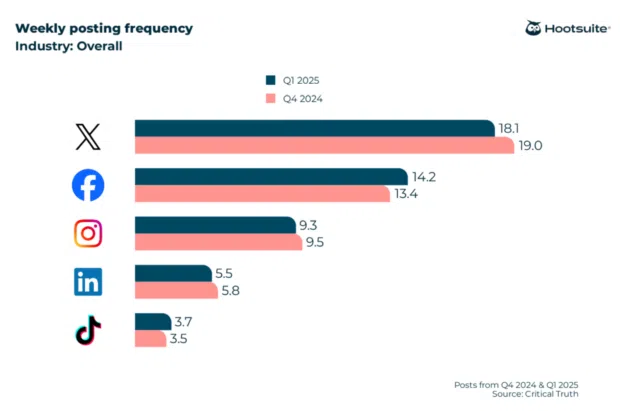
In 2026, TikTok marketing is a disciplined, data-driven, and highly creative pursuit. It requires brands to act like creators, prioritize community over broadcasting, and treat the platform as a long-term investment. By focusing on SEO, leveraging authentic influencer partnerships, and maintaining a consistent posting schedule, businesses can transform their TikTok presence from a simple video channel into a powerhouse of sustainable, revenue-generating growth.
The barrier to entry is low, but the threshold for sustained success is high. Brands that lean into the platform’s native culture—embracing the "fun" while remaining rigorous about their analytics—will be the ones that define their industries in the years to come.
