
Mastering the Pivot: A Strategic Guide to Announcing Organizational Change
Whether you are navigating a corporate merger, a bold rebrand, or a simple operational shift like a change in business name or contact details, the way you communicate these changes is a defining moment in your company’s history. A transition is not merely a logistical update; it is a critical touchpoint that can either solidify customer trust or trigger a wave of uncertainty, unsubscribes, and reputational damage.
Effective communication during a transition requires more than just an email blast. It demands a strategic, multi-channel approach that reassures your stakeholders, preserves your sender reputation, and transforms a potentially disruptive event into a powerful marketing opportunity.
The Anatomy of a Successful Company Change Announcement
A company change announcement is a formal, strategic communication designed to notify clients, partners, and stakeholders about significant shifts in business identity or operations. While the nature of the change may vary—ranging from a full-scale corporate rebrand to an update in physical location—the objective remains constant: to maintain continuity and trust.
Why the Stakes Are High
When a company fails to handle a transition with transparency, it risks more than just confusion. Sudden, unexplained changes are often flagged by spam filters, particularly if the sender domain or "From" name changes without warning. When customers receive emails from an unrecognized source, they are prone to flagging them as spam, which can irreparably damage your email deliverability for months to come.

Furthermore, a well-managed announcement acts as a bridge. By providing context, you prevent the anxiety that leads to customer churn. It is an opportunity to remind your audience why they chose you in the first place, reaffirming that despite the external changes, the core value proposition remains intact.
Chronology of a Transition: A Strategic Timeline
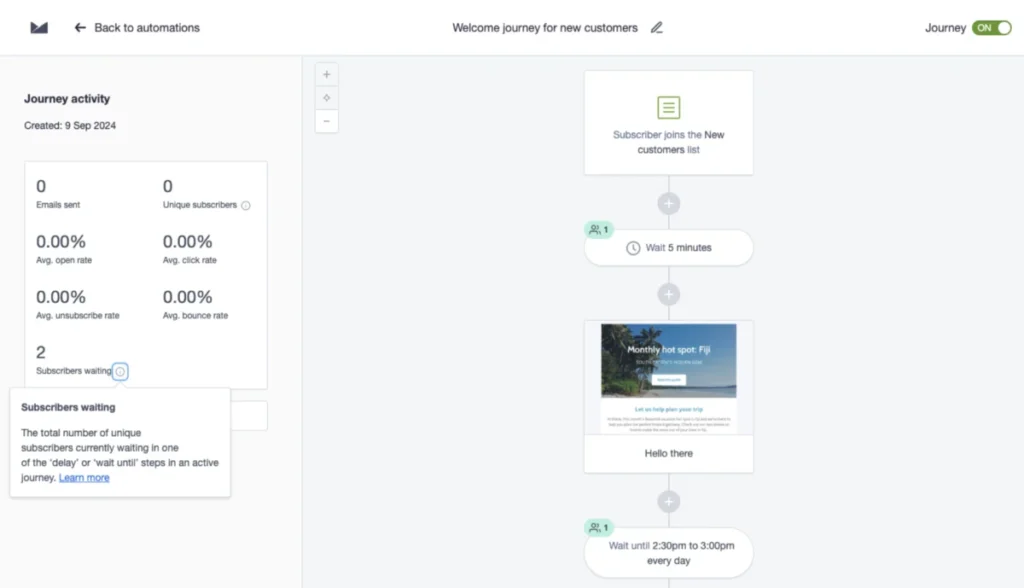
To minimize friction, businesses must view the announcement not as a single event, but as a campaign. A phased, multi-step approach is essential for ensuring your message reaches the intended audience without causing alarm.
Phase 1: Pre-Announcement (4–6 Weeks Before)
During this stage, focus on internal alignment. Ensure all departments—from customer support to marketing—are briefed on the transition. Prepare your assets, including new logos, messaging pillars, and FAQ documents.
Phase 2: Initial Notification (2–4 Weeks Before)
This is the "Heads Up" phase. Send a primary announcement email from your existing recognized email address. The goal here is to establish a connection between the old brand and the new. Use clear, concise subject lines that explicitly state the upcoming change.

Phase 3: The "Go-Live" (The Day Of)
On the day of the transition, send a confirmation email. This should be a "welcome" style message that celebrates the new identity. If you are rebranding, this is where you unveil the new visual identity in full.
Phase 4: Post-Transition (1–4 Weeks After)
Monitor your support channels for an influx of questions. Use segmented follow-up emails to target subscribers who did not open the initial announcements, ensuring that even your less-active audience is informed.
Strategic Implementation: Seven Steps to Success
1. Lead with Clarity in Subject Lines
Your subject line is the gatekeeper of your announcement. Avoid vague or "teaser" style lines. Instead, be direct:
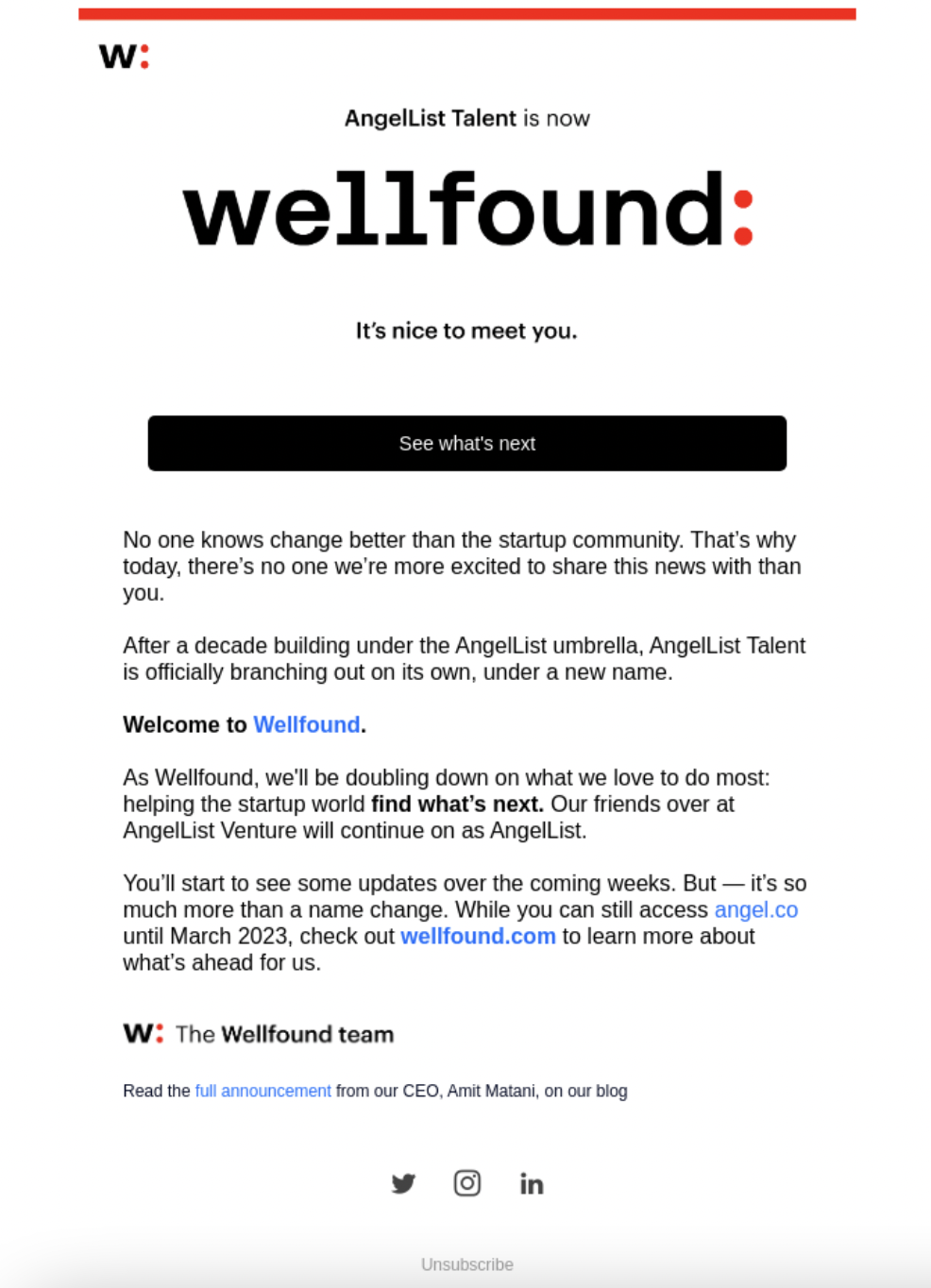
- Name Change: "[Old Name] is now [New Name]"
- Merger: "Exciting News: [Company A] and [Company B] are joining forces"
- Rebrand: "We’ve got a new look! Introducing the new [Company Name]"
2. Maintain Your "From" Address
Do not switch your sender address immediately. Continue sending from the address customers recognize. Once you have established the change through several communications, you can begin the transition to your new domain, ensuring you keep your deliverability metrics intact.
3. Define What Is Changing and What Isn’t
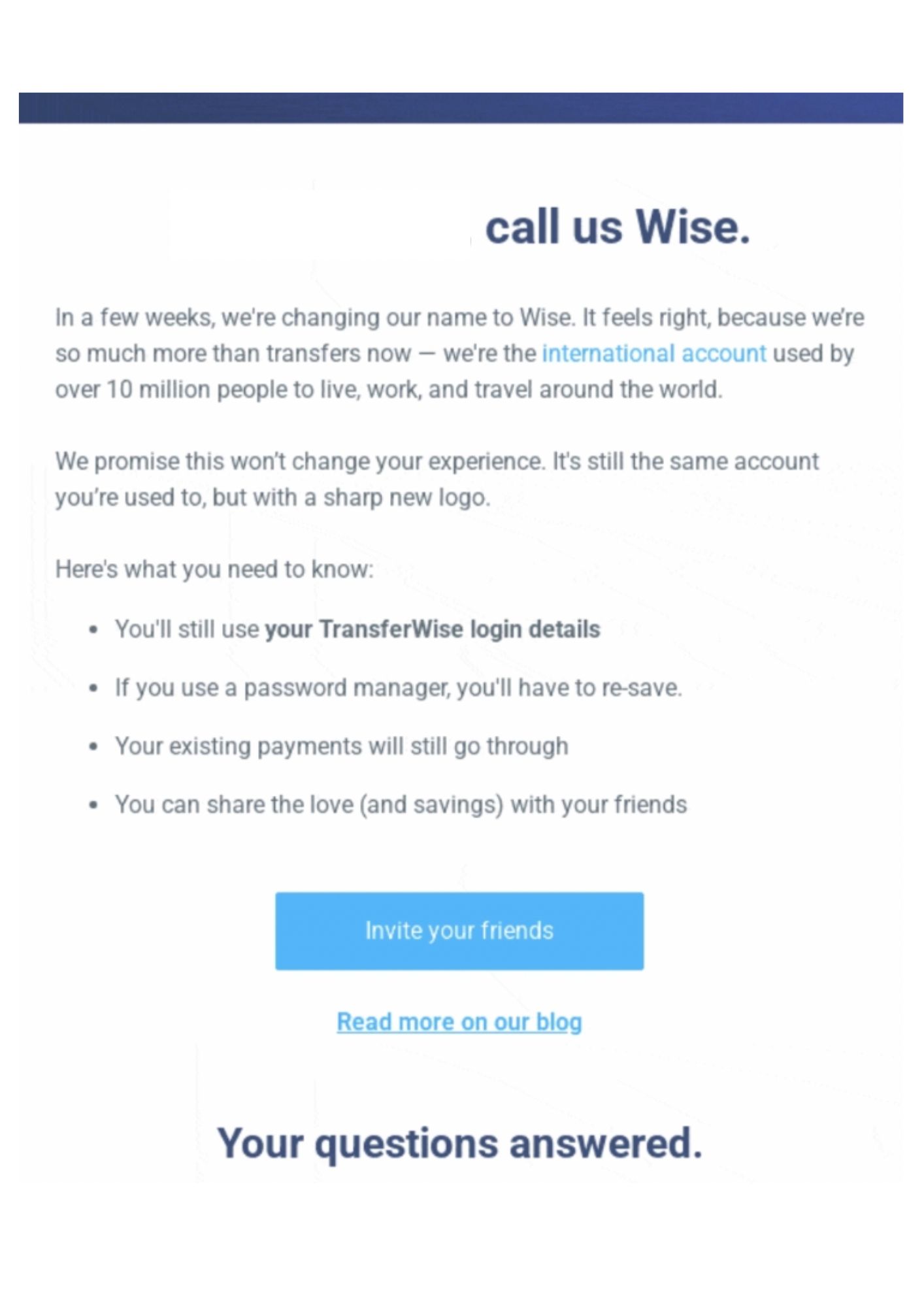
Customers are primarily concerned with how the change affects them. Be explicit:
- Will their account login change?
- Are payment methods or order histories being migrated?
- Is the pricing structure or service quality being altered?
If the answer to these is "nothing is changing," state that clearly. It is the single most effective way to reduce support tickets.
4. Address Potential Concerns Proactively
Create a dedicated FAQ section. By addressing questions like, "Are you being sold?" or "Do I need to update my billing info?" before they are asked, you project confidence and competence.
5. Showcase the New While Preserving the Old
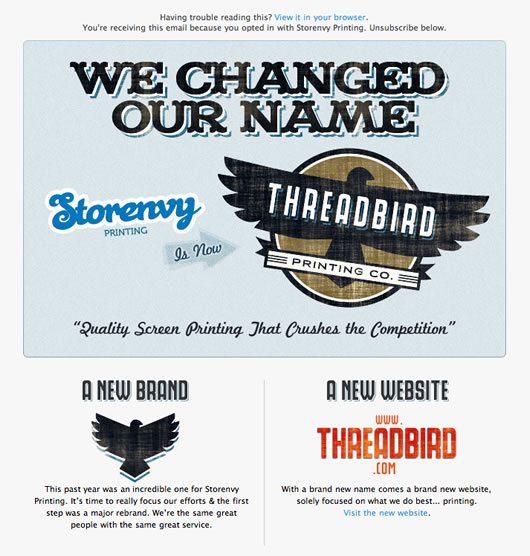
In your first visual announcement, display the old and new branding side-by-side. This visual anchor helps the customer process the evolution. For instance, show the old logo next to the new one to provide an immediate cognitive link.
6. Implement a Clear Call-to-Action (CTA)
Don’t let the reader guess what to do next. Whether it is "Explore our new website," "Update your bookmarks," or "Read our full story," your CTA should be the focal point of the email.
7. Plan Your Follow-up Communication
One email is never enough. Use segmentation to identify who opened the first announcement and who didn’t. Send tailored reminders to the latter group to ensure no one is left behind during the transition.
Supporting Data and Best Practices
Data suggests that companies that provide clear, proactive communication during transitions see significantly higher retention rates. A "One-and-Done" approach is the most common mistake, leading to a spike in unsubscribes.
| Category | Best Practice | Common Pitfall |
|---|---|---|
| Timing | Give 2–4 weeks’ notice | Switching overnight |
| Messaging | Be transparent and specific | Burying the news in a footer |
| Technical | Use existing "From" names | Changing domains without warning |
| Strategy | Segment non-openers | Sending one email to everyone |
Official Responses: Managing Customer Sentiment
Even with a perfect plan, you will face inquiries. Preparing your support team with standard, empathetic responses is vital.
If a customer feels the change is suspicious:
"We appreciate your diligence! We recently evolved our brand from [Old] to [New] to better serve our growing community. We are the same team, and our commitment to your service remains our top priority."

If a customer dislikes the new look:
"We understand that change can take time to get used to. While our visual identity has evolved, our core values and the quality of service you’ve come to expect remain exactly the same."
Implications of a Well-Managed Transition
A successful announcement does more than satisfy legal or operational requirements; it signals growth. When handled with precision, a rebrand or merger can actually serve as a marketing catalyst. It provides a natural reason to reach out to dormant customers, re-introduce your value proposition, and re-engage your entire database.
The Long-Term Impact
- Brand Equity: By linking your history to your future, you preserve the brand equity you have spent years building.
- Operational Continuity: Clear instructions on login changes or account migrations prevent the disruption of revenue-generating activities.
- Customer Loyalty: Transparency builds a "partnership" feeling. Customers appreciate being treated as insiders, which strengthens their bond with your organization.
Final Considerations: The Multi-Channel Approach
Email is the cornerstone, but your announcement strategy should be holistic:
- Social Media: Use a series of countdown posts to build anticipation.
- Website: Place a banner at the top of your homepage for at least 30 days post-transition.
- In-App Messaging: For SaaS companies, use pop-up modals to guide users through any interface changes.
- SMS: For urgent, high-value alerts, a short text message can ensure immediate visibility.
Conclusion: Turn Change into Opportunity
The transition from "who you were" to "who you are becoming" is a defining moment. It is a test of your communication skills and your respect for your customer base. By providing transparency, maintaining your sender reputation, and planning for the long-term, you ensure that your customers don’t just accept the change—they embrace it.
Remember, the goal is not to hide the change, but to invite your customers to be a part of it. With a thoughtful, phased, and multi-channel strategy, you can turn a moment of potential disruption into a milestone of growth. Start your preparation early, maintain your established lines of communication, and ensure your message remains consistent across every platform. Your customers have invested their time and trust in you; honoring that relationship during a transition is the ultimate hallmark of a market-leading company.
