
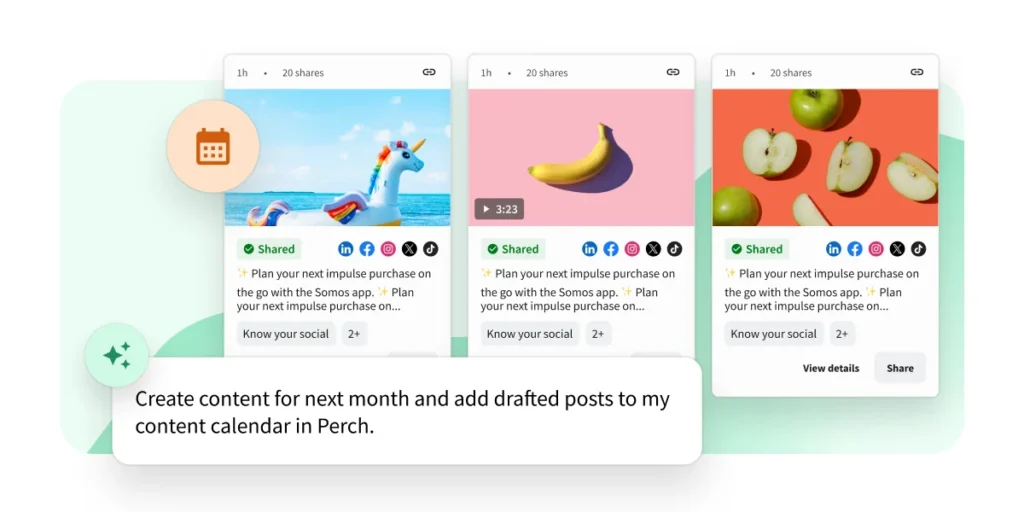
Mastering the Multi-Account Maze: A Strategic Guide for Modern Social Media Management
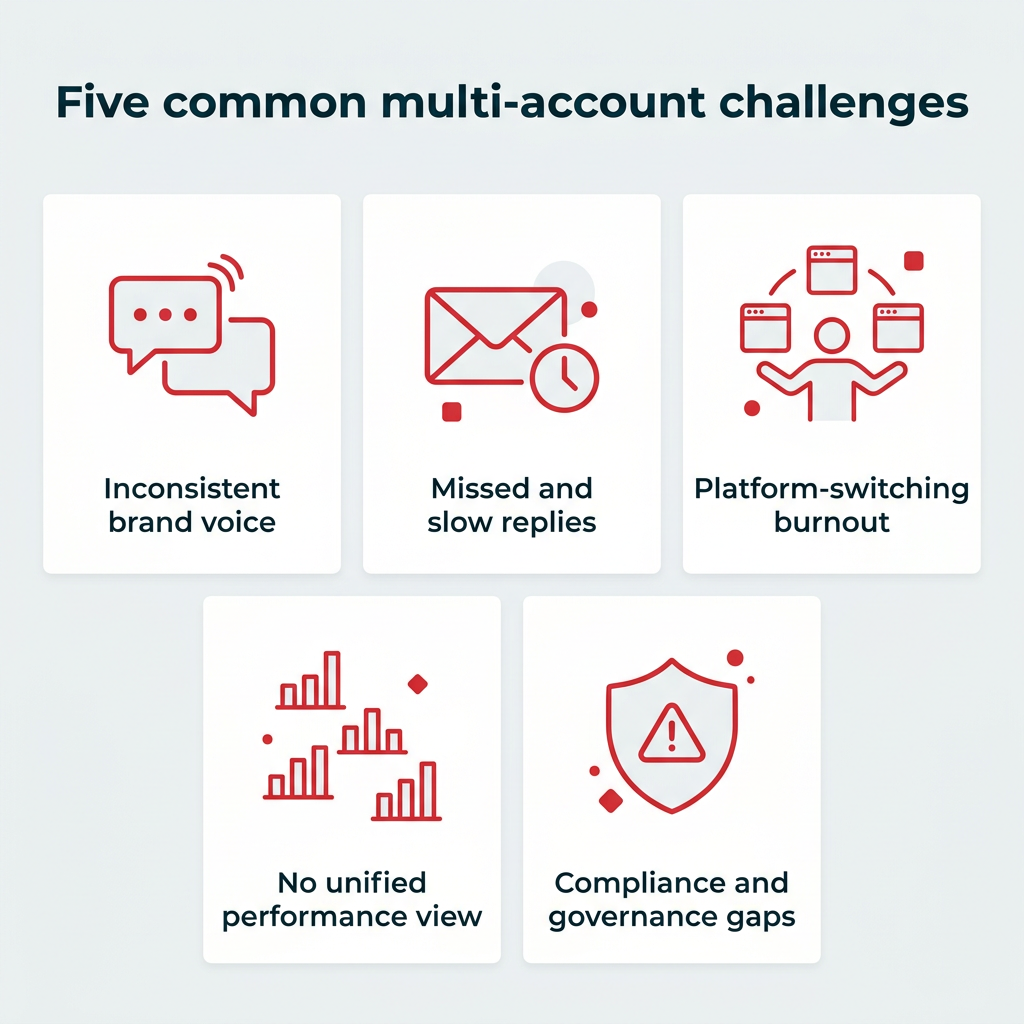
In an era where digital presence dictates market relevance, the ability to maintain a cohesive brand voice across multiple channels is no longer a luxury—it is an enterprise imperative. Whether managing regional subsidiaries, diverse product lines, or a sprawling portfolio of client accounts, social media managers are currently navigating a landscape of unprecedented complexity. Without a unified system, the "multi-account" experience quickly devolves into a cycle of fragmented messaging, missed customer interactions, and inevitable team burnout.
This article examines the strategic framework required to master multi-account management, drawing on industry-standard methodologies to streamline operations, ensure compliance, and maximize return on investment (ROI).

The Core Challenge: Why Fragmentation Fails
The primary pain point for modern social media teams is "context switching." Research indicates that constantly toggling between native apps, disparate dashboards, and browser tabs drastically reduces cognitive efficiency. For enterprises, the consequences of this fragmentation are severe:
- Inconsistent Branding: Without centralized oversight, individual accounts may drift from the core brand identity.
- Compliance Risks: In highly regulated industries like finance, healthcare, or government, a single unvetted post can trigger massive legal and regulatory repercussions.
- Operational Silos: When customer support, marketing, and PR teams work in isolation, they often provide conflicting information to the audience.
- Diminished ROI: Lack of unified reporting makes it impossible to calculate the true impact of social efforts on the bottom line.
10 Pillars of a Scalable Social Ecosystem
To move beyond reactive firefighting, organizations must implement a repeatable, system-based approach to their social media operations.

1. Defining Purpose and Strategic Goals
Every account must justify its existence. Before a single post is scheduled, teams must define the mission for each channel. Is the Instagram account for brand awareness, or is it a lead-generation funnel? Is LinkedIn reserved for thought leadership or talent acquisition? By clarifying the intent, teams can avoid overlapping content and ensure that budgets are allocated to high-impact activities.
2. Platform Selection: Quality Over Quantity
The "be everywhere" mentality is the primary driver of burnout. Data shows that platform usage varies significantly by demographic. For instance, while younger audiences lean heavily into Instagram and TikTok, older cohorts favor different digital spaces. It is far more effective to dominate two platforms where your audience is active than to maintain a mediocre presence on six.
3. Centralization via Unified Management Tools
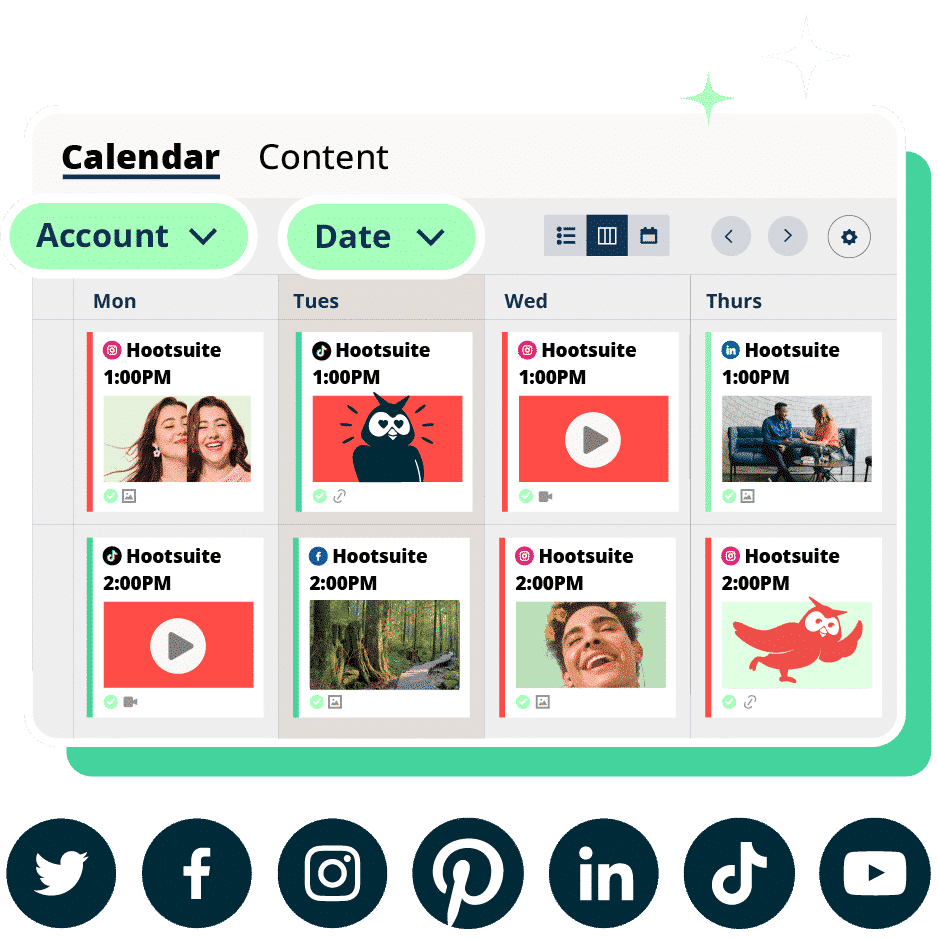
The transition from manual posting to using a social media management tool (such as Hootsuite Social OS) is the single most important step for professionalizing your workflow. A unified dashboard allows teams to:
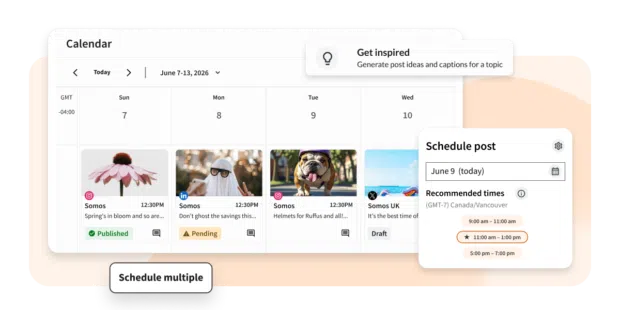
- Schedule and Publish: Maintain a cross-channel content calendar.
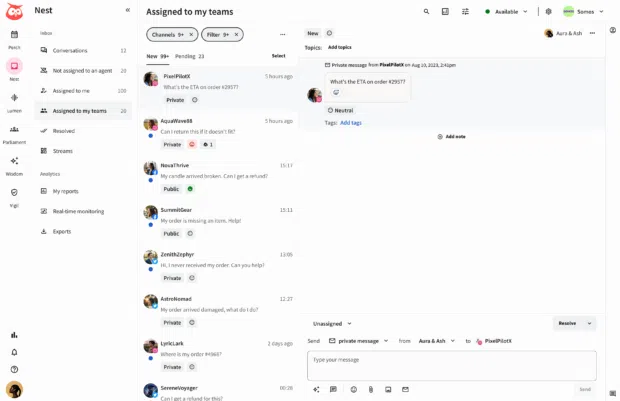
- Aggregate Inboxes: Monitor comments and DMs from all platforms in a single, triage-based queue.
- Analyze Performance: Track cross-brand metrics to benchmark success.
As Jose-Andres Camacho, a seasoned social media strategist at Intuit Mailchimp, notes: "The first step to managing multiple accounts without losing your mind is to stop jumping between tabs. Unifying your workflow allows you to streamline processes and pull comprehensive reports that actually make sense of your data."
4. Templatization and Strategic Repurposing
Repurposing is the secret to scaling content production. A single long-form webinar or whitepaper can be transformed into a carousel, a short-form video, a quote graphic, and a LinkedIn thread. By creating reusable design templates, teams can maintain a consistent visual language while drastically reducing the time spent on asset creation.
5. Mastering the Scheduling Rhythm
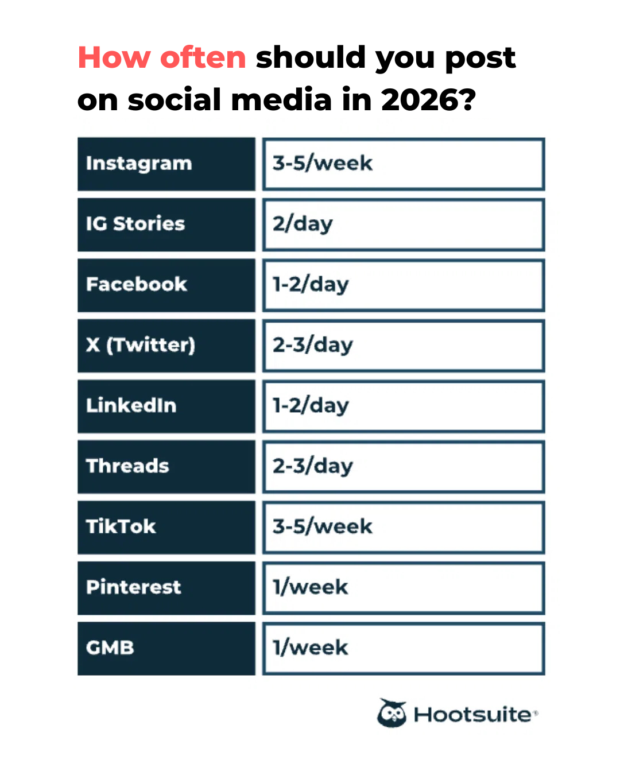
Posting live is a recipe for disaster. Using an editorial calendar ensures that your content is balanced, deliberate, and optimized for peak engagement times. Industry research suggests varying frequencies—such as 3–5 posts weekly for Instagram versus 1–2 daily for LinkedIn—to respect the native behavior of each platform’s algorithm.
6. Streamlining Inbox Management
Customer expectations for response times are at an all-time high. To manage the flood of engagement, teams should implement:
- Unified Queues: Using AI-assisted tools to prioritize messages based on sentiment and urgency.
- Response Windows: Establishing dedicated "community management" hours to prevent constant interruptions.
- Automation: Utilizing auto-replies for FAQs to ensure immediate, helpful interaction.
7. Governance and Approval Workflows
As organizations grow, the "wild west" era of social media must end. Governance is the framework that protects the brand. Implementing multi-level approval workflows ensures that every post passes through the appropriate stakeholders—legal, compliance, and brand managers—before going live.
8. Data-Driven Audits and Adjustments
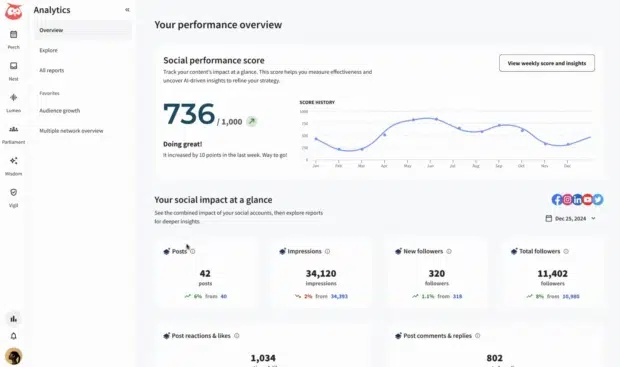
Reporting is the heartbeat of social strategy. A monthly audit should identify which content pillars are underperforming and which are driving engagement. By tracking key performance indicators (KPIs) like reach, engagement rate, and click-through rates, managers can pivot their strategy in real-time rather than waiting for an end-of-year review.
9. Social Listening and Intentional Engagement
Engagement is a two-way street. By leveraging social listening tools, brands can monitor conversations around their industry, identify emerging trends, and "hijack" relevant discussions. This proactive approach turns a brand from a broadcaster into a participant in the community.
10. Making Social Impact Visible
The final hurdle is communicating value to the C-suite. Social media is a massive driver of business value, but if that value isn’t quantified in terms of revenue, lead generation, or brand equity, it remains misunderstood. Effective reporting links social metrics to broader business objectives, proving that social media is a growth engine, not just a marketing expense.
The Role of AI in Scaling Operations
Artificial Intelligence is no longer a futuristic concept; it is a current necessity. The most successful teams use AI to handle the "heavy lifting"—first drafts, trend analysis, image resizing, and performance summarization.
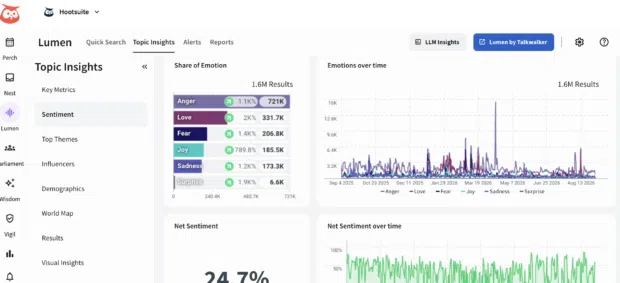
"If you’re not using AI, you’re already behind," says Camacho. "AI is a free, always-on intern that doesn’t sleep. Whether you are using it to brainstorm hooks or summarize sentiment in thousands of comments, it clears the busywork that eats your week."
Implications for the Future
The digital landscape is becoming more fragmented, not less. As new platforms emerge and algorithms evolve, the ability to adapt will remain the defining trait of successful social media managers. Organizations that prioritize centralization, clear governance, and AI integration will continue to thrive, while those who cling to manual processes will likely struggle to keep pace with the velocity of modern digital consumption.
The takeaway is clear: success in managing multiple social media accounts is not about working harder or hiring more people. It is about building a robust, automated, and intelligent ecosystem that allows the brand to speak with one voice, even when it is shouting from a dozen different rooftops. By adopting these ten pillars, teams can transform their social presence from a source of stress into a powerful, scalable, and measurable asset for the business.
