
From Spreadsheets to Scripts: Why Python is the New Growth Marketing Superpower
In the modern digital landscape, growth marketing has evolved far beyond the realm of creative intuition. Today, the profession sits at the precarious, high-stakes intersection of data science, behavioral analytics, and rapid experimentation. As the volume of available marketing data grows exponentially, the reliance on traditional tools—namely, static spreadsheets and manual reporting—is becoming a bottleneck for scaling operations.
Enter Python: the versatile, open-source programming language that is quietly transforming how growth marketers capture, analyze, and leverage data to drive business success. By moving beyond the limitations of manual input and complex Excel formulas, marketers are discovering that Python is not just for software developers; it is an essential toolkit for anyone looking to gain a competitive edge.
The Shift: Why Python Stands Above the Rest
While various programming languages exist, Python has emerged as the industry standard for growth-oriented teams. Its dominance is driven by three primary factors: accessibility, ecosystem, and scalability.
First, Python’s syntax is remarkably readable, making it one of the most accessible languages for non-engineers to learn. Second, it serves as the lingua franca of data science. If a marketing team needs to collaborate with a company’s internal data engineering or product team, using Python ensures that the entire organization is working from the same technical foundation.
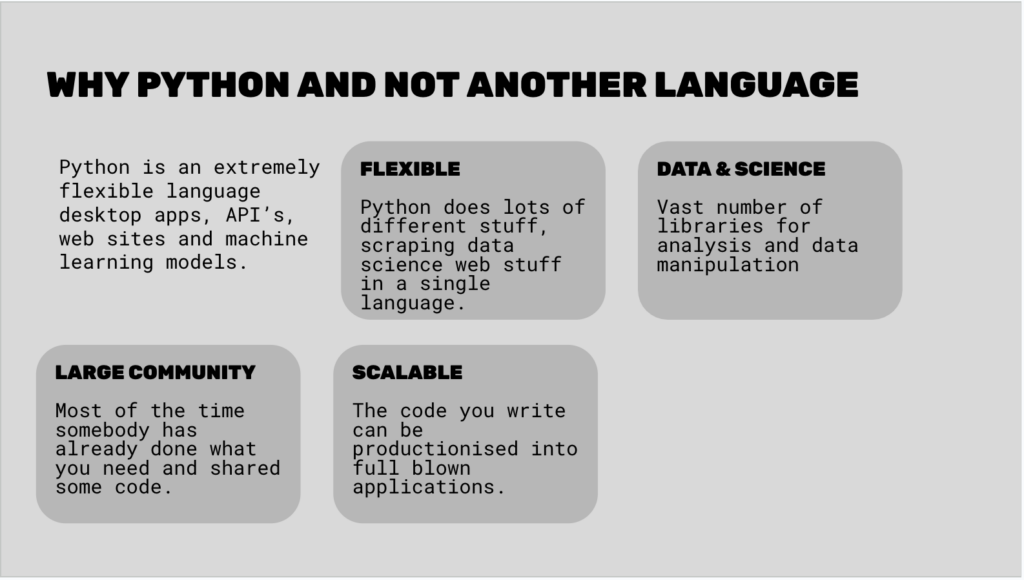
Furthermore, the Python community is vast. Regardless of the marketing challenge—be it automating social media ad reporting or predicting churn—it is highly likely that a peer has already addressed a similar problem and shared a solution via an open-source library. Finally, the scalability of Python is unmatched. A script written to automate a simple report today can, with minor adjustments, be integrated into a fully automated marketing pipeline or a custom-built predictive application tomorrow.
The Core Capabilities: What Marketers Can Achieve
As noted by industry experts like Alistair Allan, growth marketing is ultimately about the crossover of data and action. "Python is a way to save time, it’s a way to connect the dots between disparate systems, and it’s a way to get out of the trap of massive, error-prone spreadsheets," Allan notes.
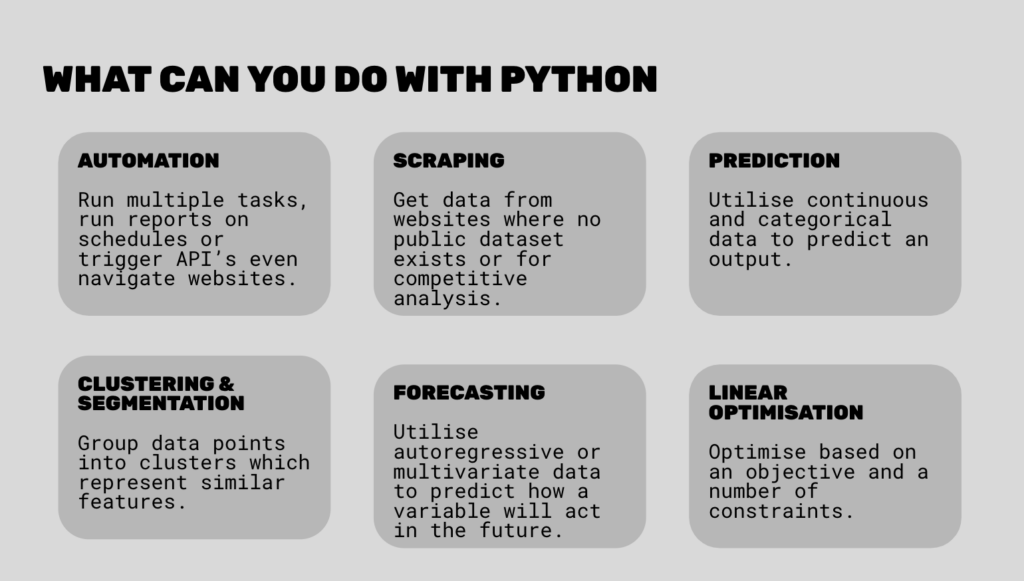
The application of Python in a marketing environment spans several high-impact areas:
1. Advanced Automation
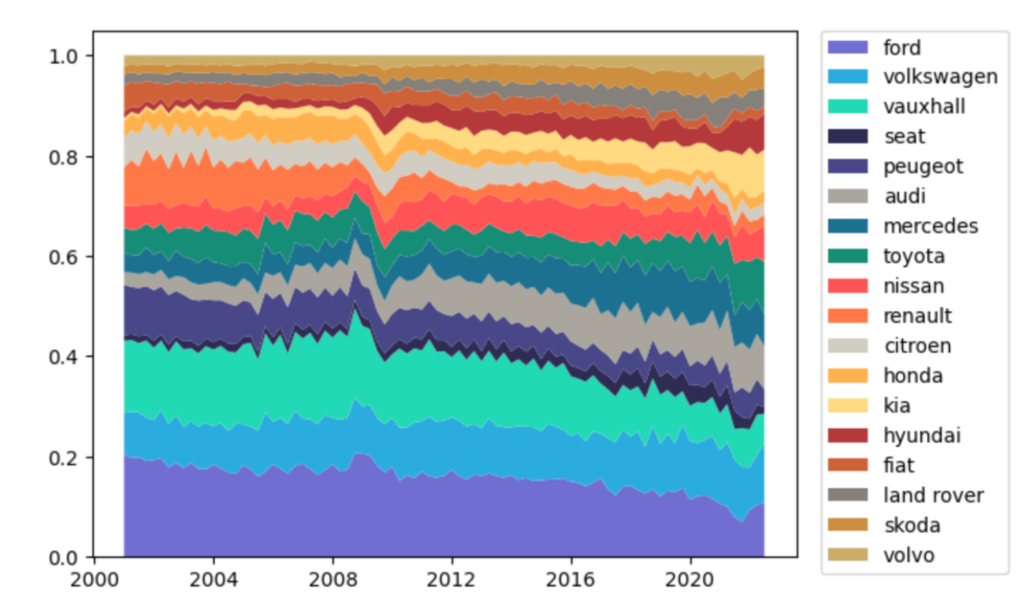
Marketing stacks are increasingly fragmented, with data siloed across dozens of platforms. Python enables marketers to utilize APIs (Application Programming Interfaces) to act as the "glue" between these systems. Whether it is pulling real-time performance data from Google Analytics, tracking fluctuations in Google Search Trends, or automatically adjusting bidding strategies based on ROAS (Return on Ad Spend), Python removes the human element from repetitive tasks.
2. Intelligent Web Scraping
Manual data entry is a relic of the past. Through web scraping, marketers can automate the retrieval of competitive intelligence. By writing scripts that regularly crawl competitor websites or public data repositories, teams can monitor market trends, pricing changes, and content strategies in real-time, allowing for a proactive rather than reactive stance.
3. Predictive Modeling and Forecasting
The ability to foresee performance is the "holy grail" of growth. Python libraries like Prophet—developed by Meta—allow marketers to move beyond simple trend lines. By training models on historical performance data, marketers can forecast future outcomes, helping them anticipate seasonal dips, predict customer lifetime value, or optimize ad delivery based on predicted conversion probabilities.
4. Clustering and Customer Segmentation
Segmentation is no longer limited to basic demographics. Using clustering algorithms, marketers can identify hidden patterns in customer behavior. By feeding transactional and behavioral data into a Python model, brands can identify distinct, high-value personas that would be impossible to categorize manually, leading to hyper-personalized campaigns that maximize budget efficiency.
5. Linear Optimization and Spend Allocation
Budget optimization is often treated as an educated guess. Python, however, enables linear optimization—a mathematical technique that determines the perfect allocation of resources given a specific set of constraints. By defining an objective (e.g., maximize conversions) and constraints (e.g., maximum budget, minimum spend per channel), Python scripts can calculate the ideal distribution of funds across multiple channels, ensuring every dollar works as hard as possible.
Data Analysis: Scaling Beyond the Spreadsheet
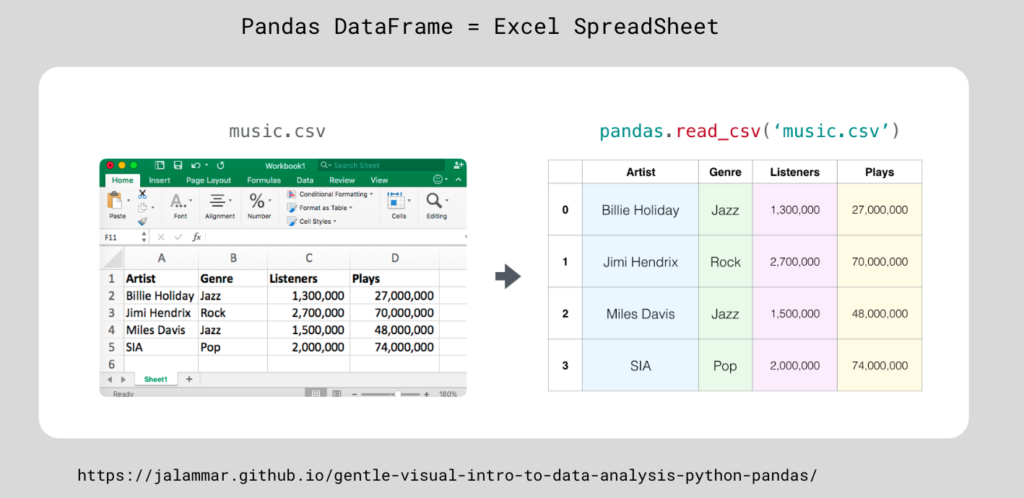
The limitation of Excel is not just its interface; it is the volume of data it can handle before becoming sluggish or crashing. Python’s pandas library allows marketers to manipulate datasets that contain millions of rows with ease. When paired with visualization libraries like Matplotlib or Seaborn, marketers can transform raw, messy data into clean, insightful visual narratives that clearly communicate the "why" behind the numbers to executive stakeholders.
Getting Started: The Practical Path for Non-Coders
For those with no coding background, the prospect of learning a language can feel daunting. However, the barrier to entry has never been lower.
The Power of Google Colab
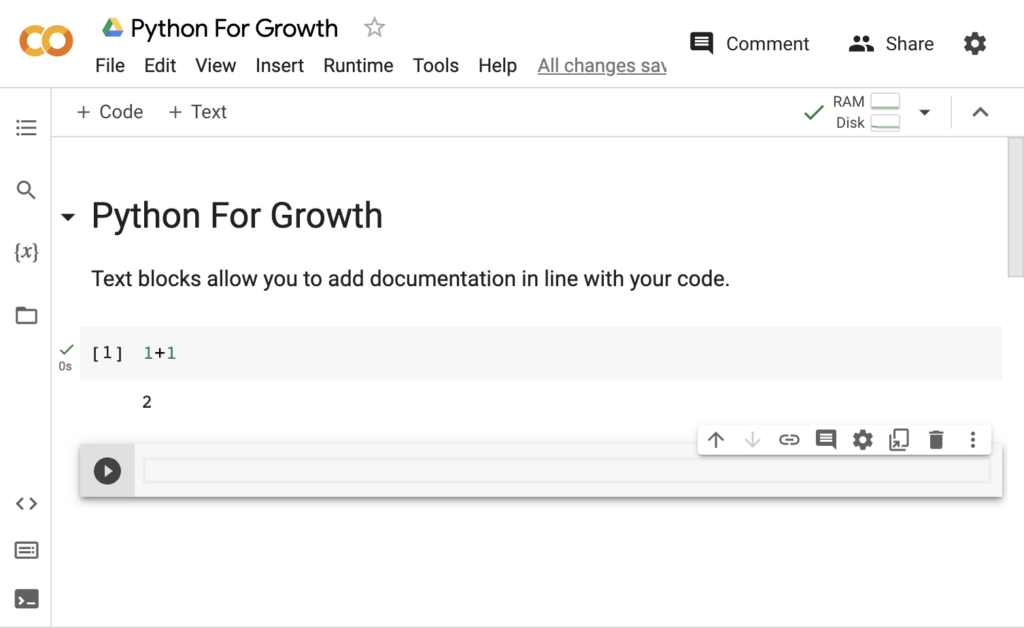
The most efficient starting point is Google Colab, a browser-based environment that requires no software installation. It functions similarly to a Google Doc but for code. Users can write and execute Python code in "blocks" interspersed with text, creating a live, interactive report that explains the methodology alongside the results.
AI-Assisted Development
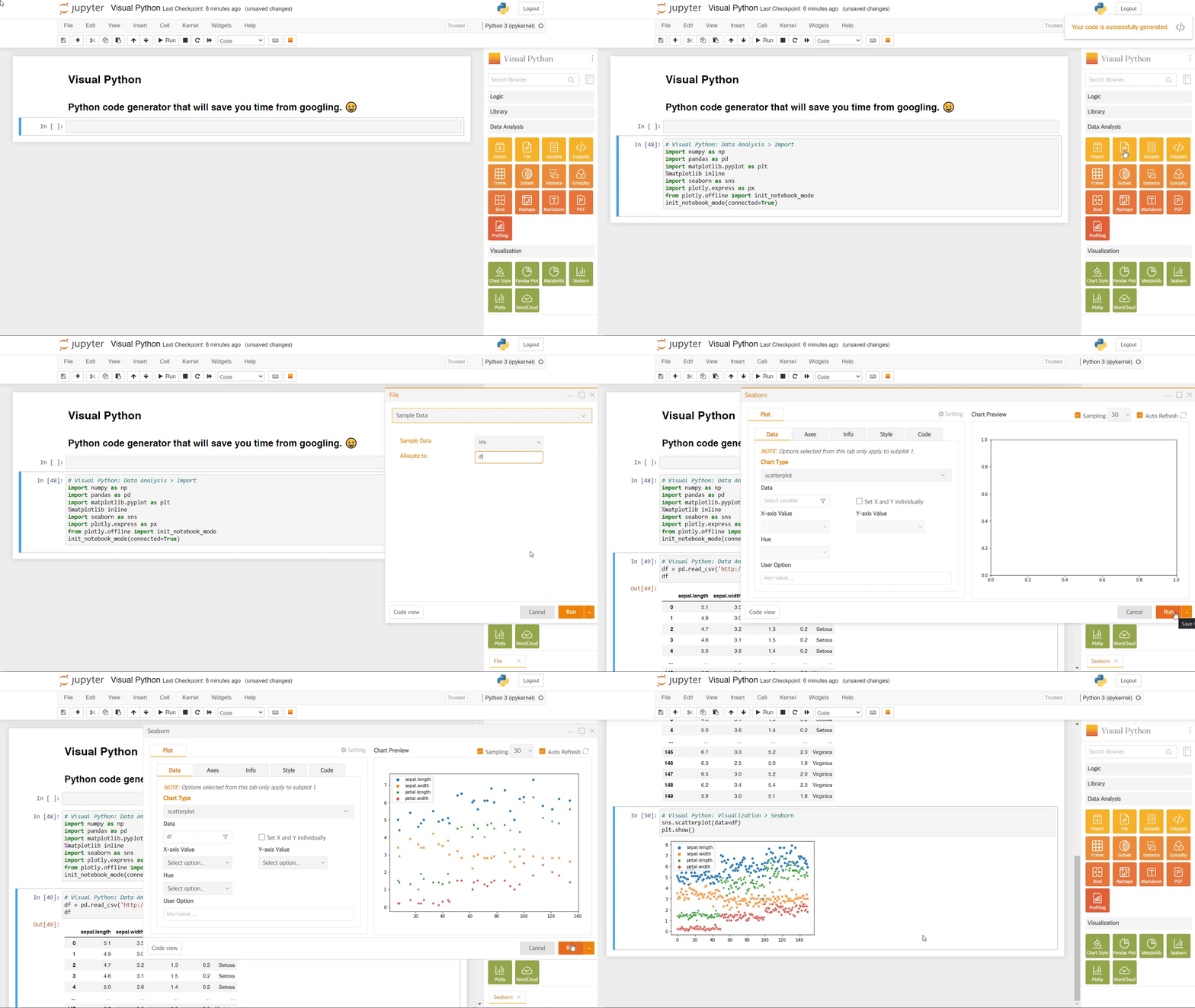
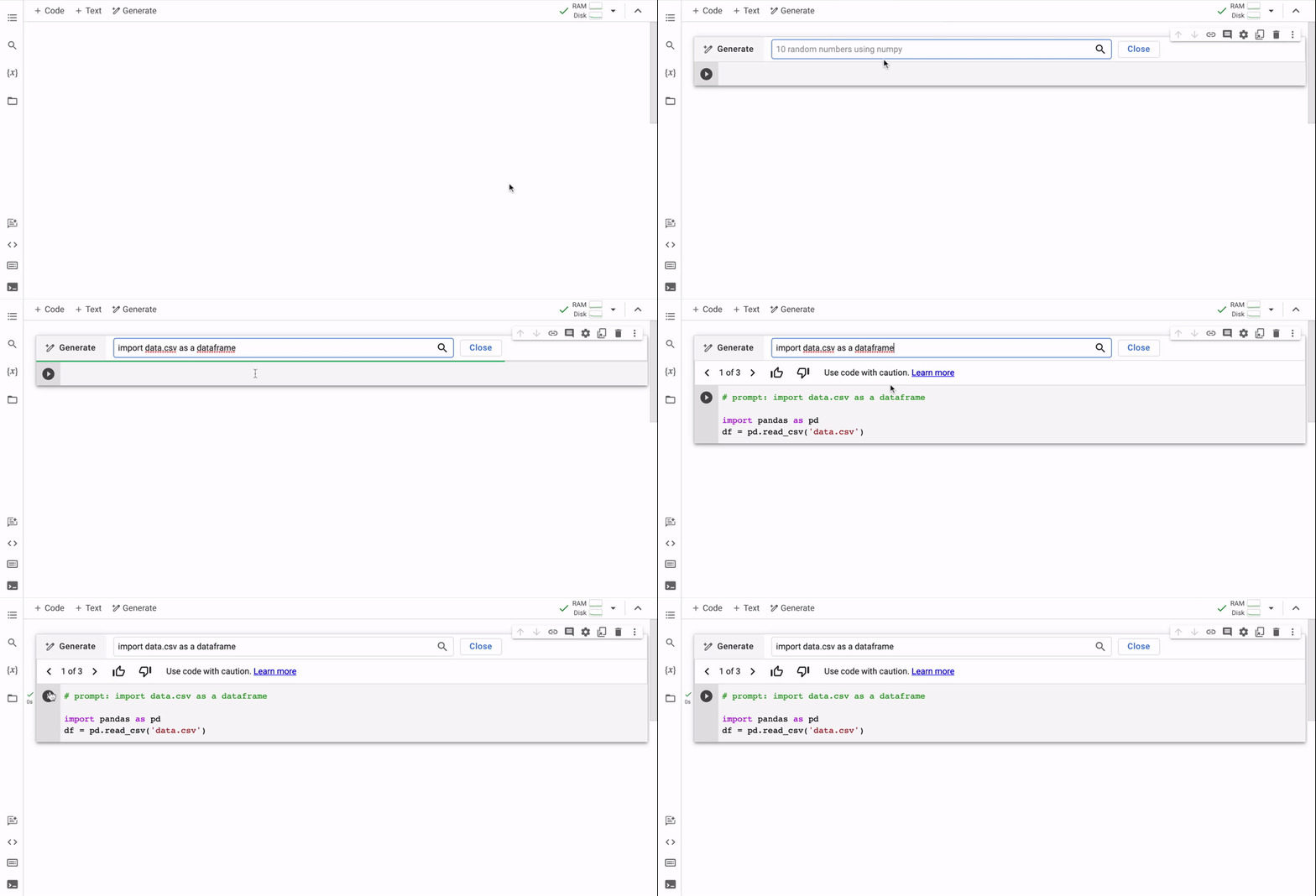
The rise of AI in coding has changed the landscape entirely. Tools like "Visual Python"—an add-on for Google Colab—allow users to insert complex code snippets via a graphical interface, reducing the need to write syntax from scratch. Furthermore, Google is currently integrating advanced AI coding models into Colab, which will soon allow users to generate code simply by describing their objective in plain English.
BI-Integrated Workflows
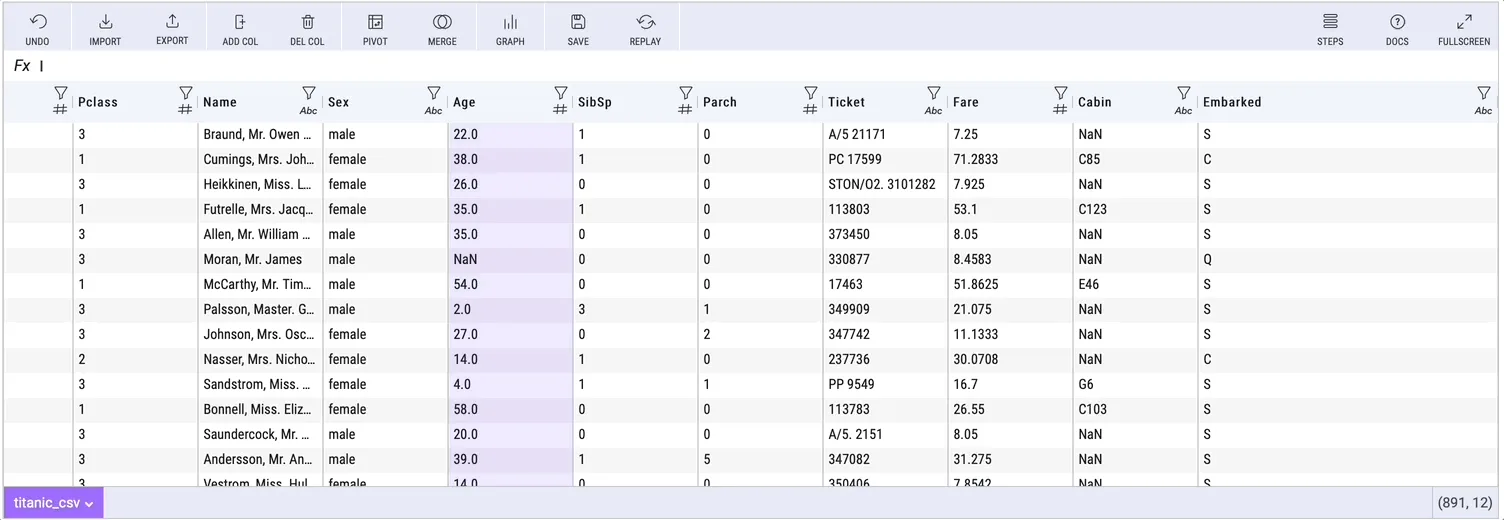
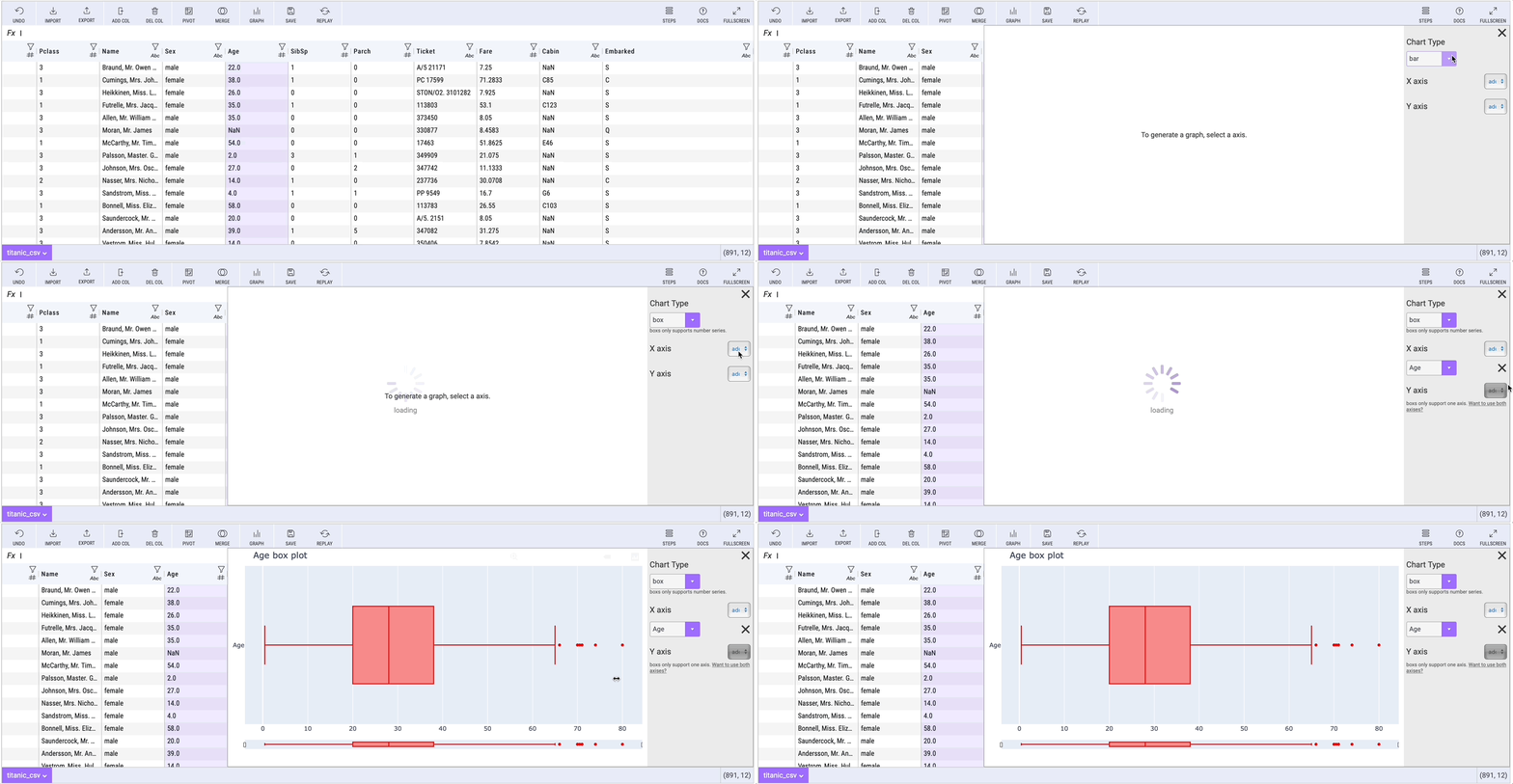
For those who prefer a more visual experience, tools like Mito act as a bridge. Mito provides a spreadsheet-like interface for data transformation; as you perform actions on your data, the tool automatically generates the equivalent Python code in the background. This is an ideal way for beginners to learn the language by seeing the code that corresponds to their analytical actions.
Implications for the Industry
The rise of Python in growth marketing signals a professional pivot. We are moving toward a future where "Growth Marketers" are essentially "Growth Engineers." This transition carries several implications:
- Increased Autonomy: Teams will rely less on busy data science departments to answer basic questions, increasing the speed of decision-making.
- The Death of "Gut Feeling": As data becomes more accessible and predictive models become more standard, marketing strategies will be held to higher empirical standards.
- Higher Skill Thresholds: As with the transition from traditional mailers to digital ads, the marketing profession is undergoing a technical evolution. Those who embrace coding as a core skill will have a significant advantage in the job market.
Conclusion: A New Era of Growth
The integration of Python into the growth marketer’s arsenal is not just an efficiency upgrade; it is a fundamental shift in strategy. By automating the mundane, predicting the future, and optimizing with mathematical precision, marketers can move away from the busywork of data entry and toward the high-level work of strategy and innovation.
For the modern marketer, the question is no longer "should I learn to code?" but rather "how quickly can I adopt these tools to stay relevant?" The path to mastery is accessible, the resources are abundant, and the potential for growth is limitless. It is time to open the script editor and start building the future of your growth strategy.
