
Dropshipping in 2024: Navigating the Competitive Landscape with dropXL and Zendrop
The global dropshipping market is undergoing a profound metamorphosis. Once considered a "get-rich-quick" scheme characterized by low-quality goods and long shipping times, the industry has matured into a sophisticated, multi-trillion-dollar logistical machine. Industry analysts at Grand View Research project that the dropshipping market is on a trajectory to exceed $1.2 trillion by 2030. As consumer expectations for transparency, speed, and product quality reach an all-time high, the "grab a cheap product and add a margin" business model has effectively collapsed.
Today, successful dropshippers are moving away from commodity flipping toward brand building. This shift requires a different breed of supplier—one that offers not just inventory, but logistical reliability, quality control, and scalable infrastructure. This evolution has brought two major players into the spotlight: dropXL and Zendrop. While both serve the same fundamental purpose—facilitating the connection between suppliers and online store owners—their philosophies, target audiences, and operational mechanics are starkly different.
Main Facts: Defining the Modern Dropshipping Paradigm
To understand the competition between dropXL and Zendrop, one must first understand the shift in the "why" of dropshipping. Modern entrepreneurs are no longer just looking for a way to fill a storefront; they are looking for a way to mitigate risk.
What is dropXL?
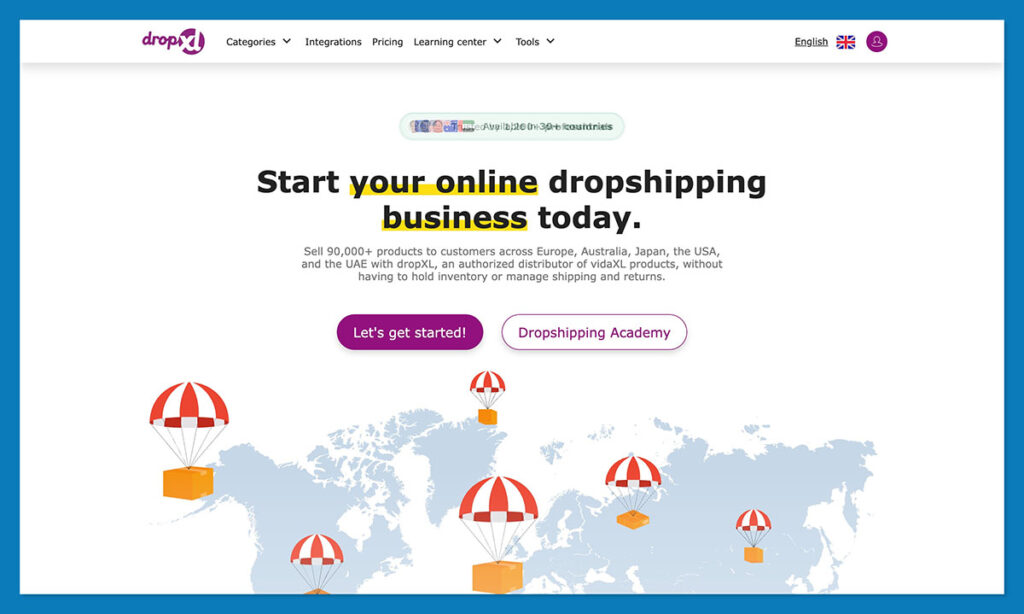
dropXL functions as a high-precision, supplier-first platform rooted in the extensive vidaXL catalog. It provides access to over 130,000 professional-grade products, primarily in the home, garden, furniture, and hardware sectors. Its value proposition is stability. By utilizing a robust network of warehouses across Europe, the USA, Australia, Japan, and the UAE, dropXL minimizes the "long-distance shipping anxiety" that plagues many traditional dropshipping models.
What is Zendrop?
Conversely, Zendrop acts as a dynamic, feature-rich ecosystem. With over one million products, it is designed for the high-velocity, experimental entrepreneur. Zendrop doesn’t just supply goods; it integrates AI-driven storefront builders, ad generation tools, and coaching services. It is a "dropshipping-as-a-service" platform that aims to bridge the gap between having an idea and having a functional, profit-generating machine.
Chronology and Market Evolution
The timeline of dropshipping has moved from the early era of "arbitrage" (2010–2016) to the "branding and reliability" era (2017–present).
- 2017–2019: The rise of private label and custom packaging. Dropshippers began demanding more control over the customer experience to avoid the "cheap Chinese product" stigma.
- 2020–2022: The COVID-19 pandemic caused massive logistical bottlenecks. This period forced a flight to quality. Platforms that relied solely on generic global marketplaces struggled, while those with dedicated warehousing (like the foundation of dropXL) thrived.
- 2023–2024: The "AI-Enabled" era. Zendrop emerged as a leader by integrating AI into the storefront creation process. The focus shifted from merely finding a product to automating the marketing funnel and utilizing machine learning for predictive inventory and trend analysis.
Supporting Data: Feature Comparison at a Glance
When choosing between these two giants, the decision often comes down to the specific business lifecycle stage of the merchant.
| Feature | dropXL | Zendrop |
|---|---|---|
| Catalog Size | 130,000+ (vidaXL) | 1,000,000+ |
| Best Niche | Home, Furniture, Garden | Beauty, Tech, POD, Apparel |
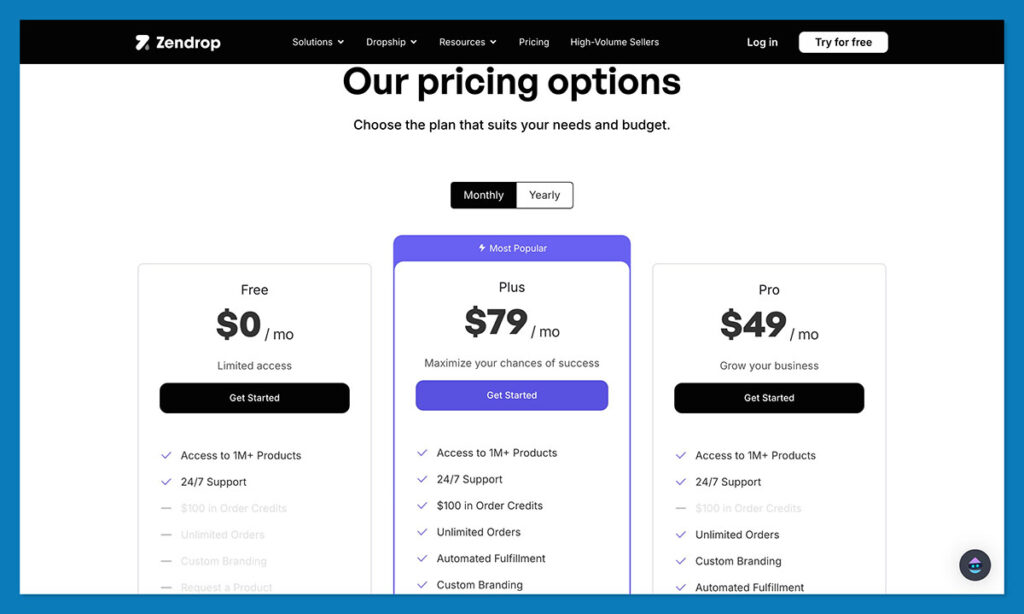
| Pricing Model | Flat €30/mo | Free, Pro ($49), Plus ($79) |
| Returns | Managed by Supplier | Facilitated via 3PL/Supplier |
| AI Integration | Minimal | Extensive (Ads, Stores) |
| Shipping | Localized (Global Warehouses) | US/China Network/3PL |
The Implications of Supplier Selection
The Reliability of the "Home & Garden" Niche (dropXL)
For a merchant, the decision to use dropXL is a decision to prioritize "low-touch" operations regarding customer service. Because dropXL handles returns and utilizes localized warehousing for bulky furniture and hardware, the risk of a "failed customer experience" is significantly lower. The implication for the seller is that you can build a long-term, high-ticket brand. A customer who buys a sofa or a high-end garden set expects durability; by partnering with a established name like vidaXL, the dropshipper gains immediate credibility that is difficult to manufacture on their own.
The Speed of Innovation (Zendrop)
Zendrop is designed for the "test and pivot" strategy. Its integration with TikTok Shop, Shopify, and ClickFunnels, combined with its AI ad-copy generator, implies that a seller can launch a new product trend in a matter of hours. The implication here is volume. Zendrop is the preferred platform for those who want to run "winning product" campaigns where the product lifecycle might only be a few months. It removes the technical friction of starting a business, allowing the entrepreneur to focus entirely on conversion rate optimization (CRO) and paid media spend.
Official Stances and Service Philosophy
The philosophical divide between these two platforms is perhaps most visible in their support structures.
dropXL’s stance is one of professionalism and technical integration. They focus on providing high-quality API feeds, stock updates, and localized language support (27+ languages). Their support is geared toward the "business professional" who treats the store as a long-term asset. They do not offer "coaching" because they assume their user base has a clear strategy.
Zendrop’s stance is one of mentorship and accessibility. By offering the Zendrop Academy, weekly coaching calls, and 24/7 support even on their free tier, they position themselves as a partner in the user’s success. They acknowledge that the barrier to entry for e-commerce can be intimidating and use their technology to act as a "training wheels" system for beginners.
Strategic Recommendations: Which to Choose?
Choose dropXL if:
- You have a niche focus: You are dedicated to the home, furniture, or outdoor sectors.
- You prioritize brand equity: You want fewer returns, higher-quality products, and a more professional customer experience.
- You are scaling globally: You need reliable warehousing in specific international markets like Europe or Japan without the headache of cross-border logistics.
- You prefer predictability: You want a single flat-fee subscription without worrying about "hidden" costs or commission structures.
Choose Zendrop if:
- You are a beginner: You need guidance, training, and a "walk-through" experience to launch your first store.
- You are an experimentalist: You want to test multiple products in different categories (beauty, tech, apparel) to see what gains traction.
- You want speed to market: You need AI tools to generate your storefront, ads, and product descriptions in minutes.
- You want to explore Print-on-Demand: You want the ability to create unique, custom-branded products alongside your standard dropshipping inventory.
Conclusion: The Future of Your Dropshipping Brand
The choice between dropXL and Zendrop is not a choice between "good" and "bad," but rather a choice between two distinct business models.
If your goal is to build a "destination" store—a site that customers return to for high-quality home goods—dropXL provides the logistical backbone to make that sustainable. Its focus on inventory quality and regional warehousing creates a sense of trust that is vital for long-term customer retention.
If your goal is to become an expert in digital marketing and rapid e-commerce testing, Zendrop is the superior toolkit. It removes the technical barriers to entry and provides an expansive testing ground, allowing you to identify trends and scale your operations with the help of advanced AI tools.
Ultimately, the most successful dropshippers of 2030 will be those who recognize that they are not just "flipping products," but curating experiences. Whether you choose the stability of dropXL or the agility of Zendrop, your success will hinge on how well you leverage these platforms to serve the needs of your specific, targeted audience. In this new trillion-dollar landscape, the tool you choose is merely the beginning—the strategy you build around it is what will define your long-term viability.
