
Digital Collectibles: Exploring the Intersection of AI and Personal Nostalgia
Last Revised: June 22nd, 2025
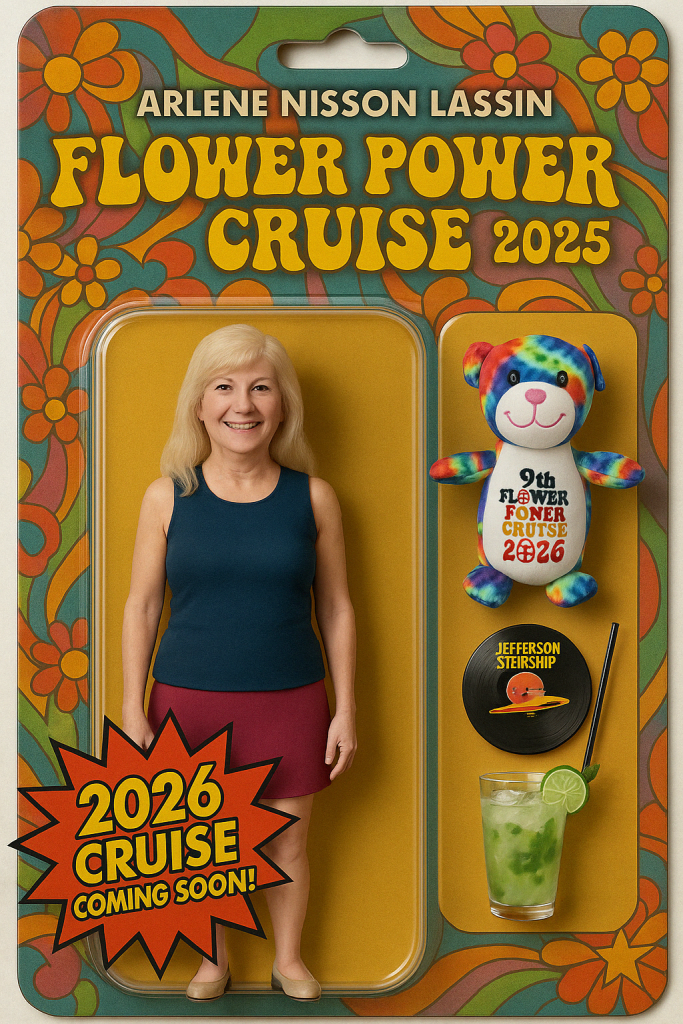
In the rapidly evolving landscape of generative artificial intelligence, few creative endeavors have proven as simultaneously delightful and frustrating as the pursuit of digital "action figure" design. What began as a casual experiment following a 2025 Flower Power Cruise has transformed into a comprehensive study of AI’s creative capabilities, its limitations, and the fascinating, often unpredictable nature of machine "hallucinations."
The Genesis: From High Seas to High-Tech Crafts
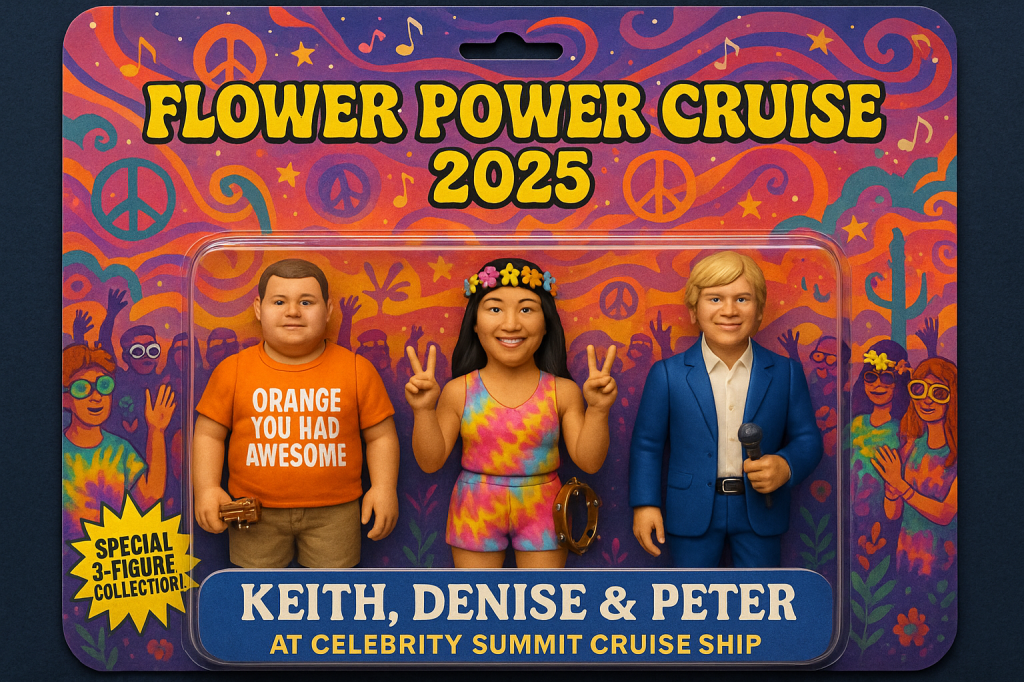
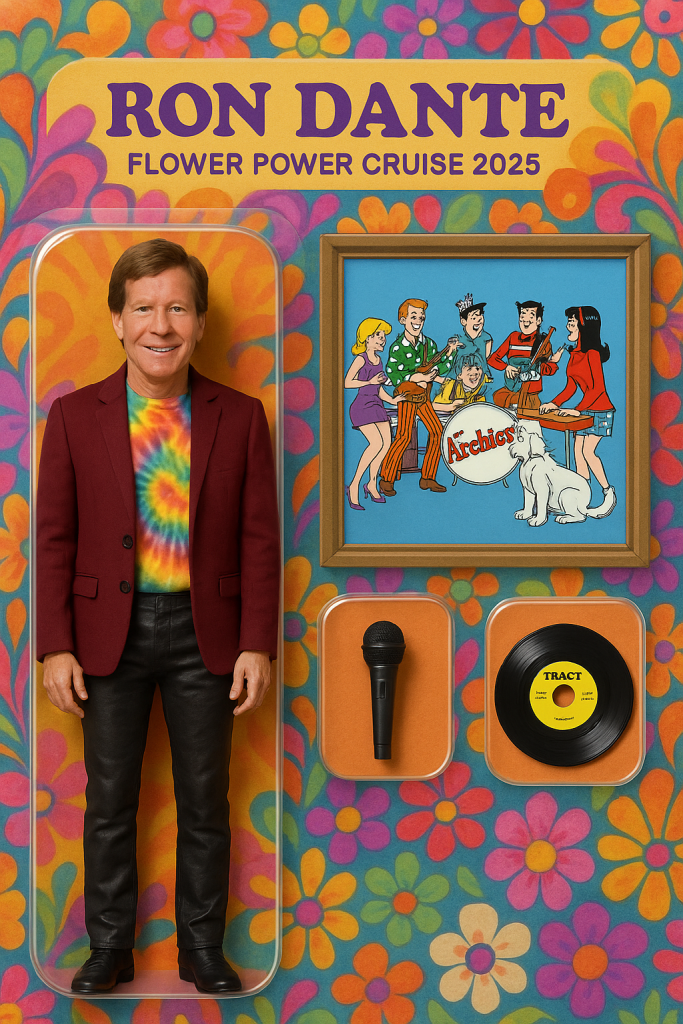
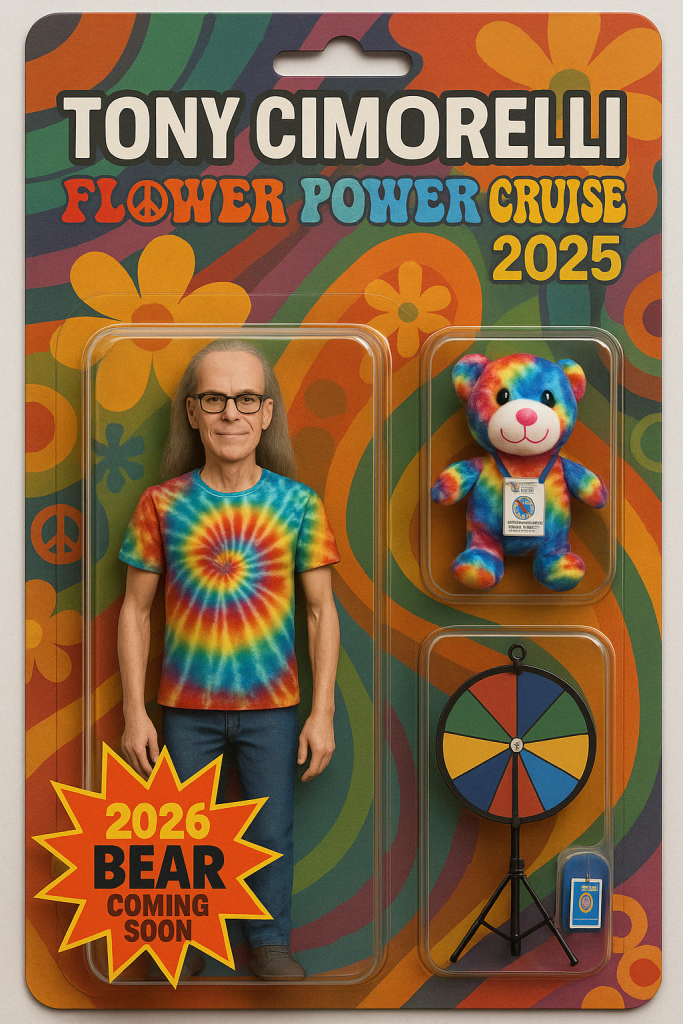
The initial inspiration for this project stemmed from the 2025 Flower Power Cruise, a seven-day voyage departing from Fort Lauderdale. The cruise served as a time capsule of the 1960s and 70s, featuring legendary musical acts such as The Cowsills, Jay and the Americans, Ron Dante, and Jefferson Starship.
For those of us on board, the experience was more than just a musical trip; it was a reconnection with a bygone era. Inspired by the camaraderie of the voyage, I set out to immortalize my fellow travelers and the entertainers we met by creating personalized action figures using OpenAI’s latest models, specifically the o3 and o4-mini iterations.
The Challenge of AI Hallucinations
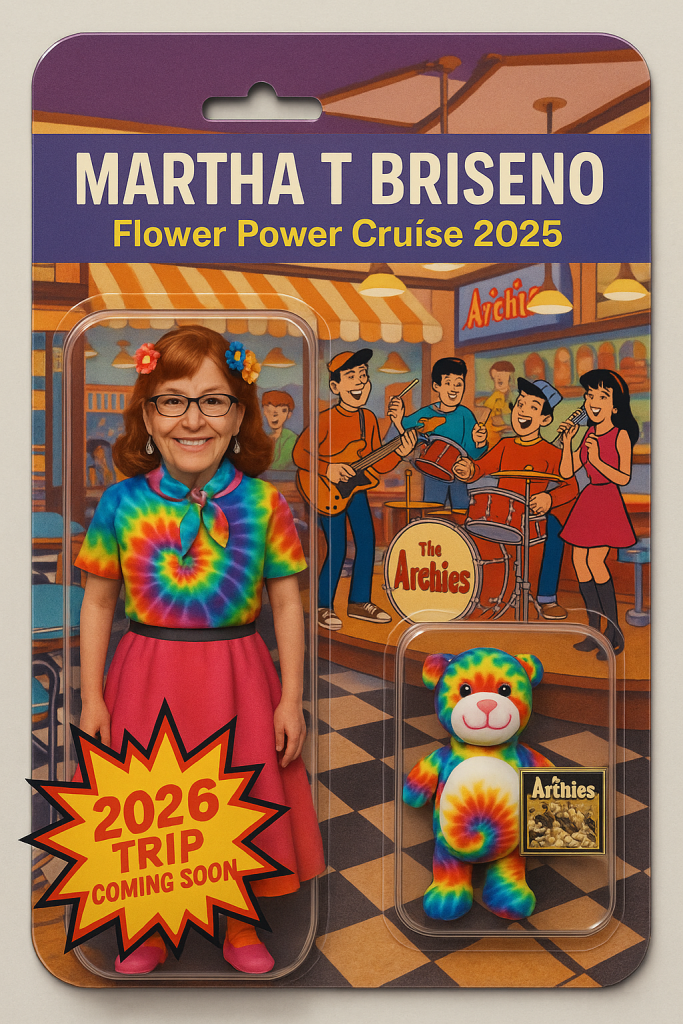
While the process of "prompt engineering"—the act of guiding an AI to produce a specific visual output—is rewarding, it is fraught with technical obstacles. In the world of AI, a "hallucination" occurs when the model generates information or visual elements that are logically inconsistent or factually incorrect based on the provided inputs.
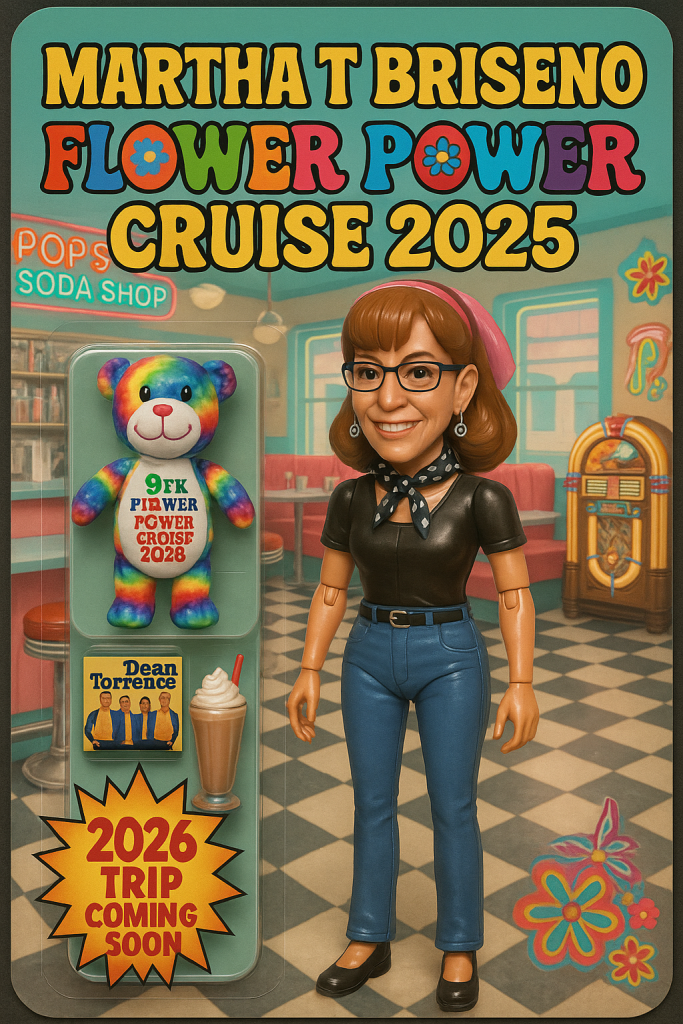
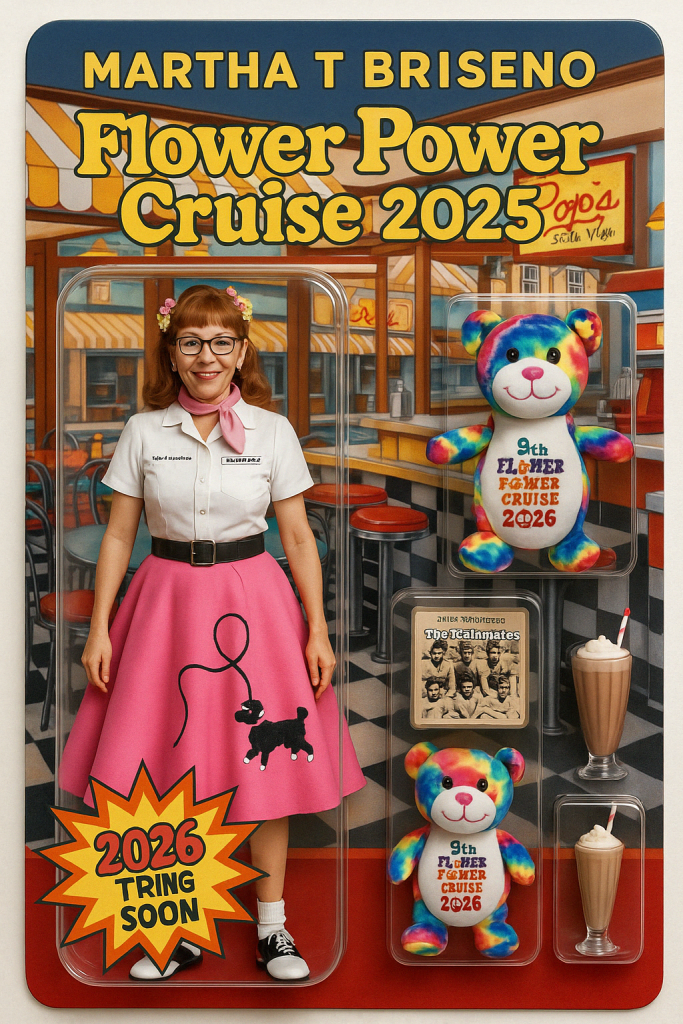
Current data suggests that even the most sophisticated models, such as the o3 and o4-mini, exhibit these hallucinations in 30–50% of outputs. These errors manifest in various ways: misspellings, the unwanted duplication of background items (such as the recurring "Groovy Bears" or phantom milkshakes), or the involuntary injection of pop-culture elements that were never requested. As an artist, one must learn to navigate these anomalies, treating them as part of the creative dialogue with the machine.
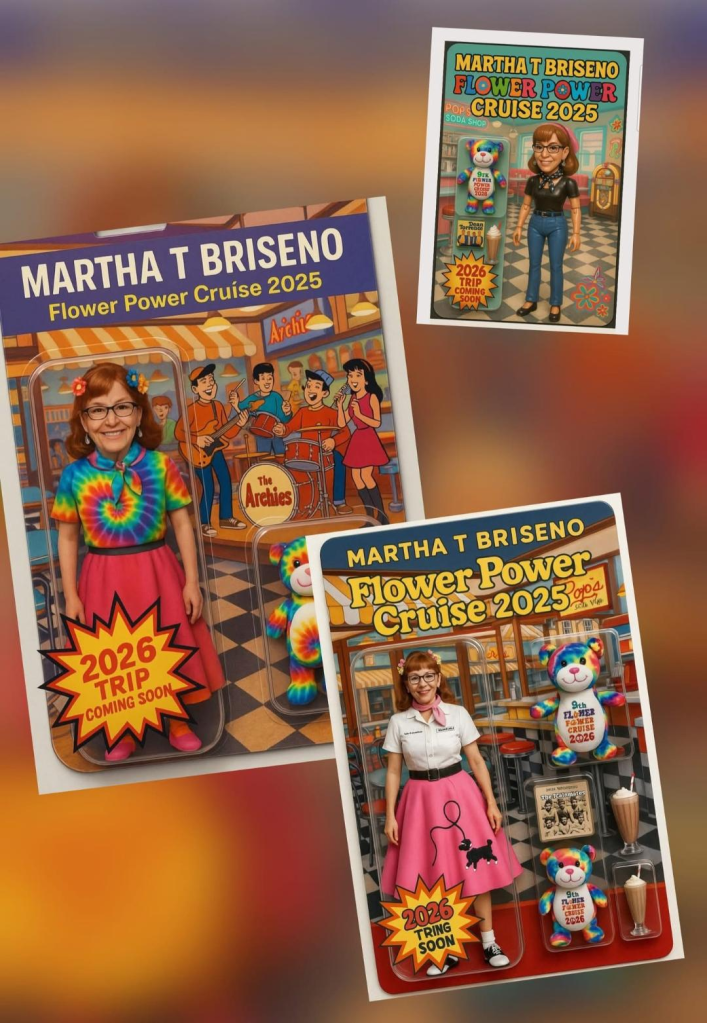
Chronology of an Artistic Experiment
The "Martha" Case Study: Refining the Prompt
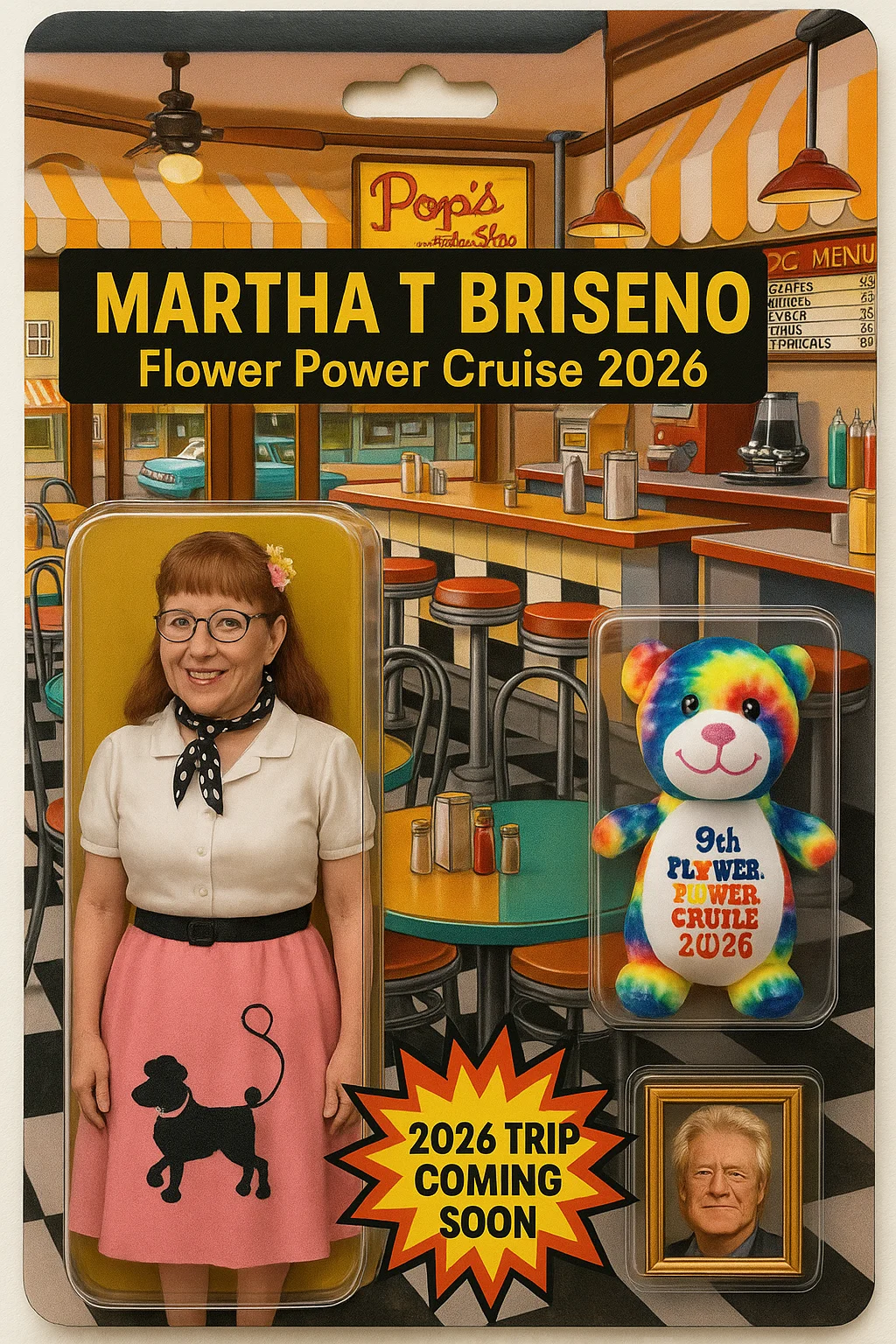
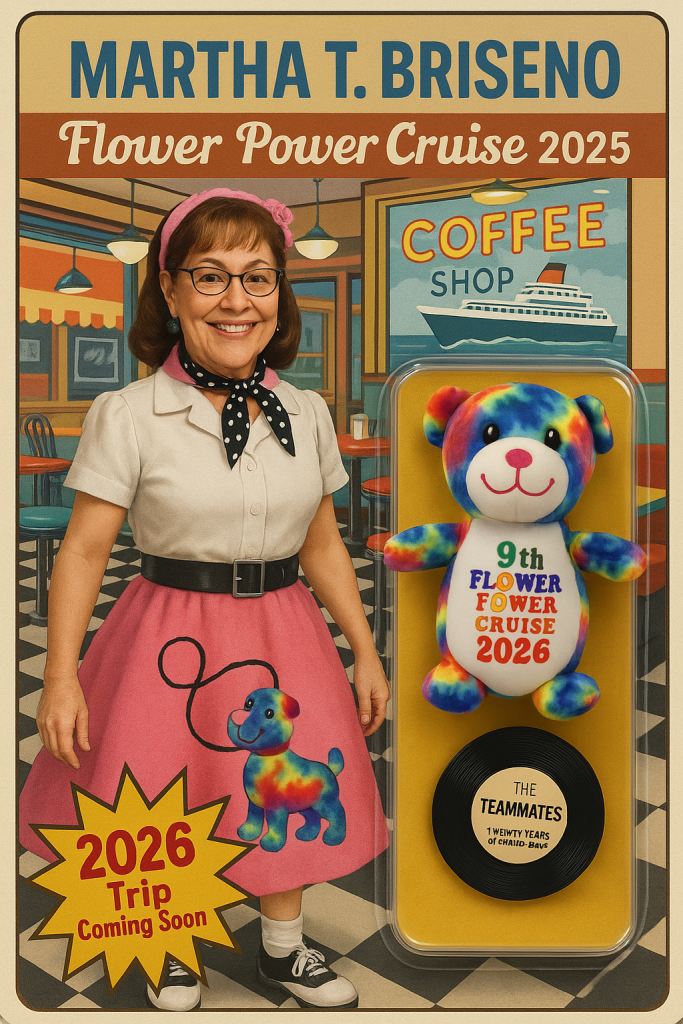
My first major project was the creation of an action figure for my friend, Martha T. Briseno. The goal was to place her in a classic 1950s-style ensemble: a white shirt and a pink poodle skirt.
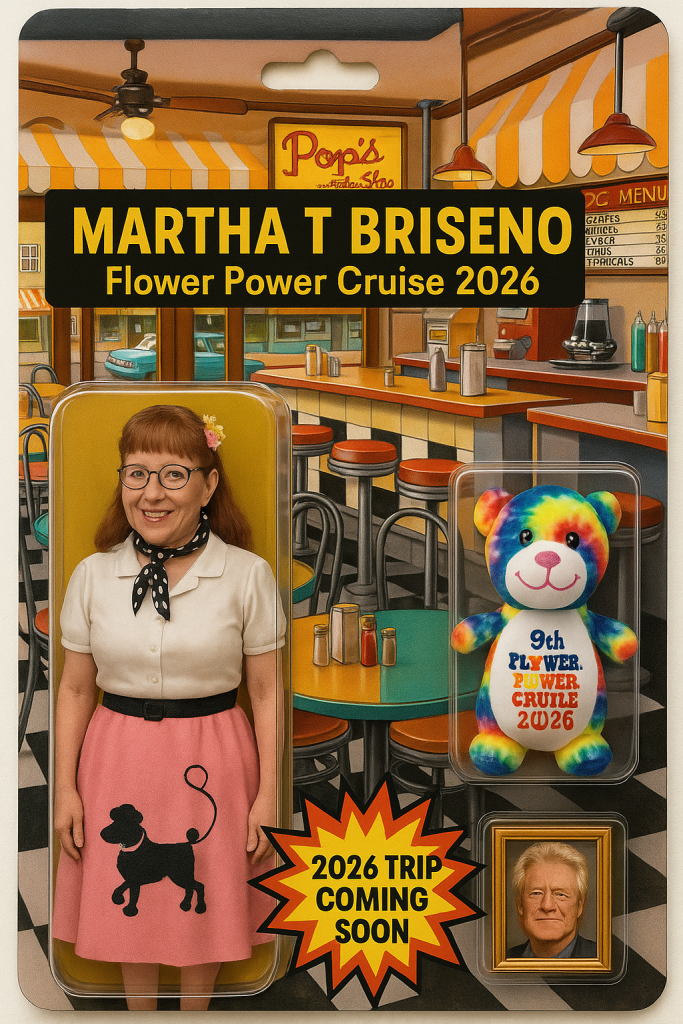
The iterative process was revealing. Early attempts resulted in ChatGPT hallucinating extra items, such as multiple teddy bears and chocolate milkshakes. Subsequent adjustments caused the AI to abandon the requested attire entirely, replacing it with a costume reminiscent of the film Grease. It was only through repeated, careful refinement of the prompt that I achieved a final, proportional, and accurate representation. This project underscored a critical lesson: AI, in its current state, requires a "human-in-the-loop" to ensure the final product aligns with reality.
Peter Noone: The Power of Artifacts
Perhaps the most narrative-driven action figure was that of Peter Noone of Herman’s Hermits. During the cruise, Noone famously engaged with the audience, playfully tossing items like purses and badges onto the stage, and teasing a gentleman wearing gold sparkle shoes.
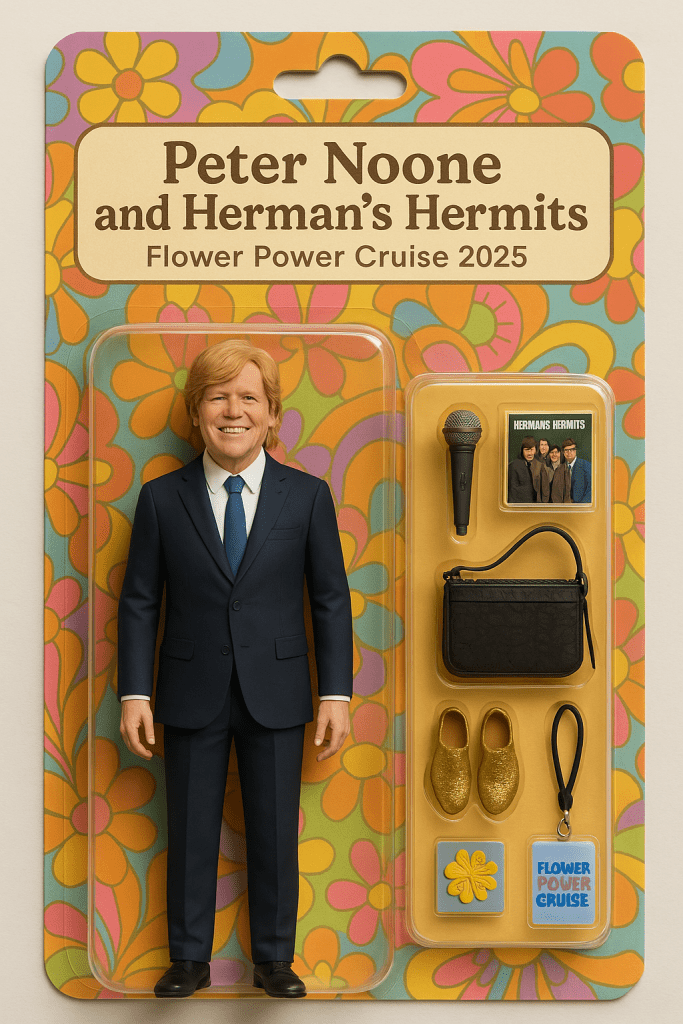
By utilizing actual photographs of these specific artifacts—the purse, the badge, and the shoes—alongside a headshot of Noone, I was able to create an action figure that felt like a genuine piece of memorabilia. This proved that when you provide the AI with specific, high-quality visual data, the model can successfully integrate real-world context into its synthetic creations.
Supporting Data: From Professional Branding to Family Keepsakes
Corporate Experiments and Creative Collaboration
The application of this technology extends beyond personal projects. In a recent professional setting, I conducted a class on AI prompting, using corporate branding to generate figures of high-profile spokespersons like Rob Gronkowski.
My colleague, Eric Carlson, served as a key collaborator during this phase. His work on the "Brandon" action figure—a colleague at USAA—revealed both the strengths and the bizarre humor of AI. When tasked with creating a realistic scene, the AI initially hallucinated two Jeeps. Later, Eric, demonstrating a flair for the dramatic, instructed the AI to adopt a "The Purge" movie theme. The resulting output was a striking, albeit unsettling, testament to the AI’s ability to pivot between mundane tasks and complex, genre-specific creative requests.

Personal Milestones and Family Portraits
The "go-crazy" phase, as I have termed it, involved creating figures for family and friends. This provided a testing ground for how AI handles sentiment and personal history:
- The Grandson Project: I created a figure for my grandson, Milo, who is an avid Pokémon fan. The AI accurately rendered him surrounded by Pokémon figures. However, when Milo lost a baby tooth, the AI "hallucinated" it back into his mouth in the generated image.
- Historical Accuracy: When creating figures of coin collectors using pieces from my American Numismatic Association (ANA) presentation, I found that the AI struggled with the intricate details of currency. Fellow collectors immediately identified the figures as "fake" due to the subtle errors in the coin designs—a reminder that AI still lacks the specialized knowledge required for niche hobbyist precision.
Official Responses and AI Constraints
It is worth noting the strict ethical and legal boundaries imposed by companies like OpenAI. During my attempt to create an action figure of the Star Wars character Jar Jar Binks as a coin collector, I was repeatedly blocked for violating intellectual property (IP) standards.
When I accepted the AI’s suggestion to create a "fantasy alien" instead, the result was a generic space figure with "alien money." This highlights a significant operational reality: AI models are heavily guarded to prevent copyright infringement, which forces users to pivot toward original or public-domain character designs.
Implications for the Future of Digital Art
The Evolution of Realism
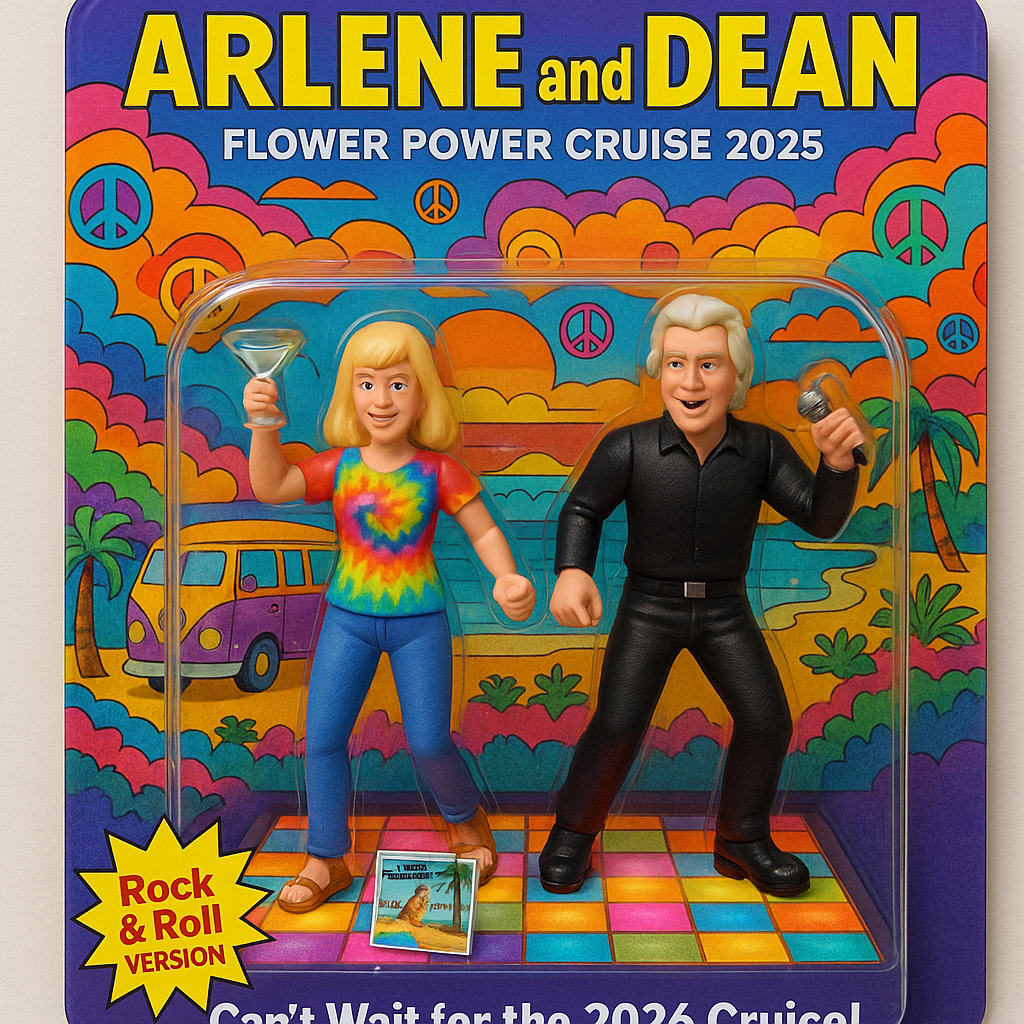
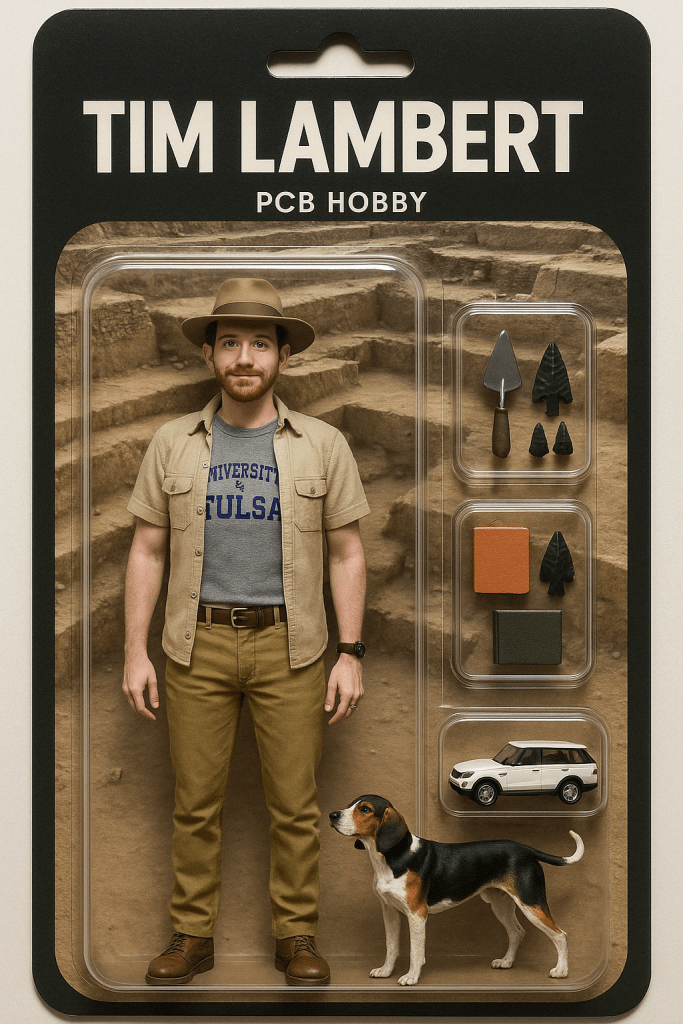
As I have continued to refine my methods—as seen in the recent two-pack figures of Arlene and Dean Torrence—I have observed a clear upward trajectory in the AI’s ability to render realistic proportions and detailed backgrounds. The transition from the "cartoonish" figures of early attempts to the current, more grounded aesthetic is a sign of rapid progress in image generation models.
The Role of the Human Curator
The most profound implication of this work is the redefined role of the human artist. In this new workflow, the artist is not the one holding the brush, but the one guiding the logic. We are curators of AI output, responsible for filtering out the hallucinations, correcting the factual errors, and providing the "soul"—the personal anecdotes and historical context—that the machine cannot generate on its own.
Conclusion: A Work in Progress
The project remains, in many ways, an unfinished symphony. As I continue to search for more photos to immortalize in action figure form, I am reminded that this technology is not a replacement for creativity, but a powerful, albeit temperamental, tool.
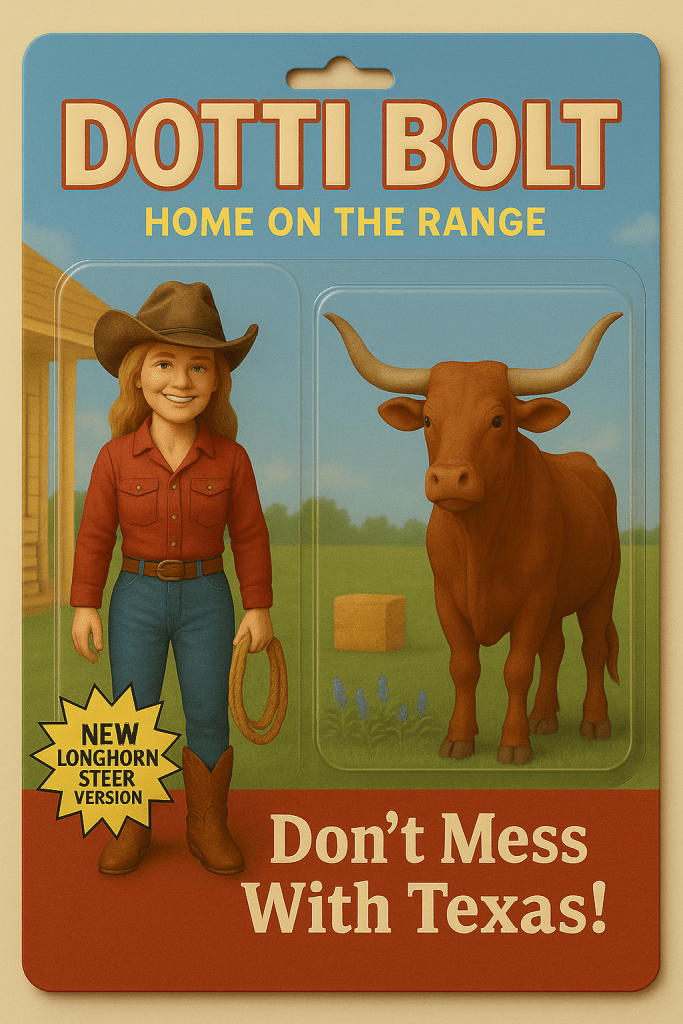
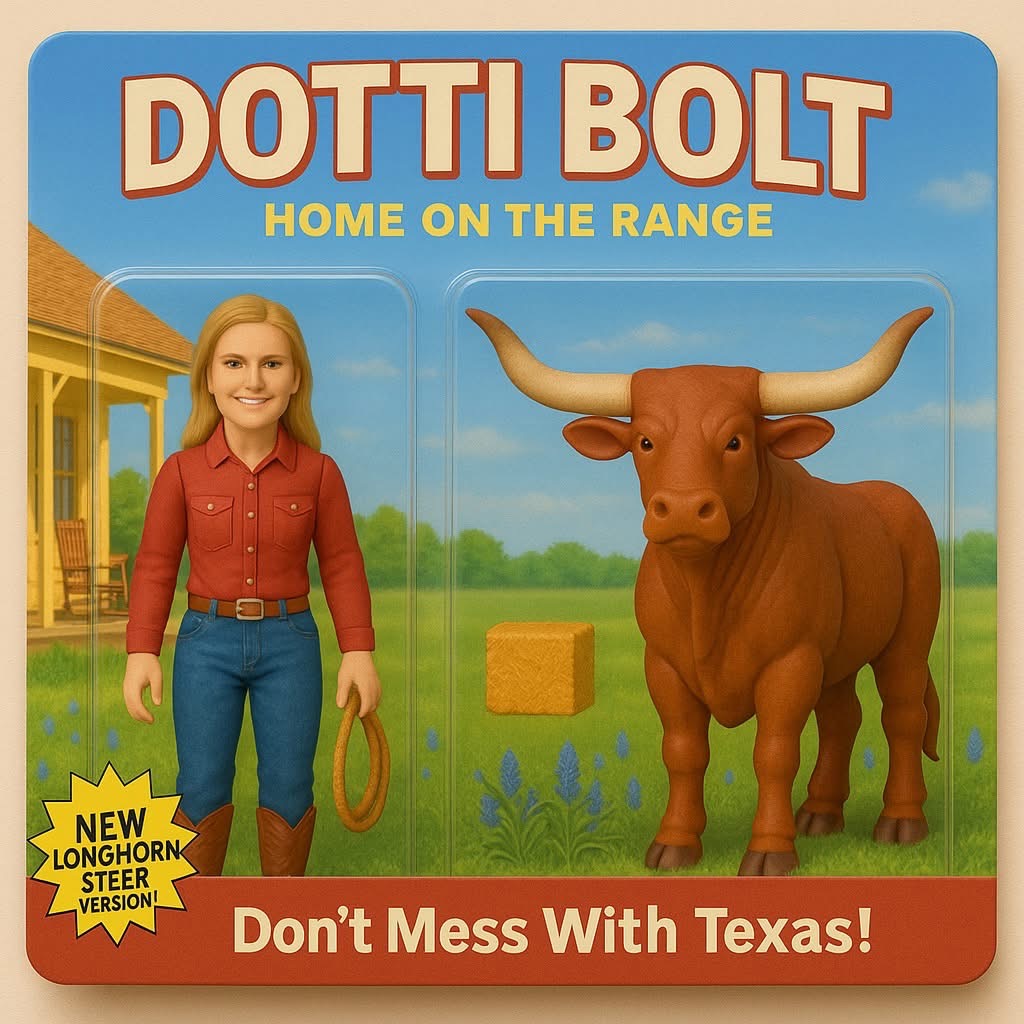
Whether it is the challenge of getting a cowboy hat to look "weathered" on a digital figure, or ensuring a grandson’s missing tooth is accurately represented, the process is one of constant learning. We are currently living in the early, experimental days of AI-assisted art. There will be more figures, more hallucinations, and undoubtedly, more stories to tell. Stay tuned; as I gather more memories from the cruise and beyond, the collection will continue to grow.
Mike is a digital content creator and data enthusiast. His blog, DataVizBlog, serves as a repository for his experiments with artificial intelligence, data visualization, and his travels.
