

Decoding the Digital Pulse: The Strategic Imperative of Customer Engagement Analytics
In the hyper-competitive digital landscape, the difference between a thriving business and a forgotten brand often boils down to a single, elusive metric: engagement. It is rarely clear whether a visitor is truly invested in your ecosystem or merely "passing through." As digital noise increases, brands that rely solely on vanity metrics—like raw traffic or aggregate page views—risk missing the heartbeat of their customer base.
Customer engagement analytics has emerged as the essential diagnostic tool for modern enterprises. By collecting, tracking, and interpreting the granular data of user interactions, businesses can finally distinguish between passive window-shopping and active intent. This article explores the mechanics, strategic importance, and implementation frameworks necessary to transform raw interaction data into a roadmap for sustainable growth and long-term customer loyalty.
What Is Customer Engagement Analytics?
At its core, customer engagement analytics is the systematic process of quantifying how users interact with a brand, product, or service across the entire digital ecosystem. These interactions are not limited to the point of sale; rather, they encompass every touchpoint in the customer journey—from the first click on an organic search result to the repeated usage of a mobile application or the interaction with an email newsletter.
While the term can apply to offline environments, the modern marketing paradigm focuses heavily on digital touchpoints. Engagement includes any proactive or reactive interaction that occurs prior to a "macro conversion." Whether it is a user watching an embedded video, scrolling through a landing page, or navigating to a secondary service page, these micro-interactions act as breadcrumbs that signal a user’s interest level and their proximity to a committed action.
The Four Pillars of Digital Engagement
To simplify complex data sets, marketers often categorize engagement analytics into four distinct domains:

- Behavioral Engagement: Tracking how users move through a site or app.
- Content Engagement: Measuring the consumption of media, such as video watch-times or article scroll-depths.
- Social/Community Engagement: Evaluating how audiences interact with the brand via third-party social platforms.
- Transactional Engagement: Monitoring the "pre-purchase" journey, including cart additions and wish-list activity.
The Strategic Importance of Engagement Analytics
Why does engagement matter? It serves as the bridge between the top of the marketing funnel—where awareness is generated—and the bottom, where revenue is realized. Without granular engagement data, a company is essentially flying blind, unable to discern why a campaign failed or where the user journey experiences friction.
Identifying Friction Points
Every visitor who leaves a site before converting represents a "leak" in the funnel. Engagement analytics allow businesses to pinpoint exactly where these leaks occur. If your "Add to Cart" page has a high bounce rate but high engagement on product specification pages, you may have a technical bottleneck or a pricing issue. By identifying these friction points, companies can pivot their strategies, optimize UI/UX, and nurture prospects toward conversion.
Building Sustainable Growth
Sustainable growth is not built on one-off purchases; it is built on retention. Most users are not ready to buy on their first visit. They require a period of "incubation," where they visit, leave, and return multiple times. Engagement analytics allow brands to measure this relationship-building process. By fostering frequent interactions, brands build familiarity and trust, turning casual browsers into brand advocates.
Best Practices for Implementing Analytics
Engagement is a flexible concept that must be defined by the business. While analytics tools like Google Analytics 4 (GA4) offer default metrics, they are not a one-size-fits-all solution.
Defining "Meaningful Engagement"
Decision-makers must define what constitutes a "win." Is a 10-second visit to a blog post an indicator of interest, or is 30 seconds the true threshold? For a SaaS company, engagement might mean using a specific feature; for an eCommerce site, it might mean viewing a size guide. Once these parameters are defined, you must configure your analytics tools to track these custom events, as "out-of-the-box" metrics often fail to capture the nuances of specific business models.
Step 1: The Stakeholder Consultation
Before writing a single line of tracking code, consult with your internal teams. Marketing, sales, and product development will have different needs. A marketer may care about click-through rates on an ad, while a product manager cares about the frequency of feature usage. Aligning these needs ensures that the analytics implementation provides value across the entire organization.
Step 2: The Implementation Guide
The most common failure in analytics is poor documentation. Best practices dictate the creation of an Implementation Guide. This living document serves as a "source of truth" for web analysts, developers, and marketers. It outlines exactly which events to track, how they are named (the naming convention), and where they trigger within the application. This prevents the "data mess" that often occurs when different departments track metrics inconsistently.
Key Metrics to Track (And Why They Matter)
To move the needle, you must focus on the right KPIs. Note that the following metrics are distinct from "Macro Conversions" (like a final purchase), as they represent the ongoing pulse of the user experience.
Website and App Engagement
- Page Views: The foundational metric. While limited, it confirms that your traffic is reaching the destination.
- Sessions: A period of active user activity. In modern tools like GA4, a session is typically defined by a 30-minute window of activity.
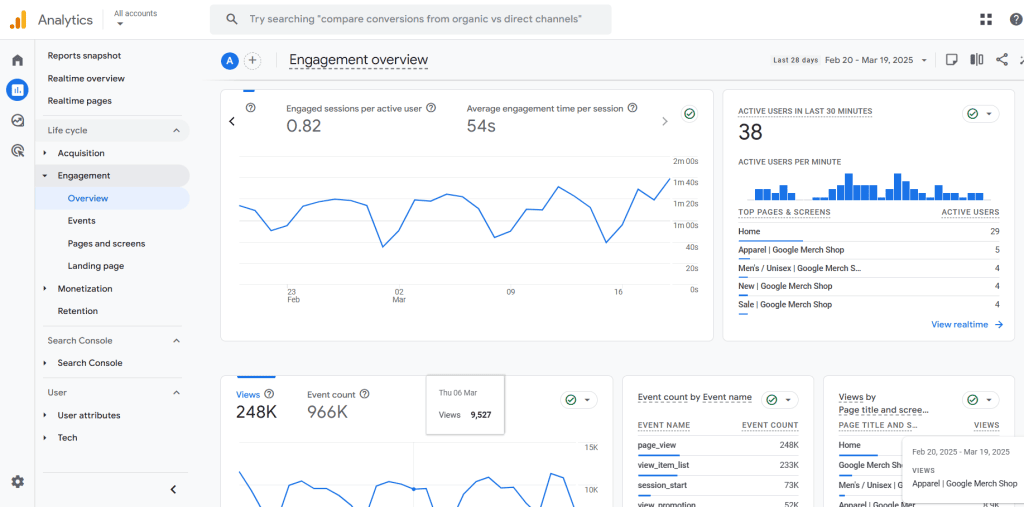
- Engagement Time: Perhaps the most vital metric. It tracks the duration a user is actively interacting with the content. This is a far more accurate representation of interest than a simple "time on page" metric.
- Pages per Session: A high pages-per-session count indicates an exploratory user. A benchmark of three pages per session is typically considered a sign of high intent.
- Engaged Sessions: A specialized metric that filters out "drive-by" traffic, focusing only on sessions that lasted longer than 10 seconds, included a conversion event, or involved multiple page views.
Social Media and Email
Social media engagement (likes, shares, comments) is often dismissed as a "vanity metric," but when correlated with traffic attribution, it becomes a powerful indicator of brand affinity. Similarly, in email marketing, the Open Rate remains the primary indicator of whether your subject line and timing are effectively capturing attention. A low open rate suggests that your brand is becoming "background noise" in the user’s inbox.
Product Engagement
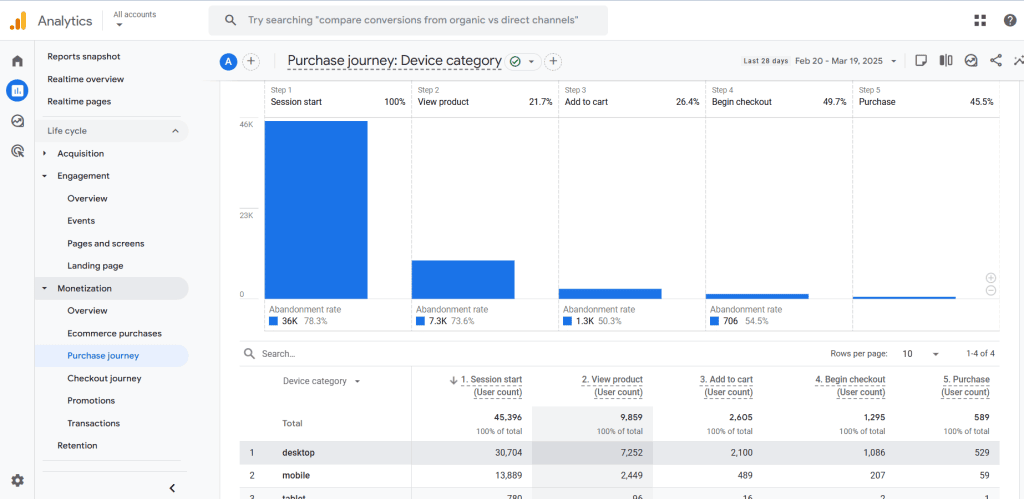
For eCommerce, the focus shifts to the path to purchase. Metrics like "Product Views," "Add to Cart," and "Checkout Abandonment Rate" are critical. By monitoring these, businesses can determine if a failure to convert is due to a lack of interest (low engagement) or a flaw in the checkout process (high engagement but no conversion).
Implications: The Future of Data-Driven Decision Making
The implications of robust engagement analytics are profound. Businesses that master these metrics are no longer guessing; they are iterating. They move from a model of "spray and pray" marketing to a precision-engineered approach where every dollar spent is optimized based on real-world behavior.
However, the collection of this data comes with an ethical responsibility. As privacy regulations tighten, the way we collect engagement data must evolve. Transparency with the user regarding what is being tracked and why is no longer just a legal requirement—it is a competitive advantage. Brands that are clear about the value exchange—"we track your behavior to provide a better experience"—will build higher levels of trust than those that operate in the shadows.
In conclusion, customer engagement analytics is not merely a set of reports or a dashboard. It is a mindset. By understanding the granular behaviors that lead to conversion, companies can foster deeper connections, improve retention, and ensure that every interaction adds value to the customer relationship. As we look toward the future, the ability to interpret these digital signals will remain the defining trait of industry leaders.
How does your organization currently define engagement? The answer to that question is the first step toward unlocking the full potential of your digital strategy.
