
AWeber vs. Kit (Formerly ConvertKit): The Ultimate 2026 E-Commerce Email Marketing Showdown
When scaling an online storefront or a digital product business, choosing the right email marketing software can make or break your customer retention strategy. With so many platforms on the market promising seamless automation, advanced segmentation, and high deliverability rates, choosing the right tool often comes down to a granular comparison of features versus cost.
In this comprehensive, data-driven analysis, we pit two industry stalwarts against each other: Kit (formerly ConvertKit) and AWeber. Based on our rigorous multi-point testing methodology updated for November 2026, we evaluate which platform ultimately delivers the best return on investment for merchants, digital creators, and online stores.
Main Facts: The Core Contenders at a Glance
Navigating the landscape of email service providers (ESPs) requires looking past the marketing jargon and examining the raw utility of each platform.

- The Overall Winner for E-Commerce: Kit takes the crown if your primary objective is selling products online. Its native Shopify integrations, advanced purchase-triggered workflows, and robust digital product capabilities pull it ahead of the competition.
- The Winner for Beginners and Budgets: AWeber emerges victorious for budget-conscious creators and absolute beginners who value guided setup, phone support, and a vast library of pre-designed email templates.
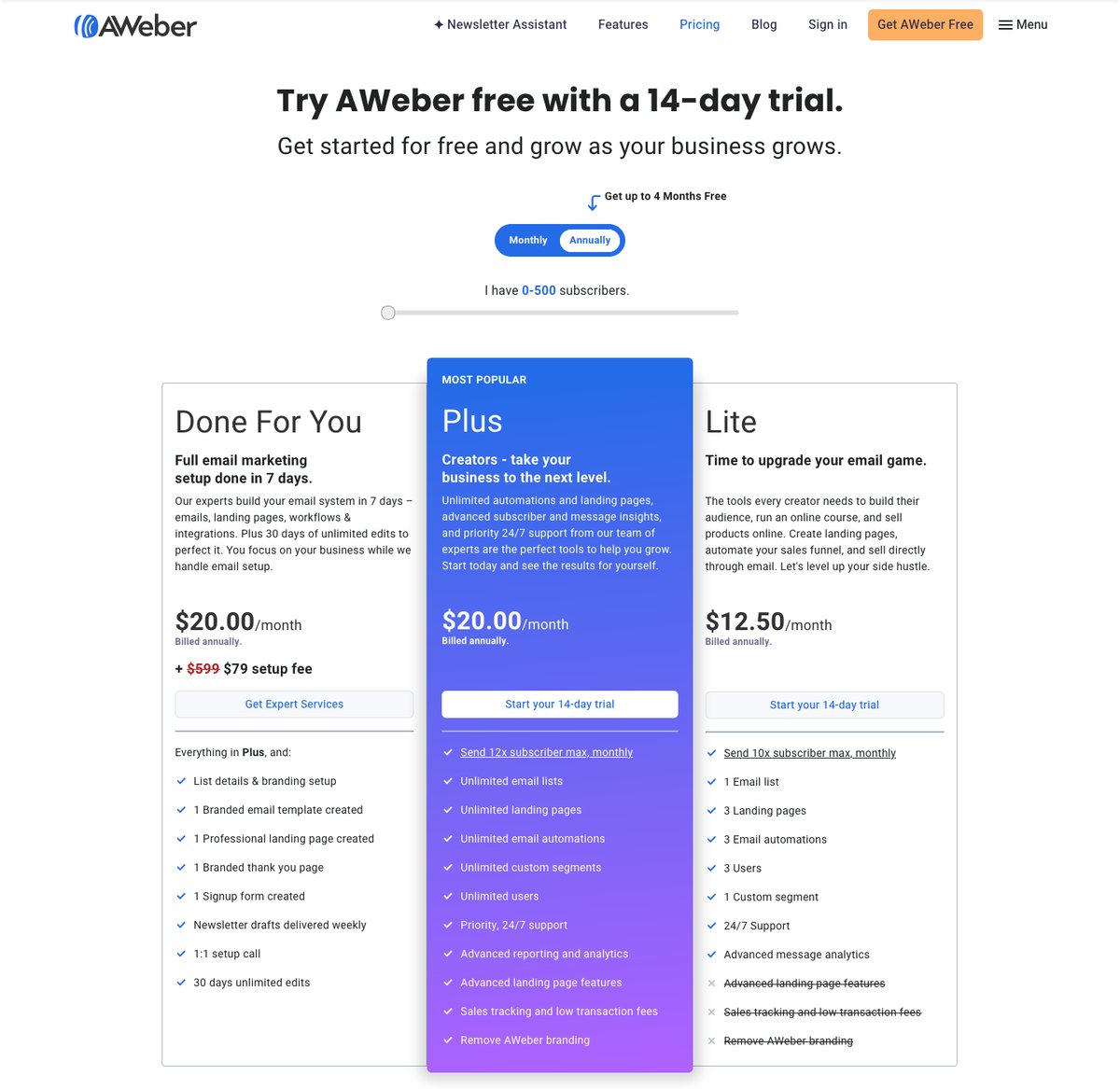
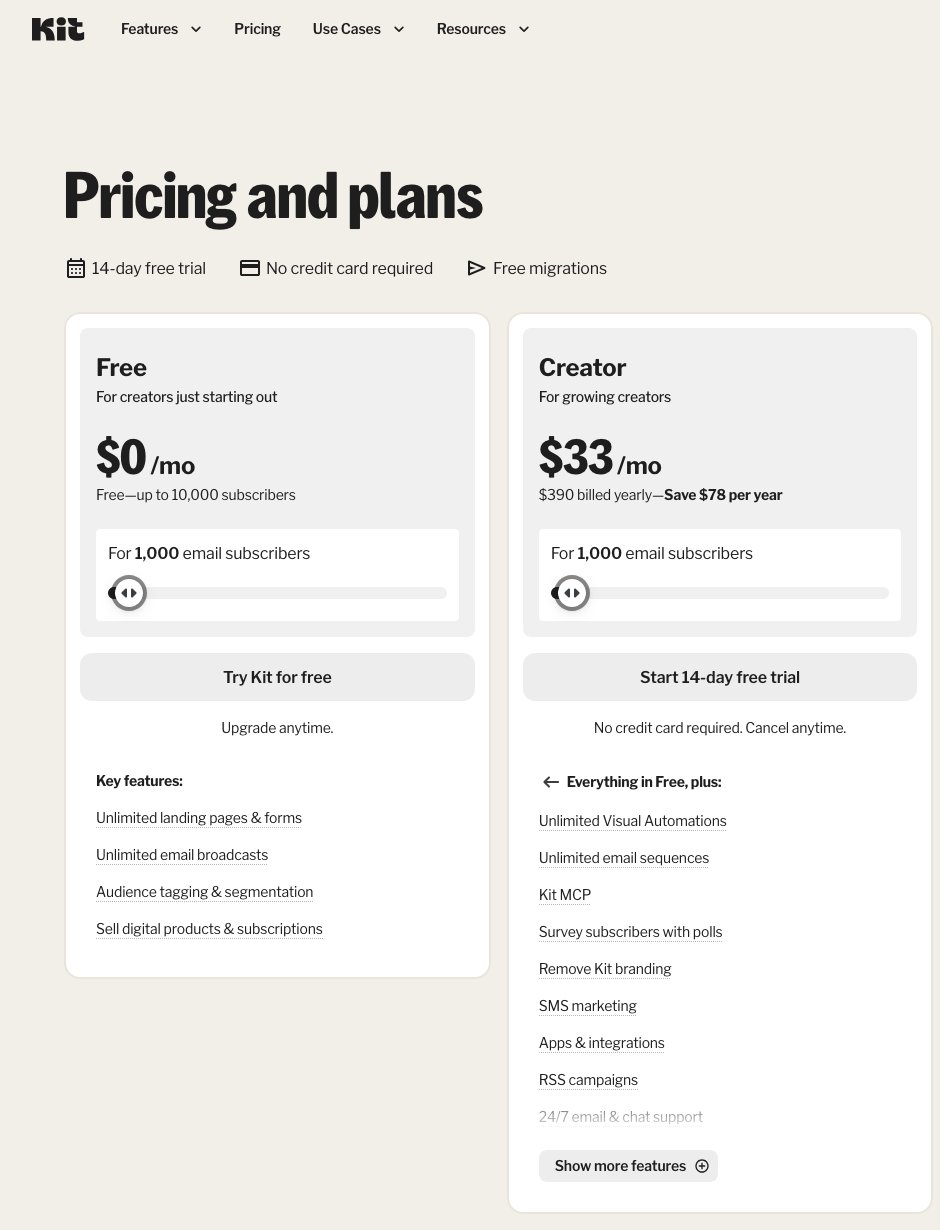
- Pricing Discrepancies: AWeber offers cheaper paid entry points for smaller email lists (starting at $12.50 to $15/month), whereas Kit’s paid plans kick off at a higher tier ($33 to $39/month when billed annually/monthly), though Kit offers a remarkably generous free tier for up to 10,000 subscribers (albeit with limited automation features).
Chronology and Evolution of the Platforms
To understand where AWeber and Kit stand today, it helps to look at how both platforms evolved to meet the demands of modern e-commerce and creator economies.
The Rise of AWeber
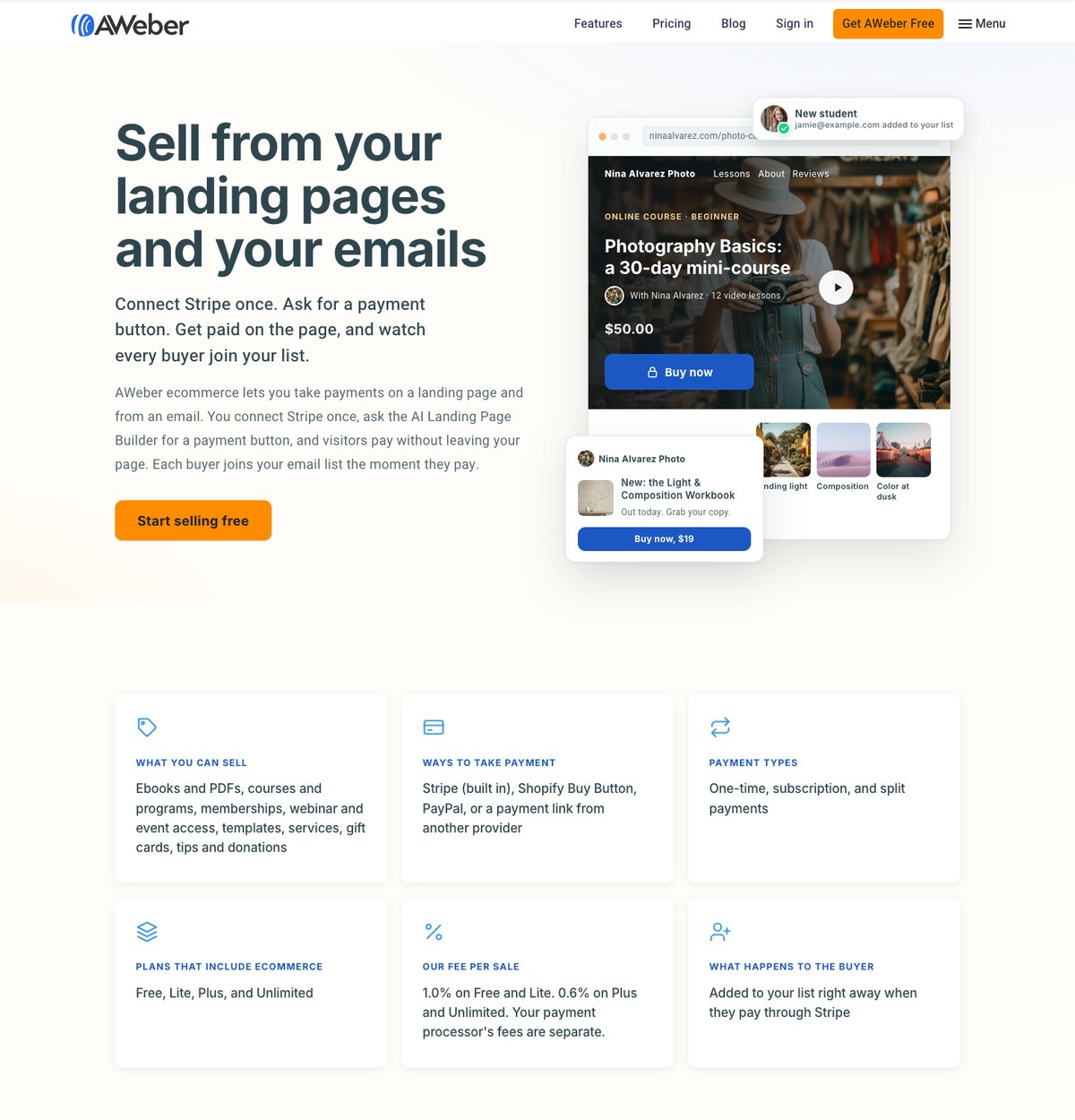
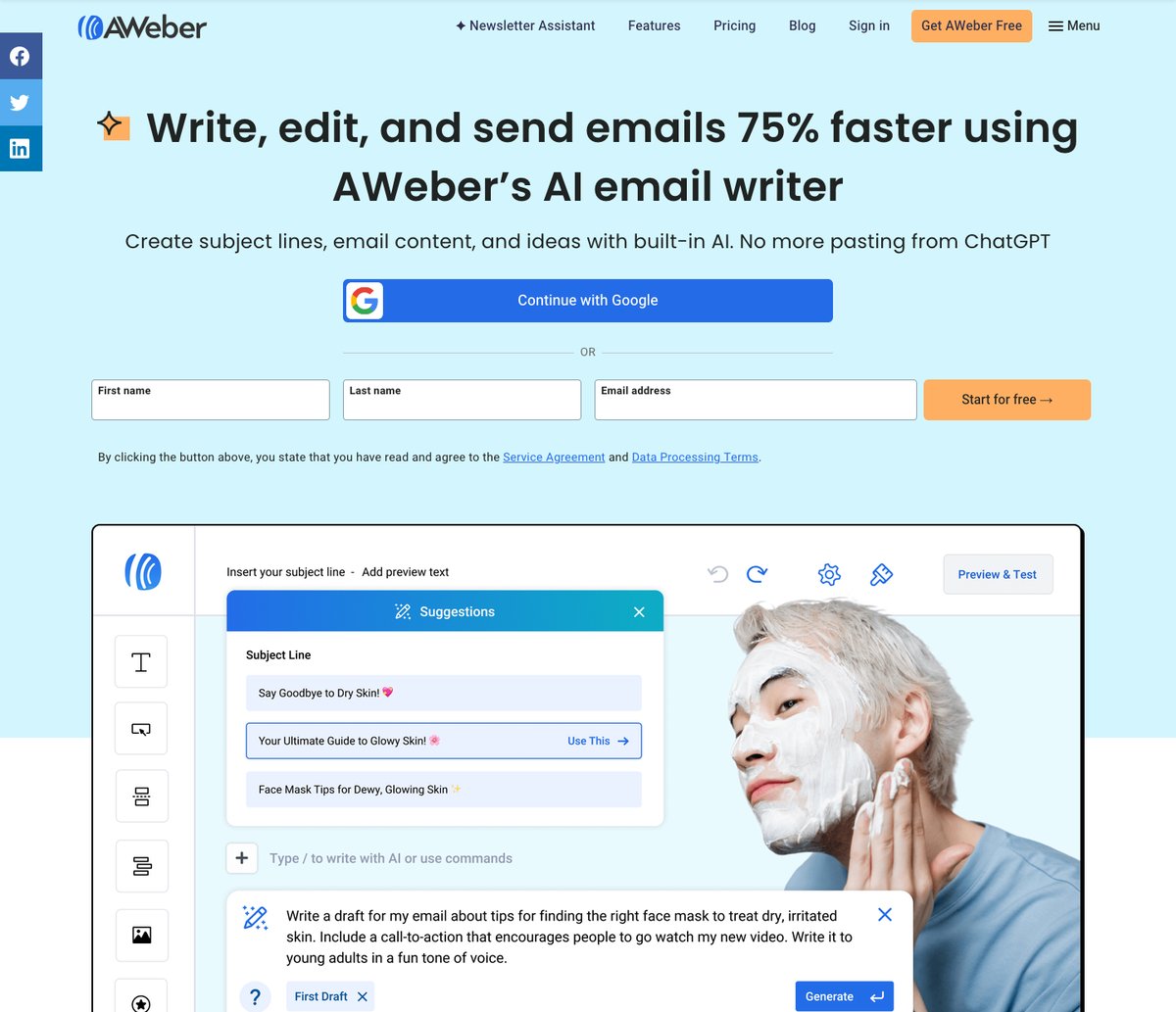
Founded in 1998, AWeber is one of the true pioneers of email marketing. For over two decades, it built its reputation on rock-solid reliability, an extensive library of templates, and accessible customer support—including rare live telephone assistance. Over the years, AWeber has modernized its infrastructure by integrating artificial intelligence (AI) writing assistants, Smart Designer tools, and streamlined e-commerce connections designed to help traditional small businesses transition into online selling.
The Transformation of ConvertKit into Kit
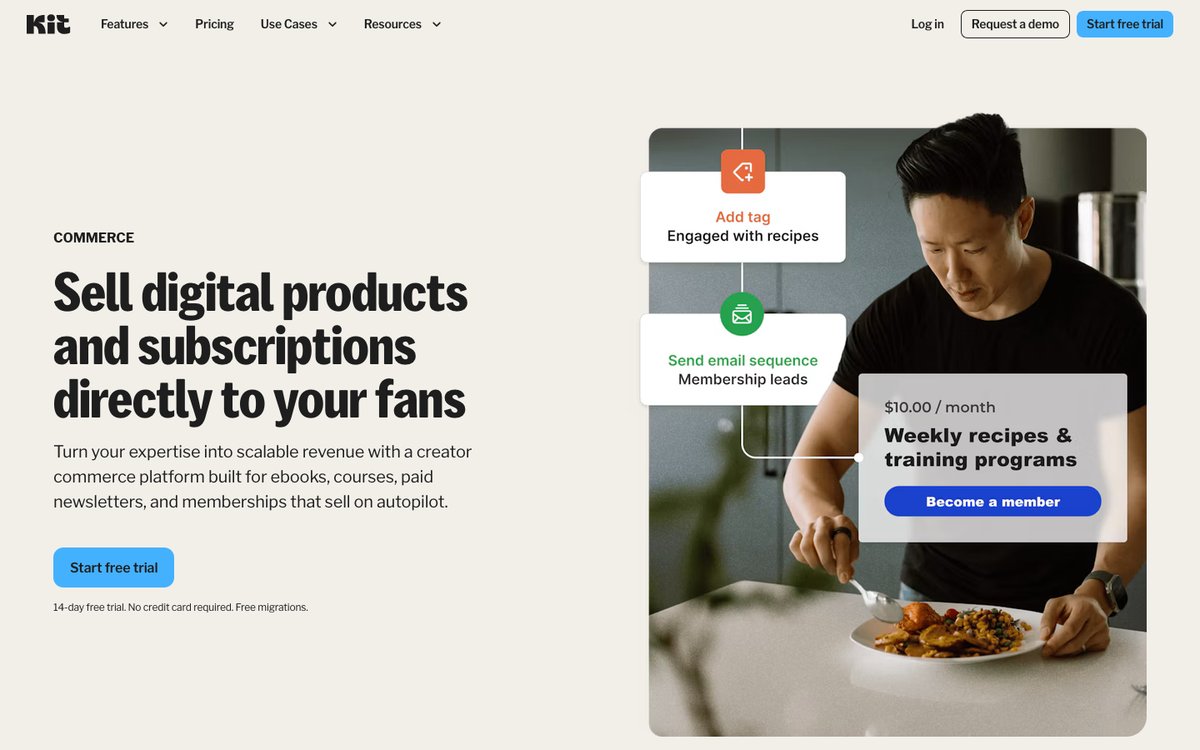
Launched later in the game (2013) specifically tailored for online creators, bloggers, and digital entrepreneurs, ConvertKit rebranded to Kit to reflect its evolution into a full-scale marketing ecosystem. Kit disrupted traditional list-based architectures by pioneering a tag-based subscriber model. This allowed users to organize diverse audiences within a single list without paying extra fees for duplicate contacts. Recently, Kit has aggressively expanded its e-commerce toolset, introducing deep Shopify integrations, automated abandoned checkout sequences, and native digital product sales mechanics.
Supporting Data: Feature Breakdown and Pricing
Our comparative evaluation rests on six core pillars: Pricing, Selling Features, Email Automation, Ease of Use, Templates and Design, and Customer Support.
1. Pricing and List Scaling
- AWeber: Starts at $15/month ($12.50/month billed annually) for the Lite plan (up to 500 subscribers). The Plus tier starts at $30/month ($20/month billed annually).
- Kit: Offers a Free plan for up to 10,000 subscribers (restricted from automations and app integrations). Paid tiers (Creator) start at $39/month ($33/month billed yearly) for 1,000 subscribers.
While AWeber’s initial paid price point is lower for micro-lists, Kit’s pricing structure stabilizes favorably as subscriber counts scale into tens of thousands, particularly when factoring in its unlimited sending limits.
2. E-Commerce and Digital Product Sales
- Kit: Offers native Shopify, WooCommerce, Wix, and Fourthwall integrations. It shines with its dedicated Abandoned Checkout template (which triggers an automated recovery sequence when a user drops off at the final checkout stage) and seamless digital product/membership checkouts with a competitive 0.6% platform fee on sales.
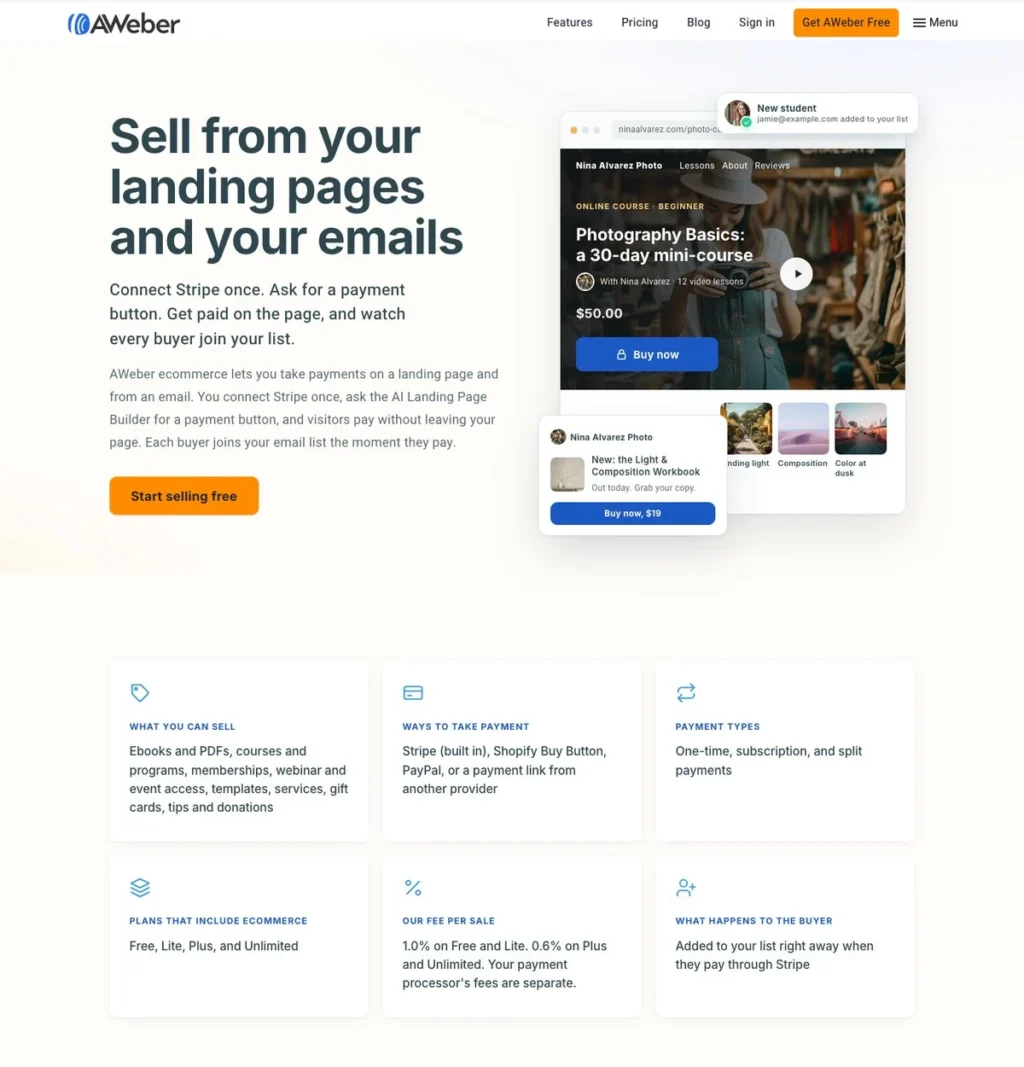
- AWeber: Relies primarily on Stripe and PayPal integrations, tagging buyers based on product purchases. While it supports basic sales funnels and digital goods, its e-commerce workflows feel less native compared to Kit’s purpose-built creator commerce tools.
3. Automation and Segmentation
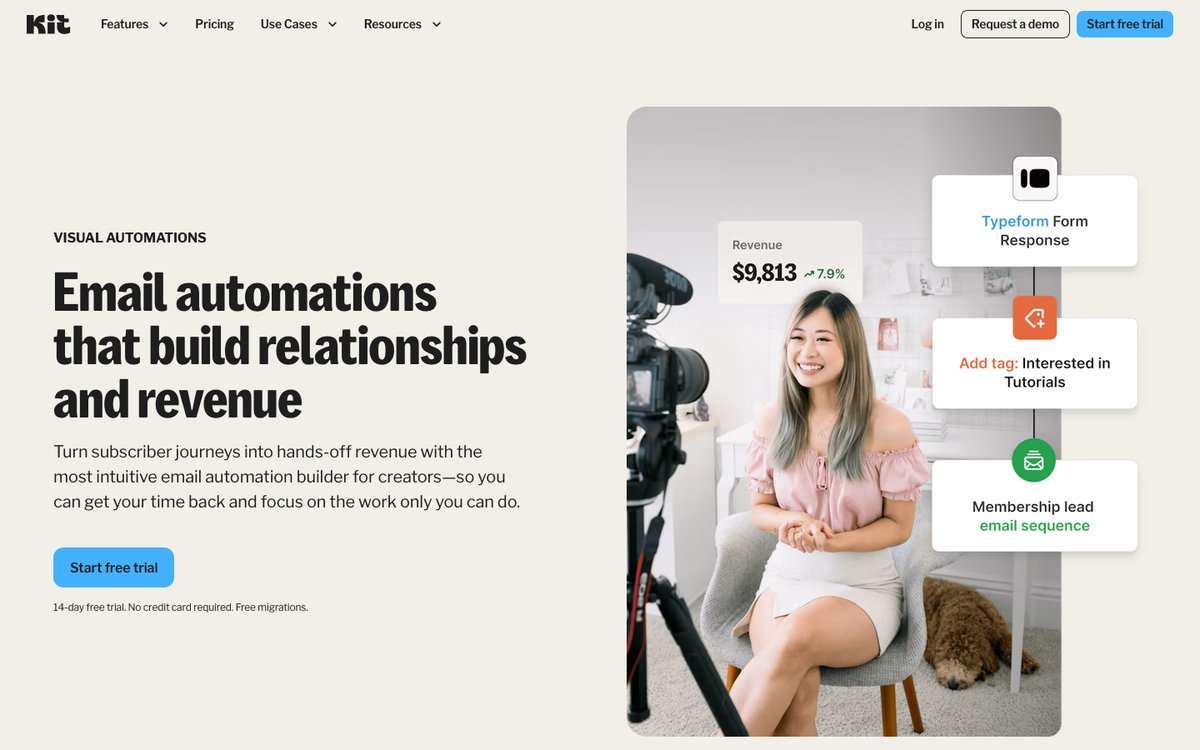
- Kit: Winner of the automation round. The Creator plan unlocks unlimited Visual Automations and pre-built sequence templates. Its tag-based system ensures that a subscriber who buys multiple products is only counted once toward your billing threshold.
- AWeber: The Lite plan caps users at three automations, meaning scaling merchants will quickly need to upgrade to the Plus tier. However, AWeber fights back with native AI copywriting tools built directly into the editor.
Official Responses and Platform Philosophies
When questioned about their target demographics, representatives from both companies emphasize distinctly different value propositions:
- The Kit Philosophy: Kit’s development team positions the platform as an all-in-one growth engine for modern internet businesses. By focusing heavily on creator commerce, landing page conversions, and visual workflow builders, Kit targets users who view their email list as a direct revenue channel for digital products, newsletters, and physical merchandise.
- The AWeber Philosophy: AWeber emphasizes accessibility, hands-on customer success, and comprehensive out-of-the-box design. Their official stance highlights that small business owners should not need a degree in marketing or web design to launch a professional campaign—hence their heavy investment in 24/7 support, phone assistance, and automated AI onboarding.
Implications for Online Store Owners
Choosing between AWeber and Kit ultimately depends on your technical expertise, business model, and immediate growth targets.
- When to Choose Kit: If you run a Shopify store, sell digital courses, manage a paid newsletter, or rely heavily on complex, purchase-triggered behavioral automations, Kit is the superior investment. Despite its higher starting price for paid plans, the depth of its e-commerce tools will save you from cobbling together expensive third-party plugins.
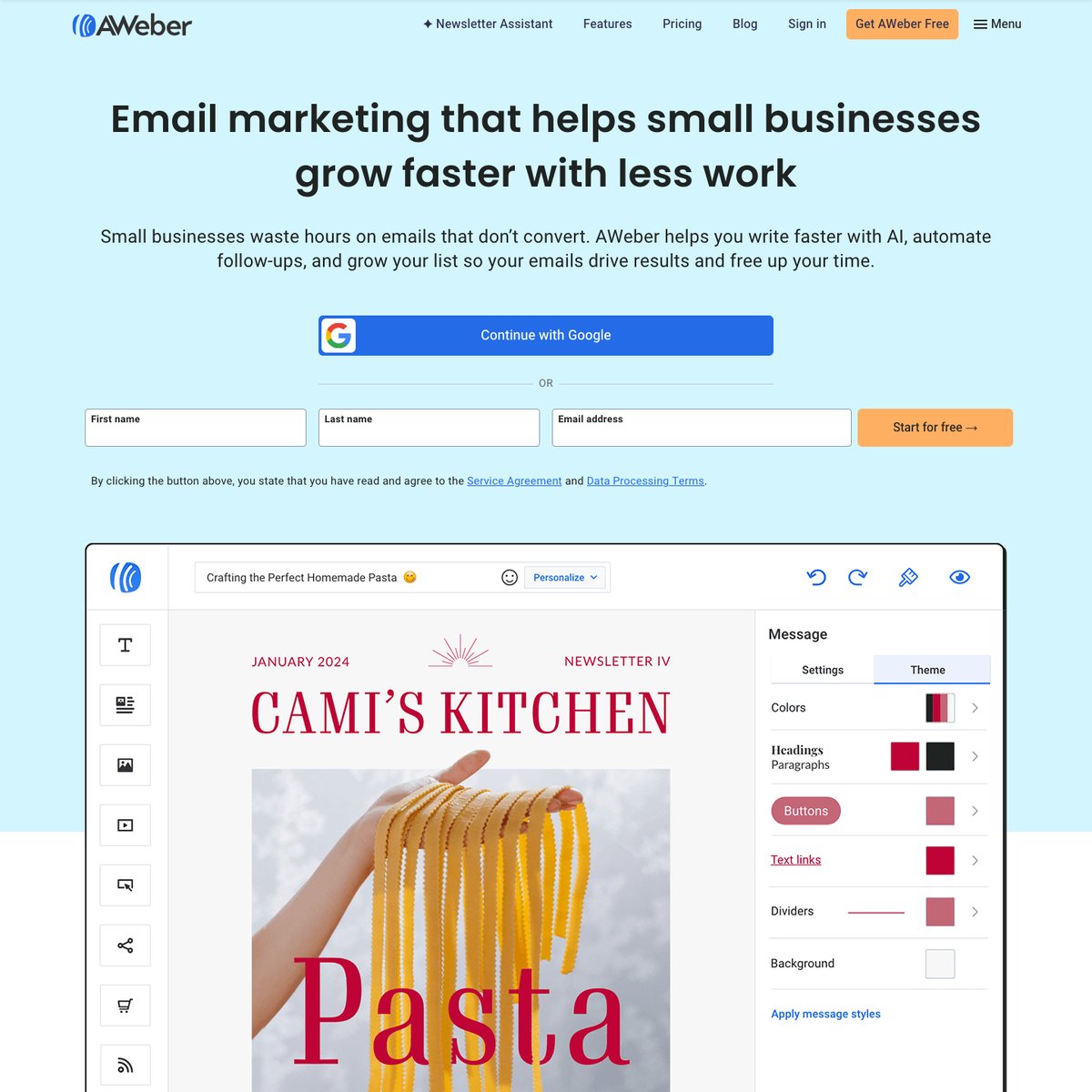
- When to Choose AWeber: If you are a strict beginner operating on a tight budget who requires a safety net of phone support, hundreds of polished templates, and straightforward AI-assisted drafting, AWeber provides a much gentler learning curve.
Final Recommendation
We recommend taking advantage of trial periods before making a long-term commitment. Utilize Kit’s 14-day trial to test out its visual automation canvas and store integrations, then run a parallel test using AWeber’s trial to experience their customer support and template library firsthand. Select the ecosystem that feels most intuitive to your daily workflow.
