
Crazy Egg vs. Mouseflow: A Comprehensive Analysis for Modern CRO Teams
In the competitive landscape of digital experience intelligence, selecting the right optimization stack is a critical decision that impacts both your bottom line and your team’s operational efficiency. Two heavyweights in this space, Crazy Egg and Mouseflow, have long been the go-to solutions for web teams looking to understand user behavior. While both offer robust suites for session recording and heatmapping, their philosophies diverge significantly regarding how they tackle conversion rate optimization (CRO).
This analysis dissects the core capabilities, strategic implications, and functional differences between these two platforms to help your team determine which tool aligns best with your existing infrastructure and business objectives.
The Core Strategic Divide: All-in-One vs. Specialized Diagnostics
At its heart, the choice between Crazy Egg and Mouseflow comes down to whether you prioritize integrated experimentation or specialized friction diagnostics.
- Crazy Egg is designed as a centralized "control center" for CRO. By bundling heatmaps, session recordings, comprehensive web analytics, and native A/B testing into a single subscription, it allows teams to move from insight to action without leaving the platform. It is particularly well-suited for organizations that want to consolidate their tool stack and reduce vendor sprawl.
- Mouseflow is architected as a specialized diagnostic engine. It excels at surfacing technical and behavioral friction through sophisticated quantitative metrics like its proprietary Friction Score. It is the preferred choice for mature digital teams that already have a dedicated experimentation platform and are looking for a deep-dive, granular layer of behavioral intelligence.
Chronology of Evolution: How We Got Here
The evolution of these tools reflects the shifting needs of the modern web developer and marketer.
- Early Days: Both tools began as simple heatmap providers. In the mid-2010s, the market shifted from static click-tracking to dynamic session replays.
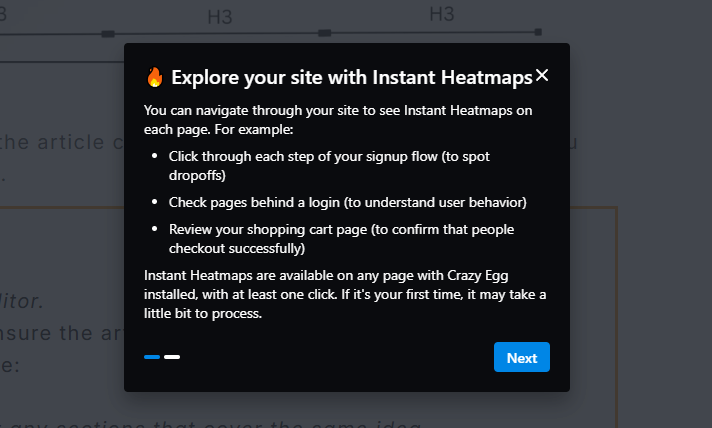
- The Mid-Transition: Mouseflow aggressively pursued technical performance metrics, such as form field-level analytics and complex session filtering. Meanwhile, Crazy Egg focused on usability and democratizing CRO, introducing "Instant Heatmaps" and intuitive visual editors that allowed non-technical marketers to launch A/B tests.
- The AI Era: Within the last 24 months, both platforms have pivoted toward AI integration. Crazy Egg has prioritized automated insight generation across all reports, while Mouseflow has leaned into conversational AI assistants and API-first data accessibility, allowing developers to pipe data into custom machine learning models.
Deep Dive: Feature Breakdown and Technical Capabilities
1. Heatmap Versatility and Segmentation
Heatmaps remain the baseline for visual analytics. While both platforms offer standard click and scroll maps, their methodologies differ.
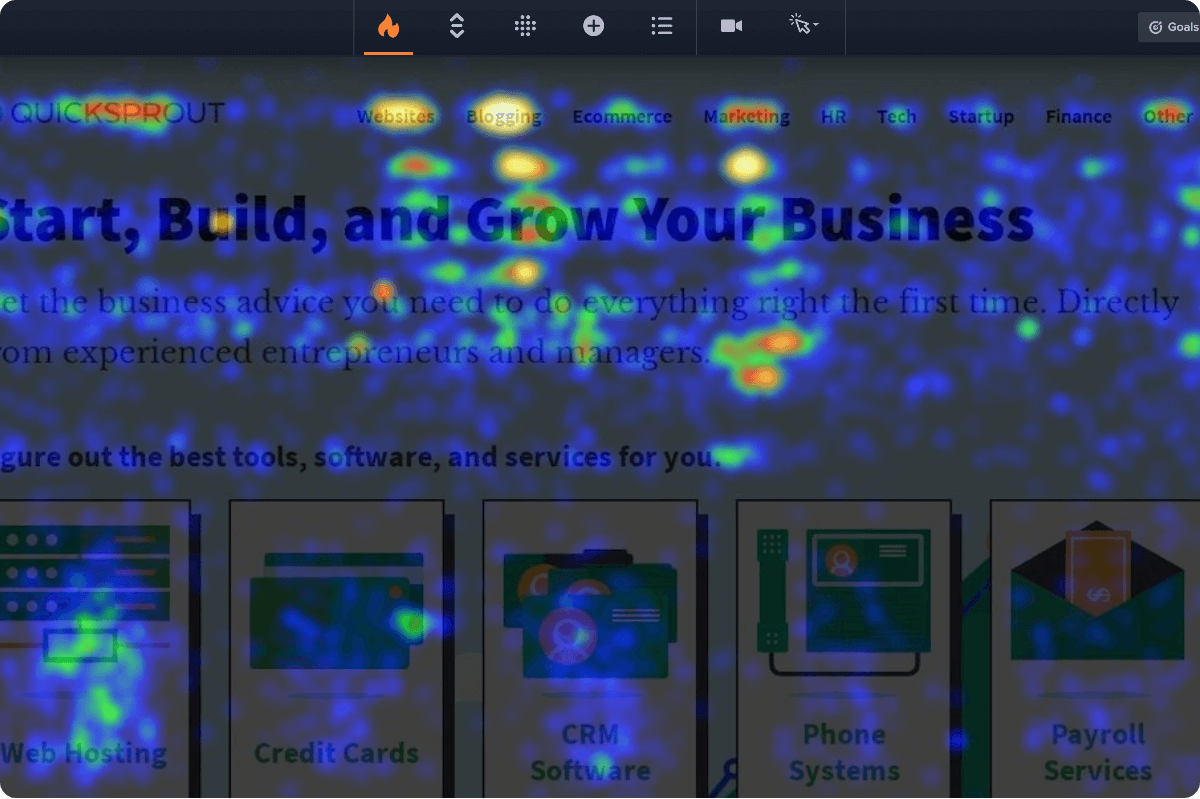
- Crazy Egg’s Confetti Maps: These offer unparalleled segmentation. With 17+ metrics—including referral source, browser type, and device—teams can slice data to see exactly how different cohorts interact with a page.
- Mouseflow’s Specialized Maps: Mouseflow offers seven map types, including unique views like Attention and Geo heatmaps. Their ability to perform cross-type comparison (e.g., comparing click density vs. scroll depth on the same screen) provides a more granular view of page performance.
2. Session Recordings and Friction Detection
Both tools capture the full HTML/CSS journey, but the presentation of that data varies.
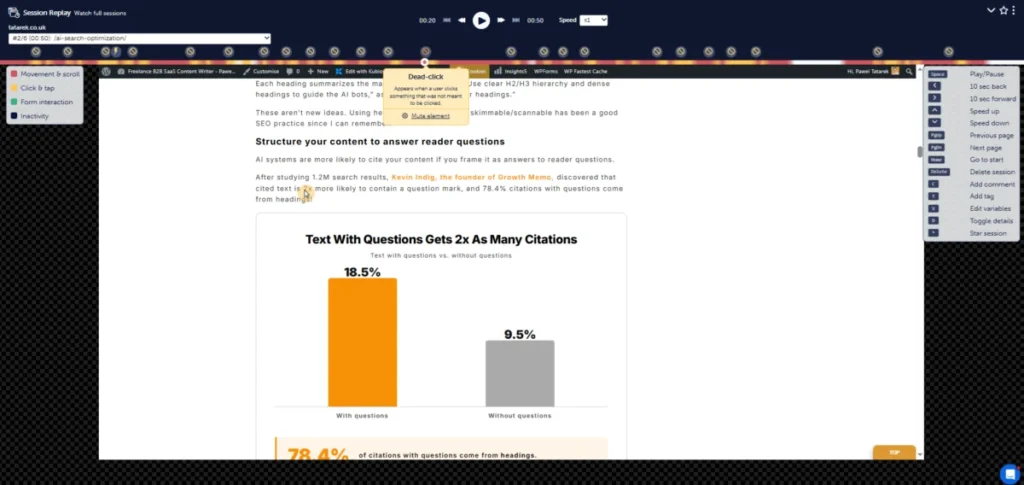
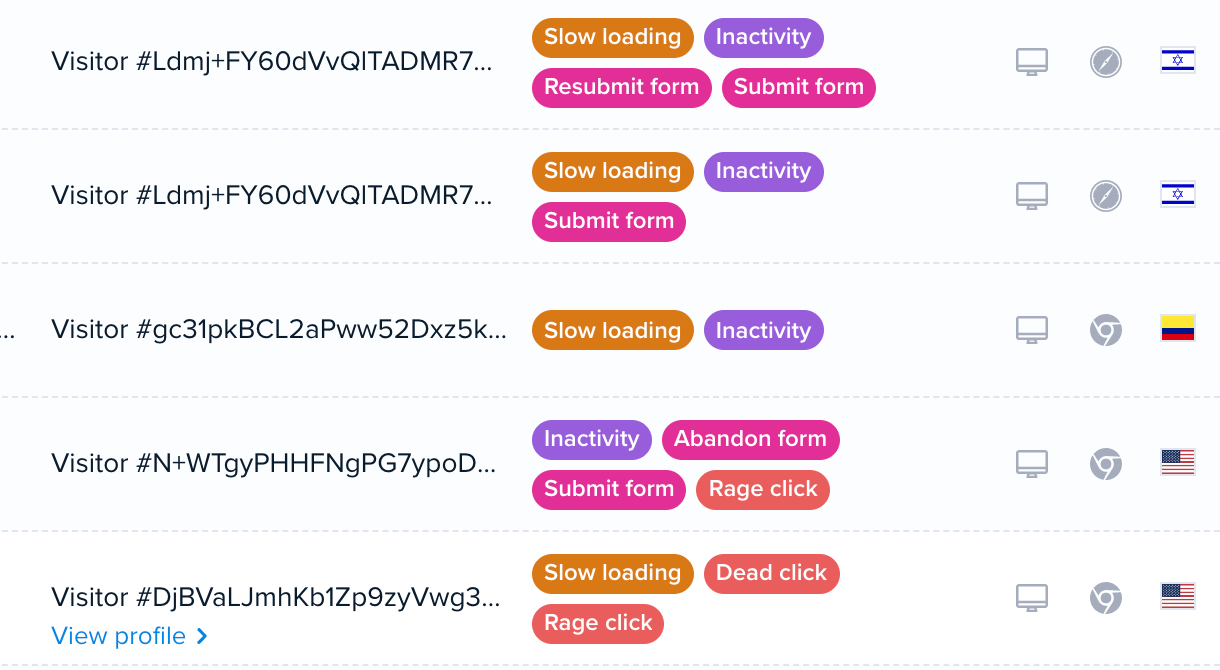
- Crazy Egg’s Tagging System: Crazy Egg uses an automated tagging system (18+ tags) to identify friction points like "rage clicks" or "slow loading." These tags allow users to filter thousands of sessions to find the needle in the haystack.
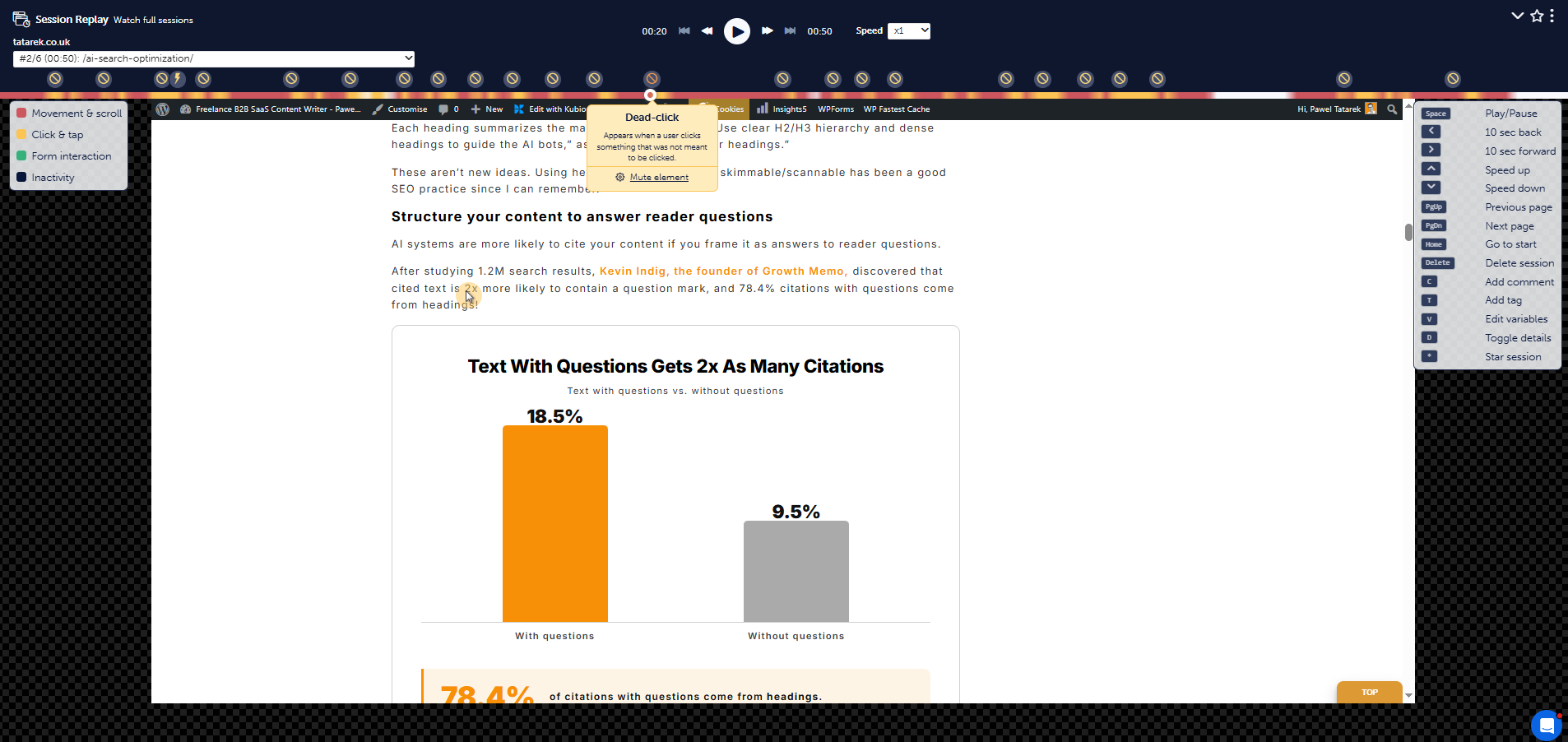
- Mouseflow’s Live Viewing: A standout feature for Mouseflow is the ability to watch sessions in real-time. This is invaluable for support teams and high-stakes checkout flows. Additionally, Mouseflow provides a "Friction Score," a calculated metric that quantifies how much struggle a user is facing, allowing teams to prioritize issues based on severity.
3. Conversion Funnels and Revenue Attribution
Funnels are where the two platforms reveal their primary business objectives.
- Crazy Egg (Unlimited Funnels): The platform offers retroactive funnel building, meaning you can define a path today and see historical performance immediately. Its strength lies in its simplicity and the ability to trigger recordings specifically for users who drop off at a certain stage.
- Mouseflow (Revenue-Centric): Mouseflow distinguishes itself with Revenue Insights. By assigning monetary values to funnel steps, businesses can calculate the exact dollar amount lost to specific points of friction. This is a powerful feature for e-commerce managers who need to report ROI directly to stakeholders.
Supporting Data: The Pricing and Value Model
The financial structure of these tools dictates how they scale within an organization.
| Capability | Crazy Egg | Mouseflow |
|---|---|---|
| Pricing Model | Tracked Pageviews | Session-based |
| Site/Seat Limits | Unlimited | Capped |
| A/B Testing | Native Included | None (Survey-only) |
| Free Tier | Yes (Feature-rich) | Yes (500 sessions/mo) |
Implications of Billing:
Crazy Egg’s pageview-based model is generally more predictable for organizations that have specific high-traffic landing pages they wish to monitor, as they can "turn off" tracking for pages that don’t need analysis. Mouseflow’s session-based model is more traditional but requires careful monitoring to ensure the company doesn’t hit session caps, which can lead to gaps in data collection.
Official Stance and AI Integration
The industry is moving toward "Answer-Engine" style analytics.
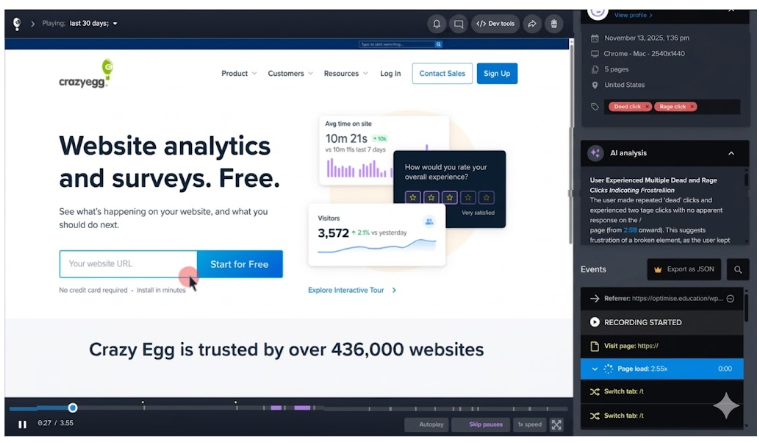
Crazy Egg takes an "Automatic Insights" approach. Its AI doesn’t just present data; it attempts to summarize what the data means for the user. For instance, it can detect if a button is being ignored or if a form is consistently causing users to bounce. This is ideal for teams that lack dedicated data analysts.
Mouseflow takes an "Assisted Analysis" approach. By providing a conversational chat assistant and an MCP (Model Context Protocol) server, they empower developers to treat the platform as a data source. If you have an in-house data science team, Mouseflow provides the raw materials to build custom predictive models regarding user churn.
Implications for Your Team
Why Choose Crazy Egg?
- The All-In-One Argument: If your team uses separate tools for heatmaps, analytics, and A/B testing, you are paying for three integrations and three interfaces. Consolidating to Crazy Egg can save significant overhead and reduce the "integration fatigue" that often plagues growth teams.
- Accessibility: Its WCAG AAA-compliant surveys and ease of use make it the better choice for organizations that need to involve non-technical staff in the optimization process.
Why Choose Mouseflow?
- The Technical Friction Argument: If you are a high-volume e-commerce site or a SaaS platform where technical errors (like JavaScript failures or form validation bugs) are the primary cause of churn, Mouseflow’s Friction Score and form-level analytics are superior.
- External Experimentation: If your team is already married to a tool like Optimizely or VWO, you don’t need Crazy Egg’s A/B testing. In this case, Mouseflow’s deeper, specialized diagnostic features add more value to your existing stack.
Final Verdict
The selection process should be dictated by your current operational bottlenecks.
If your team is struggling with coordination and efficiency—moving between different tools to identify a problem, build a test, and measure the results—Crazy Egg is the clear winner. Its ability to host the entire lifecycle of an experiment within a single, unified interface provides a level of agility that is difficult to replicate with disparate tools.
Conversely, if your team is struggling with precision and deep-dive technical diagnostics—if you already have a roadmap for testing and you simply need the most accurate, data-rich diagnostic engine to feed your experiments—Mouseflow provides the sophisticated friction tracking and revenue-based insights required to optimize complex, high-traffic user journeys.
Ultimately, both platforms have reached a high level of maturity. Whether you choose the comprehensive "all-in-one" path of Crazy Egg or the "specialized diagnostic" path of Mouseflow, the most important step is moving from passive observation to active, data-driven optimization. For those leaning toward the consolidated approach, taking advantage of the 30-day Crazy Egg trial is a low-risk way to stress-test their integrated workflow against your current needs.
