

Beyond Demographics: How Audience Intelligence is Redefining Modern Marketing Strategy
In the fast-paced digital ecosystem, the shelf life of a buyer persona is shorter than ever. Marketing teams that rely on static, outdated demographic profiles—often buried in a PDF deck created years ago—are essentially flying blind. As consumer preferences shift with the speed of a social media trend, brands are increasingly turning to audience intelligence to bridge the gap between "who we think our customers are" and "who they actually are today."
Audience intelligence is the ongoing, data-driven practice of mapping the motivations, behaviors, influences, and evolving interests of your target market. It is not a one-time project; it is an iterative insurance policy against irrelevance.
What Is Audience Intelligence?
At its core, audience intelligence is the systematic analysis of data to uncover the "why" behind consumer behavior. While traditional market research relies on snapshots like focus groups or annual surveys, audience intelligence is a living, breathing process. It synthesizes disparate data points—social media activity, website interactions, search trends, and CRM insights—to build a multidimensional view of the consumer.

The distinction between audience intelligence, social listening, and traditional market research is critical for modern strategists:
- Audience Intelligence: Focuses on the "who" and "why." It analyzes motivations and affinities to provide a holistic, ongoing profile of the audience.
- Social Listening: Focuses on the "what." It tracks real-time conversations, sentiment, and volume around specific topics or brand mentions.
- Market Research: Focuses on the "how" and "how much." It is typically project-based, using structured surveys and panels to answer specific, singular business questions.
The Evolution of Consumer Insight
The necessity for audience intelligence stems from the fragmentation of the digital landscape. A decade ago, a "25-to-34-year-old female" was a functional segment. Today, that label is insufficient. Modern marketing requires granularity—understanding that within that age group, there are vastly different segments defined by lifestyle choices, values, and purchasing triggers.
The Shift from Hype to Reality
One of the most powerful applications of audience intelligence is its ability to separate genuine trends from fleeting hype. Consider the "protein-forward" food movement. Data shows that while 40% of consumers track their protein intake, the behavior is not uniform across demographics. Industry data reveals that 62% of Boomers are actively monitoring protein consumption, whereas the number drops significantly for Gen Z. A snack brand targeting teenagers with a "high protein" messaging strategy might find itself missing the mark entirely. Audience intelligence identifies these nuances before the budget is spent on a misaligned campaign.

Why Marketing Teams Must Adopt This Framework
The implications for marketing teams are profound. By integrating audience intelligence into the strategic workflow, brands can achieve higher conversion rates, more relevant content, and superior competitive positioning.
1. Refined Segmentation
Instead of broad demographic buckets, intelligence allows for psychographic segmentation. You stop targeting "men, 46–61" and start targeting "frequent travelers who prioritize convenience over price." This level of detail transforms a generic ad spend into a targeted, high-intent campaign.
2. Sharpened Positioning and Messaging
When marketing messaging screams "innovation" but your data shows your customers value "reliability," you are fighting a losing battle. Audience intelligence identifies these disconnects by surfacing the exact language and values your audience uses to describe their own pain points.

3. Data-Driven Content Strategy
Content calendars are often populated with "best guesses." Audience intelligence shifts this by uncovering exactly what the audience is searching for and what questions they are asking. For example, a financial services firm might assume its young audience wants content about complex stock trading, only to find that the data shows a deep concern for building emergency funds and managing entry-level paychecks.
4. Competitive Advantage
By monitoring the audiences of your competitors, you can identify why they are gravitating toward other brands. Are they drawn by sustainability? Are they first-time buyers seeking education? Understanding the "why" behind a competitor’s success allows you to pivot your own strategy to capture that same segment.
Building an Audience Intelligence Practice: A Step-by-Step Guide
Building a sustainable intelligence practice requires a shift in how teams handle data. It is a transition from reactive reporting to proactive strategy.

Step 1: Start with a Business Problem
Avoid the trap of "data for data’s sake." Start with a tangible question. Are you losing market share in a specific region? Why is one product line underperforming? Johanna Moscoso, Director of Audience Intelligence at Moonbug Entertainment, emphasizes that "the work has to start with the business question. If it isn’t tied to a real problem or decision, you’re going to end up with interesting information that you don’t know what to do with."
Step 2: Centralize Data Streams
No single tool holds the entire truth. An effective practice integrates:
- Social Data: Engagement and follow metrics.
- Customer Records (CRM): Purchase history and support interactions.
- Search and Website Data: Intent-based queries.
- Third-Party Market Data: Industry-wide consumer panels.
Step 3: Develop a Living Model
Move away from static personas. Create a "living model" that categorizes information into Knowns, Supported Hypotheses, and Unknowns. This keeps the team honest about what is statistically proven versus what is still a working theory.
Step 4: Leverage AI for Pattern Recognition
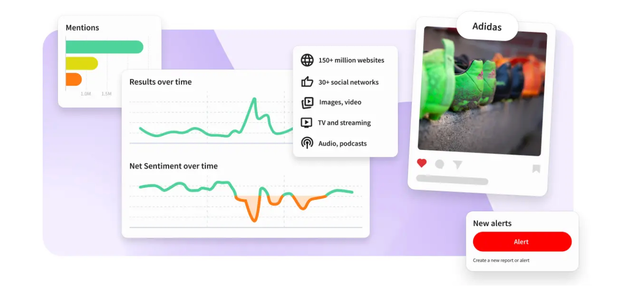
Modern data volumes are too large for manual review. AI tools act as force multipliers, processing millions of data points to identify shifts in sentiment or emerging topics of interest. However, the human element remains paramount; AI can surface the pattern, but the marketing team must provide the context to decide if that pattern matters to the brand’s specific goals.
Common Pitfalls to Avoid
Even the most well-intentioned programs can fail if they fall into common traps:
- The "Confirmation Bias" Trap: Entering a study with a desired conclusion and only looking for data to support it. True research often reveals uncomfortable truths that contradict our initial assumptions.
- Over-reliance on Automation: AI is a tool, not a strategy. It lacks the nuance of brand history, sales cycle constraints, and competitive context.
- Ignoring Non-Demographic Data: Limiting analysis to age, gender, and location ignores the deeper psychological drivers that actually trigger a purchase.
The Future of Intelligence: The Hootsuite Approach
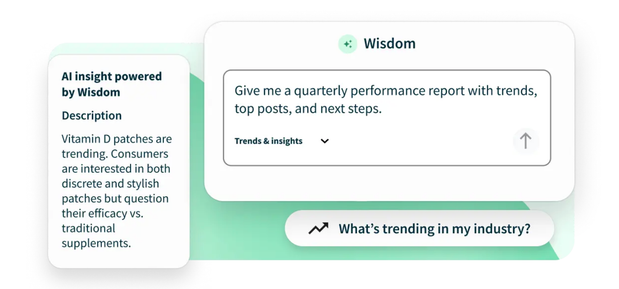
Companies like Hootsuite are streamlining this process by integrating intelligence directly into the content lifecycle. Through tools like Lumen, which scans over 150 million sources, teams can gain a macro view of industry conversations. Wisdom then allows marketers to ask plain-language questions of their data, surfacing insights without requiring a degree in data science. Finally, Perch enables teams to turn these insights into immediate, publishable content, closing the loop between data discovery and execution.
Conclusion: Turning Insights into Action
Audience intelligence is the difference between guessing and knowing. In an era where consumer attention is the scarcest resource, the ability to anticipate needs and speak to values is a decisive competitive edge. By building a process that is ongoing, data-agnostic, and human-led, marketing teams can stop running on assumptions and start building strategies that resonate, convert, and endure.
The data is there. The tools are ready. The only question remains: are you listening to what your audience is actually telling you?
