
The New Frontier of Digital Visibility: Why LLM Rankings are the Next SEO Evolution
Large Language Models (LLMs) have transcended their status as mere technological novelties. Today, they function as the primary architects of consumer discovery and decision-making. If the traditional Google Search experience was a sprawling digital map that users had to navigate themselves, modern AI assistants—like ChatGPT, Gemini, Claude, and Perplexity—act as expert tour guides. They do not merely provide a list of blue links; they synthesize information, offer curated recommendations, and directly answer complex queries, effectively sidelining traditional search results.
For brands, this shift introduces a critical new performance metric: LLM Rankings. These rankings represent your brand’s visibility within AI-generated responses. In an ecosystem where an AI assistant’s answer is often the final word for a consumer, failing to track these rankings is no longer just an oversight—it is a strategic vulnerability that could lead to a silent erosion of market share.
The Paradigm Shift: From SEO to AIO
Think of LLM rankings as "SEO for AI assistants." In the legacy web model, brands competed for a top-ten spot on a Google search results page. In the age of Artificial Intelligence, you are competing for "inclusion" within the generative response of an LLM.
When a potential customer asks, "What is the best project management software for a mid-sized marketing team?" they are not looking for a list of ten websites. They are looking for an authoritative, synthesized recommendation. If your brand is not mentioned in that response, you have essentially lost a high-intent lead to a competitor, without ever having the chance to make your pitch. This is the new reality of "AIO"—Artificial Intelligence Optimization.
Chronology: The Evolution of Search
The journey to this point has been swift:
- 2000–2015: The Golden Age of Keyword SEO. Optimization was defined by meta-tags, keyword density, and backlink volume.
- 2016–2022: The Semantic Web and Knowledge Graphs. Search engines began focusing on intent rather than just keywords, introducing featured snippets and direct answers.
- 2023–Present: The Generative Explosion. With the release of GPT-4 and subsequent models, the "Search" experience shifted from retrieval to synthesis. We have entered the era of the "Answer Engine," where the user journey often ends at the AI response.
Why Brands Cannot Afford to Ignore LLM Rankings
Ignoring the visibility of your brand within LLM responses is akin to ignoring the rise of search engines in the mid-2000s. The implications are profound:
- High-Intent Conversion: Users querying AI models often have a specific, immediate need. Their intent is typically further down the funnel than a broad search query.
- Brand Authority: Being cited by an AI model provides a "third-party endorsement" effect that builds trust with the user.
- The "Zero-Click" Reality: As LLMs improve, users are less likely to click through to external websites. If you aren’t in the answer, you are invisible.
The "Big Four" Ecosystem
While there are many AI models, four platforms currently dominate the landscape. Because you cannot predict which tool your target audience prefers, a multi-platform strategy is essential.
- OpenAI (ChatGPT): The market leader in consumer mindshare. Its dominance makes it the primary testing ground for brand visibility.
- Google Gemini: Holds a unique competitive advantage through its deep integration with the Google SERP (Search Engine Results Page).
- Anthropic (Claude): Increasingly favored by enterprise users and those seeking high-quality, nuanced writing and logical reasoning.
- Perplexity: The true "search-first" AI. It is designed to act as a research engine, making it a critical hub for high-intent B2B and B2C queries.
The Necessity of API-Driven Analysis
LLMs are not static; they evolve with rapid model updates. To understand how your brand is perceived, you must utilize the most current models available via API. Relying on browser-based interfaces is insufficient because they are often optimized for personal user history. API-based testing allows for a neutral, scalable, and repeatable audit of how your brand is being represented in a vacuum.
The Methodology: How to Track LLM Rankings
Because there is currently no native "LLM Search Console," businesses must build a custom tracking architecture. The process involves:
- Defining the Prompt Universe: Identify the questions your customers are actually asking.
- Automated Execution: Programmatically querying models (e.g., GPT-4o, Claude 3.5 Sonnet) at scale.
- Sentiment and Contextual Analysis: Measuring not just if your brand is mentioned, but how. Are you being positioned as a premium solution or a budget-friendly alternative?
- Longitudinal Tracking: Comparing results over time to identify trends in AI bias or changing recommendation patterns.
The Role of Prompt Engineering
Your ranking results are only as valid as the prompts you use to generate them. Effective prompt sets must account for:
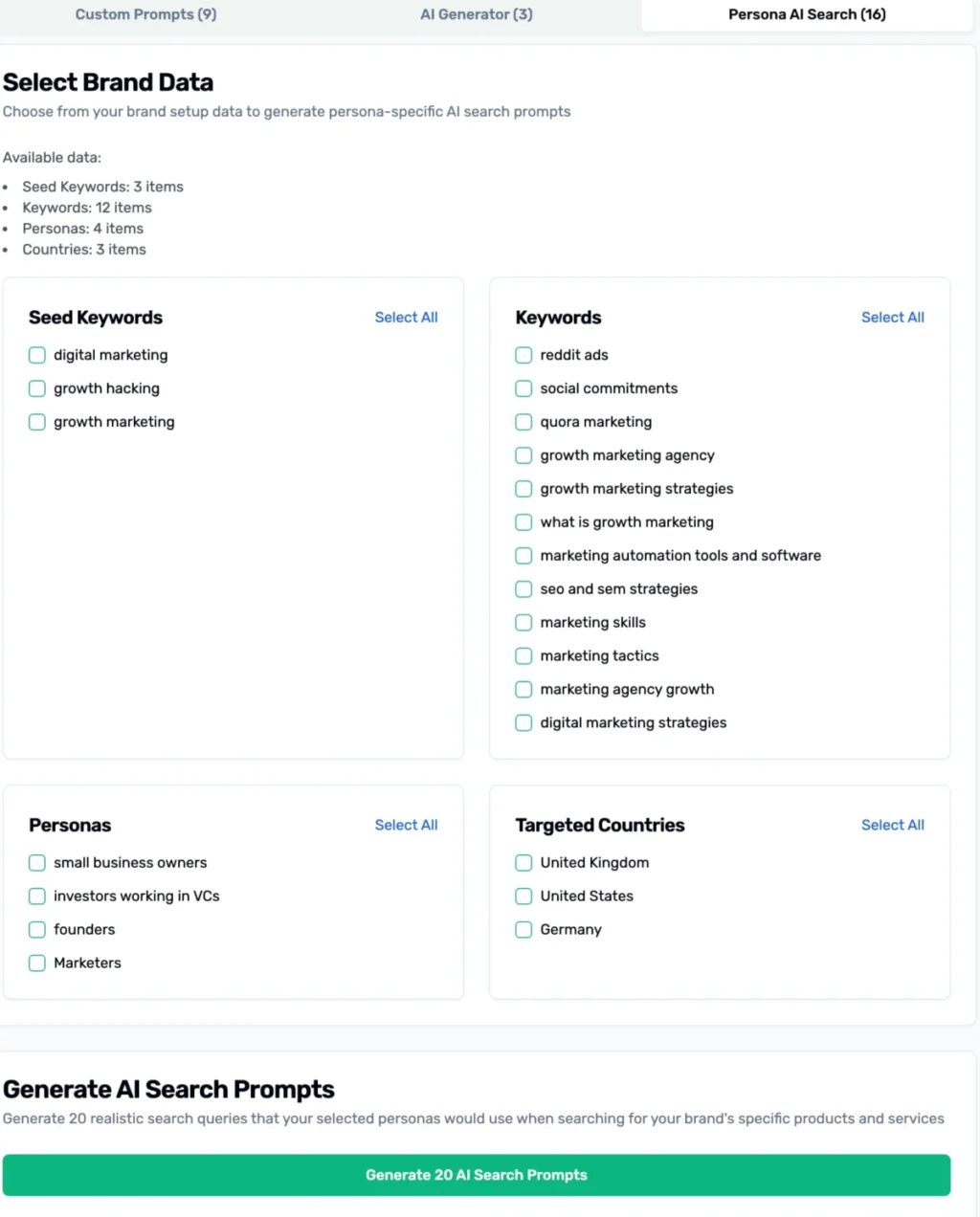
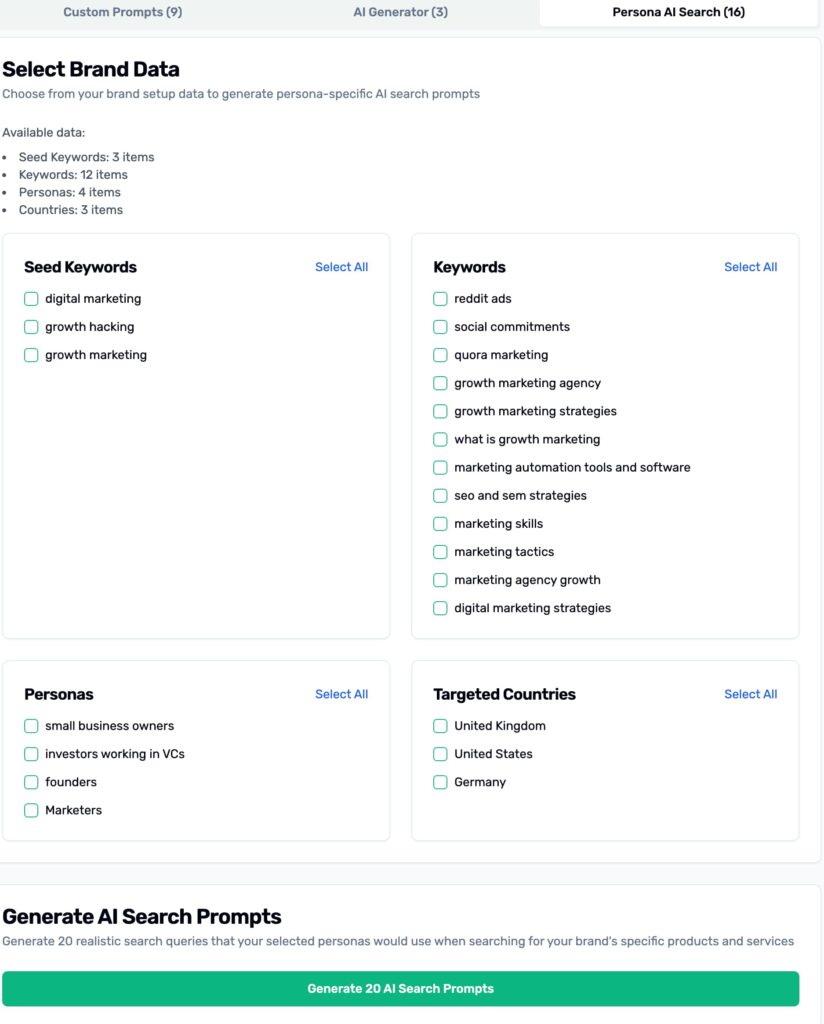
- User Persona: "Act as a CTO looking for cloud infrastructure."
- Geographic Context: "What are the best local services in London?"
- Comparative Intent: "Compare Brand X with Brand Y."
Implications of AI-Driven Traffic
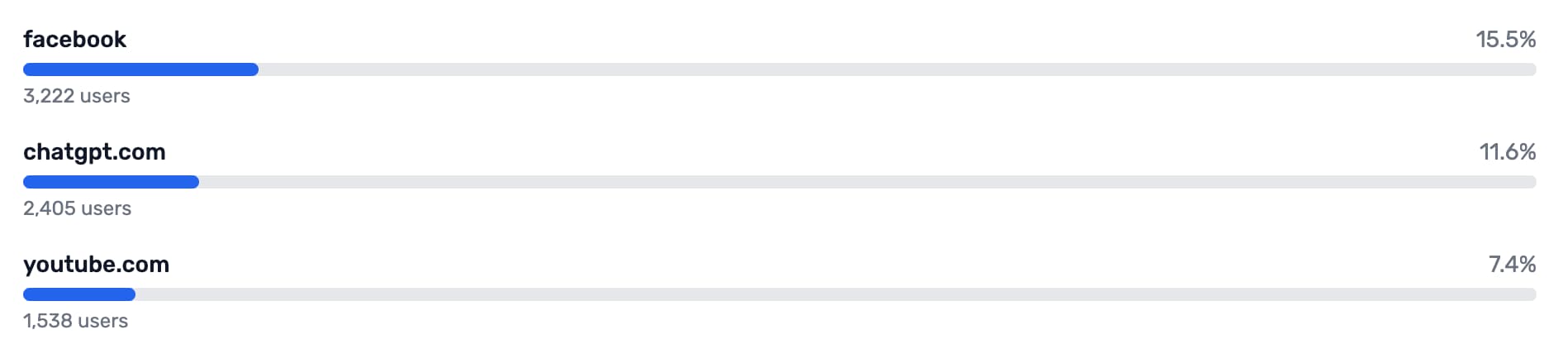
Current data suggests that LLM-driven traffic can account for 10–13% of total inbound visits, and this number is expected to climb. More importantly, this traffic is of significantly higher quality. Like long-tail SEO keywords, AI recommendations act as a filter. When an AI recommends your product, the user has already received a curated, context-aware suggestion, leading to higher conversion rates and lower bounce rates.
The Financial Reality
Is there a cost to this? Absolutely. The costs are three-fold:
- API Consumption: The raw cost of querying LLMs thousands of times per month.
- Infrastructure: The cost of storing, indexing, and analyzing the massive volume of unstructured text data.
- Human Expertise: The cost of the talent required to interpret these results and turn them into actionable marketing strategies.
Mathematically, if a company runs 5,000 queries per month across four models with a mix of text and image processing, the overhead for data acquisition alone can climb into the thousands. However, when weighed against the cost of losing market share in the primary discovery channel of the next decade, this is a necessary investment.
Moving from Analysis to Optimization
Once you have the data, the true work begins. Tracking is merely the diagnostic; "AIO" is the treatment. Strategies to influence LLM rankings include:
- Structured Data and Schema: Ensuring your brand’s core information is easily digestible by crawlers.
- High-Authority Content: Publishing content that aligns with the factual, authoritative tone that LLMs are trained to prioritize.
- Mention Velocity: Encouraging legitimate third-party mentions across the web, as LLMs draw from these training data points to form their "opinions" on brand quality.
Conclusion: The New Battleground
The era of the "blue link" is sunsetting. We are moving into a future where the interface between a brand and its customer is a conversation. Brands that take the initiative to monitor their presence in this conversation will thrive, while those that remain tethered to outdated SEO methodologies will find themselves increasingly isolated.
LLM rankings are not a transient tech fad; they represent a fundamental shift in the architecture of information. The brands that master this new battleground will own the customer’s decision-making process at the point of origin. The question for your organization is not if you should start tracking, but how quickly you can adapt to the new reality of AI-driven discovery.
