
The Data-Driven Advantage: Mastering Customer Insights for Strategic Growth
In an era defined by digital saturation, why do certain brands consistently resonate with their audience while others struggle to find their footing? The answer lies not in luck, but in the sophisticated application of customer insights and analytics. By systematically gathering data, listening to feedback, and interpreting behavioral trends, businesses can move beyond guesswork, crafting exceptional user experiences that drive long-term profitability.
This comprehensive analysis explores the mechanisms of customer intelligence—the art of understanding the "why" behind every click, purchase, and bounce.

What Are Customer Insights?
At its core, customer insight is the interpretive layer applied to raw customer data. It is the synthesis of quantitative metrics and qualitative feedback that informs strategic business decisions. While data tells you what is happening, insights explain why it is happening.
These insights are derived from a multi-dimensional approach:

- Quantitative analysis: Tracking traffic, conversion rates, and bounce rates.
- Qualitative analysis: Gauging sentiment, motivations, and pain points.
- Trend identification: Observing shifts in market demand and consumer preferences over time.
By integrating these data points, businesses can create a 360-degree view of their customer journey, allowing for proactive rather than reactive decision-making.
The Intersection of Insights and Analytics
While the terms are often used interchangeably, there is a technical distinction. Customer analytics represents the implementation—the technological stack used to collect, track, and interpret interactions. Customer insights represent the outcome—the actionable wisdom derived from those technologies.
Think of analytics as the hardware and software (like Google Analytics 4 or Microsoft Clarity) and insights as the strategic blueprint created by the marketing team. Without the robust foundation of analytics, insights remain speculative. Without insights, analytics remain a collection of disconnected numbers.
Core Analytical Techniques:
- Predictive Modeling: Using historical data to forecast future behavior.
- Segmentation: Grouping users based on shared characteristics to personalize outreach.
- Cohort Analysis: Tracking how specific groups of users interact with a product over time.
The Purpose: Why Aligning with Customers Matters
The primary function of customer insights is to maintain harmony between business offerings and evolving consumer needs. In a volatile market, failure to adapt is a primary driver of attrition.
Strategic insights allow organizations to answer the most critical questions in the boardroom:
- Which customer segments provide the highest lifetime value?
- What specific barriers are preventing the completion of a purchase?
- How are competitor offerings shifting the perception of our brand?
By utilizing data to answer these questions, companies can optimize their marketing spend, refine their product roadmaps, and ultimately increase customer satisfaction—the strongest indicator of long-term growth.
Methodology: How to Gather Actionable Insights
Gathering data requires a structured approach. We categorize these methods into four primary pillars: Market Research, Website Data, Social Media Intelligence, and Direct Customer Feedback.
1. Market Research: The Pre-Conversion Phase
Market research is essential even before a product reaches the market. It validates demand and shapes pricing strategies.
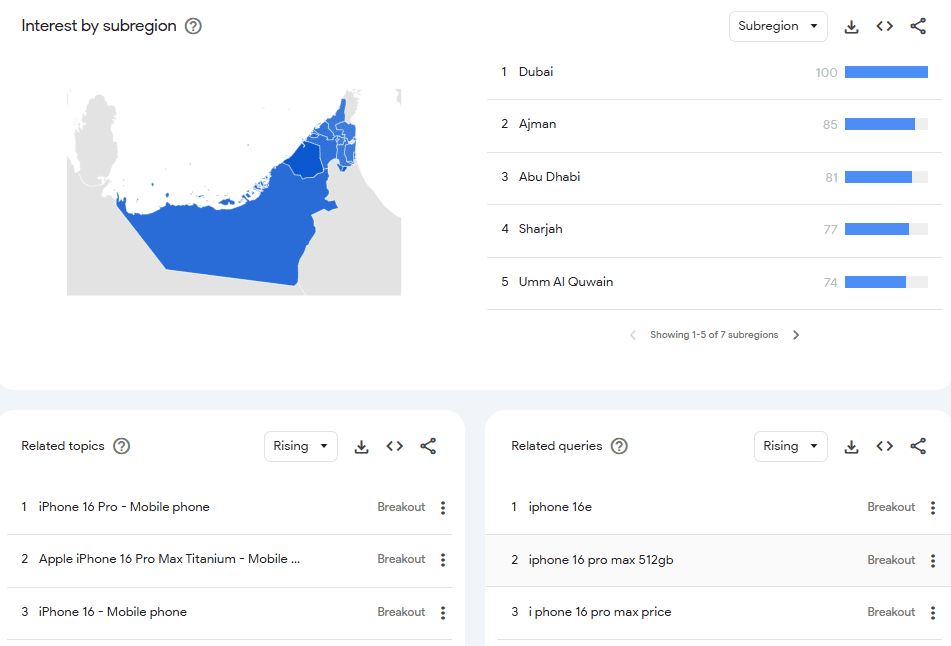
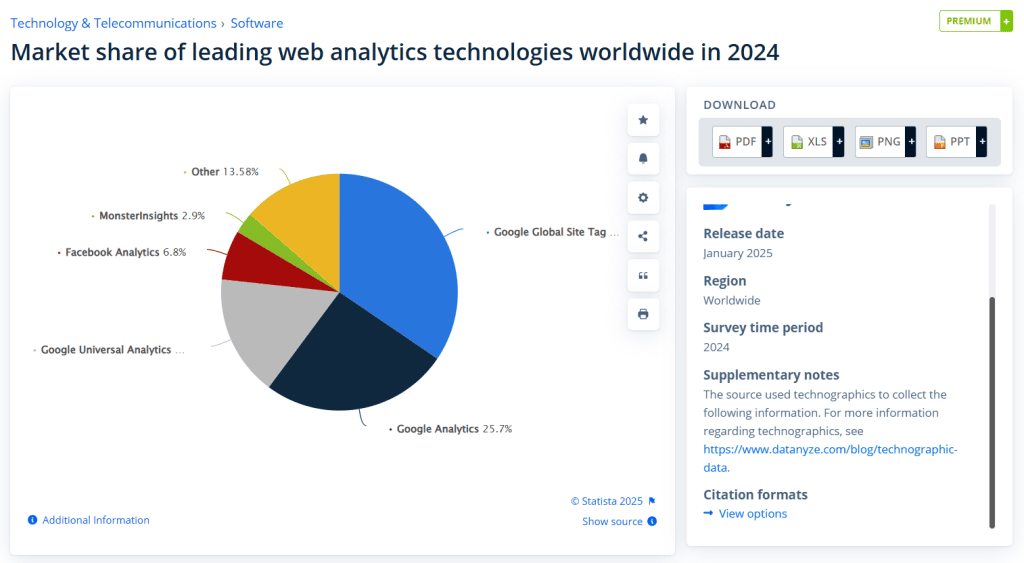
- Statista: An indispensable tool for data aggregation. It provides access to over 220,000 statistics, offering broad market overviews and industry-specific reports.
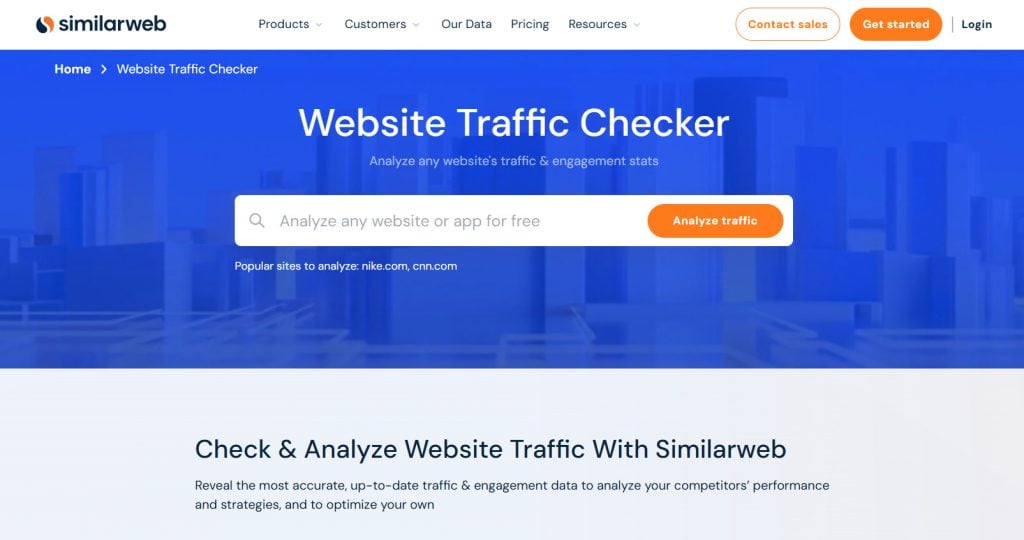
- Similarweb: A powerful platform for competitive benchmarking. It allows brands to analyze competitor traffic sources, channel efficiency, and industry standing.
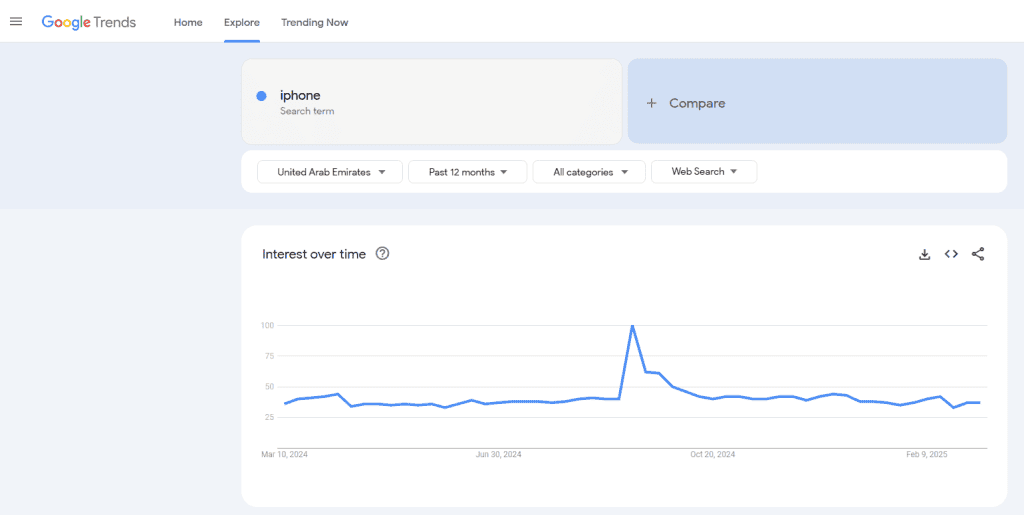
- Google Trends: A free, real-time barometer of audience interest. It is vital for identifying seasonal fluctuations and emerging topics that should inform content strategy.
- Professional Research Services: For organizations with significant budgets, hiring dedicated research firms can provide high-level, bespoke strategic guidance that DIY tools may overlook.
2. Website Data: The Direct Source
Your website is the most honest laboratory for user behavior. To move beyond basic reporting, businesses should leverage a dual-tool approach:
- Google Analytics 4 (GA4): The industry standard for measuring user behavior, tracking event-based interactions, and monitoring cross-platform user journeys.
- Microsoft Clarity: A behavioral analysis tool that utilizes AI-powered heatmaps and session recordings. Unlike traditional analytics, Clarity allows managers to see the "frustration signals"—such as rage-clicks or dead clicks—that prevent conversions. Crucially, it is free, lightweight, and does not impact site performance.
3. Social Media Intelligence
Social media is not merely a marketing channel; it is a live focus group.
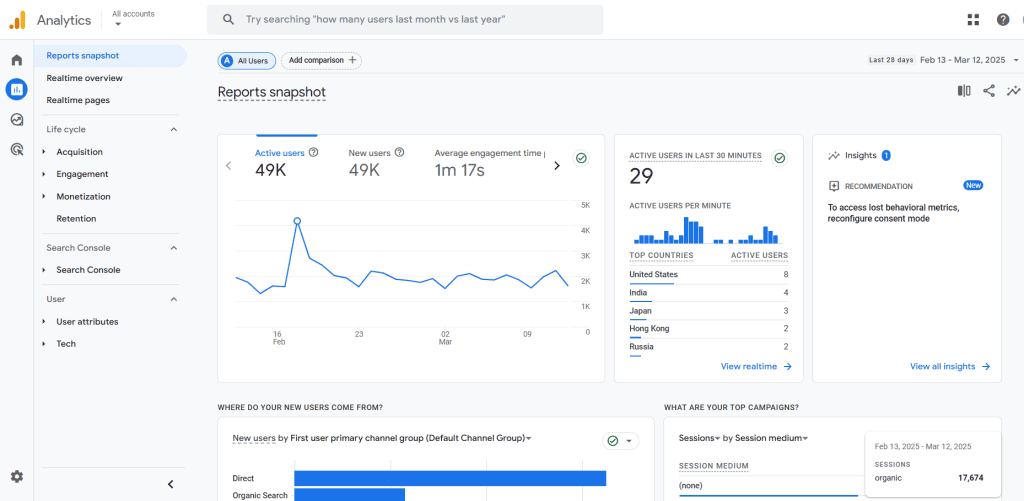
- Centralized Tracking: By using GA4 to track social traffic, companies can categorize users into a sales funnel—awareness, engagement, and conversion. This allows for a granular understanding of which platforms drive the highest-quality leads.
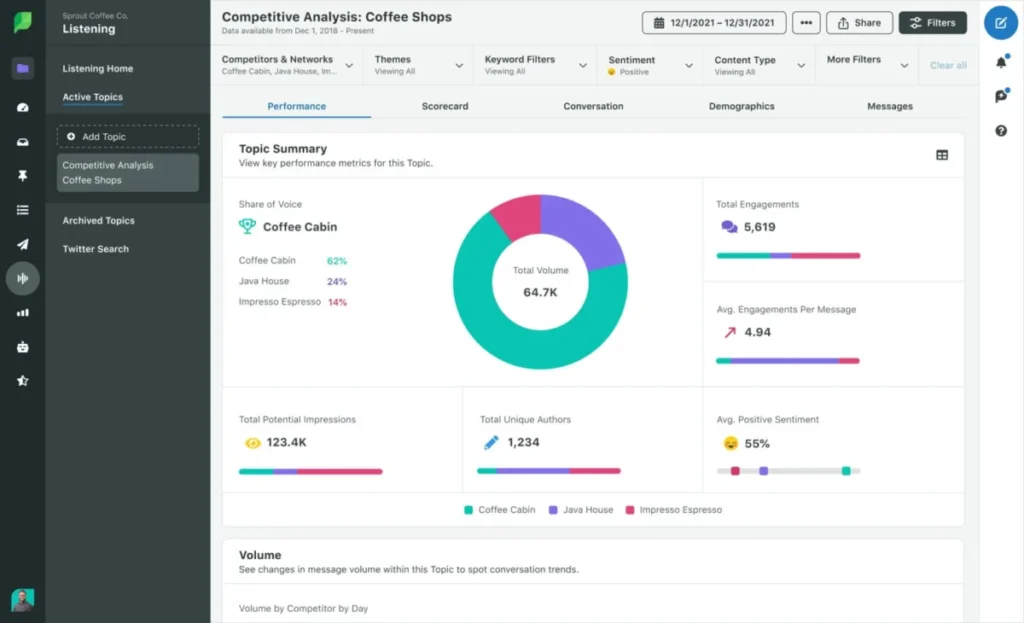
- Social Listening: Tools like Mention or Sprout Social automate the tracking of brand mentions across the web. This is essential for crisis management and identifying unarticulated consumer needs before they become industry standards.
4. Direct Customer Feedback
Direct input remains the gold standard for qualitative data.
- Feedback Widgets: Tools like Appzi allow for real-time, non-intrusive feedback collection during the browsing experience.
- Focus Groups: While small-scale (5–10 participants), focus groups reveal the emotional subtext behind buying decisions that quantitative surveys often miss.
- Surveys: Using platforms like SurveyMonkey or Google Forms, businesses can systematically collect structured data.
- Review Analysis: Whether through Trustpilot or internal product pages, reviews are a goldmine of sentiment. Using AI to analyze themes in 3-star and 4-star reviews often yields the most balanced, actionable feedback for product iteration.
Implications for Future Strategy
The implications of robust customer insight programs are profound. Companies that successfully operationalize their data experience higher retention rates, lower customer acquisition costs (CAC), and increased brand loyalty.
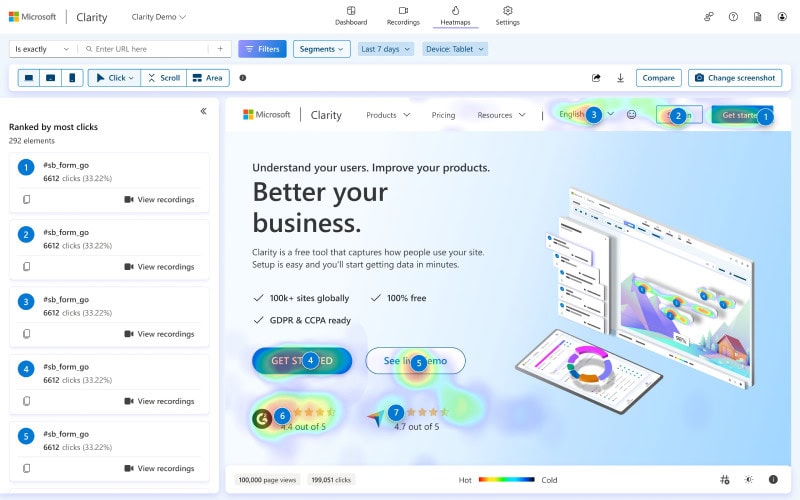
However, the "data trap" remains a risk. Businesses must avoid "analysis paralysis," where an abundance of data leads to indecision. The most successful organizations follow a three-step cycle:
- Hypothesize: Based on initial trends, identify a potential improvement.
- Test: Use tools like GA4 or Microsoft Clarity to track the outcome of the change.
- Refine: Implement, monitor, and repeat.
Conclusion
Mastering customer insights is not a one-time project; it is a culture of continuous inquiry. By integrating market research, behavioral analytics, social media listening, and direct feedback, businesses can transform from transactional entities into customer-centric organizations.
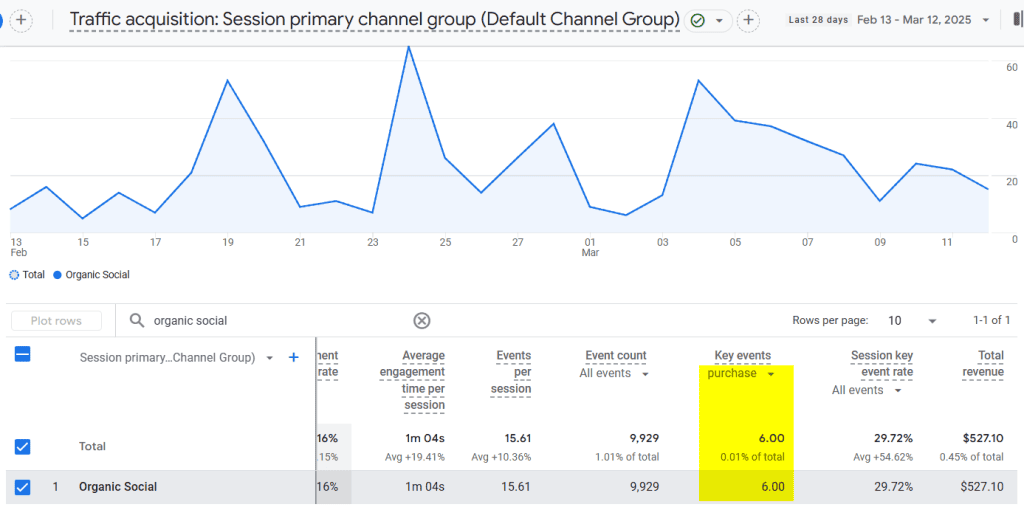
As you begin to implement these strategies, remember that the goal is not just to collect data, but to improve the user experience. Whether you are fixing a broken checkout funnel or identifying a new product opportunity, the insights you gather today will be the foundation of your market authority tomorrow.
What is your primary method for gathering customer insights? Are you leveraging AI for sentiment analysis, or are you still relying on manual review aggregation? Share your experiences and questions in the comments below to join the conversation.
