
The Science of Sales: A Comprehensive Guide to Ecommerce Conversion Rate Optimization (CRO)
In the hyper-competitive digital retail landscape, traffic is a commodity, but conversion is the currency of survival. Ecommerce Conversion Rate Optimization (CRO) is the strategic, data-driven process of identifying where and why potential customers abandon their shopping journey and implementing precise fixes to maximize the probability of a completed purchase. For online store owners, every percentage point of conversion represents not just a metric, but a significant boost to the bottom line.
The Core Fundamentals of CRO
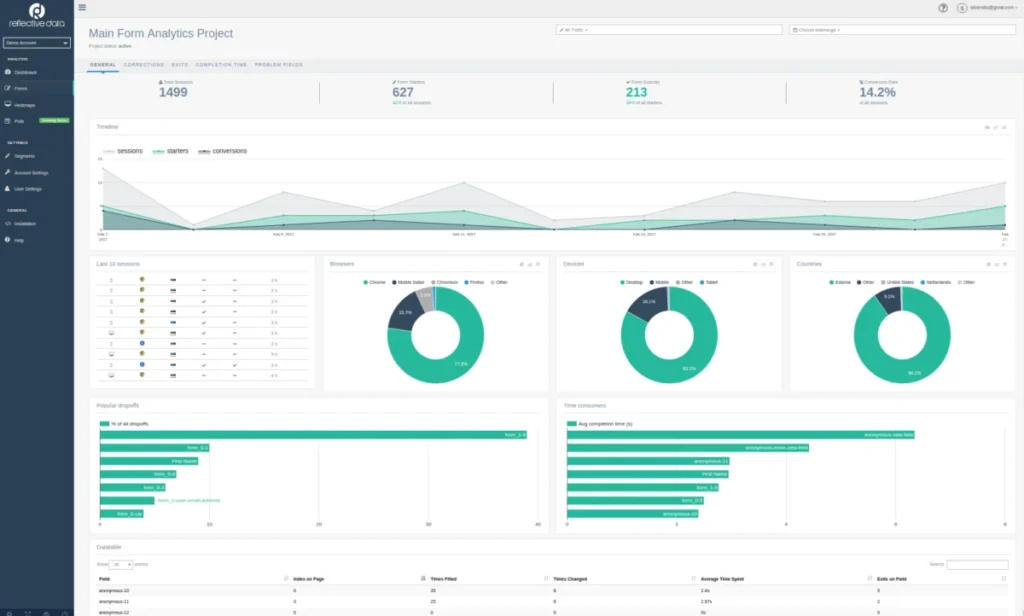
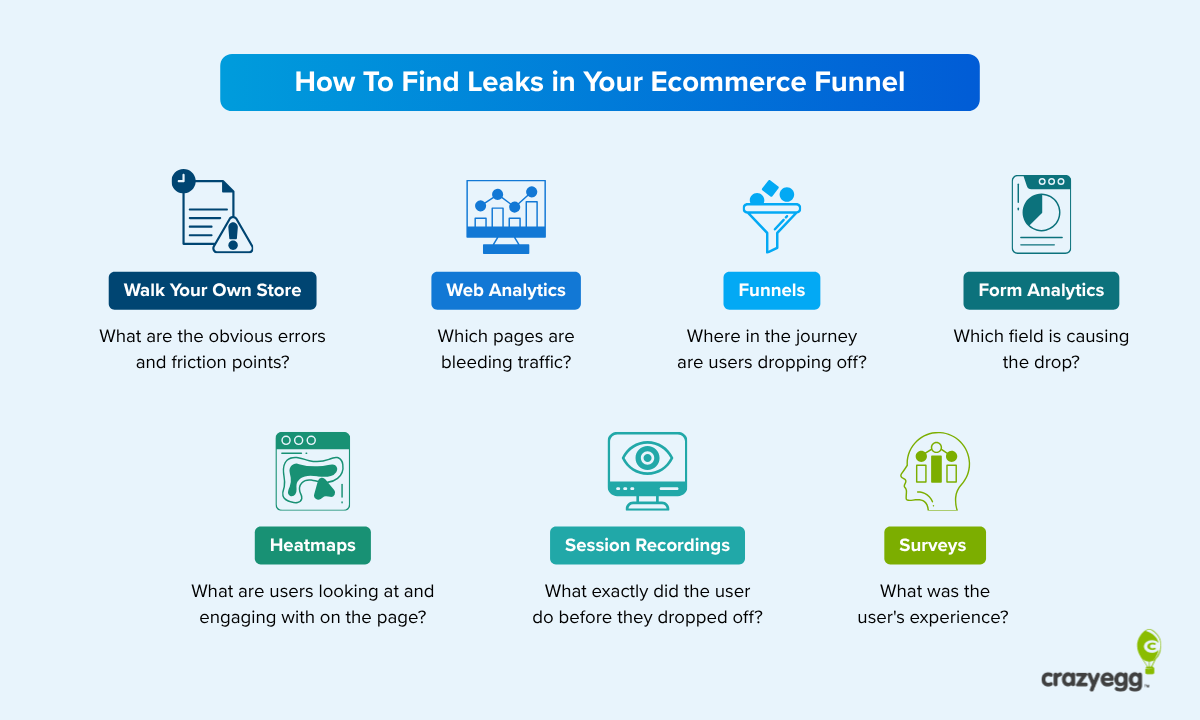
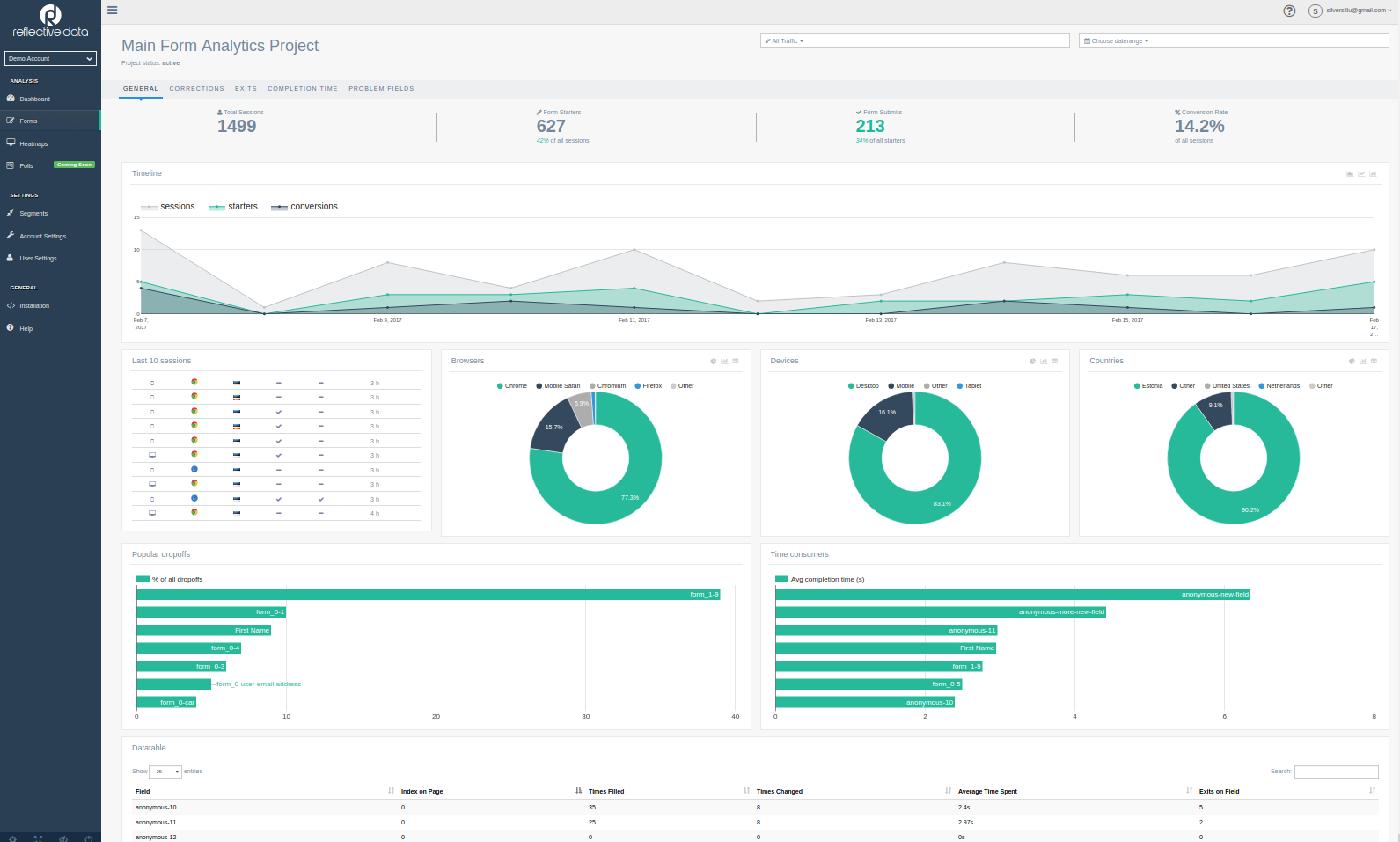
At its essence, CRO is a detective’s game. It requires a blend of quantitative analysis—understanding the "what" behind user behavior—and qualitative research to uncover the "why." By leveraging tools such as web analytics, funnel visualization, form analytics, heatmaps, and session recordings, specialists can pinpoint "leaks" in the sales pipeline. Whether it is a cumbersome checkout process, poor product discoverability, or lack of visual clarity, these friction points act as silent killers of revenue.
Chronology: How to Conduct a Systematic Audit
Optimizing an ecommerce site is not a guessing game; it is a rigorous, iterative process. The following sequence is the industry-standard approach to diagnosing and fixing site performance:
1. The "Manual Walkthrough"
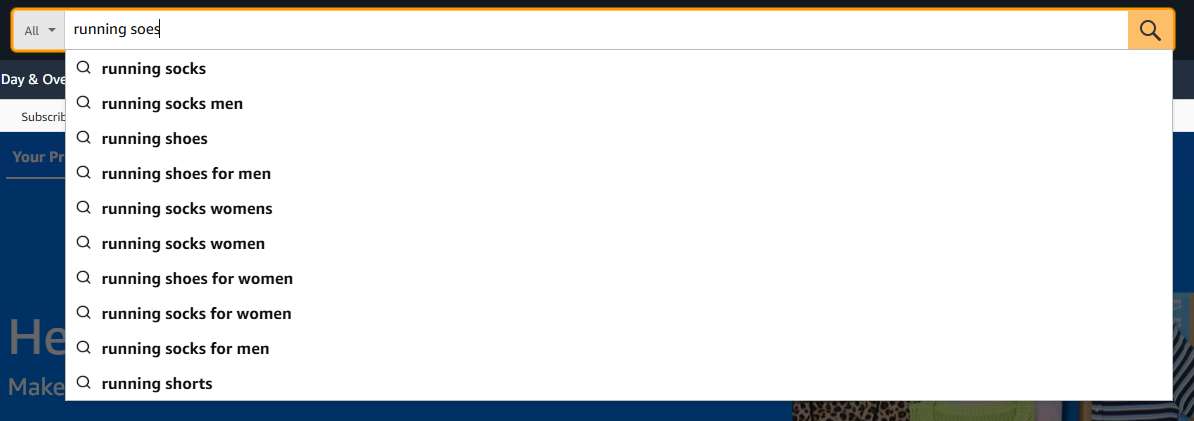
Before deploying complex tracking software, business owners should act as their own mystery shoppers. Navigate your site from the homepage to the final "Thank You" confirmation page. Test the search bar with typos, attempt to add items to your cart, and simulate a checkout process. Often, the most glaring technical glitches—broken links, slow-loading images, or non-responsive buttons—are caught during this initial manual audit.
2. Identifying High-Churn Pages with Analytics
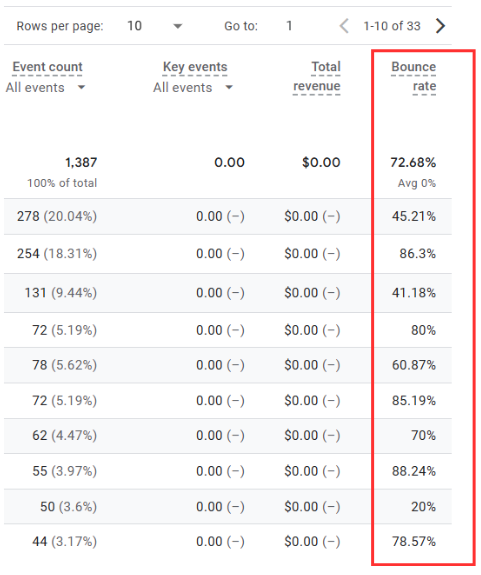
Use your web analytics platform to isolate pages with the highest bounce and exit rates. The bounce rate reveals your first-impression strength; a high bounce rate on a landing page suggests a mismatch between customer intent and the page content, or perhaps an unacceptable load time. The exit rate, conversely, highlights where the customer decided they had seen enough, often signaling friction in the middle of the buying journey.
3. Funnel Visualization
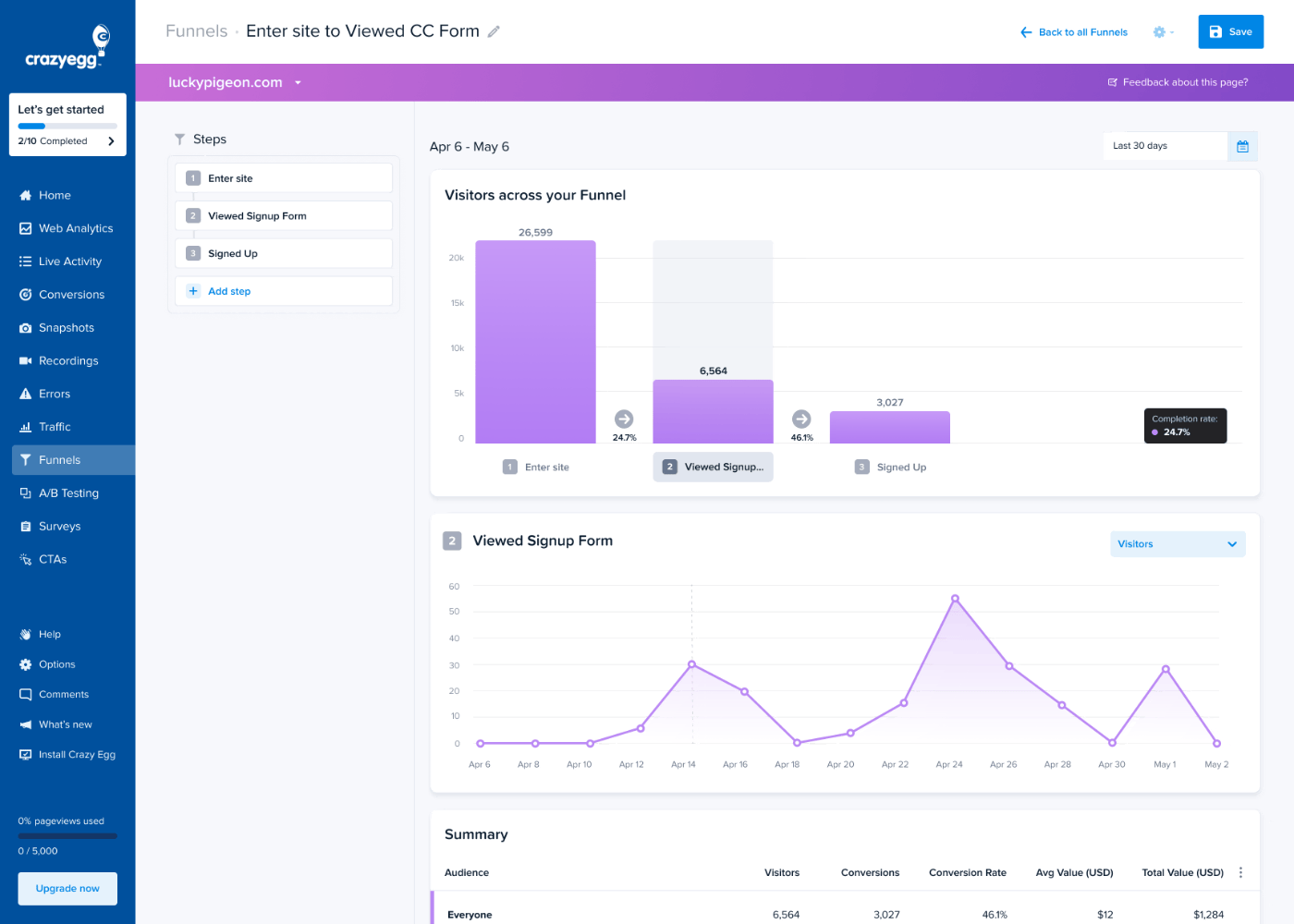
By creating a conversion funnel report, you can map the specific path from a product view to a completed sale. If you observe a 40% drop-off between the "Add to Cart" and "Proceed to Checkout" phases, you have found a critical leakage point. This narrow focus allows you to prioritize your development resources where they will have the highest ROI.
4. Behavioral Diagnostics: Heatmaps and Session Recordings
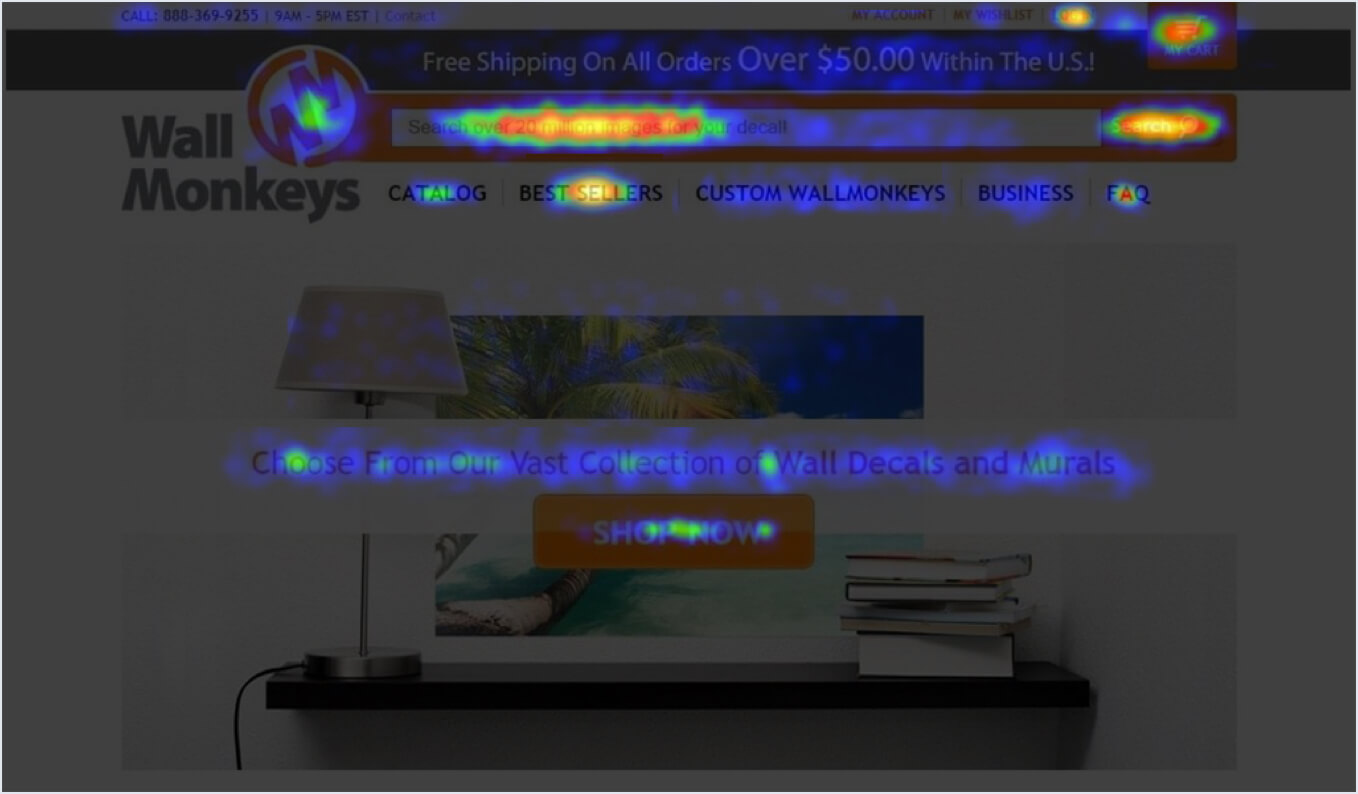
Once you know where users are leaving, you must discover how they are interacting with the page. Heatmaps aggregate mouse movements and clicks, showing you what elements capture attention and which are ignored. Session recordings take this a step further, providing a granular, playback view of individual user sessions. This can reveal unexpected bugs, such as a "Buy" button that fails to render on specific mobile browsers or out-of-stock notices that confuse the user.
5. Capturing the "Why" with Surveys
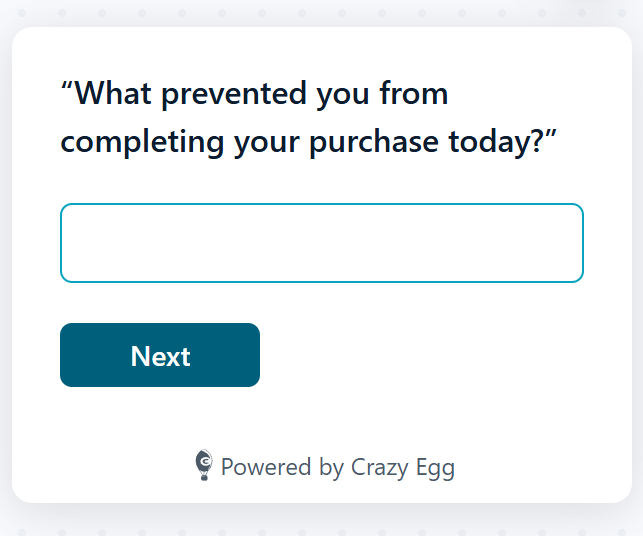
Sometimes the data isn’t enough. By deploying exit-intent surveys—triggered just as a user moves their mouse to close a tab—you can ask direct questions: "What is preventing you from completing your purchase today?" The responses often highlight issues like unexpected shipping costs or a lack of desired payment methods that analytics alone cannot explain.
Supporting Data: Why CRO Matters
The numbers behind CRO are compelling. According to 2026 consumer research, 61% of shoppers identify high-quality images and video as the single most influential factor on a product page, surpassing reviews and price. Furthermore, search users remain the most valuable segment; data indicates that while searchers may account for only 24% of site traffic, they drive nearly 44% of total revenue, converting at 2.5 times the rate of passive browsers.
When it comes to checkout, friction is the enemy. Research consistently shows that nearly 40% of cart abandonments are tied to unexpected shipping or tax costs added at the final stage. Furthermore, requiring account creation before purchase acts as a significant barrier, with roughly 18% of users abandoning their carts simply to avoid the registration process.
14 Strategic Levers for Optimization
To effectively plug the leaks identified in your audit, implement the following strategies across the four stages of the sales funnel:
Discovery Stage
- Fix On-Site Search: Implement AI-powered search engines that handle typos, synonyms, and natural language queries.
- Refine Navigation: Align categories and filters with the customer’s vocabulary. Interview customers to learn the terminology they use to describe your products.
Product Page Stage
- Visual Excellence: Utilize high-resolution images from multiple angles, supported by zoom functionality and 360-degree views.
- Content Depth: Provide comprehensive product descriptions, sizing guides, and technical specifications to reduce "not as described" return rates.
- Trust Signals: Prominently display verified reviews, security badges, and clear return guarantees.
- Transparent Pricing: Show taxes and shipping estimates as early as the product page to avoid "sticker shock" at checkout.
Cart & Checkout Stage
- Guest Checkout: Always default to a guest checkout flow, allowing users to create an account only after the purchase is complete.
- Single Sign-On (SSO): Integrate social login options (Google, Apple, Facebook) to reduce friction.
- Form Optimization: Reduce field counts to the absolute minimum (7–8 fields is the current gold standard). Use address autocomplete to speed up data entry.
- Visual Progress: For multi-step checkouts, use a progress bar and keep order summaries visible at all times.
- Localized Payments: Offer region-specific payment methods (e.g., iDEAL for the Netherlands, BLIK for Poland) and digital wallets like Apple or Google Pay.
Recovery and Site-Wide Optimization
- Abandoned Cart Recovery: Deploy a multi-channel recovery flow including email, SMS, and push notifications.
- AI Personalization: Use machine learning to suggest relevant products based on individual browsing history.
- Performance Speed: Ensure pages load in under 2.5 seconds to align with Google’s Core Web Vitals.
- Mobile-First Design: With mobile devices driving over 70% of ecommerce traffic, ensure the mobile checkout experience is seamless, touch-friendly, and optimized for small screens.
Implications for the Modern Retailer
The primary implication of this data is that conversion rate optimization is not a project; it is a permanent business state. The digital marketplace is dynamic; what worked last year may be rendered obsolete by changing consumer expectations or new mobile technology.
By building a continuous loop of testing—Analyze, Hypothesize, Test, and Implement—retailers can move away from reactive fixes toward a proactive culture of improvement. A 1% increase in conversion rate, when applied to a high-volume store, can result in millions of dollars in additional revenue without the need for additional marketing spend.
Expert Perspective: The Continuous Loop
"Ecommerce conversion optimization isn’t a one-off exercise," note industry specialists. Successful brands treat their website as a living organism. When you analyze a page, implement a change, and A/B test the result, you gain a new baseline of knowledge. This feedback loop ensures that your marketing budget is not being "leaked" through an inefficient funnel, but is instead being funneled into a high-performance machine designed to convert intent into reality.
In conclusion, by shifting the focus from simply driving traffic to maximizing the value of existing visitors, retailers can achieve sustainable growth and build a more resilient, customer-centric digital store.
